
East Coast USA in 7 Days: NYC, DC and Boston
A day-by-day East Coast USA itinerary: 3 nights New York, 2 Washington DC, 2 Boston, linked by Amtrak. Where to sleep each night and what it costs.
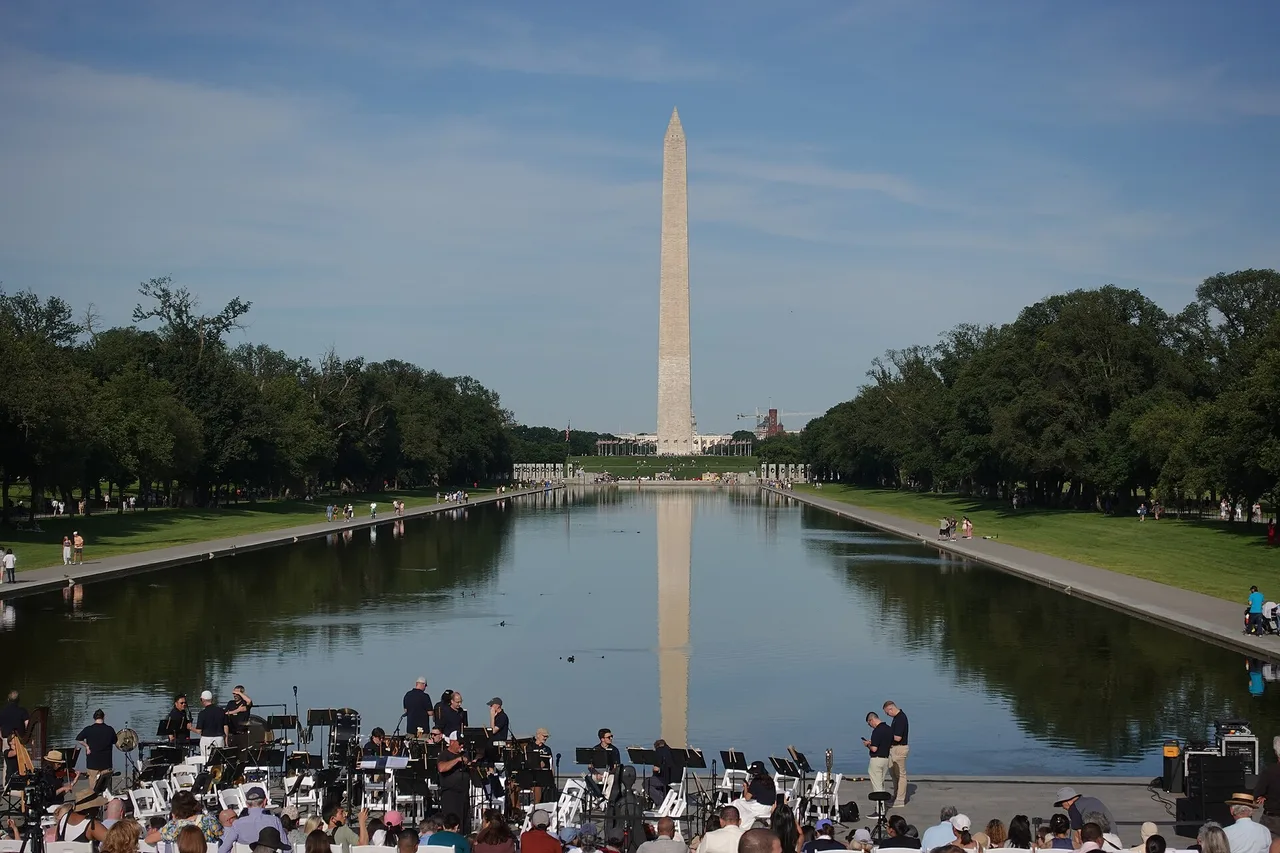
Three nights in New York, two in Washington DC, two in Boston, with Amtrak doing the work in between. That split gives each city the time it actually needs, and it costs less than any version of this week involving a rental car. Fly into New York and home out of Boston, or the reverse, and you never backtrack.
The reason this corridor works when the rest of American travel does not is the railroad. Acela is scheduled at 2h 56m to 3h 25m between Washington and New York, station to station, and both stations sit under the middle of their cities. Add up the taxi, the security line and the bag wait on the equivalent flight and the train is ahead, which is why the Northeast Corridor is the one place in the country where Americans routinely take the train by choice. Amtrak carried a record 34.5 million passengers in fiscal 2025, and the new NextGen Acela trains, in service since August 2025, are adding 27% more seats per departure as all 28 sets arrive through 2027.
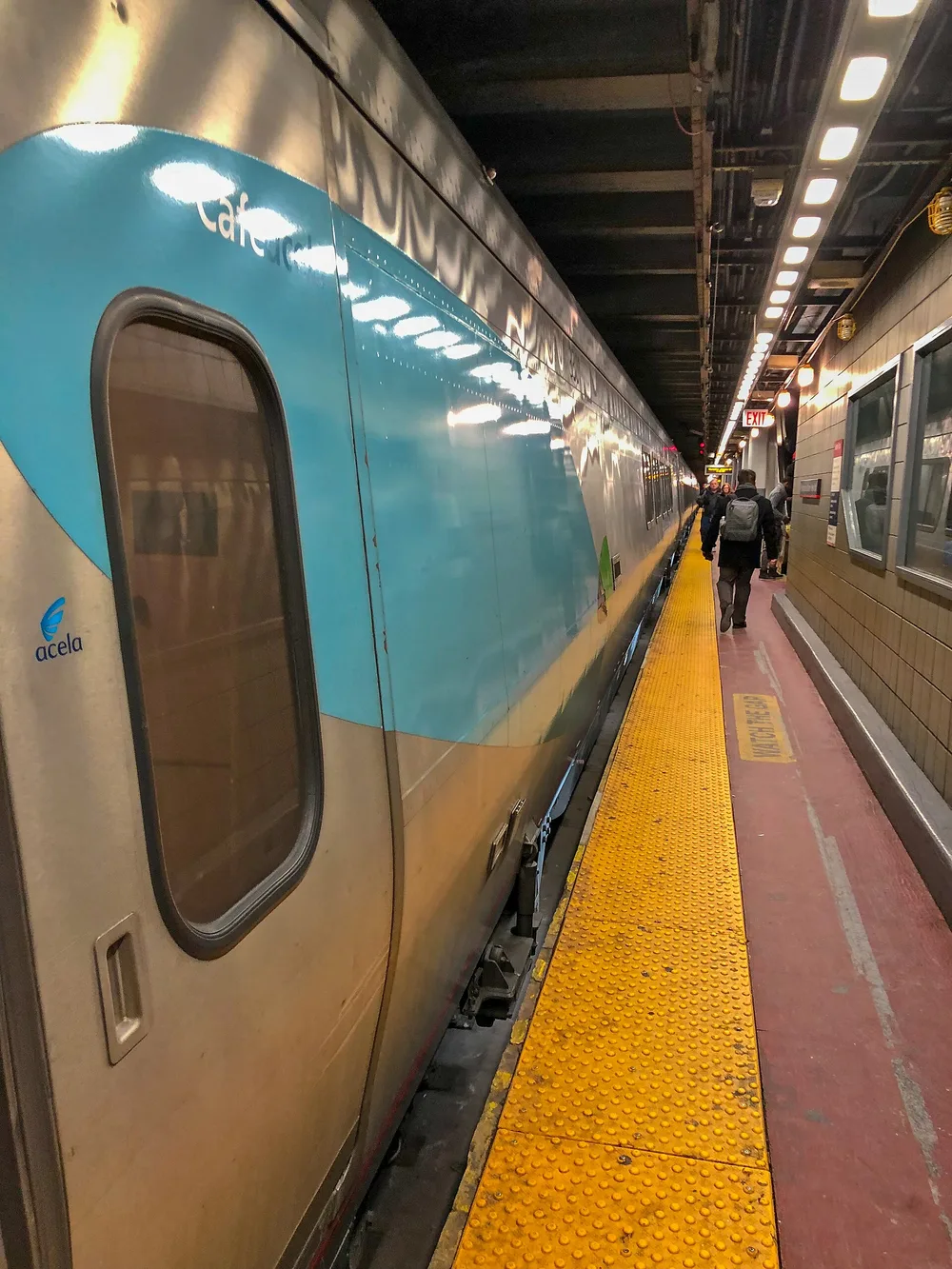
Days 1-3: New York
Day 1. Land, get to your hotel, and don’t attempt anything ambitious. Jet lag from Europe hits at about 4pm local time. Walk the High Line, eat early, and let the first evening be a write-off. If you have energy left, the view from the Edge or Top of the Rock at dusk costs less mental effort than a museum.
Day 2. Downtown. Start at the 9/11 Memorial when it opens, walk north through the Financial District to the Brooklyn Bridge, cross on foot, and eat lunch in Dumbo. Come back on the subway and give the afternoon to SoHo and the Lower East Side; you’ll walk more than you plan to. One $3.00 tap gets you anywhere, and after twelve rides in a rolling seven-day window the rest of the week is free, capped at $35.
Day 3. Uptown and a show. Central Park in the morning, then either the Met or the American Museum of Natural History. Not both, whatever your list says. Book your theater seats before you fly rather than gambling on the day; our guide to Broadway tickets in NYC explains where the cheap seats hide. For the full list of what’s worth your daylight hours, our things to do in New York City guide runs through it properly.
Sleep: Midtown east of Sixth Avenue is the low-friction choice on a trip this short, because every subway line and both mainline stations are within a walk. Our where to stay in New York City guide compares that against downtown and Brooklyn if you want more character for the money. Niagara Falls looks close on a map of the state, but it needs its own overnight, so leave it off a week like this.
Day 4: south to Washington, via Philadelphia if you want it
Take a morning train. Northeast Regional is the workhorse and costs a fraction of Acela for about half an hour more; Acela is worth the difference only if you’re traveling at peak and want a guaranteed quiet seat.
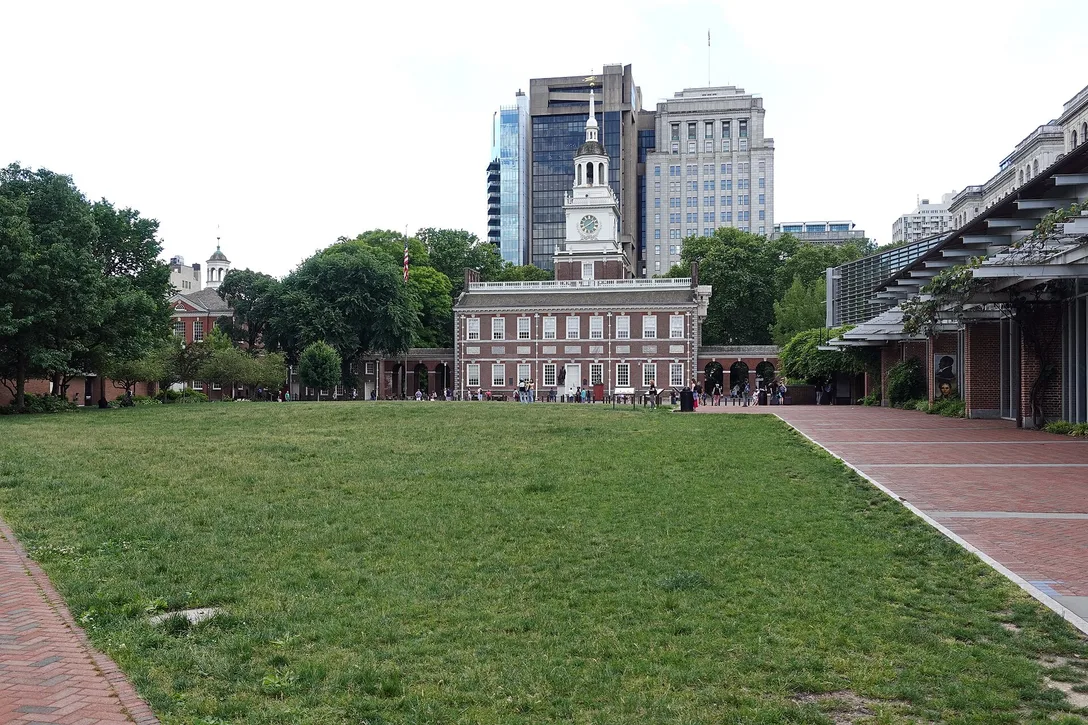
Here’s the move most people miss. Philadelphia sits directly on the line, about 90 minutes from New York, and Amtrak lets you break the journey if you book two separate legs. Store your bag at 30th Street Station, take the short ride or a 25-minute walk to Independence Hall and the Liberty Bell, eat a proper cheesesteak, and catch an afternoon train onward. Splitting one fare into two legs usually costs little more than the through ticket, and it turns a transfer into a third city. If you decide to stay the night instead, Center City is the easy base for the station and the historic square mile.
Sleep: In Washington, stay near a Metro station rather than near the Mall. Dupont Circle, Logan Circle and Capitol Hill all put you ten minutes from the monuments with restaurants that stay open past nine, which the area around the Mall doesn’t. Where to stay in Washington DC takes those neighborhoods apart - and the ones that look central but strand you after the museums close.
Days 5-6: Washington DC
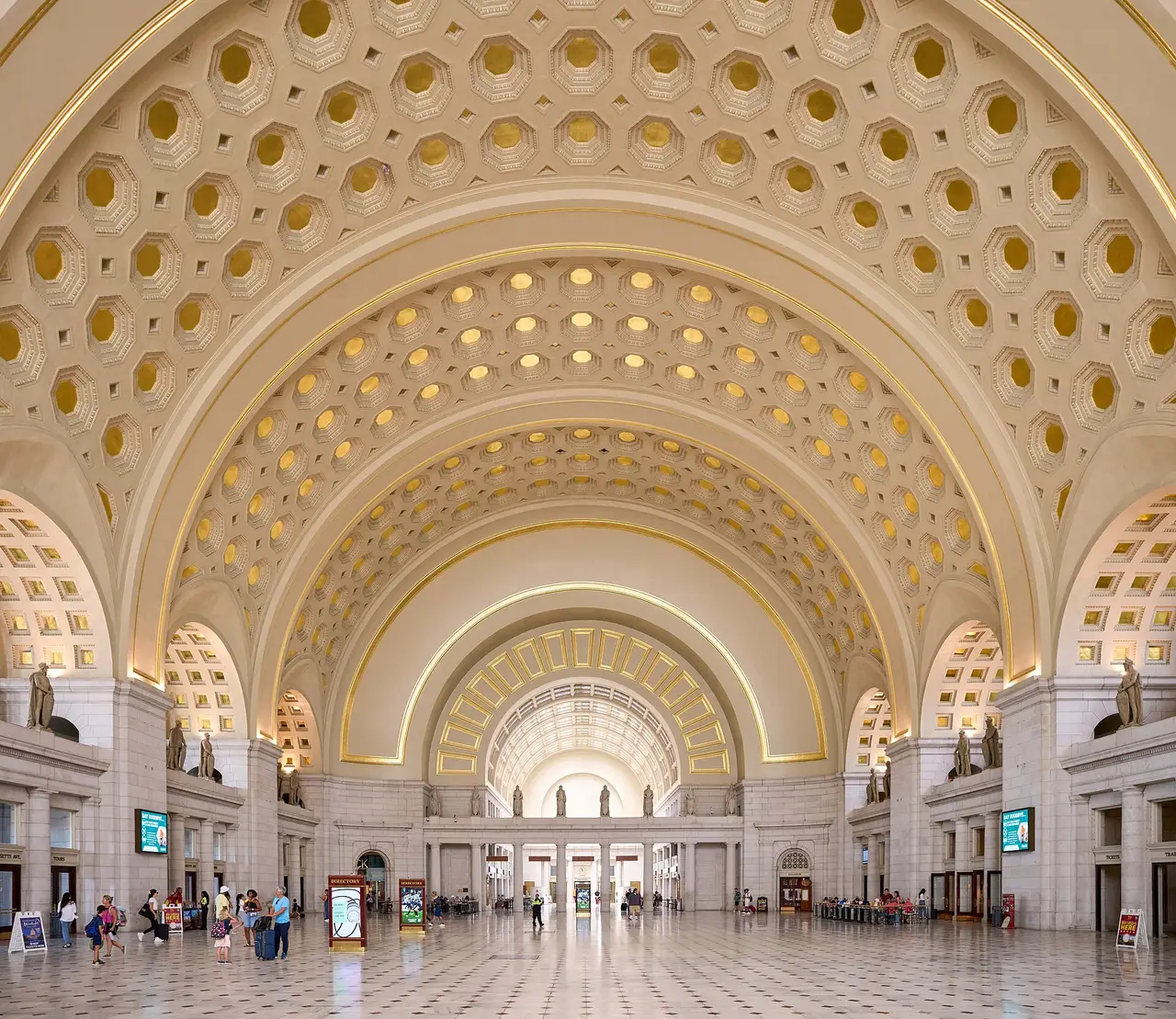
Day 5. The Mall, on foot, west to east or east to west but not both. Lincoln Memorial, the Reflecting Pool, the Vietnam and Korean War memorials, the Washington Monument, then whichever Smithsonian museums you actually care about. Entry to the Smithsonians is free, which changes how you use them: go in for an hour, leave when you’re bored, come back tomorrow. Nobody does this and everybody should.
Day 6. Georgetown in the morning for the canal and the townhouses, then the Capitol and the Library of Congress in the afternoon. The Library of Congress reading room is the most beautiful interior in the city and the least crowded, because visitors assume it’s closed to them.
A practical note on the Metro: fares are distance-based and change by time of day, so load a card rather than buying single tickets each time. The system is clean, quiet and shuts earlier than you’d expect on weeknights, so check the last train before a late dinner.
Sleep: Washington on nights 4 and 5, then move north on the evening of day 6. This is the single leg where the train loses: Washington to Boston is most of a working day on either Regional or Acela, and the flight is about 90 minutes. Fly it, sleep in Boston, and start day 7 with the whole city in front of you.
Leaf-peepers should swap in our New England fall foliage planner and state deep dives for Vermont and New Hampshire on a longer autumn run.
Day 7: Boston
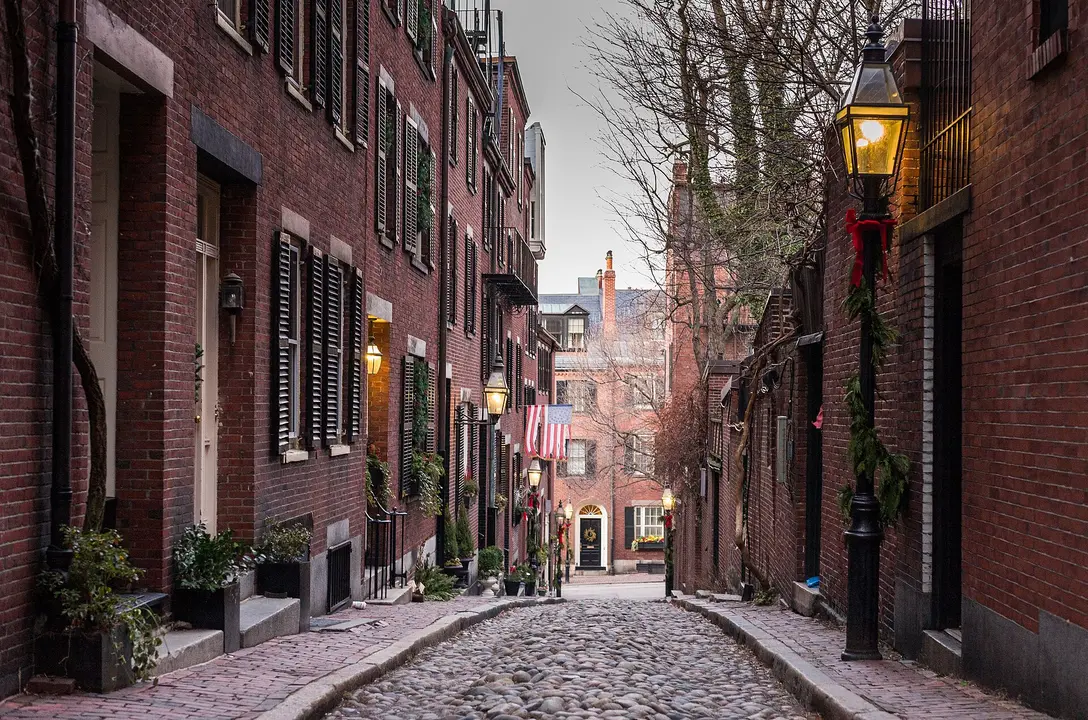
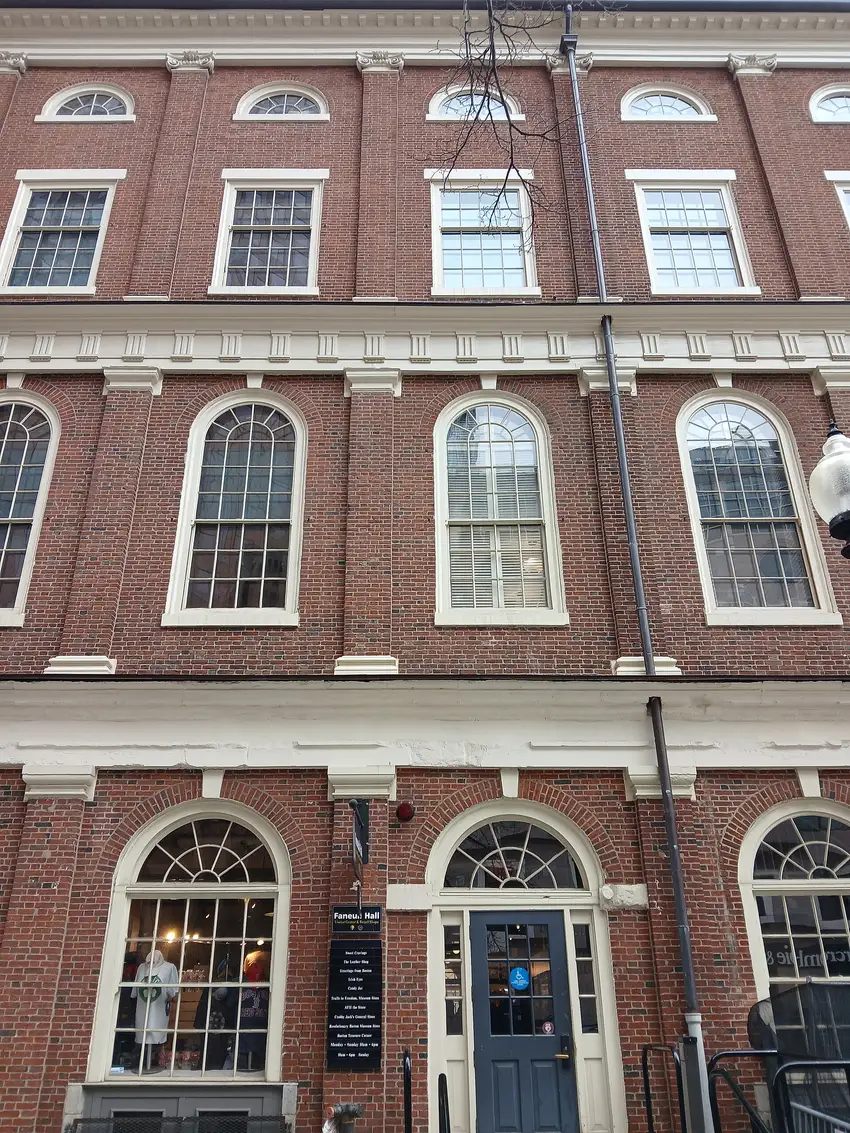
Boston is the smallest of the three and the easiest to walk. The Freedom Trail is a red line set into the sidewalk that connects sixteen historic sites over about two and a half miles, and following it is the most efficient way anyone has ever organized a city walk. It takes you past the Granary Burying Ground, Faneuil Hall and the Old North Church, and ends across the water in Charlestown at the USS Constitution.
With a second day, cross the river to Cambridge for Harvard Square and the university museums, or take the ferry out to the Boston Harbor Islands. With only one, walk the trail in the morning, eat oysters at lunch, and spend the afternoon in Beacon Hill and the Public Garden. That’s a full day and it doesn’t feel rushed.
Sleep: Back Bay or Beacon Hill for atmosphere, the Seaport for newer and cheaper rooms, Cambridge if you want the best value of the three. Our where to stay in Boston guide takes each of those apart, along with the 14.95% room tax and the last train home.
What this week costs, and where it leaks
Two line items decide the budget. Hotels are the big one, and Manhattan is the most expensive night of the trip by some distance. Book all three cities at once rather than city by city, because a cheaper Boston hotel often funds a better New York one: compare hotels in New York, Washington and Boston on your exact dates before committing to any of them.
The second is transport, and Amtrak behaves like an airline. Fares are dynamic, they climb steeply in the last two weeks, and the same New York to Washington seat can cost far more on the morning of travel than it did a month out. Book the New York to Washington leg and the Washington to Boston hop as soon as your dates are fixed. Before you pick a fare, Amtrak train travel in the USA shows what Sale, Value and Flex tickets let you change or refund, with Acela and Regional scheduled times for this corridor. If you’re flying in and out of different cities, find flights into New York or Boston as an open-jaw ticket, which usually costs about the same as a return.
You won’t need a car for any of this, and you shouldn’t rent one. Parking in all three cities is expensive, the traffic is worse than the reputation, and you’d spend the savings on garages inside two days. If a car does appear later in your trip, our guide to renting a car in the USA covers the counter traps first. For a longer trip built around the same corridor, our 2-week USA itinerary shows what to add, and if you’re weighing rail against flying for other legs, flights, Amtrak or a car puts the numbers side by side. Beyond the five boroughs, our New York State travel guide covers the Hudson Valley and the Adirondacks.
Read also
- The corridor’s end cities: Washington DC and Boston
- Where to base yourself: where to stay in New York City, where to stay in Washington DC and where to stay in Boston
- Booking the corridor train: Amtrak train travel USA
- Sort your seats early: Broadway tickets in NYC
- Getting a phone working on arrival: eSIM and SIM cards for the USA
- More trip planning guides and US cities
Admission and opening hours
- Admission price
- Amtrak fares on this corridor are dynamic rather than fixed: Northeast Regional is the cheaper service and Acela the premium one, both cheapest booked weeks out, so price your own dates on amtrak.com. New York subway is $3.00 a tap with a $35 rolling seven-day fare cap. A mid-range Manhattan hotel runs roughly $250-350 a night.
Amtrak prices rise steeply close to departure, so the same seat can double in the final week. Hotel rates in all three cities swing with conventions and events, and the Manhattan range is indicative only.
Details checked: July 24, 2026
Read also

Before you go · 9 min read
New England Fall Foliage: When and Where to Go
Verified · August 27, 2026Yankee's 2026 forecast, peak windows by state and how to chase color from Vermont's Northeast Kingdom to the NH coast without betting on one weekend.

Before you go · 9 min read
Which Hawaiian Island: Oahu, Maui, Kauai or Big Island
Verified · August 24, 2026Pick one Hawaiian island for a week: Oahu for city and surf, Maui for beaches and Haleakala, Kauai for scenery, Big Island for volcanoes.

Before you go · 11 min read
Where to Stay in Phoenix: Downtown, Scottsdale or Tempe
Verified · August 18, 2026Free Sky Train, then $2 light rail into downtown. Scottsdale is the resort city; Tempe is ASU next door. Phoenix hotel tax is 13.07%.

Before you go · 11 min read
Global Entry and TSA PreCheck for Visitors
Verified · August 15, 2026Global Entry is $120 for five years and closed to most EU passports. TSA PreCheck is $85 or less, and only US citizens and LPRs can buy it.