
Getting Around the USA: Flights, Amtrak or a Car
Flying, Amtrak, driving or the bus in the USA, compared on real routes by time and cost, with the distance rule that decides which one to book.
Fly anything over about 700 miles, take the train only in the Northeast, and drive the rest. That single rule handles almost every domestic leg an American trip throws at you, and it holds because the United States built one fast rail corridor and then stopped. Everywhere else, the choice is between a plane and a car, and the deciding factor is distance rather than preference.
Distance is the thing visitors misjudge. Chicago to Denver is roughly 1,000 miles, about the same as London to Rome, and Americans think of it as a domestic hop. Once a leg passes roughly 700 miles, the car stops competing on time no matter how cheap gas is, and once it drops below about 250, driving or the train almost always beats flying door to door once you count the airport.
| Mode | Wins when | Loses when |
|---|---|---|
| Plane | Over about 700 miles, or crossing time zones | Short hops where airport time eats the gain |
| Amtrak Acela / Regional | Boston-New York-Washington | Almost everywhere else, on speed |
| Rental car | National parks, small towns, anywhere off a hub | Big-city centers, one-way legs, parking |
| Long-distance train | You want the journey to be the trip | You have a schedule to keep |
| Intercity bus | Budget is the only constraint | You need to arrive at a predictable hour |
The Northeast Corridor: the one place the train wins
Between Boston, New York and Washington the train is not a compromise. Acela is scheduled at 2h 56m to 3h 25m between Washington and New York, so call it three hours, and both stations sit under the middle of their cities. The equivalent flight is roughly 75 minutes in the air and around four hours in practice once you’ve added the trip to the airport, security, boarding and the trip back into town at the other end.
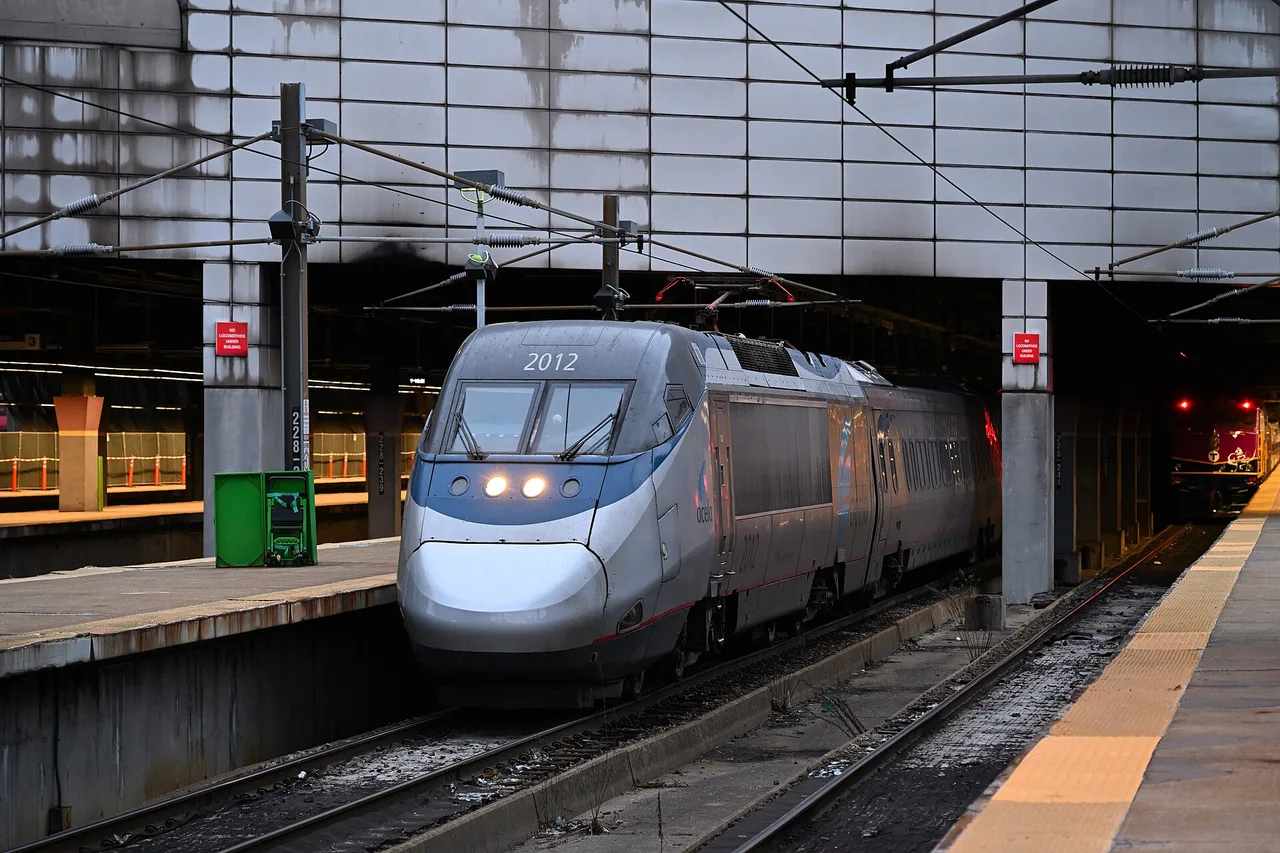
The corridor is also getting better rather than worse. NextGen Acela trains entered service in August 2025 and are being rolled out across 28 sets through 2027, each carrying 27% more passengers per departure. Amtrak as a whole hit a record 34.5 million passengers in fiscal 2025.
Two practical notes. Northeast Regional is the cheaper, slightly slower service on the same tracks and it’s the better buy for most travelers; Acela is worth the premium mainly at peak times. And Amtrak prices like an airline, so a seat booked a month out and the same seat bought on the morning of travel are different products at different prices. Our 7-day East Coast itinerary uses this corridor end to end. Amtrak train travel USA covers the booking side: Sale, Value and Flex fares, the USA Rail Pass, sleeper rooms and scheduled times for Acela, the Regional and the long-distance trains.
Flying: the default for anything long
Domestic aviation is the American intercity network, and it’s cheaper in real terms than most visitors expect. The Bureau of Transportation Statistics put the average domestic itinerary at $387 in 2025, down 1.8% on the inflation-adjusted 2024 figure, before fares rose again by 4.7% in the first quarter of 2026.
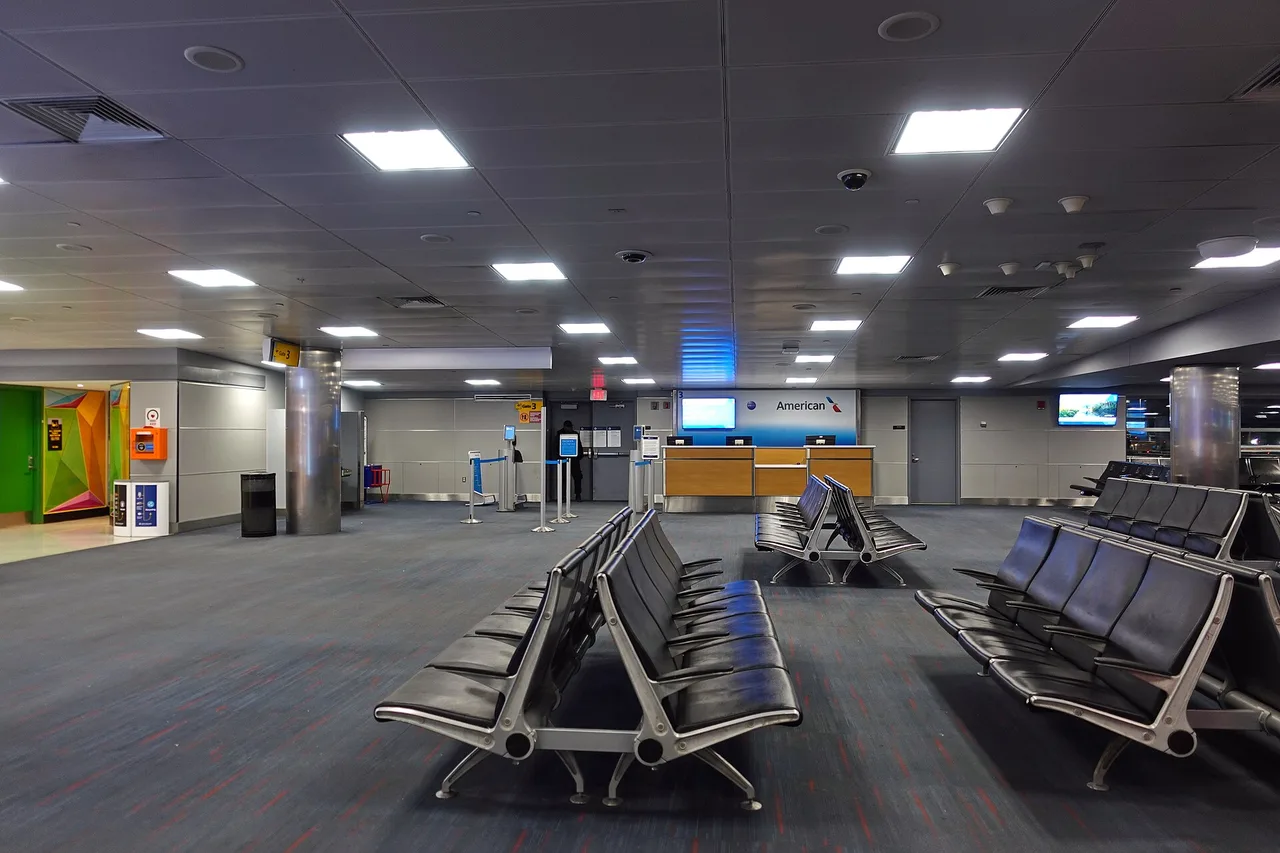
What you pay depends on three things people skip. Basic economy fares usually exclude a carry-on bag larger than a personal item, so the advertised price and the price with luggage are different numbers. Connecting through a hub is cheaper than flying nonstop, and on a tight itinerary the saving is rarely worth the risk. And separate tickets on two airlines carry no protection at all if the first leg runs late, which is the most expensive mistake in domestic US flying.
One thing you don’t need to worry about: identification. TSA accepts a foreign passport as ID at domestic security checkpoints, so the REAL ID rules that have caused so much noise around US state driver licenses aren’t your problem. Check the current accepted ID list on tsa.gov if you’re carrying anything unusual, but a valid passport clears every checkpoint in the country. TSA PreCheck, the faster lane that some travelers pay for, is sold only to US citizens and permanent residents, so visitors can’t buy their way into it.
Book the flight and the car together where the trip involves both, because the cheapest arrival airport isn’t always the cheapest place to pick up a vehicle: compare US domestic flights on your dates alongside a rental car for the same route.
Driving: not the best option, the only one
Outside a dozen metro areas, the car is how the United States works. A few national parks can be reached by rail, Glacier with Amtrak stops at its edge and the Grand Canyon’s South Rim by the Grand Canyon Railway from Williams, but most have no train and minimal bus service. Small towns have neither. If your plan includes Zion, Yellowstone or the Great Smoky Mountains, you’re driving, and the only question is where you pick the car up.
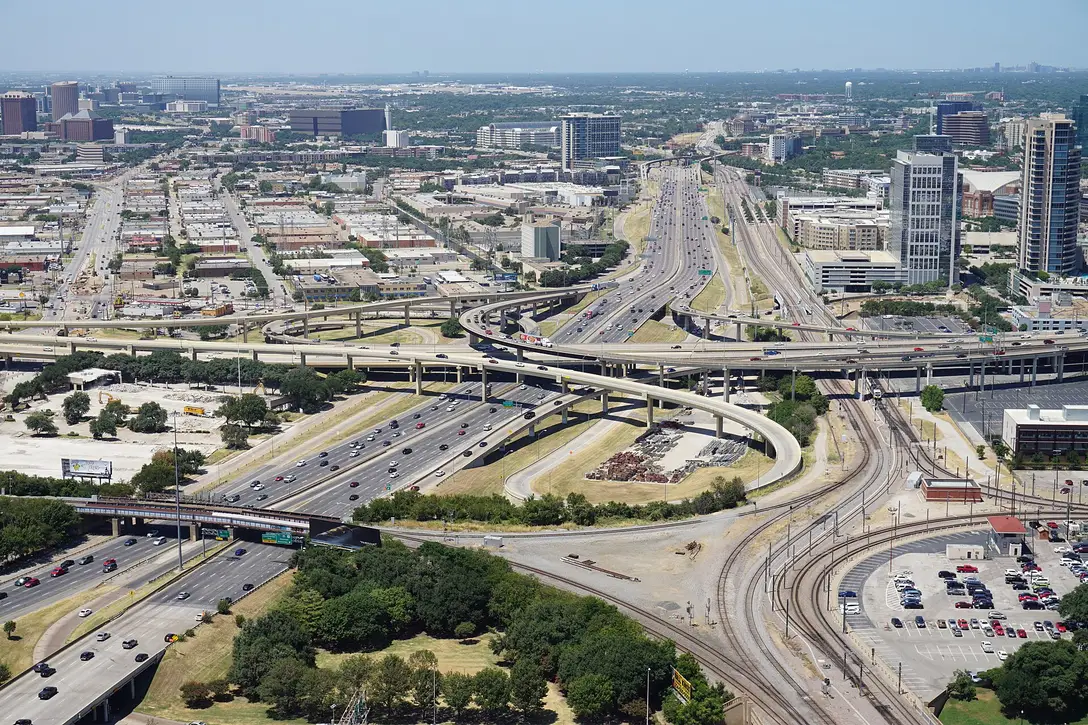
Running costs are moderate by European standards. Regular gas averaged $4.001 a gallon nationally in the week of 20 July 2026, though the spread runs from $3.924 on the East Coast to $5.354 in California. A 400-mile day in a car doing 30 miles to the gallon is roughly 13 gallons, so fuel is rarely the item that breaks a budget. Parking in city centers and one-way drop fees are. Our guide to renting a car in the USA covers where those charges hide, along with the insurance decision that costs more than the fuel.
Take one concrete leg. New York to Chicago is about 790 miles. You’ll fly it in a little over two hours, drive it in twelve or thirteen with stops, or ride Amtrak’s Lake Shore Limited overnight. Over that distance the plane wins so clearly that the only reason to drive is if you actually want the Pennsylvania and Ohio countryside in between.
The honest limitation: US highway driving is easy but monotonous. Six hours on an interstate is six hours of the same view, and two long driving days back to back will flatten a short trip.
The long-distance train, which is a different product
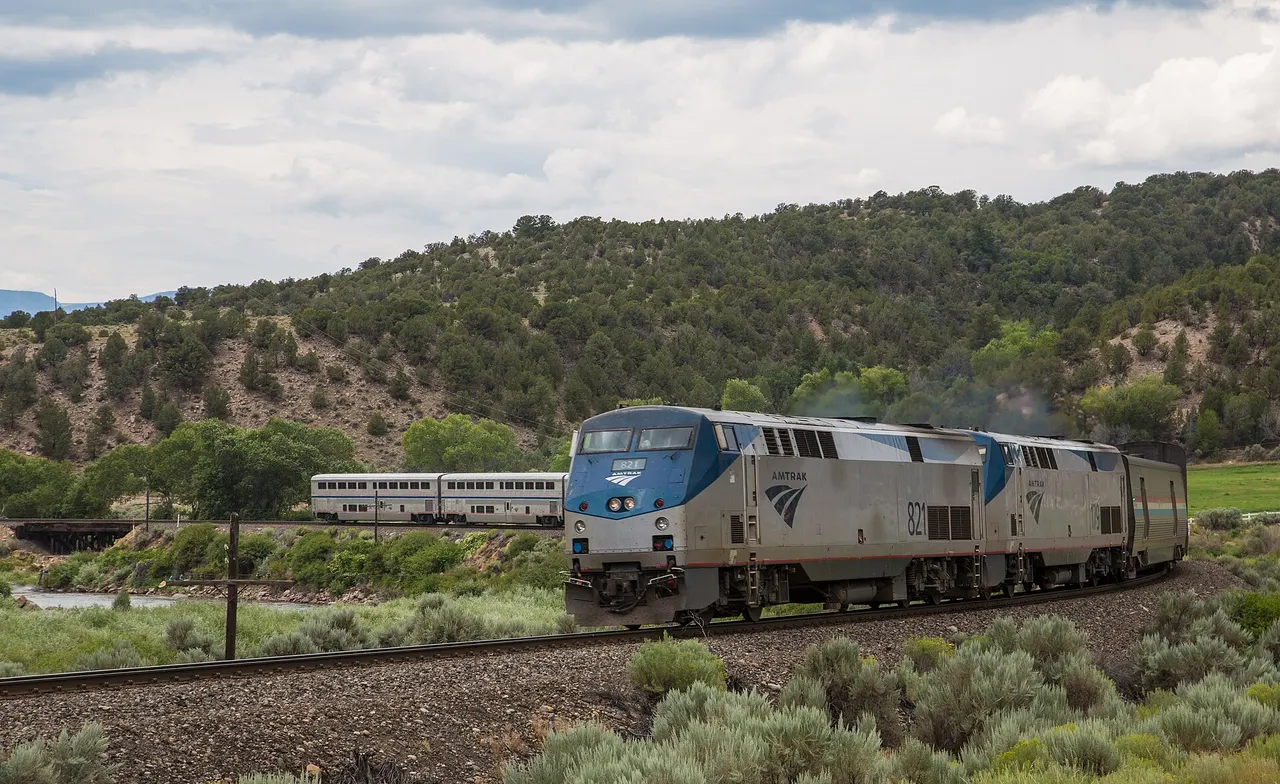
Amtrak’s cross-country routes aren’t transport in any useful sense. The California Zephyr takes a little over two days to run Chicago to the San Francisco Bay, crossing the Rockies and the Sierra Nevada on the way, and a flight covers the same ground in four and a half hours.
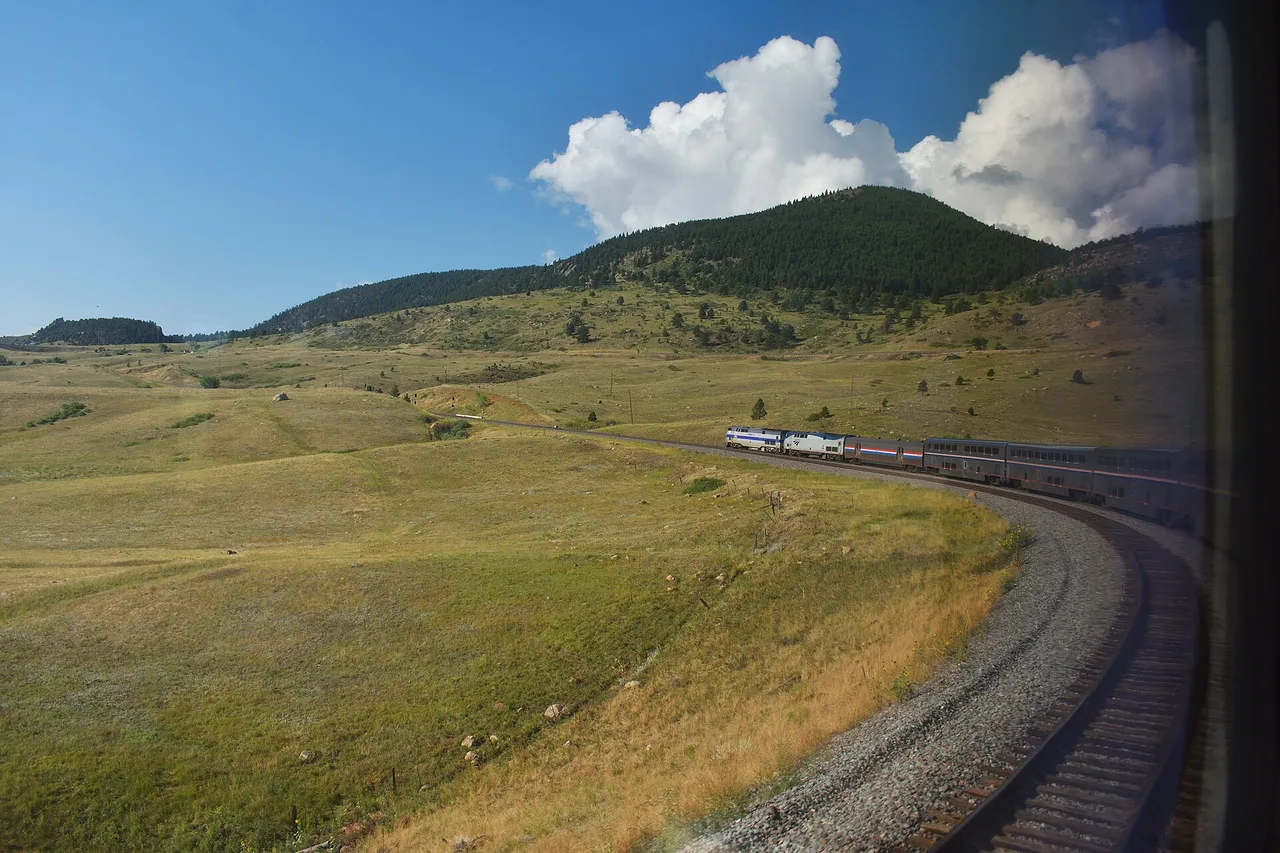
Book it because you want to sit in the observation car through Glenwood Canyon, not because you need to be in California. If you do, take a segment rather than the whole run: Denver to Glenwood Springs or Grand Junction delivers most of the scenery in a day rather than three. Westbound it leaves Denver in the morning, which makes a downtown hotel near Union Station the easy night before. Coach seats are wide and reclining and perfectly survivable overnight; sleeper accommodations include meals and cost several times more. Long-distance ridership has been rising, so the good westbound seats go early.
The bus, briefly
Intercity buses are the cheapest way to move between US cities and the least reliable on time. On short hops between nearby cities they’re competitive, and modern operators run newer coaches with power and wifi from downtown curbside stops rather than grim terminals.
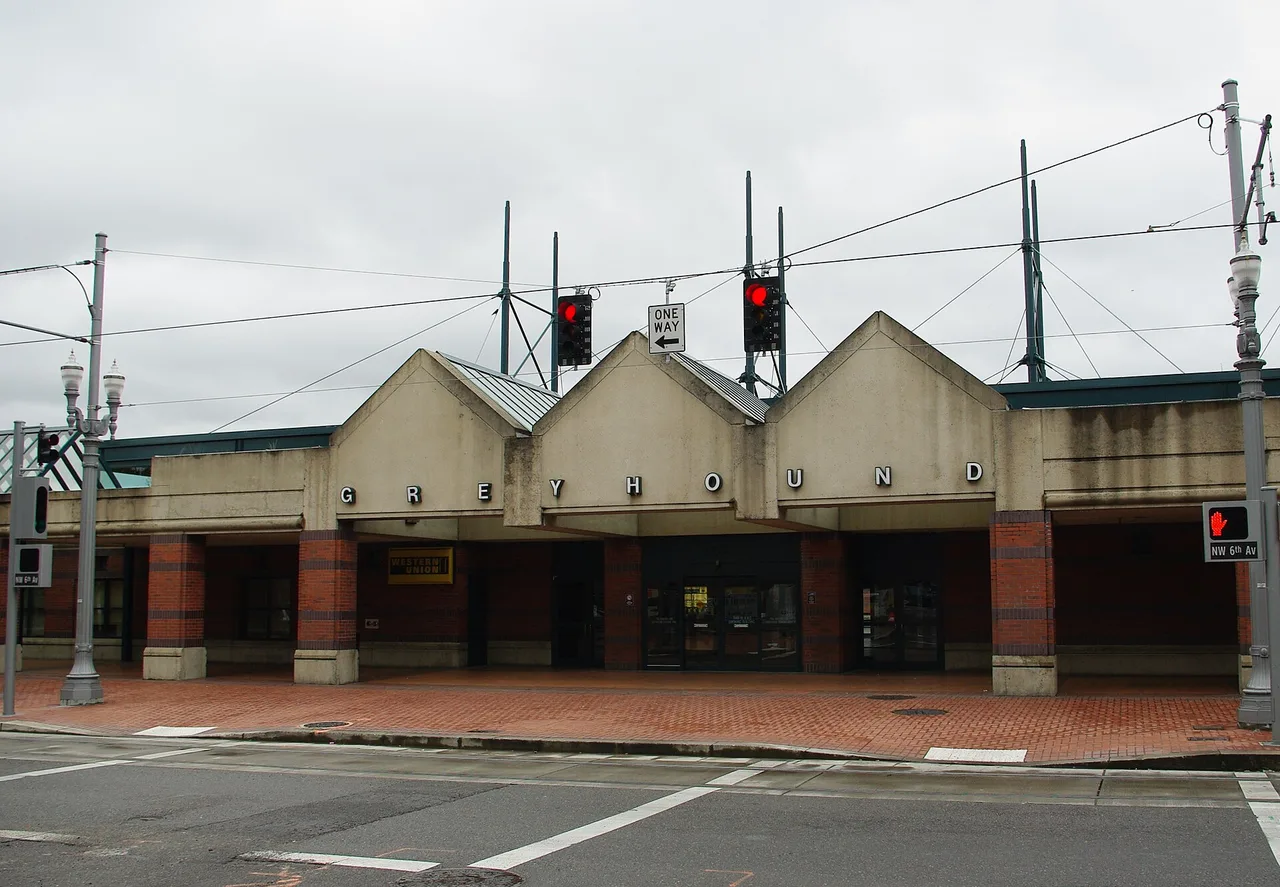
Don’t build a connection onto the end of a bus leg. Traffic delays are absorbed by the schedule, not by the timetable, and there’s no protection if you miss a flight because the coach sat in traffic outside Baltimore.
How to decide in one minute
Measure the leg. Under 250 miles, drive or take the train and skip the airport entirely. Between 250 and 700, price both and let the schedule decide, remembering that a flight consumes about three hours of your day beyond the flight time itself. Over 700 miles, fly, unless the journey itself is the point.
Then work out whether you need the car at all. City-only trips don’t, and the money saved on parking alone pays for a lot of taxis. Trips built around parks and small towns do, in which case pick the car up on your way out of the last city rather than on arrival. Our 2-week USA itinerary shows both patterns side by side, and if you’re going anywhere remote, travel insurance for a USA trip explains why evacuation cover matters more than it does at home.
Read also
- First decision on a long-haul trip: which US airport to fly into
- Practical road rules: driving in the USA - tolls, gas and right turn on red
- Where a rental car pays off: California
- Airport to theme park, priced: LAX to Disneyland
- The corridor where rail wins: East Coast USA in 7 days
- Amtrak fares, Rail Pass and schedules: Amtrak train travel USA
- Before you take the keys: renting a car in the USA
- Navigation without roaming charges: eSIM and SIM cards for the USA
- More transport guides and national park guides
Admission and opening hours
- Admission price
- Benchmarks to compare against, not quotes: the average US domestic air itinerary cost $387 in 2025 and first-quarter 2026 fares rose 4.7% on the previous quarter (BTS); regular gasoline averaged $4.001 a gallon nationally in the week of 20 July 2026, from $3.924 on the East Coast to $5.354 in California (EIA).
Air fares and Amtrak fares are both dynamic and climb steeply close to departure. Long-distance train sleeper fares in particular move more than coach.
Details checked: July 24, 2026
Read also

Transport · 8 min read
ATL Airport to Downtown: MARTA, Taxi and Rideshare
Verified · August 28, 2026MARTA is $2.50 and about 16 minutes to Five Points. Airport taxis still publish flat fares: $37.50 downtown, $39.50 Midtown, $49.50 Buckhead.

Transport · 8 min read
SEA to Downtown Seattle: Link, Taxi and Rideshare
Verified · August 23, 2026Link light rail is a flat $3 and about 38 minutes to Westlake. Taxis use a meter with a $20 airport minimum - there is no regulated flat fare to downtown.

Transport · 10 min read
SFO to San Francisco: BART, Taxi and Rideshare
Verified · August 20, 2026BART to downtown is $11.80 and takes about 30 minutes, but you don't step straight onto a train. Taxi, rideshare and Caltrain routes, checked 20 Aug 2026.

Transport · 9 min read
Boston Logan to Downtown: Silver Line, Taxi and Ferry
Verified · August 19, 2026Silver Line SL1 is free from Logan. Taxi meters run extra with a $2.75 toll, Uber picks up at the garage, and the ferry is seasonal.