
Travel Insurance for a USA Trip
Why medical cover matters more in the USA than anywhere else: how US bills are built, what a policy must include, deductibles, and what is never covered.

Buy medical cover for a US trip, set the limit high, and stop worrying about the rest. Baggage, delays and cancellation are the parts of a travel policy people compare; in the United States they’re rounding errors next to the medical section. A broken ankle on a hiking trail is the scenario that ruins a household budget, and the policy either handles it or it doesn’t.
This page is general information, not insurance advice. It doesn’t recommend a specific policy for your circumstances, and it isn’t a substitute for the policy wording. Medical costs, entry requirements and insurance products all change; confirm current entry rules at travel.state.gov and read any policy document in full before you buy.
No one will ask to see a policy at the US border. That’s precisely the trap, because plenty of travelers read the absence of a requirement as evidence that the risk is small. The risk is not small. It’s the single largest financial exposure most visitors take on all year, and it’s uninsured by default.
How a US medical bill is actually built
The thing that catches foreign patients is not one big number. It’s that a single incident generates several unrelated bills, from organizations that have no relationship with each other.
Sprain an ankle badly and you may receive: a facility charge from the hospital for using its emergency department, a separate professional fee from the doctor who saw you, another from the radiologist who read your X-ray without ever meeting you, a laboratory charge, and, if you arrived by ambulance, a bill from the ambulance operator, which is frequently a private company or a municipal fire department billing independently.
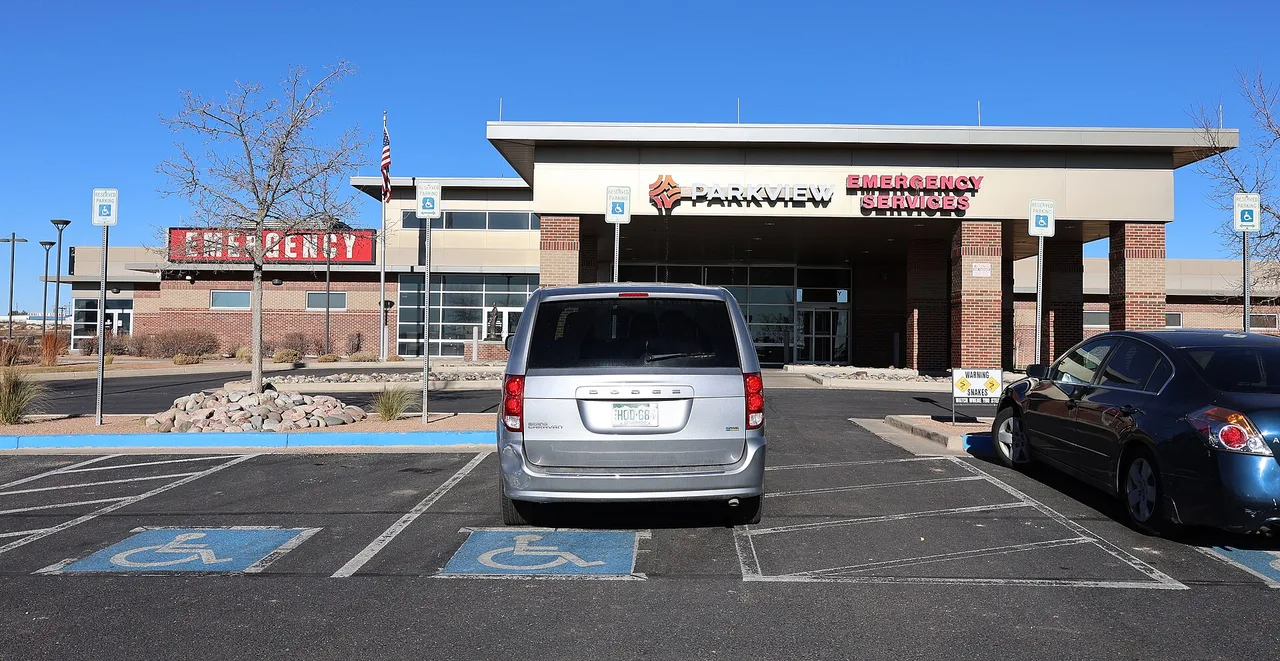
Emergency rooms in the US must screen and stabilize anyone who turns up, regardless of ability to pay. That obligation is about access, not price. You get treated first and billed afterward, and the bill goes to you.
Why published averages understate what you’ll be charged
One distinction is worth carrying with you, because it explains why cost figures for US healthcare vary so wildly between sources.
Federal researchers at the Agency for Healthcare Research and Quality counted 144.8 million emergency department visits in 2017, costing $76.3 billion in total, an average of $530 per visit. That number is official, and it’s misleading if you read it as your likely bill. It measures what the visit cost the hospital, not what gets charged to a patient. A self-pay patient with no insurer negotiating on their behalf is billed from the hospital’s own price list, which routinely runs at a large multiple of cost.
Which is the practical point: don’t budget from averages. Budget from the worst plausible outcome, because that’s what insurance is for.
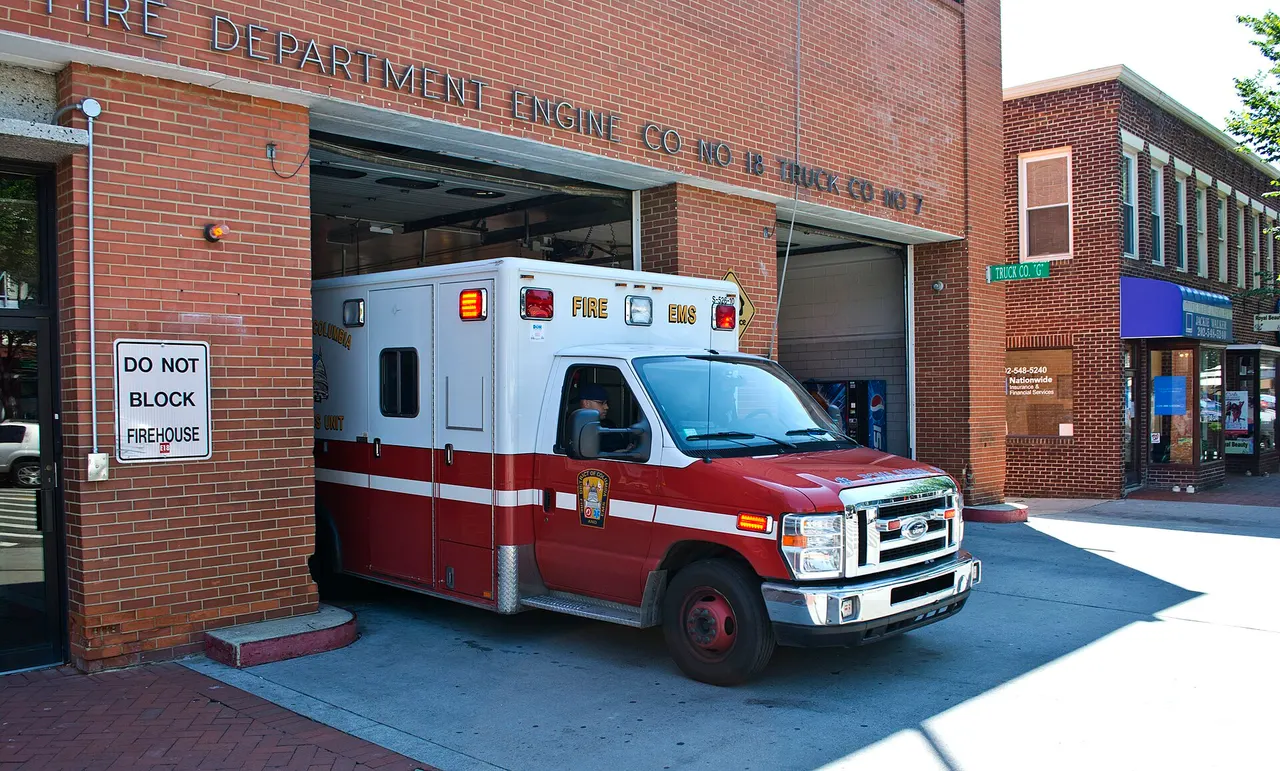
The clearest published figure on that worst case comes from the Government Accountability Office, the federal audit body. It found the median price charged by air ambulance providers was about $36,400 for a helicopter transport and $40,600 for a fixed-wing transport, with roughly 70% of the transports it reviewed out of network. If your itinerary includes Yellowstone, the Grand Canyon or anywhere else where the nearest trauma center is a long way off, that is the number that should set your evacuation cover.
What the policy needs to say
Six things decide whether a policy is fit for a US trip. Everything else is packaging.
- The United States is explicitly included. Many cheap worldwide policies carve out the US and Canada, or price them as a separate region. SafetyWing, for instance, sells US cover as an add-on for non-residents rather than including it. If the certificate doesn’t name the US, assume it isn’t covered.
- A high medical limit. $250,000 is a common floor and a reasonable one for a short trip; SafetyWing’s Essential plan lists exactly that as its overall limit. Going higher costs surprisingly little.
- Emergency medical evacuation and repatriation, as a named benefit with its own limit. This is the air ambulance line.
- Direct billing or a guarantee of payment. Some insurers pay the hospital directly; others expect you to pay and claim back. On a five-figure bill that distinction is the whole product. Check which one you’re buying.
- A deductible you can actually pay. US policies call it a deductible, European ones an excess; it’s the same thing, the amount you cover before the insurer pays anything. A lower deductible means a higher premium, and for a two-week trip the higher premium is usually the better trade.
- A 24-hour assistance line that you call before treatment where it’s possible to do so. Insurers routinely reduce or refuse claims when they weren’t told at the time.

What a travel policy will not do
Read the exclusions, because they’re where the disappointment lives. Travel medical policies typically exclude pre-existing conditions unless you declare and pay for them, maternity care, and long-term treatment such as cancer care. SafetyWing names all three in its Essential plan description, and it isn’t unusual in that.
Also commonly excluded or limited: anything involving alcohol or drugs, motorcycling without the right license, and a defined list of adventure activities that can include climbing, diving below a set depth and skiing off-piste. If you’re doing any of those, buy the sports extension rather than hoping.
And one exclusion that trips up drivers specifically: your travel policy does not cover damage to a rental car or your liability to other road users. That’s a separate product bought at the rental counter or through your card, and our guide to renting a car in the USA sets out which is which.
The move that saves the most money
Know the difference between an emergency room and an urgent care clinic before you need one.
An emergency room is for chest pain, serious bleeding, head injuries, breathing difficulty and anything you’d call an ambulance for. Urgent care clinics handle sprains, cuts needing stitches, fevers, ear infections and minor fractures, they’re open evenings and on weekends, and they cost a fraction of the equivalent emergency room visit. Search for the nearest one before you go anywhere else; it’s the single highest-value thing on this page for a non-life-threatening problem.
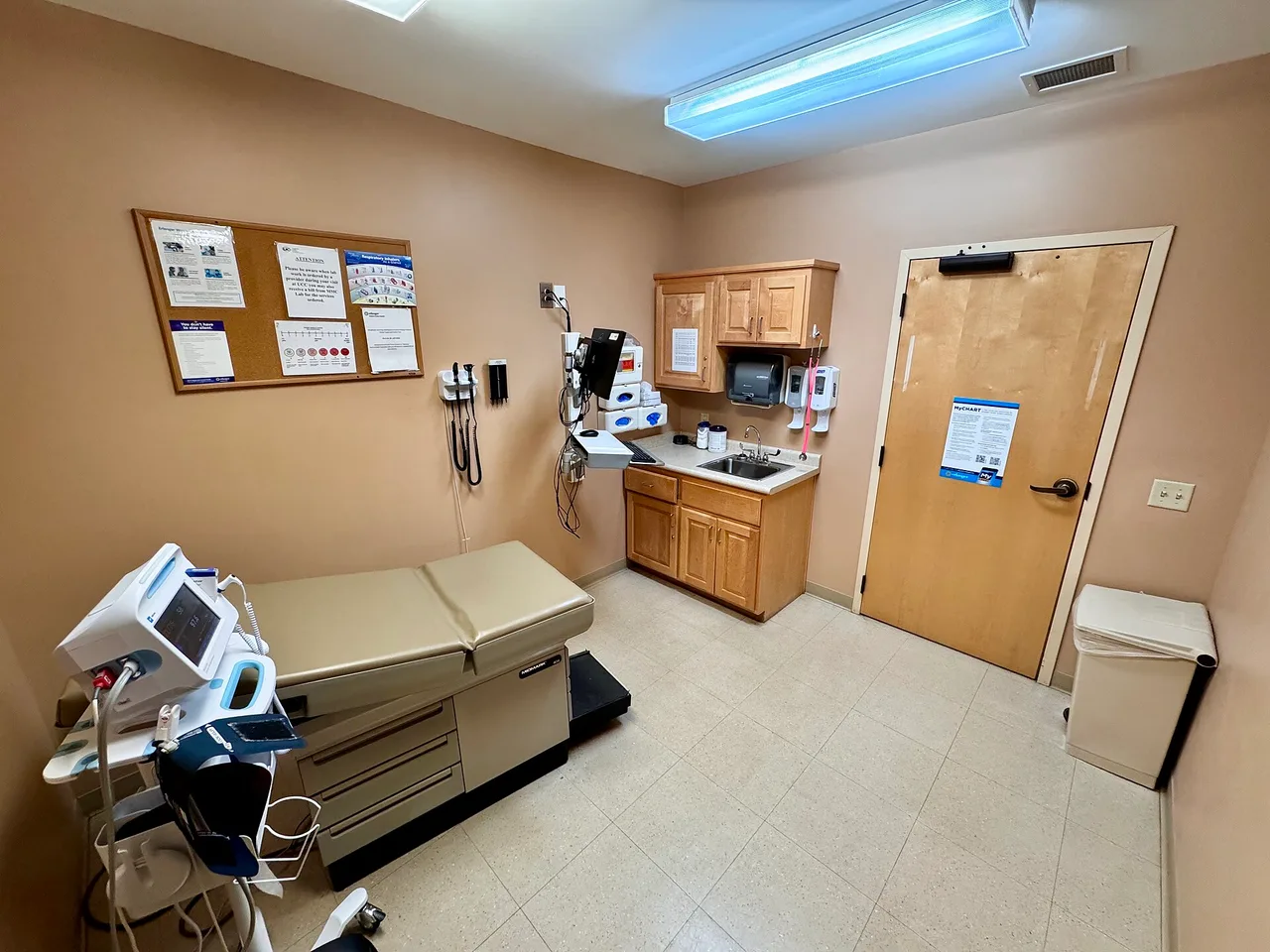
Two habits that help if you do end up in the system. Ask for the self-pay or cash price before treatment where the situation allows it, because it’s often materially lower than the billed rate. And keep everything: the itemized bill, the discharge notes, receipts for medication. Claims get delayed for missing paperwork far more often than they get refused on principle.
What it costs, and when to buy
For a healthy adult on a two-week trip, medical-focused travel cover for the US is normally a small share of the trip budget. As a reference point, SafetyWing lists its Essential plan at $62.72 per 4 weeks for ages 18 to 39, with the US add-on priced separately for non-residents. Premiums climb with age and with the medical limit, and quotes for your own dates are the only numbers worth comparing: get a travel medical quote for a US trip and read what the certificate includes.
Buy it when you book the flights, not the week before you fly. Cancellation cover only works if the policy predates the reason you’re canceling, and the incremental cost of buying early is zero.
If you’re still shaping the trip, our 2-week USA itinerary and the 7-day East Coast route will tell you how remote you’re going to be, which is the main thing that should move your evacuation limit. City-only trips carry a different risk profile from a Southwest loop, and our comparison of flights, Amtrak and driving covers how much time you’ll spend on the road.
Read also
- Medical cover is not vehicle cover: rental car insurance in the USA
- Sorting entry before cover: ESTA and US visas
- The other insurance decision: renting a car in the USA
- Staying reachable in an emergency: eSIM and SIM cards for the USA
- Where medical help is furthest away: Yellowstone and Grand Canyon
- More insurance guides and trip planning guides
Admission and opening hours
- Admission price
- Reference points, not quotes: SafetyWing Nomad Insurance Essential is listed at $62.72 per 4 weeks for ages 18-39 with a $250,000 overall limit, and US cover is a paid add-on for non-residents. The federal GAO found median air ambulance prices of about $36,400 for a helicopter transport and $40,600 for a fixed-wing transport.
Premiums depend on age, trip length, destination and the medical limit you pick, so a quote for your own dates is the only number that means anything. Always read the policy wording, not the marketing page.
Details checked: July 24, 2026
Read also

Entertainment · 17 min read
Grand Canyon Tours from Las Vegas: Bus, Helicopter & Skywalk
Verified · September 19, 2026Compare Grand Canyon tours from Las Vegas: bus, helicopter and Skywalk prices from the operators, plus when the South Rim is worth the extra hours.

States · 11 min read
Connecticut: Mystic, New Haven and the Shoreline
Verified · September 12, 2026Mystic Seaport at $35 adult, free Yale galleries in New Haven, and Gillette Castle on the river - how a Connecticut weekend actually fits.

States · 9 min read
North Dakota: Medora and Theodore Roosevelt NP
Verified · September 5, 2026The 36-mile South Unit loop starts in Medora, entrance $30 per vehicle, cashless from May 2026 - how to plan Theodore Roosevelt National Park.

States · 9 min read
Arkansas Travel Guide: Hot Springs & Ozarks
Verified · September 4, 2026Fee-free Hot Springs NP downtown, free Crystal Bridges in Bentonville, and the 135-mile Buffalo - how to string an Arkansas road trip.