
2 Weeks in the USA: A First-Timer Route
Three realistic 14-day USA routes: East Coast by train, a Southwest loop by car, or a two-coast mix. Real distances, costs and hidden fees.
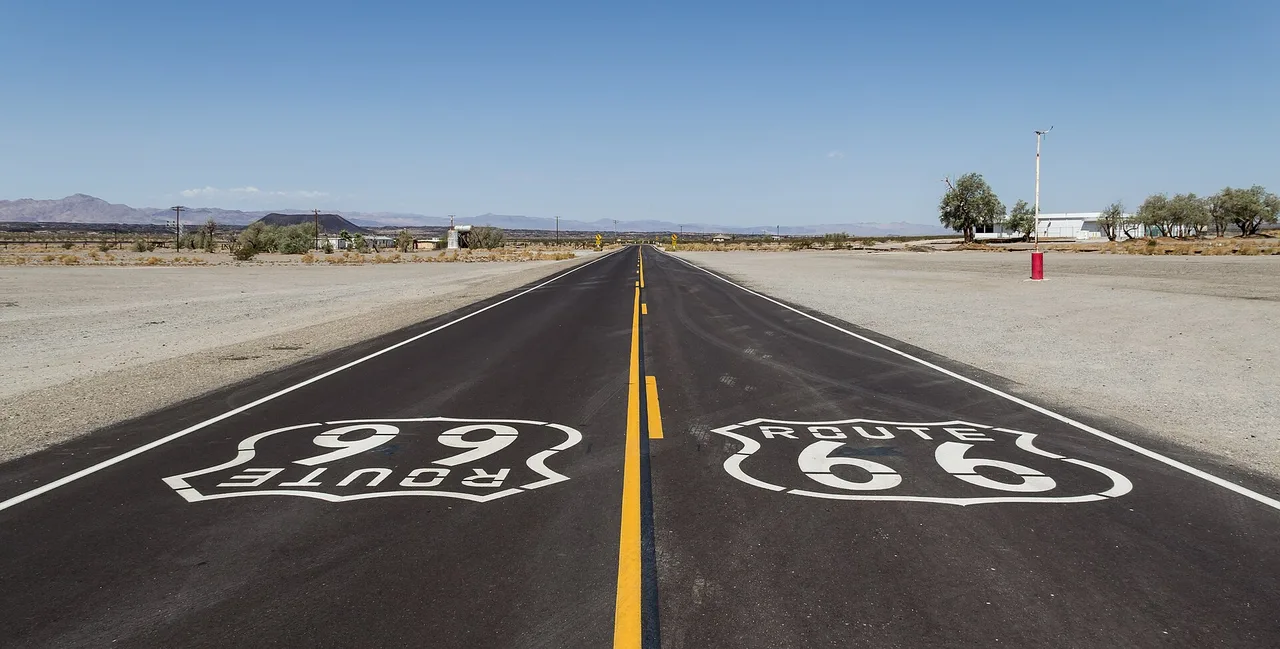
Two weeks buys you one American region done properly. It doesn’t buy you the country. Choose the East Coast, the West and Southwest, or a deliberate two-city mix with a single internal flight in the middle, and the trip works; try to connect New York, the Grand Canyon and San Francisco in fourteen days and you’ll spend six of them in transit.
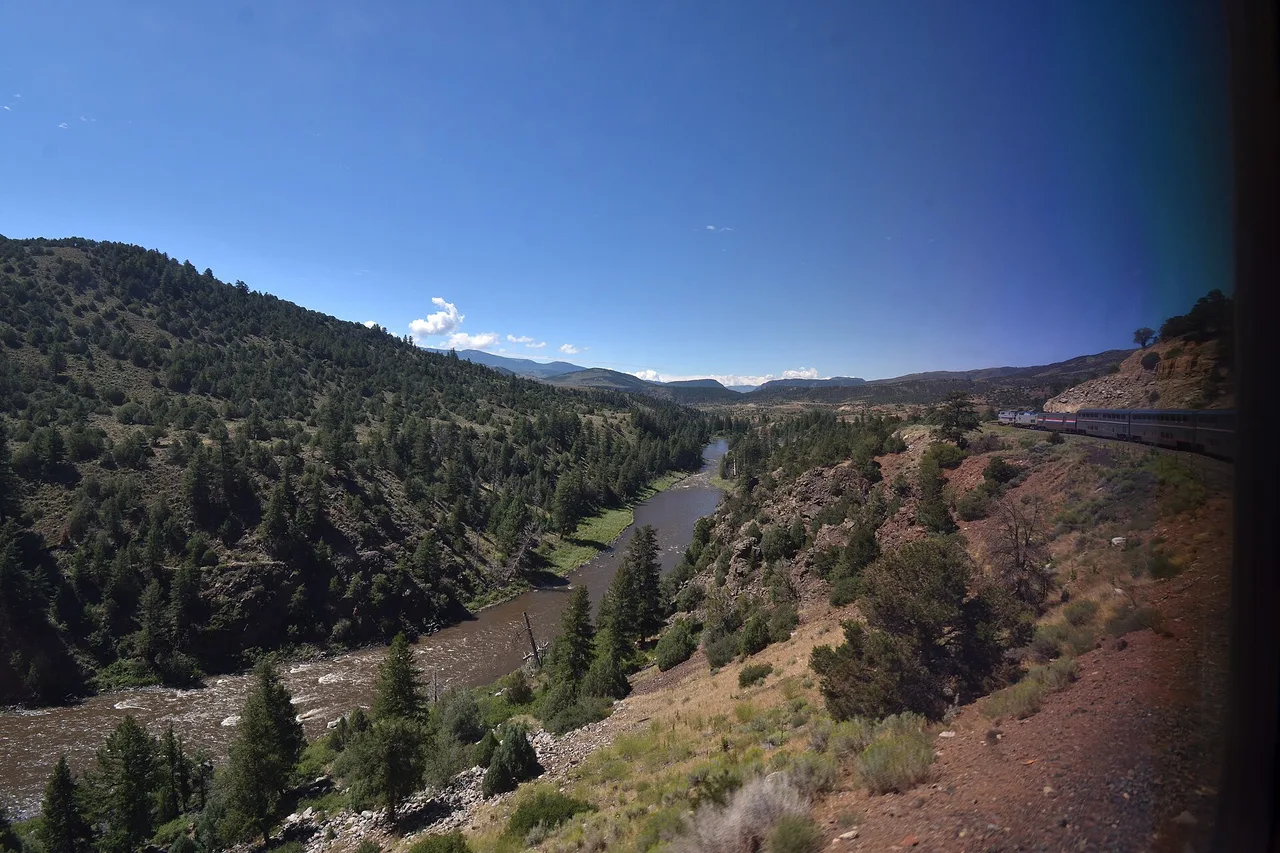
The number that settles the argument comes from Amtrak. Its California Zephyr, which runs Chicago to the San Francisco Bay, is scheduled to take a little over two days end to end, and that’s only the western two-thirds of the continent. By road, New York to Los Angeles runs close to 2,800 miles. Europeans consistently under-read this. The US map on a screen looks like a country you can cross; on the ground it behaves like six of them stacked side by side.

Route A: the East Coast, no rental car
New York, Washington DC and Boston, with Philadelphia slotted in as a half-day. Roughly 450 miles of ground covered in total, all of it on trains that leave from downtown and arrive downtown. This is the only part of the United States where you can run a full two-week trip without ever holding a car key, and for a first visit it’s the lowest-risk option by a wide margin.
Give New York six nights, Washington four, Boston three, and use the leftover day for Philadelphia on the way south. If that day turns into a night, Center City or Old City keeps the walking short. The pace is relaxed: you’ll have whole afternoons with nothing scheduled, which is exactly what you want in cities this dense. Our 7-day East Coast itinerary is the compressed version of the same corridor if you’re working with half the time, and the day-by-day structure there stretches onto fourteen days with more breathing room.
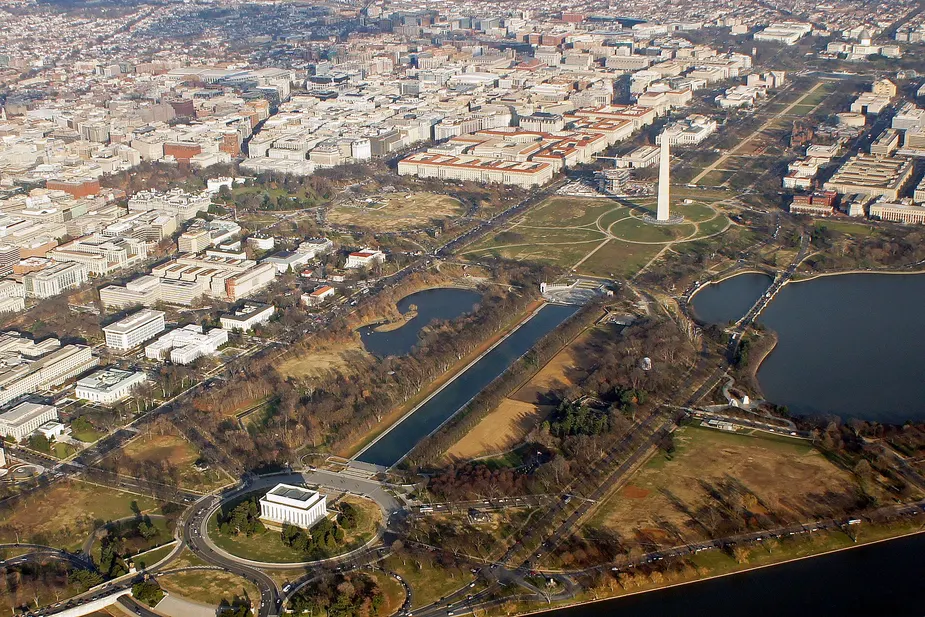
The verdict: cheapest to run, easiest to book, weakest on landscape. If your mental image of America is canyons and desert, this route won’t scratch it.
Route B: the Southwest loop, car essential
Fly into Las Vegas, drive a loop through Zion, Bryce Canyon, the Grand Canyon and back, and finish with a few days in Los Angeles or San Diego. Fourteen days is close to ideal here, because the driving legs are three to five hours each and the parks reward a full day rather than a photo stop - you won’t see Zion properly in two hours. If the loop doesn’t fit, the canyon is also a day from the Strip by bus, helicopter or Skywalk tour.
Las Vegas is the practical hinge, not because of the casinos but because it has cheap flights, cheap car rental and three headline parks within a day’s drive. Pick up the car at the airport, not on the Strip. Read our guide to renting a car in the USA before you book, because the insurance question at the counter is where this route gets expensive - don’t sign the desk waiver blind.

Two hard constraints. Summer temperatures in the low desert regularly sit above 100F, so hiking happens at dawn or not at all. And park lodging books out months ahead; if you want to sleep inside Zion or on the rim at the Grand Canyon, that reservation is the first thing you make, before flights - you’ll lose the room if you wait. One exception for fall 2026: Grand Canyon’s in-park lodges have been closed to overnight guests since August 31, 2026 under Stage 4 water restrictions, so check nps.gov/grca before you book.
The verdict: the most photogenic two weeks in the country, and the one with the most logistics. Roughly 1,200 to 1,500 miles of driving depending on the side trips, all of it on good roads.
Route C: the two-coast mix
One coast for eight days, an internal flight, the other coast for five, with a travel day absorbed in the middle. This is the trip most first-timers actually want, and it works as long as you accept the rule: one internal flight, not three - don’t try to hop both coasts twice.
The usual shape is New York first, then a six-hour flight west to Los Angeles or San Francisco. Do it in that direction and the time zones help you, because flying west lengthens your day. Coming back east you lose three hours and land wrecked, which is a bad way to start the second half of a trip. If only one of the two cities gets a real stay, New York against Los Angeles comes down to weather, cost and how much you want to drive.

If you’d rather break the journey than fly it in one hop, Chicago is the stop nobody plans and everybody enjoys: architecture, the lakefront, and a food scene that costs a third of what the coasts charge. Three nights there turns a dead travel day into the best-value part of the trip.
The verdict: highest airfare, widest range of scenery, and the itinerary most likely to fall apart if a flight is canceled. Build in a buffer day before any international departure.
What two weeks actually costs
Four numbers do most of the damage, and three of them are published by federal agencies, so you can check them rather than guess.
Flights. The Bureau of Transportation Statistics puts the average US domestic itinerary at $387 in 2025, and fares rose again by 4.7% in the first quarter of 2026. That’s the average across all routes and all booking windows, so treat it as the middle of the distribution rather than a target.
Gas. In the week of 20 July 2026 the national average for regular was $4.001 a gallon, but the spread matters more than the average: $3.924 on the East Coast against $5.354 in California. On a 1,500-mile Southwest loop in a car doing 30 miles per gallon, that difference is real money.
Park entry, and the $100 fee that lands at the gate. Standard entry is $35 per private vehicle for seven days. Since 1 January 2026 there’s also a $100 per-person nonresident fee for non-US residents aged 16 and over at 11 of the busiest parks, including the Grand Canyon, Yellowstone, Yosemite and Zion. Two foreign adults visiting two of those parks pay $35 twice plus $100 four times, which is $470.
The pass that cancels it. The America the Beautiful Non-Resident Annual Pass costs $250 and covers both the entrance fee and the nonresident fee for the pass holder and three additional non-residents aged 16 and over. Two adults, two parks: $470 without it, $250 with it. On a Southwest loop the pass pays for itself at the first entrance station, so buy it before you go rather than deciding at the booth. One caution before you count on a cheaper route: NPS’s own pages disagree on whether a single-park $70 annual pass waives the nonresident surcharge, and the only pass NPS explicitly names as covering it’s the $250 Non-Resident Annual Pass, so confirm at the entrance station before you pay.
Add $40.27 for the ESTA if you’re traveling visa-free, a figure that rose from $21 to $40 on 30 September 2025 and was inflation-adjusted to $40.27 on 1 January 2026, which catches out anyone working from an older guide.
Booking order that saves the most
Do it in this sequence and you’ll spend less without trying:
- Park lodging and any permit lottery, if the Southwest is in your plan. These are the only scarce items.
- International flights, once you know which city you fly into and out of. Open-jaw tickets, in one city and out of another, usually cost about the same as a return and save you a backtrack.
- The internal flight, if you’re doing Route C. Book it as a separate ticket only if you have a long buffer, because a missed connection on a separate ticket is your problem, not the airline’s.
- The rental car, which is the item with the widest price swing between quotes.
- Hotels last, since city hotels rarely sell out entirely and prices soften more often than flights do.
It’s worth running flights and hotels side by side once you’ve fixed the route, because a $60 fare difference between two arrival cities can flip the whole plan: compare flights into and around the USA and then compare hotels along your route on the same dates.
Three things to sort before you fly
Get a phone plan set up before departure rather than at the airport, because US airport SIM kiosks charge a heavy premium; our guide to eSIMs and SIM cards for the USA covers which network actually has signal where you’re going. Sort medical cover as well, since a routine emergency room visit in the US costs more than most people’s entire trip budget, and travel insurance for a USA trip explains what the policy needs to include. Finally, decide how you’re moving between cities before you book anything: our comparison of flights, Amtrak and driving puts real times and costs against each other corridor by corridor.
Read also
- The West Coast alternative: Pacific Coast Highway through California
- The compressed corridor version: East Coast USA in 7 days
- Before you drive: renting a car in the USA
- Where to base yourself in New York: where to stay in New York City
- What to do with your city days: things to do in New York City
- More trip planning guides and national park guides
Admission and opening hours
- Admission price
- Budget lines you can check today, not estimates: average US domestic itinerary $387 in 2025 (BTS); regular gas $4.001 a gallon nationally and $5.354 in California in the week of 20 July 2026 (EIA); national park entry $35 per vehicle; nonresident park fee $100 per person aged 16 and over at 11 headline parks; America the Beautiful annual pass $80 residents, $250 nonresidents; ESTA $40.27.
Air fares and gas prices move weekly and rental car rates move daily. Park fees and the ESTA charge are set by federal agencies and change less often, but always confirm on nps.gov and the official ESTA site before you budget.
Details checked: July 24, 2026
Read also

Before you go · 9 min read
New England Fall Foliage: When and Where to Go
Verified · August 27, 2026Yankee's 2026 forecast, peak windows by state and how to chase color from Vermont's Northeast Kingdom to the NH coast without betting on one weekend.

Before you go · 9 min read
Which Hawaiian Island: Oahu, Maui, Kauai or Big Island
Verified · August 24, 2026Pick one Hawaiian island for a week: Oahu for city and surf, Maui for beaches and Haleakala, Kauai for scenery, Big Island for volcanoes.

Before you go · 11 min read
Where to Stay in Phoenix: Downtown, Scottsdale or Tempe
Verified · August 18, 2026Free Sky Train, then $2 light rail into downtown. Scottsdale is the resort city; Tempe is ASU next door. Phoenix hotel tax is 13.07%.

Before you go · 11 min read
Global Entry and TSA PreCheck for Visitors
Verified · August 15, 2026Global Entry is $120 for five years and closed to most EU passports. TSA PreCheck is $85 or less, and only US citizens and LPRs can buy it.