
Zion National Park Guide: Shuttle, Permits, Hikes
How the mandatory Zion shuttle works, how the Angels Landing permit lottery actually works, the Narrows and flood risk, and where to stay in Springdale.
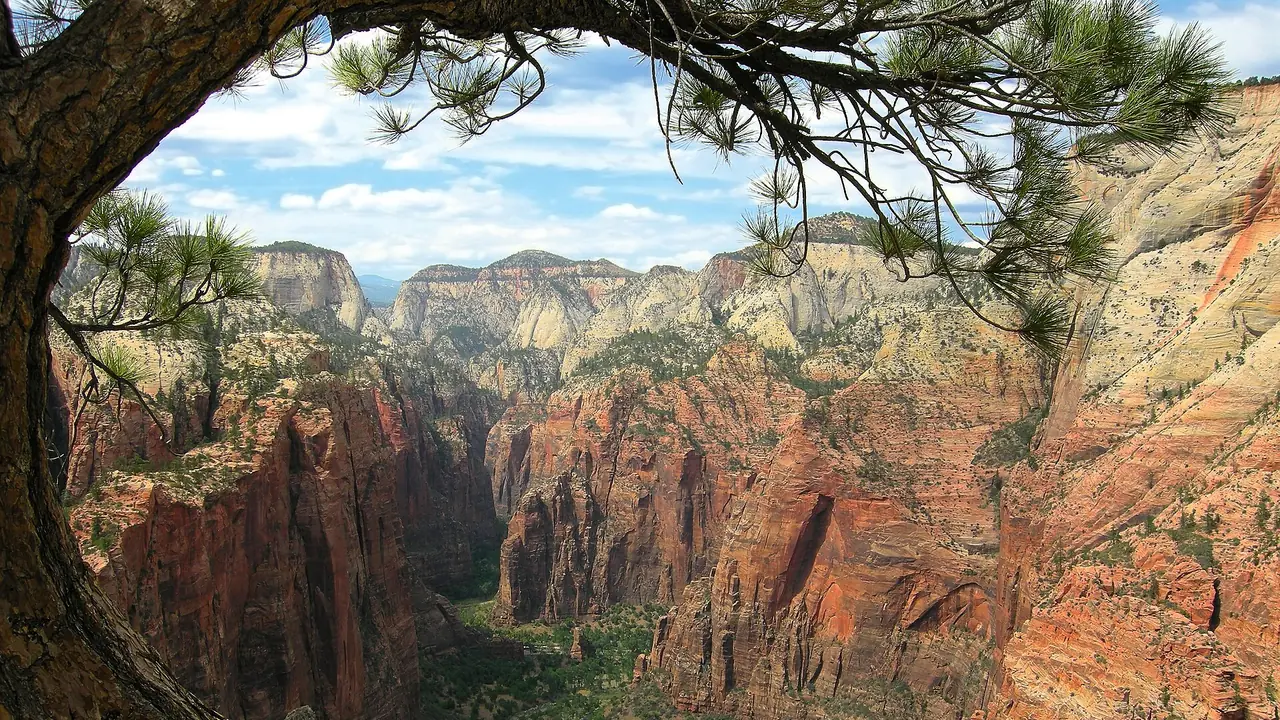
Zion works on a system, and the system is the thing to learn before you arrive. For most of the year you cannot drive your own car up Zion Canyon Scenic Drive - a free shuttle does it instead, and it is compulsory rather than a convenience. Angels Landing needs a permit won in a lottery, not a decision made at the trailhead. Everything else, including the Narrows, you can just turn up and do.
Many Utah loops continue to Bryce Canyon National Park.
The park is small and vertical, so those two rules concentrate the crowds hard. Nail the shuttle timing and the permit application, and Zion goes from a lesson in standing in line to one of the best two-day parks in the country.
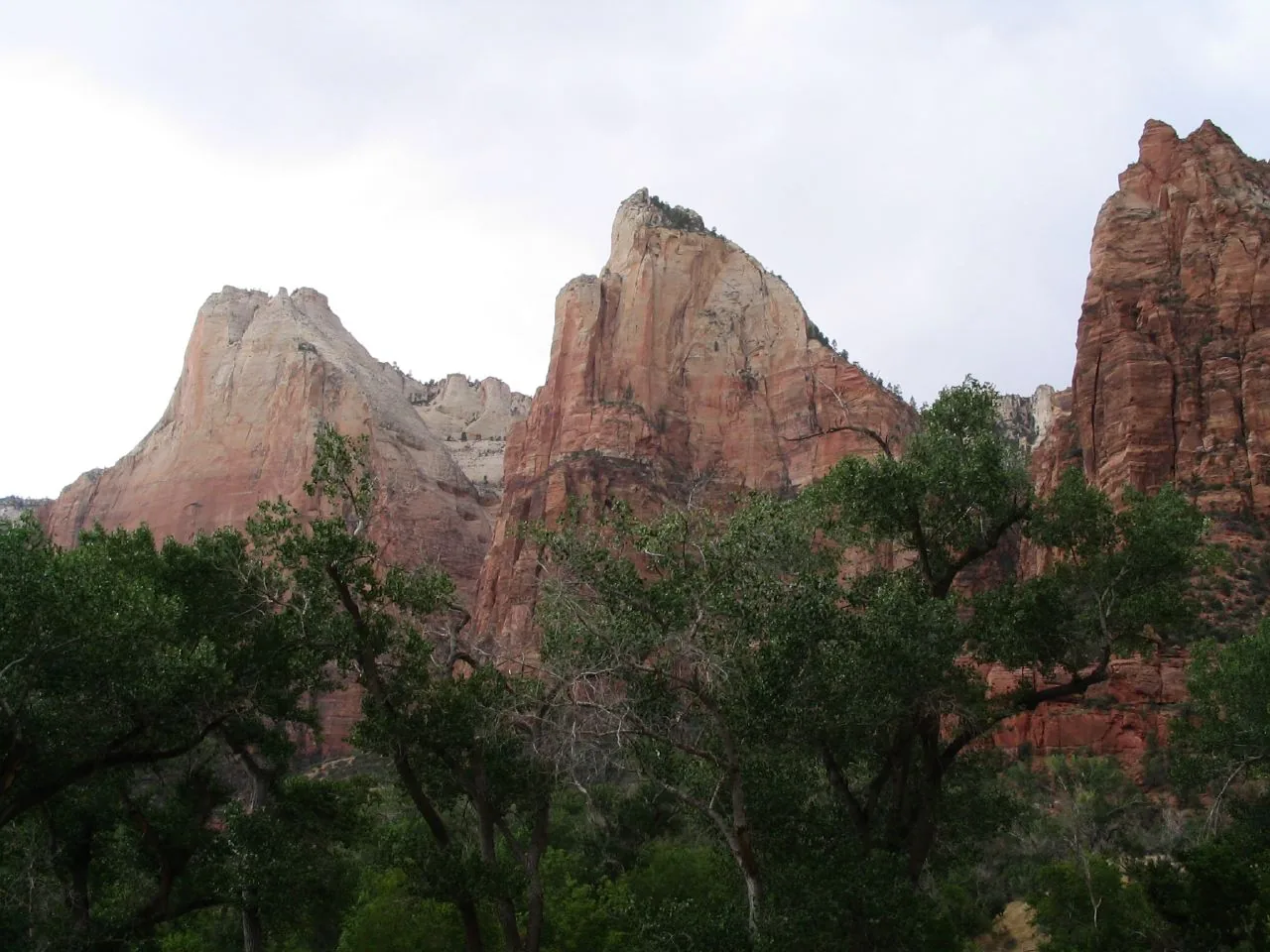
Can you drive into Zion Canyon? Not most of the year
The Zion Canyon shuttle is free. No ticket, no permit, no reservation - you line up at the visitor center and get on. In exchange, during shuttle season you can’t take your own vehicle up the Scenic Drive at all. That’s the whole deal: the park removed the cars so the canyon floor still works.
Private cars only get the Scenic Drive in the non-shuttle season - roughly January and February, plus the gap between late November and Christmas. Shuttles normally run daily from March through November. The published 2026 schedule, as of July 1, 2026, looks like this:
| Dates (2026) | First bus | Last bus from visitor center |
|---|---|---|
| May 17 - September 12 | 7 a.m. | 7 p.m. (last from Temple of Sinawava 8:15 p.m.) |
| September 13 - October 24 | 7 a.m. | 6 p.m. |
| October 25 - November 28 | 7 a.m. | 5 p.m. |
| November 29 - December 25 | no service | - |
| December 26 - January 2 | 8 a.m. | 4:30 p.m. (limited service) |
Two practical consequences. First, in high summer the last bus down from the Temple of Sinawava is 8:15 p.m., so a late Narrows exit is survivable, but only just - miss it and you’re walking nine miles of asphalt in the dark. Second, the visitor center parking lot fills early on summer mornings, and the overflow is in Springdale. Which is why the Springdale Line matters: a separate free shuttle running every 10-15 minutes through town to the pedestrian entrance, so you can leave the car at your hotel and skip the park lot entirely. Staying in Springdale isn’t just about the view from your balcony - it removes the single worst part of the day.
Angels Landing: how the lottery actually works
The permit applies to the chained section past Scout Lookout, the bolted route along the exposed fin. The West Rim Trail up to Scout Lookout - the steep switchbacks, Walter’s Wiggles, and a good viewpoint of its own - needs no permit at all. Plenty of people apply for the permit, fail, walk to Scout Lookout instead and have a fine day.
Both routes run on recreation.gov, and they work nothing alike.
The seasonal lottery runs a quarter ahead. The 2026 windows were: apply February 13-25 for hikes from March 1 to May 31 (permits issued February 26); apply April 1-20 for June to August (issued April 25); apply July 1-20 for September to November (issued July 25); apply October 1-20 for December 1 to February 28 (issued October 25) - the same four windows come round every year, and the 2026 cycle ran on these dates. You rank seven preferred days and time slots, which is your real lever - people who list one Saturday morning and nothing else are the ones who lose.
The day-before lottery opens at 12:01 a.m. Mountain Time, closes at 3 p.m. MT, and issues permits at 4 p.m. MT for the following day. This is the backup, and it’s the reason to book two nights in Springdale rather than one: you get two rolls of the dice instead of one.
Fees are small and easy to misread. The application costs $6 and covers a group of up to six people. If you win, you pay $3 per person on top. In the seasonal lottery that $3 is refundable if you cancel at least two days ahead; in the day-before lottery neither fee is refundable.
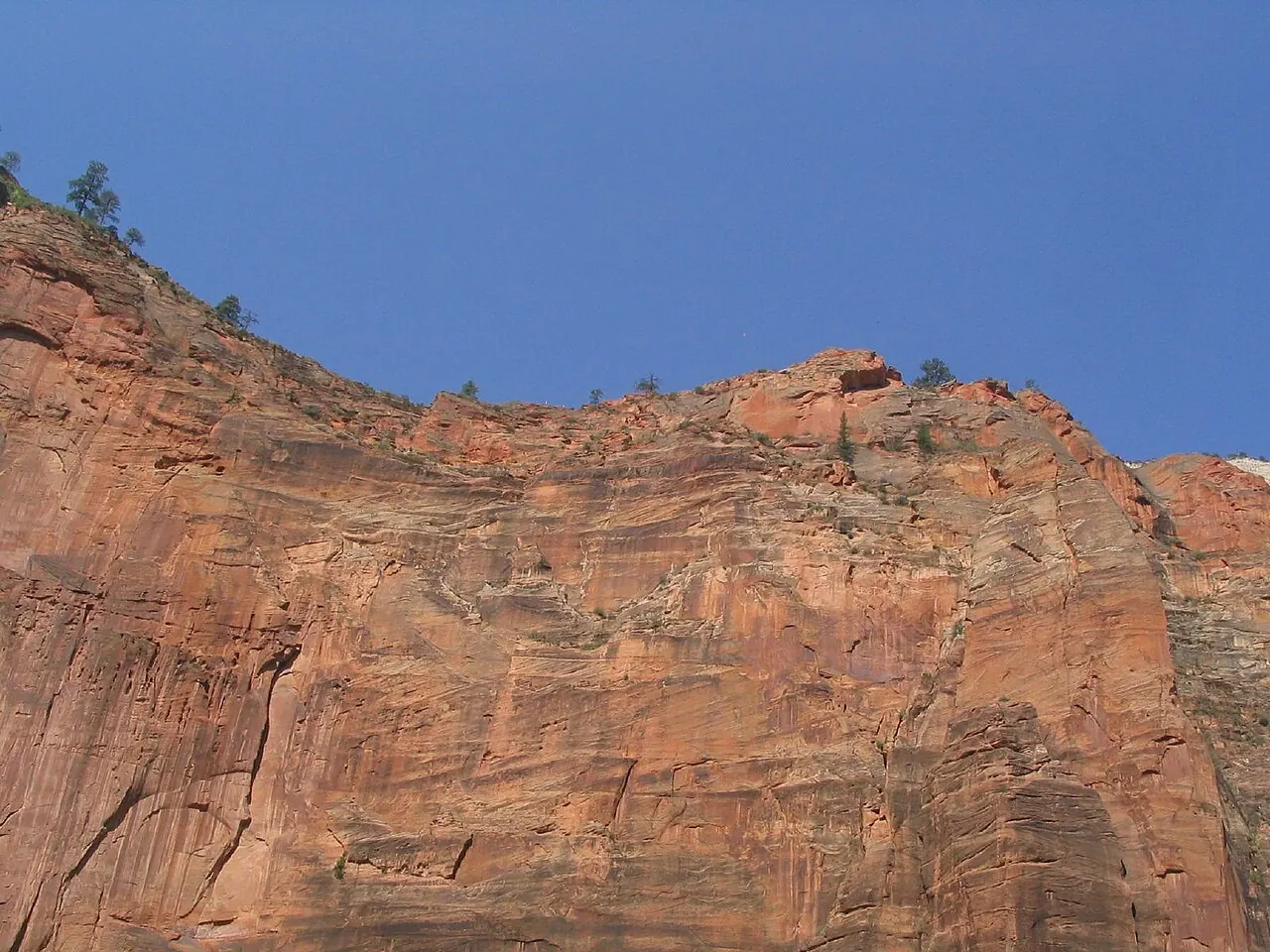
The Narrows: no permit needed, but the river decides
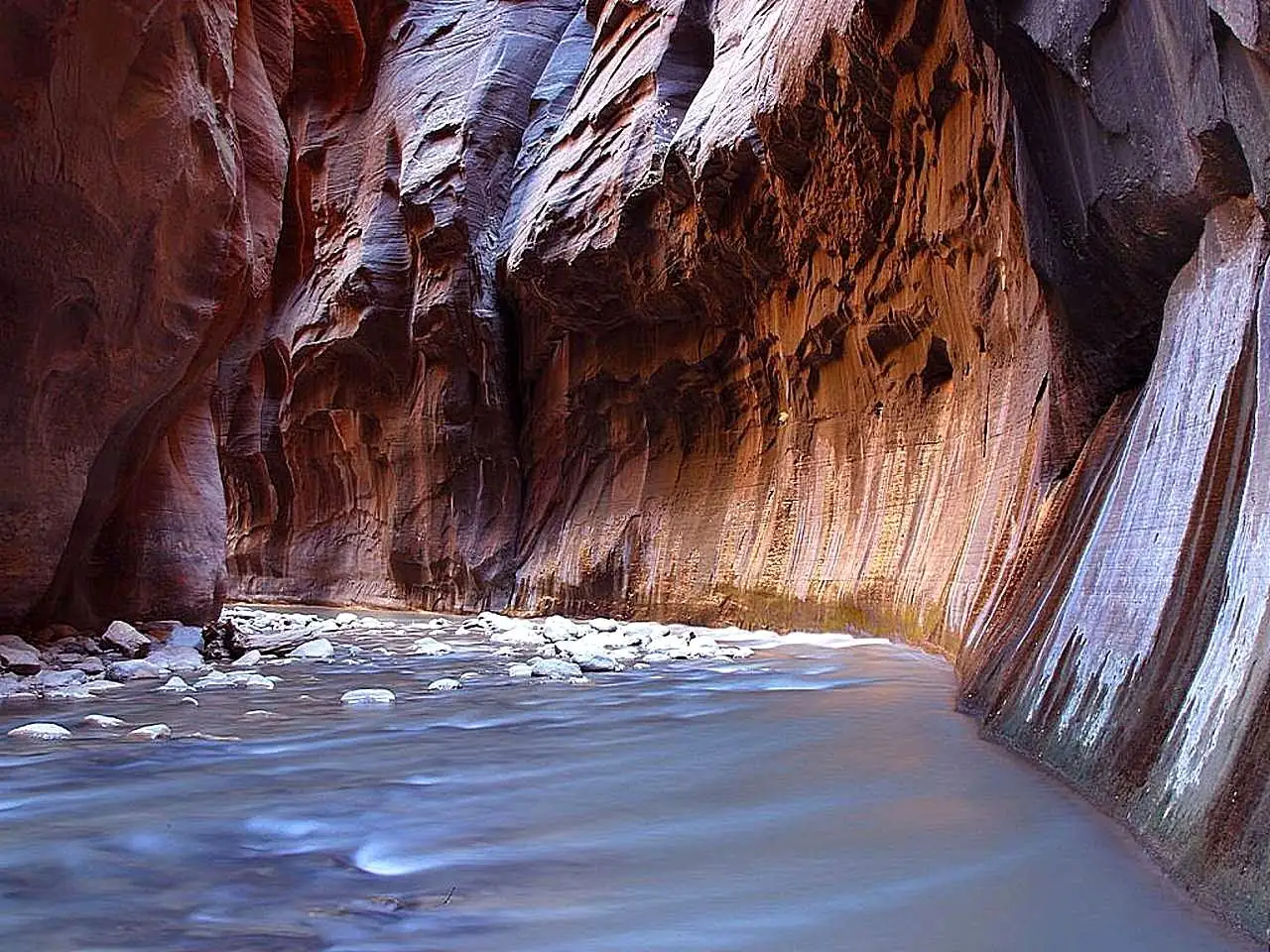
The Narrows is the canyon walk where the trail is the river. Done bottom-up from the Temple of Sinawava - the last shuttle stop - it needs no permit. You walk the paved, level, one-mile Riverside Walk, then step into the water and keep going as far as you feel like. Turning around at any point is legitimate; the full push to Big Spring is a strenuous ten-mile round trip and eats an entire day.
The top-down version from Chamberlain’s Ranch is a different animal: a 16-mile through-hike, a permit is required, and you have to arrange your own transport to the trailhead, which in practice means booking a shuttle service in Springdale.
Flow. When the Virgin River runs above 150 cubic feet per second, the Narrows closes to all travel. Spring snowmelt regularly pushes it over that line, and the park’s own historical data shows typical April-May closures. If the Narrows is the reason for your trip, don’t book it for late April and hope.
Flash floods. Afternoon thundershowers are possible year-round and common during the monsoon, roughly mid-July into September. The park’s wording is blunt and worth quoting: “Floods have occurred on days they were not expected.” A storm 20 miles upstream that you can’t see or hear is enough. Check the daily flash flood potential rating at the visitor center, and if it’s elevated, do something else - there is no high ground in a slot canyon.
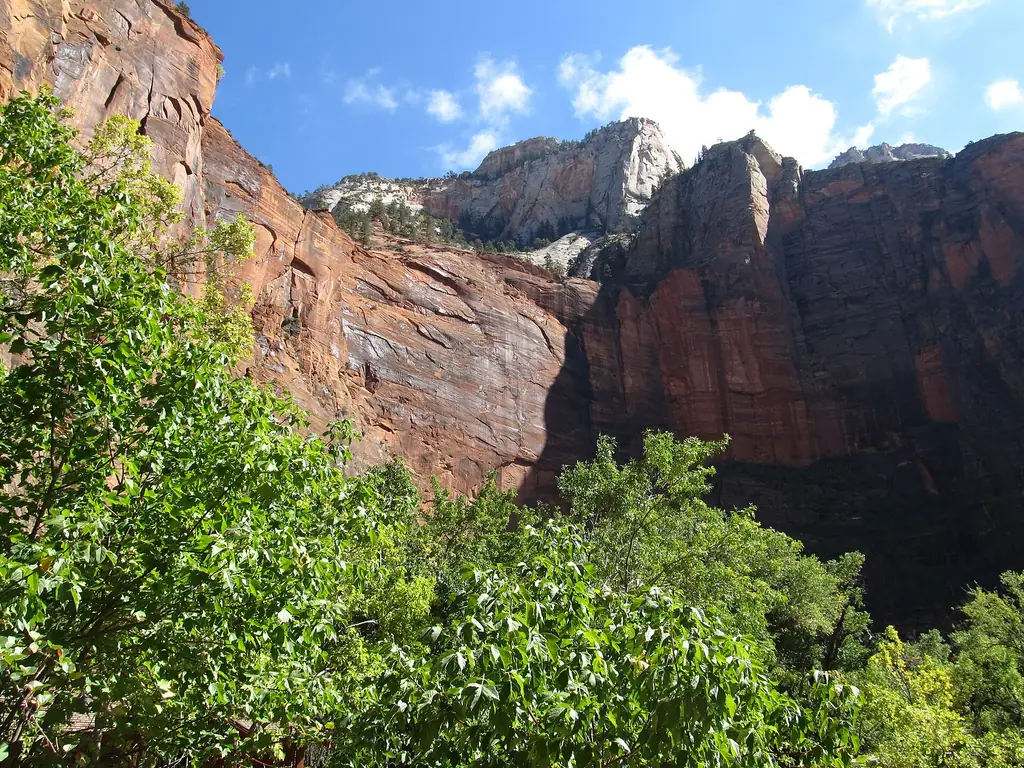
Water temperature is the other seasonal variable: coldest in winter and early spring, warmest in summer and early fall. Outfitters in Springdale rent neoprene socks, canyoneering boots and a wooden stick, and in the cold months drysuits. The stick is not a gimmick; the riverbed is invisible and made of bowling balls.
What entry costs, and the new charge for overseas visitors
Standard entry is $35 per private vehicle, $30 per motorcycle, or $20 per person arriving on foot or by bicycle, valid up to seven days. A Zion annual pass is $70, available to US citizens and permanent residents only.
From 2026 there’s a change that matters a lot if you’re flying in from the UK, Canada or Australia: each non-US resident aged 16 and over pays an extra $100 on top of the standard entrance fee, unless they’re admitted on an annual or America the Beautiful pass. The non-resident America the Beautiful pass costs $250 (residents pay $80). The same surcharge applies at ten other parks, Rocky Mountain among them, so a multi-park route changes the math on that pass.
Run the arithmetic before you pay at the gate. A couple visiting Zion alone pays $35 plus $200 in surcharges - $235. The same couple on one $250 America the Beautiful pass pays $250, and the pass covers a year of entrance and day-use fees on land run by six federal agencies, national parks included. Add the Grand Canyon, or Yellowstone, or Yosemite to the same trip and the pass starts to look like the better buy - and America the Beautiful Pass spells out the break-even against single-park fees. One caveat before you commit: NPS’s own pages disagree on whether a park-only $70 annual pass waives the surcharge - the one pass NPS explicitly names as covering it is the $250 America the Beautiful Non-Resident Annual Pass, which covers the holder plus three other adults. Confirm at the entrance station before you pay. If a Utah-to-Arizona loop puts the Grand Canyon on the itinerary too, South Rim vs North Rim is worth reading before you pick which side to add - the North Rim sits far closer to this end of the state than most people expect.
Where to stay
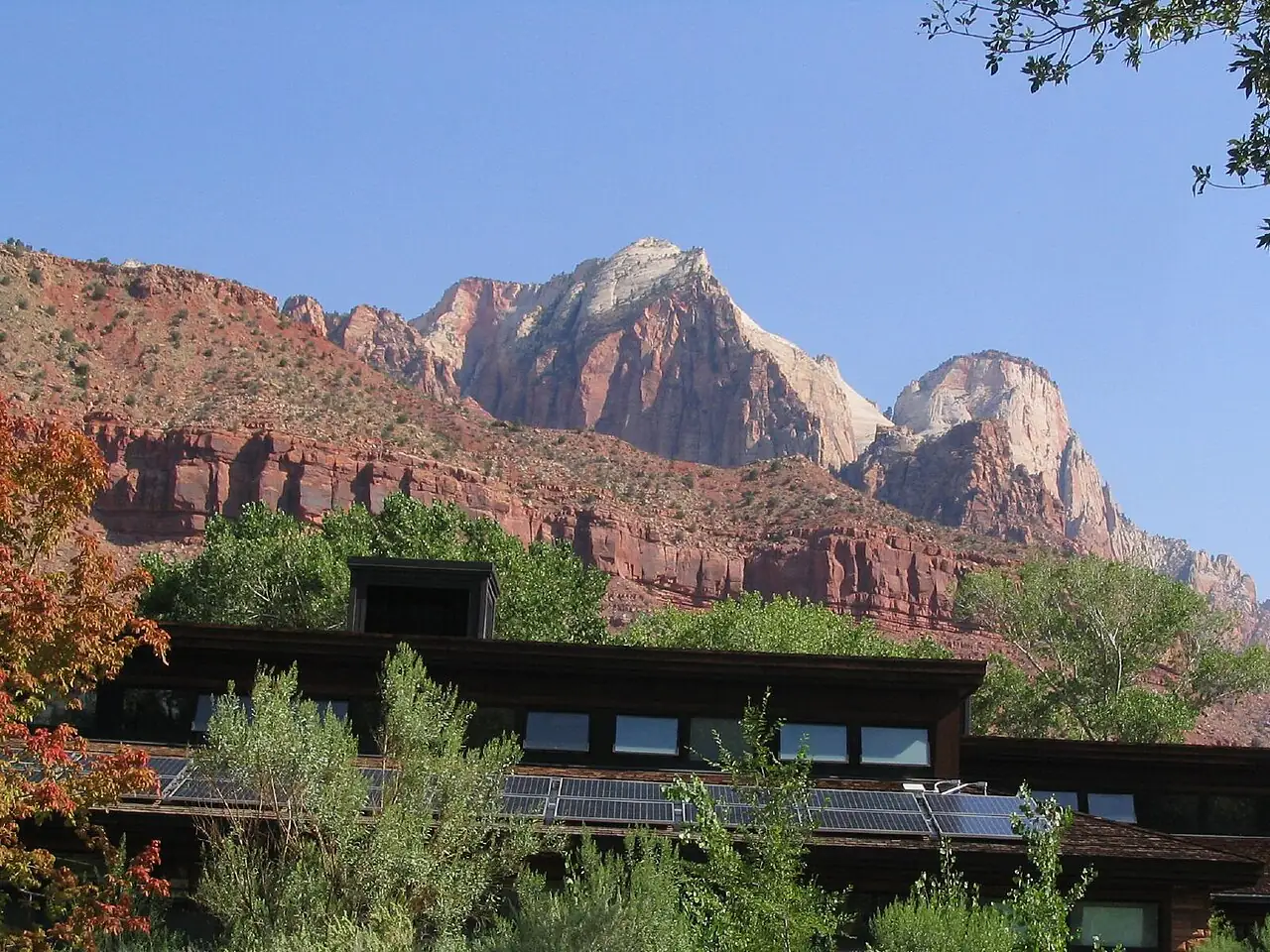
Springdale sits directly at the south entrance and is the obvious base. Hotels and lodges line one street, the free town shuttle runs the length of it, and you walk into the park. It’s not cheap, and it books out months ahead for spring and fall weekends.
Hurricane and La Verkin are 25-30 minutes west and noticeably cheaper, with a chain-motel feel and a drive each morning.
St. George is about 40 minutes away, a proper town with an airport and a full range of hotels. Sensible if you’re combining Zion with a wider Utah loop.
Inside the park, the historic Zion Lodge is the only lodging on the canyon floor and takes reservations far in advance. Watchman and South campgrounds are on recreation.gov and go fast.
One day, two days, three days
One day means the shuttle and one big hike. Ride the first bus at 7 a.m., walk the lower Narrows before the canyon heats up, and take the West Rim switchbacks to Scout Lookout in the afternoon whether or not you drew an Angels Landing permit. Between 9 a.m. and 3 p.m. the shuttle line is long and the canyon floor is severe heat, so carry more water than feels reasonable and treat midday as rest time.
Two days buys you the second roll of the day-before Angels Landing lottery, and a reason to slow down: the full Narrows to Big Spring one day, the rim trails the next. This is the length most people should plan for, and the reason to book two nights in Springdale rather than one.
Three days lets you leave the main canyon entirely. Kolob Canyons, a separate entrance off I-15 to the north, takes private cars and sees a fraction of the traffic, and the Zion-Mount Carmel Highway east toward Bryce Canyon is a drive in its own right - though its tunnel has size limits, and oversized vehicles need a permit and an escort, so check your dimensions on nps.gov first. Shuttle dates, lottery windows and Narrows closures all shift through the year, so confirm the current ones on nps.gov and recreation.gov before you lock a plan to a specific day.
Read also
- All our national park guides
- Multi-park fee math: America the Beautiful Pass
- Moab and the southeast Utah day: Arches National Park
- The other Southwest headliner, two hours east: Grand Canyon National Park
- Which side of that canyon to pick: Grand Canyon South Rim vs North Rim
- Geysers, wildlife and long driving distances: Yellowstone National Park
- Granite walls, waterfalls and road seasons: Yosemite National Park
- No entrance fee, but a parking tag: Great Smoky Mountains National Park
On the map
The map loads on click - to keep the page lightweight.
The map didn’t load. Check your connection and refresh the page.
Admission and opening hours
- Admission price
- $35 per private vehicle, $30 per motorcycle or $20 per person on foot or bicycle, valid up to 7 days. Zion annual pass $70. Non-US residents aged 16+ pay an extra $100 unless they hold an annual or America the Beautiful pass.
- Opening hours
- Park open year-round. Zion Canyon shuttle runs roughly March to late November plus a short late-December period; private cars only reach the Scenic Drive in the non-shuttle season, roughly January and February plus the gap from late November to Christmas.
Angels Landing beyond Scout Lookout requires a permit won in a recreation.gov lottery. Fees and dates change - confirm on nps.gov and recreation.gov.
Details checked: July 24, 2026
Read also

National Parks · 12 min read
Canyonlands and Capitol Reef: Utah's Two Quiet Parks
Verified · August 29, 2026Canyonlands $30, Capitol Reef $20 for the Scenic Drive - what each park costs, which district to skip, and which one wins if you only have a day.

National Parks · 8 min read
Indiana Dunes from Chicago: Beaches & the $25 Gate
Verified · August 26, 2026Leave Chicago early for West Beach, the Dune Succession Trail and the South Shore Line to Dune Park. National and state park fees do not cross.

National Parks · 8 min read
Carlsbad Caverns: Natural Entrance and Bat Flight
Verified · August 25, 2026$15 entry plus $1 timed reservation, Natural Entrance vs elevator, Big Room loop, and free bat flights April-Oct.

National Parks · 8 min read
White Sands: Dunes, Sledding and Closures
Verified · August 25, 2026Gypsum dunes, $25 entry, sledding tips, and why missile-range tests can close Dunes Drive for hours - check NPS the morning you go.