
Great Smoky Mountains National Park Guide
Entry is free, parking is not. Parking tags, Cades Cove traffic, Kuwohi road dates, fall color timing and where to stay in the Smokies.
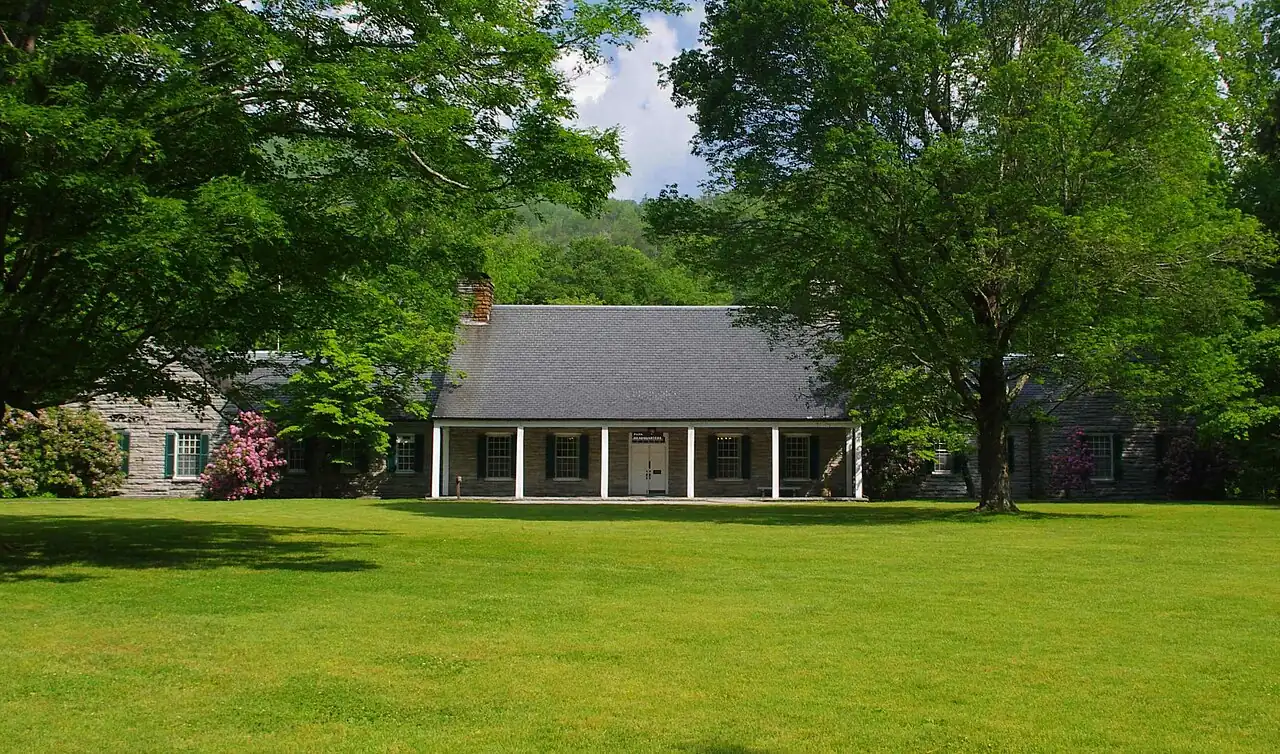
Great Smoky Mountains is the busiest national park in the United States, with 11,527,939 recreation visits in 2025, and it doesn’t charge an entrance fee. What it does charge for is parking: leave your car anywhere in the park for more than 15 minutes without a parking tag and you’re breaking the rules, which is the single most common way visitors get caught out. Tags cost $5 a day, $15 a week or $40 a year, and the rest of the park - every trail, every overlook on Newfound Gap Road - costs nothing.
The catch is that nobody stops you on the way in. A family doing two days of short walks pays $10 total and never sees a fee booth, because there are none at the boundary - buying the tag is on you, before you park. The checking happens in the parking areas instead, and the park spells out what it can do about a missing tag: a verbal warning, a warning sticker on the windshield, a citation, or a tow at your expense.
The parking tag, explained properly
The tag isn’t location-specific. One tag covers your vehicle park-wide, so you don’t need a separate one for Cades Cove and another for Newfound Gap. It’s required for any vehicle parked longer than 15 minutes inside the park boundary, which means a quick roadside photo stop is fine but a trailhead is not.
Where to buy it, in order of how much hassle each option costs you:
- Online at recreation.gov for daily and weekly tags. You have to print it, which is a genuine problem if you are flying in and staying in a cabin with no printer.
- Smokies Life ships annual tags to your home address, so only useful if you plan ahead.
- Visitor and welcome centers - around a dozen visitor centers, welcome centers and park stores across Tennessee and North Carolina, plus five regional REI stores.
- Parking tag machines at 13 trailhead and scenic locations, open 24/7 and credit card only. Handy as a backup, but the park warns that most trailheads have no machine, so buy your tag in advance or at a visitor center rather than counting on one at the trailhead.
Vehicles displaying a state-issued disability placard or plate are exempt. So are approved school groups, permitted researchers and cemetery visits. On the park’s designated fee-free days the tag requirement is waived too; the current list of those dates sits on the park’s fee page.
One more thing worth knowing if you’re traveling from abroad: from 2026, 11 of the busiest national parks charge non-US residents an extra $100 per person on top of the entrance fee. The Smokies isn’t one of them. It has no entrance fee to add a surcharge to, which makes it the cheapest big-name national park in the country for an international visitor - a $40 annual parking tag covers a whole family for a year.
Cades Cove: worth the drive, and a traffic trap
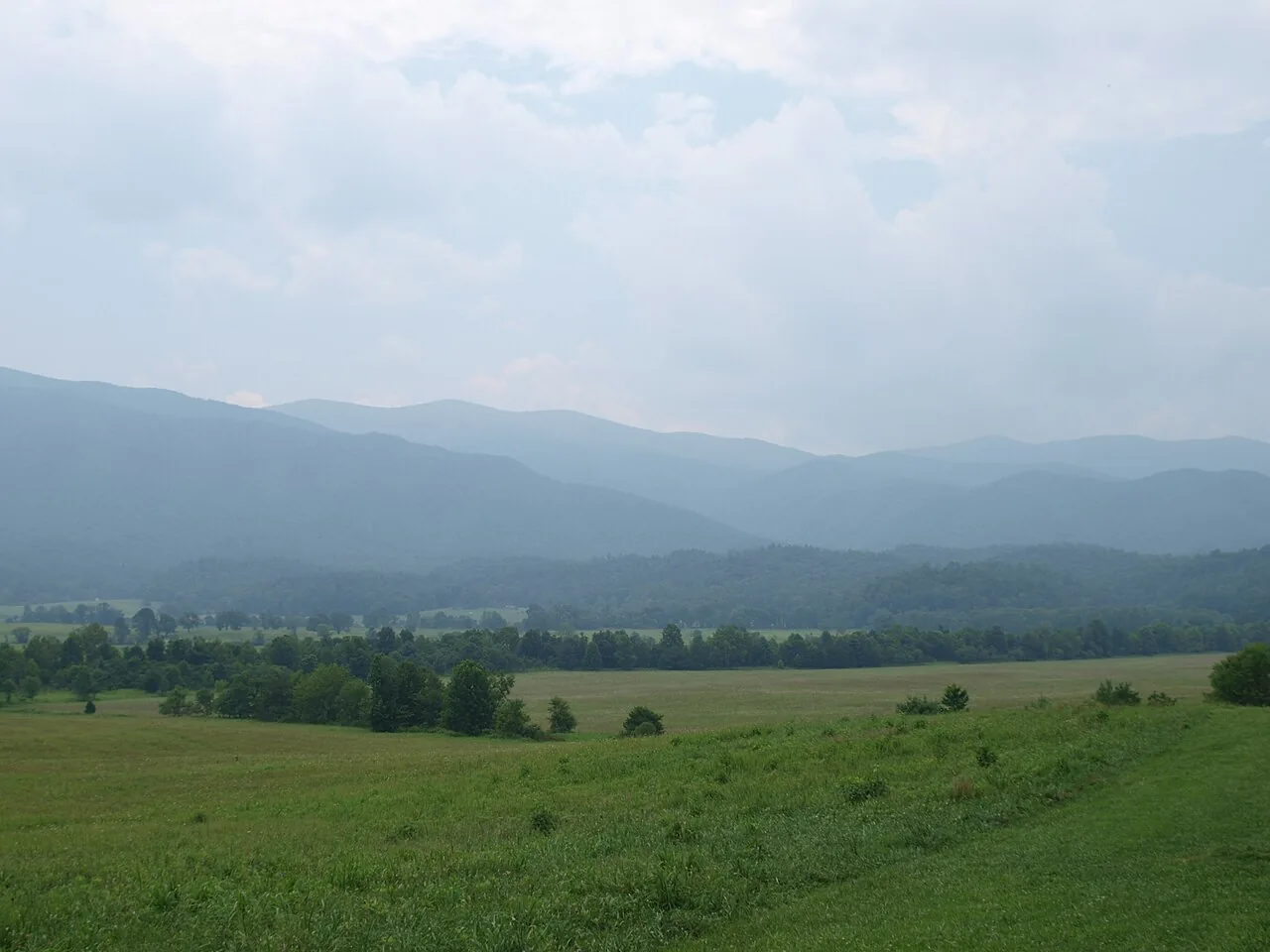
Cades Cove is the thing most people drive here for. It’s a wide grassy valley enclosed by mountains, with an 11-mile one-way loop road, three churches, a working gristmill, barns and restored log houses from the 18th and 19th centuries, and the best odds in the park of seeing deer, turkeys and black bears from your car.
It’s also where an afternoon evaporates. The park itself tells you to allow two to four hours, and that figure assumes ordinary conditions. In summer, on fall weekends, and any time a bear appears near the road, the loop becomes a single-file line with no way out - it’s one-way, so once you’re in, you’re committed. Go at first light (the road opens at sunrise) or come back at the end of the day.
The best trick in the park: the loop road is closed to vehicles every Wednesday, typically from May through September. Bring or rent a bike, and you get the same 11 miles with no engines, no lining up and a completely different pace. It’s the one day a week when Cades Cove feels like the 1930s rather than a parking lot with a view.
Kuwohi, the peak that used to be Clingmans Dome
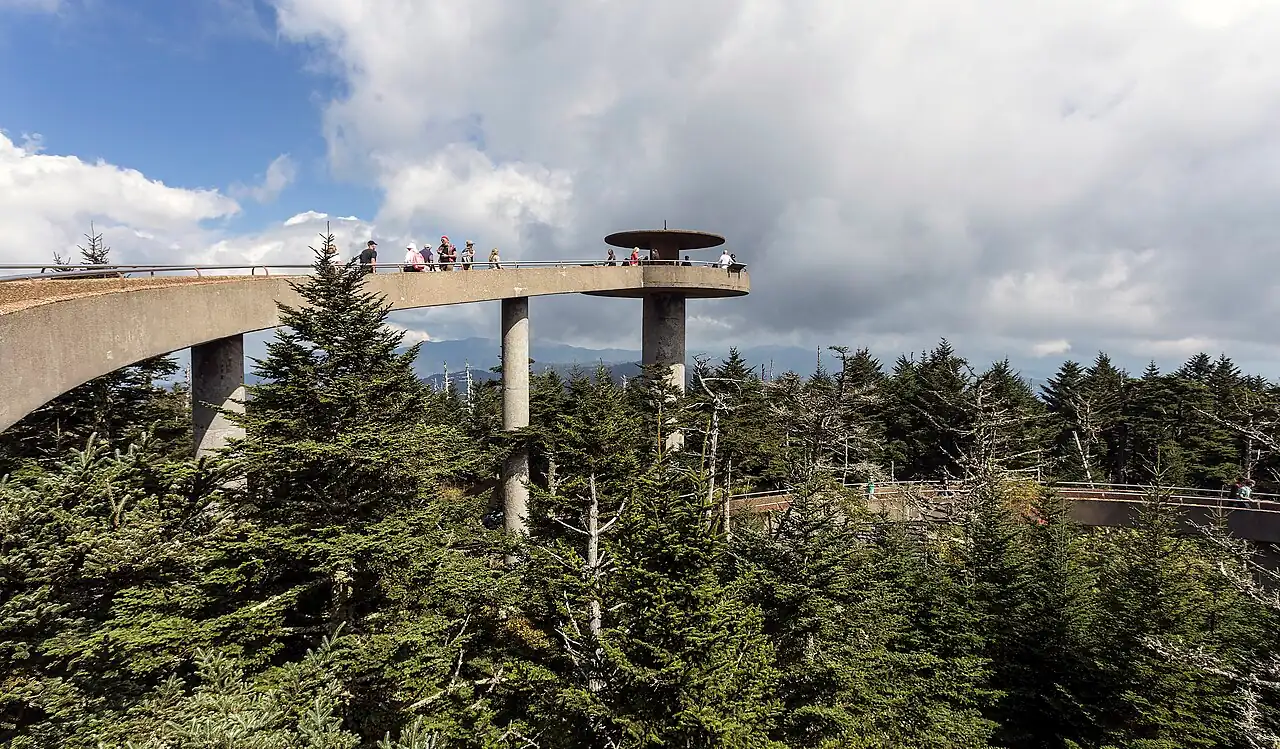
If your guidebook or an older blog post says Clingmans Dome, it’s talking about Kuwohi. On September 18, 2024 the U.S. Board on Geographic Names approved a request from the Eastern Band of Cherokee Indians to restore the Cherokee name, pronounced koo-WHOA-hee and meaning “mulberry place”. Park signage, road names and maps now use Kuwohi. Nothing else changed: it’s still the highest point in the park and in Tennessee, and it still pulls more than 650,000 people a year.
From the parking lot it’s a half-mile climb to the observation tower, one mile round trip, on a paved path that’s short but steep. The spiral ramp at the top delivers a 360-degree view on a clear day and a wall of white cloud on the many days that aren’t clear. This is a summit that makes its own weather; take a layer even in July.
The trap is the road. Kuwohi Road closes for winter and in 2026 runs only from April 1 to November 29. Plenty of people plan a December or February trip around “the highest point in the Smokies” and find a locked gate. You can still walk or ski up the closed road, which turns a one-mile stroll into a long day on asphalt.
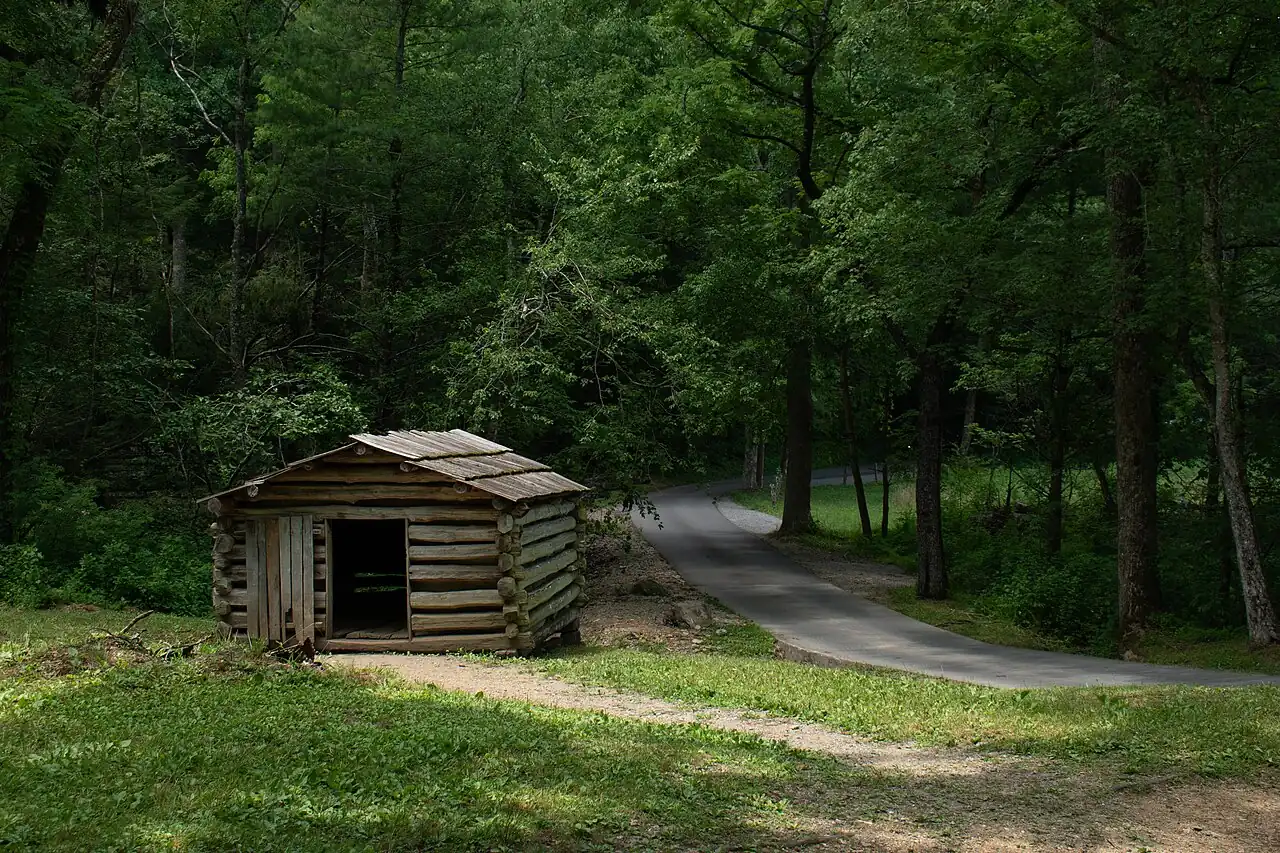
Other seasonal roads follow the same logic and catch people out in the same way. In 2026 the Roaring Fork Motor Nature Trail runs April 17 to November 29, Rich Mountain Road April 10 to November 9, Parson Branch Road May 1 to November 9, and Heintooga Ridge Road May 15 to October 31. Cataloochee Road is open year-round but is gravel and closes for snow and ice. Straight Fork Road has no confirmed 2026 dates after Hurricane Helene impacts, and Heintooga Round Bottom Road is also listed as TBD.
Timing: fall color is a season, not a weekend
The Smokies rise from about 1,300 feet at Gatlinburg to 6,643 feet at Kuwohi, and fall works its way down that gradient. Color starts at the highest elevations in mid to late September and doesn’t reach the valleys until mid-October to early November. There’s no single peak weekend - there’s a six-week window in which some elevation band is always at its best. Drive up Newfound Gap Road and you travel through several weeks of fall in 45 minutes.
The other date to know is the synchronous fireflies at Elkmont, when thousands of Photinus carolinus flash in unison for about eight nights in late spring. Access is by vehicle-reservation lottery only. For 2026 the viewing dates were May 20-27, the lottery on recreation.gov opened at 10 a.m. on April 24 and closed at 11:59 p.m. on April 27, and it costs $1 to apply, with a further $29 reservation fee charged automatically if you win. Only 120 vehicle reservations per night are issued, 960 for the whole event, and Elkmont is closed to everyone else after noon on viewing days. If you want this in 2027, set a calendar reminder for late April - the lottery window is four days long and it isn’t advertised loudly.
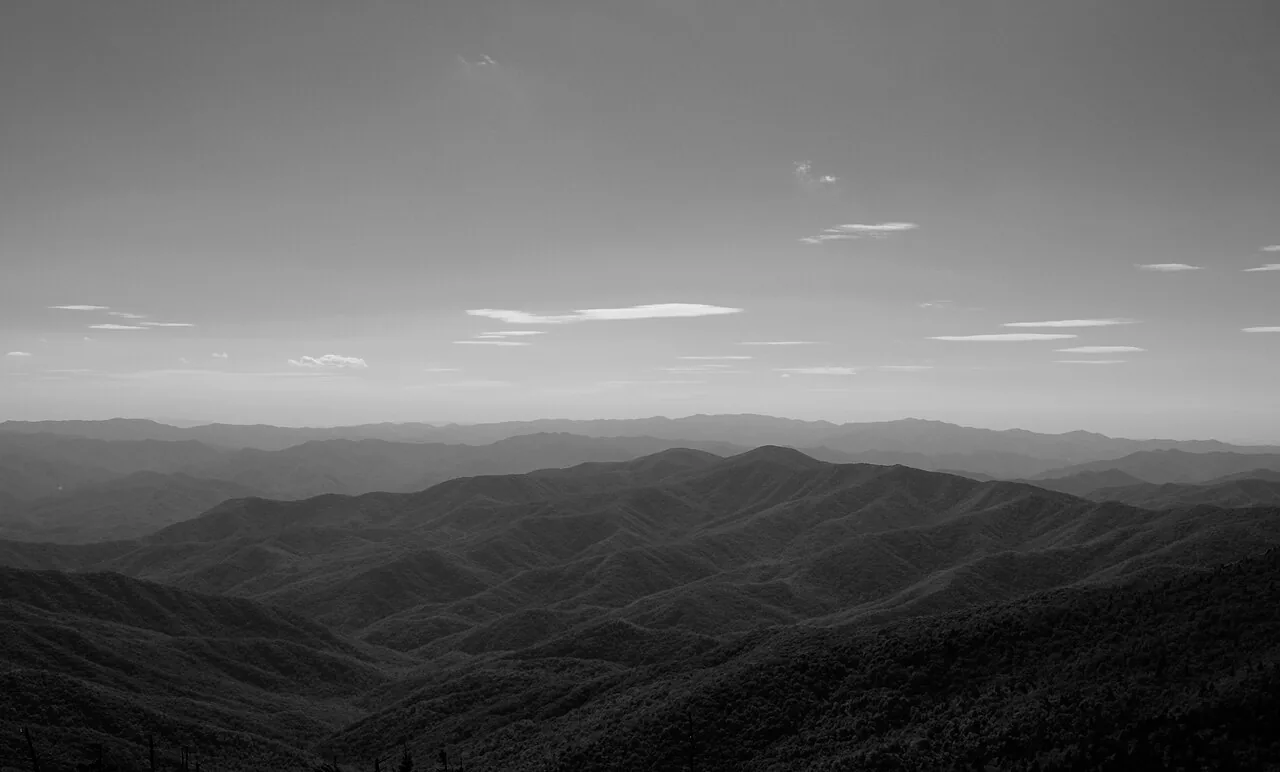
Spring (April-May) is wildflower season and the quietest of the warm months. Summer is hot, humid, and thick with afternoon thunderstorms. Winter is empty, the high roads are shut, and Newfound Gap Road itself can close for snow with little notice.
Bears: the rule is 50 yards
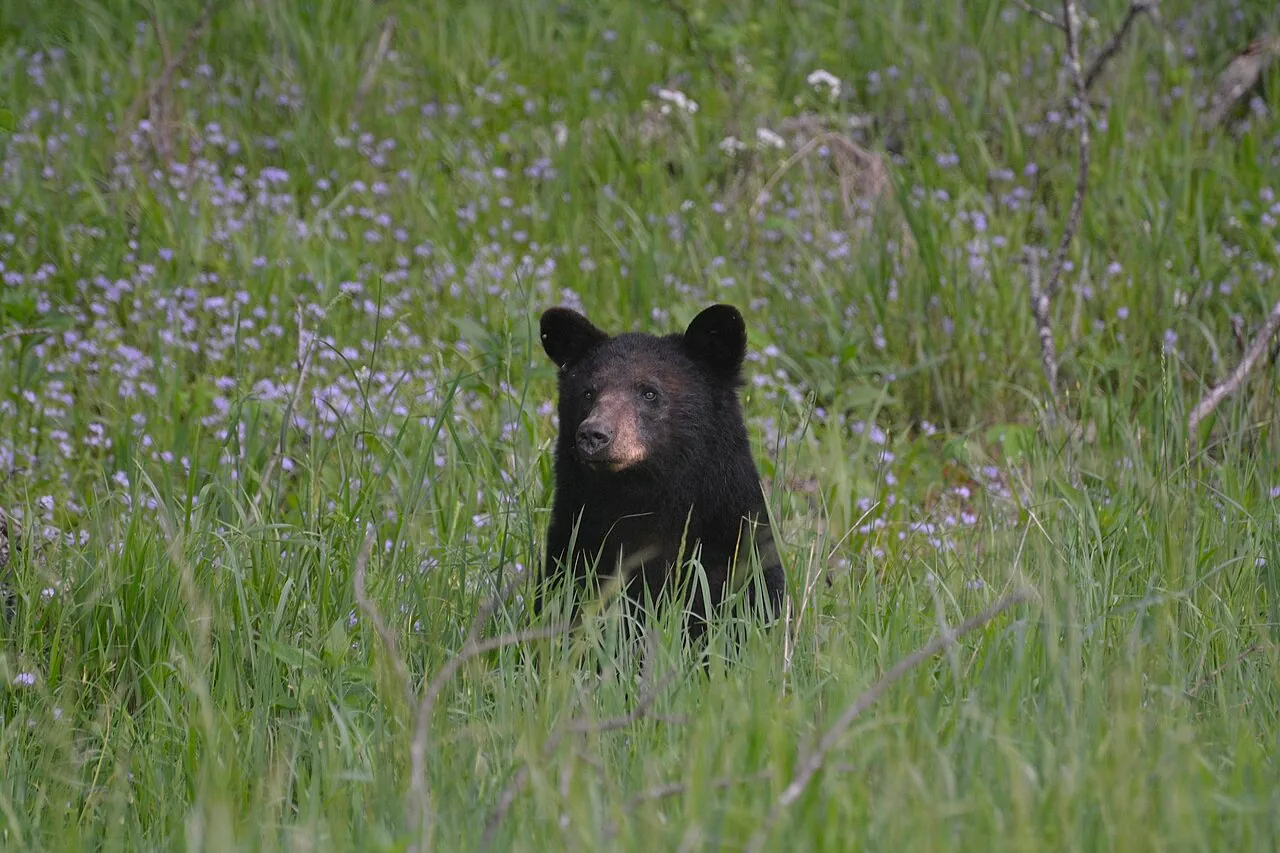
The park holds roughly 1,900 black bears, about two per square mile - the densest population in the country. You will very likely see one, most often in Cades Cove or from a roadside in Cataloochee.
The legal minimum distance is 50 yards (150 feet), and the wording matters: willfully approaching closer than that, or any distance that disturbs or displaces a bear, is illegal. So the rule bites even at 60 yards if the bear changes its behavior because of you. Feeding wildlife carries fines up to $5,000 and up to six months in jail. Use the bear-proof trash cans, and don’t leave food in an unattended picnic area.
Where to base yourself
There’s no park shuttle and no lodging inside the park apart from campgrounds and the hike-in LeConte Lodge, so your base is a town on the edge and you’ll need a car.
- Gatlinburg, TN sits right at the Sugarlands entrance and is the default choice: walkable, loud, full of pancake houses and souvenir shops. Best if you want to park once and stroll in the evening.
- Pigeon Forge, TN is 20 minutes further out, cheaper, and built around Dollywood and go-kart tracks. Good value, more driving.
- Townsend, TN calls itself the quiet side and means it. It’s the closest base to Cades Cove and the right choice if your priority is being at the loop road at sunrise.
- Cherokee, NC covers the North Carolina entrance and puts you closest to Kuwohi, Oconaluftee and the Blue Ridge Parkway.
Cabins outrank hotels here for value if you’re a group; hotels win on convenience in central Gatlinburg. Prices spike hard in October, and Gatlinburg fills months in advance for peak leaf weekends.
Two days in the Smokies, and where to sleep between them
Two days is enough to see the park without rushing, and the split that works is Tennessee one day, North Carolina the next. Base the first night in Townsend for a sunrise start on the Cades Cove loop before the line forms, then give the morning to the cove and the afternoon to Newfound Gap Road up to Kuwohi, where the parking lot sits above 6,600 feet and makes its own weather. Buy your parking tag the moment you arrive: the machines take a card and nothing else, and there’s no fuel or food inside the park, so fill the tank and grab lunch in town first.
Cross to the North Carolina side for the second day and base in Cherokee - Oconaluftee for elk in the meadow at first light, the quiet Cataloochee valley for more of them, and the Blue Ridge Parkway peeling off the park’s edge. Cell service is patchy to non-existent in the valleys, so download your maps before you drive in, and check the park’s road status on nps.gov the morning you go: snow, storms and post-hurricane repairs shut roads here at short notice, and the seasonal road dates above are the detail most likely to have moved since this was written.
Only have one day? Do Cades Cove at dawn and Newfound Gap Road to Kuwohi after lunch, and save the North Carolina side for a return trip.
If you’re combining the Smokies with the western parks on one trip, the contrast in cost is stark - see our guides to Yellowstone and the Grand Canyon, where the entrance fee and the non-resident surcharge both apply. Building the park into a wider drive instead? The Tennessee travel guide covers Knoxville, Gatlinburg and the run west to Nashville and Memphis on I-40.
Read also
- All our national park guides
- The state the park sits in: Tennessee travel guide
- Permits and the Angels Landing lottery: Zion National Park
- Hiking below the rim in the heat: Grand Canyon National Park
- Geysers, bison and road-opening dates: Yellowstone National Park
- Waterfall timing and Half Dome permits: Yosemite National Park
On the map
The map loads on click - to keep the page lightweight.
The map didn’t load. Check your connection and refresh the page.
Admission and opening hours
- Admission price
- No entrance fee. A parking tag is required for any vehicle parked longer than 15 minutes: $5 daily, $15 weekly, $40 annual.
- Opening hours
- Open 24 hours a day, year-round. Kuwohi Road runs April 1 to November 29, 2026, then closes for the winter; Cades Cove Loop Road is open sunrise to sunset.
Parking tag machines at trailheads take card only. Rules and dates change - confirm on nps.gov before you drive up.
Details checked: July 24, 2026
Read also

National Parks · 12 min read
Canyonlands and Capitol Reef: Utah's Two Quiet Parks
Verified · August 29, 2026Canyonlands $30, Capitol Reef $20 for the Scenic Drive - what each park costs, which district to skip, and which one wins if you only have a day.

National Parks · 8 min read
Indiana Dunes from Chicago: Beaches & the $25 Gate
Verified · August 26, 2026Leave Chicago early for West Beach, the Dune Succession Trail and the South Shore Line to Dune Park. National and state park fees do not cross.

National Parks · 8 min read
Carlsbad Caverns: Natural Entrance and Bat Flight
Verified · August 25, 2026$15 entry plus $1 timed reservation, Natural Entrance vs elevator, Big Room loop, and free bat flights April-Oct.

National Parks · 8 min read
White Sands: Dunes, Sledding and Closures
Verified · August 25, 2026Gypsum dunes, $25 entry, sledding tips, and why missile-range tests can close Dunes Drive for hours - check NPS the morning you go.