
Tennessee Travel Guide: Nashville, Memphis & the Smokies
Memphis, Nashville and the Smokies sit on one interstate. Real ticket prices, the time zone that eats an hour, and what is free versus paid.
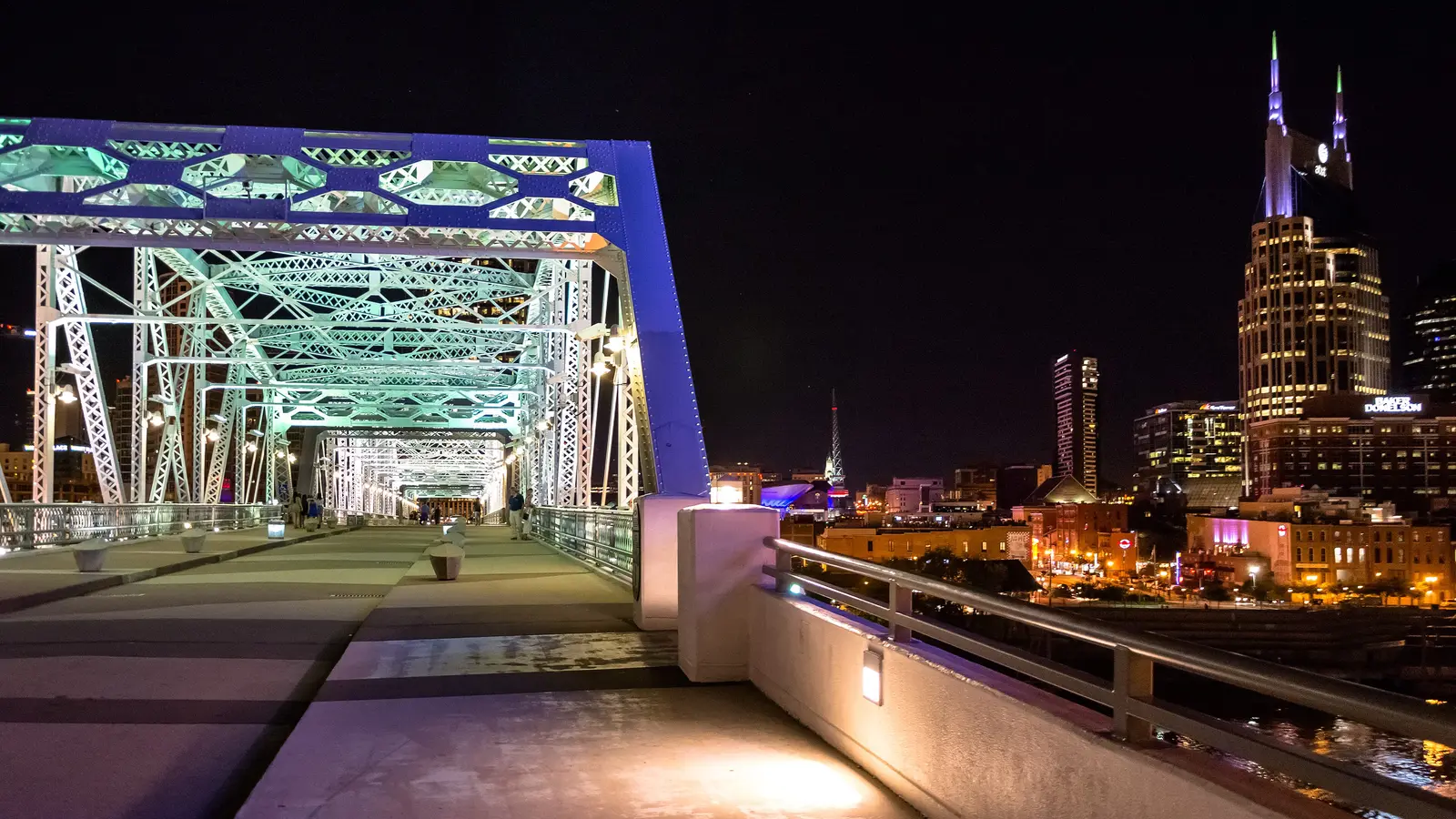
Tennessee is essentially one road. Interstate 40 crosses the state for 455 miles, the longest stretch it runs in any of the eight states it passes through, and it strings together Memphis in the west, Nashville in the middle and Knoxville at the eastern end, with the Great Smoky Mountains just beyond Knoxville. Pick two of those three anchors for a week. Trying to do all of them plus the mountains means most of your trip happens through a windshield. West of Memphis across the Mississippi, Arkansas is the natural next inland stop if the Delta and the Ozarks are part of the same loop.
Somewhere on the Cumberland Plateau, the state also changes time zone, and almost nobody plans for it. Memphis and Nashville run on Central; Knoxville, Chattanooga, Gatlinburg and the whole eastern end run on Eastern. Drive from a Nashville hotel to a Smokies trailhead and you lose an hour you didn’t budget for, which is how people end up at Cades Cove at dusk instead of mid-afternoon.
Nashville: the headline act is free, the history isn’t
Nashville’s signature experience costs nothing. Live music runs on Lower Broadway from 10 in the morning until 3am, every single day of the year, and none of the honky tonks charge a cover. You walk in, you listen, you put money in the tip jar. That inverts the usual city budget: the nightlife is free and the daytime is where your money goes.
The paid side is the museums. The Country Music Hall of Fame is $31.95 for adults and $21.95 for youth, and the package that adds RCA Studio B, where Elvis recorded, runs $54.95 and $44.95. Those are worth it if the music is why you came. Two days covers Nashville comfortably: one for Broadway and the Hall of Fame, one for a show at the Ryman or the Opry House out by Opry Mills.
Memphis: everything here has a ticket price
Memphis is the opposite arrangement, and you should budget accordingly. Graceland’s Elvis Experience Tour is $85 for adults and $49 for youth, with the mansion open daily from 9am and the last tour going in at 4pm. If you only want the car museum, the jets and the exhibition halls without the house, the complex-only ticket is $53 and $30. The VIP tiers climb to $148 and beyond, and the honest answer is that the standard ticket shows you the house, which is the reason you’re there.
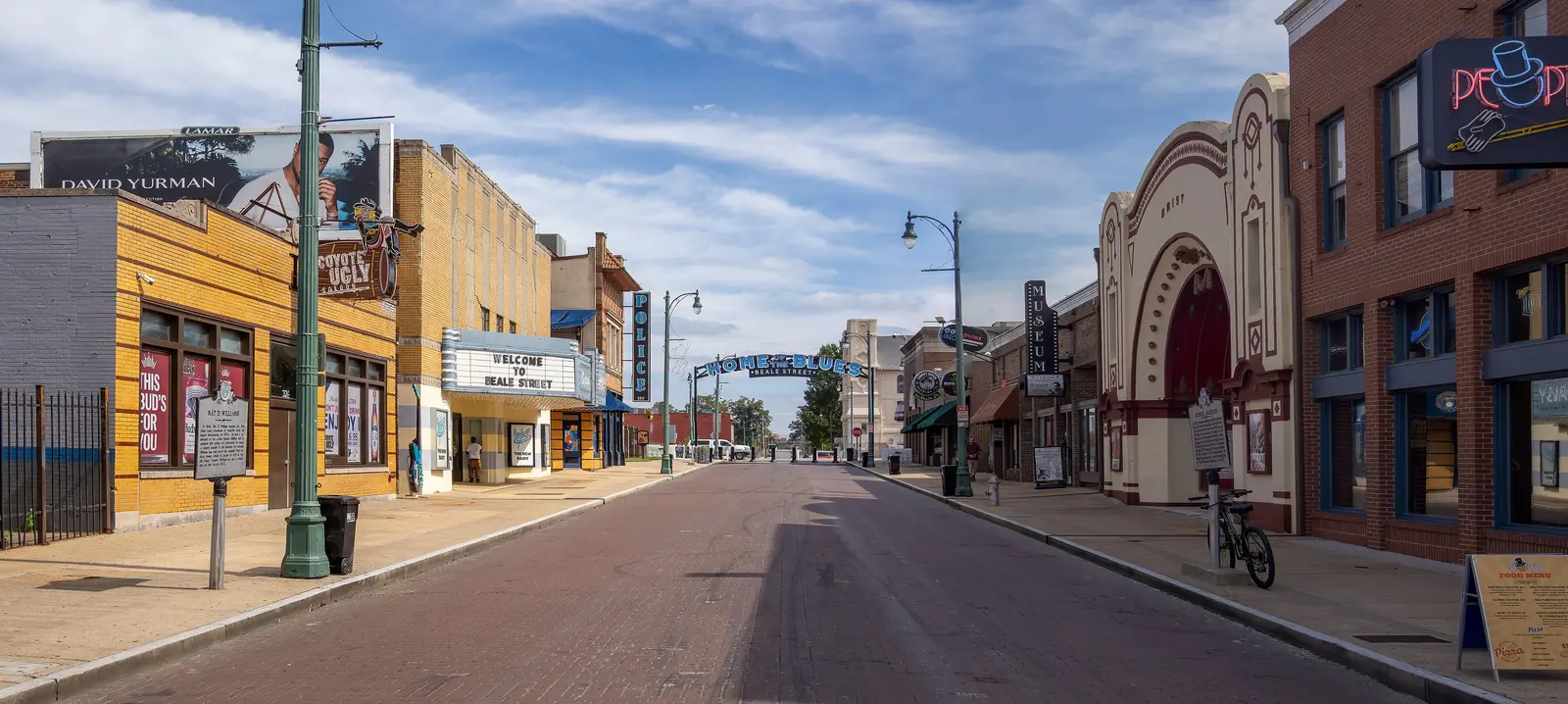
Sun Studio is the cheap one and arguably the best hour in the city: $20 for adults, $15 for kids aged 5 to 11, tours on the half hour from 10:30 to 4:30, and no reservations, so you just turn up. The Stax Museum out on McLemore Avenue is $20 and $16, and it’s where soul music actually came from. Beale Street itself is free to wander during the day, but on selected Friday, Saturday and holiday nights there’s a $5 per person security fee from 9pm, and after 11pm the whole street is 21 and over with ID.
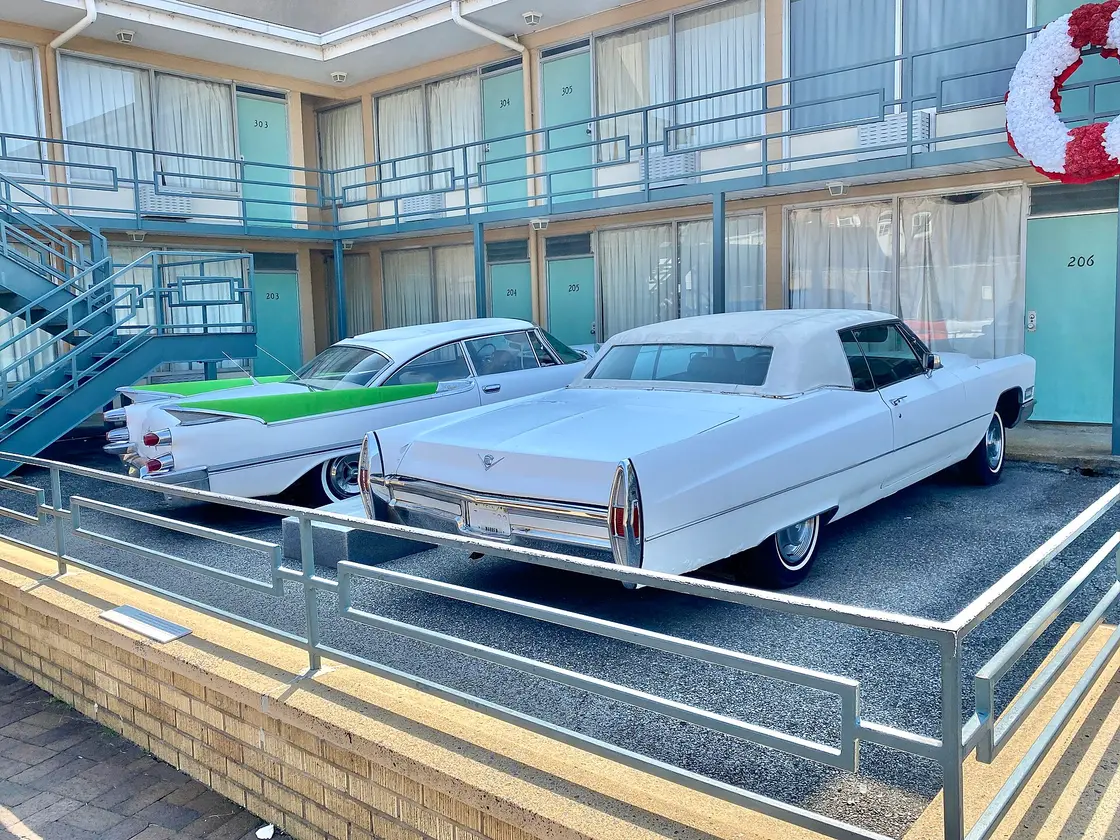
The most important place in Memphis is the National Civil Rights Museum, built into and around the Lorraine Motel where Martin Luther King Jr. was killed in 1968. Adult admission is $25, seniors and students $23, children 5 to 17 $22, and Tennessee residents get in free on Mondays from 3pm with a state ID. Give it three hours, not one.
Now the scheduling trap worth writing down: the Civil Rights Museum closes on Tuesdays and the Stax Museum closes on Mondays. A Monday-into-Tuesday overnight in Memphis therefore misses both of the city’s most substantial museums. Shift by a day and the same trip works.
The Smokies: free to enter, not free to park
Great Smoky Mountains National Park is the busiest national park in the country, with 11,527,939 recreation visits in 2025, and it charges no entrance fee at all. What it does charge for is parking. Leave a car anywhere in the park for more than 15 minutes without a parking tag and you’re breaking the rules: tags are $5 a day, $15 a week or $40 a year. There’s no fee booth on the boundary to stop you, so it’s easy to assume nobody checks - but the park does check parking areas, and its own published answer to a missing tag runs from a warning sticker to a citation to a tow at your expense.
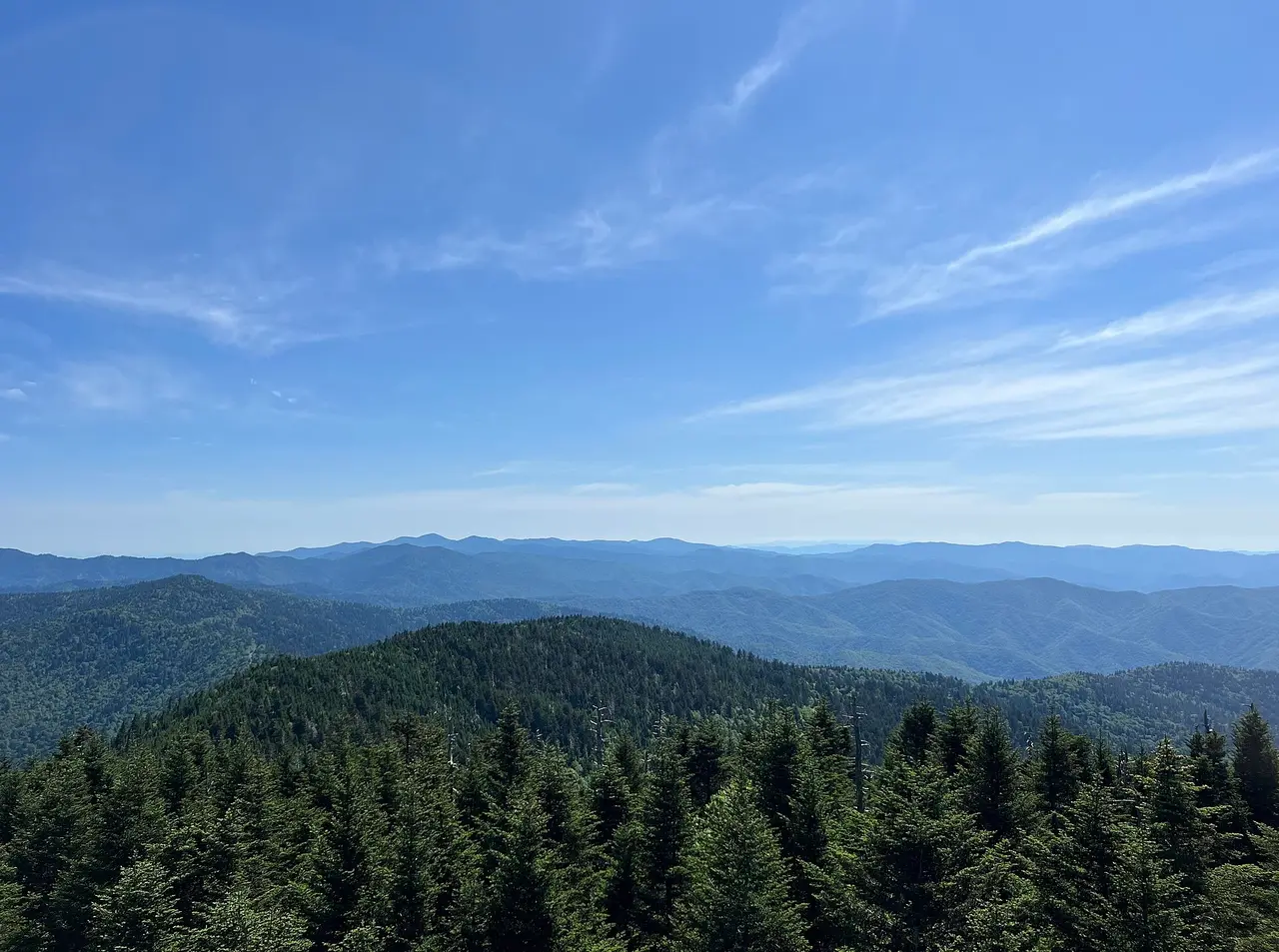
Two drives carry most of the park’s traffic. Cades Cove is an 11-mile one-way loop through an open valley of pasture and pioneer cabins, gates open sunrise to sunset, and it moves at the pace of whoever at the front has spotted a bear. Kuwohi Road, which climbs to the highest point in the state, runs April 1 to November 29 in 2026 and closes for winter. There are roughly 1,900 black bears in the park, and approaching within 50 yards of one is illegal, which is worth remembering when the car in front of you stops dead in the middle of the loop.
Knoxville, Gatlinburg and Pigeon Forge: the strip you drive through
Knoxville is the third anchor and the one that gets skipped, which is a little unfair to it. It’s the last real city on I-40 before the mountains, it sits on Eastern time so the clock has already jumped by the time you get there, and its airport does the practical work: McGhee Tyson is 12 miles south of downtown, bills itself as the gateway to the Smokies and flies nonstop to more than 30 US cities. If you’re landing at one end of the state and leaving from the other, this is the end you fly out of.
The Tennessee entrance to the park runs through Gatlinburg, and just before that, Pigeon Forge. This is pancake houses, go-kart tracks, moonshine tasting rooms, Ripley’s attractions and Dollywood, and it is either exactly what your family wants or the thing you grit your teeth through to reach the trailhead. There’s no middle position, and knowing which camp you’re in should decide where you sleep.
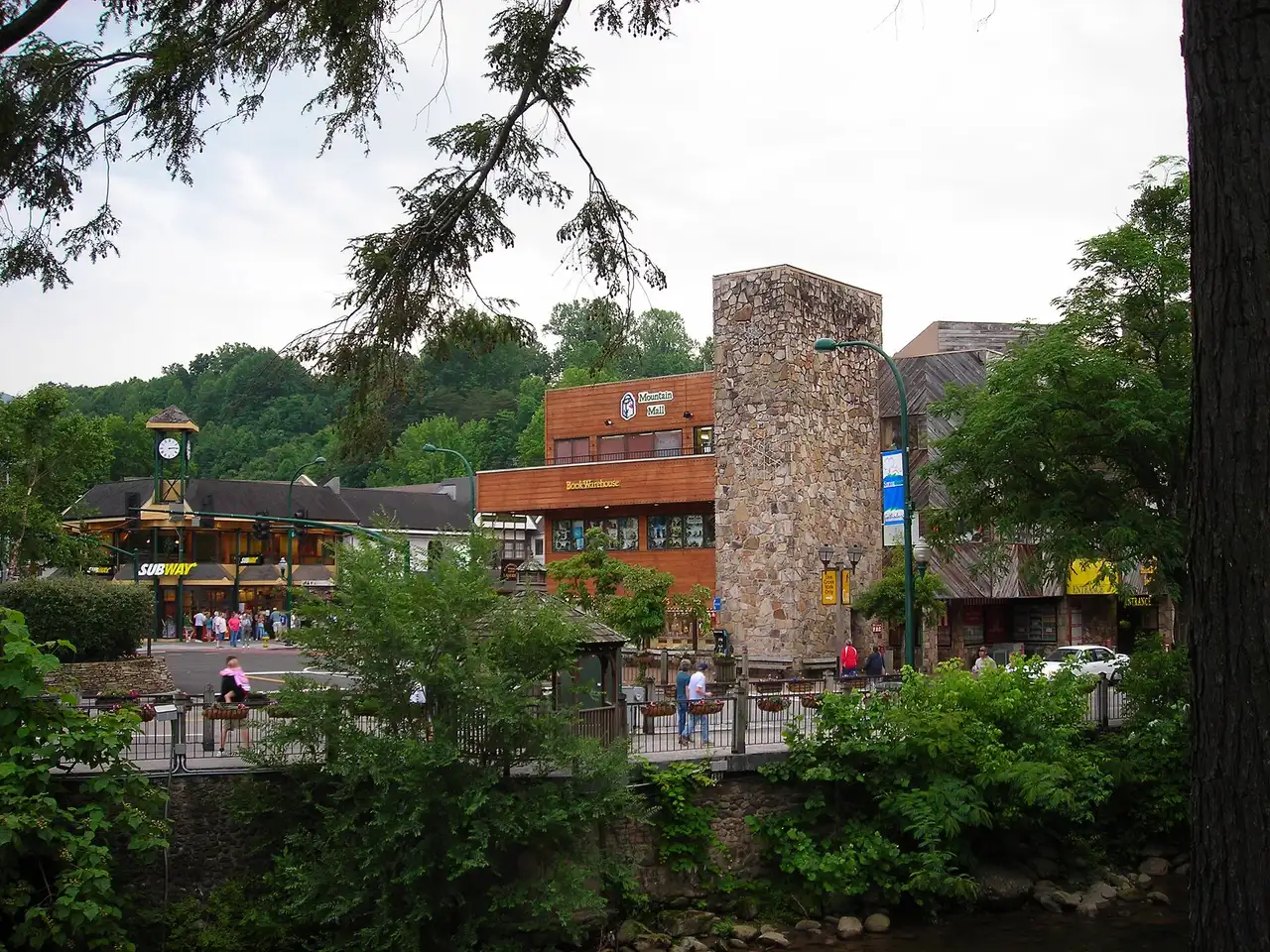
If you want the mountains without the strip, base yourself in Townsend on the quiet western side, or in Wears Valley. If you have children and rain in the forecast, Pigeon Forge earns its keep. Dollywood uses date-based pricing, so a single-day ticket moves with the calendar and the day of the week; check dollywood.com for your actual dates rather than a headline figure.
Whiskey, and the middle of the state
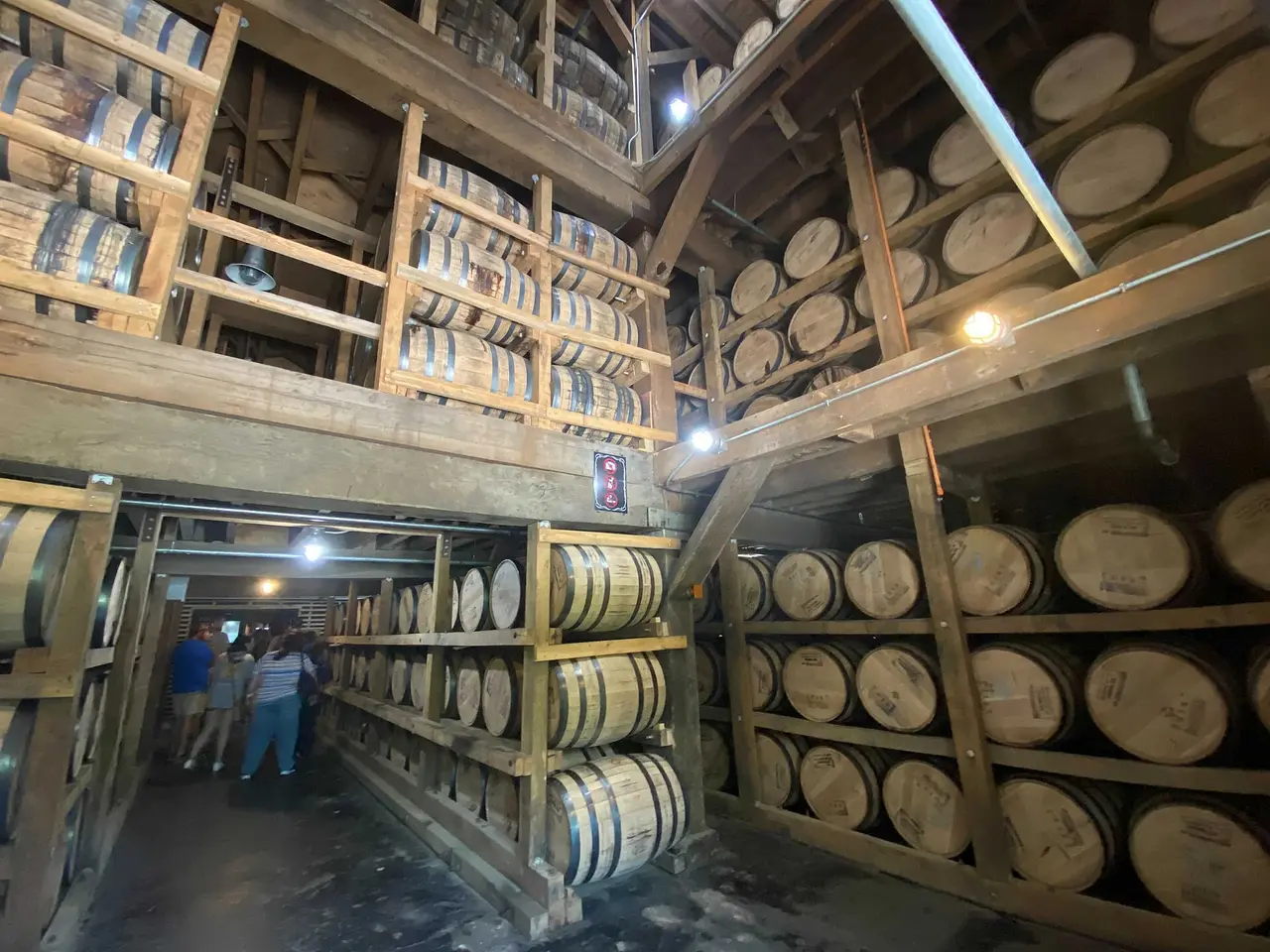
Jack Daniel’s is made at Lynchburg, in Moore County, south of Nashville, and Moore County restricts retail liquor sales - the fact every guide repeats and nobody quite believes. The distillery lives inside an exception written for it: its own White Rabbit Bottle Shop can sell commemorative bottles on site. Book straight on jackdaniels.com rather than through a ticket aggregator, and don’t go by the tour names you’ll see on those listings. The lineup was rebuilt on August 1, 2024: Dry County, Angel’s Share and Flight of Jack were retired, and everything that replaced them ends with a tasting. At the relaunch the three were the Jack Daniel Distillery Tour, the Innovation Tasting and the Bonded Tour, running from the standard walk-through up to a two-hour version with the limited releases - names worth checking against the site before you book, since the prices have moved since.
That drive also gets you into the part of Tennessee people skip: rolling horse-farm country south of Nashville, small courthouse squares, and the Natchez Trace Parkway, 444 miles of two-lane scenic road that starts near Nashville and runs southwest through Alabama to Natchez, Mississippi. You don’t need to drive all of it. The first stretch out of town is the point, and it’s the rare American road with nothing on it: no gas stations, no restaurants, no commercial traffic, because none of that is allowed on the parkway. Fill up before you turn on. If you have a spare day and no appetite for another museum, that’s the better use of it.
When to go, and what a receipt looks like
October is the best month and everyone knows it. Fall color in the Smokies pulls serious crowds, the mountain towns fill up, and the park roads back up on weekends, so go midweek if you possibly can. April and May are quieter and green, with wildflowers in the park and comfortable temperatures across the state. Summer is hot and humid statewide and the Smokies sit under haze; that’s the season for early starts and high elevations. Winter is cheap and calm, though the mountain roads close when the weather turns.
On the money side, Tennessee leans on sales tax: 7% at state level plus a local option of up to 2.75%, so receipts generally land somewhere around 9.25% to 9.75%. That applies to your restaurant bill and your souvenir T-shirt, and it’s noticeably higher than what you’ll have paid in some other states.
The one thing worth planning around is the split between free and ticketed. Nashville hands you its best asset for the price of a tip; Memphis charges properly for Graceland, Sun Studio, Stax and the Civil Rights Museum, which adds up to about $150 a head if you do all four; and the Smokies cost $5 a day to park and nothing else. Build the budget city by city rather than as one number, and Tennessee comes out cheaper than it looks.
There’s no train linking the three cities and no transit anywhere near the park, so this is a driving state from the moment you land. Our guide to things to do in Nashville covers the music city end in detail, the Great Smoky Mountains park guide handles the mountains, and renting a car in the USA explains the deposit and insurance questions before you get to the counter.
Read also
- The music city in detail: things to do in Nashville
- Bourbon country, a few hours north across the state line: Kentucky travel guide
- The mountains: Great Smoky Mountains National Park guide
- The other side of the same ridge: North Carolina travel guide
- Next door: Georgia travel guide
- Before you drive: renting a car in the USA
- Browse more US states and national parks
- Pick a Nashville base: where to stay in Nashville
On the map
The map loads on click - to keep the page lightweight.
The map didn’t load. Check your connection and refresh the page.
Good to know
Admission prices below were taken from each operator in July 2026. Museum and distillery prices change with exhibitions and seasons, so confirm before you go.
Details checked: July 27, 2026
Read also

States · 11 min read
Connecticut: Mystic, New Haven and the Shoreline
Verified · September 12, 2026Mystic Seaport at $35 adult, free Yale galleries in New Haven, and Gillette Castle on the river - how a Connecticut weekend actually fits.

States · 9 min read
North Dakota: Medora and Theodore Roosevelt NP
Verified · September 5, 2026The 36-mile South Unit loop starts in Medora, entrance $30 per vehicle, cashless from May 2026 - how to plan Theodore Roosevelt National Park.

States · 9 min read
Arkansas Travel Guide: Hot Springs & Ozarks
Verified · September 4, 2026Fee-free Hot Springs NP downtown, free Crystal Bridges in Bentonville, and the 135-mile Buffalo - how to string an Arkansas road trip.

States · 10 min read
Indiana Travel Guide: Indy, Speedway, Shore
Verified · September 5, 2026IMS Museum at $25, Kiss the Bricks at $15, Brown County hills and Lake Michigan shore - an Indiana trip beyond a Chicago beach day.