Where to Stay in Nashville: Broadway, East or Germantown
Nashville adds 16.75% tax plus $2.50 a night to every hotel room. Broadway, Germantown and East Nashville compared by walk time, noise and what you get.
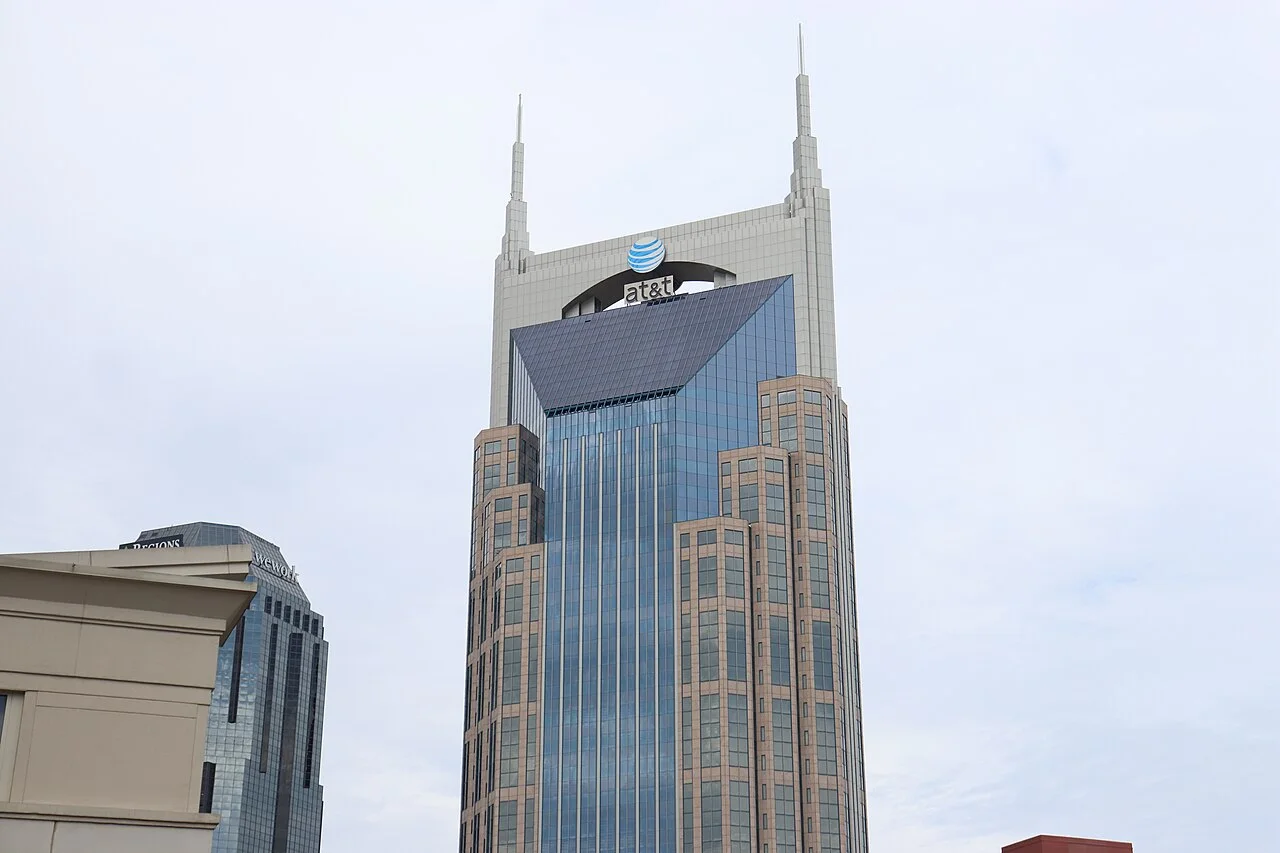
Broadway puts you inside the noise on purpose: honky-tonks running live music until 3am, a block from your pillow. Germantown puts you a 23-minute walk from that noise and inside the city’s best restaurant row. East Nashville puts a river between you and downtown and usually costs less for the trouble. None of that changes what shows up on the bill - Nashville adds 16.75% tax plus $2.50 a night to every hotel room in the city, whichever neighborhood you pick.
The areas at a glance
| Area | Best for | Trade-off |
|---|---|---|
| Broadway / Downtown | Walk-in access to the honky-tonks, the Ryman, Bridgestone Arena | Loud past midnight; highest room rates |
| The Gulch | Quieter downtown-adjacent base, walkable to Broadway | Fewer budget rooms; a converted-warehouse feel, not a historic one |
| Germantown | Nashville’s strongest restaurant scene, a 23-minute walk to downtown | Thin hotel inventory - mostly boutique and short-term rentals |
| East Nashville / Five Points | Where locals actually go out, better value | A river crossing between you and Broadway - budget a rideshare after dark |
| Music Row / Midtown | Vanderbilt, a quieter grid, still walkable to downtown | Fewer honky-tonks on your doorstep |
Broadway and downtown: pay for the walk, pay for the noise
Staying on or just off Lower Broadway buys you the thing most first-time visitors actually came for: live music running from 10am to 3am, every day of the year, with no cover charge at any of the honky-tonks. Walk out the lobby door and you’re inside it. The Country Music Hall of Fame, the Ryman and Bridgestone Arena are all within a few blocks, and you won’t need a car or a rideshare for any of your evenings.
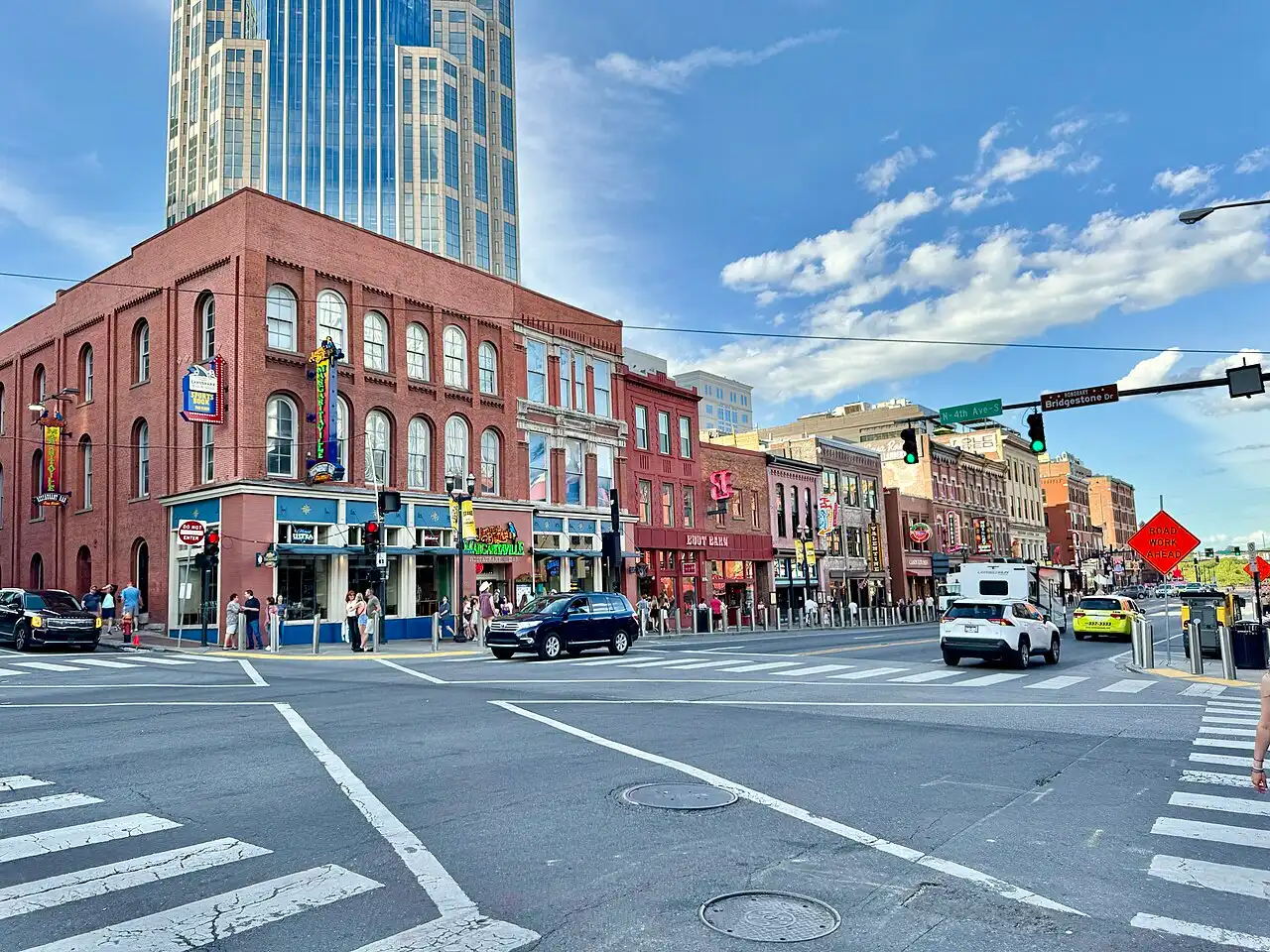
What that convenience costs you is sleep, not just money. The strip doesn’t quiet down until 3am, and a room facing Broadway hears every band change. If you want the walkability without the noise, look one block over toward Second Avenue’s older commercial row, or push a few blocks south into The Gulch - a converted railyard-turned-warehouse district that’s still a short walk to Broadway but shuts up considerably earlier at night.
Germantown’s dinner scene is worth the 23-minute walk
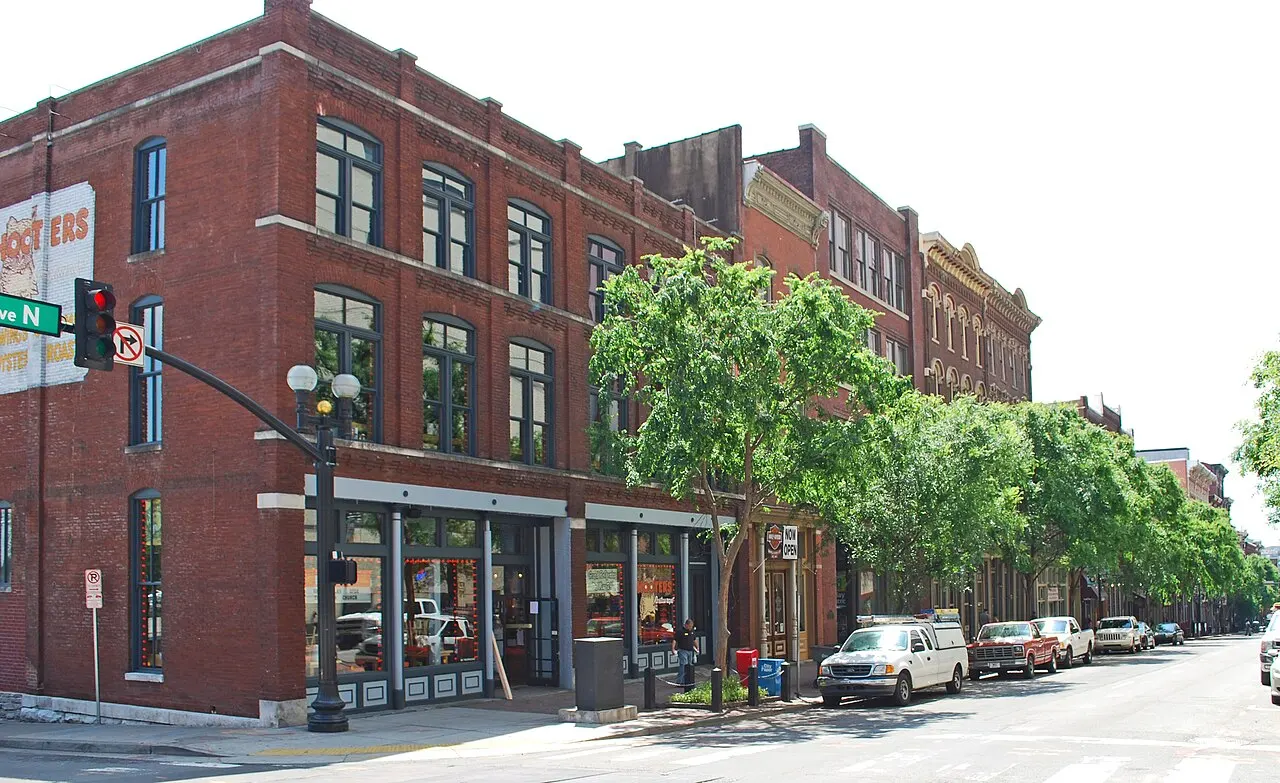
Germantown is Nashville’s oldest neighborhood, a National Register historic district settled by German immigrants starting in the 1830s, and today it’s the city’s strongest run of serious restaurants. City House, the anchor of the scene, won chef Tandy Wilson the James Beard Award for Best Chef: Southeast in 2016 after three years as a finalist - that’s the kind of neighborhood you’re booking into, not a generic “near downtown” pick.
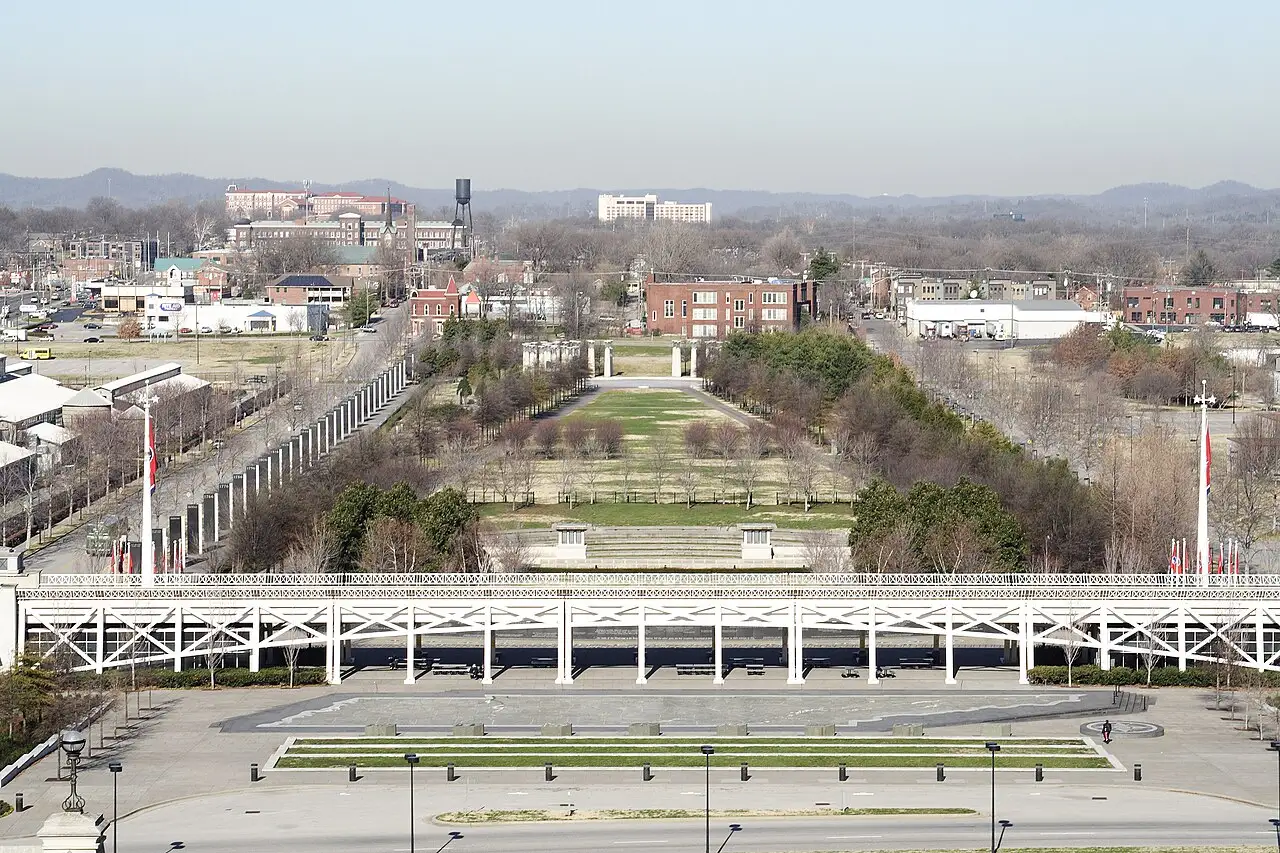
Germantown borders Bicentennial Capitol Mall State Park, a 19-acre park opened in 1996 for the state’s bicentennial, which gives the neighborhood a genuine green buffer between its brick rowhouses and the interstate. The walk from Lower Broadway is about 1.1 miles, roughly 23 minutes on foot - close enough to do without a car, far enough that you won’t hear last call.
The catch is inventory. Germantown doesn’t have the wall of big hotels that downtown does. The Germantown Inn, a ten-suite property built in 1865, is the neighborhood’s own boutique option, and most of the rest of the stock is short-term rentals rather than hotel rooms. That’s a fine trade if you’re booking a rental anyway and want to eat well every night. It’s a poor fit if you specifically want a hotel with a front desk and room service.
East Nashville: across the bridge, and cheaper for a reason worth knowing
East Nashville is where a lot of the city’s own residents actually go out at night, not just where visitors are pointed. Five Points, its commercial core, runs listening rooms, dive bars and a genuinely different crowd from Broadway’s bachelorette-party energy. Rooms here tend to run cheaper than downtown for a comparable standard, and the neighborhood itself is walkable once you’re in it.
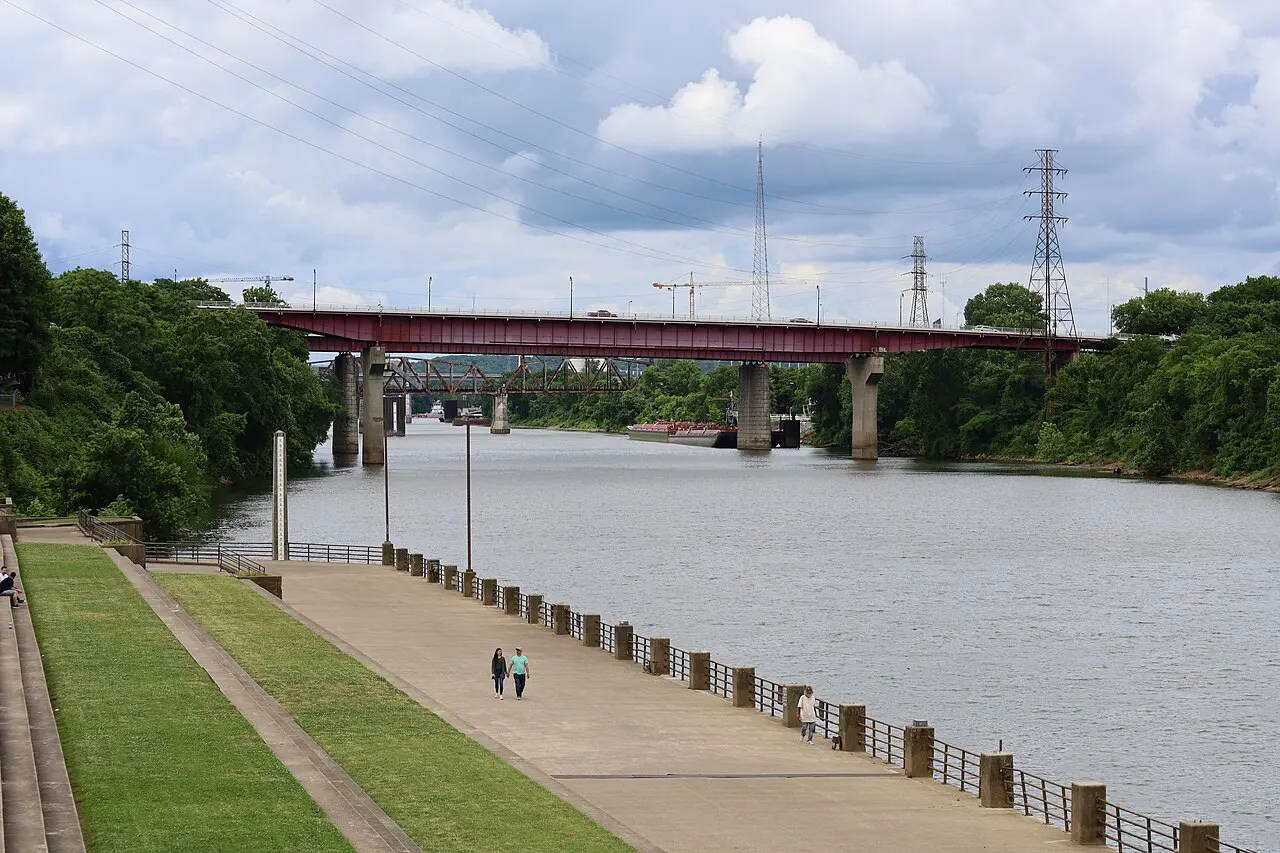
Getting from a Five Points hotel or rental to Lower Broadway means crossing the Cumberland, and the walk is longer than it looks on a map: about 1.9 miles from the Ryman area, close to 41 minutes on foot. That’s a fair evening stroll on the way out. It’s a much less appealing option at 1am on the way back, with a group, after last call. Budget a rideshare for the return trip and the savings on the room still hold up; skip that budget line and you’ll spend the difference in Ubers anyway. East Nashville also runs thinner on hotel inventory than downtown, similar to Germantown - it leans on short-term rentals to fill the gap.
Music Row and Midtown, the quieter walk to downtown
Music Row sits on the eastern edge of Midtown, anchored by Vanderbilt University and, historically, by the recording studios that built Nashville’s music business - RCA Studio B, where Elvis cut more than 200 songs, sits right on Music Square. It’s about 1.1 miles and 24 minutes on foot from the Ryman area, close to Germantown’s walk time but in the opposite direction, through a quieter grid of university streets instead of honky-tonks. Hotel inventory here skews toward business and university travelers rather than bachelorette weekends, which is exactly the point if a Broadway crowd at 2am sounds like a reason to book somewhere else. You’ll still want a car or a rideshare for most evenings out - this isn’t a walk-everywhere base the way Broadway is.
16.75% plus $2.50 a night: the real tax math
Nashville stacks three separate charges onto every hotel folio, and almost nobody quotes the total correctly because it comes from two different governments. Tennessee’s state sales tax is 7%. Davidson County adds a local-option sales tax of 2.75%, raised from 2.25% in February 2025 by a voter-approved transit measure. On top of that, the city’s own Hotel Occupancy Tax is 7% - a 1% increase to help fund the new Titans stadium that was written to kick in only if Metro’s sports authority issued the stadium’s revenue bonds by January 1, 2024. It did, in July 2023, so the higher rate has been in place since mid-2023. Add a flat $2.50-a-night fee and you’re at 16.75% plus $2.50 over the room rate you see when you search - not the roughly 9.5% state sales-tax figure that a quick search of “Tennessee sales tax” would suggest.
Compare hotel rates by neighborhood before you book, and read the tax lines on the confirmation rather than assuming a flat percentage - a $200 room becomes closer to $235 once every line is added, and that gap is bigger than the difference between most of the neighborhoods above.
Getting in from BNA
Nashville International sits about eight miles from downtown, a 20-minute drive when traffic behaves. The airport’s own flat taxi rate to downtown or the Gaylord Opryland Resort is $30, plus $2 for each extra passenger; Uber and Lyft board from the same Ground Transportation Center on Level 1 of Terminal Garage 2. If you’re traveling light and don’t mind a longer ride, WeGo Route 18 runs from the airport to WeGo Central downtown for $2, about 20 minutes on the express run or up to 45 on the local one - a fraction of the taxi fare if your hotel is anywhere near the route.
Timing, and the quick pick
Spring and fall are the comfortable seasons to walk this city; summer gets hot and humid enough to make the river crossing to East Nashville feel longer than it is. Big country-music weekends and CMA Fest fill every neighborhood at once, so check your dates against the festival calendar before you assume a normal week’s pricing.
That leaves the actual decision:
- First trip, want to walk everywhere, don’t mind noise: Broadway or downtown.
- Same walkability, want to sleep through the night: The Gulch or Second Avenue.
- Food matters more than the honky-tonks: Germantown, and budget for a rental over a hotel.
- Value, and a night out with locals instead of tourists: East Nashville, with a rideshare budgeted for the walk home.
- A quieter, more residential base near Vanderbilt: Music Row or Midtown.
Wherever you land, our guide to things to do in Nashville covers Broadway, the Opry and the Hall of Fame in full, and the Tennessee travel guide covers Memphis and the Smokies too, if this is one stop on a bigger loop.
Read also
- What to do once you’ve unpacked: things to do in Nashville
- The state around it: Tennessee travel guide
- Mountains a few hours east: Great Smoky Mountains National Park
- Browse more US cities
Admission and opening hours
- Admission price
- Nashville hotel tax stack, checked 9 August 2026: 7% state sales tax, 2.75% Davidson County local option sales tax (up from 2.25% since 1 February 2025), and a 7% city Hotel Occupancy Tax, plus a flat $2.50-a-night fee - 16.75% total plus $2.50, on top of the room rate. Airport taxi flat rate to downtown is $30 plus $2 per extra passenger; WeGo Route 18 bus is $2.
Rates and tax rules change. This is the tax stack, not a room-rate estimate - check current nightly rates for your dates before you book.
Details checked: August 9, 2026
Read also

Before you go · 9 min read
New England Fall Foliage: When and Where to Go
Verified · August 27, 2026Yankee's 2026 forecast, peak windows by state and how to chase color from Vermont's Northeast Kingdom to the NH coast without betting on one weekend.

Before you go · 9 min read
Which Hawaiian Island: Oahu, Maui, Kauai or Big Island
Verified · August 24, 2026Pick one Hawaiian island for a week: Oahu for city and surf, Maui for beaches and Haleakala, Kauai for scenery, Big Island for volcanoes.

Before you go · 11 min read
Where to Stay in Phoenix: Downtown, Scottsdale or Tempe
Verified · August 18, 2026Free Sky Train, then $2 light rail into downtown. Scottsdale is the resort city; Tempe is ASU next door. Phoenix hotel tax is 13.07%.

Before you go · 11 min read
Global Entry and TSA PreCheck for Visitors
Verified · August 15, 2026Global Entry is $120 for five years and closed to most EU passports. TSA PreCheck is $85 or less, and only US citizens and LPRs can buy it.