
Global Entry and TSA PreCheck for Visitors
Global Entry is $120 for five years and closed to most EU passports. TSA PreCheck is $85 or less, and only US citizens and LPRs can buy it.
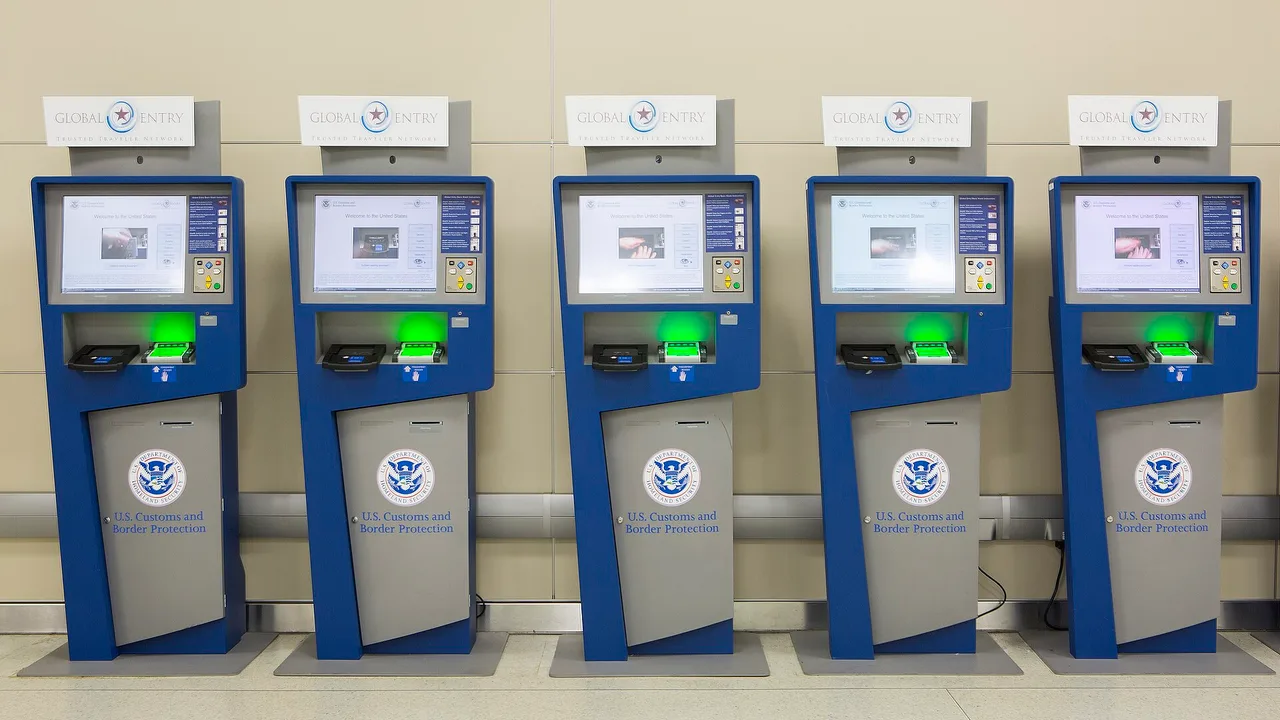
Global Entry is a CBP program that lets pre-approved travelers skip the regular passport-control line on arrival. TSA PreCheck is a TSA program that lets pre-approved travelers use a faster security lane when they leave. They are not the same thing, they are not open to every visitor, and a tourist passport from France, Italy, Spain or Ireland does not get you either one. The useful question is not “is it worth $120.” It’s whether CBP or TSA will enroll you at all.
This is general information for travelers, not legal advice. Fees, country lists and processing times change. Before you pay anything, and again before you fly, read the current pages on cbp.gov and tsa.gov/precheck. If your situation is complicated, talk to an immigration attorney rather than a travel site.
Arrival and security are two different lines
You meet CBP when you land. That’s the booth, the kiosk, the officer who decides whether you’re admitted. You meet TSA when you fly onward inside the United States, or when you leave through a US airport on the way home. Global Entry is about the first of those. TSA PreCheck is about the second.
A lot of “is it worth it” writing collapses the two because, for a US citizen who flies a lot, Global Entry membership also unlocks PreCheck. That stacking is real, and CBP says so. It does not help a visitor who cannot join Global Entry in the first place.

CBP’s own Global Entry page makes the split in one sentence: if you take fewer international flights, consider TSA PreCheck and the free Mobile Passport Control app instead. That’s the agency talking, not a blog ranking programs by vibes.
Who CBP will actually enroll
CBP will consider you for Global Entry if you are a US citizen, a US lawful permanent resident, or a citizen of a country with a current arrangement. As of 15 August 2026 the eligibility page lists: Argentina, Australia, Bahrain, Brazil, Colombia, Costa Rica, Croatia, the Dominican Republic, El Salvador, Germany, India, Japan, Jordan, Mexican nationals, the Netherlands, Panama, Singapore, South Korea, Switzerland, Taiwan, the United Arab Emirates and the United Kingdom.
Read that list as a closed door, not a vibe. France is not on it. Italy is not on it. Spain is not on it. Ireland is not on it. A visitor without qualifying citizenship or LPR status does not get Global Entry, no matter how often they fly, how clean their record is, or how long the line looks on Instagram. Some visa categories block Global Entry even for citizens of partner countries; CBP explains the rules on its Global Entry questions page.
Canada is the other trap. Canadians are not on that citizenship list. CBP’s international-arrangements page says Canada is eligible for Global Entry benefits through NEXUS membership. That’s a different application, run jointly with the Canada Border Services Agency. You don’t fill in a Global Entry form as a Canadian tourist and hope.
Even on the list, CBP can still say no. The eligibility page is blunt: a criminal conviction (including a DUI), pending charges, customs or agriculture violations in any country, an ongoing investigation, a denied firearm purchase, or a finding that you’re inadmissible to the United States can all end the application. “Low-risk” is CBP’s call, not yours.
There’s no minimum age. A child needs a parent or guardian’s consent, their own account on the Trusted Traveler Programs site, and an interview with that adult present. The $120 fee is waived for a minor only if a legal guardian is already enrolled or has an application pending. Otherwise the child pays too.
TSA PreCheck is a different program
TSA PreCheck is expedited screening at participating US airport checkpoints. In those lanes you leave electronics and 3-1-1 liquids in the bag, and you leave belts, light jackets and shoes on. TSA says about 99% of PreCheck passengers wait less than 10 minutes. TSA also says no one is guaranteed expedited screening, because the agency uses unpredictable extra checks on purpose.
The TSA PreCheck Application Program - the $85-or-less form you file with CLEAR, IDEMIA or Telos - is only open to US citizens, US nationals and lawful permanent residents. TSA’s eligibility page puts it in one sentence. Foreign citizens don’t apply there. Some foreign citizens get PreCheck another way: by already being in Global Entry, NEXUS or SENTRI.
That’s the stacking again. A UK citizen who completes Global Entry becomes eligible for PreCheck on domestic US flights. A French citizen who cannot join Global Entry also cannot walk into a PreCheck enrollment center and buy the $85 product. Children 17 and under can use the PreCheck lane with an eligible adult for free.
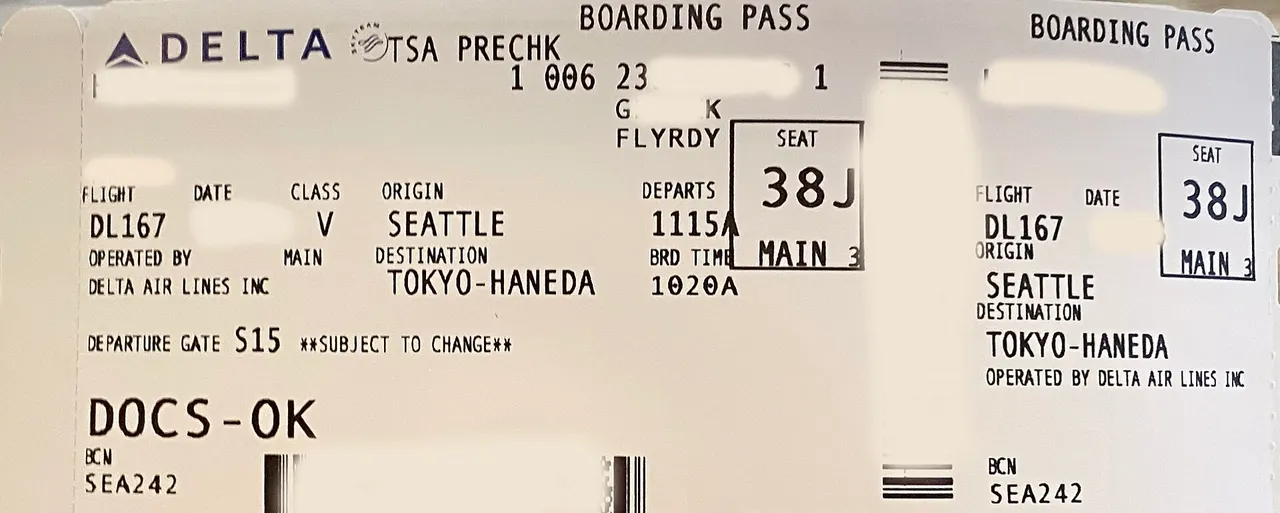
To use the benefit you enter your membership number - CBP calls it a PASS ID - in the airline’s Known Traveler Number field. Forget that step and you’ll hold a valid membership and a regular boarding pass. Apply only through tsa.gov/precheck. TSA is explicit: any site that is not a .gov address is not an official PreCheck site.
What $120 and $85 buy
Global Entry: $120, non-refundable, five years. That fee is due when you submit the CBP application, including if you’re later denied. CBP’s how-to-apply page, last updated November 2024, says 80% of applications are approved within two weeks, while some take up to 12 months or longer. The program page, updated July 2025, says most applications are reviewed within two weeks, with the same long tail. Neither page promises a date you can plan a trip around.
First-time enrollment needs an in-person interview. After conditional approval you either book a slot at a Global Entry Enrollment Center or use Enrollment on Arrival at a participating airport, including some preclearance locations. EoA needs no appointment. At an enrollment center, bring a valid passport and one other form of ID, such as a driver’s license; lawful permanent residents bring the machine-readable card. For Enrollment on Arrival, bring all passports you travel on plus evidence of your current residency.
TSA PreCheck: five years for $85 or less, paid to an authorized enrollment provider, not to CBP. The TSA page lists CLEAR, IDEMIA and Telos. The online form takes about five minutes; the in-person visit is about ten, with fingerprints and a photo. That’s the product US citizens and LPRs can buy without touching Global Entry.
NEXUS, for the Canada route: $120 USD per adult, non-refundable, five years. Children under 18 must still apply and, if eligible, are admitted free. One fee covers air, land and marine crossings that support the program.
UK and Australian applicants pay CBP’s $120 and a home-country step. CBP does not publish the GOV.UK amount; it only says UK applicants pay a local fee and receive a UK Access Code before the TTP form. For Australia, CBP quotes the Department of Home Affairs background-check fees: $263.50 AUD from age 10, $123.50 AUD for age 9 and under. Don’t compare “$120 vs $85” for those passports without counting the second bill.
Applying from the UK, Canada or Australia
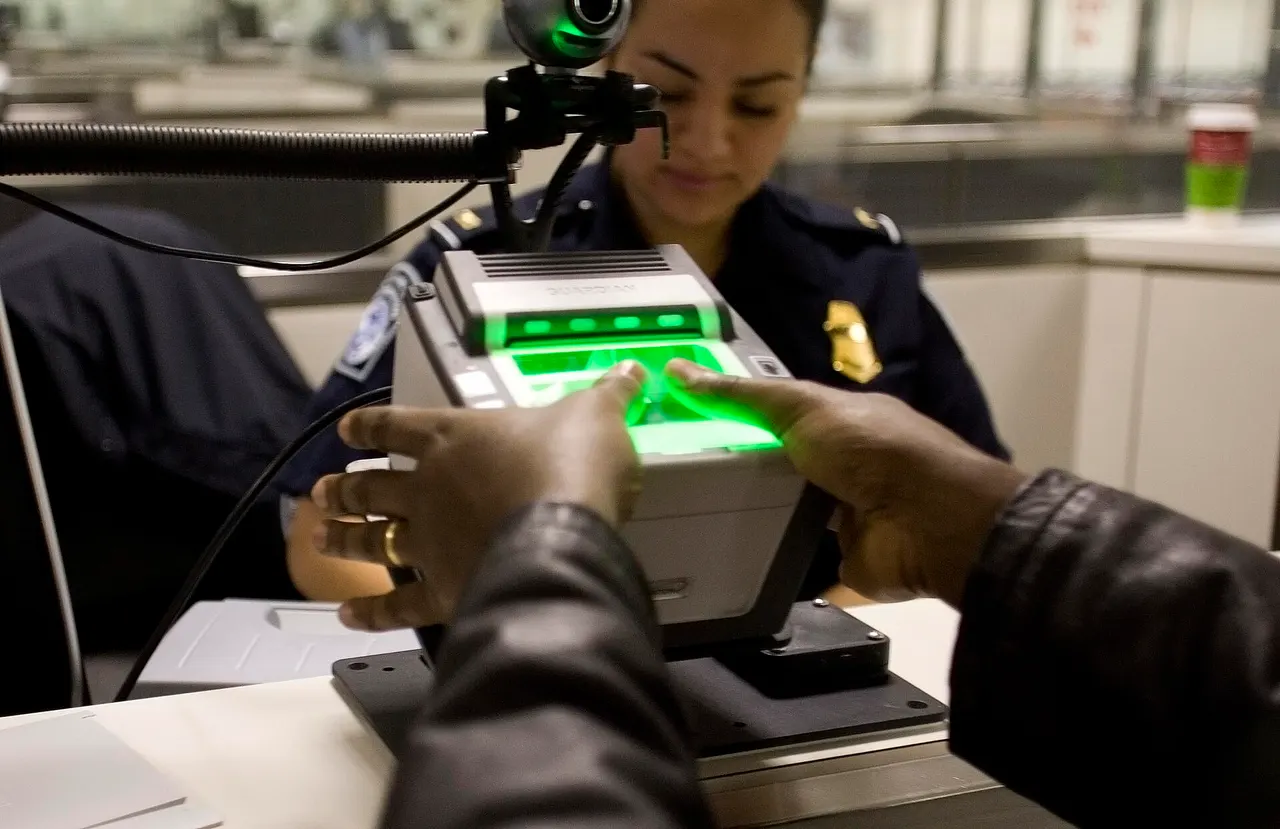
United Kingdom. CBP’s UK page is a sequence, not a suggestion. Apply through GOV.UK first. If that vetting passes, you get a UK Access Code. Only then do you open a TTP account, pay CBP’s non-refundable fee and enter the code. After conditional approval, interview at an enrollment center or on arrival. UK members do not get a Global Entry card. To use the kiosks you still need a valid passport and a visa or an approved ESTA. Keep the passport details current in the TTP dashboard; a new visa or a name change has to be updated in person at an enrollment center. The ESTA piece sits in our ESTA and US visas guide; membership does not replace it.
Canada. Apply for NEXUS, not Global Entry. CBP and CBSA both have to clear you. Once you’re in, CBP says all NEXUS members can use Global Entry kiosks at participating airports at no extra cost. The NEXUS card itself works at those kiosks only in Canadian preclearance halls. At a US airport you use your passport. Canadian B1/B2 visitors who are not in NEXUS still have Mobile Passport Control, which is free and is not a Trusted Traveler Program.
Australia. Apply on the TTP site, pay CBP, then complete the Home Affairs background check when the invitation arrives. CBP says Australia is now processing applications for all eligible citizens. Australian members, like UK members, do not receive a card. CBP’s Australia page currently says you need a valid passport and visa to use the kiosks; it does not mention ESTA on that page. Australia is a Visa Waiver country, so read the live country arrangement and the ESTA rules before you treat that wording as complete.
Germany, the Netherlands, Switzerland and Croatia are on the list too, and CBP warns that extra local steps can apply. Start on the international arrangements page for your passport. Only members may use the Global Entry lane: a spouse or child without membership walks the regular line.
If you cannot enroll
Most EU visitors reading this will land in this section, and that’s the honest outcome, not a failure to “optimize” the trip.
You still need the right travel authorization before the airline will board you. For most passports that’s an ESTA or a visa, covered in our ESTA and US visa guide, while citizens of Canada and Bermuda generally need neither. None of it has anything to do with Trusted Traveler membership. Which US airport you fly into is a separate decision: see which airport for the USA.
What you can use, if you’re a returning Visa Waiver traveler with an approved ESTA, is Mobile Passport Control. It’s a free CBP app. There’s no application fee, no background check and no fingerprint enrollment. You submit a photo and the declaration questions up to four hours before landing, then you still talk to a CBP officer in a marked MPC line. CBP also opens MPC to US citizens, US LPRs and Canadian B1/B2 visitors. It does not replace your passport or your ESTA. As of the 1 June 2026 page update it was listed at 63 sites, including the big gateways.
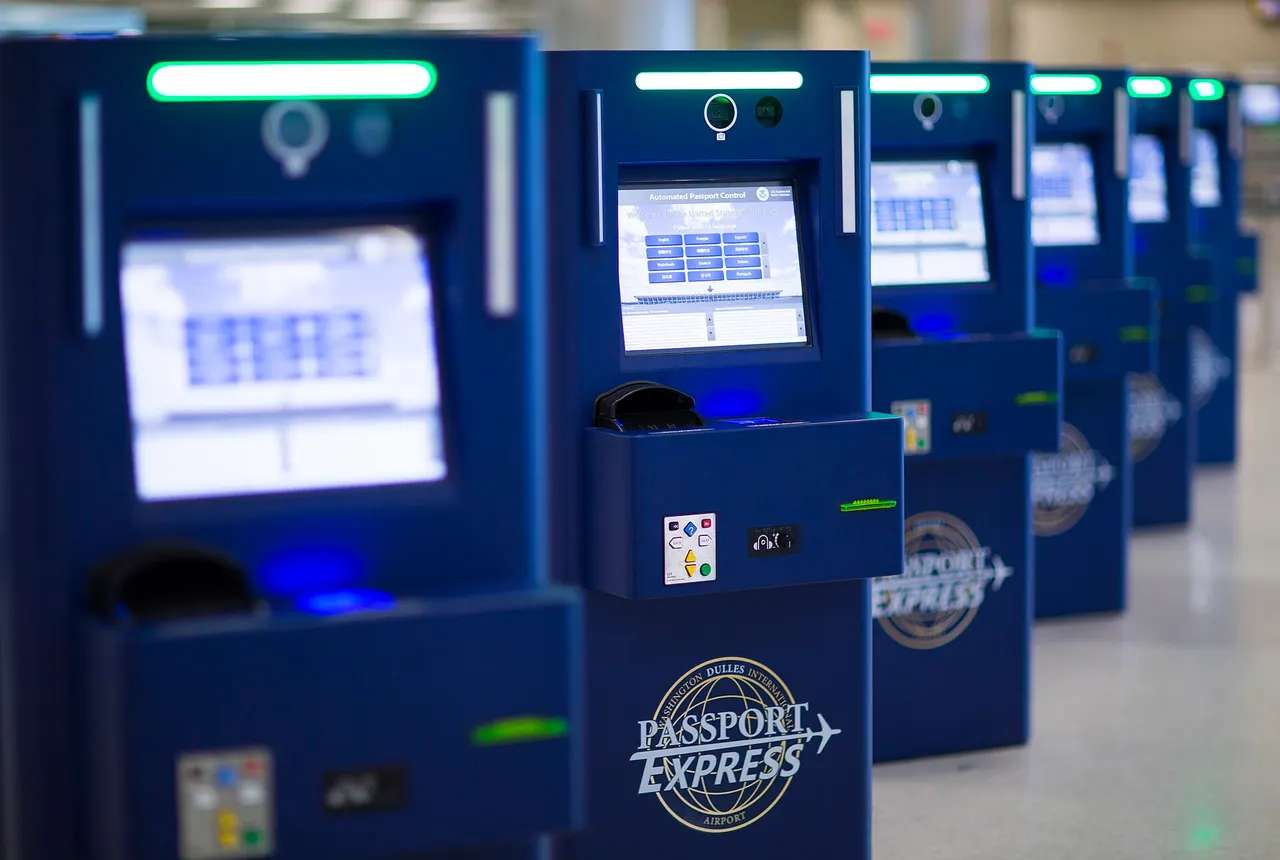
Those blue APC kiosks in the arrivals hall are easy to mix up with Global Entry. APC is a processing method, not a five-year program. Don’t pay a lookalike website because a kiosk photo looked official.
Confirm on cbp.gov before you pay
| Passport | What to do |
|---|---|
| US citizen or green card | Global Entry ($120, five years, includes PreCheck) or TSA PreCheck alone ($85 or less, five years, security lanes only) are both open to you. CBP’s line about fewer international flights is the closest thing to official shopping advice you’ll get. |
| British | The route runs GOV.UK first, then TTP, then the interview. Budget CBP’s $120 plus the UK fee CBP does not quote here. |
| Australian | Plan on CBP’s $120 plus the Home Affairs check CBP quotes in Australian dollars. |
| Canadian | NEXUS is the program ($120 USD, five years). Global Entry kiosks come with membership. The TSA PreCheck Application Program still isn’t a Canadian tourist product. |
| French, Italian, Spanish, Irish, or any country off CBP’s list | Global Entry and standalone TSA PreCheck are closed. Use ESTA or a visa as required, use MPC where it’s offered, and treat the regular lines as part of the trip. |
Membership never decides admission. A CBP officer can still send you to a booth. TSA can still pull you into extra screening. Apply only via ttp.dhs.gov and tsa.gov/precheck; PreCheck fee is paid to the authorized enrollment provider listed there. Read the live page the week you apply, because the list of countries is the whole product.
Good to know
Fees, eligibility lists and processing times were checked against cbp.gov and tsa.gov on 15 August 2026. Trusted Traveler rules change. Confirm on those sites before you pay an application fee, and again before you fly.
Details checked: August 15, 2026
Read also

Before you go · 9 min read
New England Fall Foliage: When and Where to Go
Verified · August 27, 2026Yankee's 2026 forecast, peak windows by state and how to chase color from Vermont's Northeast Kingdom to the NH coast without betting on one weekend.

Before you go · 9 min read
Which Hawaiian Island: Oahu, Maui, Kauai or Big Island
Verified · August 24, 2026Pick one Hawaiian island for a week: Oahu for city and surf, Maui for beaches and Haleakala, Kauai for scenery, Big Island for volcanoes.

Before you go · 11 min read
Where to Stay in Phoenix: Downtown, Scottsdale or Tempe
Verified · August 18, 2026Free Sky Train, then $2 light rail into downtown. Scottsdale is the resort city; Tempe is ASU next door. Phoenix hotel tax is 13.07%.

Before you go · 8 min read
Where to Stay in Denver: Downtown, LoHi or Near the Airport
Verified · August 15, 2026A Line: 37 minutes and $10 to Union Station. Book downtown to walk, LoHi for restaurants across the river, or DEN for a dawn flight.