
Which Hawaiian Island: Oahu, Maui, Kauai or Big Island
Pick one Hawaiian island for a week: Oahu for city and surf, Maui for beaches and Haleakala, Kauai for scenery, Big Island for volcanoes.
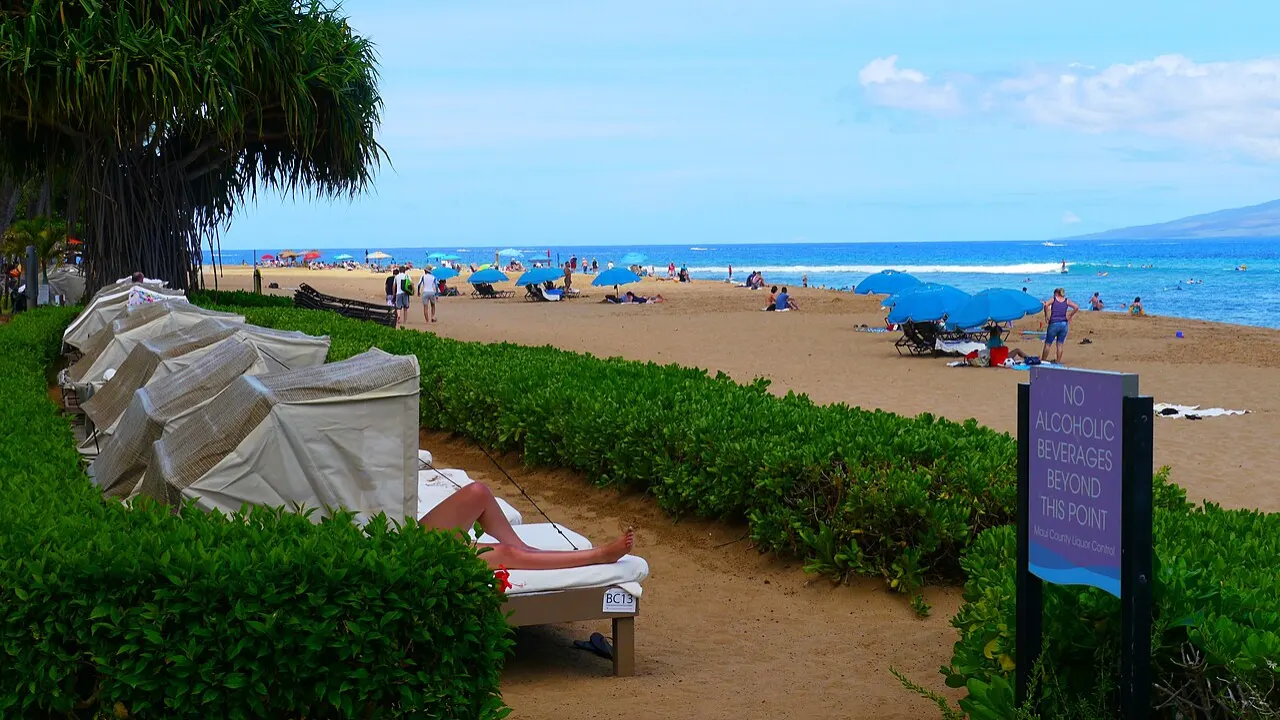
For a one-week Hawaii trip, pick one island - don’t shop the other three. Oahu’s the first-timer default - city, Pearl Harbor, surf and the easiest logistics. Maui is beaches, the Hana drive and Haleakala sunrise. Kauai’s scenery and hiking when you want fewer resorts. The Big Island is volcanoes, long drives and climate extremes. Postcard names won’t save a trip that tries to do two islands in seven days.
Hawaii counts six inhabited islands open to visitors, and this page only argues for four. Molokai and Lanai are real trips too, but they’re short on the flights and rental cars a one-week debut needs - second-trip islands, not first ones.
How to choose without a spreadsheet
Start with the thing you’ll be angry about missing, not with which name looks prettiest on a map.
If that’s a city base, Pearl Harbor and beginner surf, you want Oahu. If it is a long beach week plus one big mountain morning, Maui. If it is green cliffs, canyons and trail days, Kauai. If it is lava, black sand and a rental car that eats two-hour crossings, the Big Island. Couples who want quiet and couples who want nightlife aren’t looking for the same island, even when they book the same week in July.
Budget is a secondary filter. Oahu usually has the cheapest mainland flights and the only useful public transit. The smaller islands punish last-minute cars and one-night hotel hops. None of the four is “cheap Hawaii” in peak winter; they just waste money in different ways.
Oahu: city, history and the easiest first trip
Oahu holds most of the state’s population and every flavor of Hawaii within an hour’s drive of Waikiki: urban food, World War II memorials, reef bays and the North Shore’s winter surf. It’s the island where you can survive a few days without a car if you stay in Waikiki and ride TheBus, which isn’t true anywhere else that matters for a first visit.
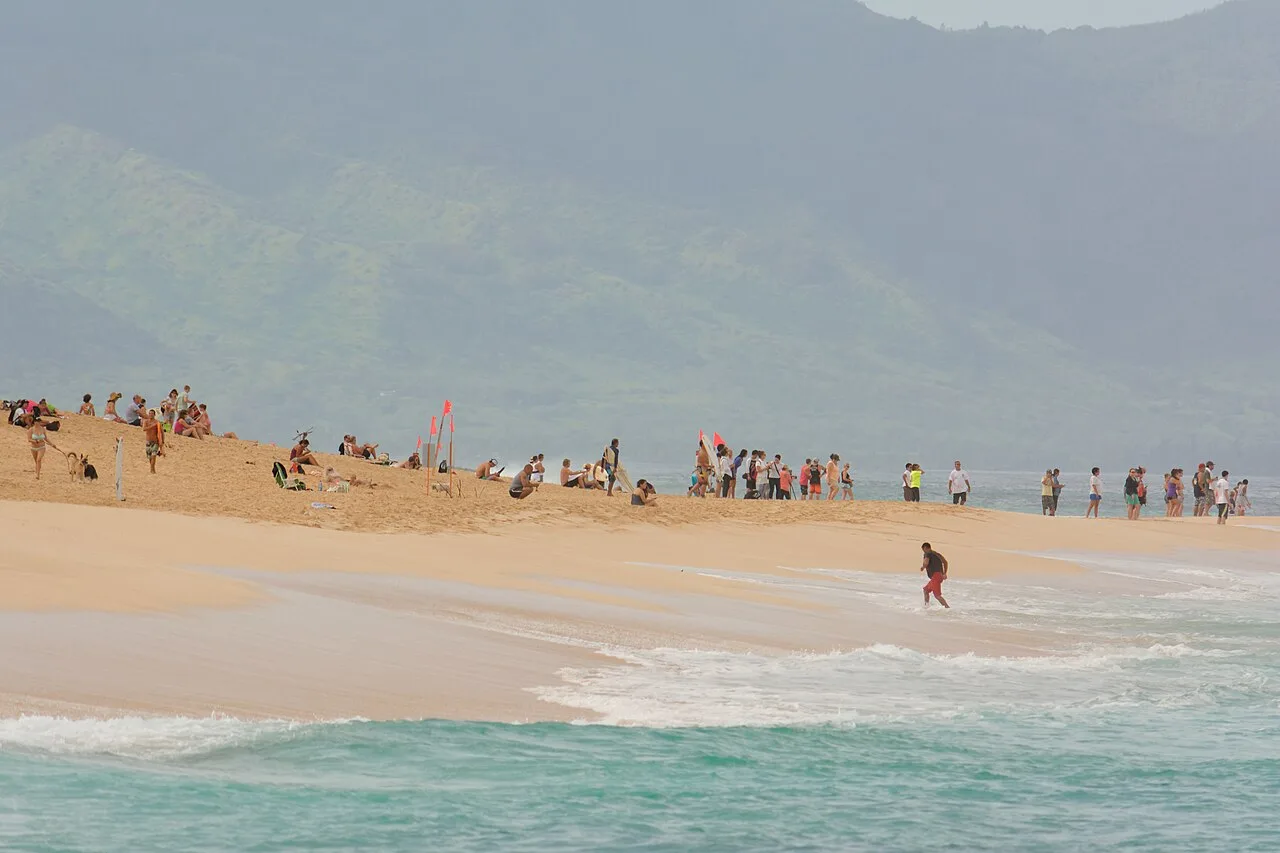
The planning tax is real and front-loaded. Pearl Harbor tickets for the USS Arizona Memorial drop 56 days out at 3 p.m. Hawaii time and can vanish in minutes. Diamond Head and Hanauma Bay sit behind their own reservation systems. Sort those before you argue about dinner. For neighborhoods, day trips and what Waikiki is actually good at, use the Honolulu city guide and where to stay in Honolulu.
Oahu is the wrong pick if your fantasy is empty beaches and no traffic. It’s the right pick when you need options after weather ruins a beach day, and if someone in the group refuses to drive mountain roads in the dark.
Maui: beaches, drives and one very early mountain
Maui is the classic beach-and-road island: west and south shore swimming, the Hana Highway’s 52 miles of curves and one-lane bridges, and Haleakala’s crater at 10,023 feet. Winter adds humpback whale watching in the Auau Channel - the shallow water between Maui, Lanai and Molokai where the animals gather - with federal rules keeping boats 100 yards off them.
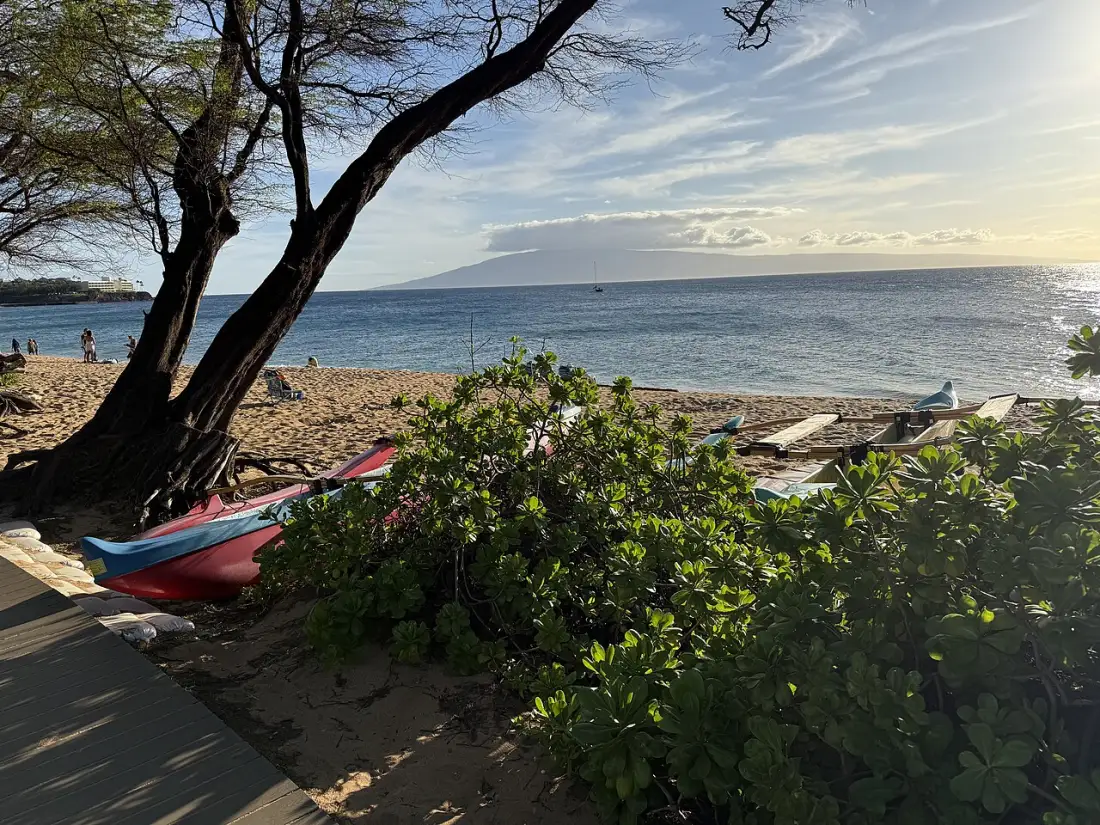
Two bookings decide whether Maui feels smooth or cursed. The Hana Highway is a two-to-four-hour one-way drive even when you behave; day-tripping it from Kahului means most of your daylight in the car. Staying a night in Hana changes the math. Sunrise at Haleakala needs a $1 vehicle reservation on recreation.gov for the 3-7 a.m. window, with slots released at 7 a.m. Hawaii time up to 60 days out and again 48 hours ahead - full walkthrough in Haleakala sunrise.
Lahaina is still rebuilding after the August 2023 fire. Front Street between Papalaua and Shaw reopened to cars on 1 August 2026, with other blocks still closed for harbor work. Treat the town as a community under construction, spend money in open West Maui businesses, and check mauirecovers.org before you plan a stroll that assumes 2019 maps still work.
Kauai: scenery first, resorts second
Kauai’s the oldest and greenest of the four big visitor islands, and the one that won’t let you circle it by car. The Na Pali cliffs break the coastal road, so that coastline is a boat, a helicopter or the Kalalau Trail - not a casual pullout on the rental-car loop. Waimea Canyon cuts inland for roughly fourteen miles of red-and-green walls and waterfall overlooks; budget a full morning, not a drive-by.
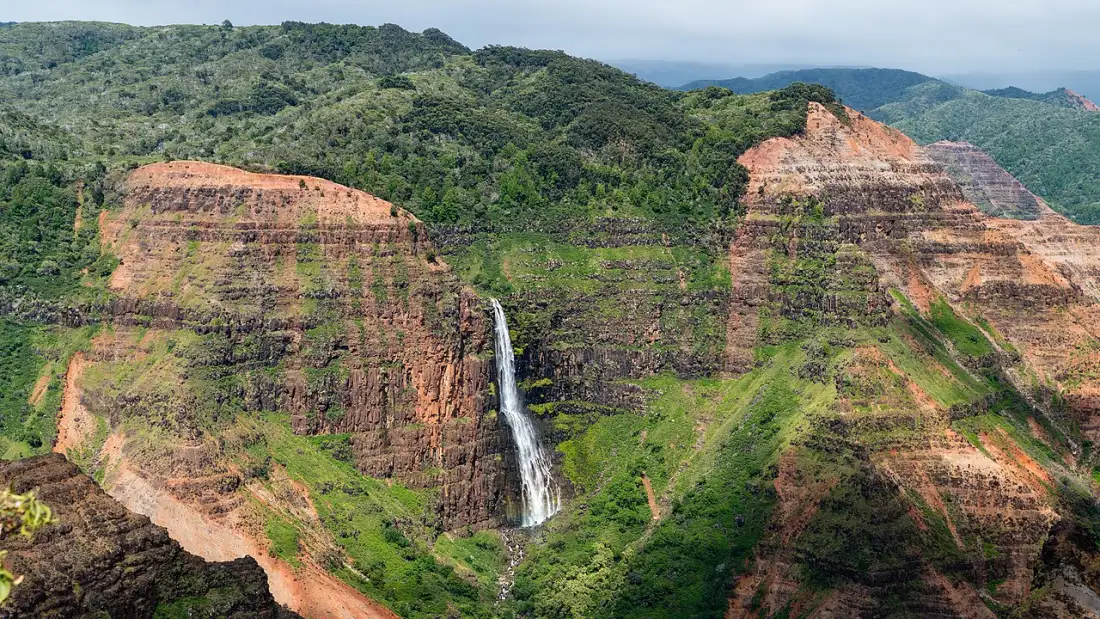
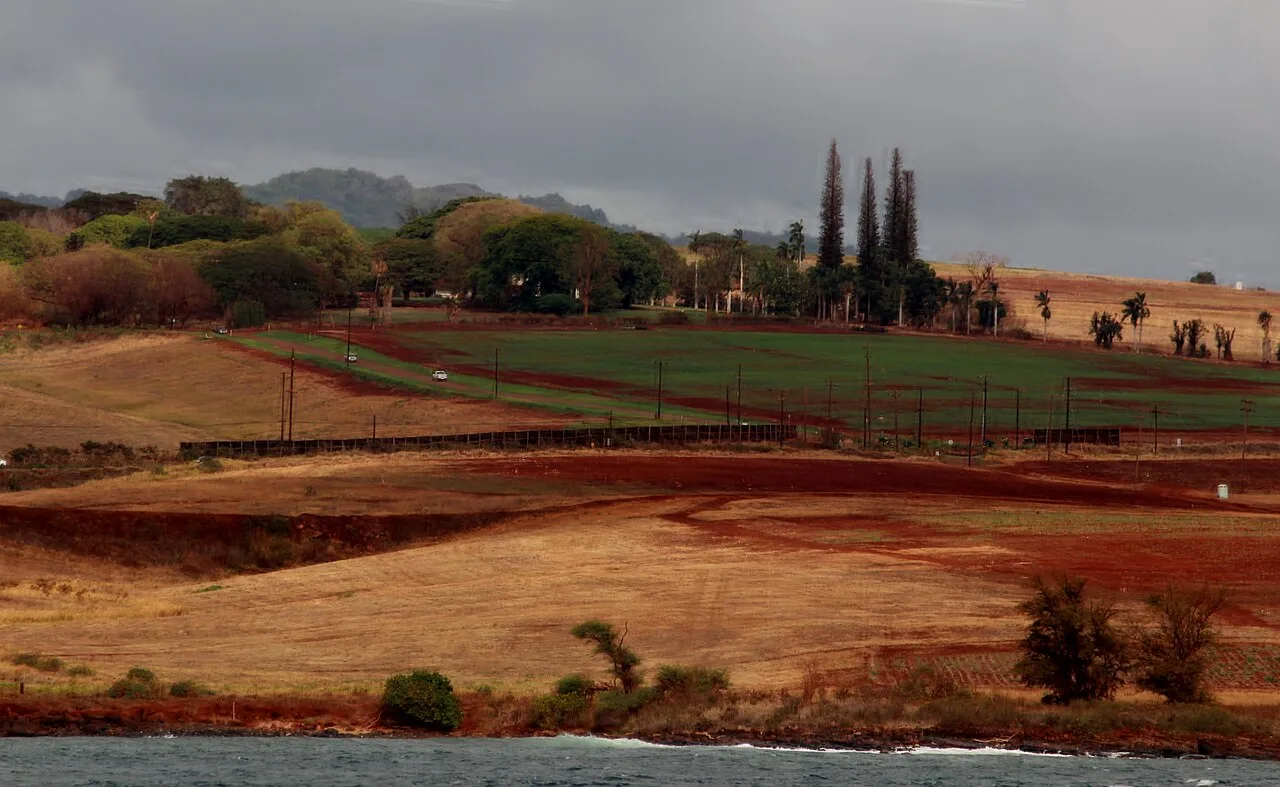
Kauai rewards hikers and people who’ll book a boat day without treating it as optional. It frustrates groups that want nightlife, a huge hotel strip and rainy-day mall options. Food and lodging skew quieter and pricier for what you get. If that sounds fine, Kauai will feel like the Hawaii you imagined; if it sounds limiting, it’ll feel like you booked the wrong brochure.
Big Island: volcanoes and the long drive tax
The island of Hawaii is larger than the other main islands combined, which is why locals call it the Big Island and why your itinerary has to respect geography. Kona on the dry west and Hilo on the wet east are about two hours apart through several climate zones. Book the wrong airport for your hotel base and you’ll commute half the vacation.
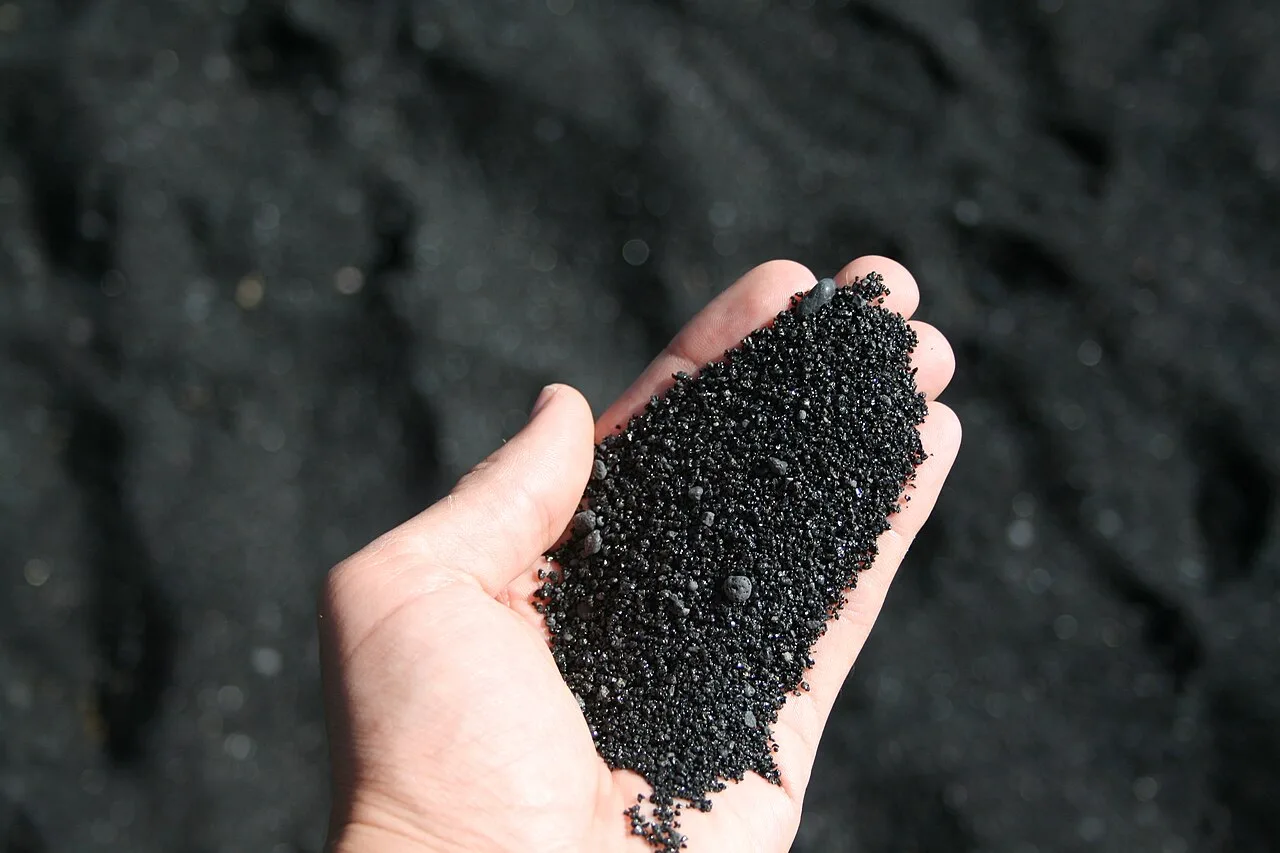
The headline draw is Hawaii Volcanoes National Park: Kilauea’s summit eruption inside Halemaumau was episodic from late 2024, with fountain episodes measured in hours and pauses USGS puts at two or more weeks between them. As of the USGS update on 9 October 2026 the volcano was at Watch/Orange: the most recent fountaining episode was on 25 August, the summit vents had thrown minor spatter overnight, and USGS said fountaining, intrusions or an eruption in a new location within the summit region could occur in the coming days to weeks. NPS closed most of the park for Hurricane Lala on 13-14 August, shut it again by 5 p.m. on 21 August ahead of a new storm system, had most of it open by 28 August, and closed most areas again on 24 September for Tropical Storm Nolo, reopening most of the park by 27 September; it was open when we checked the alerts on 3 October 2026. Normal hours are 24/7 when alerts are clear; before you bank a lava day, open nps.gov/havo alerts that morning. Entrance is $30 per private vehicle for seven days (cashless) when the gate is open, and you watch from designated rim overlooks - you don’t walk up to flowing lava on a tour-bus schedule.
Choose the Big Island when lava timing flexibility matters more than beach density. Skip it for a first Hawaii week if the group wants sand every afternoon and hates two-hour drives between “just one more stop.”
Airports, cars and why one island wins
Mainland flights land at Honolulu (HNL), Kahului on Maui (OGG), Lihue on Kauai (LIH) and Kona (KOA) on the Big Island. Hilo (ITO) counts only just: after three years with no mainland nonstop it got one route back in August 2026, Las Vegas three days a week, so treat Kona as the Big Island’s arrival airport unless that flight happens to fit. Interisland hops run 30 to 50 minutes on the Honolulu routes and over an hour between neighbor islands. That number’s a trap. Add hotel checkout, rental-car return, security, the new counter, and the drive to the next resort, and each hop costs most of a day plus a night of bad sleep.
Two weeks can carry two islands if you accept one painful transfer day. Seven days almost never can. The islands are different enough to choose carefully and similar enough that you won’t “miss Hawaii” by staying put.
Outside Waikiki, a rental car isn’t optional - it’s the trip. Book it with the flight. Convertibles look great in ads and miserable at trailheads. Download offline maps before you leave hotel wifi - windward coasts and crater roads drop signal without warning.
Seven-day picks by traveler type
First Hawaii trip, mixed ages, want a safety net: Oahu. You’ll get Pearl Harbor, a real city for rainy nights, and beach options without committing to a single resort town.
Beach week with one trophy morning: Maui. Sleep west or south shore, book Haleakala sunrise early - but read the park alerts first, because storms closed the summit in August and again in late September 2026, though it was open when we checked on 3 October 2026 - and don’t day-trip Hana from the airport side unless you enjoy the steering wheel.
Scenery and trails over nightlife: Kauai. Build the calendar around a Na Pali boat or Kalalau day and a Waimea Canyon morning, then protect empty afternoons.
Lava is non-negotiable: Big Island, with flexible nights near Volcano or a schedule that can pivot when USGS says the summit is paused. Read the volcano guide before you buy non-refundable tours sold on last year’s lava map.
Two strong opinions in one couple: pick the island that matches the louder non-negotiable, then plan one “other island” day activity that fits - a North Shore drive on Oahu, a snorkel boat on Maui - instead of a second airfare.
Book the island, then the hotel neighborhood, then the two timed reservations that actually sell out. Everything else in Hawaii is weather, ocean sense and the discipline to leave the second island for the next trip.
On the map
The map loads on click - to keep the page lightweight.
The map didn’t load. Check your connection and refresh the page.
Good to know
Island characters stay stable, but reservation systems, Lahaina recovery status and Kilauea eruption episodes change fast. Confirm park and county pages the week you fly.
Details checked: August 24, 2026
Read also

Before you go · 9 min read
New England Fall Foliage: When and Where to Go
Verified · August 27, 2026Yankee's 2026 forecast, peak windows by state and how to chase color from Vermont's Northeast Kingdom to the NH coast without betting on one weekend.

Before you go · 11 min read
Where to Stay in Phoenix: Downtown, Scottsdale or Tempe
Verified · August 18, 2026Free Sky Train, then $2 light rail into downtown. Scottsdale is the resort city; Tempe is ASU next door. Phoenix hotel tax is 13.07%.

Before you go · 11 min read
Global Entry and TSA PreCheck for Visitors
Verified · August 15, 2026Global Entry is $120 for five years and closed to most EU passports. TSA PreCheck is $85 or less, and only US citizens and LPRs can buy it.

Before you go · 8 min read
Where to Stay in Denver: Downtown, LoHi or Near the Airport
Verified · August 15, 2026A Line: 37 minutes and $10 to Union Station. Book downtown to walk, LoHi for restaurants across the river, or DEN for a dawn flight.