
Hawaii Volcanoes: Kilauea, Lava Viewing and Timing
How Kilauea's episodic Halemaumau eruption works, where to view lava from the rim, park fees, construction delays and what to do when fountains pause.
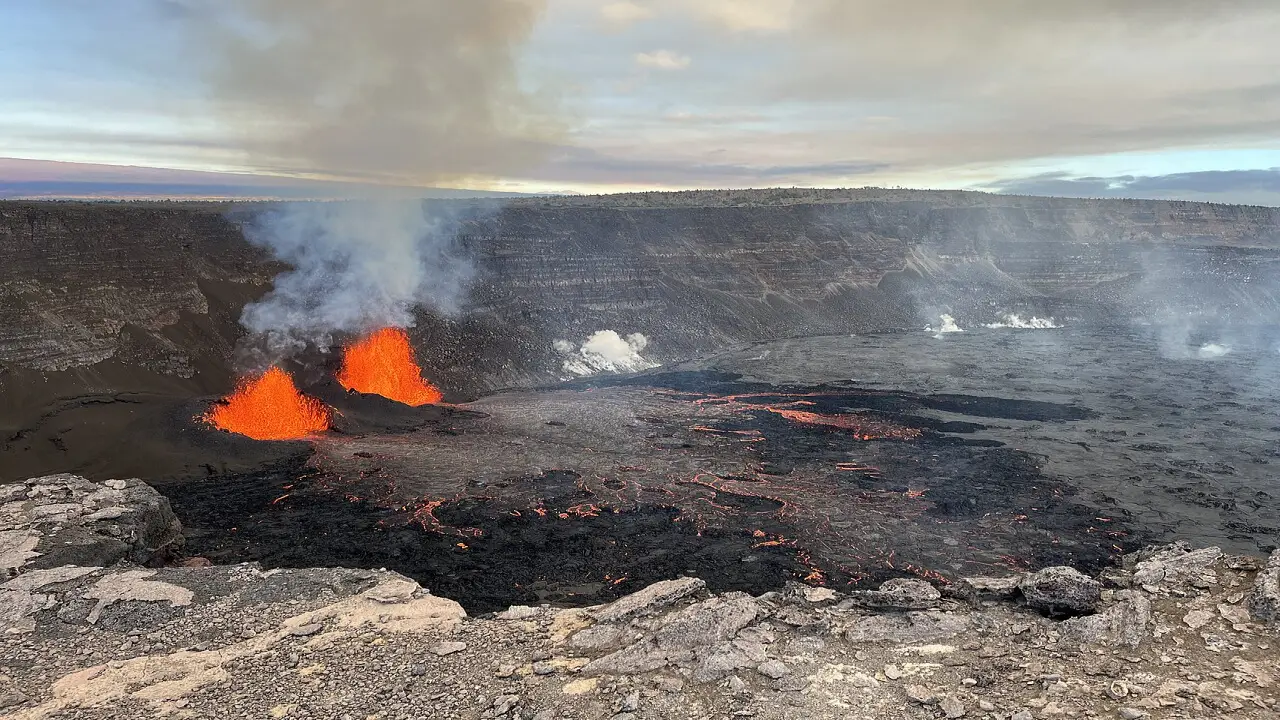
Hawaii Volcanoes National Park isn’t a place where you buy a ticket and lava performs on schedule. Kilauea’s current summit eruption inside Halemaumau comes in short episodes separated by pauses that run well past a single week. Miss the window and you’ll still see a vast steaming crater, recent flows and a park that works without fountains. Hit the window and you’ll watch lava from a rope line on the caldera rim, not from a boardwalk next to the vent.
USGS counts more than 50 fountaining episodes since December 2024, averaging roughly one every 10 to 14 days and rarely running past 12 hours. Line that cadence up against your own dates before you book a non-refundable lava tour - it’s arithmetic, not a coin flip, and the daily HVO update is where you check it.
What you are looking at from the rim
Kilauea erupted episodically from vents inside Halemaumau crater, entirely within the park, from 23 December 2024 to 25 August 2026; since then the summit has stayed restless, with minor spatter at the vents in early October 2026. The National Park Service keeps the immediate eruption area closed. You watch from open overlooks along Crater Rim Drive, where weather, gas and the episode itself decide whether you see fountains, a lava lake glow, or fog with a sulfur smell.
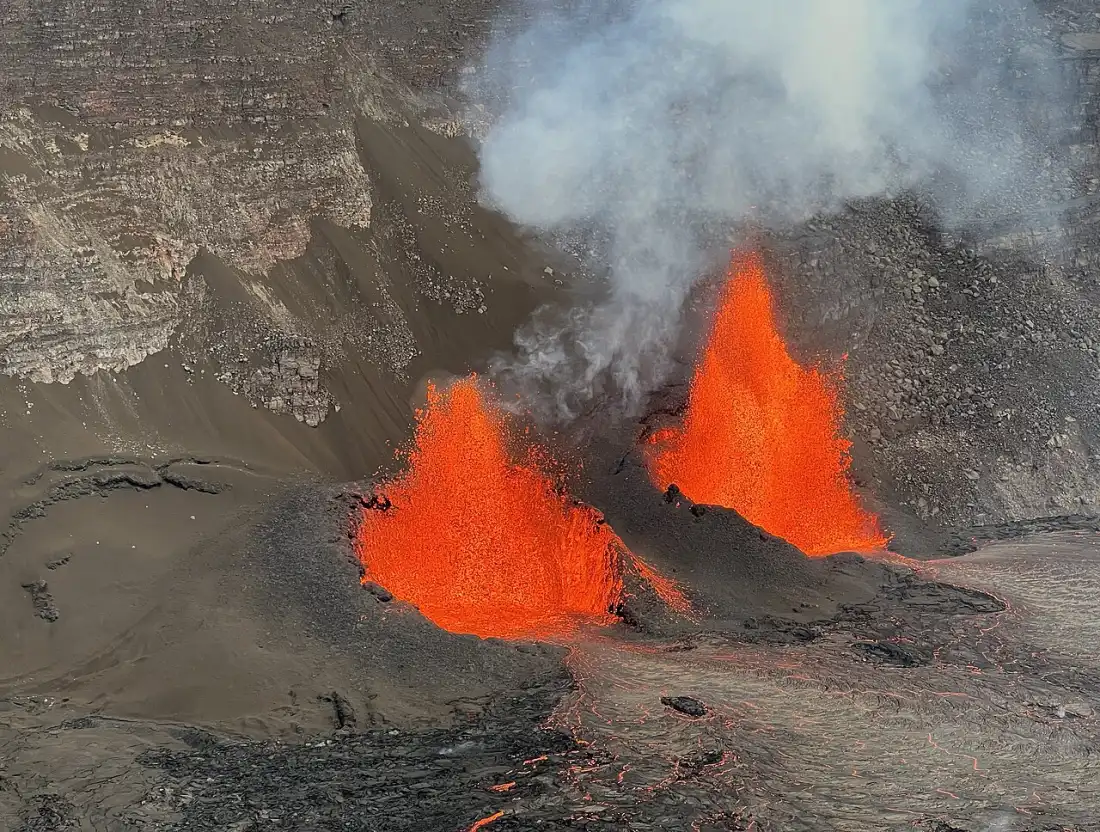
The most recent fountaining episode at the summit began at 10:30 a.m. HST on 25 August 2026, with north-vent fountains around 500 feet and a plume to 17,000 feet. In its update of 9 October 2026 the USGS Hawaiian Volcano Observatory kept the Volcano Alert Level at Watch and the Aviation Color Code at Orange: both summit vents threw minor spatter overnight, the summit is highly pressurized, and fountaining, intrusions or an eruption in a new location within the summit region could occur in the coming days to weeks. Treat any of this as a reading, not a showtimes board: fountaining episodes since December 2024 have generally lasted under 12 hours, and the daily update may already have moved by the time you fly.
Storm closures aren’t rare here. Most of the park closed on 13-14 August 2026 for Hurricane Lala; after a partial reopening on 17 August, NPS shut it again by 5 p.m. on 21 August ahead of a new storm system, had most of it open by 28 August, and reopened the Kahuku Unit, closed since Lala, on 3 September. Most areas closed again on 24 September ahead of Tropical Storm Nolo, and most of the park was open again by 27 September. When we checked the NPS alerts on 3 October 2026, nothing park-wide was closed, but a few pieces still were, including Mauna Loa Road past the second cattle guard, Kipukapuaulu Trail and upper Kahuku Road. Because of volcanic unrest, the NPS alerts read on 10 October 2026 also showed the Keanakākoʻi area closed (old Crater Rim Drive, the overlooks near Keanakākoʻi crater and Crater Rim Trail to it; Devastation parking lot stays open) and, since 7 October, Halemaʻumaʻu Trail and part of Byron Ledge Trail, 1.3 miles in total. The normal rule is 24 hours a day; read the alerts on nps.gov/havo the morning you go, because a storm closure can override it with a day’s notice or less.
If you’re still choosing which island to book for volcanoes versus beaches, start with which Hawaiian island to pick and keep this page for the park day itself.
How to time a visit around USGS, not Instagram
The useful ritual is boring and it works.
- Confirm the park is open on nps.gov/havo alerts (storm and safety closures override the normal 24-hour policy).
- Read the USGS HVO daily update the morning of your park day (and the night before if you are chasing a night glow).
- Open the park’s eruption-viewing page and current conditions for overlook closures.
- Check air quality if anyone in the car has asthma - vog and tephra are not souvenir weather.
- Have a full backup day inside the park that does not need lava.
Night viewing’s often clearer for glow even when daytime fountains are weak, but only if an episode is running and the overlooks stay open. Bring a headlamp for the parking lot, warm layers and a rain shell. Summit weather ignores the beach forecast you screenshotted in Kona.
When tephra is falling, the park’s own advice is blunt: eye protection, long sleeves, long pants, a hat, closed-toe shoes and a dust mask. Hawaii’s emergency management agency adds the part that catches people out - no mask sold in a shop, N-95 included, filters volcanic gas. If air quality turns unhealthy, leave. Don’t invent a closer viewpoint past the rope.
Fees, passes and the cashless gate
Entrance is $30 per private vehicle for seven days, $25 for a motorcycle, or $15 per person if you walk or bike in and you are 16 or older. Under-16s are free. The entrance station is cashless - credit or debit only.
The Hawaii Tri-Park Annual Pass at $55 covers Hawaii Volcanoes, Haleakala and Puuhonua o Honaunau for a year, but NPS sells it to US citizens and residents only. If you qualify and your trip is Maui plus the Big Island, it beats two separate vehicle tickets. Everyone else buys America the Beautiful, where the same residency split shows up in the price: $80 for the resident annual, $250 for the non-resident annual. This park isn’t on the list of eleven parks that add the $100 nonresident surcharge that hit places like Acadia and Zion in 2026.
There’s no general timed-entry reservation to drive into the park. You’ll still need patience: eruption days crush parking by mid-morning.
Summit construction, parking and which rim road to use
A summit construction project - under way since early 2024 and due to finish in late 2026, per NPS - means closures, detours and delays around damaged buildings and overlooks. When the park is open under its normal 24-hour policy, your first-choice lot may still be full or fenced for construction. Large vehicles face extra limits near Uekahuna while work continues. Always read the alerts page before you leave the hotel - a storm or eruption-safety closure overrides the 24/7 default.
Parking guidance from the park’s eruption page is specific enough to memorize. Crater Rim Drive West usually serves the Welcome Center, Kilauea Overlook and Uekahuna - often the better odds for open spots during an episode. Crater Rim Drive East is the approach for Kilauea Iki, Nahuku lava tube, Devastation and Chain of Craters Road. Lots can be full by 10 a.m. Arrive early, park only in marked spaces, and do not block emergency lanes - towing is not a bluff here.
Watch for nene on roads and in lots. Don’t feed them. Give them room.
When lava is paused, build this day instead
A paused summit isn’t a failed park day. It’s the version most visitors get.
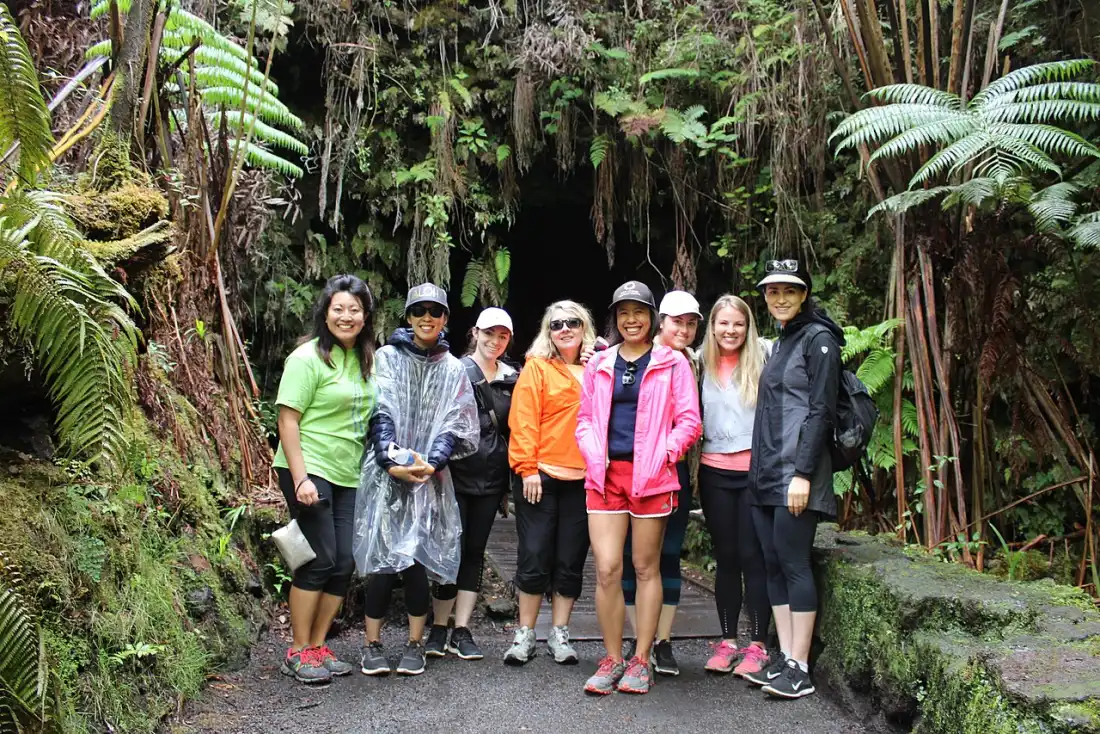
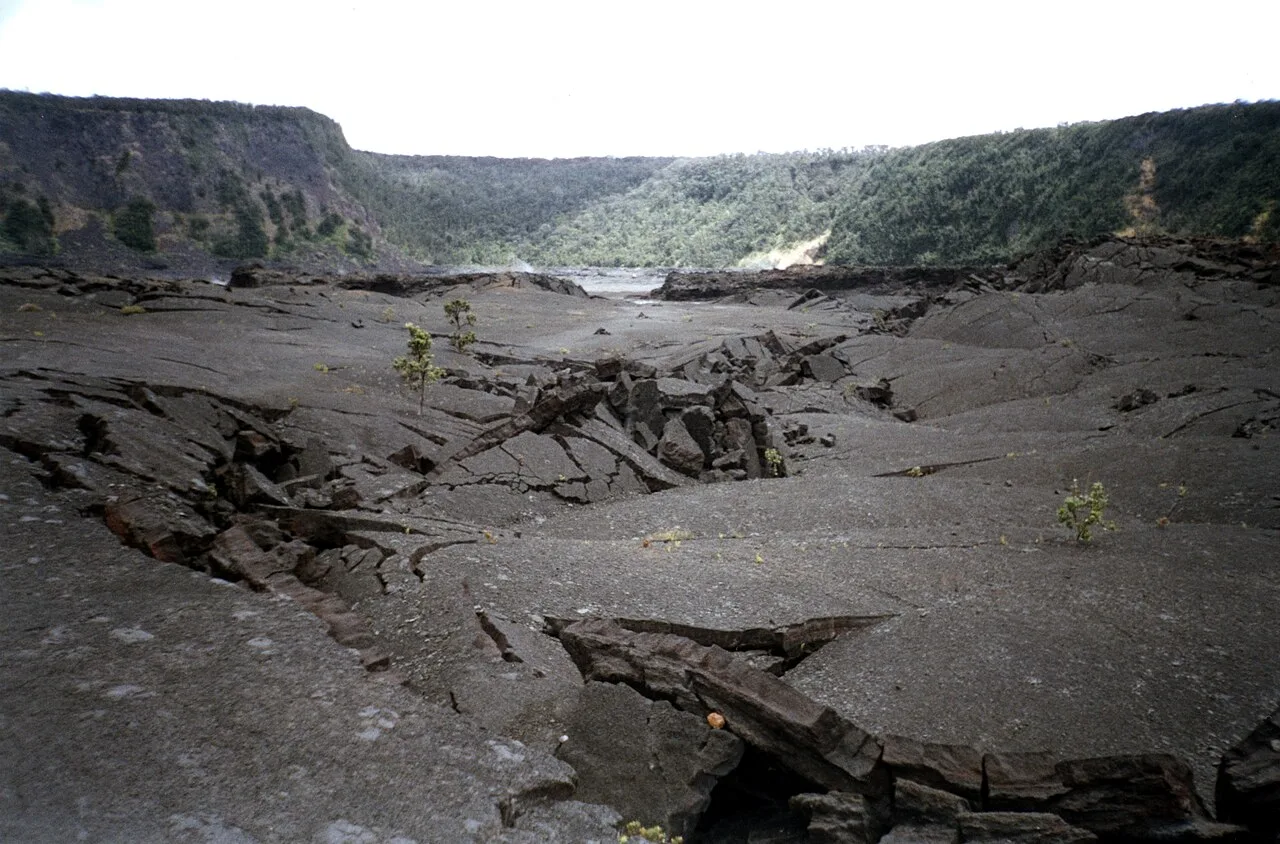
Kilauea Iki drops you onto a hardened crater floor from the 1959 eruption - a real hike with elevation change, not a viewpoint selfie. Nahuku (Thurston Lava Tube) is a short, crowded, still-worth-it walk through a lava tube under rainforest canopy when it is open. Chain of Craters Road runs from the summit area down toward the coast across decades of flows; treat it as a half-day drive with pullouts, not a quick errand.
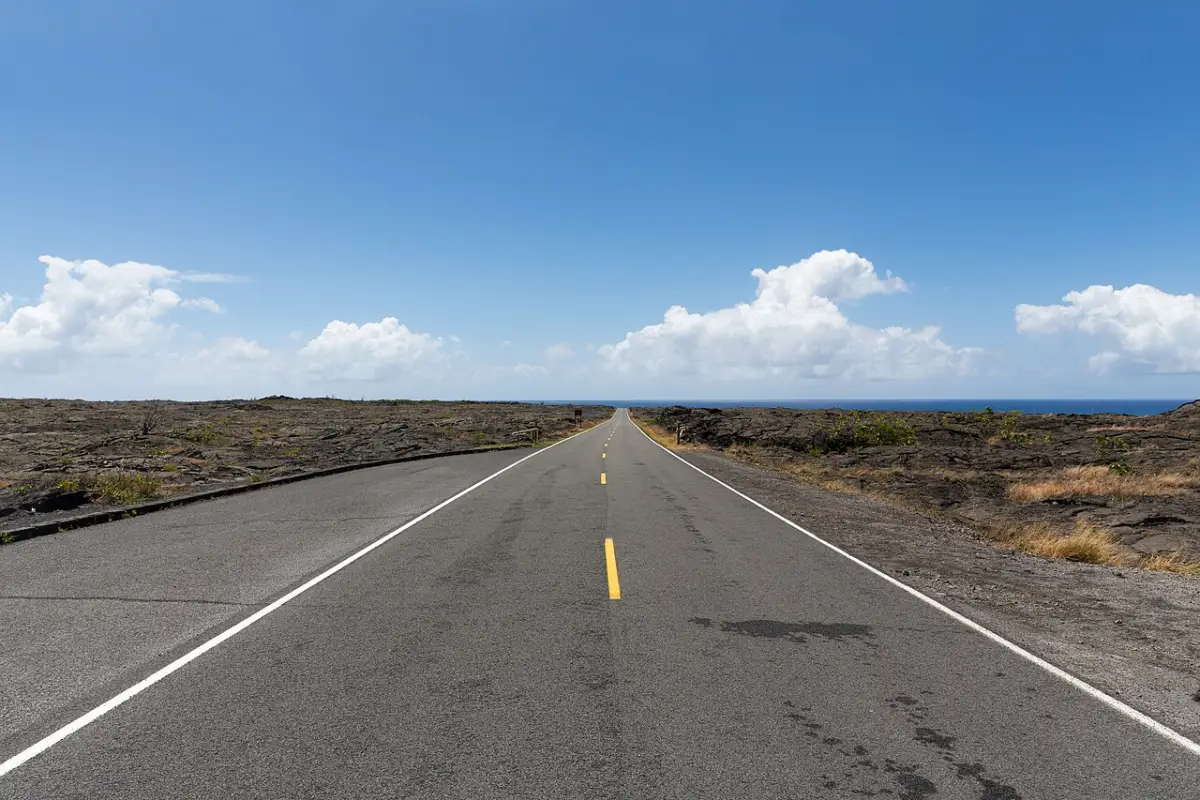
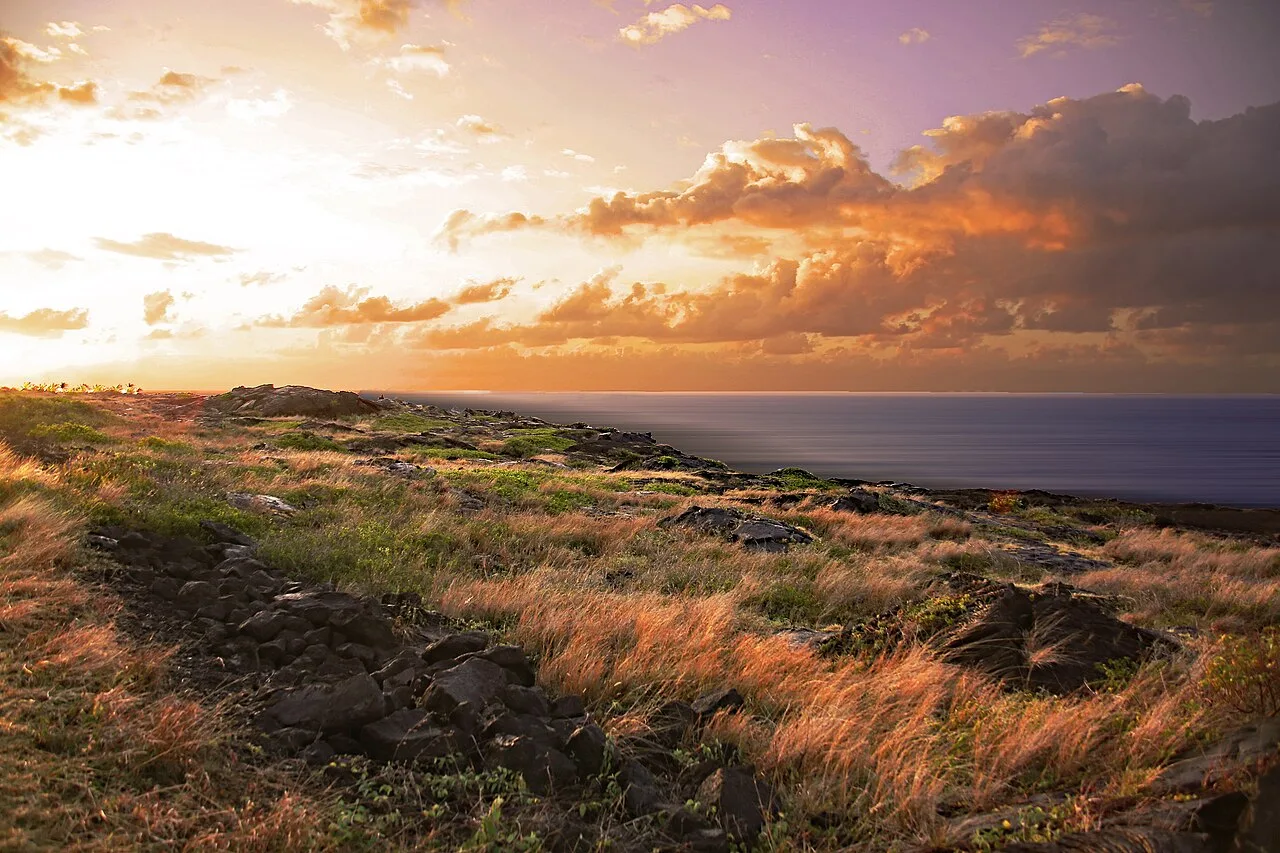
Keep one empty evening near Volcano Village or Hilo if lava’s why you flew. When USGS flips from pause to episode, traffic appears in under an hour. Flexibility beats a prepaid dinner reservation in Kona that you can’t break.
For the wider island choice and why Kona versus Hilo airports matter, stay inside the Hawaii state guide and the island comparison page. For Maui’s high-altitude sunrise logistics - a different park, different reservation - see Haleakala.
Paused-eruption day plan
Use this when the morning HVO update says the summit is quiet:
- Enter early with the vehicle pass already sorted (or Tri-Park / America the Beautiful ready on your phone).
- Walk Kilauea Iki while legs are fresh and the lot still has spaces.
- Do Nahuku next, before tour buses thicken.
- Drive Chain of Craters with lunch in the car; turn around when light or energy drops - it is an out-and-back for most visitors.
- Swing a summit overlook at dusk anyway. Even in a pause you may get steam, residual glow or simply the scale of the caldera without the fountain selfie crowd.
- Re-check USGS at dinner. If inflation and glow pick up, decide then whether a second night run is worth the sleep.
If an episode starts while you’re already on Chain of Craters, don’t sprint back through closed lanes. Follow ranger traffic control, accept the delay, and treat the fountain as luck - not as something you were entitled to because the hotel brochure promised fire.
Respect closures and cultural practice around Pele’s home. Quiet watching beats drone fantasies (drones are banned without a written superintendent permit) and beats inventing a better vantage past the signs. The park will still be here on your next trip; the episodic eruption won’t wait for your itinerary app.
On the map
The map loads on click - to keep the page lightweight.
The map didn’t load. Check your connection and refresh the page.
Admission and opening hours
- Admission price
- Entrance $30 per private vehicle for seven days, $25 motorcycle, $15 per person on foot or bicycle aged 16+; under 16 free. Hawaii Tri-Park Annual Pass $55 (US citizens and residents only). Cashless at the entrance station.
- Opening hours
- Open 24 hours daily, including holidays. Storm closures happen and are not rare here - check the park alerts feed on nps.gov/havo before you drive up.
Kilauea's summit eruption is episodic. USGS forecasts, storm closures and overlook status change within hours. Check the HVO daily update and nps.gov/havo alerts the morning you go - do not assume the 24/7 gate is open.
Details checked: August 26, 2026
Read also

National Parks · 12 min read
Canyonlands and Capitol Reef: Utah's Two Quiet Parks
Verified · August 29, 2026Canyonlands $30, Capitol Reef $20 for the Scenic Drive - what each park costs, which district to skip, and which one wins if you only have a day.

National Parks · 8 min read
Indiana Dunes from Chicago: Beaches & the $25 Gate
Verified · August 26, 2026Leave Chicago early for West Beach, the Dune Succession Trail and the South Shore Line to Dune Park. National and state park fees do not cross.

National Parks · 8 min read
Carlsbad Caverns: Natural Entrance and Bat Flight
Verified · August 25, 2026$15 entry plus $1 timed reservation, Natural Entrance vs elevator, Big Room loop, and free bat flights April-Oct.

National Parks · 8 min read
White Sands: Dunes, Sledding and Closures
Verified · August 25, 2026Gypsum dunes, $25 entry, sledding tips, and why missile-range tests can close Dunes Drive for hours - check NPS the morning you go.