
Haleakala Sunrise: Reservations, Timing and What to Wear
Book the $1 Haleakala sunrise reservation, time the dark drive to 10,023 feet, dress for freezing wind and plan what to do after the sun clears the crater.
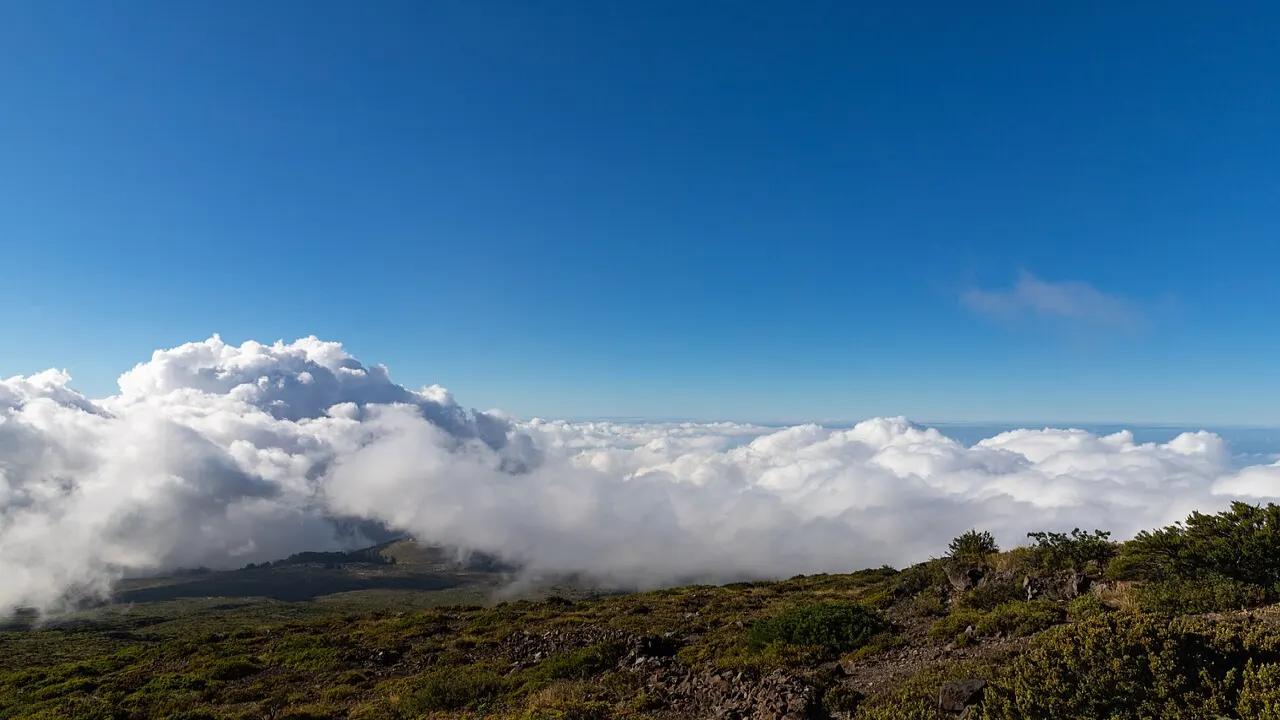
Haleakala sunrise is a logistics problem wearing a postcard. You need a $1 vehicle reservation for the 3:00-7:00 a.m. window, a separate park entrance pass, a dark drive up a mountain road with no streetlights, and clothing for wind that regularly sits below freezing before dawn. Skip any one of those and you’ll either sit at the gate until 7 a.m. or stand on the rim in a damp T-shirt wondering why your phone battery died.
Two separate clocks control the reservation: a batch opens 60 days out, and a smaller batch drops 48 hours before sunrise. Both charge the same non-refundable $1, rain or shine.
Check before you book anything. Storms close this park, and the notice can come the same day: Tropical Storm Lala shut the Summit District for more than a week in August 2026, and Tropical Storm Nolo closed both districts again in late September, with sunrise reservations canceled while the gates were shut. When we checked the park alerts on 3 October 2026, both districts were open and no closure was posted for the Summit District, so the sunrise rules below apply. Read the alerts at nps.gov/hale before you buy a reservation and again the night before you drive up.
The $1 reservation is the trip
A reservation is required for every vehicle entering the Summit District between 3:00 and 7:00 a.m. year-round. You’ll buy it on recreation.gov (facility for Haleakala Summit Sunrise). Park staff can’t sell you one at the booth, and there’s no first-come line that saves a forgotten booking.
Slots release at 7:00 a.m. Hawaii time in two waves: up to 60 days ahead, and a portion of each day’s inventory 48 hours ahead. One visitor may hold only one sunrise reservation in any three-day period. The name on the reservation has to match the photo ID of the person who shows up. Tickets are per vehicle, not per person. The $1 fee is non-refundable, and America the Beautiful or other interagency passes don’t cover it.
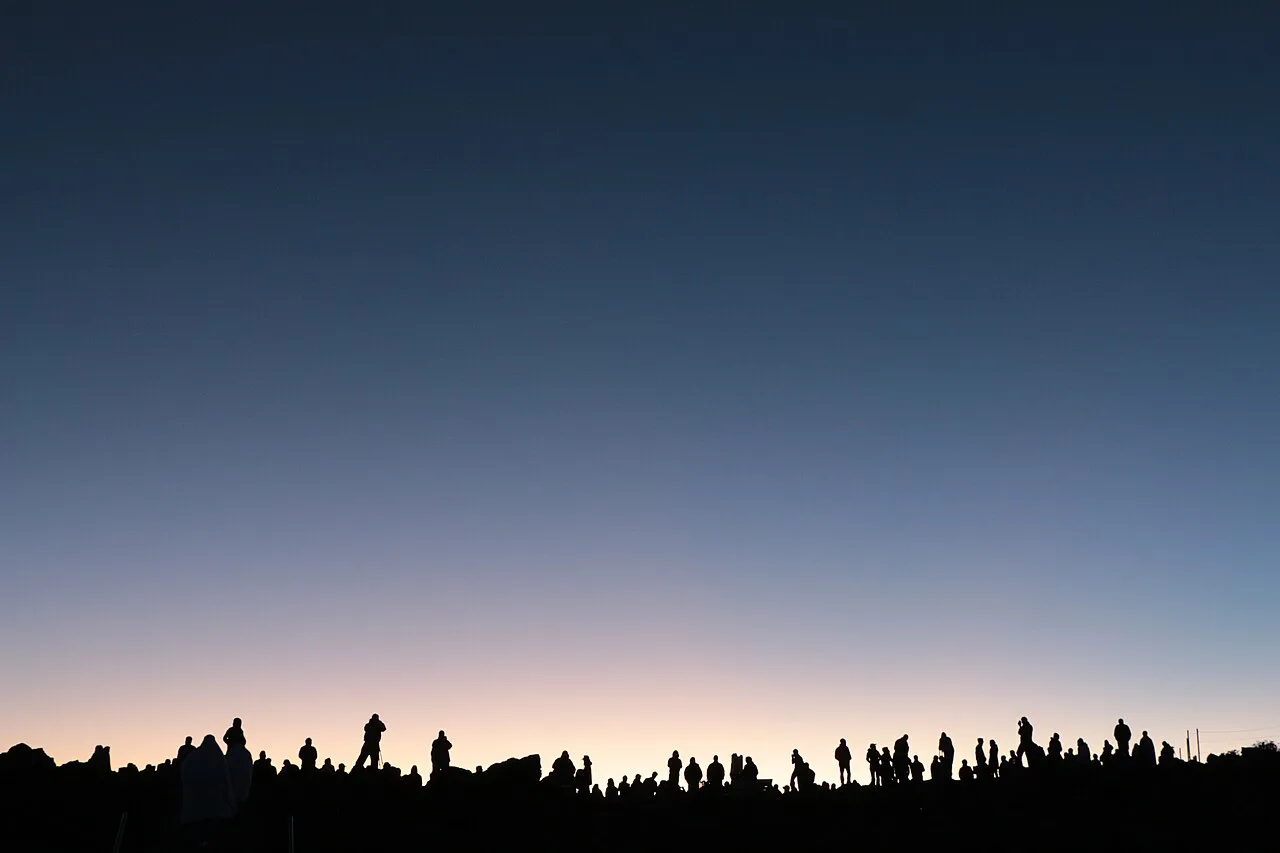
Without a reservation, the earliest you’ll enter is 7:00 a.m. - fine for crater walks, useless for sunrise. Cloud doesn’t earn a refund or a free swap to tomorrow. Fee-free entrance days also don’t open the 3-7 a.m. gate; you’ll still need the sunrise ticket.
If Maui’s still on the shortlist versus Oahu or Kauai, park this page and finish the island decision in which Hawaiian island to pick.
Entrance fee is a separate bill
The sunrise ticket only buys the early gate. The park still collects an entrance fee: $30 per private vehicle for three days (Summit and Kipahulu districts), $25 motorcycle, or $15 per person walking or biking in. Under-16s are free. Stations are cashless; after-hours self-pay machines take credit cards.
The $55 Hawaii Tri-Park Annual Pass covers Haleakala, Hawaii Volcanoes and Puuhonua o Honaunau for US citizens and residents. If your Hawaii trip includes both fee parks, do the math before you buy two vehicle tickets.
Keep the receipt. The three-day vehicle pass is meant to let you come back for a daylight crater hike without paying again.
Timing the dark drive
NPS puts the drive from the entrance station to the summit at about 30 minutes. Build more. You’ll share the road with tour vans, miss a turn in the dark, and want buffer for a full parking lot. There are no streetlights and no guard rails on the mountain road. There is no food, clothing or gas sold inside the park.
Four official sunrise overlooks, highest to lowest:
- Red Hill (Pu’u Ula’ula) summit - 10,023 feet
- Haleakala Visitor Center - 9,740 feet
- Kalahaku Overlook - 9,324 feet
- Leleiwi Overlook - 8,840 feet, with about a 10-minute walk from its lot
You’re not guaranteed any specific lot. When a lot fills, it closes. Leleiwi and Kalahaku are often quieter, and worth it when space matters more than the highest railing.
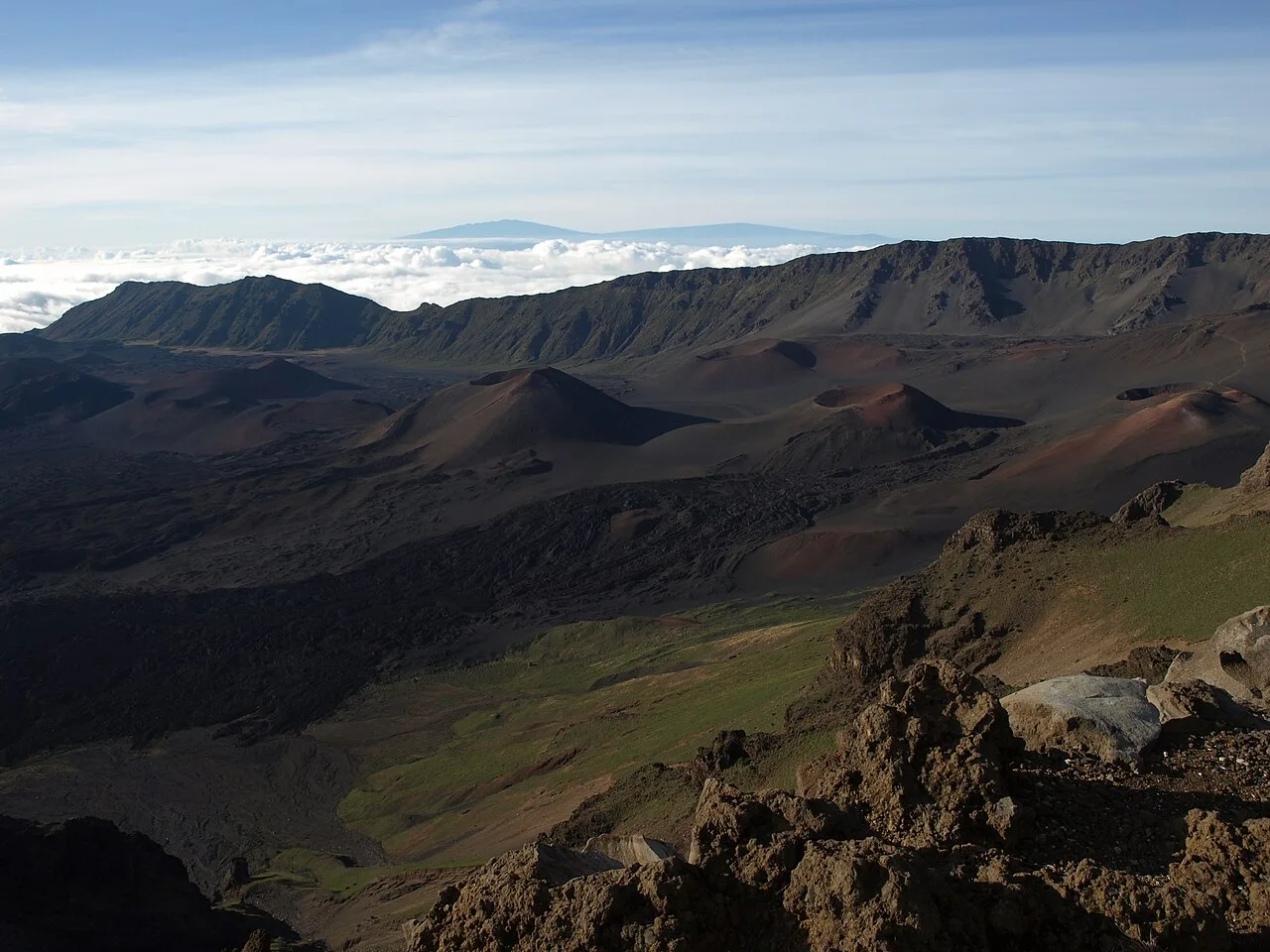
There’s currently no reservation system for sunset. Daytime summit entry after 7 a.m. needs the entrance pass only.
What to wear at 10,000 feet before dawn
The park’s wording isn’t marketing soft-pedal: weather immediately before dawn and after dusk is regularly wet, windy and below freezing. Beach clothes from your Wailea condo won’t cut it, and the gift shop you’re imagining doesn’t exist on the rim.
Dress like a winter trailhead, not like a tropical vacation:
- Insulated jacket or heavy fleece you can close at the neck
- Wind shell over that - the gusts strip heat fast
- Long pants, not shorts with a hotel robe
- Closed shoes with socks; the lot and overlook pavement are cold
- Warm hat and gloves
- Headlamp for the walk from car to railing
- Water and a snack already in the car
Phones die early in the cold. Keep a battery pack inside a jacket pocket, not in an exposed camera bag. If you’re prone to altitude headaches, move slowly, skip the sprint to the highest railing, and know that 10,000 feet after sleeping at sea level hits some people harder than they expect.
After sunrise: crater time and Kipahulu
Once the sun is up and the tour vans leave, the crater’s a different park. Stay for a short rim walk if you’re warm enough, or come back later the same day on your three-day entrance receipt. Sliding Sands and other crater routes deserve daylight and better judgment than a sleep-deprived sunrise crowd can offer - check current trail status before you commit to a long descent.
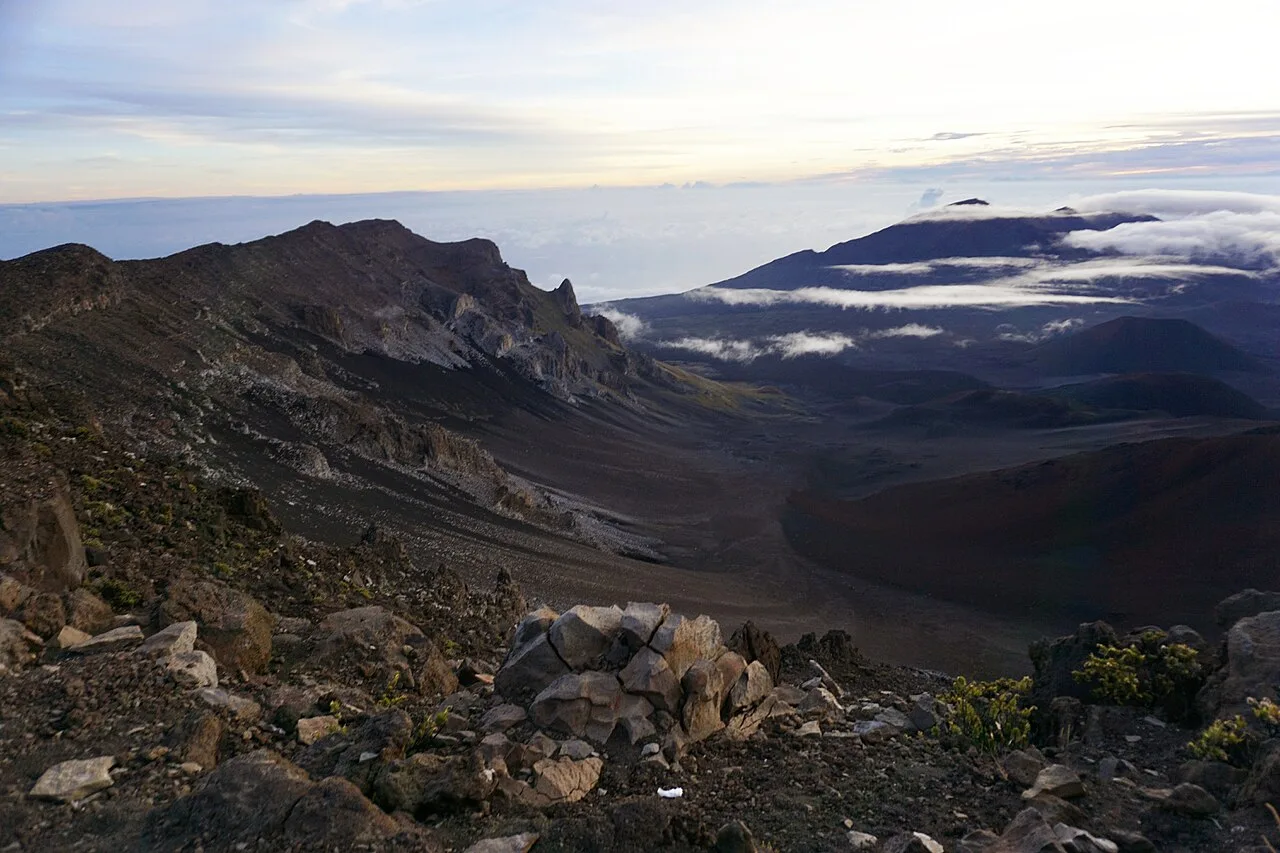
The park’s coastal Kipahulu district near Hana is a separate drive, not a quick hop from the summit. Bamboo forest trails and the Oheo area are the draw. As of the park’s conditions page, the Pools of Oheo are not open for swimming; you can view them safely from the Kuloa Point Trail. Overnight parking or sleeping in a vehicle outside designated campgrounds is prohibited.
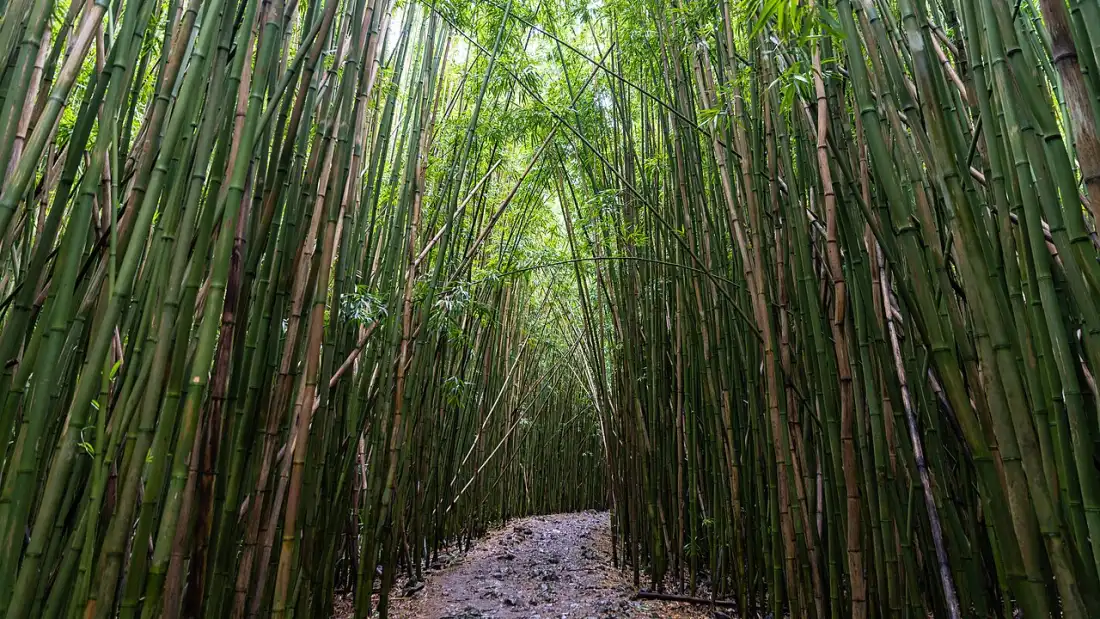
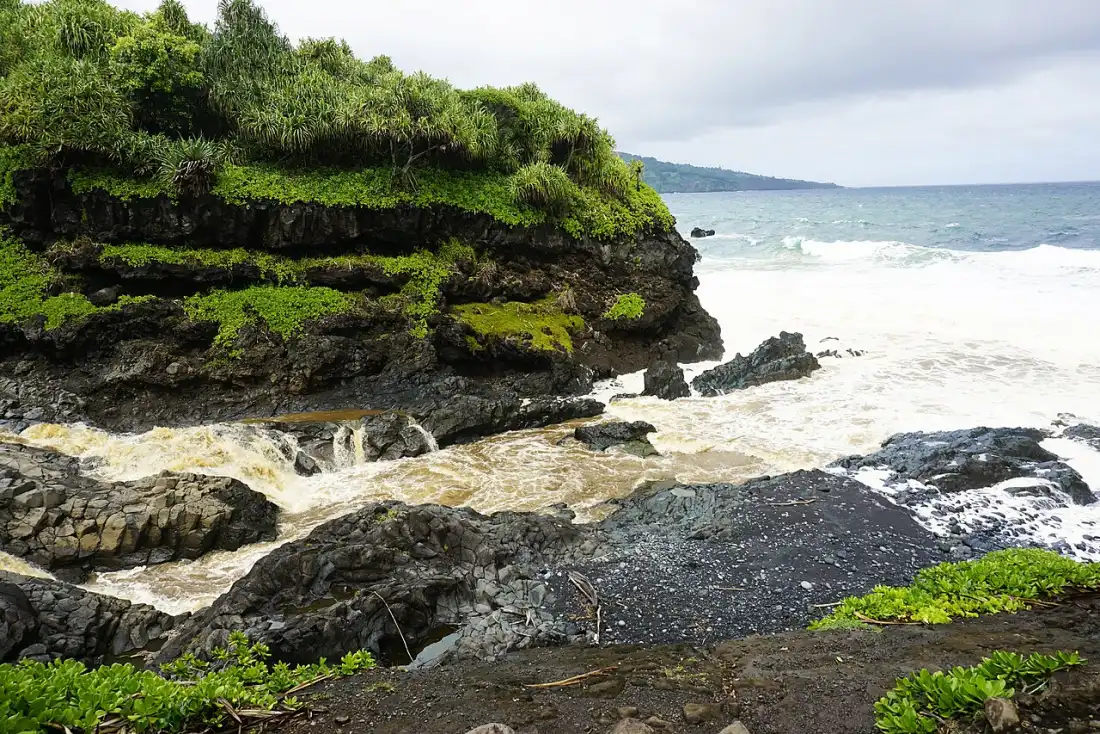
Haleakala is sacred to Native Hawaiians. If you see cultural practice at the summit, give space and keep voices down. The sunrise isn’t a stadium wave.
For wider Maui etiquette - including Lahaina recovery - stay with the Hawaii travel guide. For Big Island lava timing that runs on USGS episodes instead of a $1 ticket clock, use the volcanoes park guide.
Packing list for a 4 a.m. summit
Lay this next to the rental-car keys the night before:
- Recreation.gov confirmation (screenshot and email) plus the reservation holder’s ID
- Park pass or a card ready for the cashless entrance fee
- Insulated layers, wind shell, hat, gloves, closed shoes
- Headlamp with working batteries
- Water, simple snacks, no reliance on summit vendors
- Offline map downloaded - cell service drops on the climb
- Full gas tank from downslope; assume no stations that match your timing
- A plan B alarm for the 48-hour release if the 60-day window already looks empty
- Willingness to leave if altitude or wind turns the experience unsafe for someone in your car
Book the reservation when the release hits, dress for winter, and treat sunrise as the first hour of a longer Maui day - not the only reason you flew across an ocean. Cloud happens. The people who still call the morning a win are usually the ones who stayed warm enough to notice the light when it finally came through.
On the map
The map loads on click - to keep the page lightweight.
The map didn’t load. Check your connection and refresh the page.
Admission and opening hours
- Admission price
- Sunrise vehicle reservation $1 on recreation.gov (3-7 a.m. window). Separate entrance fee: $30 per private vehicle for three days, $25 motorcycle, $15 per person; Tri-Park Annual Pass $55. Cashless.
- Opening hours
- Standing policy: Summit District open continuously, sunrise reservation required 3:00-7:00 a.m. year-round, entry without one from 7:00 a.m. Closures happen - check the park alerts feed on nps.gov/hale before you book anything.
Reservations are not refunded for cloud. Confirm recreation.gov availability and nps.gov/hale conditions the week you go. Oheo pools are view-only - no swimming.
Details checked: August 24, 2026
Read also

National Parks · 12 min read
Canyonlands and Capitol Reef: Utah's Two Quiet Parks
Verified · August 29, 2026Canyonlands $30, Capitol Reef $20 for the Scenic Drive - what each park costs, which district to skip, and which one wins if you only have a day.

National Parks · 8 min read
Indiana Dunes from Chicago: Beaches & the $25 Gate
Verified · August 26, 2026Leave Chicago early for West Beach, the Dune Succession Trail and the South Shore Line to Dune Park. National and state park fees do not cross.

National Parks · 8 min read
Carlsbad Caverns: Natural Entrance and Bat Flight
Verified · August 25, 2026$15 entry plus $1 timed reservation, Natural Entrance vs elevator, Big Room loop, and free bat flights April-Oct.

National Parks · 8 min read
White Sands: Dunes, Sledding and Closures
Verified · August 25, 2026Gypsum dunes, $25 entry, sledding tips, and why missile-range tests can close Dunes Drive for hours - check NPS the morning you go.