
Hawaii Travel Guide
Hawaii trip planning: why one island beats hopping, the reservations you book ahead, whale season, Kilauea timing and how to visit Maui with care.
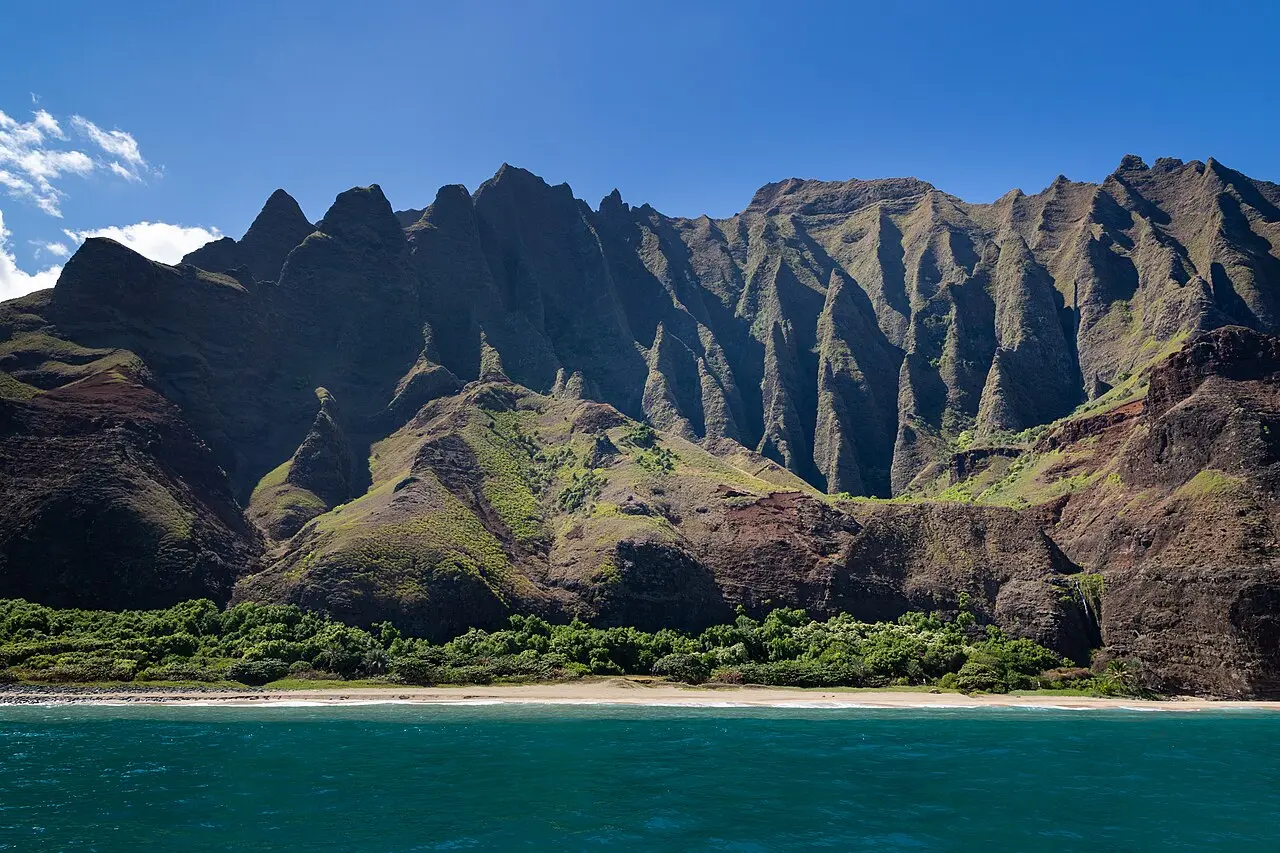
Hawaii rewards people who stop trying to collect islands. A week works when you pick one base, book the timed reservations that sell out, and leave room for weather and ocean sense. Island-hopping is where good trips go to die: the flight between islands takes 30 to 50 minutes, but checkout, the car return, security and the new rental counter eat most of a day. Two weeks can carry two islands. One week should not.
Picking your island, in one line
Oahu, Maui, Kauai and the Big Island each suit a different week. For the full Oahu / Maui / Kauai / Big Island trade-offs - airports, who each island fits, and why first-timers usually stay put - use which Hawaiian island to pick. This page keeps the statewide rules: reservations, Maui recovery etiquette, volcano timing and the ocean habits locals actually care about. Honolulu detail lives in things to do in Honolulu and Pearl Harbor tickets.
Lahaina, and what visiting with care means right now
The August 2023 fire destroyed most of historic Lahaina and killed more than a hundred people. Three years on, the town is a construction site and a community in the middle of rebuilding, not an attraction. Front Street between Papalaua and Shaw reopened to vehicular traffic on August 1, 2026, with the Ulu o Lele Marketplace, Kimo’s and more than a dozen other businesses returning; Market Street, Papelekane Street and Mokuhinia Place stay closed while state harbor dredging continues.
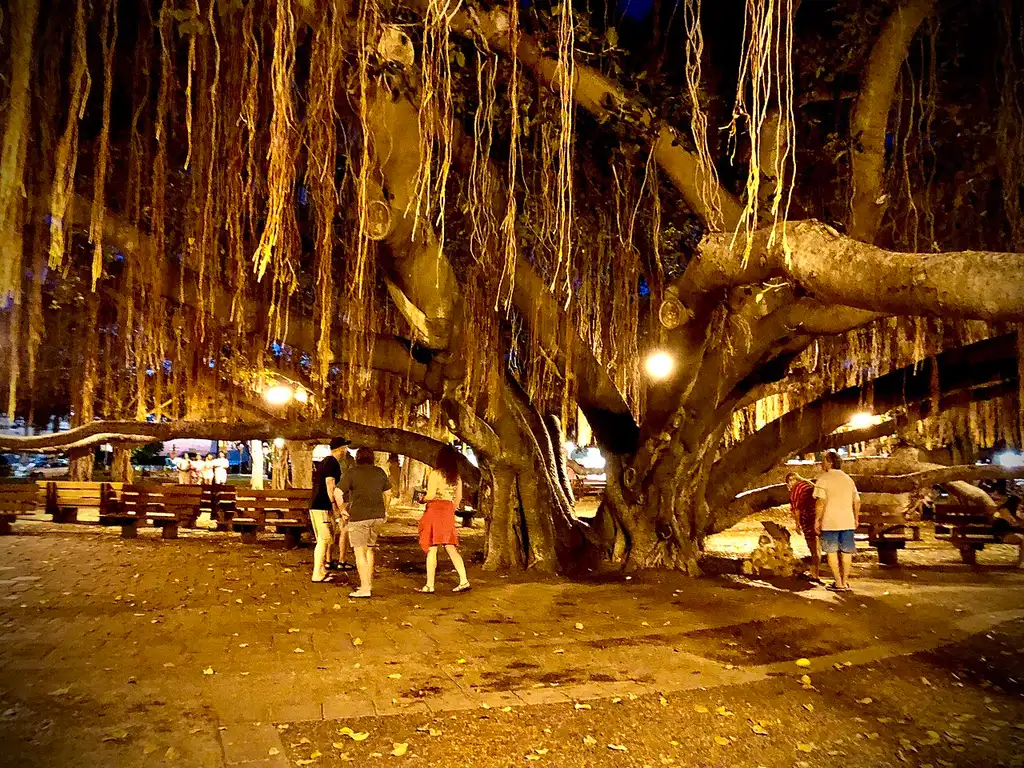
Maui’s own leadership has been clear that visitors are welcome and that tourism pays a lot of local wages. What they ask is simple: spend money in West Maui businesses, stay out of residential burn areas, and don’t photograph people’s destroyed homes. Check mauirecovers.org, the county’s recovery site, in the week before you fly, because what is open changes month to month.
The reservations you cannot fix on arrival
Hawaii has moved its most-visited natural sites onto booking systems, and the windows are short and unforgiving. On Maui, entering the Haleakala summit district between 3 and 7 a.m. for sunrise requires a reservation made on recreation.gov; slots go live at 7 a.m. Hawaii time, a portion of each day’s allocation is held back and released 48 hours ahead, and one visitor can only hold one sunrise reservation in any three-day period. Summer weekend dates disappear fast. On Oahu, Diamond Head and Hanauma Bay both require non-resident reservations through their official systems - details are in the Honolulu guide.
Don’t trust a screenshot from someone’s 2023 blog post for any of this. Rules, windows and prices on the Hawaii systems have all changed at least once in the last two years. Book from the official site, the week the window opens.
You are going to be driving
Outside Waikiki, a rental car isn’t a convenience in Hawaii, it’s the trip. Book it at the same time as the flight: supply on the smaller islands is thin, and walk-up rates in July or at Christmas are eye-watering. Skip the convertible, take something you don’t mind parking at a trailhead, and download offline maps before you leave the hotel wifi, because coverage on the windward coasts and inside the craters is patchy.
Both of the famous drives punish rushing. Maui’s Hana Highway runs 52 miles from Kahului with roughly 620 curves and 59 bridges, most of them one lane, and the state’s own tourism office puts the one-way time at two to four hours. Doing it as a day trip means seven hours in the car for a handful of waterfall stops; staying a night in Hana turns it into the best day on Maui. On the island of Hawaii, the Kona-to-Hilo crossing is about two hours through five climate zones, which is either a highlight or a chore depending on whether you planned for it.
The volcano runs on its own schedule
Kilauea’s summit eruption inside Halemaumau has been episodic rather than continuous since December 23, 2024, and that is the part most volcano itineraries get wrong. The latest fountaining episode as of October 21, 2026, number 55, ran from 3:19 a.m. to 9:03 a.m. HST on October 17, 2026, with north-vent fountains up to about 720 feet and a plume to about 25,000 feet. In its update of October 21, 2026 the USGS Hawaiian Volcano Observatory listed the eruption as paused, with Volcano Alert Level Advisory and Aviation Color Code Yellow, and gave a preliminary window of October 28 to November 5 for episode 56, warning that after episode 55’s unusual run-up the usual pattern may not hold. Fountaining episodes since December 2024 have generally lasted under 12 hours, so the summit can be quiet or active by the time you read this. That is the whole point: read the HVO daily update the morning you drive up, not the week you book.
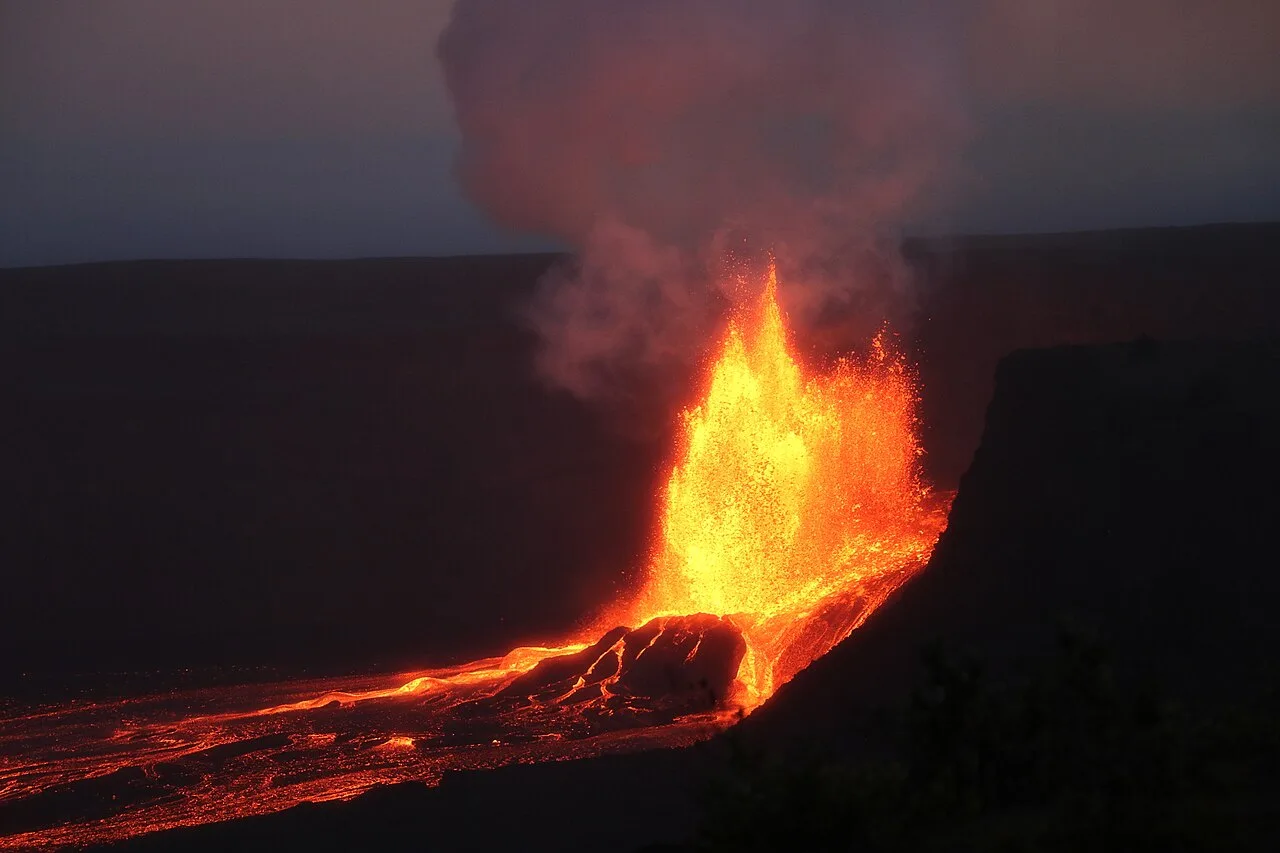
If lava is the reason you’re going, watch the USGS HVO updates rather than a tour operator’s marketing, and keep your Big Island nights flexible. The full park playbook - fees, overlooks, construction and a paused-eruption day plan - is in Hawaii Volcanoes National Park. One more gate check that trips people: storm closures. NPS closed most of the park for Hurricane Lala on August 13-14, shut it again by 5 p.m. on August 21 ahead of a new storm system, had most of it open by August 28, and closed most areas again on September 24 for Tropical Storm Nolo, reopening most of the park by September 27. When we checked the alerts on October 3, 2026, nothing park-wide was closed. Normal hours are 24/7 when no closure is posted - confirm on nps.gov/havo before you drive, because a perfect episode window buys you nothing at a closed gate. The summit area is also in a multi-year construction project with rolling closures when open, and volcanic gas (locals call the haze vog) is a real problem for anyone with asthma.
When to go
Hawaii doesn’t have a bad season, only different ones. Humpback whales are in the islands from November through April, and Maui’s Auau Channel is the best place on earth to watch them from a boat or, on a good day, from the shore; federal rules keep boats and swimmers 100 yards away, so any operator promising a close encounter is selling something they shouldn’t.
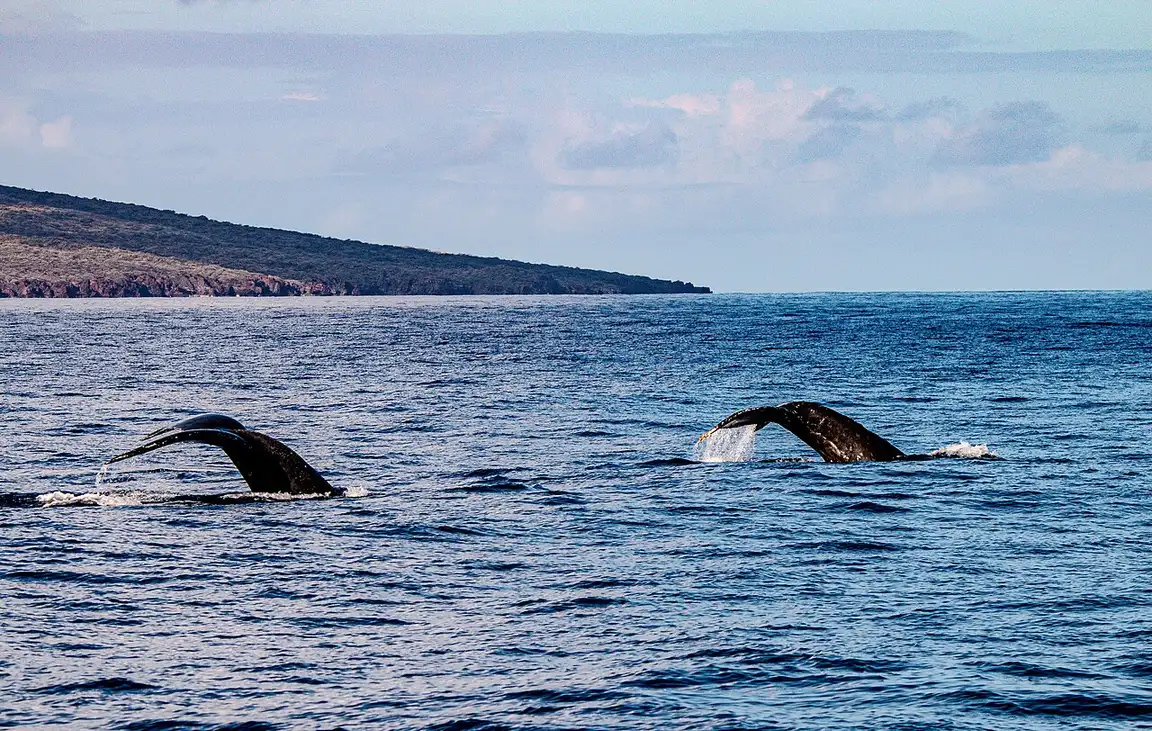
Winter also brings the big north-shore surf, more rain, and peak prices between mid-December and early January. Summer flips it: calmer north shores, hotter and drier leeward coasts, and family crowds. The value windows are late April to early June and September to early November, when the water is warm, the rates soften and the trails are quieter. One budget note: Hawaii’s accommodations tax went up 0.75% from 2026 under the state’s climate “green fee” law, so the tax line on your hotel bill is a little heavier than older guides suggest.
The rules locals care about
Hawaii asks more of visitors than most US destinations, and the requests are reasonable. Sunscreens containing oxybenzone and octinoxate have been illegal to sell here since 2021 because of reef damage, so buy mineral sunscreen or bring a rash guard. Green sea turtles and monk seals hauled out on the sand are federally protected: give them room and don’t crowd them for a photo. Don’t stack rocks, take lava rock or sand, or walk into fenced sites - many are burial grounds or temples, not scenery.
And treat the ocean with more respect than the postcards suggest. Shore breaks snap collarbones, currents at unpatrolled beaches carry off strong swimmers, and the advice every Oahu lifeguard repeats is the simplest one going: swim where they are. Do that, keep the itinerary to one island, and Hawaii turns out to be a far easier place to travel than the planning makes it look.
Read also
- Island decision: which Hawaiian island to pick
- The two fee parks: Haleakala sunrise and Hawaii Volcanoes
- The main gateway: things to do in Honolulu
- Book the Oahu nights: where to stay in Honolulu
- Mainland contrast: Texas travel guide
- Long-haul park planning: Yosemite and Yellowstone
- Browse more US states and US cities
- The other long-haul US state people fly a week for: Alaska travel guide
On the map
The map loads on click - to keep the page lightweight.
The map didn’t load. Check your connection and refresh the page.
Good to know
Hawaii reservation systems for parks and preserves change often, and slots are released on short rolling windows. Every figure here was checked on the date shown in sources - confirm on the official site the week you travel. Hawaiʻi Volcanoes National Park hours and closures move with USGS/NPS alerts.
Details checked: August 26, 2026
Read also

States · 11 min read
Connecticut: Mystic, New Haven and the Shoreline
Verified · September 12, 2026Mystic Seaport at $35 adult, free Yale galleries in New Haven, and Gillette Castle on the river - how a Connecticut weekend actually fits.

States · 9 min read
North Dakota: Medora and Theodore Roosevelt NP
Verified · September 5, 2026The 36-mile South Unit loop starts in Medora, entrance $30 per vehicle, cashless from May 2026 - how to plan Theodore Roosevelt National Park.

States · 9 min read
Arkansas Travel Guide: Hot Springs & Ozarks
Verified · September 4, 2026Fee-free Hot Springs NP downtown, free Crystal Bridges in Bentonville, and the 135-mile Buffalo - how to string an Arkansas road trip.

States · 10 min read
Indiana Travel Guide: Indy, Speedway, Shore
Verified · September 5, 2026IMS Museum at $25, Kiss the Bricks at $15, Brown County hills and Lake Michigan shore - an Indiana trip beyond a Chicago beach day.