
Things to Do in Honolulu
What to book before you fly: Pearl Harbor timed tickets, Diamond Head and Hanauma Bay reservations, plus Waikiki, Chinatown food and Oahu day trips.
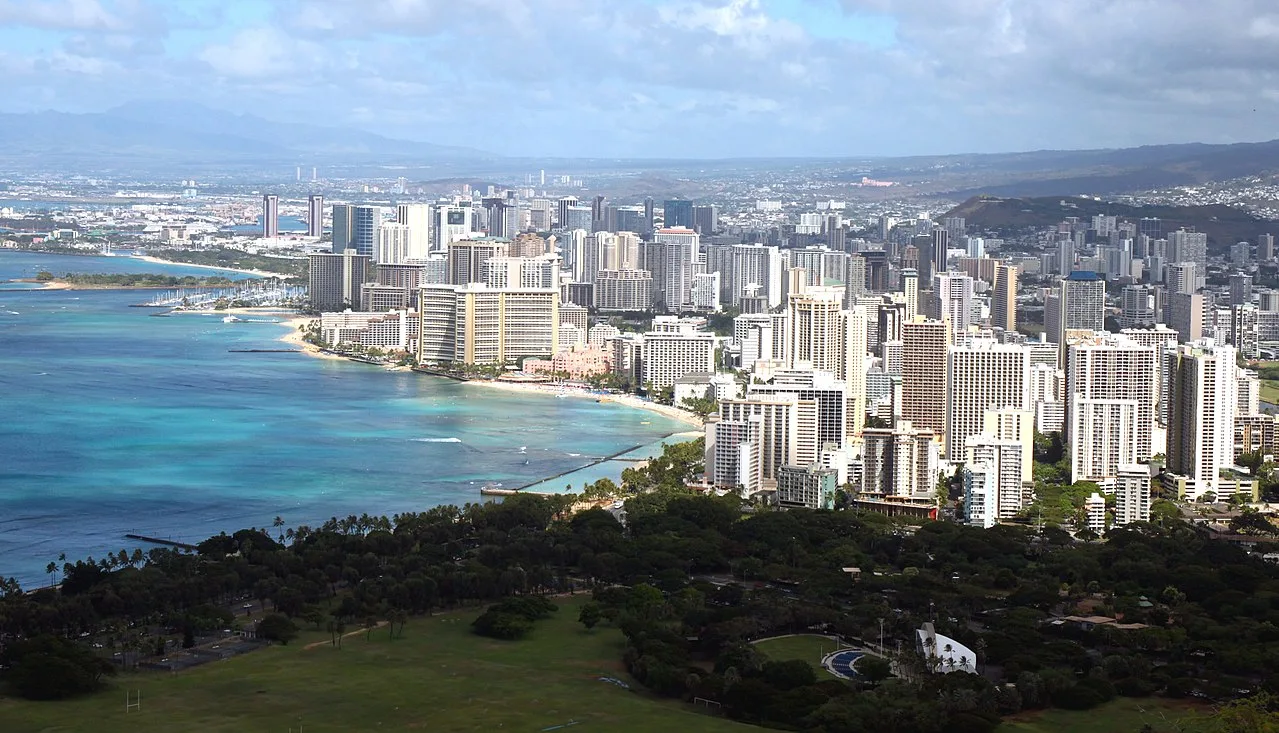
Honolulu is the rare beach city where the most important planning happens before you leave home. Three of the four things you probably came for - the USS Arizona Memorial, Diamond Head and Hanauma Bay - all sit behind reservation systems with short booking windows, and turning up on the day mostly doesn’t work any more. Sort those out first, then treat Waikiki as your base and Oahu as the day-trip menu.
Count backwards from your arrival date and the calendar looks like this. Arizona Memorial tickets open 56 days ahead at 3 p.m. Hawaii time and can be gone in minutes. Hanauma Bay opens exactly two days ahead at 7 a.m. Diamond Head takes non-resident bookings through the state parks system. Set three alarms, and understand that a missed window costs you the whole activity rather than a wait in line.
Pearl Harbor: free, but not walk-up
The park itself costs nothing, and neither does the boat program out to the USS Arizona Memorial. What you pay is a $1 non-refundable Recreation.gov service fee per ticket, plus $7 a day to park. Tickets drop on a rolling 56-day window at 3 p.m. HST, with a smaller batch of next-day tickets at the same hour the afternoon before. The Park Service stopped handing out free same-day tickets at the visitor center, so an unreserved arrival means the standby line or nothing.
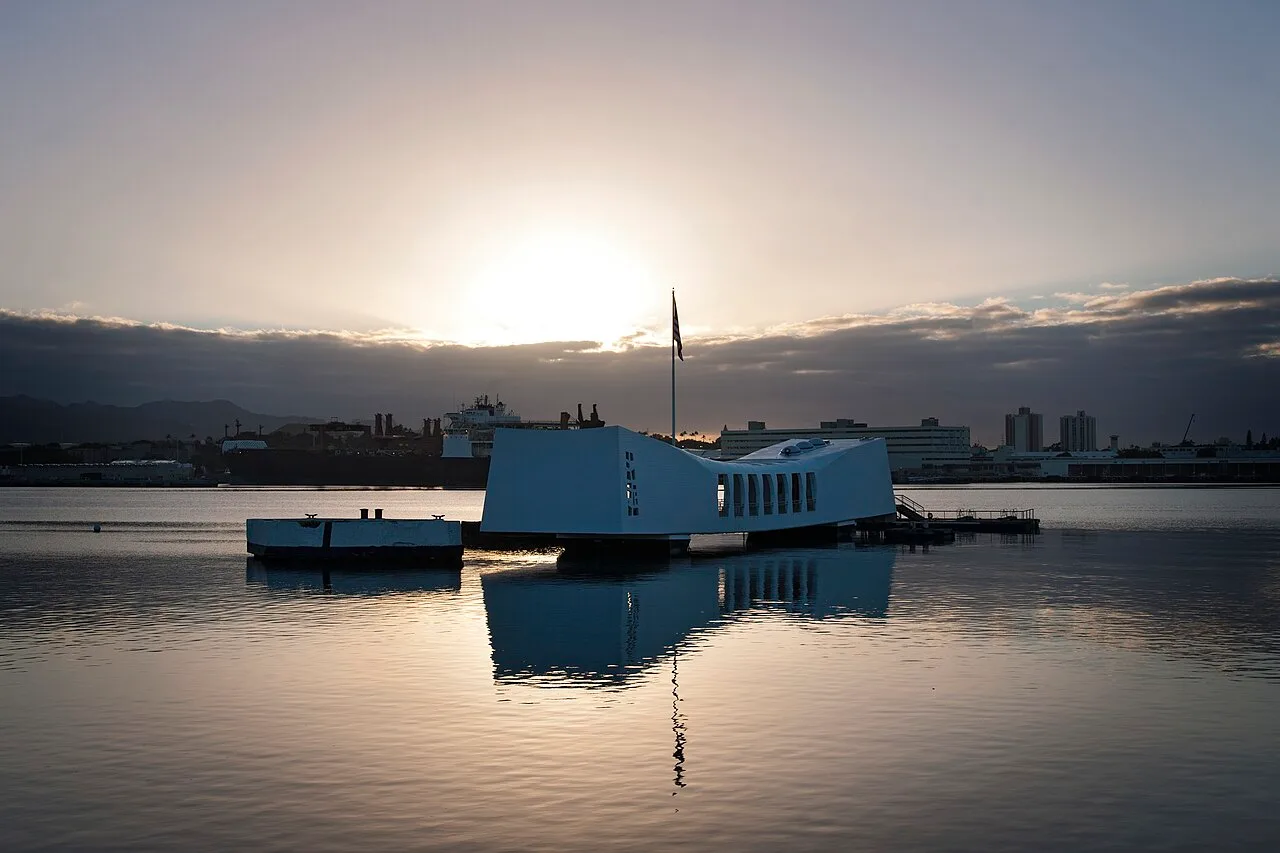
One rule stops a lot of visitors at the gate. Pearl Harbor has a strict bag policy: anything that offers concealment and is bigger than about 1.25 by 2.25 by 5.5 inches has to stay outside. Clear bags and small clutches get through; backpacks, camera bags and purses don’t. There’s paid storage near the entrance run by the submarine museum, but the simpler answer is to leave everything in the car. Allow three hours for the memorial and the museums, more if you’re adding the Missouri or the Bowfin, which are separately ticketed and run by different operators. For the booking windows, standby callback and what “Pearl Harbor tickets” usually means in search results, see Pearl Harbor tickets.
Diamond Head and Hanauma Bay, in the right order
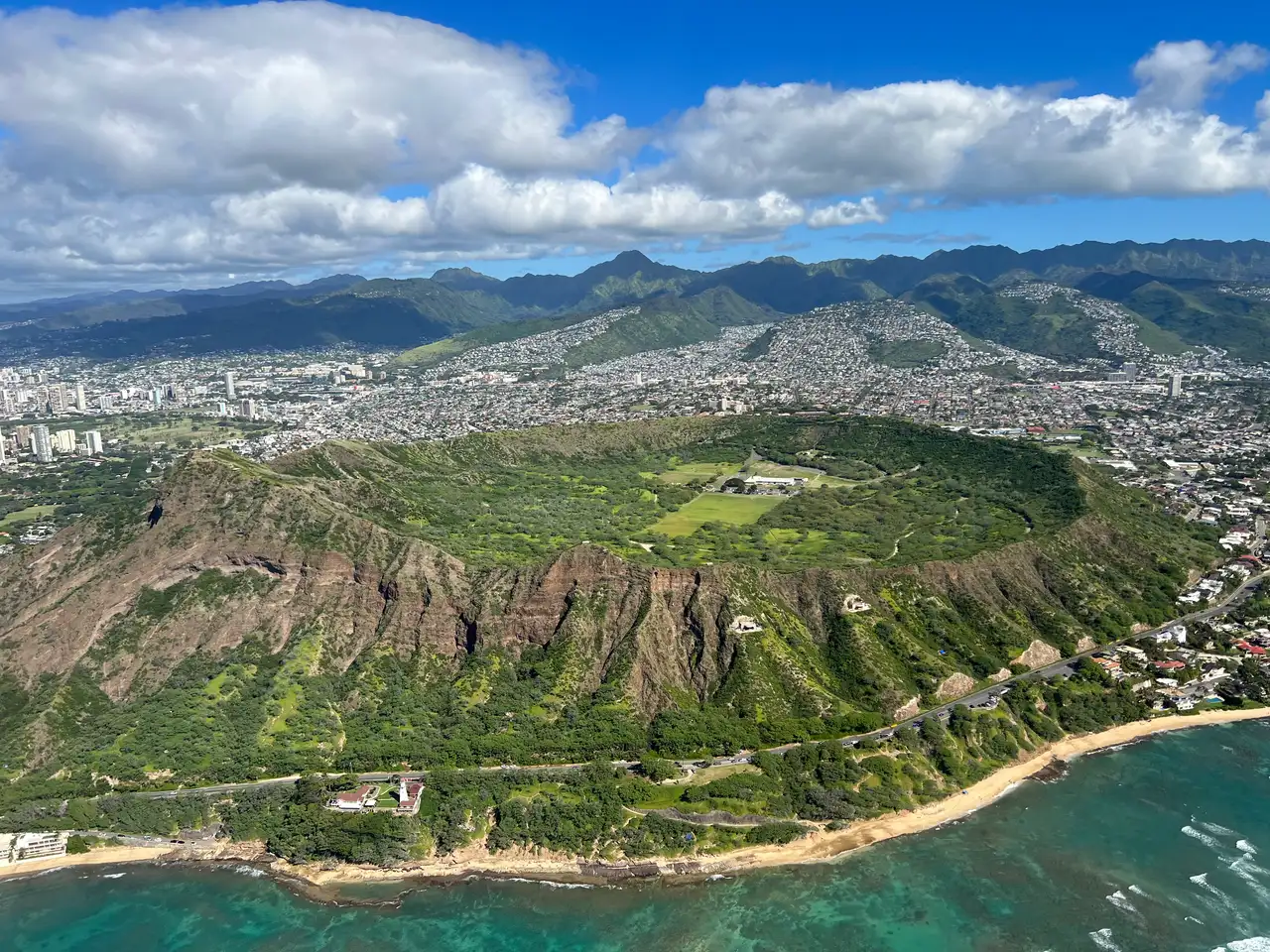
Diamond Head is the crater behind Waikiki and the easiest big walk on the island: about 45 minutes up a paved-then-stepped trail inside an extinct tuff cone, ending at a World War I fire control station with the whole south shore below. Non-residents need reservations for both entry and parking through the state parks site, at $5 a head plus $10 a vehicle, and Hawaii residents go free with a state ID. Gates run 6 a.m. to 6 p.m. with last entry at 4:30. Book the earliest slot you can stand: by nine the stairs are hot and full.
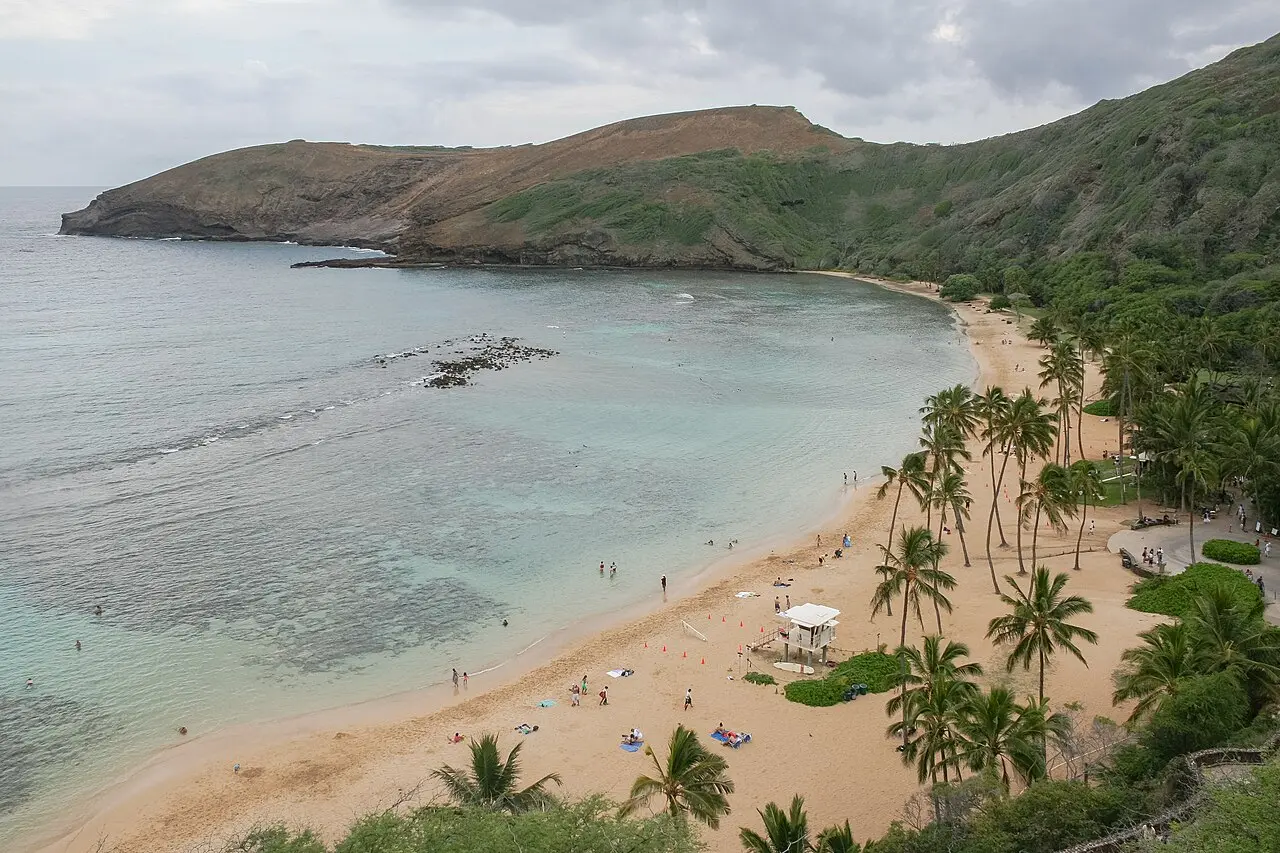
Hanauma Bay is the snorkeling bay east of town, and it’s now run more like a nature reserve than a beach. It’s closed Mondays and Tuesdays. Entry runs 6:45 a.m. to 1:30 p.m. and everyone is out by 4. Non-residents aged 13 and up pay $25 plus a small online fee; residents, children under 13 and active US military are free; parking costs $3 and the lot is small. Reservations open at 7 a.m. Hawaii time exactly two days before your date and go quickly. Every visitor, every visit, watches a short conservation video before walking down to the water - there’s no skipping it, and the ban on standing on coral is enforced.
Waikiki, and what it’s good at
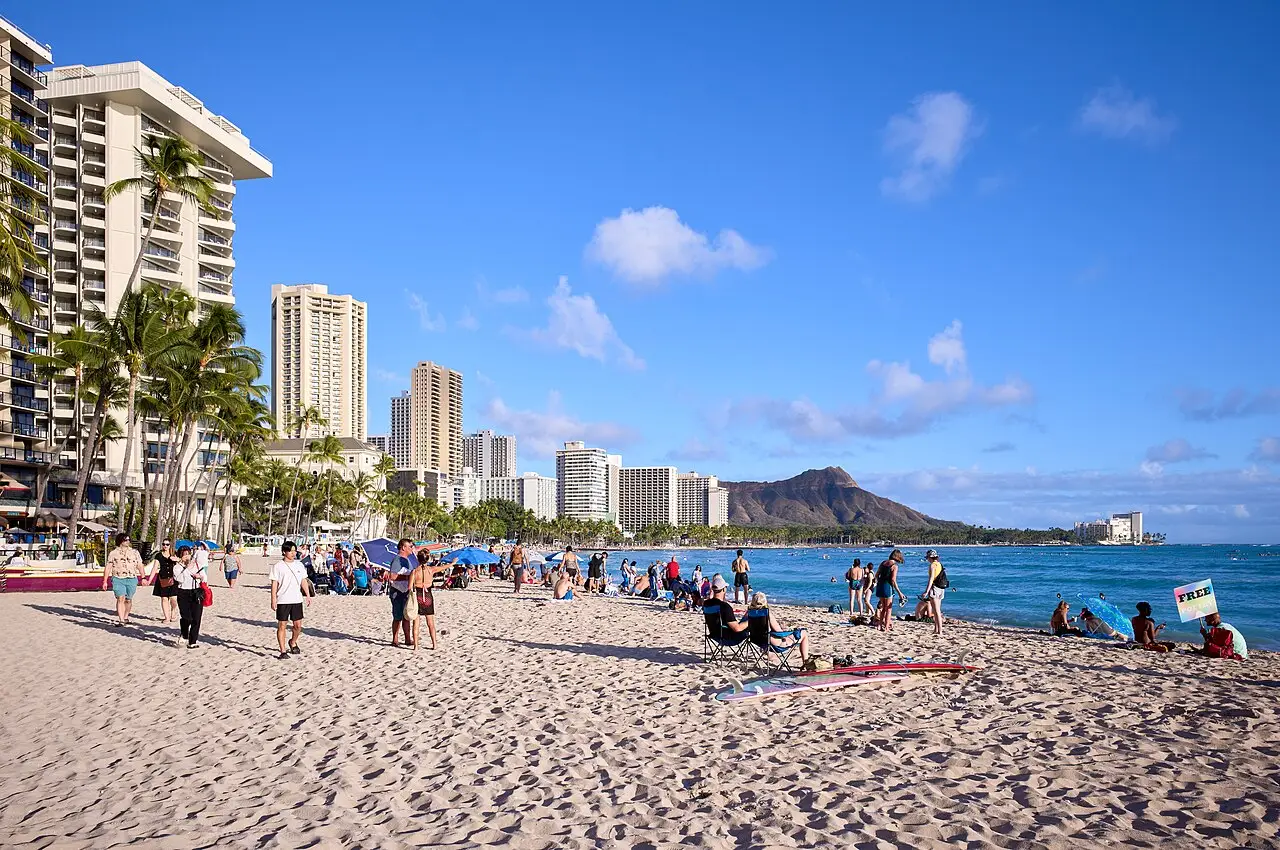
Waikiki gets a lot of scorn and most of it’s unfair. Yes, it’s two miles of hotels on reclaimed swamp behind a groomed beach. It’s also the one part of Hawaii where you can eat, drink, swim, rent a board and get a bus without a car, and the surf break offshore is the gentlest beginner wave in the state - which is why surfing instruction was invented here. Take a lesson at Canoes or Queens, then walk to Kaimana Beach at the Diamond Head end, which is where people from Honolulu swim.
The Hawaii that isn’t a beach
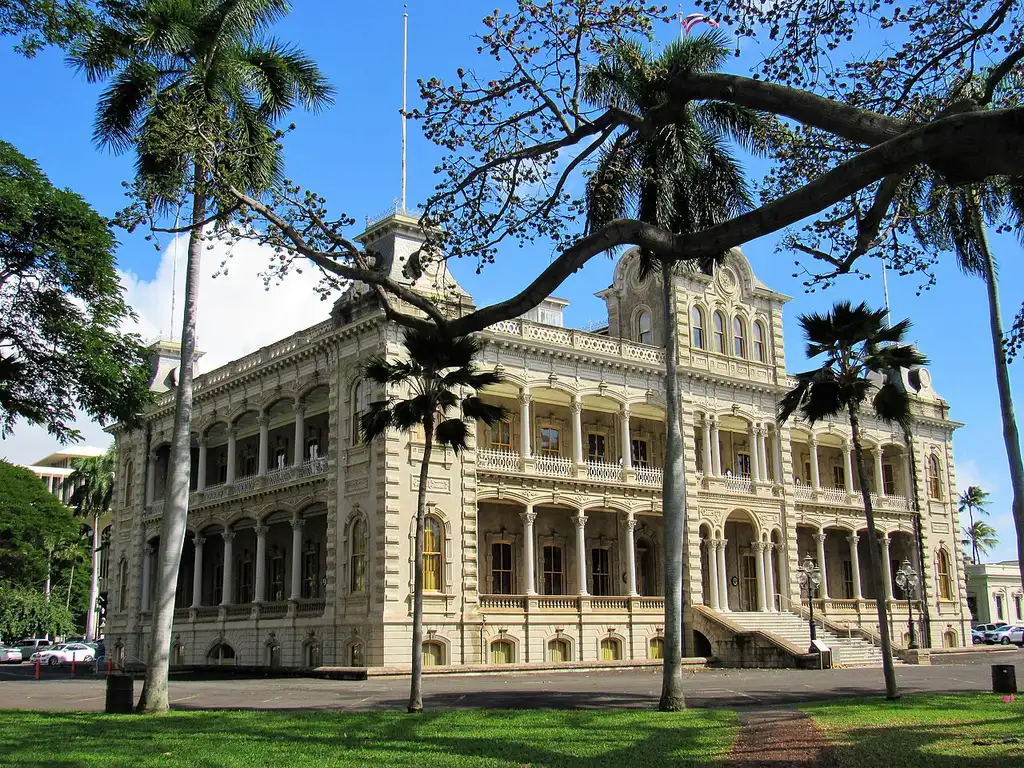
Iolani Palace, twenty minutes west in the civic center, is the only royal palace on American soil, built for King Kalakaua in 1882 and wired for electric light in 1886, before the White House had it. It’s also where Queen Liliuokalani was imprisoned after the 1893 overthrow of the Hawaiian Kingdom, and the tour doesn’t soften that. An hour here reframes the rest of your trip.
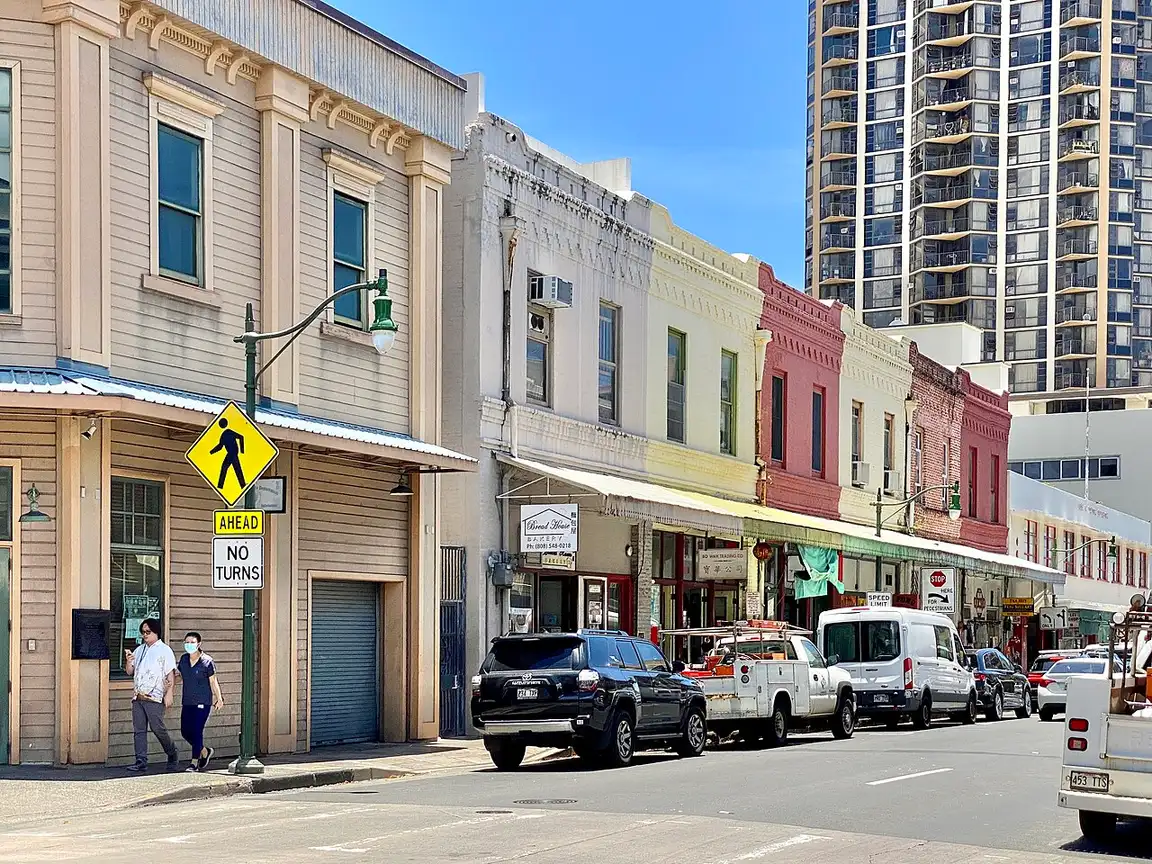
Chinatown, a few blocks further, is the best eating in the city and the least polished: century-old markets, lei stands, Vietnamese pho counters, and a night scene of bars in old storefronts along Hotel and Nuuanu. Go hungry, go in daylight for the markets, and come back after dark for the bars.
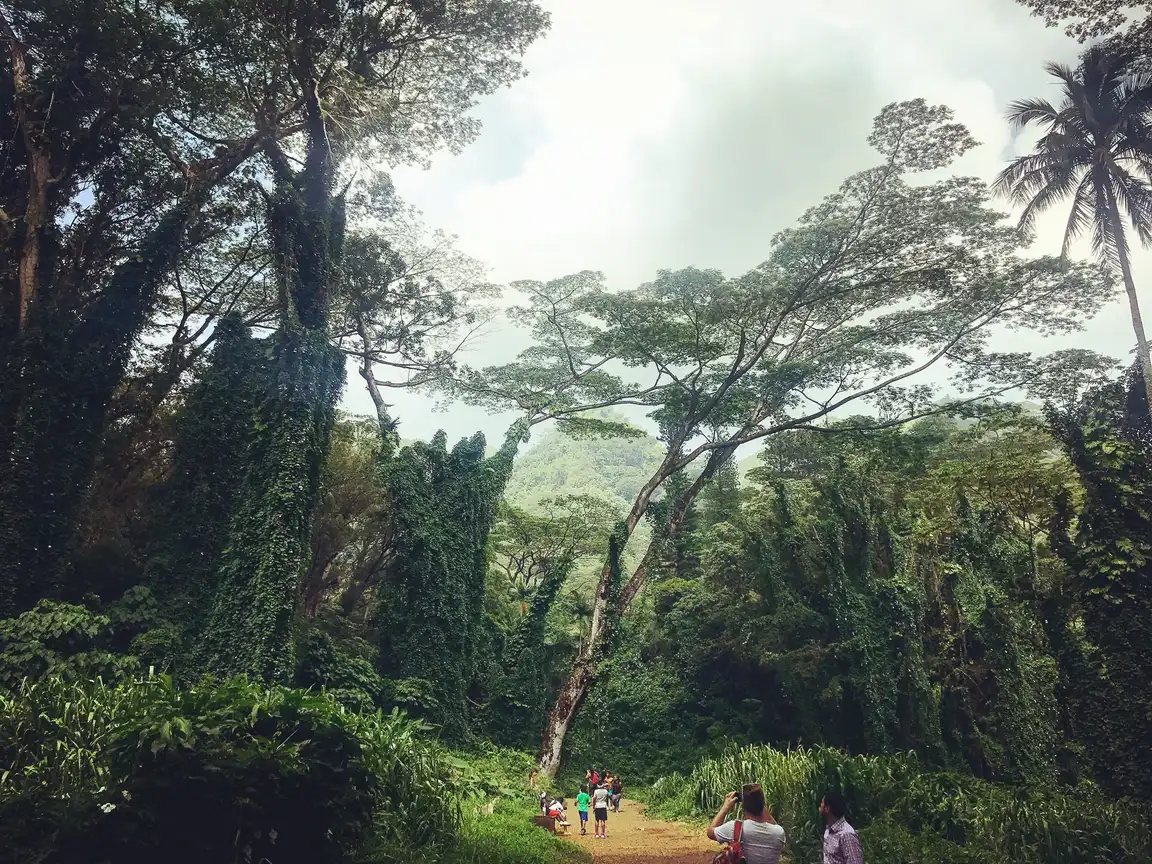
For a short, green, non-committal hike, Manoa Falls sits fifteen minutes inland in a rainforest valley: about 1.6 miles round trip on a muddy track to a thin waterfall. Wear shoes you don’t mind ruining.
Eat like a local, not like a resort
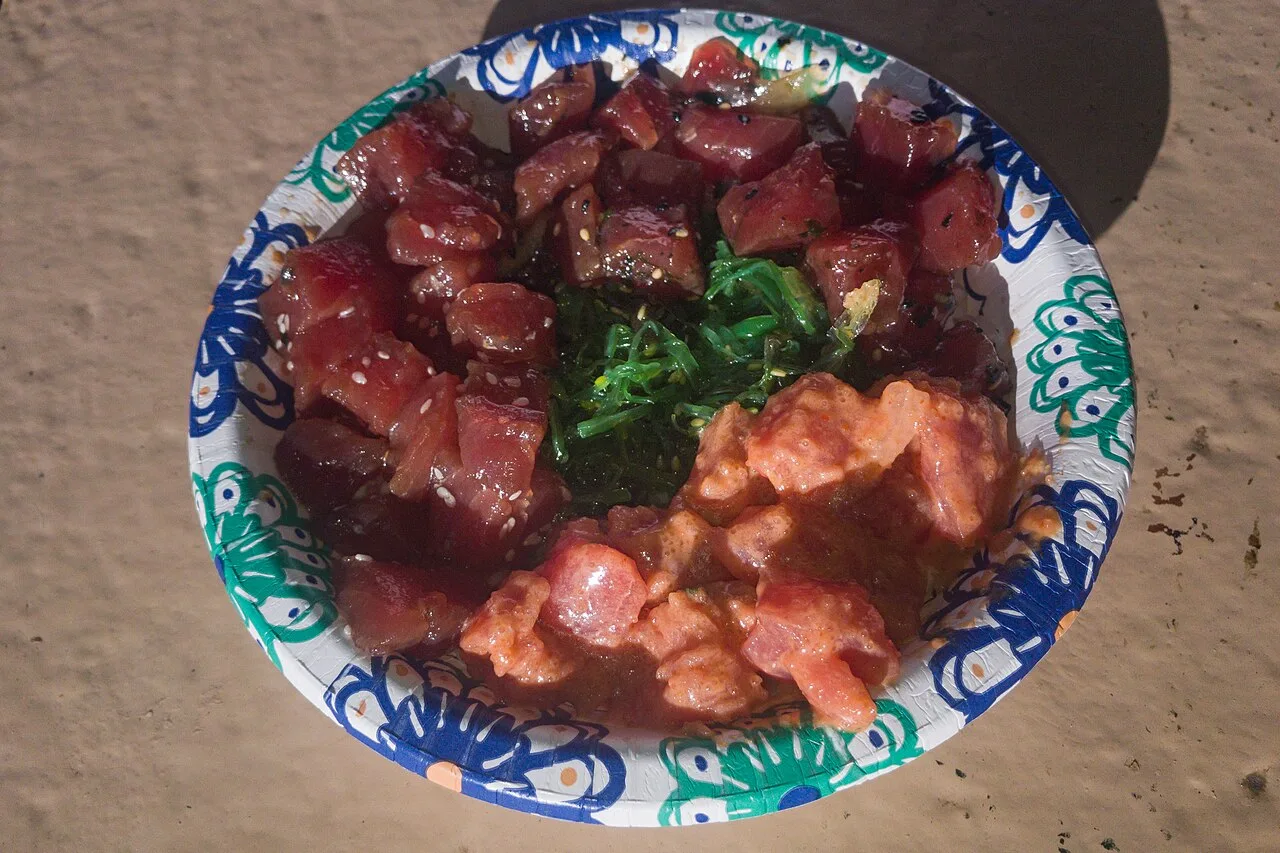
Local food here has nothing to do with luau menus. Poke, cubed raw fish with shoyu, sesame and onion, is sold by the pound at supermarket and corner-store counters, and the good stuff comes from places with a line of tradesmen out the door at midday, not from restaurants. The plate lunch - two scoops rice, macaroni salad and something grilled or fried - is the workingman’s meal that came out of plantation camps. And malasadas, Portuguese doughnuts without a hole, are a Honolulu obsession you’ll want to build a morning around.
Day trips around Oahu
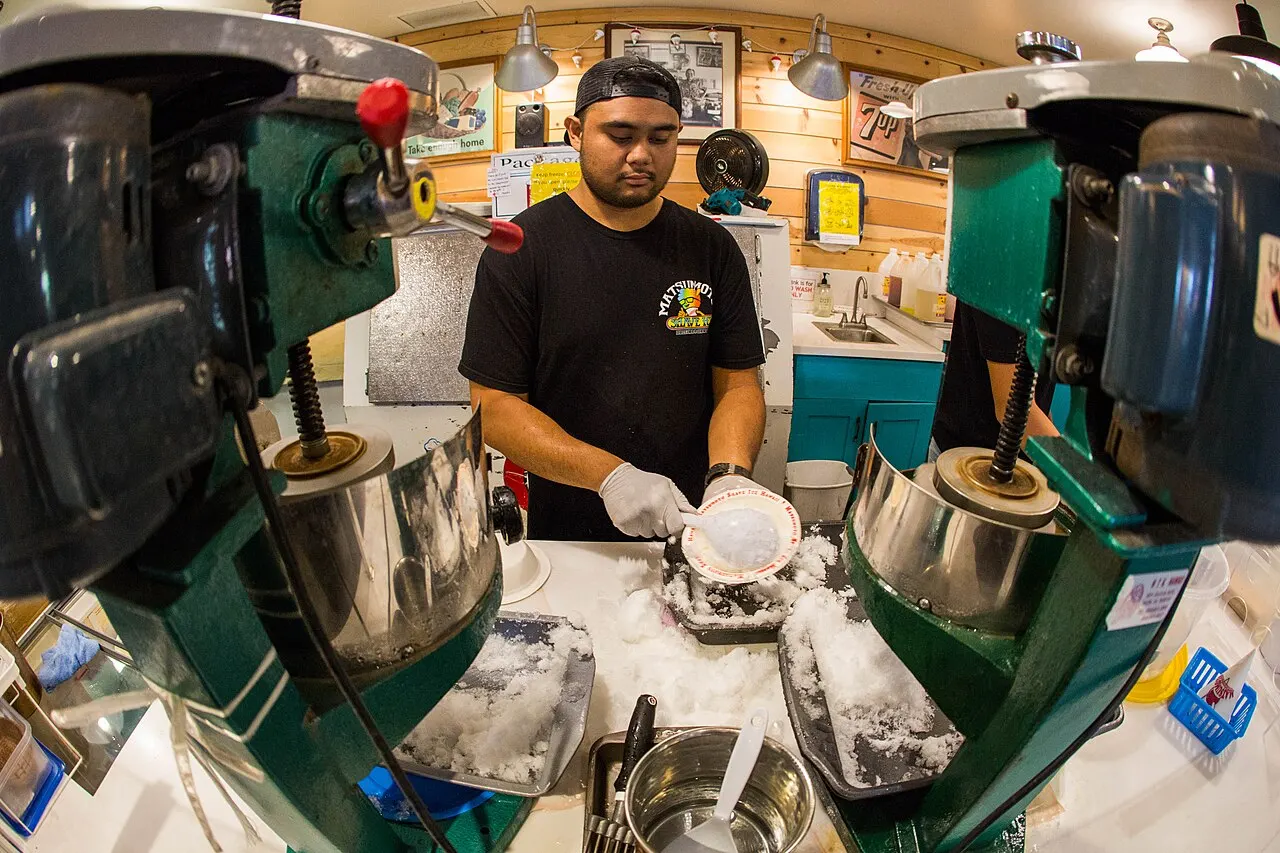
The island is small enough to loop in a day, and two directions are worth it. Head north for the North Shore: Haleiwa’s old plantation-town main street, shave ice with sweet beans and condensed milk, sea turtles hauled out at Laniakea, and the winter surf at Waimea, Sunset and Pipeline, where the waves stop being a photo opportunity and turn dangerous - don’t treat winter Pipeline as a swimming beach. In summer the same beaches are flat and swimmable.
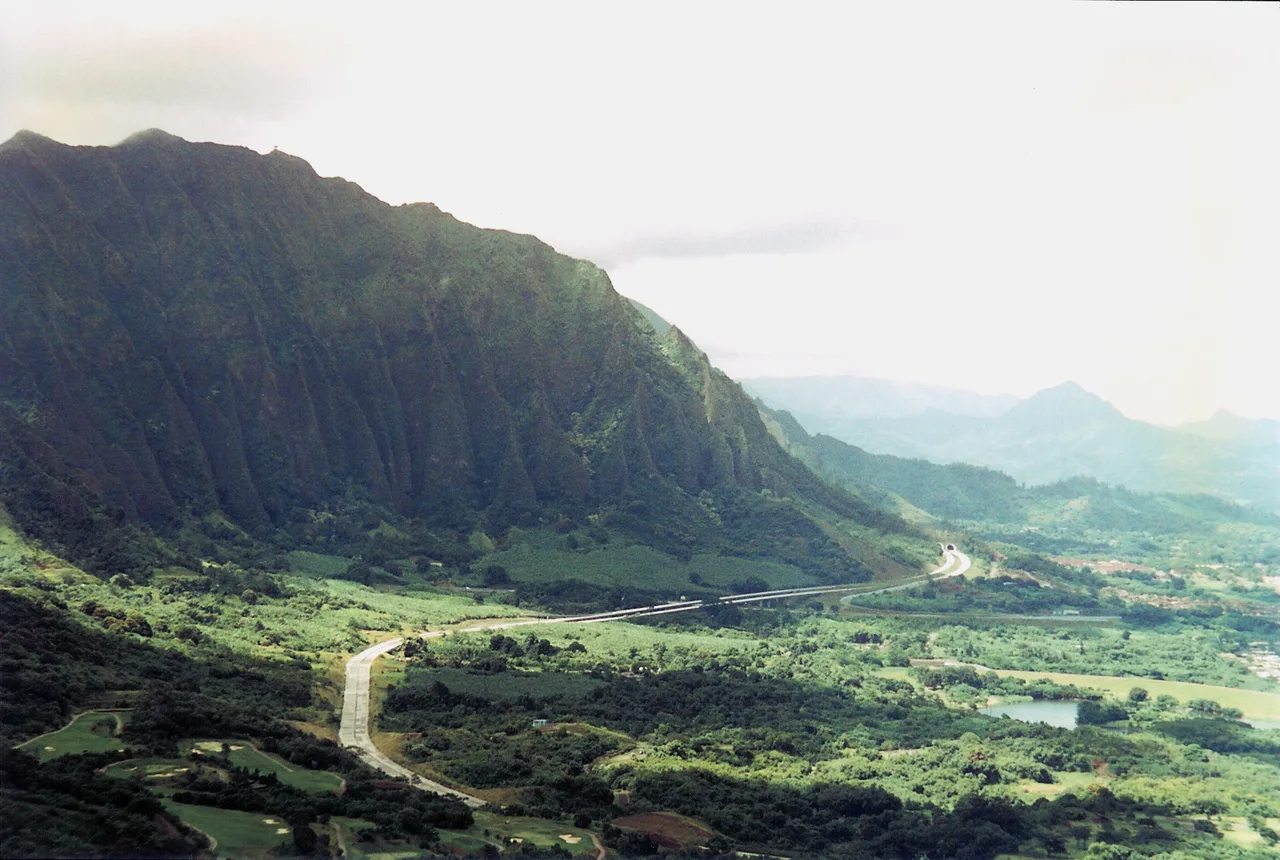
Head east and the windward coast opens up: the Nuuanu Pali Lookout, where the wind comes over the ridge hard enough to lean on and Kamehameha won Oahu in 1795, then Kailua and Lanikai beaches, and the green ridges of Kualoa that stand in for prehistory in half of Hollywood’s dinosaur films.
Where to sleep, and which month to pick
Waikiki holds almost all the hotel stock, and which end of the strip you pick changes the trip more than the nightly rate does; where to stay in Honolulu takes the strip apart end by end and adds up the tax and fee stack. Kailua on the windward side is the residential alternative for a much better beach, at the cost of a 30-minute drive over the pali to everything else and a zoning rule that makes most short rentals there illegal - so don’t assume an Airbnb is legal there.
Season matters less here than on the mainland, because Honolulu sits at about 80F all year. What changes is rain, surf and price. Mid-December to early January is the most expensive two-week stretch of the year, and the north-shore waves are at their most spectacular and most lethal. February to April brings the last of the whales and the last of the winter rain. Summer means calm water on every coast and school-holiday crowds. If you want the best combination of cheap flights, warm sea and thin crowds, you’ll aim for late April to early June or the second half of September.
Getting around, and the rail question
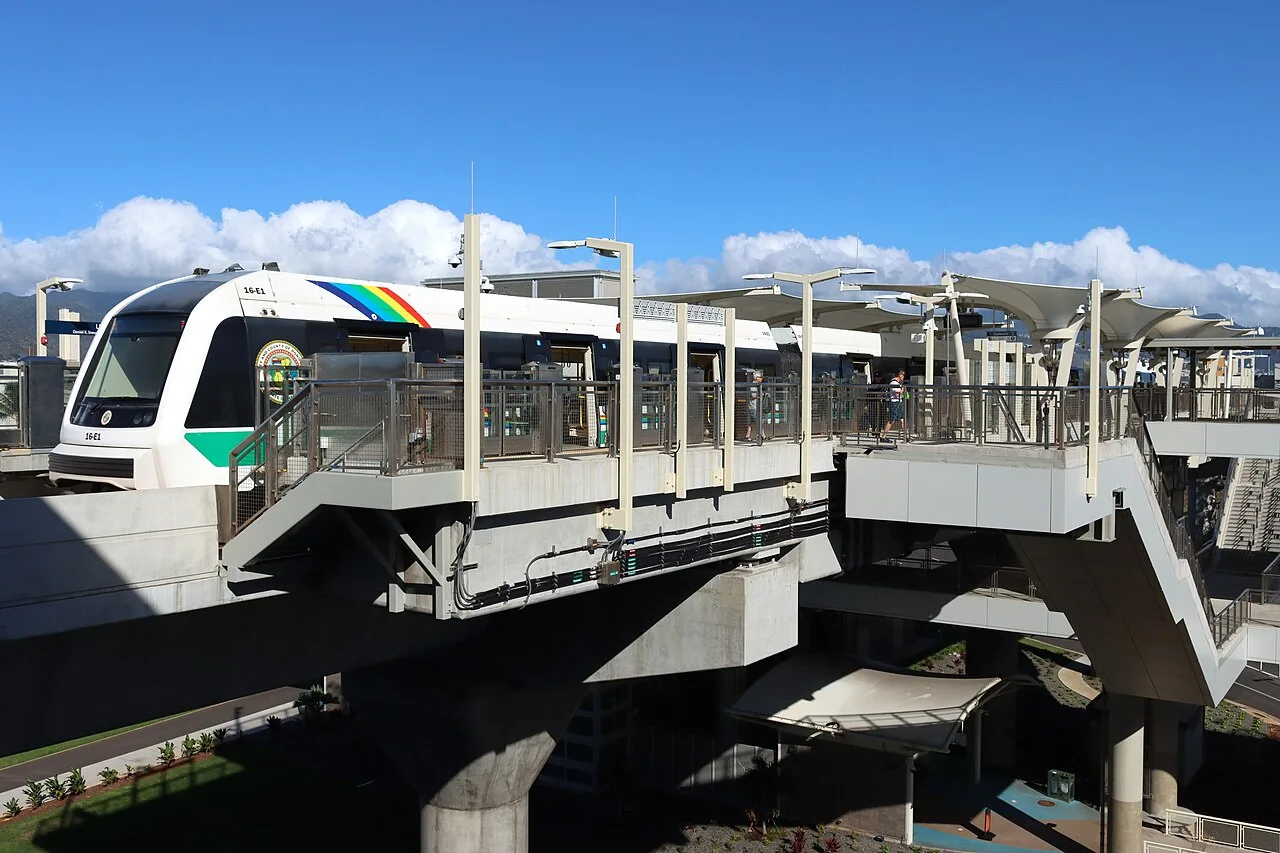
Honolulu opened the second segment of its Skyline rail in October 2025, which now runs from Kapolei in the west through Pearl Harbor and the airport to the Kalihi Transit Center. It’s fast, elevated and useful for exactly one visitor trip: the airport. It doesn’t yet reach downtown or Waikiki, so anyone telling you the train will replace a car hasn’t looked at a map. Fares work on a HOLO card, sold at vending machines in every Skyline station and at ABC Stores in Waikiki, with 1-, 3- and 7-day unlimited passes that also cover TheBus.
If you’re staying in Waikiki and doing one or two day trips, rent a car for those days only and skip the nightly hotel parking charge the rest of the week. Between November and April, keep an eye on the water on the drive east and north: humpbacks are in these channels all winter, and the legal minimum distance is 100 yards for a reason. For choosing between the islands in the first place, see which Hawaiian island to pick and the Hawaii travel guide.
Read also
- Pick a base: where to stay in Honolulu
- Island decision: which Hawaiian island to pick
- Pick your island first: Hawaii travel guide
- Mainland comparison: Texas travel guide
- Another walkable US city break: things to do in New York City
- Browse more US cities and US states
On the map
The map loads on click - to keep the page lightweight.
The map didn’t load. Check your connection and refresh the page.
Good to know
Oahu reservation systems change often and release on short rolling windows. Every rule and price here was checked on the date shown in sources - always confirm on the official operator site before you travel.
Details checked: July 24, 2026
Read also

Cities · 13 min read
Salt Lake City: Ski Base, Temple Square and the Salt Flats
Verified · August 29, 2026Four ski resorts inside 36 miles of the airport, a temple you cannot enter until 2027, and a salt flat that closes for racing. What to plan around.

Cities · 9 min read
Atlanta: Civil Rights Trail, Aquarium and Southern Food
Verified · August 28, 2026Free MLK park on Auburn Avenue, Civil Rights Center from $26, Georgia Aquarium tickets from $54.99, BeltLine walks and where Southern food still holds up.

Cities · 9 min read
Minneapolis Guide: River, Lakes & the Blue Line
Verified · August 26, 2026A $2 train from MSP, Stone Arch and Minnehaha Falls, Walker on free Thursday nights, and when Mall of America is worth the ride south.

Cities · 12 min read
Savannah Travel Guide: Squares and the Historic District
Verified · August 22, 2026Walk the 22 squares, tour Owens-Thomas honestly, ride the free river ferry, then Bonaventure and Tybee - checked August 2026.