
Salt Lake City: Ski Base, Temple Square and the Salt Flats
Four ski resorts inside 36 miles of the airport, a temple you cannot enter until 2027, and a salt flat that closes for racing. What to plan around.
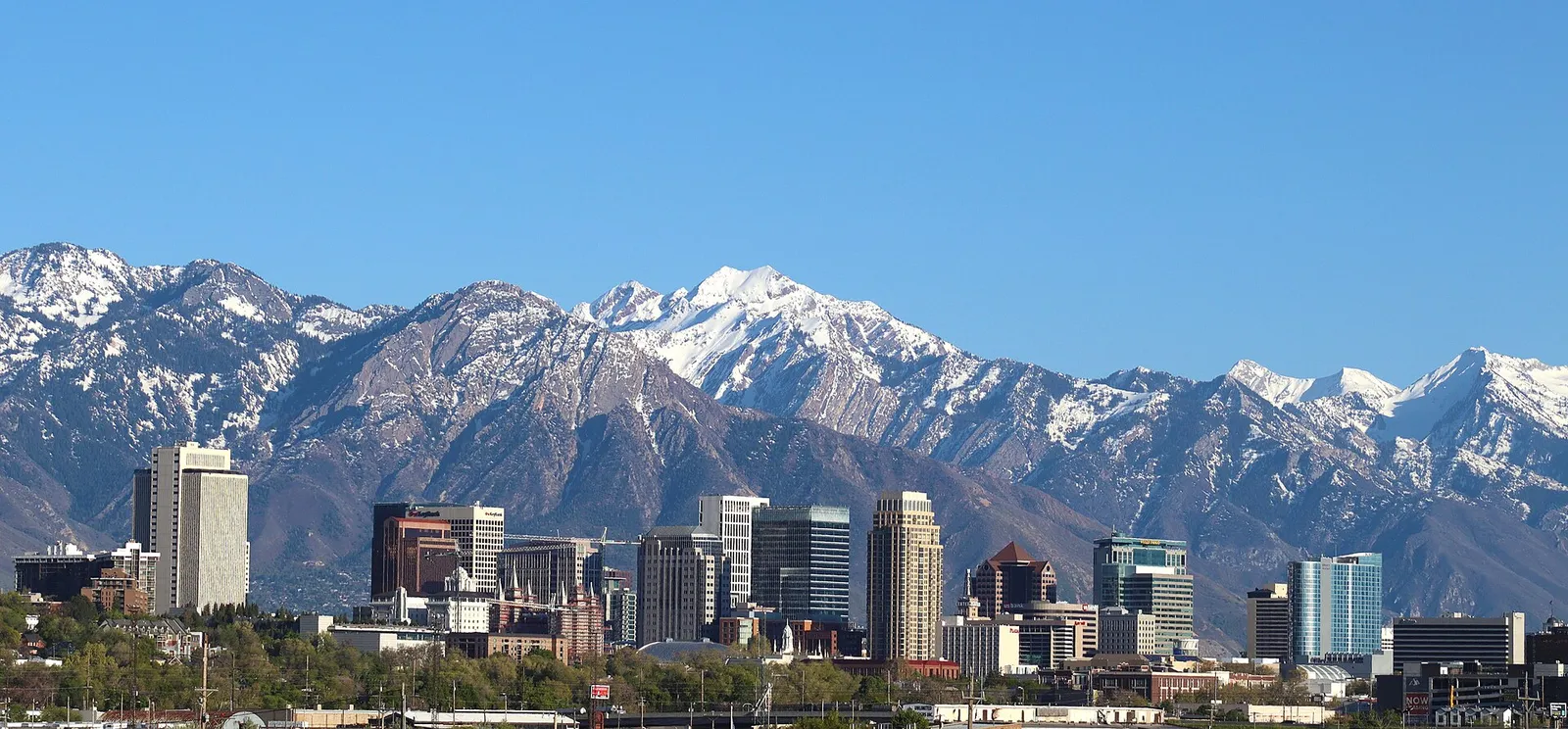
Salt Lake City International Airport sits closer to four separate ski resorts than most US airports sit to one: Snowbird is 32 miles out, Alta 33, Solitude 34, Brighton 36. Land at lunchtime and you can be on a lift by early afternoon. The same city has a temple mid-renovation you can’t currently walk into, a Tabernacle you still can, and a dry lakebed 120 miles west that spends much of the summer closed to sightseers because cars are trying to break records on it.
Almost everything that goes wrong on this trip is a calendar problem, not a distance problem. The Salt Flats are handed over to land-speed racing for seven separate windows in 2026, and the canyon roads can refuse a rental car on any day the beacons come on.
How far is each ski resort from the airport, really
Little Cottonwood Canyon holds Snowbird and Alta; Big Cottonwood Canyon, one drainage over, holds Solitude and Brighton. Visit Salt Lake’s own transport guide puts them at 32, 33, 34 and 36 miles from the airport respectively. Two of the four confirm it independently: Alta’s site states “it’s just 33 miles” from the terminal, and Solitude’s says “34 miles later.” Drive time runs 45 minutes to just under an hour, and canyon traffic decides which end of that range you get, not the mile count.
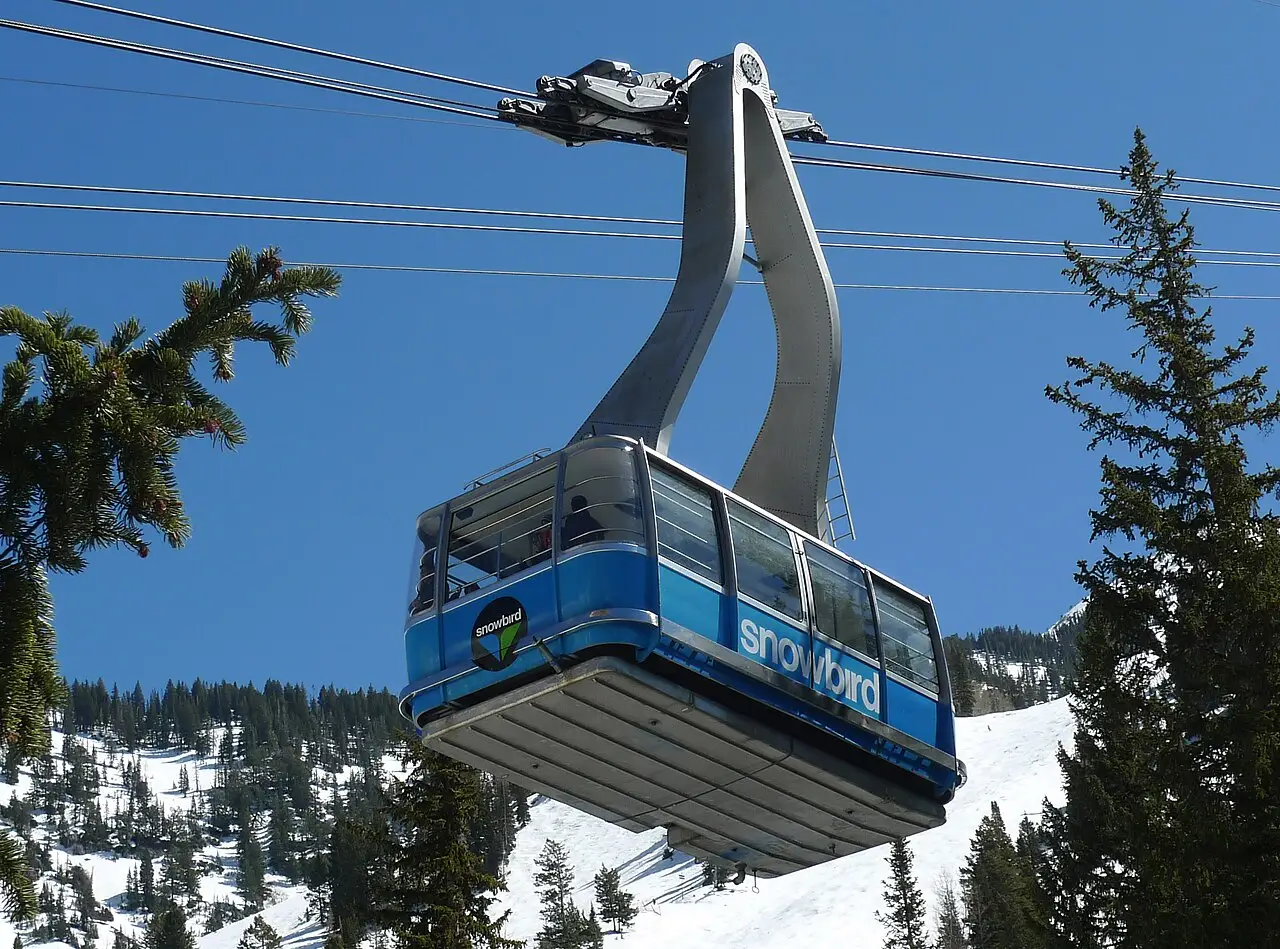
You don’t need a car for any of the four. UTA’s Ski Bus network runs from the valley floor into both canyons - one route serves Snowbird and Alta, another serves Solitude and Brighton, each ride $5 one-way - and TRAX plus a transfer gets you most of the way there even without your own vehicle: Green Line from the airport to Arena Station (16 minutes), Blue Line on to Historic Sandy, then the ski bus. Budget close to two hours door to lift against 45 minutes by car. That’s more than double the time, but zero tires to buy first.
One timetable detail that trips people up: the every-15-minutes Green Line most guides describe is the Monday-to-Saturday service. On Sundays it runs every 30 minutes, and it starts more than 40 minutes later - first train out of the airport at 6:07 a.m. on Sunday against 5:24 Monday through Saturday, and 35 departures in the day against 73. Land on a Sunday breakfast flight and the wait is real.
The traction law that catches rental cars
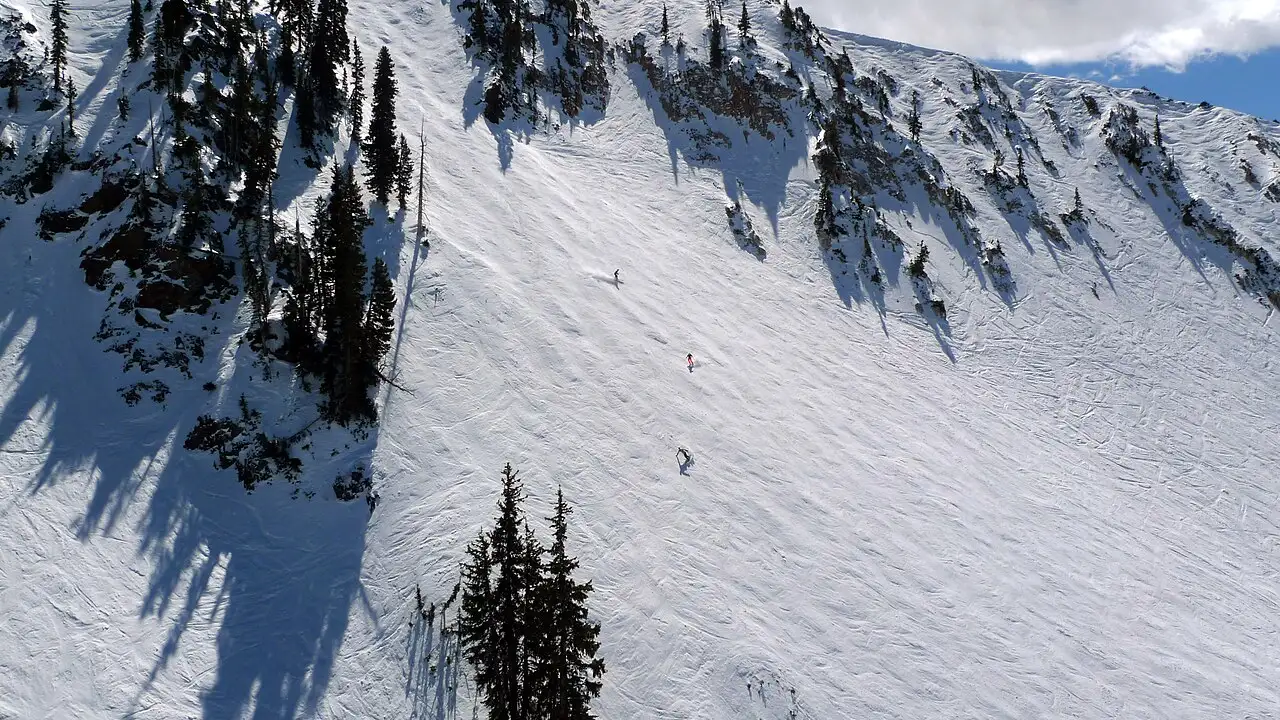
Drive yourself and Utah’s Cottonwood Canyons traction law is triggered by weather, not by a date. UDOT’s own page states the rule as a condition: when the beacons at the canyon mouths are flashing, everything going up Big or Little Cottonwood has to meet the tire standard. No season is written into it and no calendar range: enforcement follows storms, “during the winter season while resorts are open.” Treat any month with snow in the forecast as a traction-law month. The tire math also runs the opposite way from what most renters assume: an AWD or 4WD vehicle clears the bar with plain mud-and-snow tires on all wheels, while a 2WD car needs the stricter 3-peak-mountain-snowflake rating on all four. Chains or snow socks work as the fallback for either. Whichever you’re driving, UDOT wants at least 5/32 inch of tread, and enforcement can start up to 24 hours before the storm even arrives - a standard summer-tread economy rental often won’t clear that bar. Alta’s own materials are blunt about what you’re driving into: Highway 210 up Little Cottonwood is a 13-mile dead end crossing 64 avalanche paths, with the highest avalanche hazard index of any major road in the country. Locals have a nickname for the resulting backup when it closes for avalanche mitigation - the Red Snake.
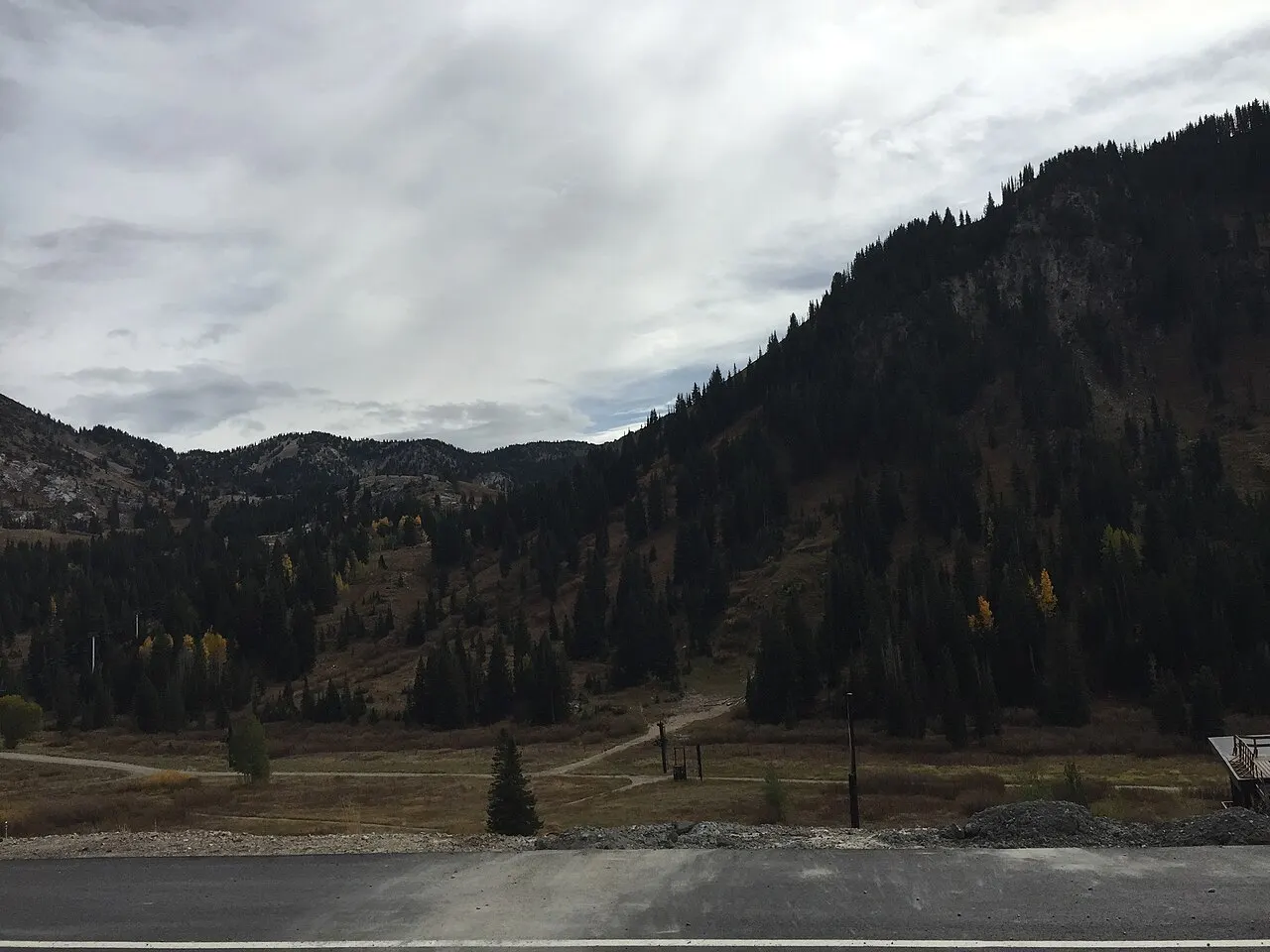
Solitude has changed its own parking rules for the coming season: each winter - the 2026/27 dates are December 18 to March 28 - its main Moonbeam lot requires a reservation before 11 a.m. on Fridays through Sundays and holidays, and the requirement drops away again on March 29. That reservation runs $35 for a car with one to three people; four or more park free, and parking is free for everyone after 11 a.m. any day. Every resort runs its own system, and each one has tweaked the rules since last winter - check the specific lot before you drive up assuming you can just park.
Temple Square today, mid-renovation
Here’s what surprises visitors who last read about Temple Square years ago: the Salt Lake Temple itself is closed, mid-way through a seismic-upgrade renovation the church describes as being in its “final stages” as of mid-2026. You can’t walk inside it. You won’t be able to until a six-month public open house runs from April 5 to October 1, 2027. Reservations for those tours opened on September 1, 2026, through TempleSquare.org and the Temple Square app, up to six tickets per booking; the church’s own newsroom carries the live booking status, and that’s the page to watch if your trip lands inside those six months.
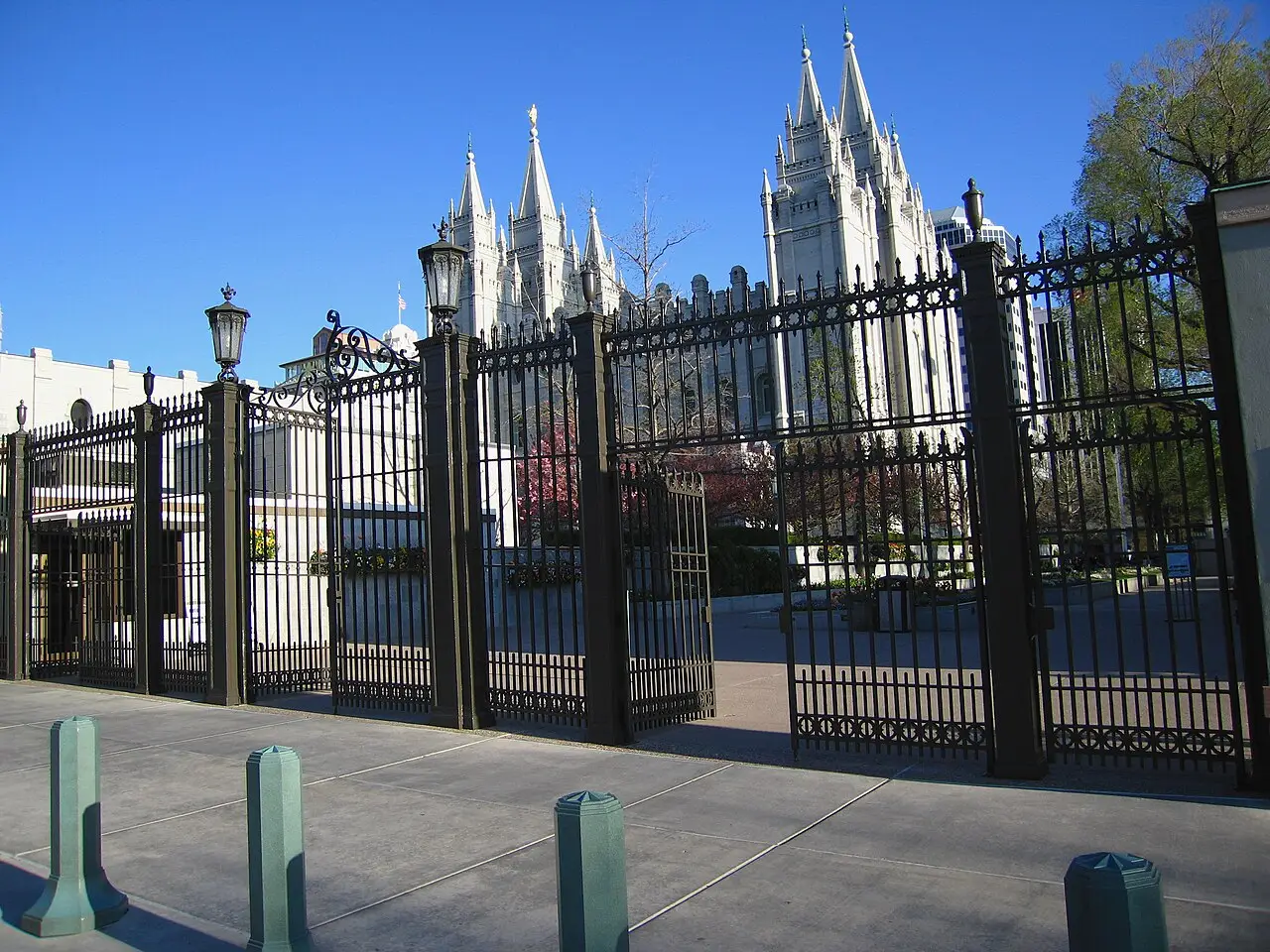
The new Temple Square Visitors’ Center never closed at all - it opened May 18, 2026, and runs daily from 9 a.m. to 9 p.m., free, no reservation needed for the self-guided temple model room and the Christus exhibit. A 30-minute “Inside a Temple” guided experience does need a reservation, with fresh tickets released every other Monday. The domed Tabernacle, next door, still hosts its live Sunday broadcast of Music and the Spoken Word with the Tabernacle Choir and Orchestra - though watching it in person now takes a bit more planning. Since May 17, 2026 the choir has asked for a free reservation - get one if you can, and don’t count on the Sunday standby line, since its capacity is limited. Reservations open six weeks before each broadcast. The part that actually catches visitors out is the clock: it’s a live broadcast, you’re asked to be seated by 9 a.m., and a reserved ticket is only held for you until 9:15.
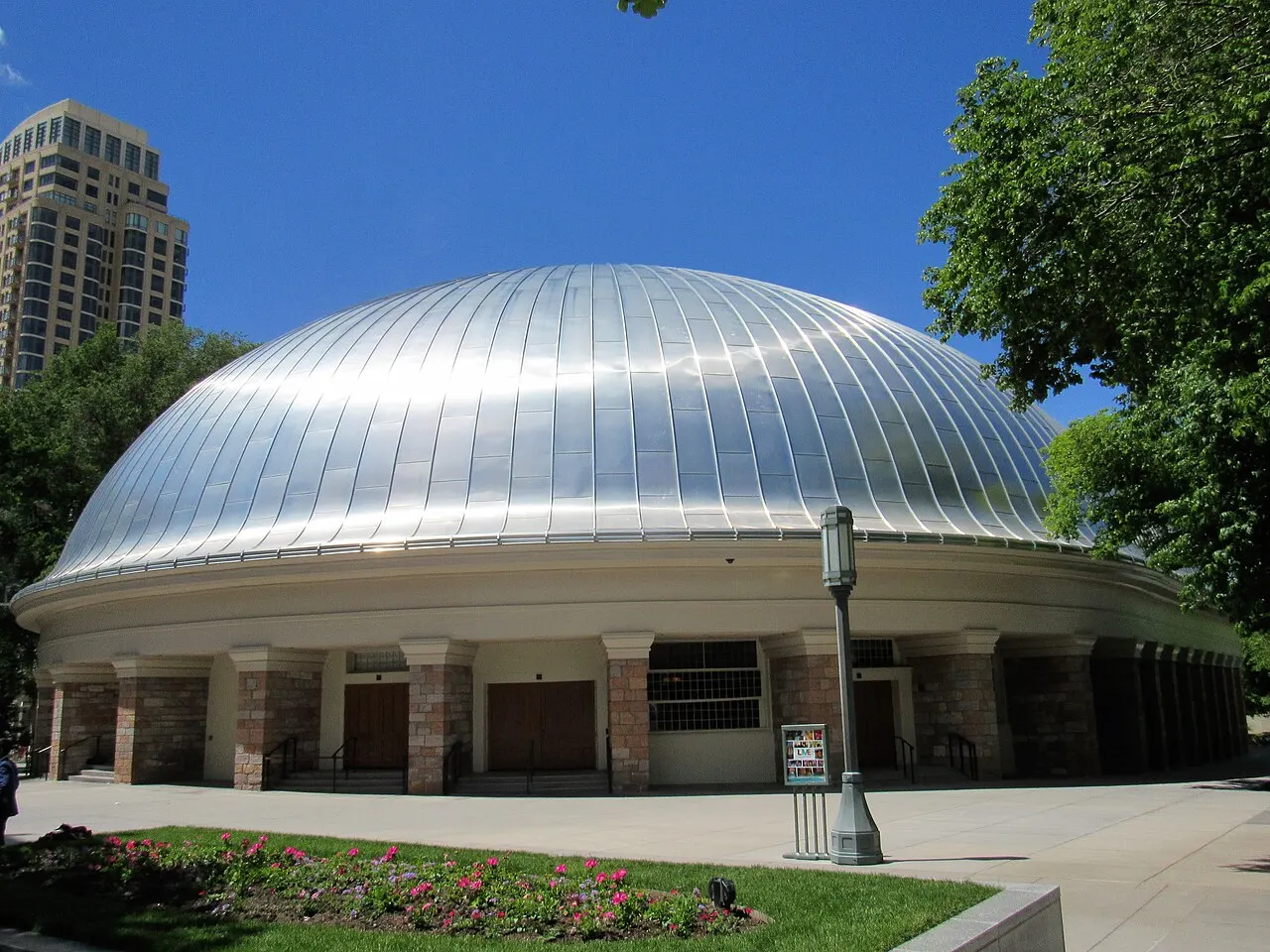
The Conference Center, a few blocks north, is closed to the public entirely from March 30, 2026 to March 1, 2027 on the published schedule, and dates like these move - confirm before you plan around the reopening; the closure excepts general conference sessions and a handful of major events. Don’t build a day around it before that reopening date.
Why the Salt Flats might be closed when you get there
People sometimes lump the Great Salt Lake in with the Bonneville Salt Flats, since the names overlap and both are famously flat and white. They’re not the same place. The lake sits right by the runways, while the Salt Flats are a genuinely separate drive, about 120 miles west on I-80 toward Wendover and the Nevada line - call it an hour and a half to two hours each way. BLM charges nothing for day use and there’s no gate to pass: you take Exit 4 off I-80, follow the signs north toward the Speedway, then turn onto Leppy Pass Road to the parking area. Whether you can actually get onto the salt is a separate question, and it depends on the week.
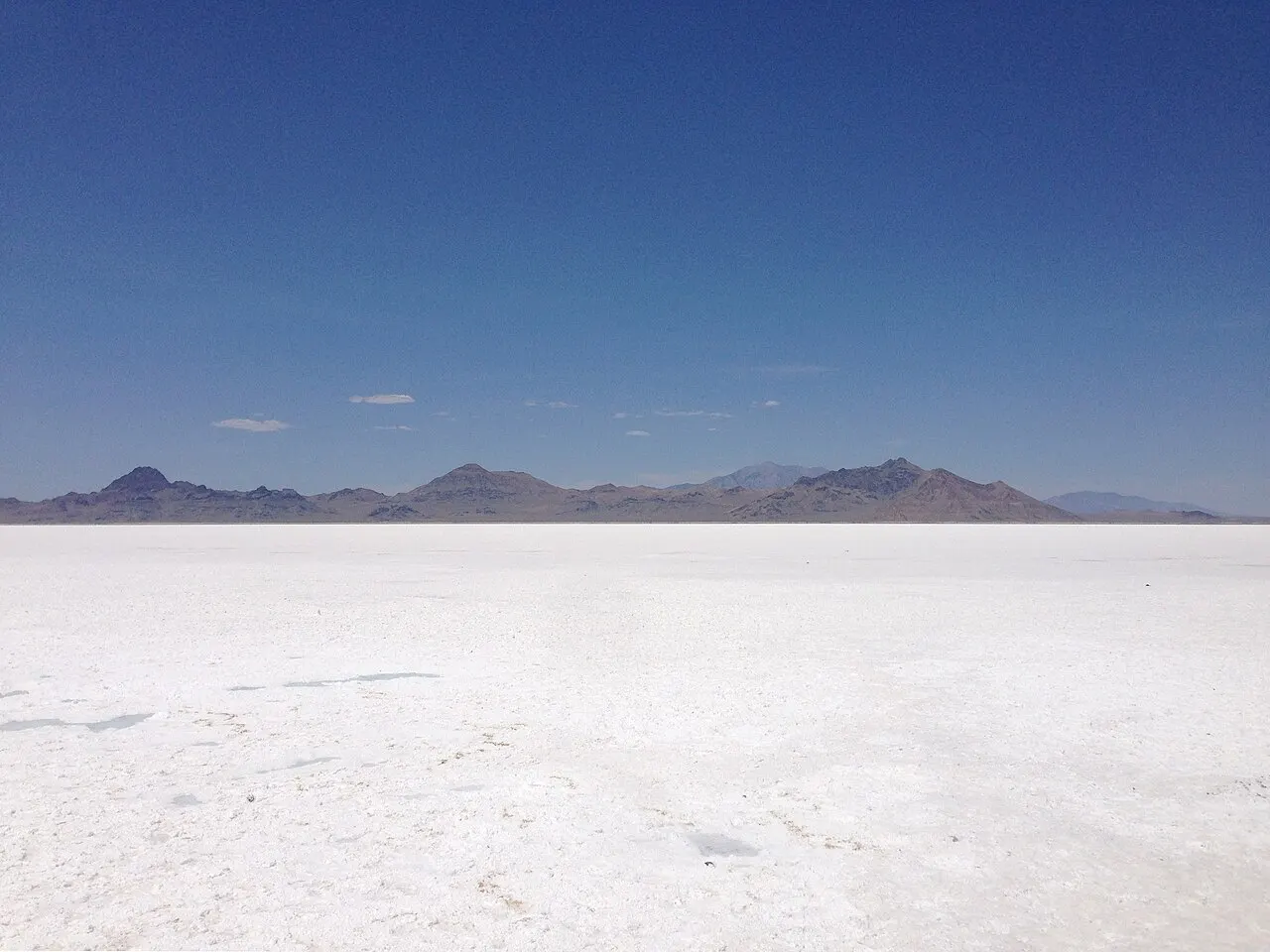
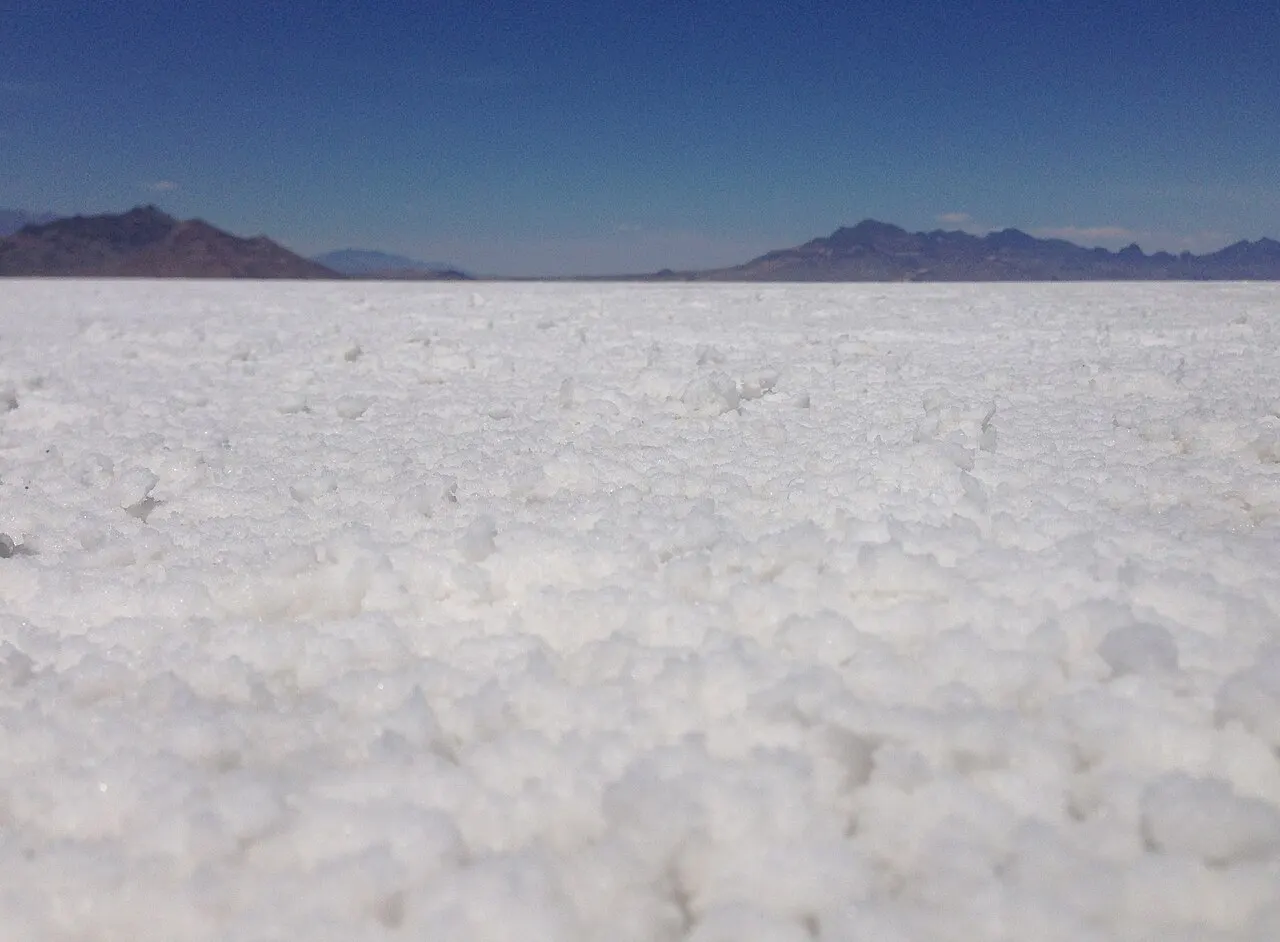
Racing season is longer than most people expect, and it eats the middle of the year. The BLM hands the salt to event organizers for seven separate windows in 2026: USFRA Test and Tune June 25 to July 1, the ECTA Bonneville Mile July 7-13, SCTA Speed Week July 27 to August 8, a private event August 9-15, Motorcycle Speed Trials August 20-28, the USFRA World of Speed August 30 to September 8, and the SCTA World Finals September 23-29. That’s most of the good weather. Five gaps sit between those windows: five days (July 2-6), thirteen days (July 14-26), four days (August 16-19), one day (August 29), and the longest, two full weeks (September 9-22). If you need breathing room, build the trip around that September stretch.
What “closed” means here is worth reading carefully, because BLM’s own wording muddles it. Day use is free all year; the agency’s fee line reads “No fee for day-use.” During an event window, access beyond the designated area is limited, and the entrance fee named in that notice is the race organizer’s gate, not BLM’s. So you can turn up during Speed Week: pay the event’s admission and watch, or stay inside the free strip about 100 feet out from the portal sign. What you can’t do is drive onto open salt as if nothing were happening. Check BLM’s event list before committing two hours of driving each way.
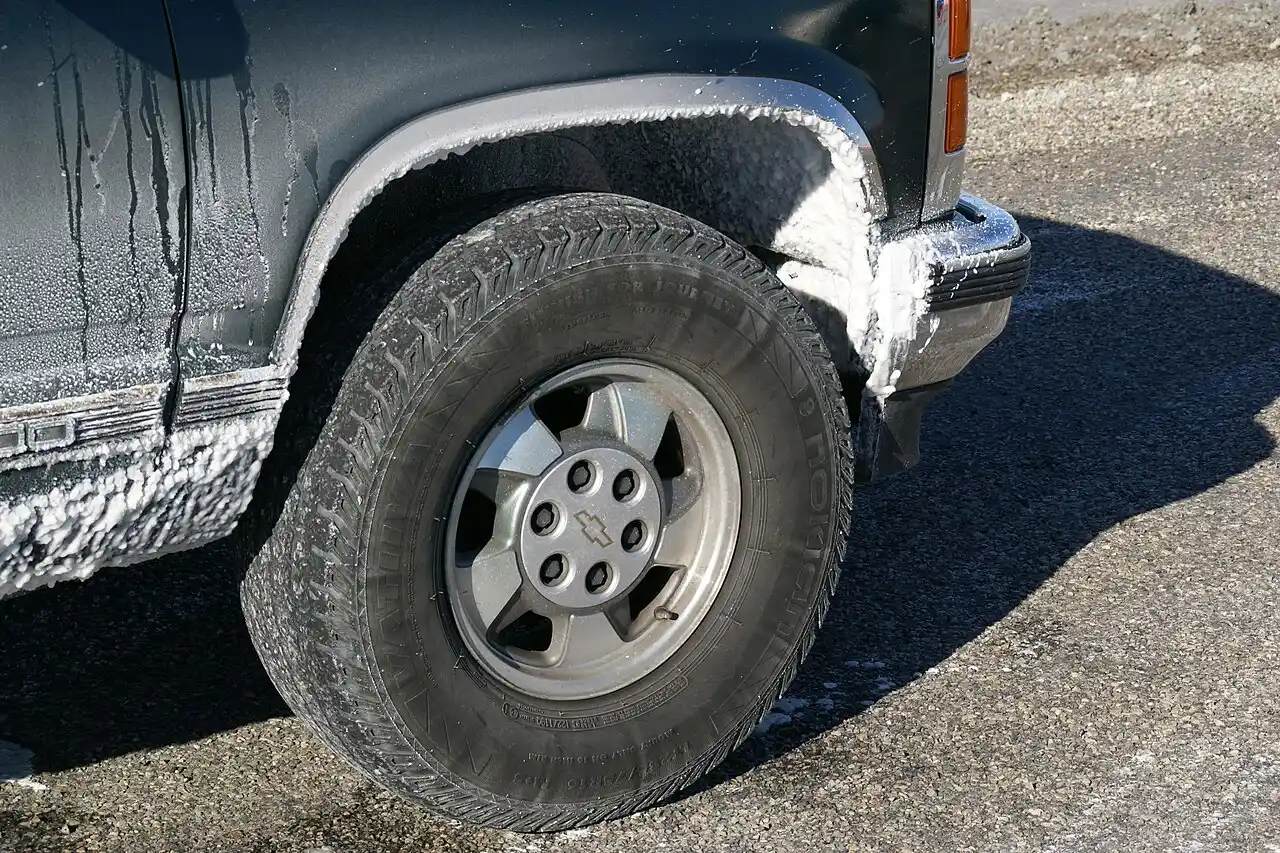
If you do get out onto open salt, budget water and sun protection the way you would for any desert, and rinse the car afterward. This isn’t the de-icing grit you scrub off in a northern winter; it’s a natural brine crust that cakes into wheel wells and underbody seams, and a rental agency will notice it on return.
Downtown without a car
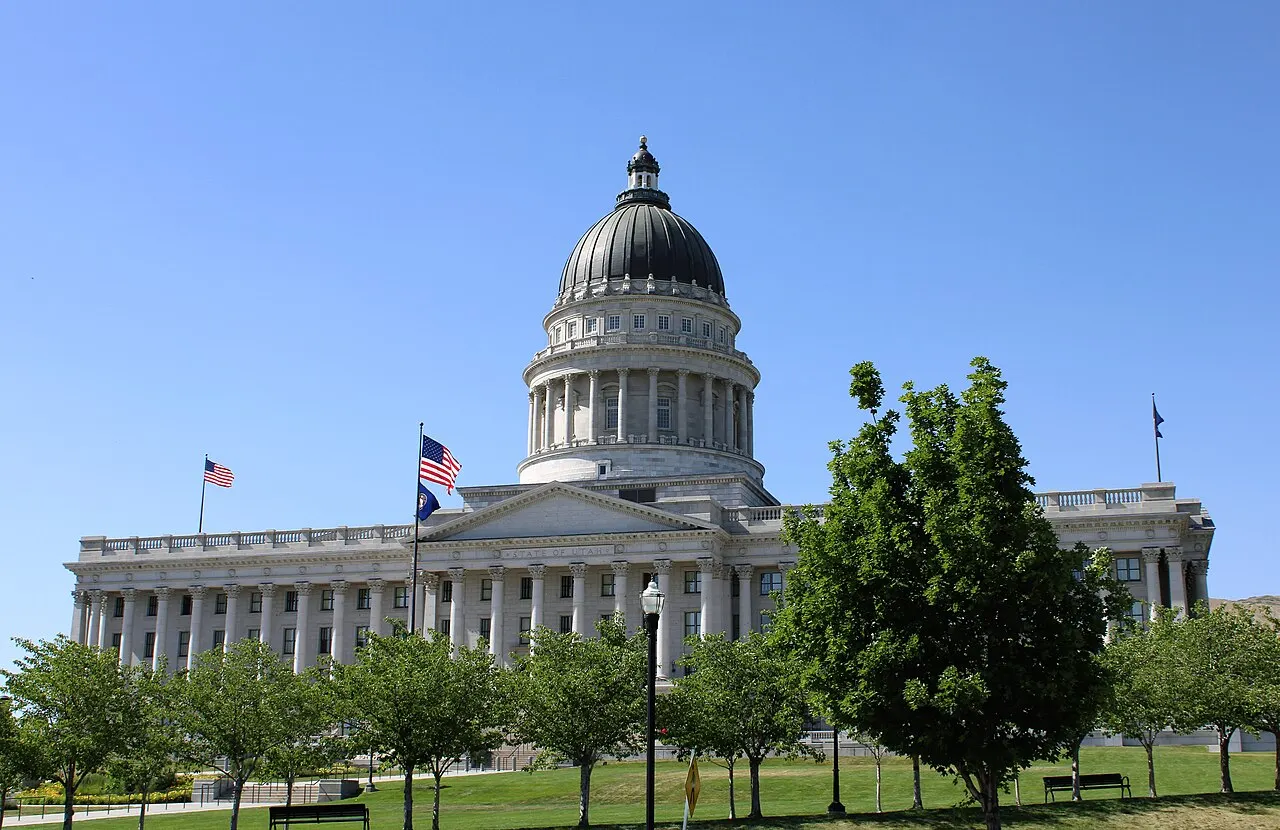
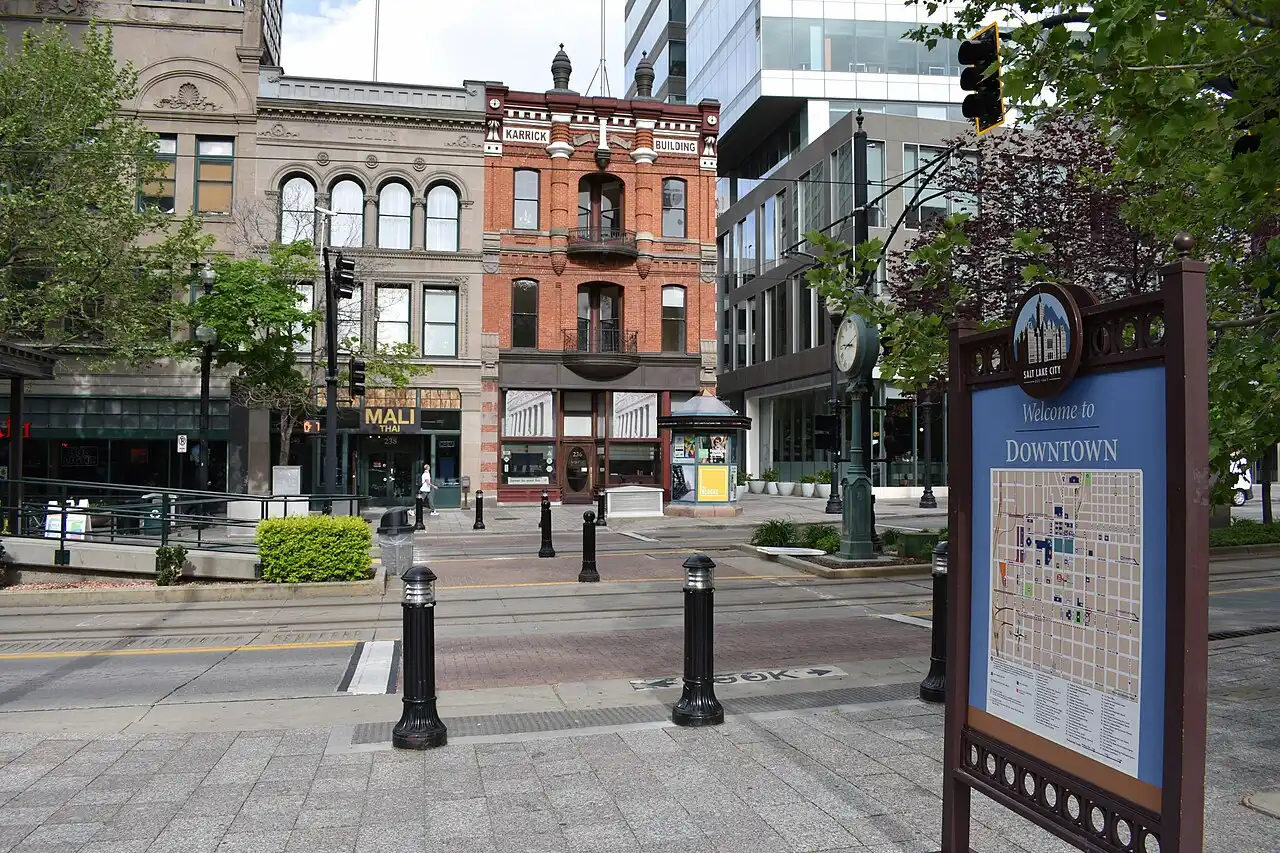
The parts of this trip that stay in the valley don’t need a rental car at all. TRAX’s Green Line connects the airport to downtown directly - every 15 minutes from 5:24 a.m. to 11:24 p.m. Monday through Saturday, every 30 minutes from 6:07 a.m. to 11:07 p.m. on Sundays - and the one-way fare was $2.50 as of August 2026. UTA has proposed raising it to $3 as part of a package of 2027 changes; public comment runs August 10 to September 9, 2026; after that the decision sits with the board, and if it approves the new fare lands in 2027. Check the current number before you tap a card. Downtown itself is a walkable grid: the domed Utah State Capitol sits free to visit on a hill above Temple Square, and Main Street’s blocks of brick storefronts make the “Welcome to Downtown” sign more than decoration.
Where to sleep: skiing versus sightseeing
Downtown and Sugar House put you on the TRAX line, an easy ride from the airport and a normal starting point for a ski bus into either canyon the next morning. A hotel at the mouth of Big or Little Cottonwood Canyon shaves the winter drive to nothing but leaves you needing a car or rideshare for everything downtown - Temple Square, the Capitol, the airport. Most visitors doing both halves of this trip are better off downtown and treating the canyon as a day trip; only book canyon-adjacent if skiing is the entire point and sightseeing is the afterthought.
Treat Salt Lake City as a base, not the whole trip - Utah outside the city backs that up. The Utah travel guide covers the five-hour drive south to the Mighty 5 parks, and if red rock rather than powder is the point, Canyonlands and Capitol Reef make a quieter pair than the crowds at Zion and Arches.
When to come
Ski season runs roughly late November into April, which is when the airport-to-lift distance actually matters. The two Little Cottonwood resorts handle the off-season differently, and it’s worth knowing which one you’re driving to: Snowbird keeps its aerial tram running for foot passengers through the summer, with a full activity program on top of it, while Alta goes quiet and becomes a trailhead with a parking lot. The Salt Flats run opposite: driest from late spring through fall, closed to casual visitors during race weeks, and closed again in spring if the salt is still wet. Temple Square works year-round, but the renovation keeps moving pieces around, and the church’s newsroom updates faster than any travel guide can. If you can only pick one season, come for snow. Visit Salt Lake calls this “the only place in North America where you can access four world-class resorts in less than an hour,” and the wording matters: single resorts sit closer to other airports - Mt. Rose is 25 miles from Reno-Tahoe, Bridger Bowl 25 from Bozeman - but four inside 36 miles is the part nowhere else matches.
On the map
The map loads on click - to keep the page lightweight.
The map didn’t load. Check your connection and refresh the page.
Admission and opening hours
- Admission price
- Temple Square Visitors' Center: free, no reservation for self-guided areas. Utah State Capitol: free. TRAX one-way fare $2.50 as of August 2026; UTA has proposed $3 as part of its 2027 change package (public comment 10 August-9 September 2026; after that it is the board's call, and nothing changes before 2027). Bonneville Salt Flats: BLM charges no day-use fee at any time of year; during permitted race windows the salt beyond the designated area is closed to general access and any admission charged is the event organizer's, not BLM's.
- Opening hours
- Temple Square Visitors' Center open daily 9 a.m.-9 p.m. Utah State Capitol grounds open daily. TRAX Green Line airport trains: Monday-Saturday every 15 minutes, first 5:24 a.m., last 11:24 p.m.; Sunday every 30 minutes, first 6:07 a.m., last 11:07 p.m. (16 minutes to Arena Station).
The Salt Lake Temple itself is closed for a seismic-upgrade renovation; reservations for the 2027 public open house tour opened September 1, 2026, on TempleSquare.org and the Temple Square app. Cottonwood Canyon roads (to Alta, Snowbird, Solitude and Brighton) fall under Utah's traction law whenever UDOT flashes the beacons at the canyon mouths; UDOT's rule is condition-based and carries no calendar window at all. 2WD needs 3PMSF tires on all wheels, AWD/4WD needs M+S or 3PMSF, minimum tread 5/32 inch, and enforcement can start 24 hours before a storm. Free tickets for "Music and the Spoken Word": the ticketing page carries both readings - its banner says tickets are required from May 17, 2026, its body text says "highly encouraged" - released six weeks ahead, with a standby line each Sunday; be seated by 9 a.m., reserved seats held only to 9:15 a.m.
Details checked: August 29, 2026
Read also

Cities · 9 min read
Atlanta: Civil Rights Trail, Aquarium and Southern Food
Verified · August 28, 2026Free MLK park on Auburn Avenue, Civil Rights Center from $26, Georgia Aquarium tickets from $54.99, BeltLine walks and where Southern food still holds up.

Cities · 9 min read
Minneapolis Guide: River, Lakes & the Blue Line
Verified · August 26, 2026A $2 train from MSP, Stone Arch and Minnehaha Falls, Walker on free Thursday nights, and when Mall of America is worth the ride south.

Cities · 12 min read
Savannah Travel Guide: Squares and the Historic District
Verified · August 22, 2026Walk the 22 squares, tour Owens-Thomas honestly, ride the free river ferry, then Bonaventure and Tybee - checked August 2026.

Cities · 12 min read
Portland, Oregon: Food Carts, Gardens and Day Trips
Verified · August 16, 2026Oregon, not Maine. MAX from PDX is $2.80, Japanese Garden $22.50, the rose garden is free, and Multnomah Falls needs a $2 permit.