
Minneapolis Guide: River, Lakes & the Blue Line
A $2 train from MSP, Stone Arch and Minnehaha Falls, Walker on free Thursday nights, and when Mall of America is worth the ride south.
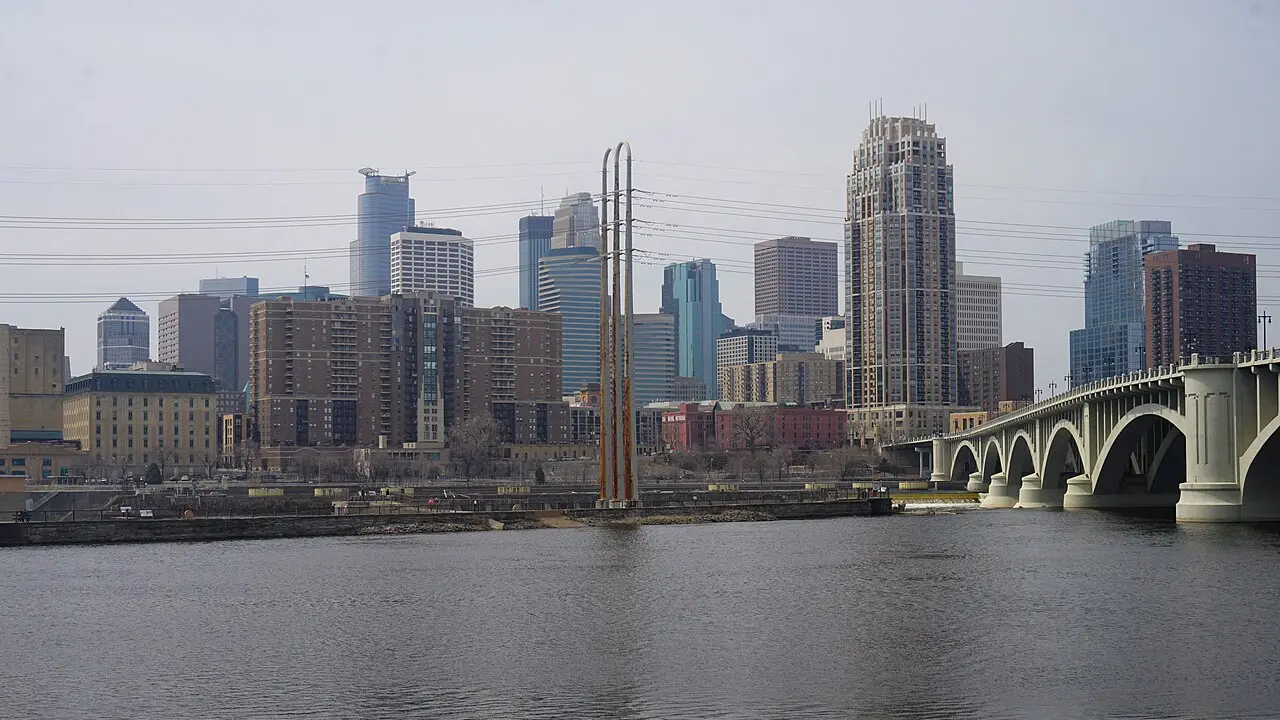
Minneapolis rewards three days if you’ll treat it as a river city with lakes attached, not as a smaller Chicago. You’ll walk the Stone Arch Bridge, ride the $2 Blue Line from the airport, eat in the North Loop, and spend one afternoon on a waterfall that Longfellow made famous. St Paul sits across the Mississippi with its own Capitol and neighborhoods, but most visitors sleep on the Minneapolis side because the museums, the stadium district and the train from MSP all land here.
The honest winter note belongs up front: January highs sit around 24°F and the wind off the river is real. Summer is the easy season for walking, and you’ll share the paths with locals who treat the Chain of Lakes like a backyard. Either way, the city is built for light rail and buses more than for taxis, which keeps the math friendly if you’re coming from overseas and counting every dollar.
The Blue Line from MSP
Metro Transit runs the Blue Line between Minneapolis-Saint Paul International Airport and Mall of America, with downtown Minneapolis (Target Field station) less than 30 minutes north of the airport. Trains run about every 15 minutes through most of the day, and the ride between Terminal 1 and Terminal 2 is free around the clock.
Buy a $2.00 ticket at the station machine or in the Metro Transit app. That fare covers light rail and local buses for 2.5 hours, which is enough to reach your hotel and grab lunch without a second tap. If you’re only changing terminals, don’t buy anything.
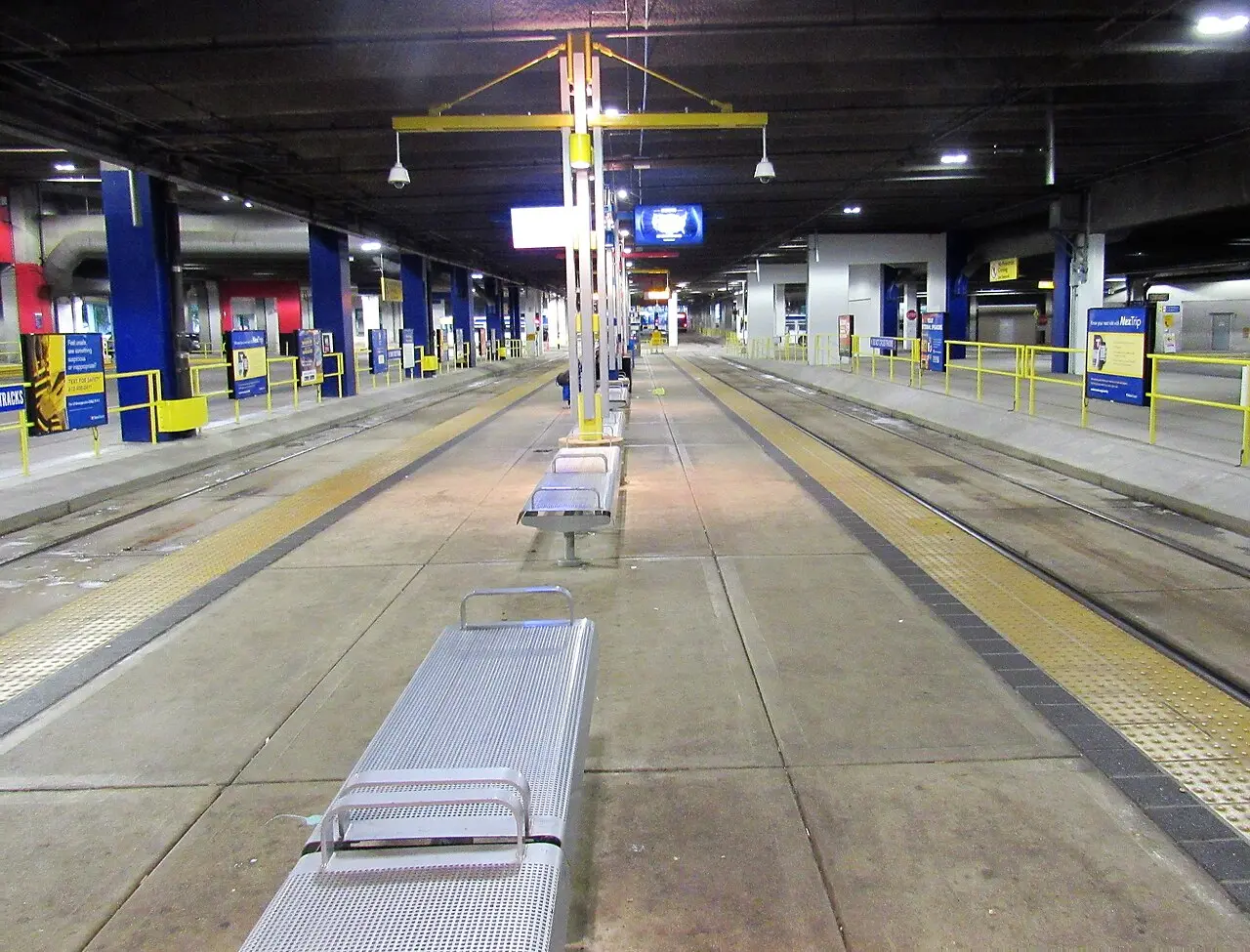
Downtown hotels cluster around Target Field, Nicollet Mall, and the North Loop. All sit on or within a short walk of the Blue Line or the Green Line east into St Paul. You don’t need a rental car for a city-only weekend, and you’ll save the parking fees that add up fast in the warehouse districts.
Stone Arch Bridge and St Anthony Falls
The Stone Arch Bridge is an 1883 railroad span turned pedestrian path, and it’s the photograph everyone wants at golden hour. Walk it for the views of St Anthony Falls - the Mississippi’s only major natural waterfall, though what you see now is the concrete apron that replaced it, framed by mill ruins and office towers. That drop powered the flour industry that built the city: Minneapolis passed Budapest in 1884 to become the world’s leading flour producer, and milling here peaked around 18.5 million barrels a year in 1916.
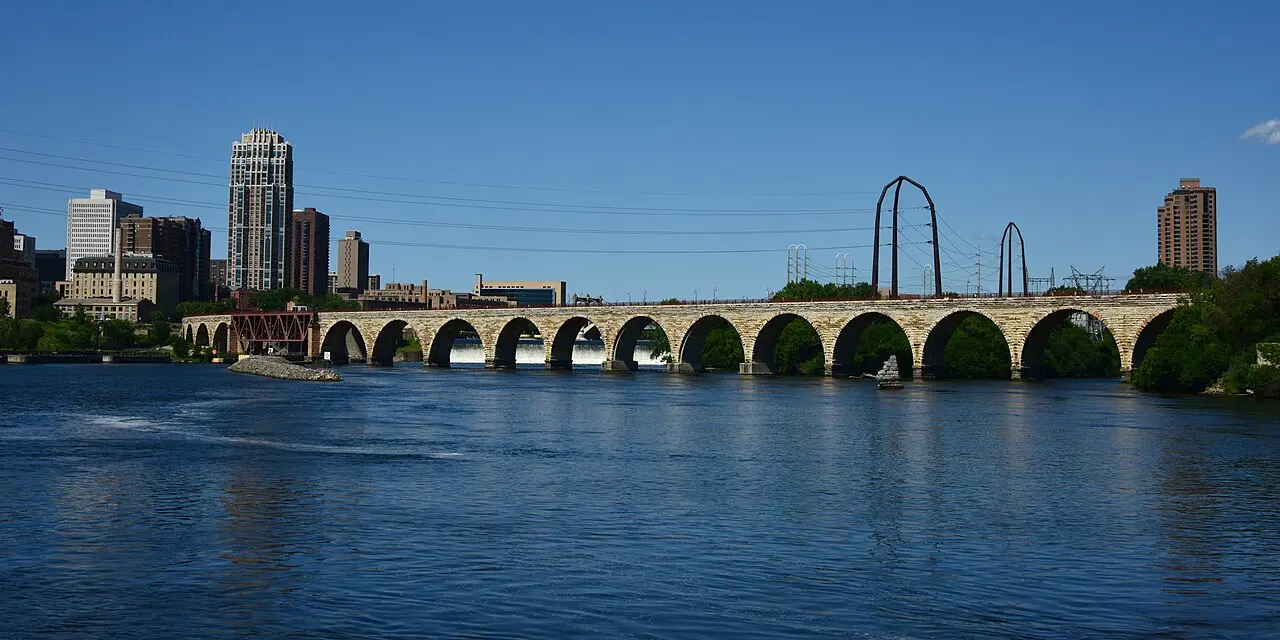
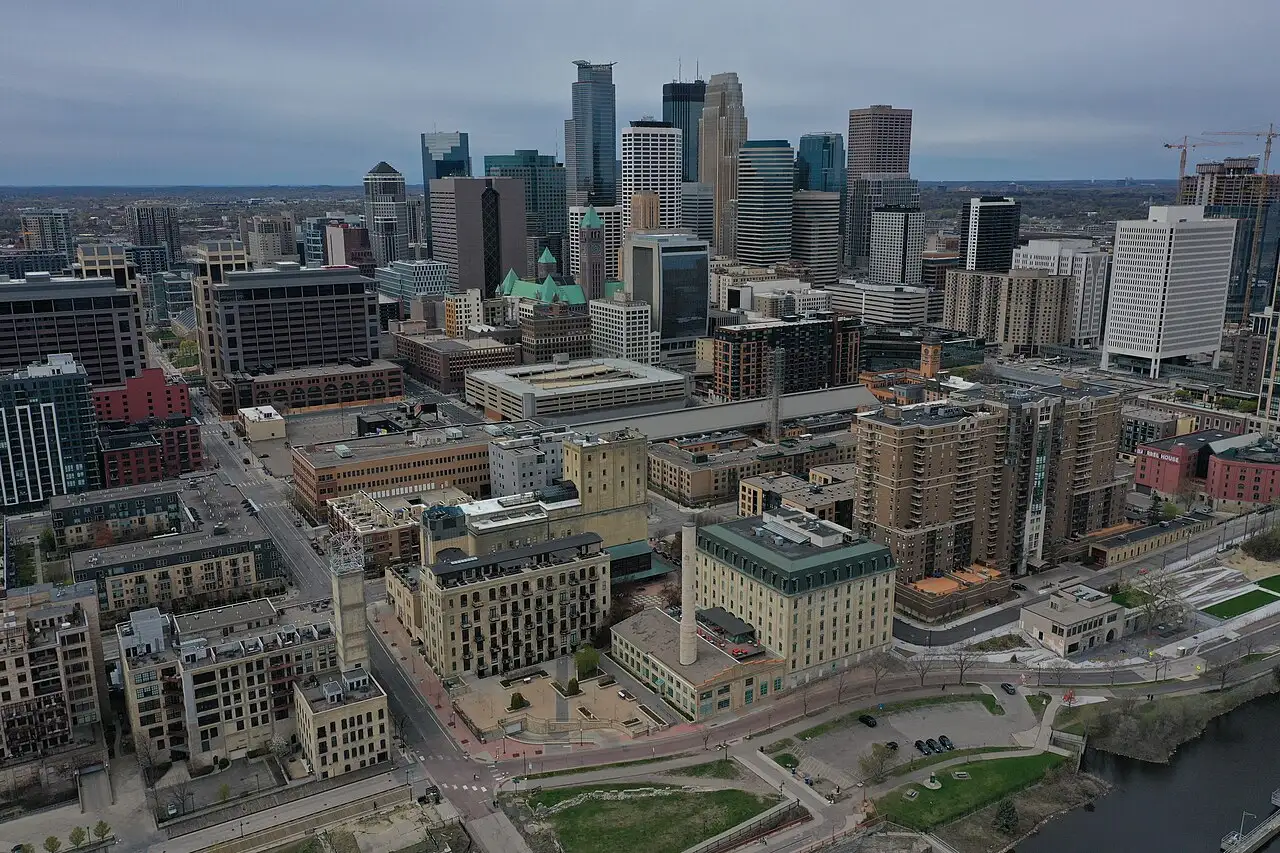
Pair the bridge with Mill City Museum in the Washburn A Mill ruin. MNHS runs it as a vertical tour through flour milling, with an elevator ride that’s more entertaining than it sounds. Admission is $15 for adults ($12 seniors 65+, veterans, active military and college students, $8 ages 5-17); confirm hours on mnhs.org before you go. About a mile and a half south, in Whittier, the Minneapolis Institute of Art is free for the permanent collection, which makes it the best rainy-day anchor in the city if Walker isn’t on your schedule.
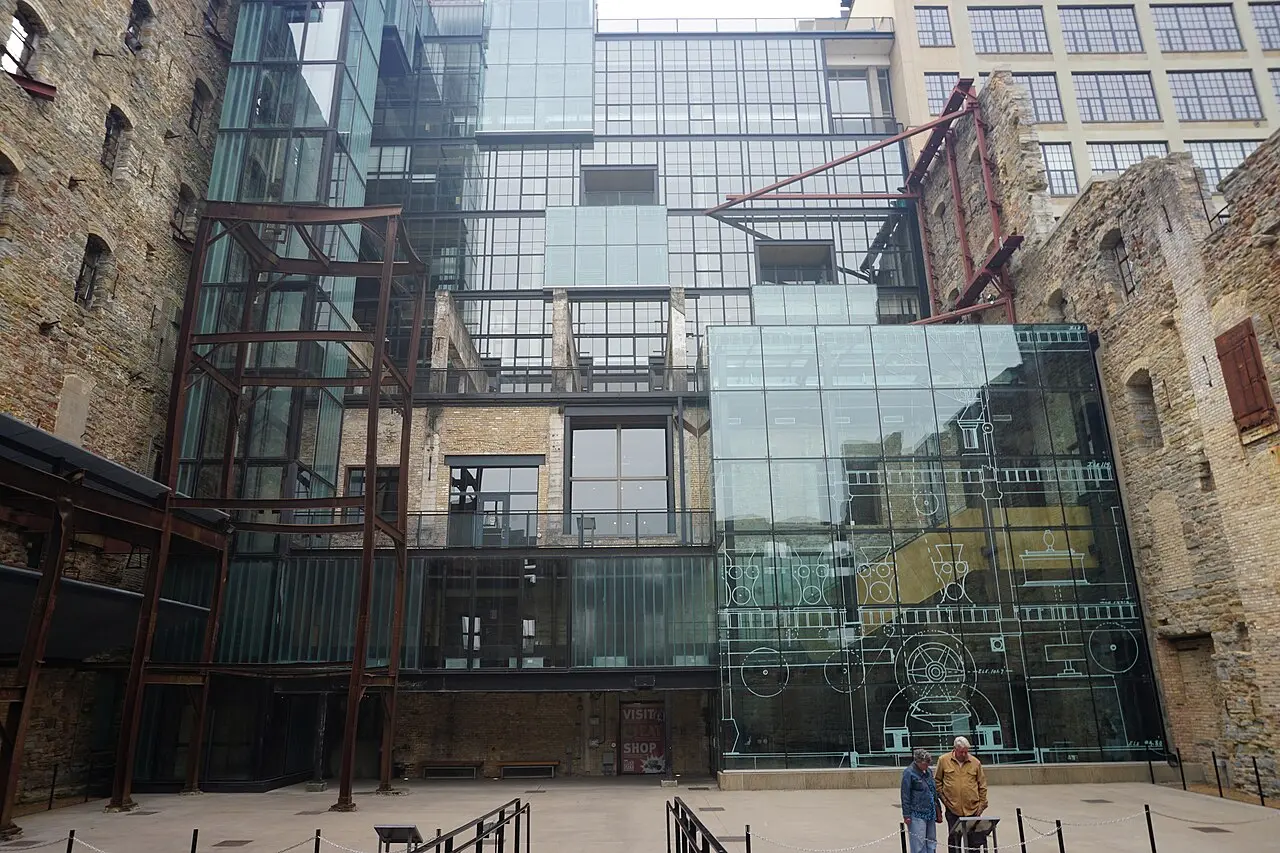
Walker, Spoonbridge and the Guthrie
The Walker Art Center and the adjacent Minneapolis Sculpture Garden sit west of downtown. Spoonbridge and Cherry by Claes Oldenburg and Coosje van Bruggen is the postcard, and it’s free to walk the garden. The Walker’s galleries run $18 for adults, but Thursday nights from 5 to 9 p.m. are free, as is the first Saturday of each month. If your dates align, you’ll see why locals treat Thursday like a weekly art party.
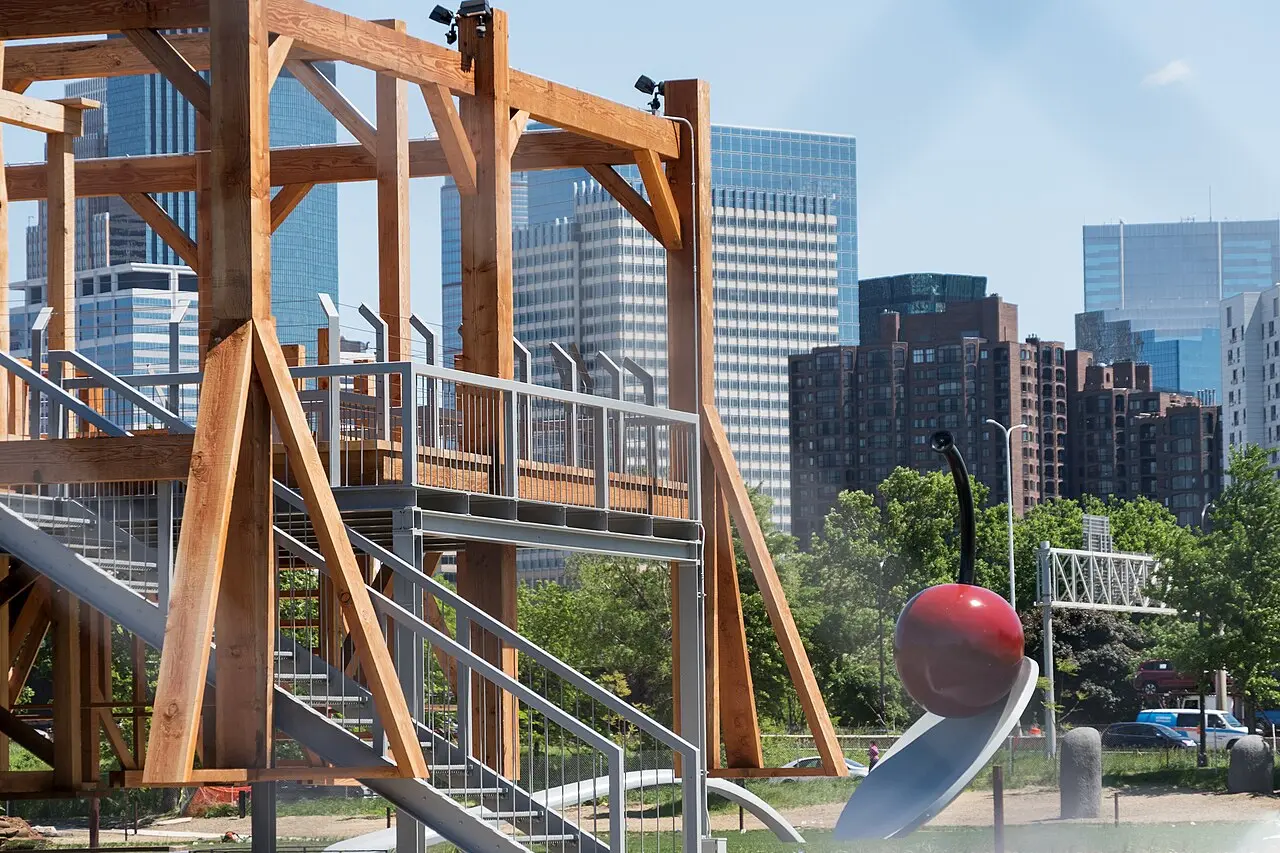
Down on the riverbank, the Guthrie Theater’s Jean Nouvel building juts toward the water on a deep-blue prow. You don’t need a ticket to ride the Endless Bridge observation walkway during public lobby hours (closed Mondays), and the Mill City Museum views from Gold Medal Park across the lawn are free. It’s the best place to understand how Minneapolis stacks culture on top of industry without pretending the industry never happened.
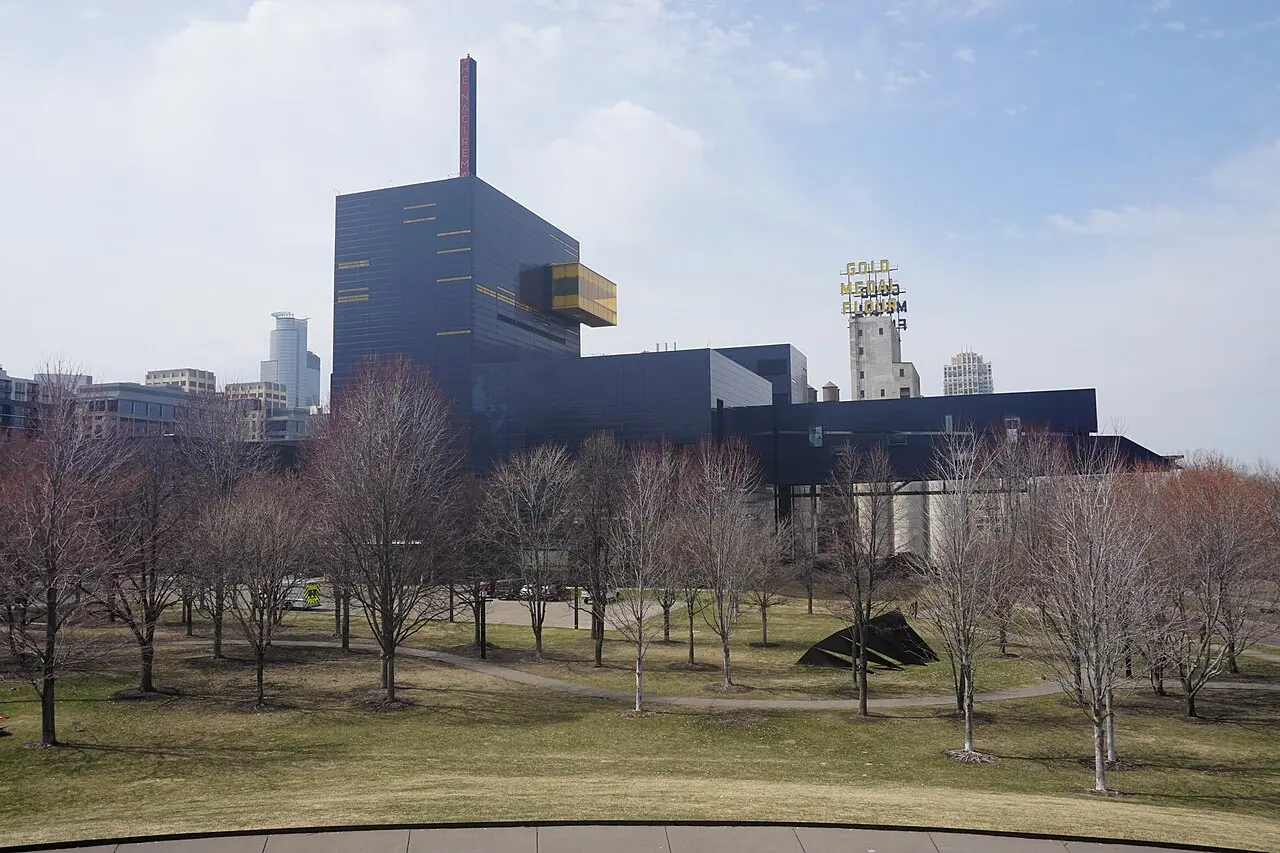
Minnehaha Falls and the southside parks
Minnehaha Falls drops 53 feet in a wooded gorge that feels miles from downtown even though the Blue Line stops nearby at 50th/Minnehaha or VA Medical Center. The paths are flat until they’re not; wear shoes that handle stairs and spray. Sea Salt Eatery at the base serves fish tacos in season and draws lines on sunny Saturdays.
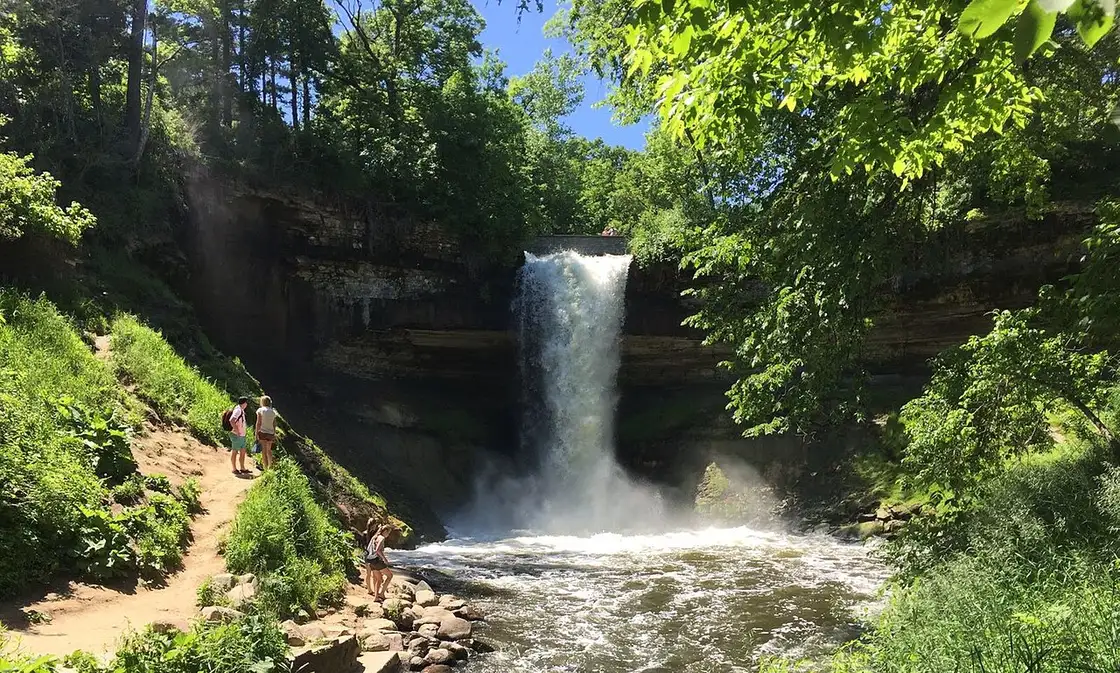
If you’re building a longer Minnesota trip, treat Minneapolis as the arrival city and the falls as your half-day warm-up before you head north toward lake country.
Chain of Lakes and the Grand Rounds
Southwest of downtown, the Chain of Lakes links Bde Maka Ska, Lake Harriet, and Lake of the Isles on paths that stay busy from April through October. Locals jog the loops before work; visitors rent bikes and treat the ride as a free sightseeing tour. The paths are separate from car traffic, which matters when you’re traveling with kids who won’t tolerate narrow shoulders.
The Grand Rounds National Scenic Byway wraps 13 miles of parkway around the chain and connects to Minnehaha Creek downstream. The full byway runs some 50 miles, so you won’t ride all of it in a weekend - but one lake sunset explains why Minneapolis keeps topping Midwest park-city rankings despite the cold reputation.
Target Field, the North Loop and nights out
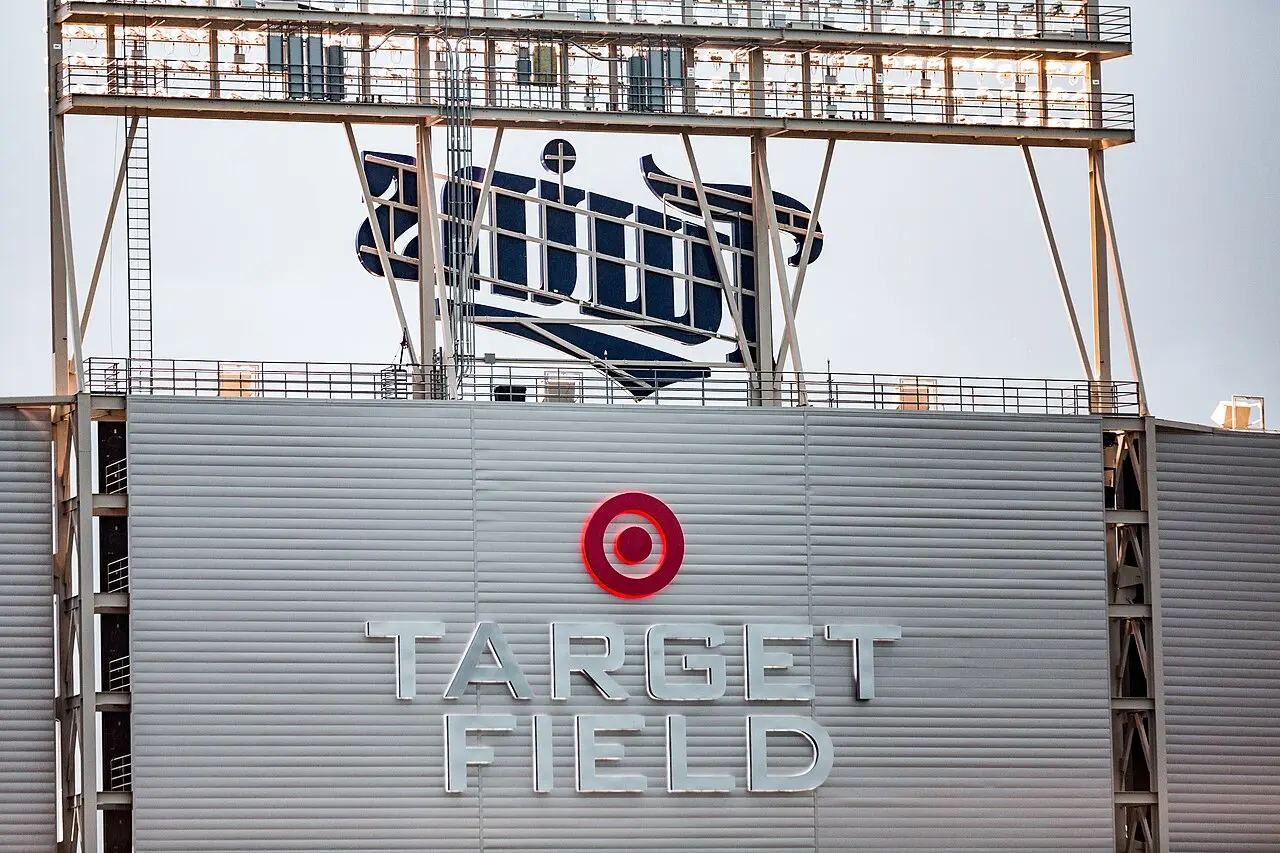
Target Field opened in 2010 for the Minnesota Twins, and even non-fans walk the plaza for the views and the beer halls. The North Loop warehouse district wraps around the stadium with restaurants that don’t rely on deep-fry alone: you’ll find Nordic-inflected cooking, good coffee, and bakeries that sell out by noon.
First Avenue, the club Prince made famous, still books live music downtown. You’ll want tickets in advance for national acts. Comedy clubs scatter around Uptown and Northeast if you prefer a seated night.
Mall of America: when the train south makes sense
Mall of America in Bloomington is 12 minutes south of the airport on the Blue Line. It’s not a neighborhood; it’s a climate-controlled retail planet with an indoor amusement park and an aquarium. Go if you’re traveling with kids, if you need weather-proof shopping, or if your flight lands late and you want a hotel attached to the line without downtown parking.
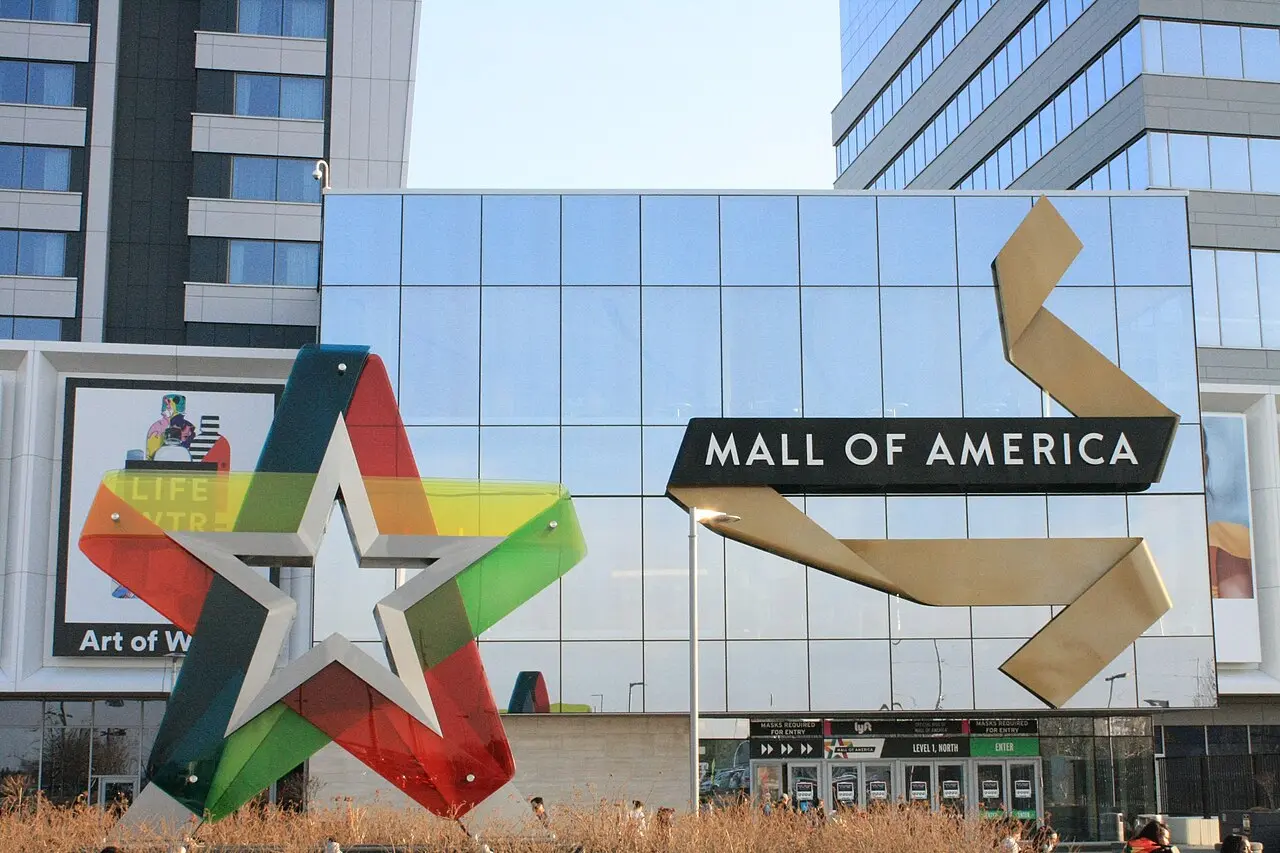
Skip it if you’re here for riverfront character. You’ll get more Minneapolis in two hours on the Stone Arch Bridge than in a whole afternoon circling MOA escalators.
Building a longer lake trip
Minneapolis is the practical front door for wider Minnesota: Boundary Waters paddlers fly into MSP, Duluth drivers pick up I-35 here, and Chicago visitors sometimes pair the Twin Cities with a Lake Michigan beach day at Indiana Dunes on the drive east. None of that is walkable from Nicollet Mall, but the flights and trains make sense only if you treat the city as a hub.
| Trip shape | Nights in Minneapolis | What you add |
|---|---|---|
| City only | 2-3 | Stone Arch, Walker, one park day |
| State sampler | 2 + road days | North Shore or Voyageurs via Minnesota |
| Chicago combo | 1-2 | Dunes day trip on the lake shore |
June through September is the window when you’ll use every hour of daylight. October brings fall color along the river. January is for hockey, museums, and travelers who already own a proper coat.
On the map
The map loads on click - to keep the page lightweight.
The map didn’t load. Check your connection and refresh the page.
Admission and opening hours
- Admission price
- Metro Transit light rail $2.00 adult (includes 2.5-hour transfer). Walker Art Center gallery $18 adult, free under 18 and free Thursday nights 5-9 p.m. Mill City Museum adult $15, senior/veteran/student $12, children 5-17 $8. Minneapolis Institute of Art general admission free.
Mill City hours and Walker special exhibitions move with the season. Confirm on mnhs.org and walkerart.org before you lock in a museum morning.
Details checked: August 26, 2026
Read also

Cities · 13 min read
Salt Lake City: Ski Base, Temple Square and the Salt Flats
Verified · August 29, 2026Four ski resorts inside 36 miles of the airport, a temple you cannot enter until 2027, and a salt flat that closes for racing. What to plan around.

Cities · 9 min read
Atlanta: Civil Rights Trail, Aquarium and Southern Food
Verified · August 28, 2026Free MLK park on Auburn Avenue, Civil Rights Center from $26, Georgia Aquarium tickets from $54.99, BeltLine walks and where Southern food still holds up.

Cities · 12 min read
Savannah Travel Guide: Squares and the Historic District
Verified · August 22, 2026Walk the 22 squares, tour Owens-Thomas honestly, ride the free river ferry, then Bonaventure and Tybee - checked August 2026.

Cities · 12 min read
Portland, Oregon: Food Carts, Gardens and Day Trips
Verified · August 16, 2026Oregon, not Maine. MAX from PDX is $2.80, Japanese Garden $22.50, the rose garden is free, and Multnomah Falls needs a $2 permit.