Minnesota 2026: Lakes, BWCA Permits & Twin Cities
Fly into MSP, paddle the Boundary Waters with a 2026 quota permit, or drive the North Shore. Voyageurs has no gate fee - but you still need a boat.
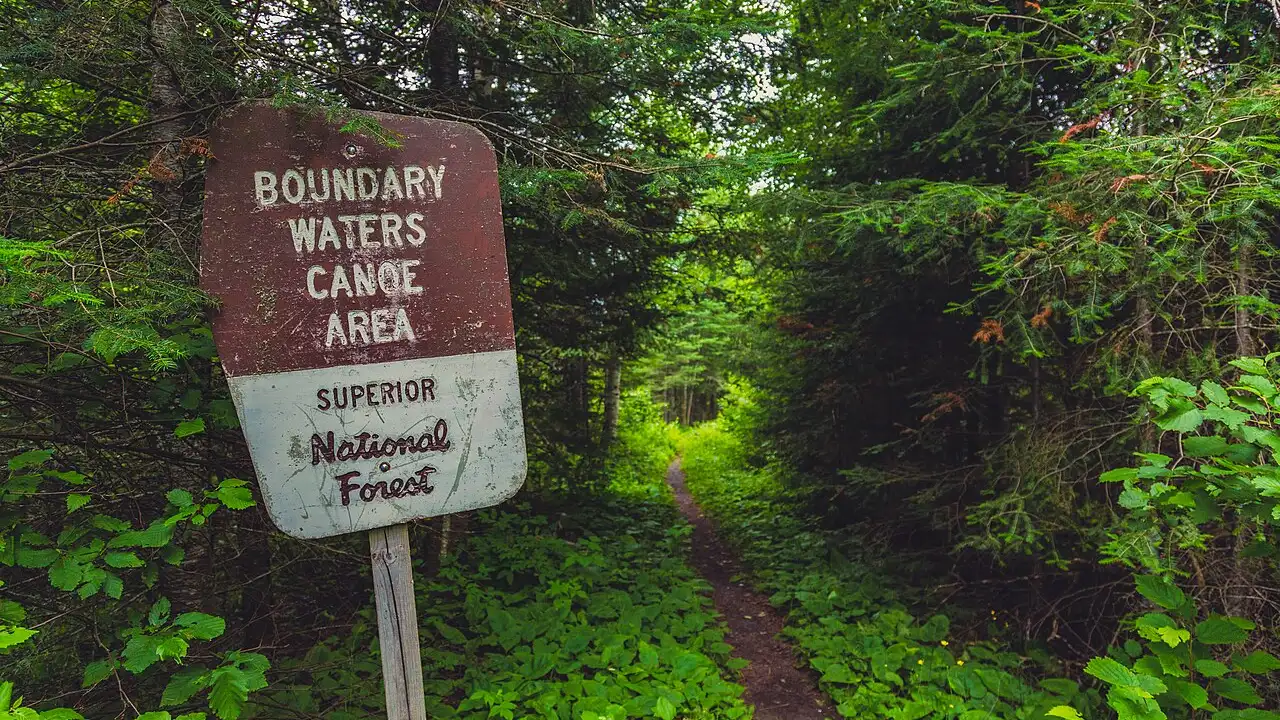
Ten thousand lakes is the license-plate boast; the useful version is that Minnesota splits into three trips that share one airport. Most overseas visitors land at Minneapolis-Saint Paul, spend a night in the Twin Cities, and then split into three different trips: paddle the Boundary Waters, boat through Voyageurs, or drive the North Shore of Lake Superior. Those are not interchangeable. BWCA wants canoes and quota permits. Voyageurs wants a motorboat or a houseboat rental. The North Shore wants a car and a hotel in Duluth or Grand Marais.
Pick one primary water trip. Stack a city night at the start, not at the end, when you’re tired and the return flight is early.
Start at MSP, not Duluth
Minneapolis-Saint Paul International Airport (MSP) carries the international flights and the cheap domestic connections. Duluth (DLH) works if you’re already in the Upper Midwest, but transatlantic travelers rarely land there.
From MSP, the Blue Line light rail reaches downtown Minneapolis in under 30 minutes for $2.00. That buys you a riverfront dinner and a night near Target Field before you collect a rental car. Driving straight north on I-35 puts you on the North Shore in about 2.5 hours without traffic. Voyageurs and Ely BWCA entry points sit 4-5 hours north of the cities on good days.
The Boundary Waters is a permit, not a park gate
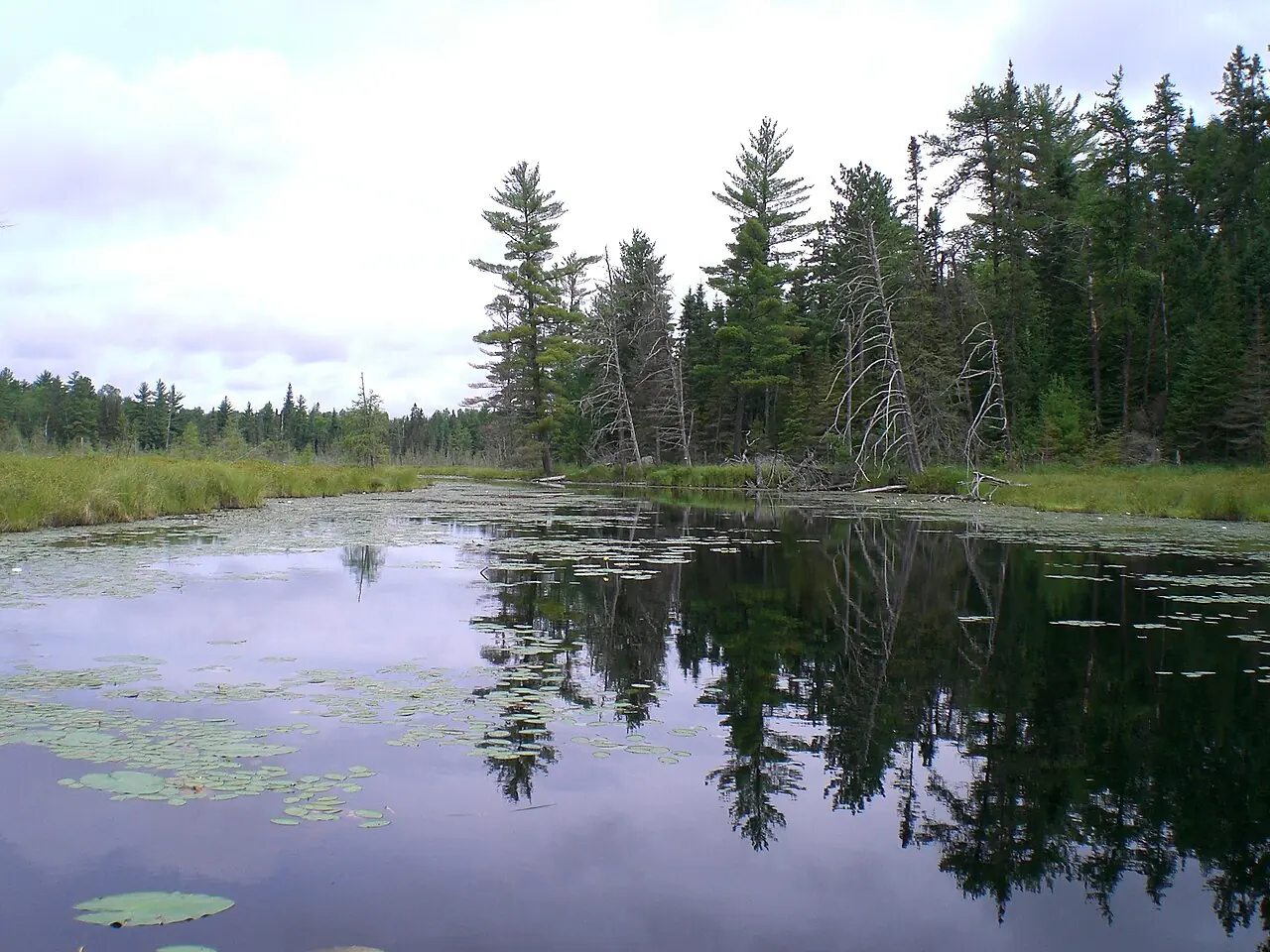
The Boundary Waters Canoe Area Wilderness sits inside Superior National Forest along the Canadian border. There is no single entrance station with a daily fee like a national park. Instead, you need a quota permit for overnight travel between May 1 and September 30, 2026.
The Forest Service opened 2026 reservations on January 28, 2026 at 9 a.m. Central on Recreation.gov. Each permit costs a $6 non-refundable reservation fee plus recreation fees of $16 per adult and $8 for ages 0-17; US seniors and Access Pass holders also pay $8 on presentation of the pass. Groups are capped at nine people and four watercraft. Pick your entry point carefully: popular launches near Ely and Grand Marais sell out for July weekends months ahead.
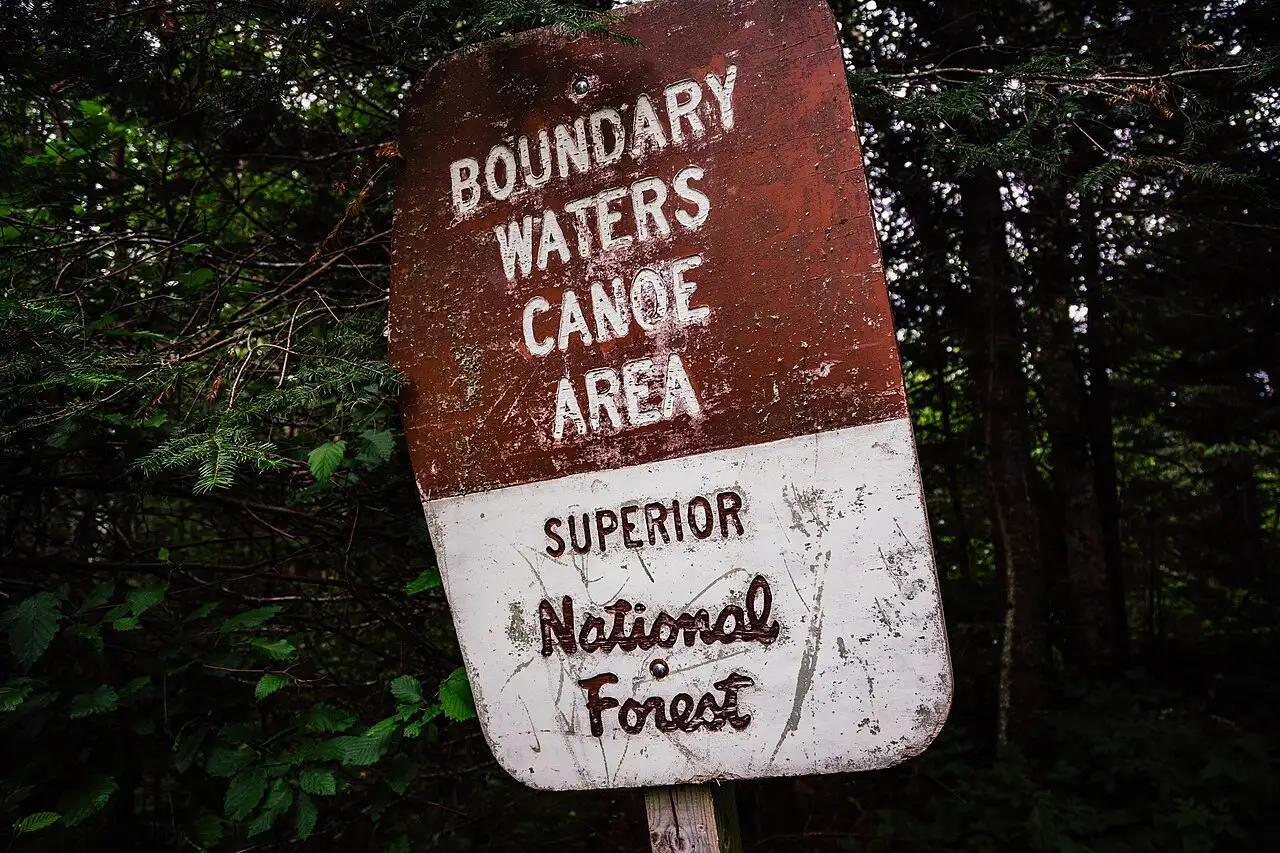
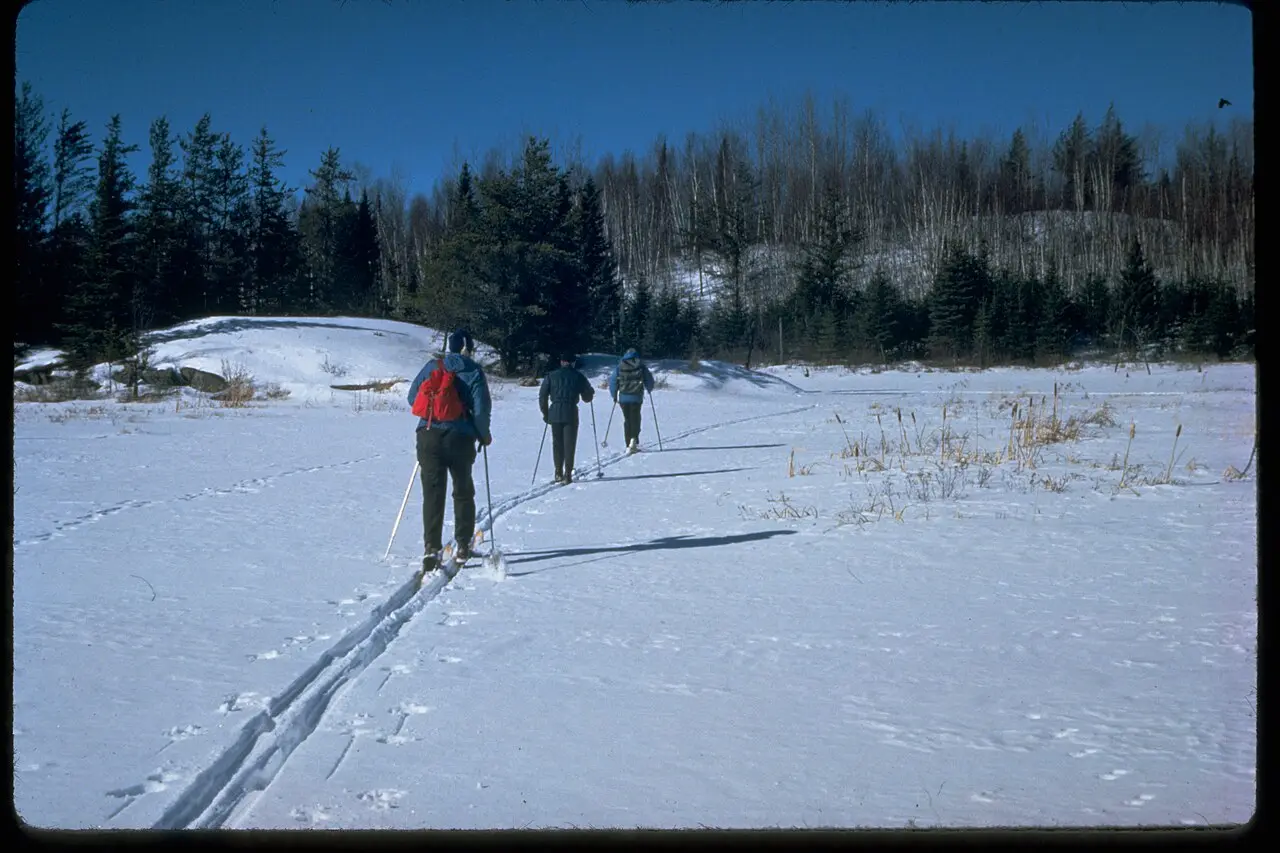
From October 1 through April 30, overnight visitors use a self-issued permit at the entry kiosk with no recreation fee. Winter travel is for experienced parties only; ice and short daylight change the math completely.
Outfitters in Ely and Tofte rent canoes and drop you at entry points if you don’t want to roof-rack your own. Like-for-like: renting beats buying a canoe you’ll ship home.
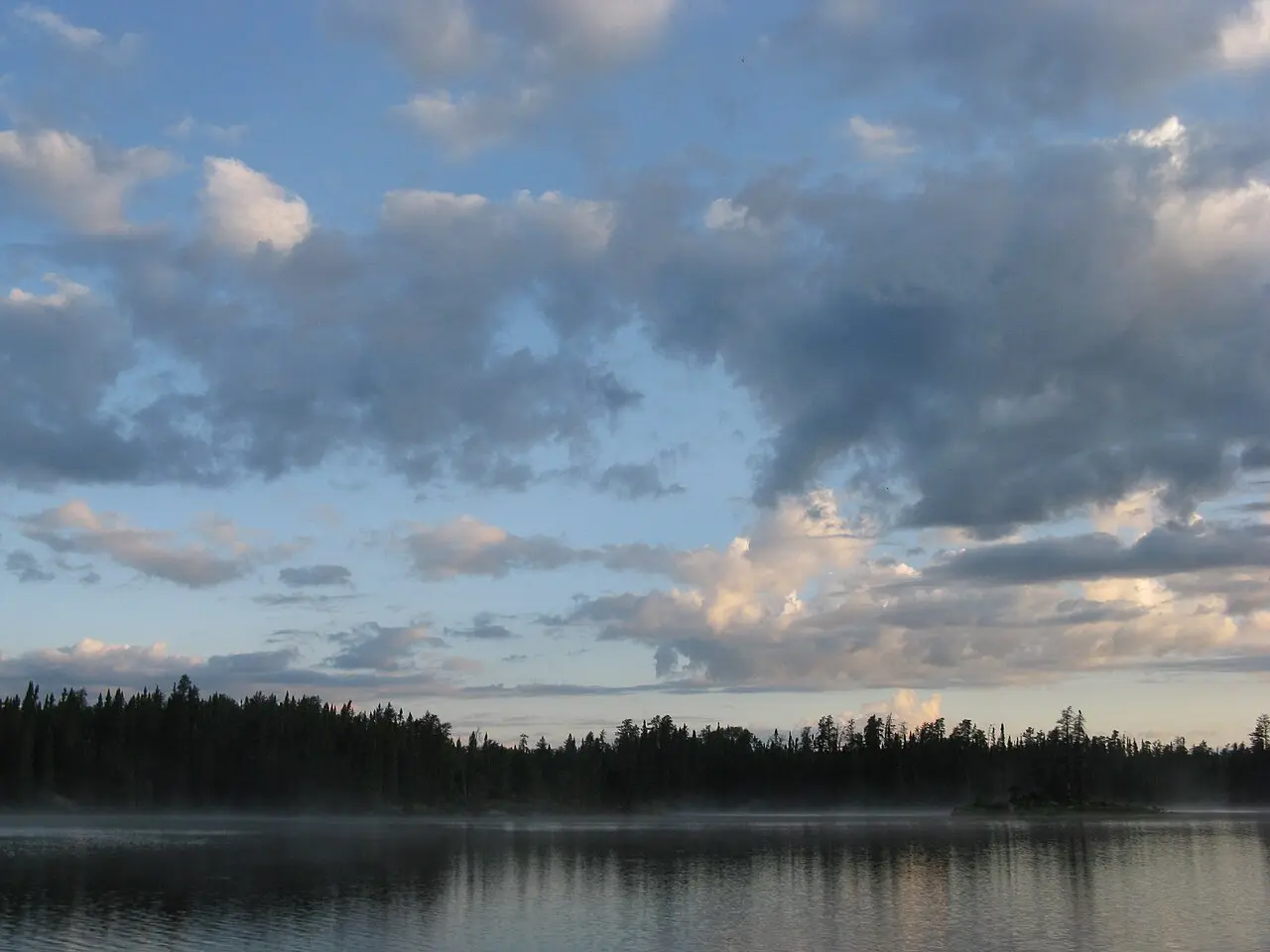
Voyageurs: free entry, expensive logistics
Voyageurs National Park on the Canadian border near International Falls charges no entrance fee. That sounds cheap until you realize every campsite sits on an island or a remote peninsula reachable only by boat.
Tent sites run $10 per night in the low season and $22 for a small site without a dock in peak season, plus a $10 Recreation.gov transaction fee. Houseboats need a $15 per night permit May through October. The park is open year-round, but ice locks the lakes for months.
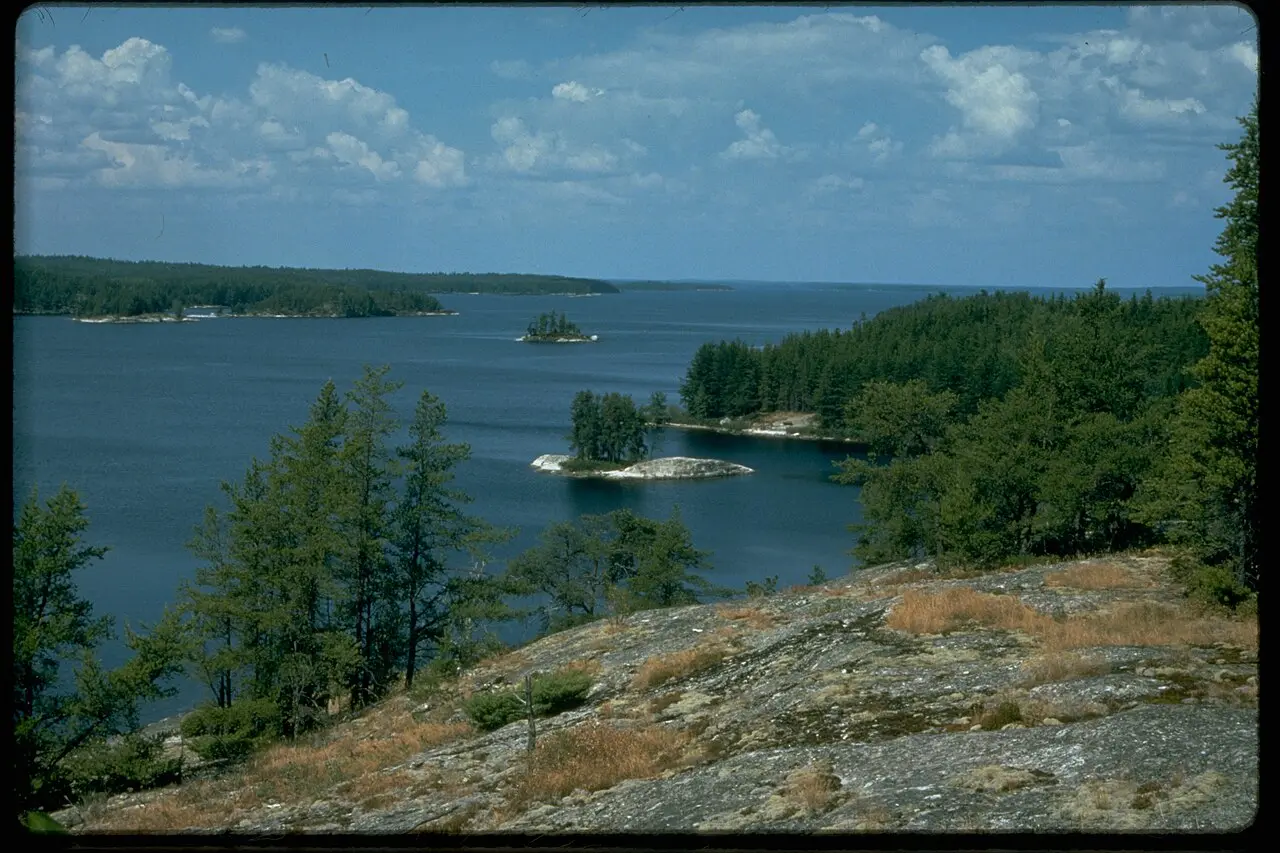
If BWCA is silent paddling, Voyageurs is motor travel with fishing gear. Choose based on whether you want to portage or throttle.
Driving the North Shore
Highway 61 follows Lake Superior from Duluth to the Canadian border. Split Rock Lighthouse, Gooseberry Falls, and Tettegouche state parks break up the drive with short hikes and cliff views. This is the trip you can do with a sedan and a hotel in Two Harbors or Grand Marais.
Summer fills the parking lots on weekends. Fall color runs mid-September through early October depending on cold nights. Winter driving demands snow tires and patience; storms close sections without much warning.
You’ll want a rental car picked up at MSP rather than downtown if you’re heading straight north. One-way drops to Duluth are uncommon; plan a loop back through the cities.
What to pack that a city trip skips
Minnesota wilderness trips fail on gear, not on courage. BWCA outfitters rent Kevlar canoes, bear barrels, and portage packs by the day; you still bring quick-dry clothes, rain shells, and boots that survive mud. Cell service dies quickly in the Boundary Waters, so paper maps and a compass belong in the dry bag even if you navigate by GPS elsewhere.
Voyageurs houseboat renters get a kitchen and a roof, but you’ll still want insect repellent in June and warm layers for Superior’s evenings. The North Shore is drive-and-hike country: normal sneakers work on Gooseberry Falls trails, but Tettegouche’s cliff edges demand attention after rain.
Twin Cities hotels are normal urban packing. The moment you drive north, think camp store, not fashion district.
Duluth as the North Shore base
Duluth spreads along a hillside harbor where Lake Superior meets the St Louis River. It’s the logical overnight stop if you’re not rushing to Grand Marais. The Aerial Lift Bridge and canal ship traffic entertain harbor walkers, and Canal Park restaurants feed you before a cold morning on Highway 61.
Staying in Duluth beats trying to day-trip from Minneapolis: the round trip eats five hours before you hike a single mile. Two nights on the shore plus one in the cities balances better than three nights downtown and a rushed Superior dash.
St Paul on a Green Line afternoon
St Paul is about 45-50 minutes east on the Green Line from downtown Minneapolis (Capitol/Rice Street is slightly faster than Union Depot). For a quick hop, Route 94 express bus beats the train when you’re not sightseeing the whole corridor. The Minnesota State Capitol offers free tours of the restored dome Monday to Saturday (a $5 donation is suggested; closed Sundays), and Cathedral Hill above downtown still feels like a Midwestern hill town with brick streets and independent shops. You don’t need a car; you need an afternoon when you’re not rushing back for a flight.
Most visitors skip St Paul entirely, which keeps it quieter than Minneapolis on weekends. Pair one Capitol visit with a meal at iPho by Saigon on University Avenue or at Hmongtown Marketplace and you’ve seen the other half of the Twin Cities without changing hotels.
Lake Michigan and the Chicago arc
Lake Superior at Duluth and Lake Michigan at Indiana Dunes are separate Great Lakes on a long Midwest loop - not one shoreline. Midwest road trippers sometimes chain Minneapolis, Chicago, and the dunes in one drive. You’ll pay a $25 vehicle fee at the Indiana national park gate there, separate from any Minnesota permit.
Illinois and Michigan have the Lake Michigan shoreline; Minnesota’s share of the Great Lakes is Superior, and its big-lake beach culture lives on that cold water, not on sand dunes outside Gary.
Match the trip to the water
| You want | Book this | Skip this |
|---|---|---|
| Silent canoe country | BWCA quota permit + outfitter | Voyageurs houseboat |
| Fishing with a motor | Voyageurs houseboat permit | BWCA (paddle-only on almost every lake) |
| Scenic driving | North Shore Highway 61 | BWCA portages |
| City + one nature hit | Two nights Minneapolis + North Shore day | Trying all three in five days |
June and September balance bugs, permits, and daylight. July is peak BWCA crowding. January belongs to ice fishermen and travelers who meant to come in summer but bought the wrong fare.
Minnesota rewards planning on paper: permits, boats, and a night in Minneapolis before the wilderness starts. On the Chicago-Denver corridor, the next farmland stretch is our Iowa travel guide.
On the map
The map loads on click - to keep the page lightweight.
The map didn’t load. Check your connection and refresh the page.
Admission and opening hours
- Admission price
- Boundary Waters quota permit (May 1-Sept 30): $6 reservation fee plus $16 per adult recreation fee, $8 youth/senior. Voyageurs National Park: no entrance fee; tent campsites from $10/night off-peak to $22/night peak plus $10 Recreation.gov fee. Metro Transit Blue Line from MSP $2.00.
BWCA entry points sell out on peak July weekends. Voyageurs campsites are water-access only. Confirm permit rules on fs.usda.gov and nps.gov/voya the week you travel.
Details checked: August 26, 2026
Read also

States · 11 min read
Connecticut: Mystic, New Haven and the Shoreline
Verified · September 12, 2026Mystic Seaport at $35 adult, free Yale galleries in New Haven, and Gillette Castle on the river - how a Connecticut weekend actually fits.

States · 9 min read
North Dakota: Medora and Theodore Roosevelt NP
Verified · September 5, 2026The 36-mile South Unit loop starts in Medora, entrance $30 per vehicle, cashless from May 2026 - how to plan Theodore Roosevelt National Park.

States · 9 min read
Arkansas Travel Guide: Hot Springs & Ozarks
Verified · September 4, 2026Fee-free Hot Springs NP downtown, free Crystal Bridges in Bentonville, and the 135-mile Buffalo - how to string an Arkansas road trip.

States · 10 min read
Indiana Travel Guide: Indy, Speedway, Shore
Verified · September 5, 2026IMS Museum at $25, Kiss the Bricks at $15, Brown County hills and Lake Michigan shore - an Indiana trip beyond a Chicago beach day.