
Utah Travel Guide
Utah for visitors: the Mighty 5 national parks, what each one costs in 2026, Salt Lake City and the ski canyons, permits, seasons and the liquor rules.
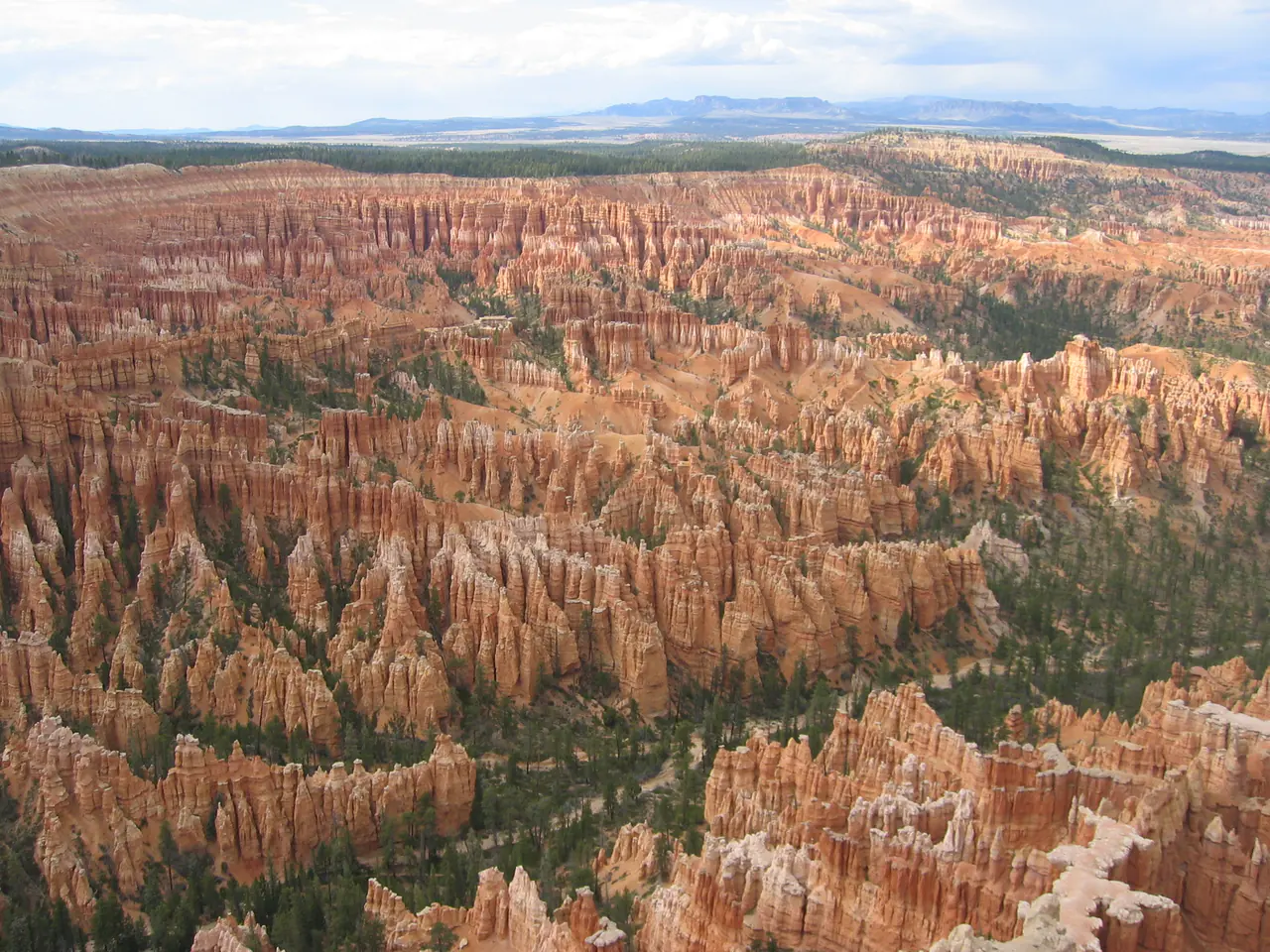
Utah packs five national parks into the bottom third of the state, and you can drive all five in about a week from either Las Vegas or Salt Lake City. That loop is roughly 800 miles and it is the reason most people come. The catch is that the five parks are governed by five different sets of rules, and from January 2026 they no longer even charge foreign visitors the same way.
Add Bryce Canyon when you already have Zion on the itinerary.
Start with the geography, because it fixes everything else. Zion and Bryce sit in the southwest, three and four hours from Las Vegas. Capitol Reef is the lonely middle. Arches and Canyonlands are in the southeast at Moab, closer to Colorado than to anything in Utah. Salt Lake City and the ski mountains are five hours north of all of it.
The Mighty 5, and what each one actually asks of you
“Mighty 5” is a Utah Office of Tourism campaign, not a park designation, but it stuck because the five really do work as one trip. They are not interchangeable, though, and each one asks something different of you.
| Park | Vehicle fee | Nonresident $100? | The rule that catches people |
|---|---|---|---|
| Zion | $35 | Yes | Mandatory canyon shuttle most of the year; Angels Landing permit lottery |
| Bryce Canyon | $35 | Yes | Optional free shuttle; 8,000-9,000 ft elevation and real cold |
| Capitol Reef | $20 | No | Scenic Drive fee only; the rest of the park is free to enter |
| Arches | $30 | No | No timed entry in 2026, but lots fill by mid-morning |
| Canyonlands | $30 | No | Three districts, hours apart; Island in the Sky is the day-visit one |
Zion is the busiest and the most controlled. Just under five million people visited in 2025, which is why you can’t drive your own car up Zion Canyon for most of the year and why the final section of Angels Landing needs a permit won in a lottery. It rewards planning more than any other park in the state - our Zion National Park guide has the shuttle calendar and the lottery windows.
Bryce is the easy one. The free shuttle is genuinely optional, buses come about every 15 minutes between early April and mid-October, and you can park all day for nothing at the shuttle station in Bryce Canyon City. Plan around the altitude, though: the rim sits above 8,000 feet, so a July afternoon is pleasant and a May morning can be below freezing. Bryce also had a strange 2025, dropping about 21% to 1.97 million visitors while its neighbors held steady, which in practice means slightly more room at the overlooks.
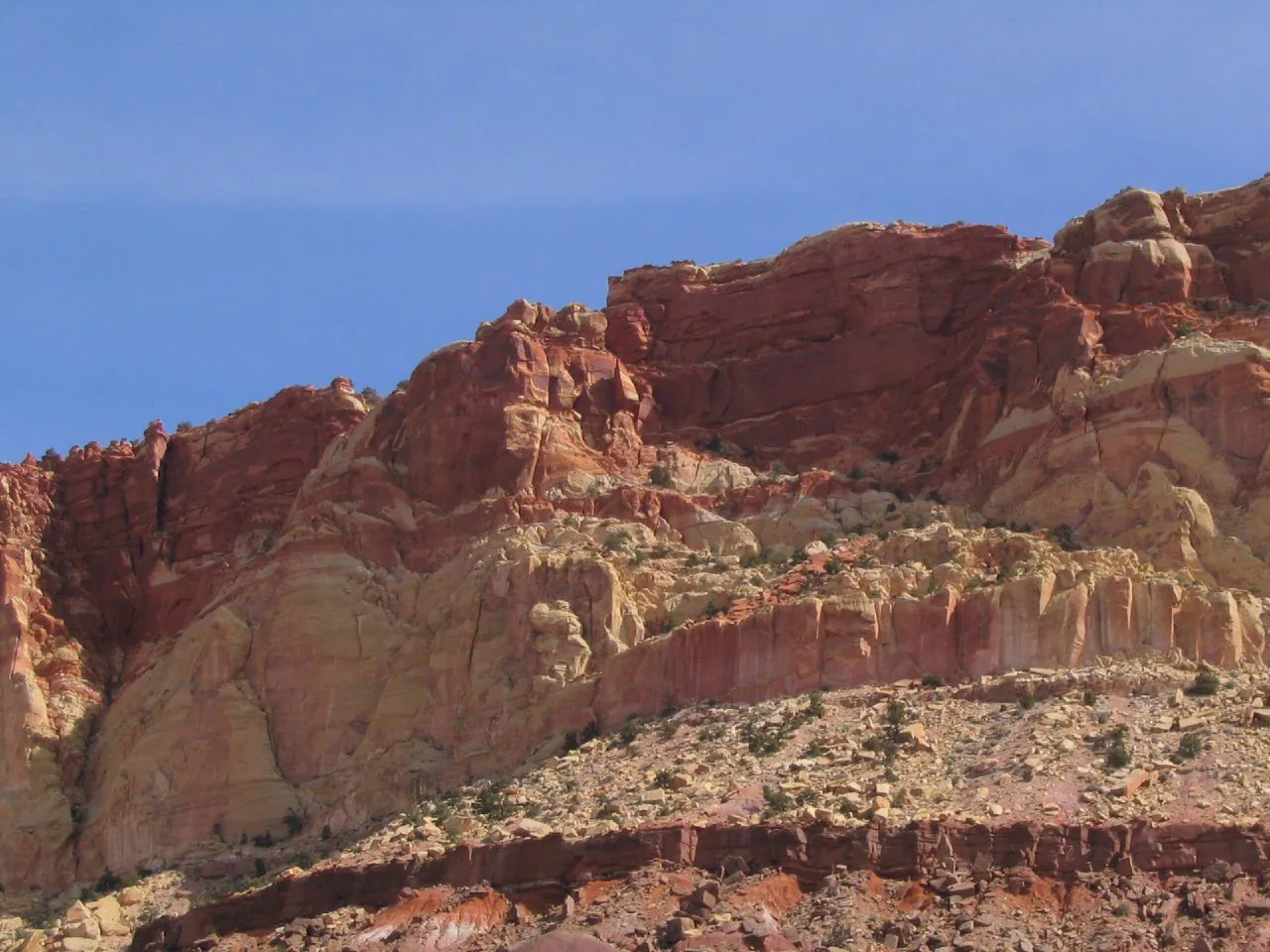
Capitol Reef is the one people skip and shouldn’t. The $20 fee only applies to the Scenic Drive; Highway 24 through the park, the Fremont petroglyph panels and the historic Fruita orchards cost nothing. It’s also the quietest place to watch the Waterpocket Fold do its thing.
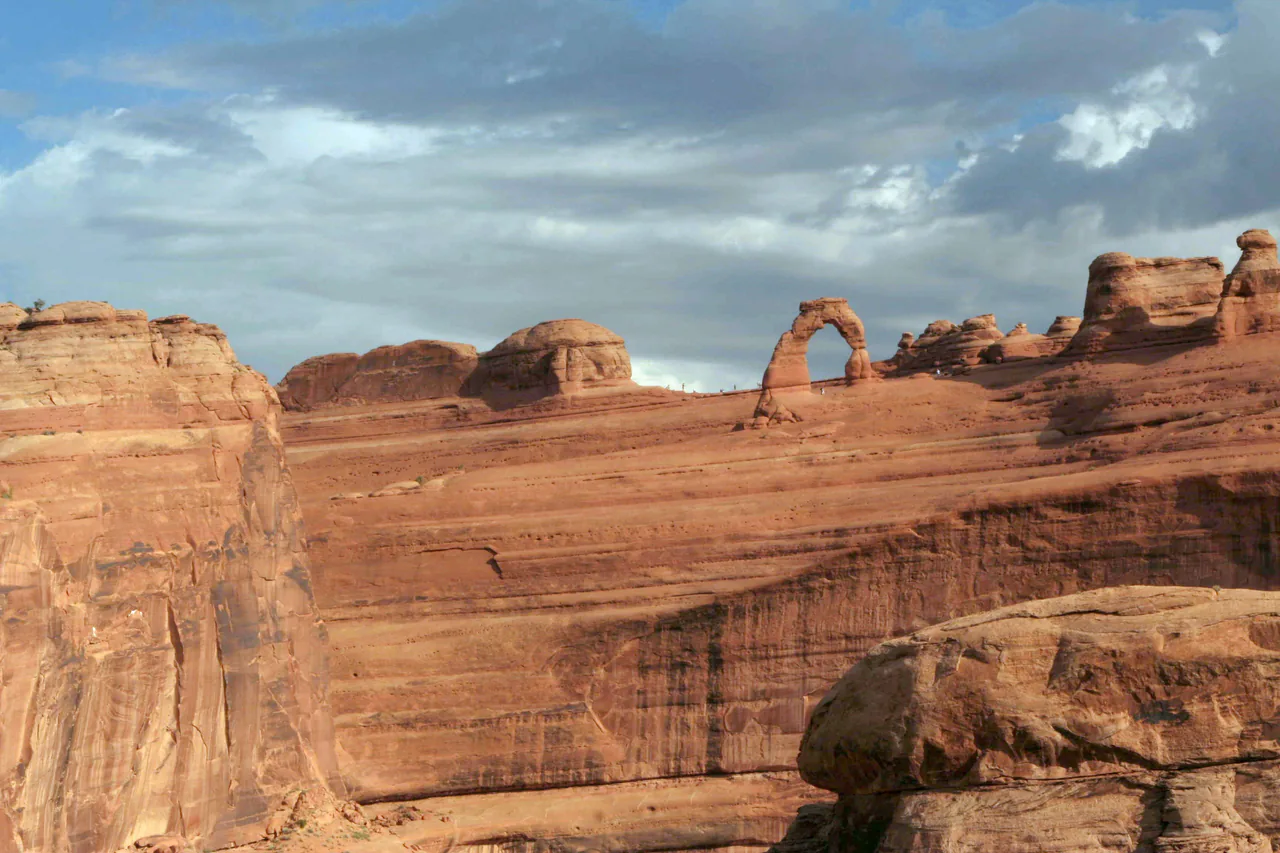
Arches made news in February 2026 when the park announced it would not require timed-entry reservations for the year. That removes a genuine planning headache, but the superintendent’s own advice was to expect entrance lines and full lots at popular trailheads on weekends. Devils Garden Campground and the ranger-led Fiery Furnace still need bookings. Since Arches is an International Dark Sky Park and stays open after hours, an evening visit sidesteps most of the problem. Trail distances, heat rules and the Delicate / Landscape / Double Arch day are in Arches National Park.
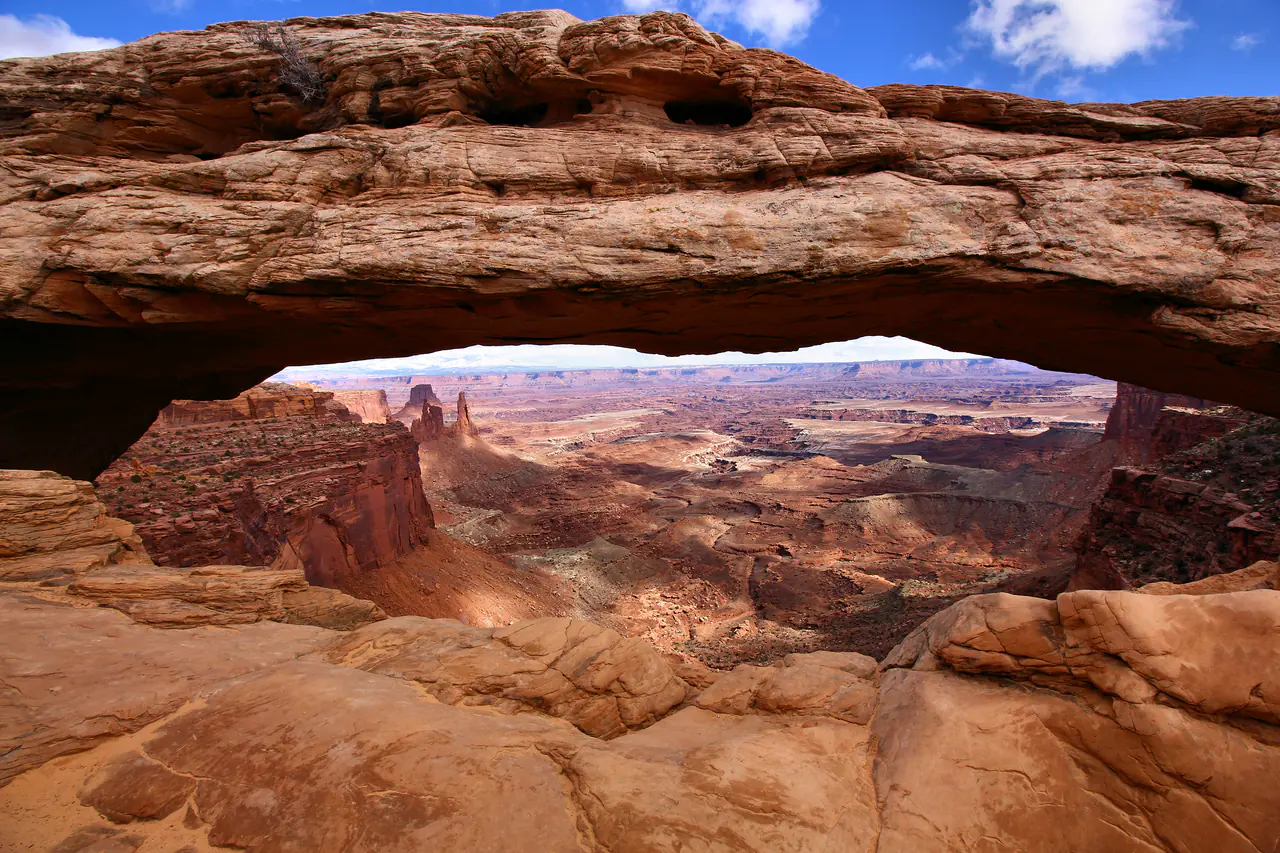
Canyonlands is really three parks. Island in the Sky is the mesa-top district 40 minutes from Moab with Mesa Arch and the Grand View Point overlook, and it’s the one you do on a normal itinerary - though Grand View Point itself, its trail and 0.3 miles of the access road were closed from 6 a.m. Monday to 4 p.m. Thursday for the parking-lot rebuild NPS dated to October 1, 2026 - the park has since re-dated the same closure, so check nps.gov/cany before you drive out - so a weekday morning gets you Mesa Arch and a turnaround at Orange Cliffs Overlook. It reopens at 4 p.m. each Thursday and stays open through the weekend. The Needles is roughly two to two and a half hours away by road - there’s no road between the two districts, so getting from one to the other means driving back through Moab. The Maze needs days, a high-clearance 4x4 and self-sufficiency. Which of Canyonlands and Capitol Reef to prioritize with limited days gets its own breakdown in Canyonlands and Capitol Reef: Utah’s Two Quiet Parks.
The $100 line running through the Mighty 5
From 1 January 2026, non-US residents aged 16 and over pay a $100 surcharge per person on top of the normal entrance fee at eleven national parks. Two of Utah’s five are on that list: Zion and Bryce Canyon. Arches, Canyonlands and Capitol Reef are not.
Run the numbers for two foreign adults doing the full loop. Paying at the gate: $35 + $200 at Zion, $35 + $200 at Bryce, then $30, $30 and $20 for the other three. That’s $550. The America the Beautiful Non-Resident Annual Pass at $250 covers the entrance fee and waives the surcharge at all of them, for the holder plus three more adults, for a year. For any itinerary that includes both Zion and Bryce, buying the pass is not a close call.
The small print cuts the same way twice. The Southeast Utah annual pass ($55, Arches plus Canyonlands) is sold to US residents only. And the National Park Service’s fee-free days apply to US citizens and residents, so a foreign visitor turning up on a free-entrance day still pays.
Salt Lake City and the ski canyons
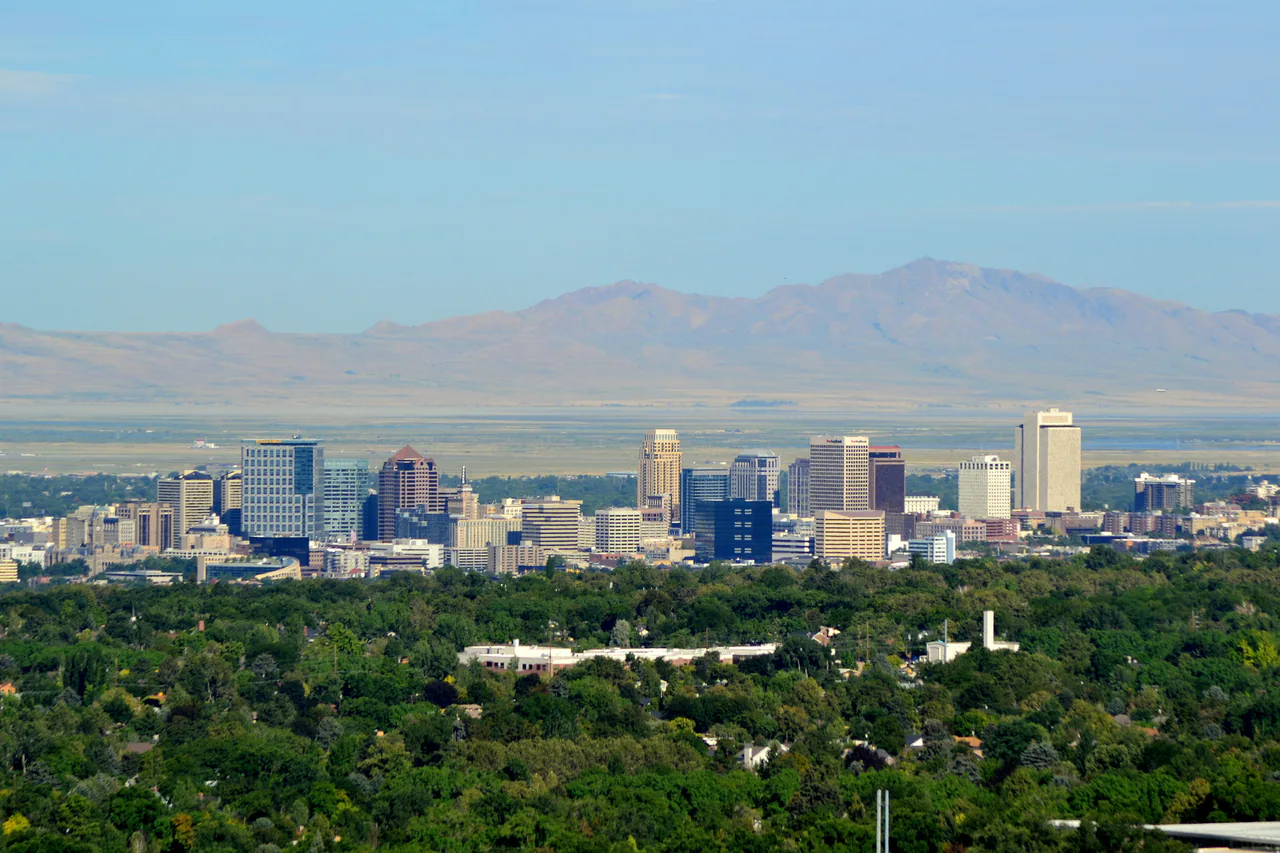
Utah’s second act is winter, and the pitch is transport. Alta, Snowbird, Brighton and Solitude all sit within about 36 miles of Salt Lake City International Airport - Snowbird is the closest at roughly 32 miles and about 45 minutes from the terminal. You can land at lunchtime and ski the afternoon, which is close to unique in North America. Alta and Snowbird share Little Cottonwood Canyon; Brighton and Solitude sit in Big Cottonwood next door. Park City and Deer Valley are 45 minutes east and offer the town-with-a-mountain version instead.
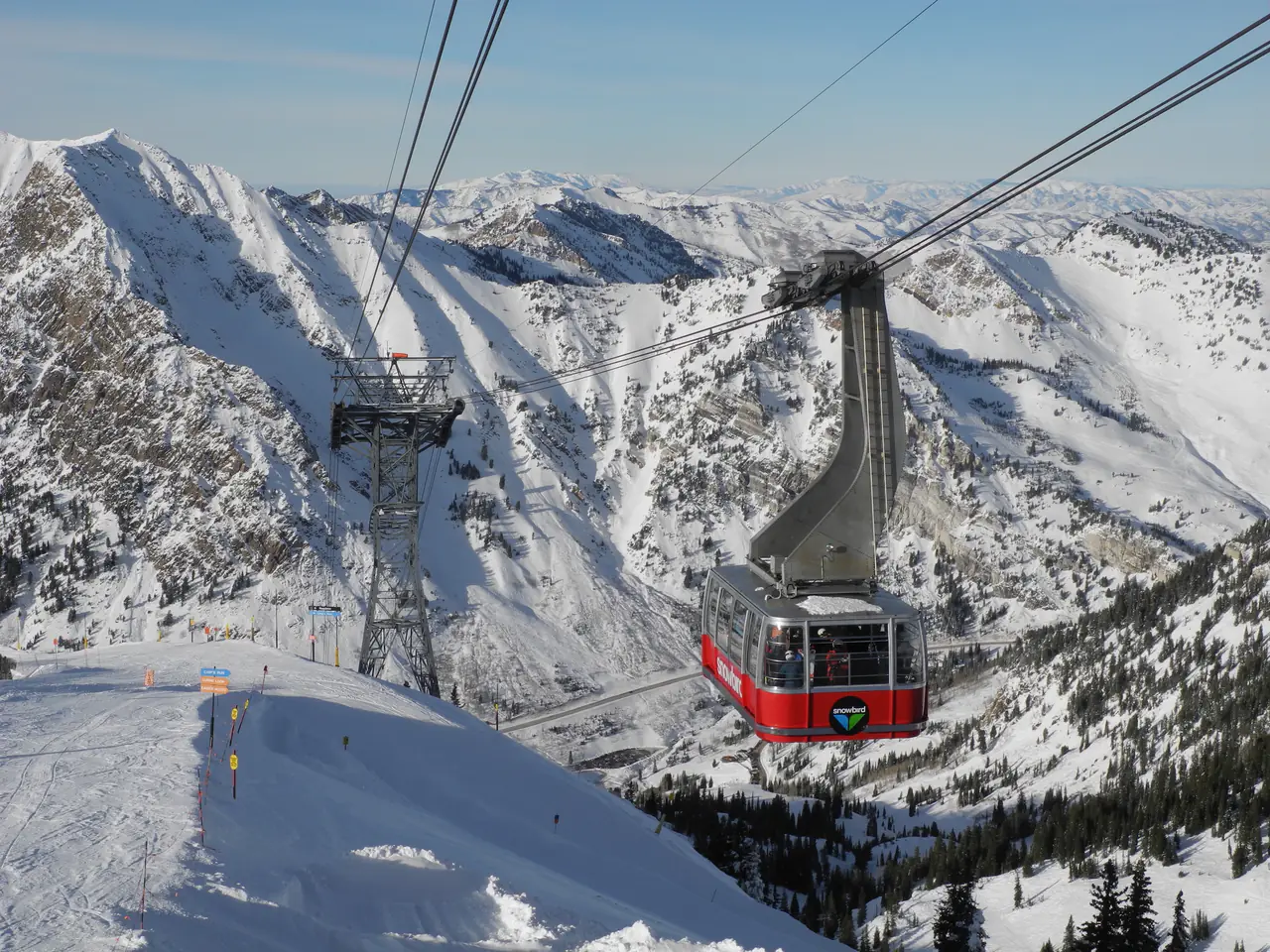
What nobody mentions at the rental desk is the road up. When storm beacons flash at the canyon mouths, the Cottonwood Canyons traction law kicks in: at least 5/32 inch of tread, plus M+S tires on all four wheels for an AWD vehicle or 3PMSF winter tires (or chains on the drive wheels) for a two-wheel-drive one. As of winter 2025-26 the state can start enforcing this up to 24 hours before a storm even arrives. Standard rental cars in Salt Lake aren’t always compliant, and police really do check at the canyon mouth on storm mornings. Ask the rental desk what tires the car has before you drive off, or skip the problem and take the ski buses.
When to go
April to May and late September to October are the best windows for the parks: mild days, cool nights, thinner crowds, and the desert either flowering or turning. June to August is hot in the southeast (Moab regularly clears 100F) and brings monsoon storms that flood slot canyons in July and August. November to March is beautiful and cheap in the south, with snow on the red rock and some park roads closed, and it’s the whole point of a trip to the north.
One clash to plan around: the parks are at their best in spring and fall, the ski canyons are at their best in January and February. Combining both in one trip means accepting that one half will be off-season.
Practicalities
Utah’s liquor rules trip up more visitors than any park regulation. Grocery and convenience stores sell beer up to 5% ABV seven days a week. Anything stronger - wine, spirits, heavier beer - comes only from state-run liquor stores, which are closed on Sundays and typically shut somewhere between 5 and 10 p.m. the rest of the week. Restaurants can serve you a drink only alongside food; bars don’t need you to order a meal, but nobody under 21 gets through the door at all. Liquor pours are metered at 1.5 oz, and pitchers of beer aren’t a thing. If you want wine at the cabin on Sunday, buy it on Saturday.
Beyond that: rent a car, because there’s no other way to do the parks. Fill the tank in Moab, Torrey or Kanab rather than trusting the map. Cell coverage disappears for long stretches between parks, so download offline maps. And if you’re flying, compare Las Vegas against Salt Lake City - Vegas is often the cheaper arrival for the southern parks, and our Nevada travel guide covers that side, with things to do in Las Vegas if you’re spending a night before the drive.
Read also
- Utah’s busiest park in detail: Zion National Park guide
- Moab day without a timed ticket: Arches National Park
- Hoodoos and the free summer shuttle: Bryce Canyon National Park
- Fly in through Nevada: Nevada travel guide and things to do in Las Vegas
- Continue the loop: Arizona travel guide and Grand Canyon National Park
- Browse all US states and national parks
On the map
The map loads on click - to keep the page lightweight.
The map didn’t load. Check your connection and refresh the page.
Read also

States · 11 min read
Connecticut: Mystic, New Haven and the Shoreline
Verified · September 12, 2026Mystic Seaport at $35 adult, free Yale galleries in New Haven, and Gillette Castle on the river - how a Connecticut weekend actually fits.

States · 9 min read
North Dakota: Medora and Theodore Roosevelt NP
Verified · September 5, 2026The 36-mile South Unit loop starts in Medora, entrance $30 per vehicle, cashless from May 2026 - how to plan Theodore Roosevelt National Park.

States · 9 min read
Arkansas Travel Guide: Hot Springs & Ozarks
Verified · September 4, 2026Fee-free Hot Springs NP downtown, free Crystal Bridges in Bentonville, and the 135-mile Buffalo - how to string an Arkansas road trip.

States · 10 min read
Indiana Travel Guide: Indy, Speedway, Shore
Verified · September 5, 2026IMS Museum at $25, Kiss the Bricks at $15, Brown County hills and Lake Michigan shore - an Indiana trip beyond a Chicago beach day.