
Nevada Travel Guide
Nevada beyond the Strip: Red Rock Canyon, Valley of Fire, Hoover Dam, Lake Tahoe and Great Basin. Fees, reservation rules and how to dodge the heat.
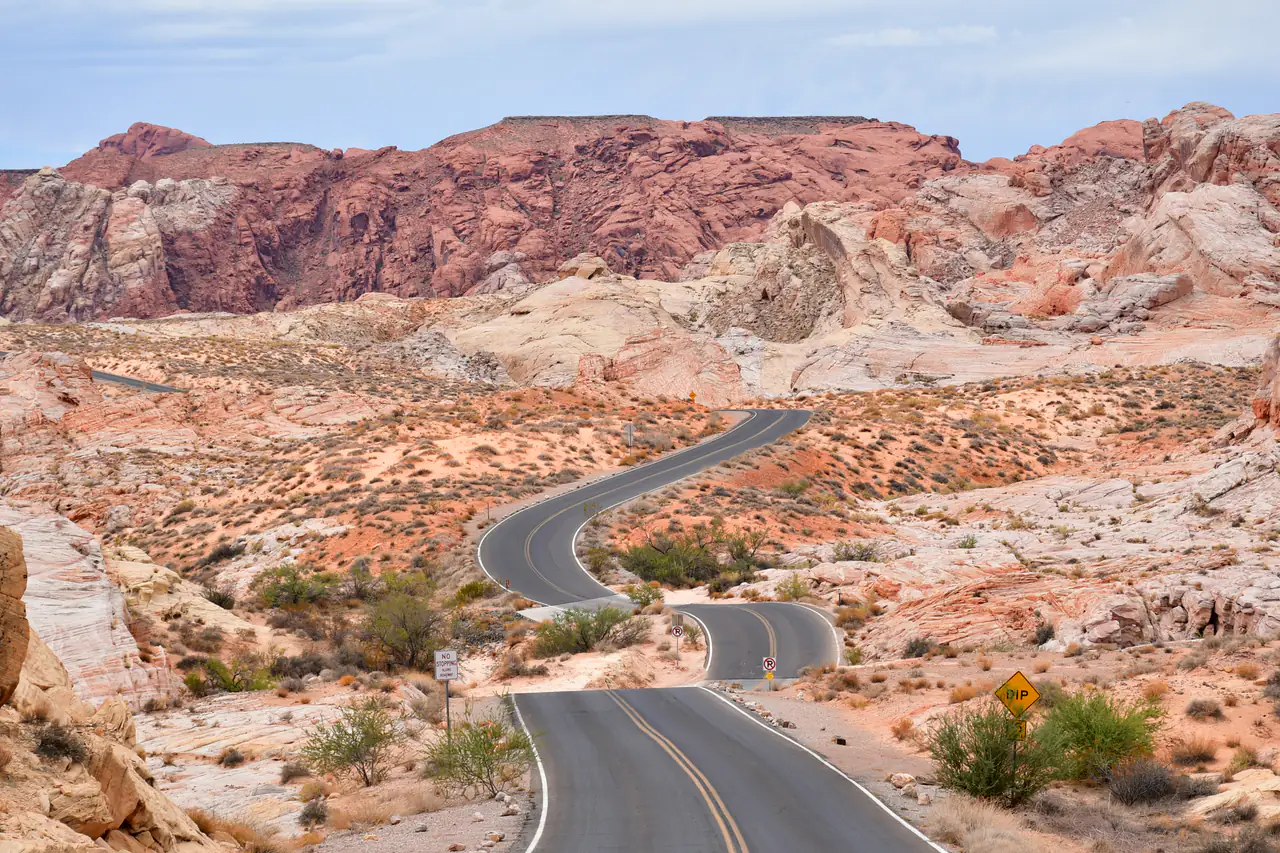
Most visitors fly into Las Vegas, spend four nights on the Strip and go home having seen roughly one percent of Nevada. The rest of the state starts about twenty minutes past the last casino: red sandstone cliffs on the western edge of the city, a state park full of petroglyphs an hour northeast, and then several hundred miles of high desert running north to an alpine lake on the California line. You can see all of it from a Las Vegas base with a rental car and three or four days.
The month you travel matters more than any other decision here. Nevada in July is not a place you improvise in, and several of the best short hikes in the south are physically closed for the summer.
Las Vegas is the door, not the whole house
Las Vegas took 38.5 million visitors in 2025, down about 7.5% on the year before, with roughly 150,300 hotel rooms and an average nightly rate around $184. In practice that means competition, and it means you can usually find a bed on short notice at a price that would be impossible in New York or San Francisco. If you’re building a Nevada trip, use it: fly into Harry Reid International, sleep cheaply, and drive out in the mornings.
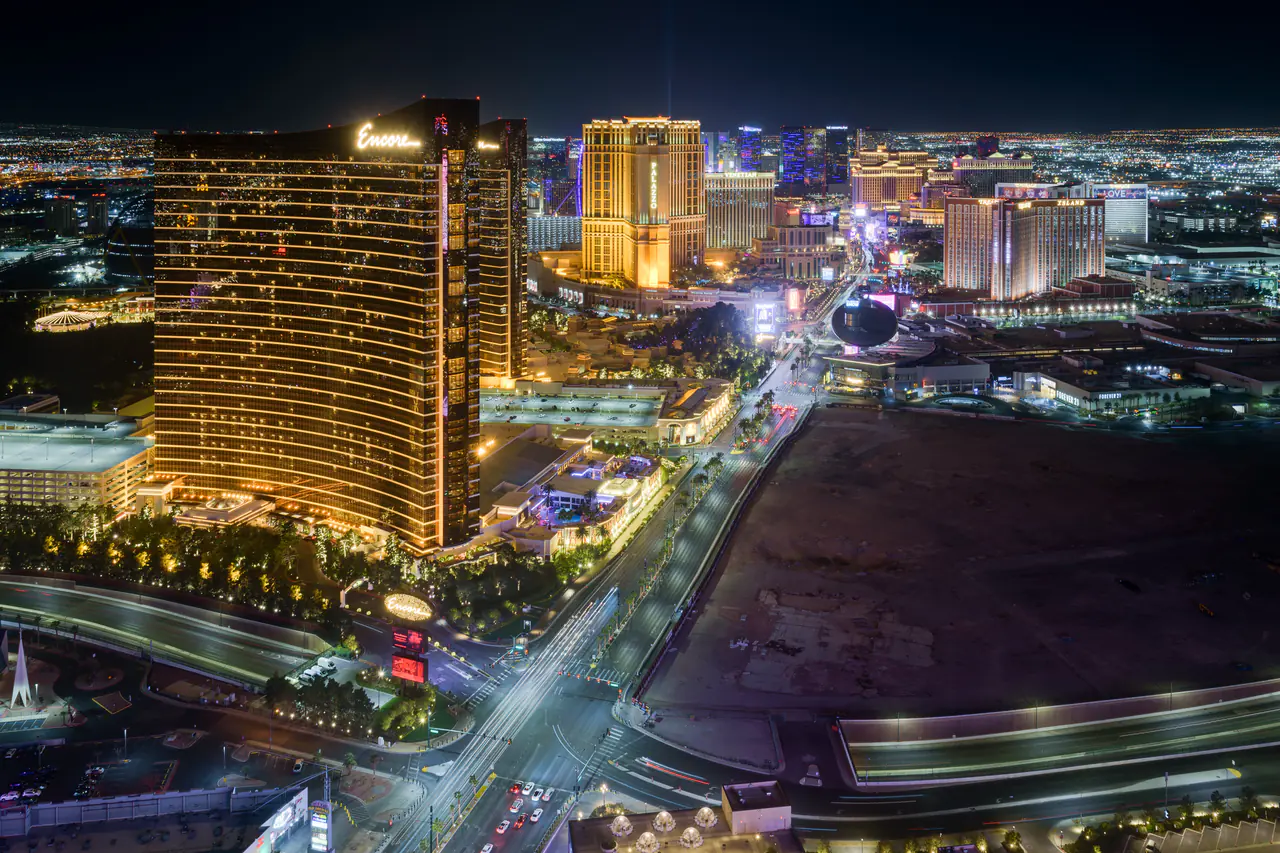
A small piece of trivia that turns out to be useful: the Strip isn’t in the city of Las Vegas at all. It sits in unincorporated Clark County, in the townships of Paradise and Winchester, which is why the city’s own downtown, around Fremont Street, feels like a separate place with separate rules. Our guide to things to do in Las Vegas covers both halves, and if you’re still choosing a base, where to stay in Las Vegas explains the resort fee trap before you book.
The southern loop: Red Rock, Valley of Fire, Hoover Dam
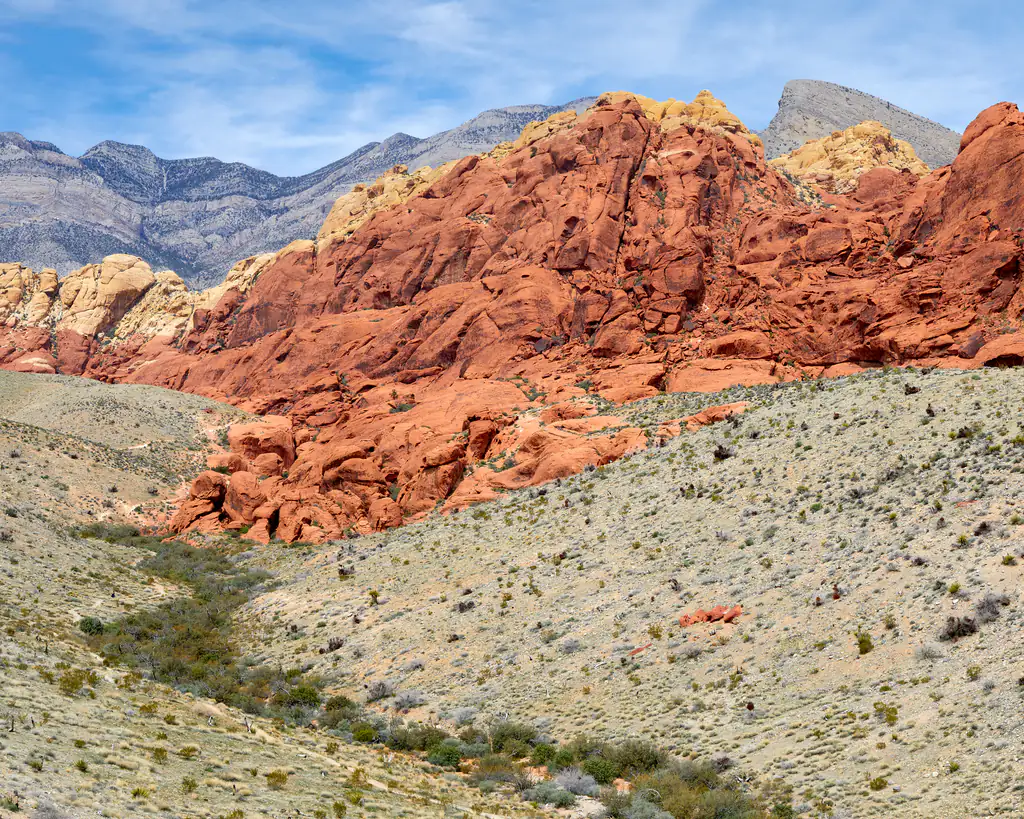
Red Rock Canyon is the easiest escape in the state, a 13-mile one-way Scenic Drive through Aztec sandstone about twenty minutes west of the Strip. Entry is $20 per vehicle. The catch is the reservation system: from 1 October to 31 May you need a timed entry reservation to drive in between 8 a.m. and 5 p.m., booked on recreation.gov up to 30 days out. Between 1 June and 30 September there’s no reservation at all, and year-round you can skip it by clearing the fee station before 8 a.m. or after 5 p.m. In practice, an early start solves both the reservation and the heat.
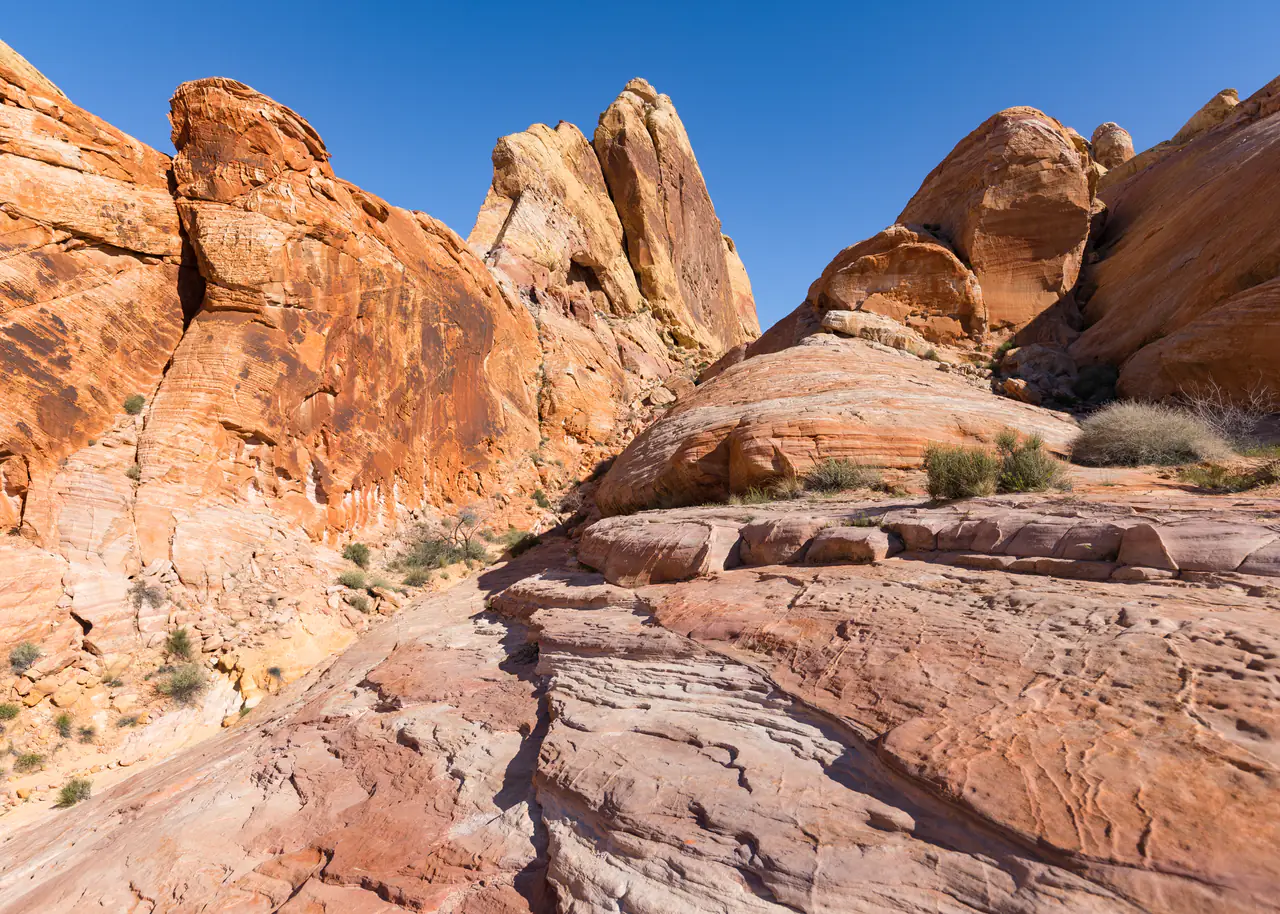
Valley of Fire, an hour northeast, is the better park of the two and the one people miss. It’s Nevada’s oldest state park, 40,000 acres of bright red sandstone with petroglyphs cut into the rock more than 2,000 years ago. Entry is $15 per vehicle for out-of-state plates, $10 for Nevada ones, and it opens sunrise to sunset. Summer visitors get caught out by one rule in particular: the park closes its best short trails - White Domes Loop, the Fire Wave, Pinnacles Loop and Natural Arch - from 15 May to 30 September because of the heat. Turn up in July and you’ll be looking at the rocks from the car.
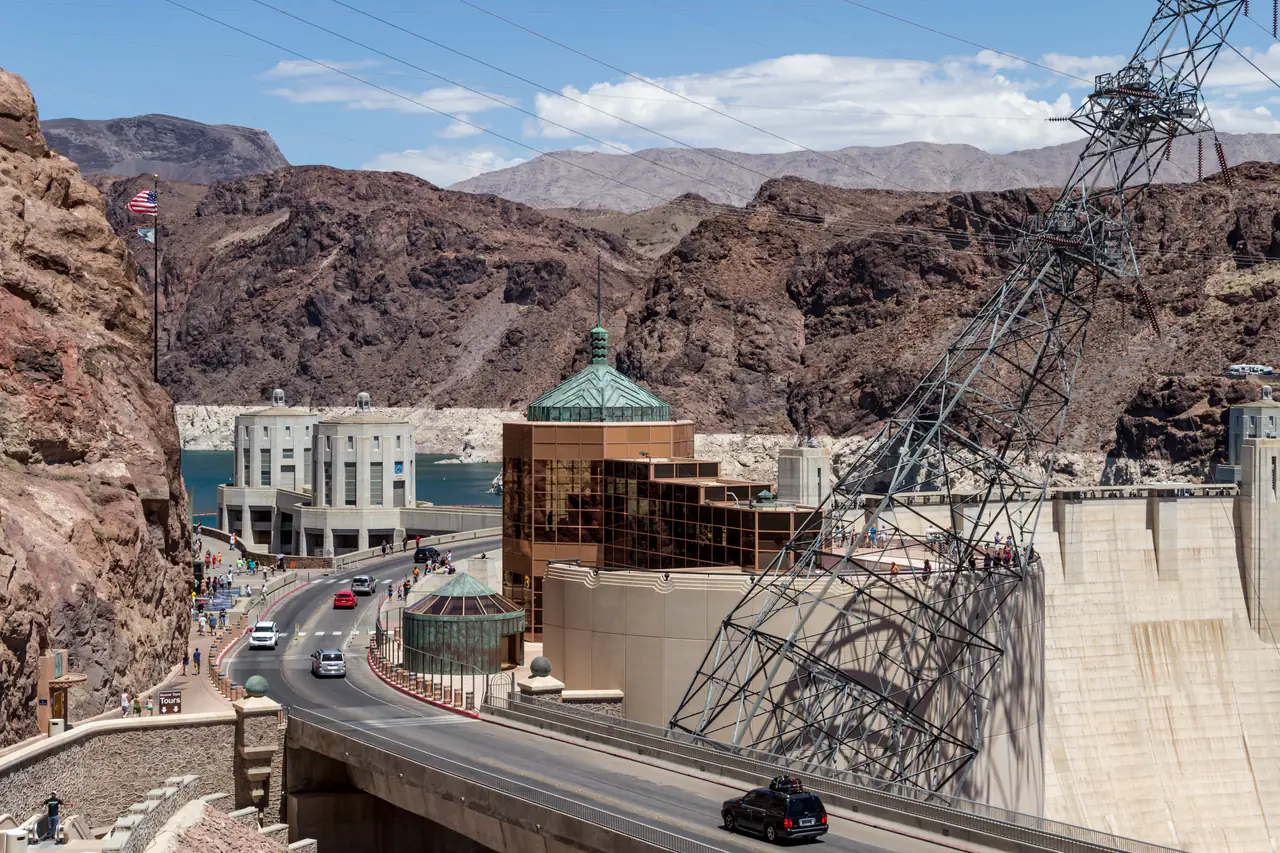
Hoover Dam is 45 minutes southeast, straddling the Nevada-Arizona line at the bottom of Black Canyon. You’ve got three levels of visit: $15 gets you the visitor center and the observation deck, $25 (adults) adds the guided Powerplant Tour down to the generator hall, and $40 buys the full Dam Tour through the inspection tunnels inside the structure. That top tour is sold on site only, first come first served, so it’s an early-arrival thing rather than something you book. Parking is $10, and the visitor center runs 9 a.m. to 5 p.m. For a full Strip-to-dam plan, see Hoover Dam tour from Las Vegas.
North: Reno and the Nevada side of Lake Tahoe
Reno is more than 400 miles north of Las Vegas, which is a full day behind the wheel, so most people fly it instead. What you get is a different Nevada: a scruffy, likeable small city on the Truckee River with a serious food scene for its size, and Lake Tahoe forty minutes away.
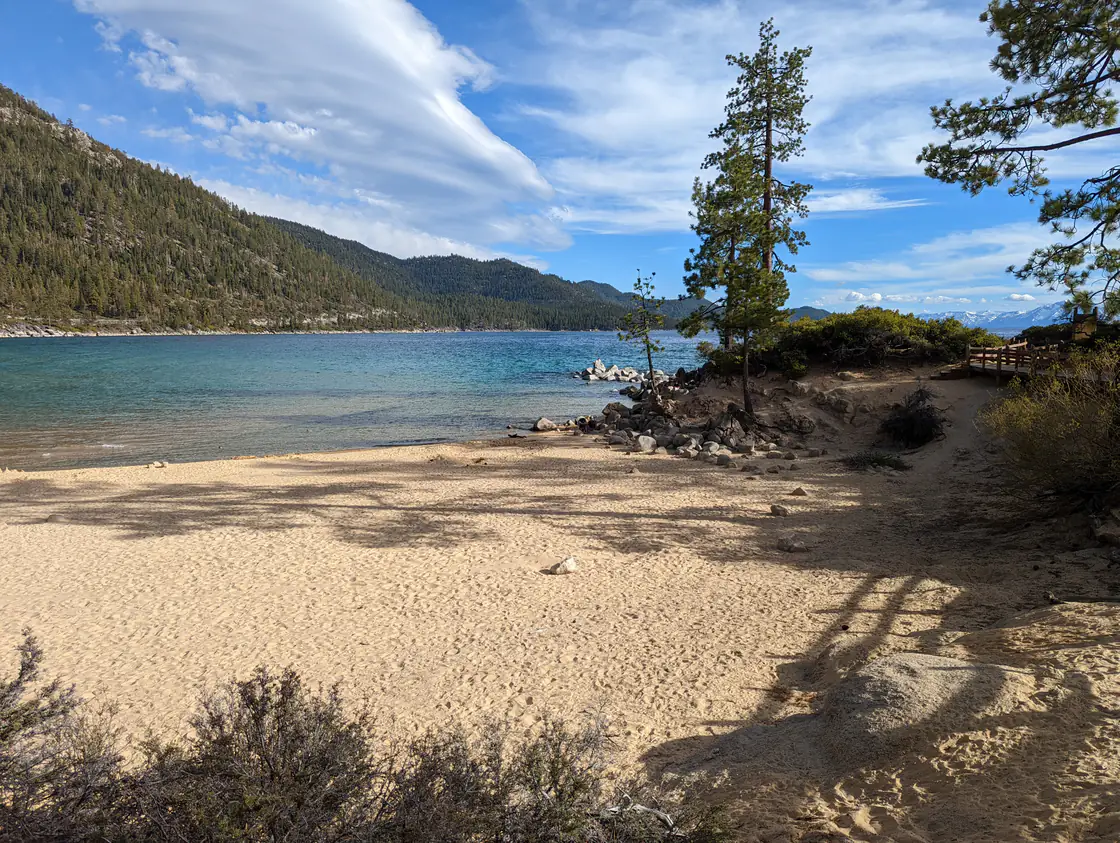
Sleep in Reno or Incline Village and you’re on the quieter, less developed eastern shore. Sand Harbor, part of Lake Tahoe Nevada State Park, has the clearest water and the granite boulders you see in every photo of the lake. It costs $15 per vehicle for out-of-state cars and opens at 8 a.m., but from 15 May through September you need a day-use reservation to drive in between 8:00 and 10:30 a.m. Miss that window and the lot is usually full anyway. Parking along the highway outside the designated areas is banned, and enforced.
The empty middle, and a park nobody has heard of
Between the two ends of the state there’s a lot of nothing, and some travelers go looking for exactly that. US Route 50 across central Nevada picked up the nickname “the Loneliest Road in America” and has leaned into it ever since; you’ll pass mining towns, hot springs and long stretches where the next fuel stop is a planning decision rather than a convenience.
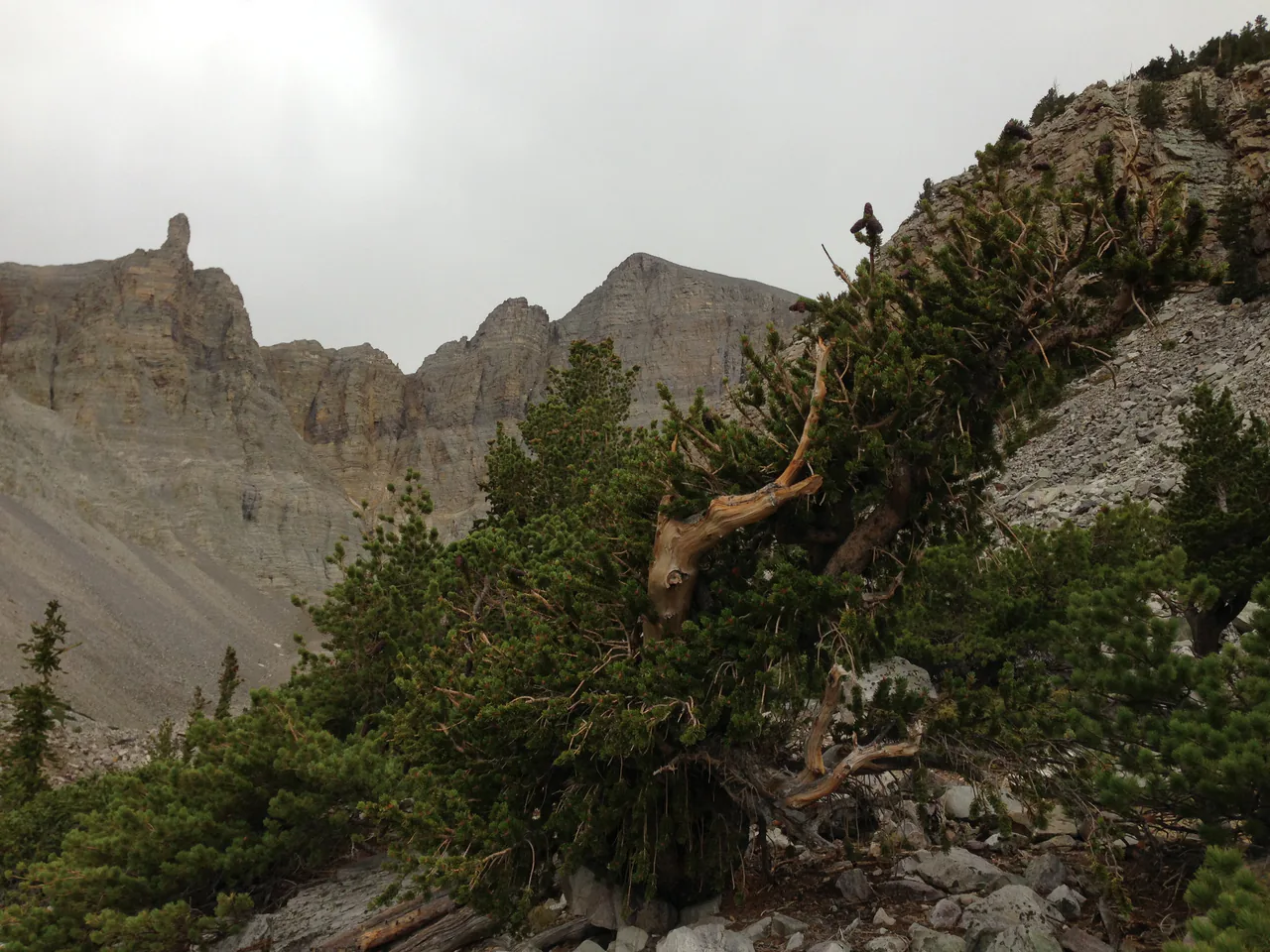
At the far eastern end, near the Utah line at Baker, sits Great Basin National Park - closer to Salt Lake City than to Las Vegas and one of the least visited parks in the country. There’s no entrance fee at all. Wheeler Peak tops out at 13,063 feet, there are groves of ancient bristlecone pines above 10,000 feet, and the night sky is about as dark as it gets in the Lower 48. Book a Lehman Caves tour on recreation.gov before you drive out: the standard tours run $8 to $15 for adults and they do sell out, which is a strange thing to say about a park this empty.
Heat is the real planning constraint
On 7 July 2024 Las Vegas hit 120F (49C), an all-time record for the city, beating the 117F it had touched five times before. An average early-July afternoon runs around 104F. Those numbers don’t just make you uncomfortable, they change what’s open and what’s survivable: state park trails close, rangers pull people off desert routes, and a two-mile walk that’s pleasant in March becomes a genuine emergency risk in August.
Plan around it rather than through it. March to May and late September to November are the sweet spots in the south: warm days, cold-ish nights, everything open. December to February is quiet and cheap in Vegas, cold in the north, and prime ski season around Tahoe. June to August works only if you accept a dawn-and-dusk schedule, carry far more water than feels reasonable, and treat midday as pool time.
Getting around and what it costs
You need a car for everything outside the Strip. There’s no useful intercity rail in Nevada and the distances are real, so budget for a rental plus gas; Nevada gas is generally cheaper than in neighboring California. Drive with a full tank in the interior, because “next services 90 miles” signs mean it.
On fees, Nevada state parks charge out-of-state plates $5 more per vehicle than local ones, which is small but adds up over a week of day trips. And the federal America the Beautiful annual pass is close to useless here: it does nothing at state parks, and the one national park it does cover, Great Basin, charges no entrance fee anyway. Buy it for a wider southwestern trip, not for Nevada.
If Nevada is one leg of a bigger southwestern loop, the neighbors are close. Zion is a three-hour drive from Las Vegas, which is why so many Utah itineraries start at a Nevada airport, and the Grand Canyon’s South Rim is a long but doable day from the Strip if you’re going to Arizona next. Read our Zion National Park guide before you commit to that drive, because the shuttle and permit rules there decide what you can actually do when you arrive.
Read also
- Plan the city: things to do in Las Vegas
- Pick your base: where to stay in Las Vegas
- Book an evening: Las Vegas shows
- Next door: Utah travel guide and Arizona travel guide
- Browse all US states and national parks
On the map
The map loads on click - to keep the page lightweight.
The map didn’t load. Check your connection and refresh the page.
Read also

States · 11 min read
Connecticut: Mystic, New Haven and the Shoreline
Verified · September 12, 2026Mystic Seaport at $35 adult, free Yale galleries in New Haven, and Gillette Castle on the river - how a Connecticut weekend actually fits.

States · 9 min read
North Dakota: Medora and Theodore Roosevelt NP
Verified · September 5, 2026The 36-mile South Unit loop starts in Medora, entrance $30 per vehicle, cashless from May 2026 - how to plan Theodore Roosevelt National Park.

States · 9 min read
Arkansas Travel Guide: Hot Springs & Ozarks
Verified · September 4, 2026Fee-free Hot Springs NP downtown, free Crystal Bridges in Bentonville, and the 135-mile Buffalo - how to string an Arkansas road trip.

States · 10 min read
Indiana Travel Guide: Indy, Speedway, Shore
Verified · September 5, 2026IMS Museum at $25, Kiss the Bricks at $15, Brown County hills and Lake Michigan shore - an Indiana trip beyond a Chicago beach day.