
Las Vegas Shows: How to Choose and Book
Cirque, residencies, magic, comedy and Sphere compared: what each kind of Las Vegas show costs, where to buy tickets safely, and what to skip.
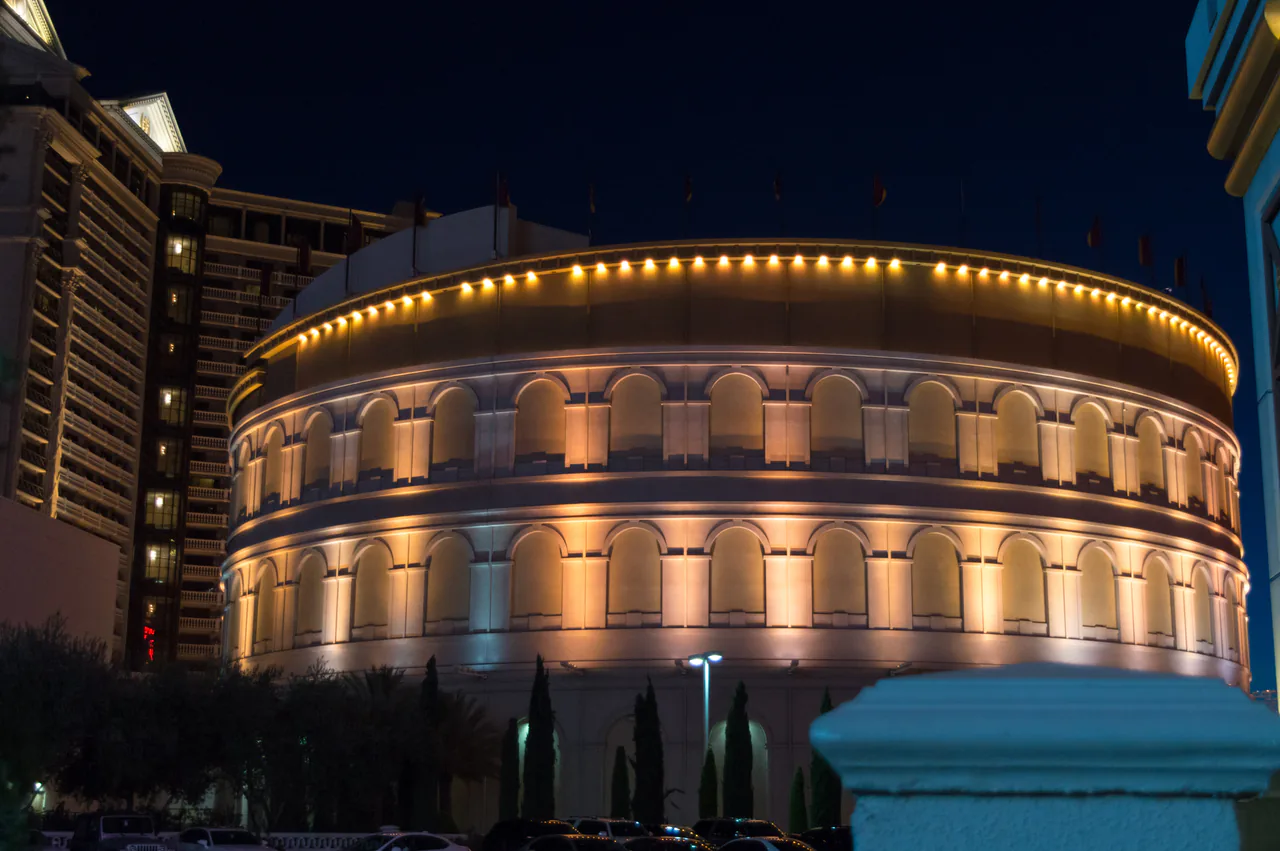
Two tickets is the right number for a three-night Las Vegas trip: one big production and one small room. The big one is usually Cirque du Soleil, which starts around $49 plus tax and delivers a spectacle you can’t see anywhere else. The small one is a magician or a comedy show in a 500-seat theater, where being close to the stage matters more than the budget behind it. Book both before you fly, because the good seats for anything worth seeing are gone by the week of.
Where people waste money is in the middle: expensive tickets to a headline residency they only half care about, bought from a reseller, for a night when the artist isn’t even in town.
The five kinds of Vegas show
Cirque du Soleil resident productions are the backbone. Five run on the Strip right now: Mystère at Treasure Island, the water show “O” at Bellagio, KÀ at MGM Grand, Michael Jackson ONE at Mandalay Bay and the 18-plus Mad Apple at New York-New York. Each has a purpose-built theater, prices start at $49 plus taxes, and they run most nights of the week all year.
Headliner residencies are named artists playing a block of dates at one venue - most often the Colosseum at Caesars Palace or one of the arena-scale rooms. This is the most expensive category by a distance, and the one most sensitive to timing: an artist might play eight nights in a month and none the next.
Magic is the category Las Vegas does better than anywhere. Penn & Teller have been at the Rio for decades, Mat Franco has his own theater at the LINQ, David Copperfield plays MGM Grand. These are mid-priced, 90 minutes, and the small rooms are the good ones.
Comedy and adult variety covers everything from stand-up clubs inside the resorts to Absinthe, the raunchy circus-cabaret in a tent outside Caesars Palace. Late shows are usually rowdier and often cheaper.
Immersive at Sphere is its own thing. The 366-foot LED globe behind the Venetian programs an immersive film - currently The Wizard of Oz at Sphere - alongside concert residencies from acts like the Eagles, Metallica and the Backstreet Boys. Tickets go through Ticketmaster.

Choosing between them
Work backward from who you’re with. Cirque du Soleil suits a first trip or a mixed group best - “O” and KÀ for pure spectacle, Mystère for the oldest and most family-friendly room, Mad Apple for an adults-only variety show - while families with younger kids do better with Mystère, a magic act, or the free Viva Vision light shows downtown. Couples who want a great night rather than a grand spectacle should take a small magic or comedy room, where the closeness is the product; anyone here for one specific headliner should build the trip around that artist’s published dates; and Sphere rewards sitting further back than instinct says, since its wrap-around screen gives the cheaper upper seats more of the effect than the expensive floor.
Where to buy, and the rule that changed in 2025
Buy from the show’s own site or the resort’s box office first. For Cirque that’s cirquedusoleil.com; for Sphere it’s Ticketmaster; for resort-run shows it’s the hotel’s own ticketing page. These are the prices everything else marks up.
Ticket pricing in the US got considerably more honest on 12 May 2025, when the FTC’s Rule on Unfair or Deceptive Fees took effect. Sellers of live-event tickets now have to show the total price, including mandatory fees, clearly and up front rather than revealing a service charge at the final click, and the rule covers resellers and third-party platforms as well as the venues themselves. The practical effect: the number you see early should be the number you pay, so a listing that still surprises you at checkout is worth walking away from.
Resale sites are legal and sometimes useful for sold-out residencies, but for a Cirque show on a random Tuesday there’s no shortage, so paying above face value makes no sense.
Discount booths still work
The Tix4 booths, which most people still call Tix4Tonight, sell same-day and near-term seats at a discount from six kiosks along the Strip: the LINQ Promenade, Showcase Mall, Casino Royale, Fashion Show, Planet Hollywood and the Grand Bazaar Shops. The LINQ location runs 10 a.m. to 10 p.m. daily; the others vary.
They’re worth a stop if you’re flexible. What you can’t do is choose: inventory is whatever hasn’t sold for tonight, seat locations are usually assigned rather than picked, and the biggest shows rarely appear. Treat the booths as a way to fill a spare evening cheaply, not as a strategy for seeing a specific production.
The resorts run their own version of the same idea. Box offices release unsold seats late in the day, and casino players’ club members and hotel guests are often offered rates the public never sees. If you’re already staying on the property, it costs nothing to ask at the box office in the afternoon what’s left for tonight - the answer is frequently better than any third-party price, and there’s no service charge on top.
Seats, timing and the details that matter
Most resident shows go dark one or two nights a week, and those nights vary by production - it’s the single most common way a Vegas evening falls apart. Check the calendar for your exact dates before you commit.
For seating, the honest advice depends on the room. In the Cirque theaters, mid-priced center seats a dozen rows back beat front-row side seats, because the staging is built for a full view. In small magic and comedy rooms, closer is genuinely better and worth paying for. At Sphere, the geometry inverts and height helps.
Nearly every show runs an earlier and a later performance. The early one tends to be calmer and easier to build a dinner reservation around; the late one is livelier and, in the comedy rooms, considerably filthier. Whichever you pick, allow more time than you think to reach the theater - it can be a fifteen-minute walk from a resort’s front door to its own showroom, and the things to do in Las Vegas guide explains why the Strip’s distances lie.

What’s not worth the money
Impersonator and tribute shows in small off-Strip rooms are the weakest value in the city, and they’re heavily promoted precisely because they don’t sell themselves.
Ticket packages bundled with dinner usually price the meal higher than you’d pay for it separately, and lock you into a restaurant you didn’t choose.
Premium seats at Sphere. The venue’s whole point is the wrap-around screen; paying a large premium to sit closer to a stage gives you less of it, not more.
Anything bought from a person on the sidewalk. Street sellers on the Strip aren’t affiliated with the venues, and the “free” show tickets handed out around the boulevard are almost always attached to a timeshare presentation.
And one thing that’s worth it: the free stuff. The Bellagio fountains, the Viva Vision canopy downtown, the casino floors and the hotel atriums cost nothing and fill the evenings between the two tickets you actually bought. Sort your base first with where to stay in Las Vegas, because staying within walking distance of your theater quietly removes an entire category of trip friction, and if you’re heading out of town afterward the Nevada travel guide covers the desert side of the state.
Read also
- Plan the days: things to do in Las Vegas
- Pick a base near your theater: where to stay in Las Vegas
- Beyond the Strip: Nevada travel guide and Arizona travel guide
- More entertainment guides and US cities
On the map
The map loads on click - to keep the page lightweight.
The map didn’t load. Check your connection and refresh the page.
Read also

Entertainment · 17 min read
Grand Canyon Tours from Las Vegas: Bus, Helicopter & Skywalk
Verified · September 19, 2026Compare Grand Canyon tours from Las Vegas: bus, helicopter and Skywalk prices from the operators, plus when the South Rim is worth the extra hours.

Entertainment · 8 min read
Albuquerque Balloon Fiesta: Tickets and Timing
Verified · August 25, 2026Oct 3-11, 2026: $22.24 per session online, dawn mass ascensions, evening glows, Park & Ride, and why hotels sell out months ahead.

Entertainment · 10 min read
Universal vs Disney in the USA: Which Park for Which Trip
Verified · August 8, 2026Disneyland vs Universal Hollywood, Walt Disney World vs Universal Orlando: 2026 ticket prices, park counts and which coast fits your trip.

Entertainment · 10 min read
Broadway Tickets in NYC: How to Get Them
Verified · July 24, 2026How to get Broadway tickets in NYC: TKTS discounts, digital lotteries, rush and standing room, what shows really cost and how to skip booking fees.