
Things to Do in New York City
The best things to do in New York City: top sights, neighborhoods worth your time, how the subway works, what tickets cost and where to eat.
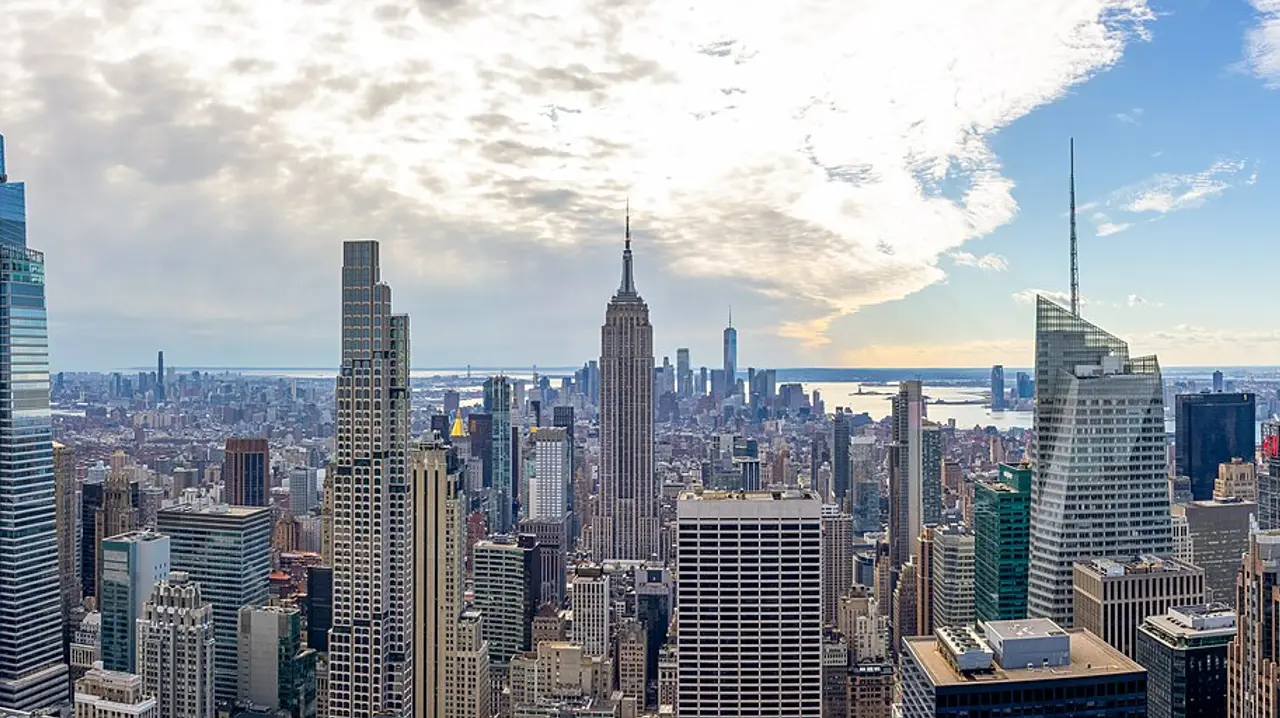
New York City rewards a plan. Four days covers the headline sights (the Statue of Liberty, Central Park, one observation deck, the 9/11 Memorial and a walk over the Brooklyn Bridge) with enough left over to spend a morning somewhere that isn’t on a postcard. The city is also easier to move around than it looks: the subway runs all night, a single fare takes you from the Bronx to Coney Island, and most of Manhattan is a numbered grid you can read without a map.
That grid is the first thing to get straight. Above Houston Street, avenues run north-south and streets run east-west, numbered upward as you go north, with Fifth Avenue splitting addresses into East and West. Below Houston the old street plan takes over and the logic disappears, which is exactly why the Village, SoHo and the Financial District feel so different underfoot. “Uptown” means north, “downtown” means south, and once those two words click, the subway map stops being intimidating.
The big sights, and which are worth the line
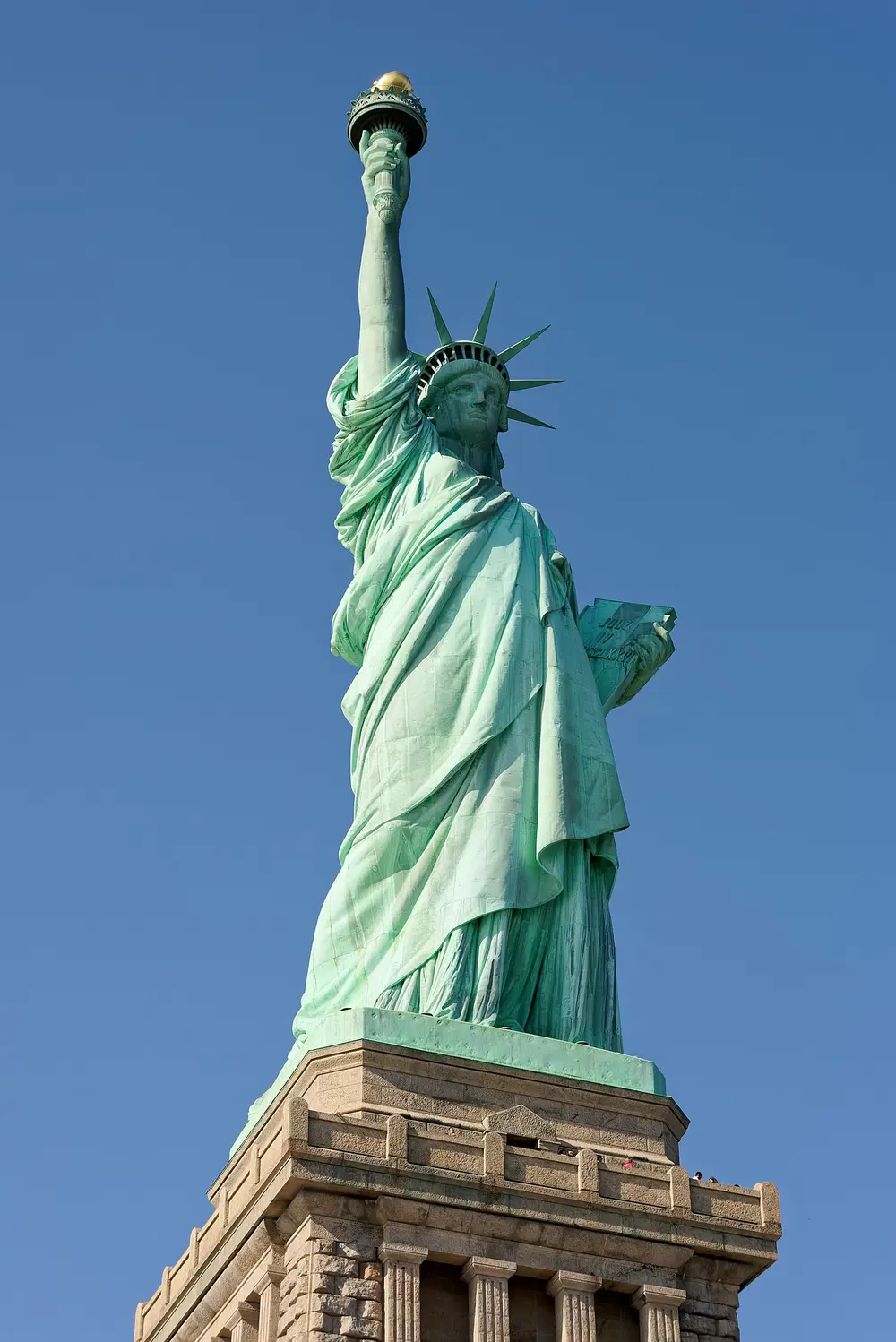
The Statue of Liberty is the one booking you should make weeks ahead. Statue City Cruises is the only authorized ferry, leaving from Battery Park in Manhattan or Liberty State Park in New Jersey, and the ticket ($26.00 for adults) covers the round trip, both islands, the museums and an audio tour. Crown and pedestal access is a separate, limited ticket that sells out months in advance. If you only want the view and not the island, the Staten Island Ferry is free and sails right past her - that’s the single best swap in the city between money spent and hours saved. Our Statue of Liberty ticket guide breaks down which ticket to buy, which dock to sail from, and the crown reservation rules in full.
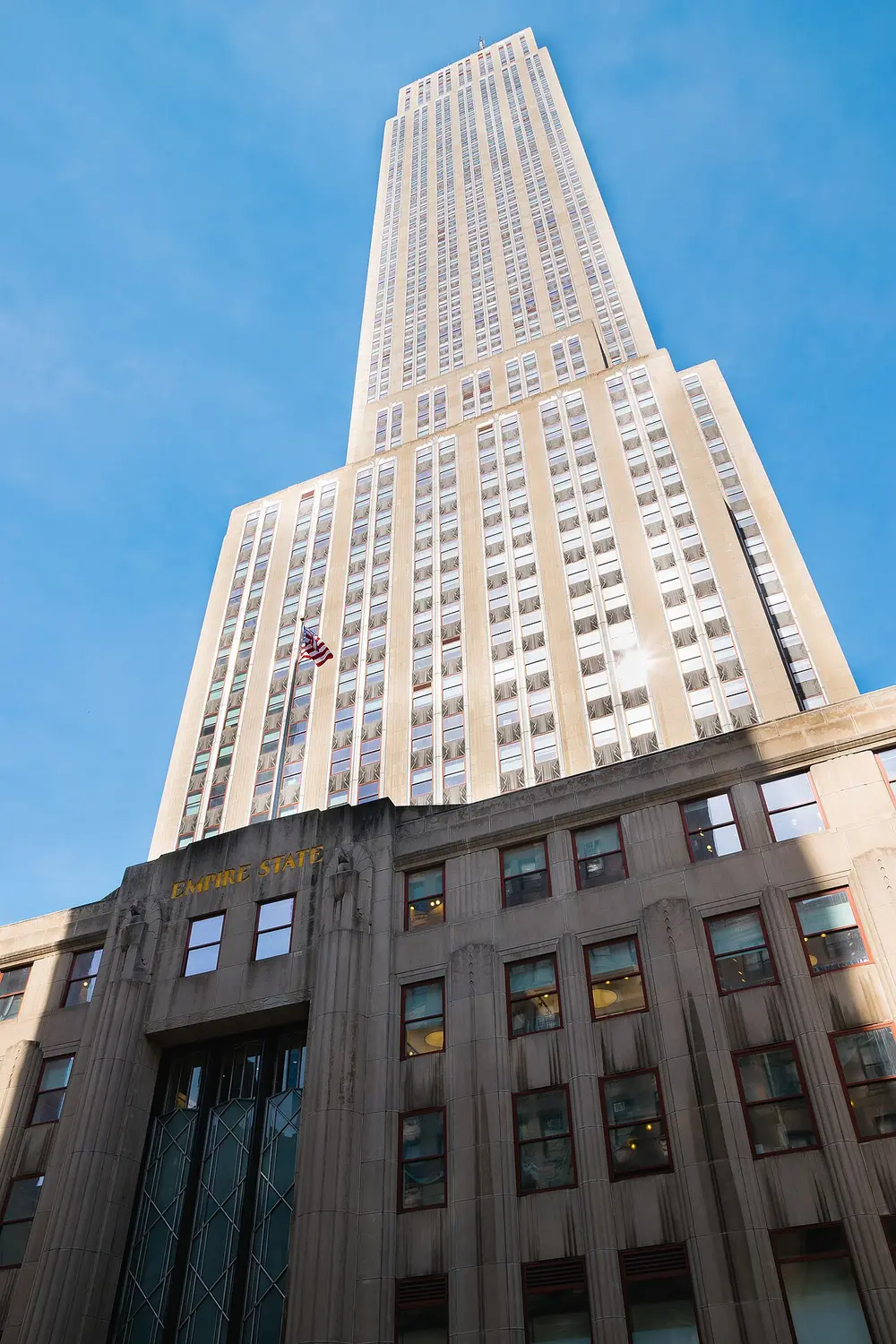
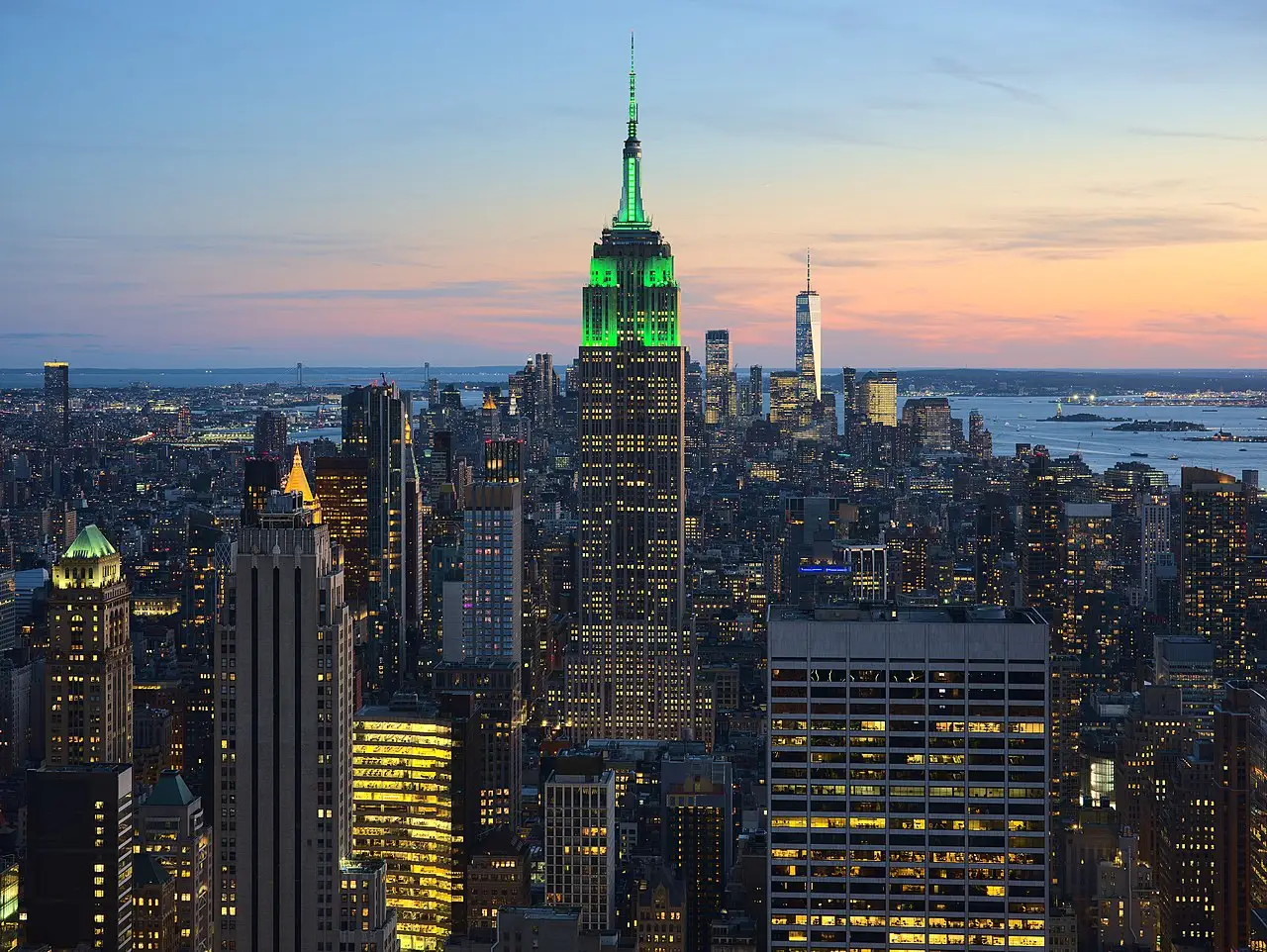
For the view from above, four decks compete for the same skyline shot and all land around $42-$44 at the entry tier: the open-air Empire State Building, the photographer-favored angle at Top of the Rock, the glass-box art installation at SUMMIT One Vanderbilt, and the tallest of the four, One World Observatory downtown. Our NYC observation decks guide compares what each one actually gets you. Each one earns its ticket price for a different reason, and picking the wrong one mostly means picking a view you didn’t actually want. If you’re collecting several paid sights, check whether a CityPASS or Go City bundle beats buying them one by one.
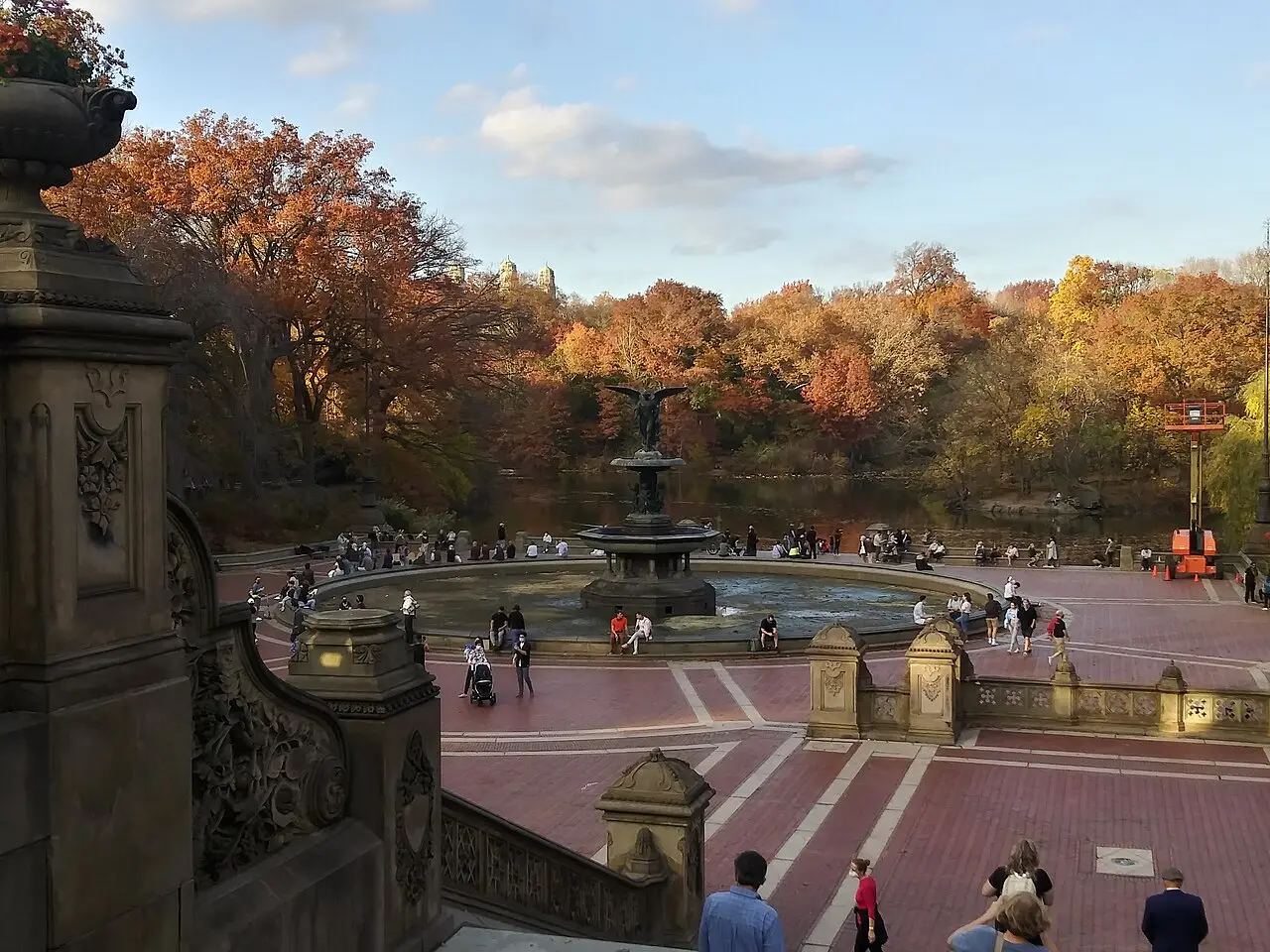
Central Park needs half a day and costs nothing. Enter at 72nd Street for Bethesda Terrace and the lake, walk north through the Ramble, and you’ll understand why New Yorkers treat 843 acres of designed landscape as a civic right rather than a tourist attraction.
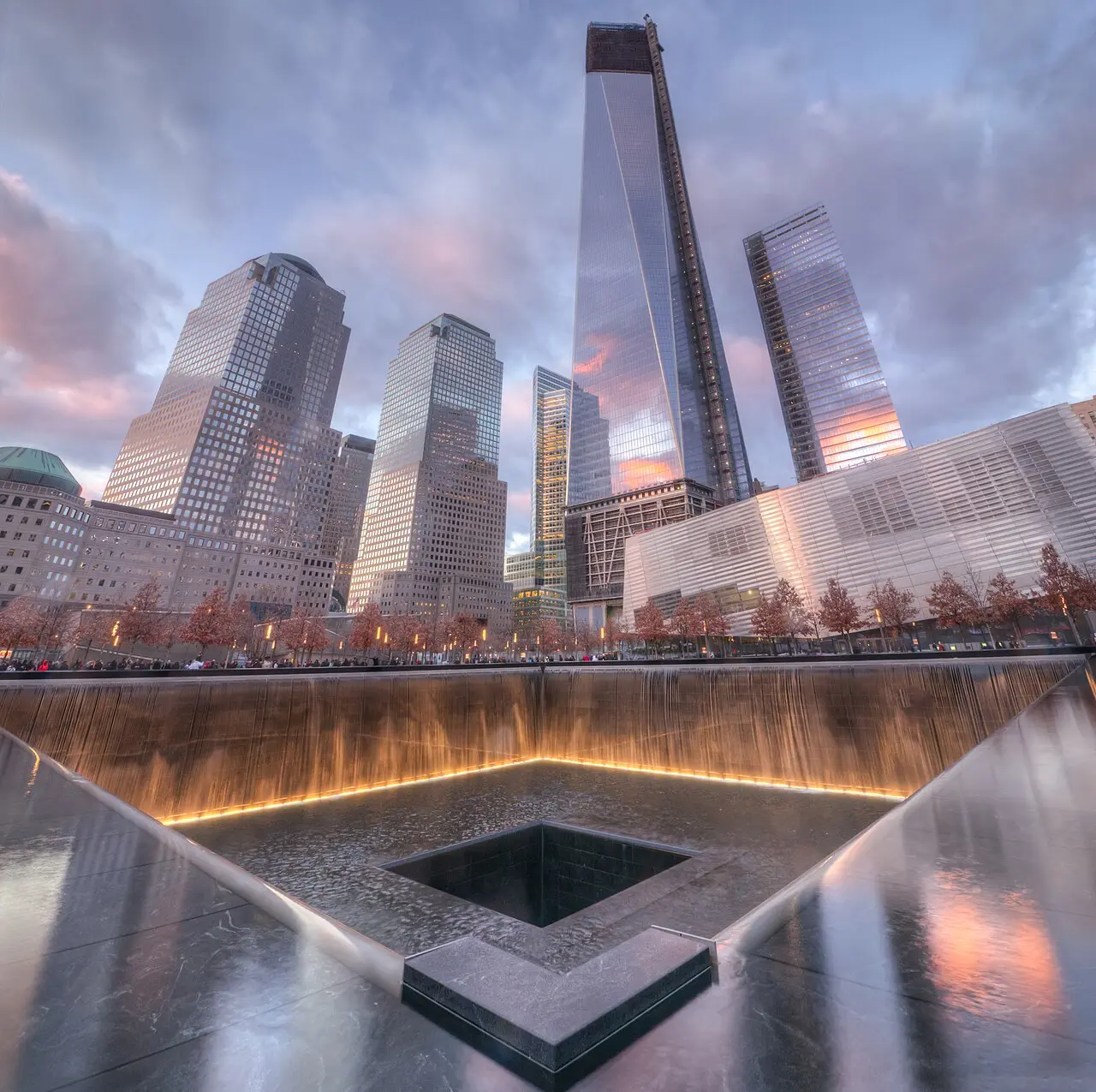
The 9/11 Memorial is free to walk through: two sunken pools set in the footprints of the towers, with the names of the dead cut into bronze around the edges. The museum below is ticketed and takes a couple of emotionally heavy hours. Go early, before the plaza fills.
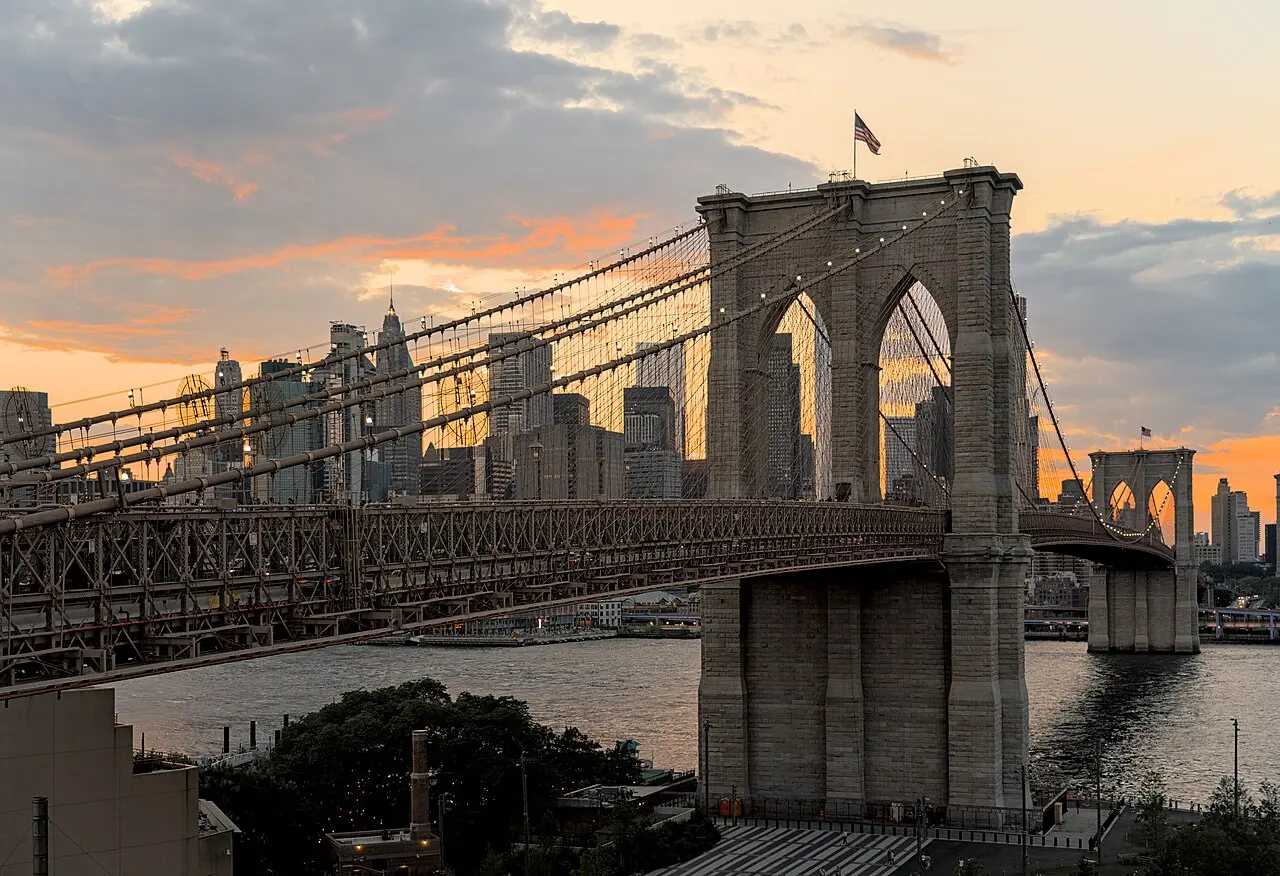
Walking the Brooklyn Bridge is the best free hour in the city, but do it in the right direction: start on the Brooklyn side and walk toward Manhattan, so the skyline is in front of you the whole way instead of behind your shoulder. Go at 7am and you may have the promenade to yourself.
Neighborhoods worth a whole morning
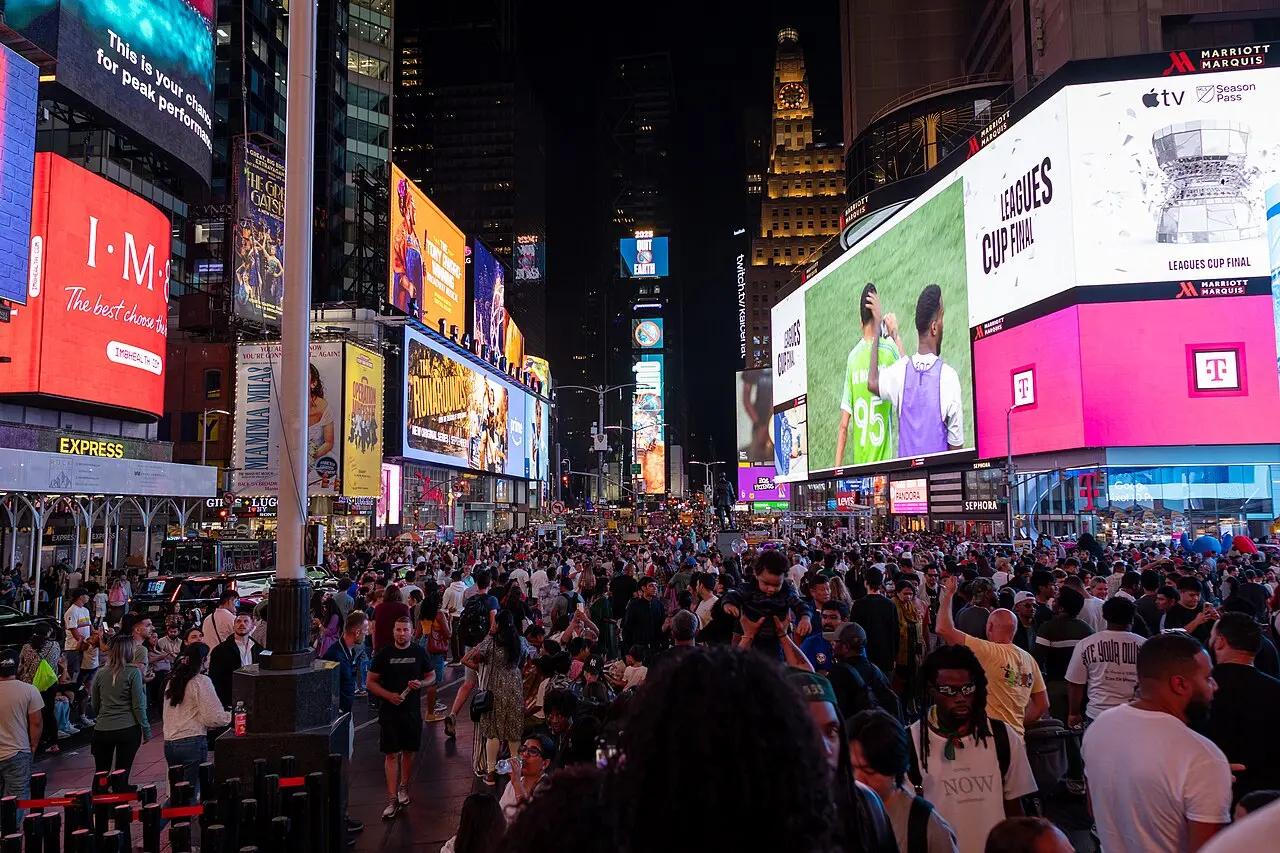
Times Square deserves exactly one visit, at night, of about twenty minutes. It’s loud, commercial and packed, and it’s also unlike anywhere else on earth at 11pm. Then walk two blocks west and the city becomes a normal place again. It’s the heart of the Theatre District, so plan an evening around it and read how Broadway tickets actually work before you pay face value.
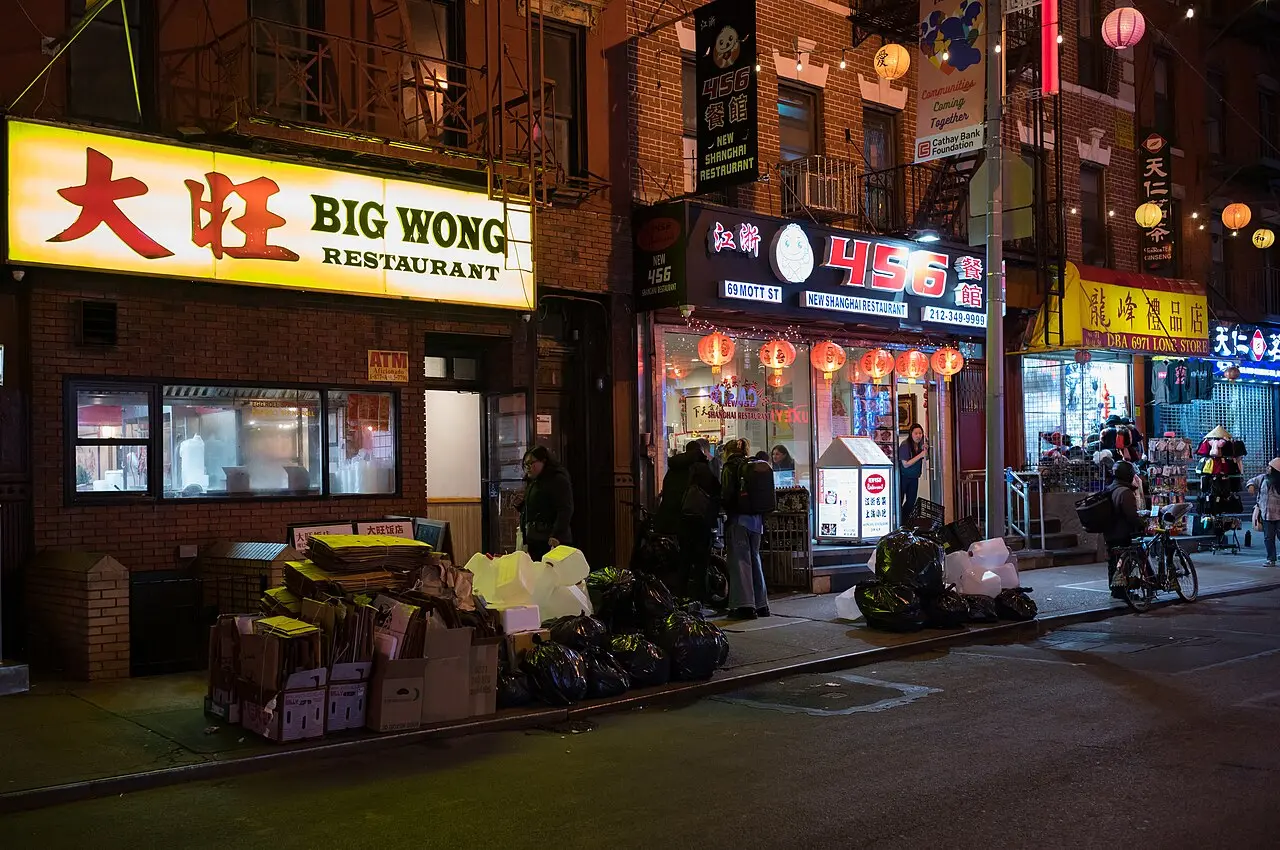
Downtown, Chinatown and the Lower East Side are where a lot of New York’s actual food lives: dumpling counters on Mott Street, old tenement blocks, bakeries that haven’t changed their signage since 1975. The Tenement Museum on Orchard Street tells the immigration story through the apartments themselves and is one of the better small museums in the country - you’ll want a timed ticket. Katz’s, on our New York eating list, sits on that same stretch of East Houston.
The High Line runs a mile and a half along a converted freight viaduct from the Meatpacking District up to Hudson Yards, planted with grasses and threaded between buildings. Come at opening or late in the day; the middle of a summer afternoon is a slow-moving crowd - don’t expect a quiet stroll at noon.

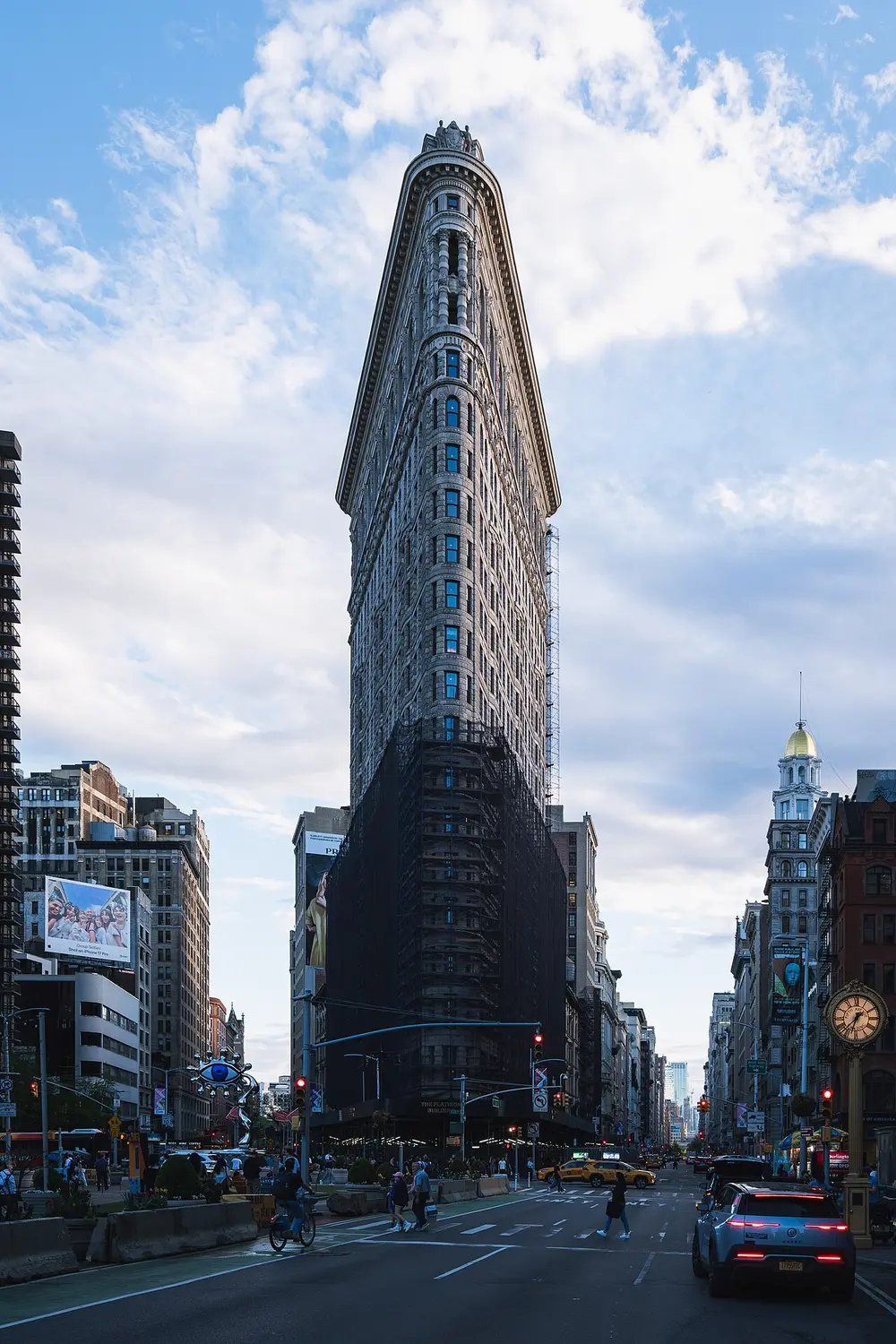
Around Madison Square the Flatiron Building still stops people dead on the sidewalk, and the surrounding blocks (Gramercy, NoMad) make a pleasant, low-key lunch stop between downtown and Midtown - that’s a good reset before museums.
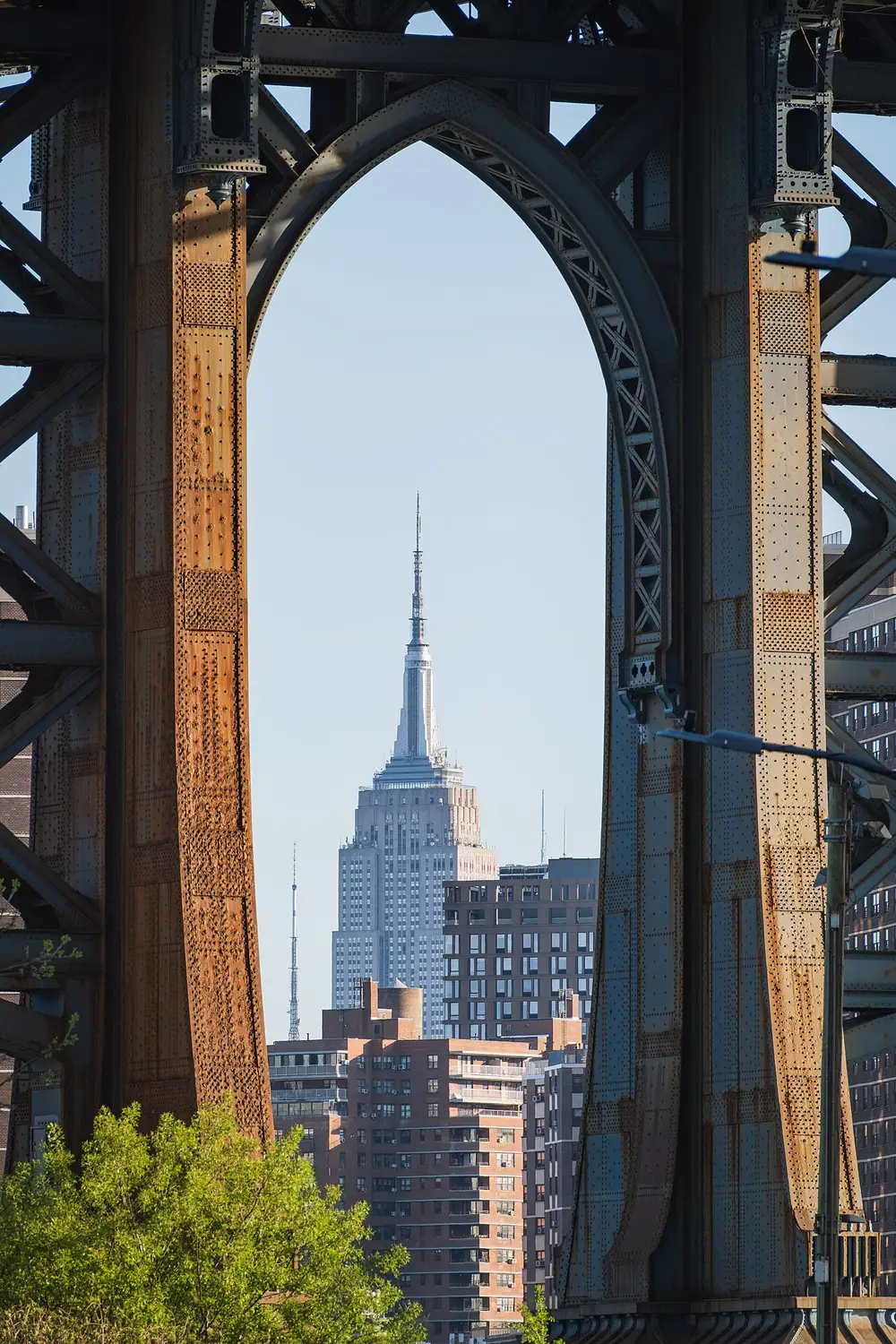
Across the East River, DUMBO gives you the famous shot of the Manhattan Bridge framing a distant Empire State Building from Washington Street, plus Brooklyn Bridge Park along the water. Williamsburg, a few stops further on the L train, is the other Brooklyn most visitors mean: bars, record shops, and Sunday markets - you’ll photograph both if the weather holds.
Museums and grand interiors
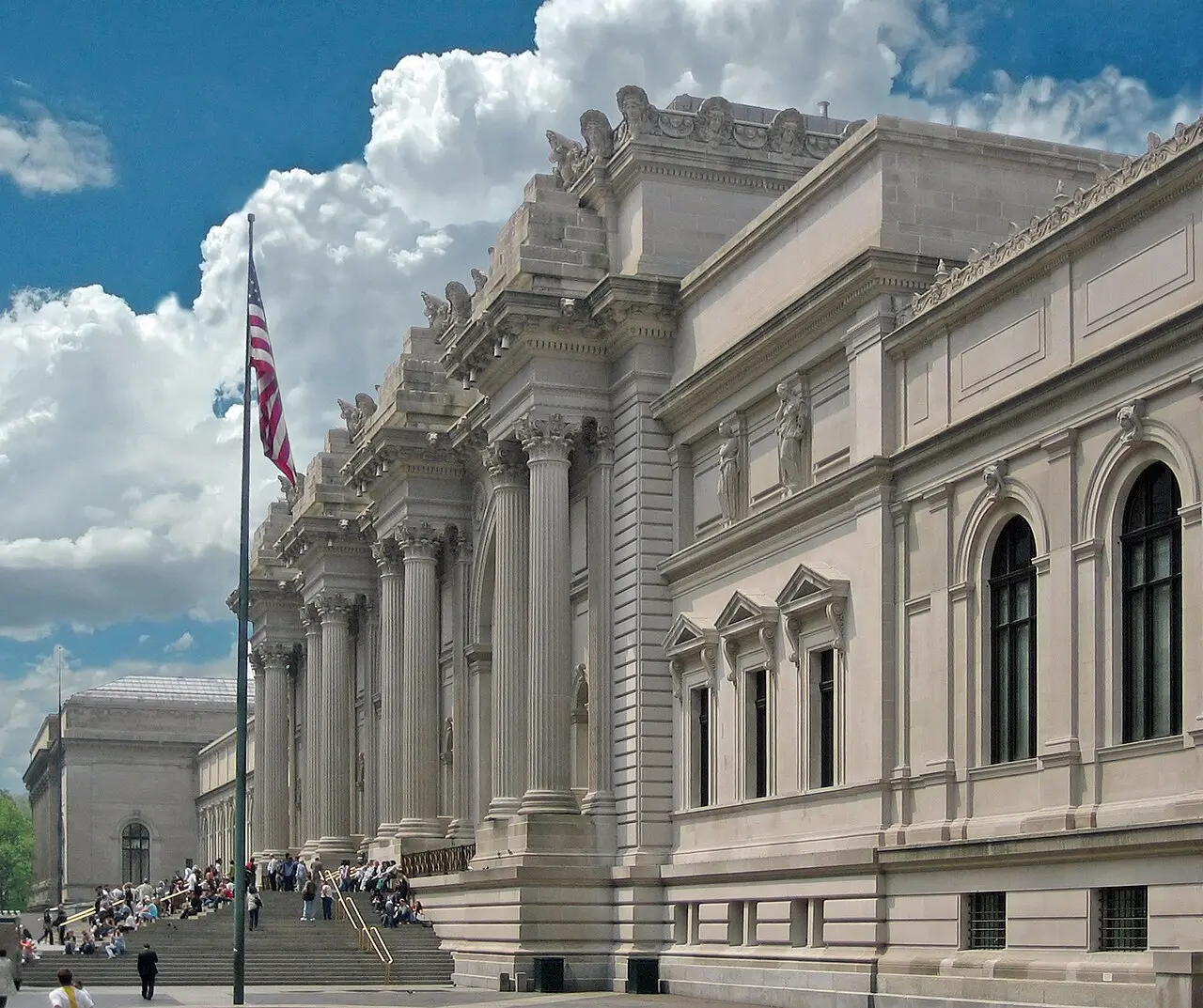
The Metropolitan Museum of Art is the giant, and two hours only scratches it; pick two or three wings rather than trying to see it all - you won’t finish the building in a morning. Admission is pay-what-you-wish for New York State residents and for students from New York, New Jersey and Connecticut, while everyone else pays a fixed price. MoMA, the American Museum of Natural History and the Guggenheim round out the heavyweight list.
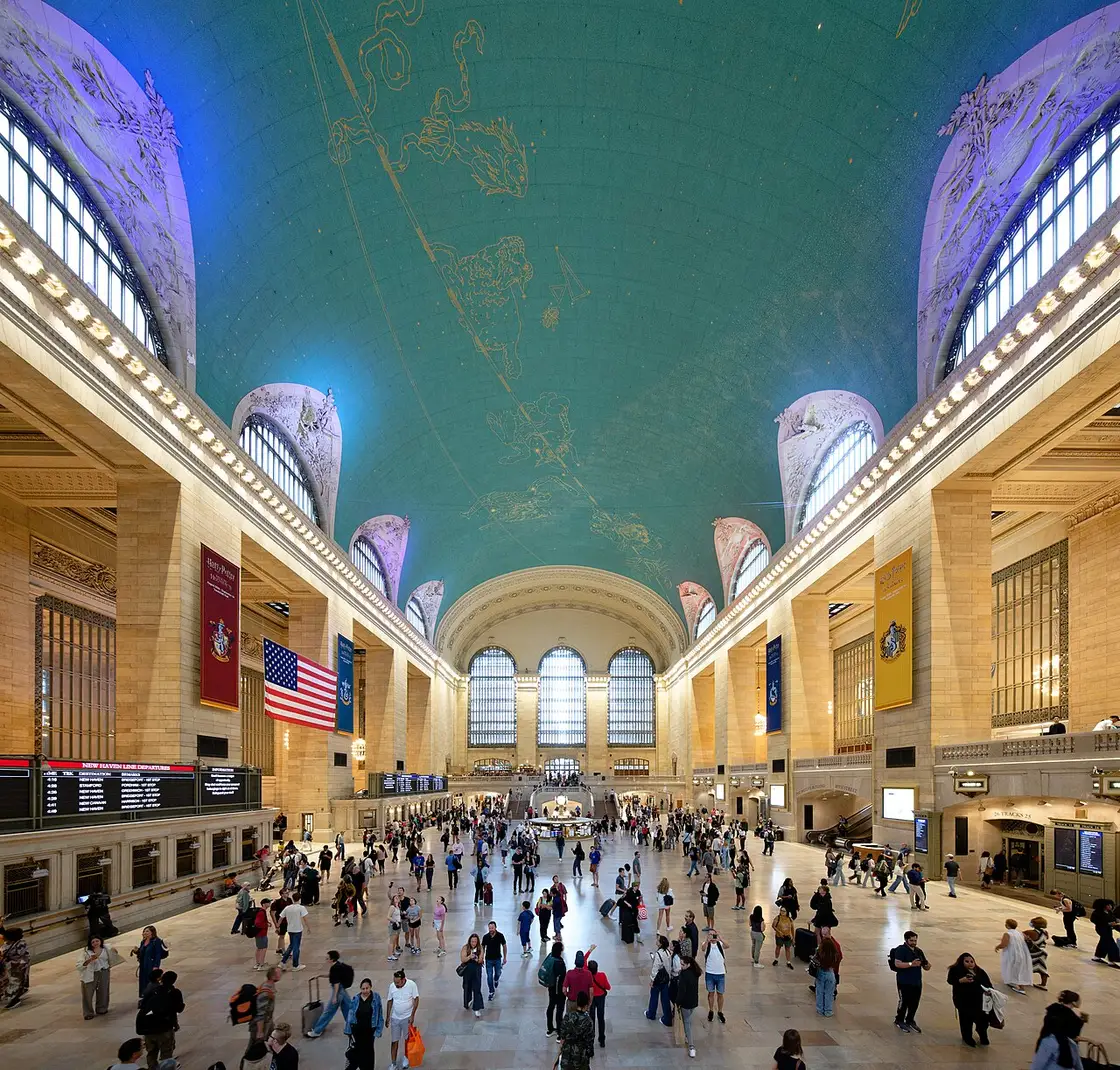
Grand Central Terminal is free, open and better than most paid attractions: the main concourse with its green astronomical ceiling, the whispering gallery outside the Oyster Bar, and a food hall downstairs that’s a reasonable lunch in an unreasonable location.
Getting around: OMNY and the subway
The fare system changed, so ignore older advice. You can no longer buy or refill a MetroCard - sales ended on 31 December 2025, and while old cards still work at the turnstiles for now, there’s no reason for a visitor to hunt one down. The subway runs on OMNY: tap a contactless bank card, phone or watch straight on the reader. The base fare is $3.00 for subway and local buses as of January 2026, and there’s a rolling seven-day cap. After 12 paid rides in any 7-day window, the rest of that week is free, so nobody pays more than $35 a week. That cap replaces the old unlimited passes, and it works automatically as long as you tap the same card every time.
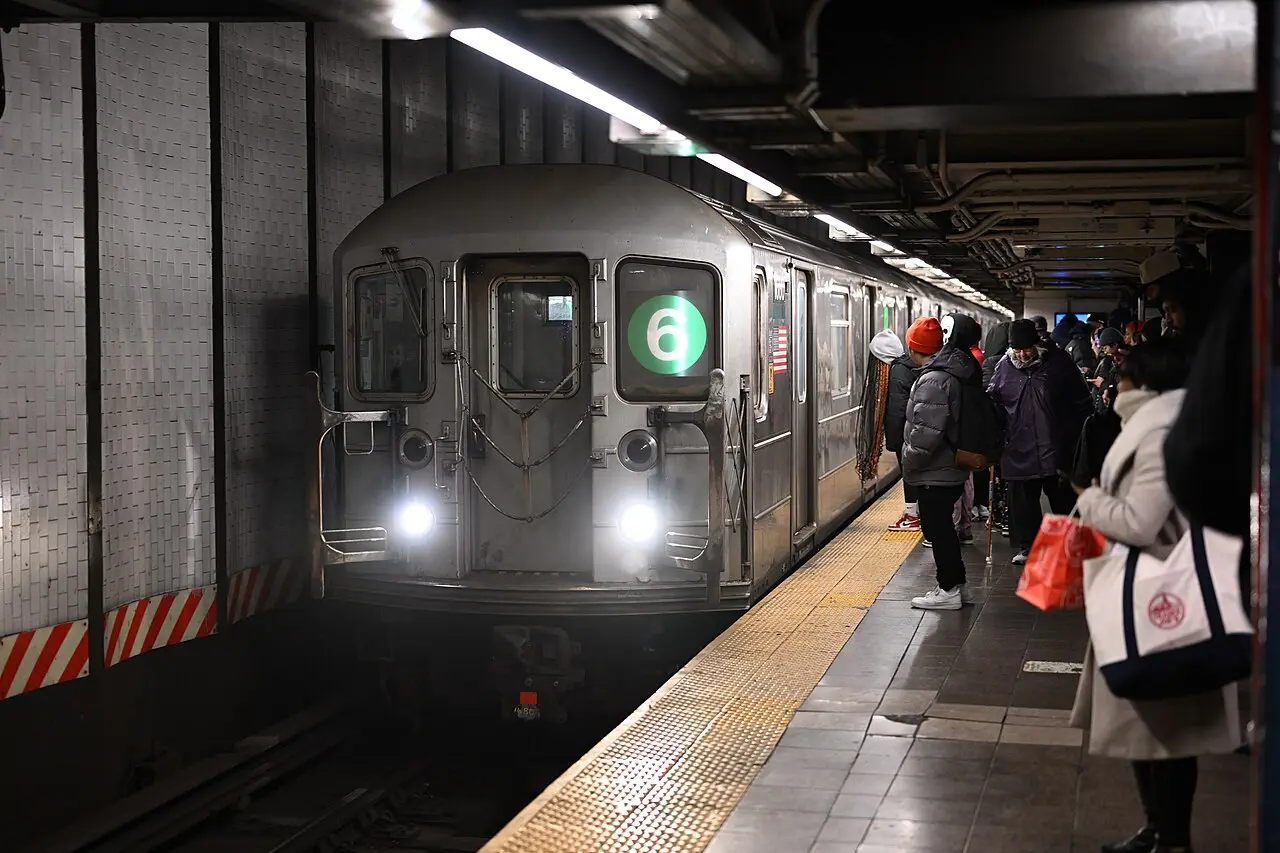
The cap belongs to the card, not to the person, and that catches families out. Everyone in your group should tap their own card, phone or OMNY card. You can tap a single card for up to four people, but only the first tap counts toward that card’s weekly cap; the other three are charged the full fare every time and never earn the free rides. On a week of family sightseeing that difference is real money. One more habit to build: check whether your train is running local or express before the doors close, since an express can carry you 30 blocks past where you meant to get off. Three airports serve the city - JFK and LaGuardia in Queens, Newark across the river in New Jersey - with the AirTrain linking JFK to the subway and Long Island Rail Road.
Eating well without overspending
Forget the dollar slice; it died years ago. At the end of 2025 the median plain slice in the city hit $3.81 while a subway ride cost $3.00, which broke the “pizza principle” locals had used as an inflation gauge since the 1960s - for six decades a slice and a ride moved in step. Joe’s on Carmine Street, the West Village counter every list sends you to, is at $4.00. That’s still the cheapest fast meal on almost any Manhattan block, and it’s the number to measure everything else against.
Four places to walk to, all of them counters rather than restaurants:
- Mott and Eldridge Streets in Chinatown, for dumplings by the half-dozen and bowls of hand-pulled noodles that come in under what a sit-down Midtown lunch costs.
- Russ & Daughters on Houston Street, an appetizing shop since 1914, for bagels, smoked salmon and the argument about which cure is best. Not the cheapest name here, but the most New York.
- The Halal Guys cart at 53rd and Sixth, the chicken-and-rice platter that started the whole street-food genre. Expect a line after dark.
- Katz’s on Houston, which is expensive for a sandwich, worth it once, and splits comfortably between two people.
Prices at all of these move; check the menu on the day. What doesn’t change is the shape of the saving: eat at counters at lunch, spend on one dinner you actually chose, and skip the sit-down breakfast entirely. Book anything you’ve set your heart on well in advance, because walk-in tables at the restaurants people write about barely exist.
What’s free in New York
An enormous amount of the city costs nothing: the Staten Island Ferry, Central Park, the High Line, the 9/11 Memorial plaza, Grand Central, the Brooklyn Bridge and every hour spent walking. String four of those together and you have a full day that costs two subway taps.
Sleeping is where the money goes. New York adds a hotel tax of roughly 14.75% plus about $3.50 a night on top of the rate, and the neighborhood you pick swings the base price hard - our guide to where to stay in New York City compares the areas by budget.
Day trips: Coney Island and the Hudson Valley
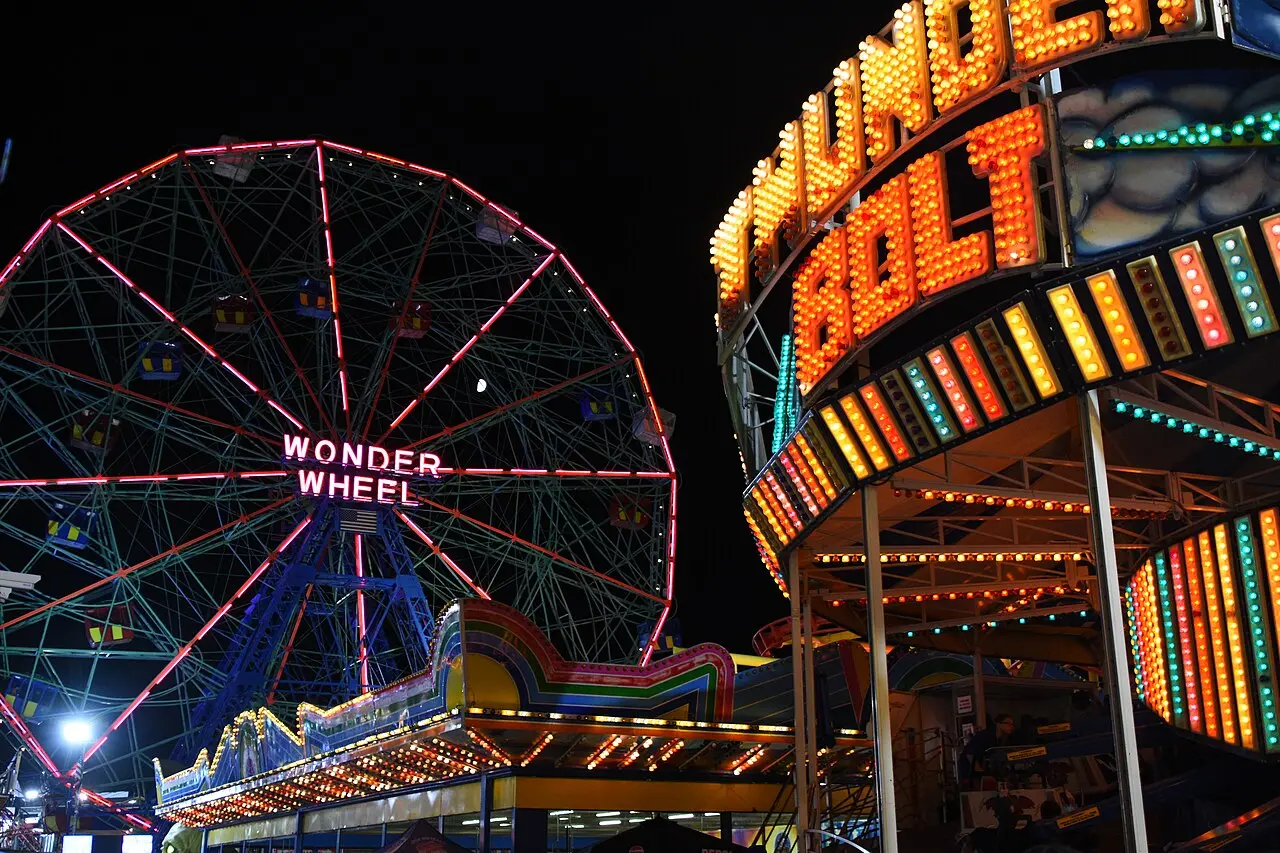
Coney Island is a 45-minute subway ride to a boardwalk, a beach and a 1920 Wonder Wheel, and it’s the cheapest change of scene the city offers. For something greener, the Hudson Valley river towns are just over an hour from Grand Central by train.
Beyond that, the city is the front door to the rest of the state, from Niagara Falls to the Adirondacks - the New York State travel guide sets out how to combine them without spending the week in a car.
Read also
- Choosing your arrival airport: which US airport to fly into
- The wider state: New York State travel guide
- Pick your base: where to stay in New York City
- An evening out: Broadway tickets in NYC
- More US cities and US states
- Landed at JFK already: JFK to Manhattan: AirTrain, taxi or car service
On the map
The map loads on click - to keep the page lightweight.
The map didn’t load. Check your connection and refresh the page.
Good to know
Observation-deck and museum prices in this guide are dynamic - they change by date and time slot, and most add a booking or processing fee on top. Always check the operator site for the exact total before you book.
Details checked: July 24, 2026
Read also

Cities · 13 min read
Salt Lake City: Ski Base, Temple Square and the Salt Flats
Verified · August 29, 2026Four ski resorts inside 36 miles of the airport, a temple you cannot enter until 2027, and a salt flat that closes for racing. What to plan around.

Cities · 9 min read
Atlanta: Civil Rights Trail, Aquarium and Southern Food
Verified · August 28, 2026Free MLK park on Auburn Avenue, Civil Rights Center from $26, Georgia Aquarium tickets from $54.99, BeltLine walks and where Southern food still holds up.

Cities · 9 min read
Minneapolis Guide: River, Lakes & the Blue Line
Verified · August 26, 2026A $2 train from MSP, Stone Arch and Minnehaha Falls, Walker on free Thursday nights, and when Mall of America is worth the ride south.

Cities · 12 min read
Savannah Travel Guide: Squares and the Historic District
Verified · August 22, 2026Walk the 22 squares, tour Owens-Thomas honestly, ride the free river ferry, then Bonaventure and Tybee - checked August 2026.