New York to Niagara Falls: Train, Bus, Car & Tours
How to get from New York City to Niagara Falls by train, bus, car or tour - times, costs, and the fastest way if you're short on time.
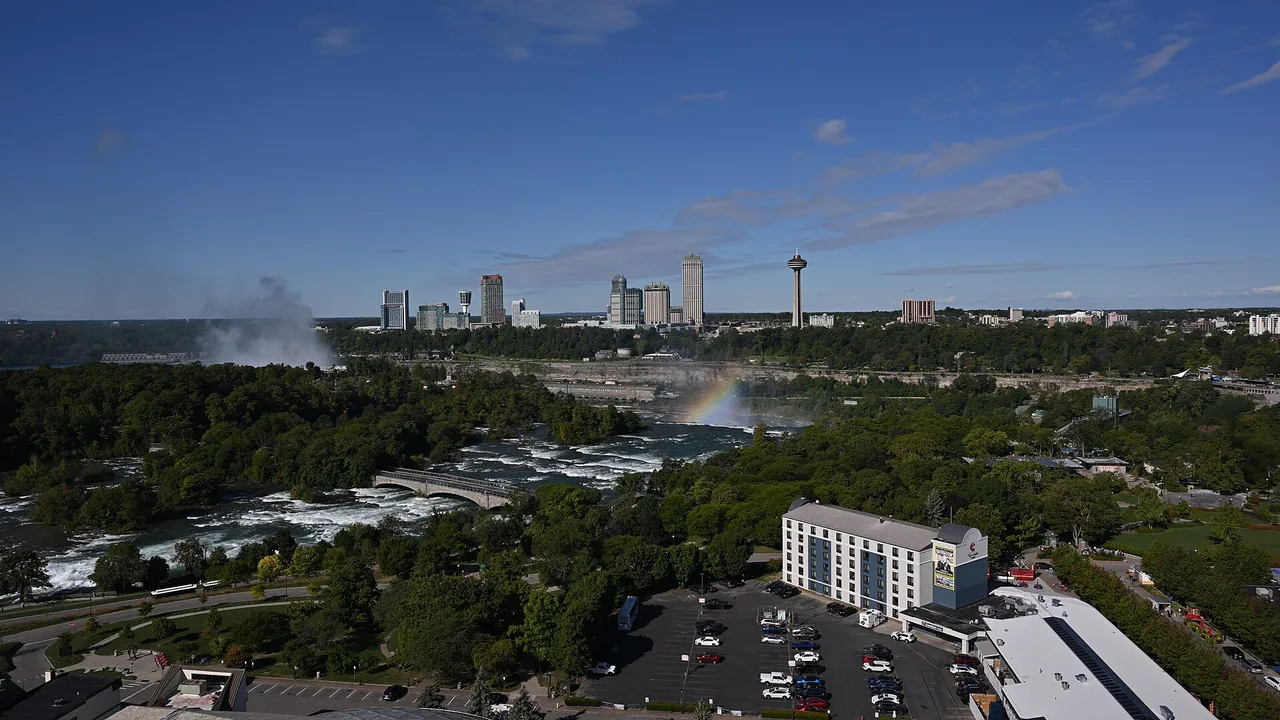
The fastest way from New York City to Niagara Falls is to fly to Buffalo, about an hour in the air, then drive the last 30 minutes. The cheapest is the bus or the Amtrak train, both roughly nine hours for $40 to $65. The most flexible is your own car, about seven hours up the Thruway. But the decision that actually matters is simpler than the mode: can you spare an overnight? Because Niagara is around 400 miles away, and any ground option eats most of a day each way.
That distance is the thing visitors underestimate. On a map, upstate New York looks like a short hop from the city. In reality the falls sit about 400 miles northwest, near the Canadian border, which is a nine-hour train ride, a nine-hour bus, a seven-hour drive or a one-hour flight. Get the travel method right and the trip is easy. Get it wrong and you spend eighteen hours in transit for a few hours at the water.
Fly to Buffalo: the fastest way
If your time is tight, fly. Nonstop flights from JFK, LaGuardia or Newark reach Buffalo Niagara International (BUF) in about an hour, on carriers including Delta and JetBlue, and Buffalo airport is only about 25 to 30 minutes from the New York side of the falls. Door to door you’re looking at half a day instead of the two full travel days that any ground option costs you round trip.
The catch is what happens after you land. You’ll need a car from Buffalo, either a rental at the airport or a taxi or rideshare for the short run to the falls, and that’s an extra cost on top of the airfare. Skip Niagara Falls International (IAG); its scheduled service is thin and unreliable, so Buffalo is the airport to book. Flying makes the most sense when you want the falls as a quick add-on to a New York trip rather than a slow scenic journey.
Take the train: best if you’d rather not drive
Amtrak runs two services up the Hudson and across the state to Niagara Falls: the Empire Service, with several trains a day, and the Maple Leaf, one daily train that carries on to Toronto. Both leave from Moynihan Train Hall at Penn Station and take about 9.5 hours, with fares from around $64 one way. There’s WiFi and a cafe car, the first stretch along the Hudson is genuinely scenic, and you can get up and walk around instead of white-knuckling a freeway.
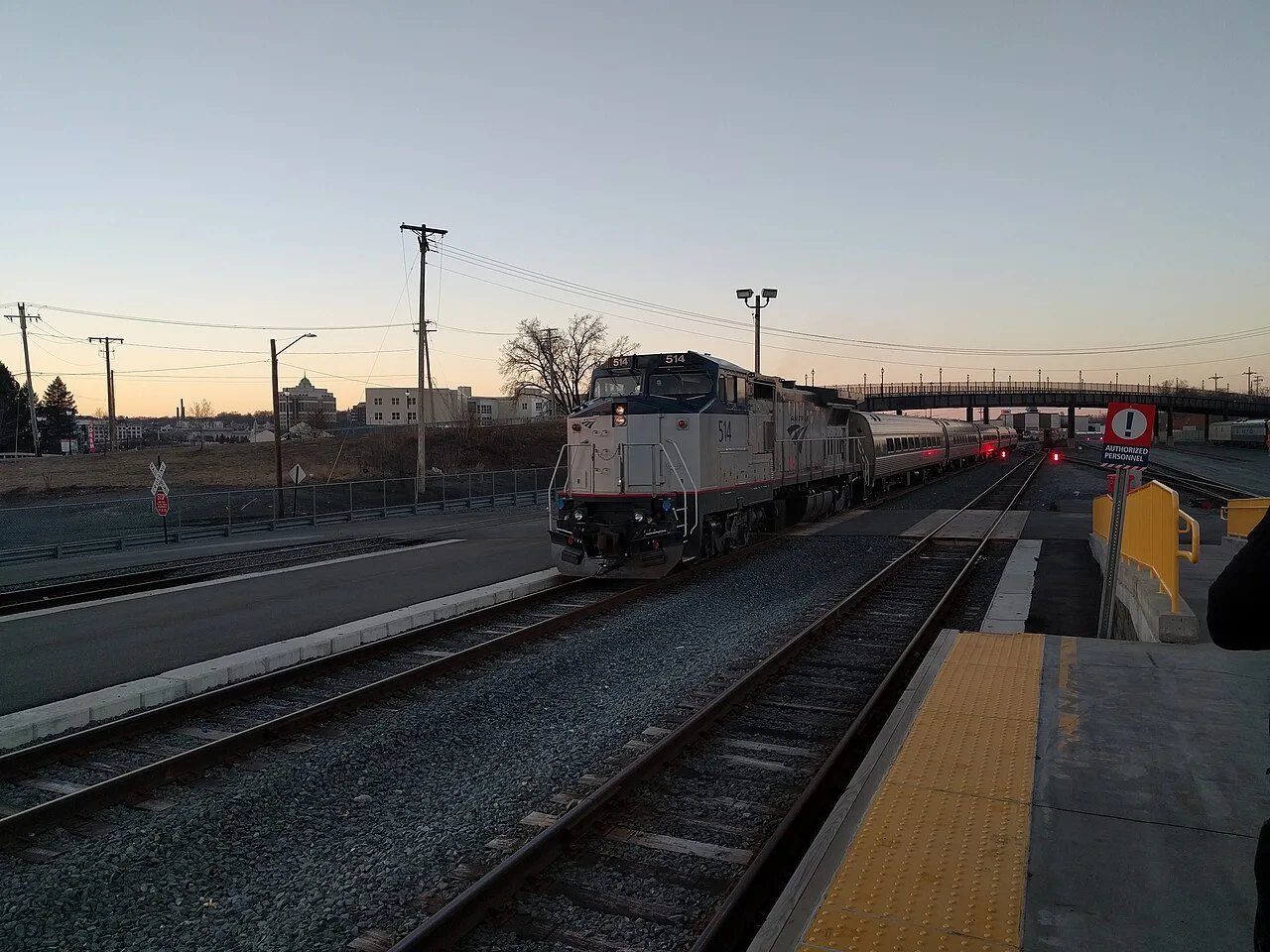
The train’s quiet advantage is where it ends: the Niagara Falls Amtrak station, rebuilt in 2016, sits close to the state park, so you arrive within reach of the falls without renting anything. The downside is the same nine and a half hours, and delays do happen on the long single-track stretches. Book the Maple Leaf or an early Empire Service train, budget the whole day for the journey, and plan to stay the night.
The bus: the cheapest option
Greyhound, FlixBus and Adirondack Trailways all run from the Port Authority to Niagara Falls, and the bus is the cheapest way to make the trip, with fares from roughly $40 to $48 and an average around $67. Departures are frequent, Greyhound alone schedules about 21 a day, and some run overnight so you sleep through the ride.
The time is essentially the same as the train, about 9 hours 20 minutes, but a bus seat is less comfortable than a train seat and there’s no cafe car or aisle to stretch in. Take the bus if the fare is the deciding factor, or if an overnight departure lets you avoid paying for a hotel on the way up. Otherwise the train wins on comfort for a similar day.
Drive it yourself: the most flexible
Driving is about 400 to 410 miles and 6.5 to 7.5 hours, up I-87 (the New York State Thruway) through Albany and then west on I-90. Tolls run roughly $28 with E-ZPass, or about $42 cash, each way and are collected electronically now, so a rental with a toll pass or your own E-ZPass keeps it simple. It’s the fastest ground option and the only one that lets you stop.
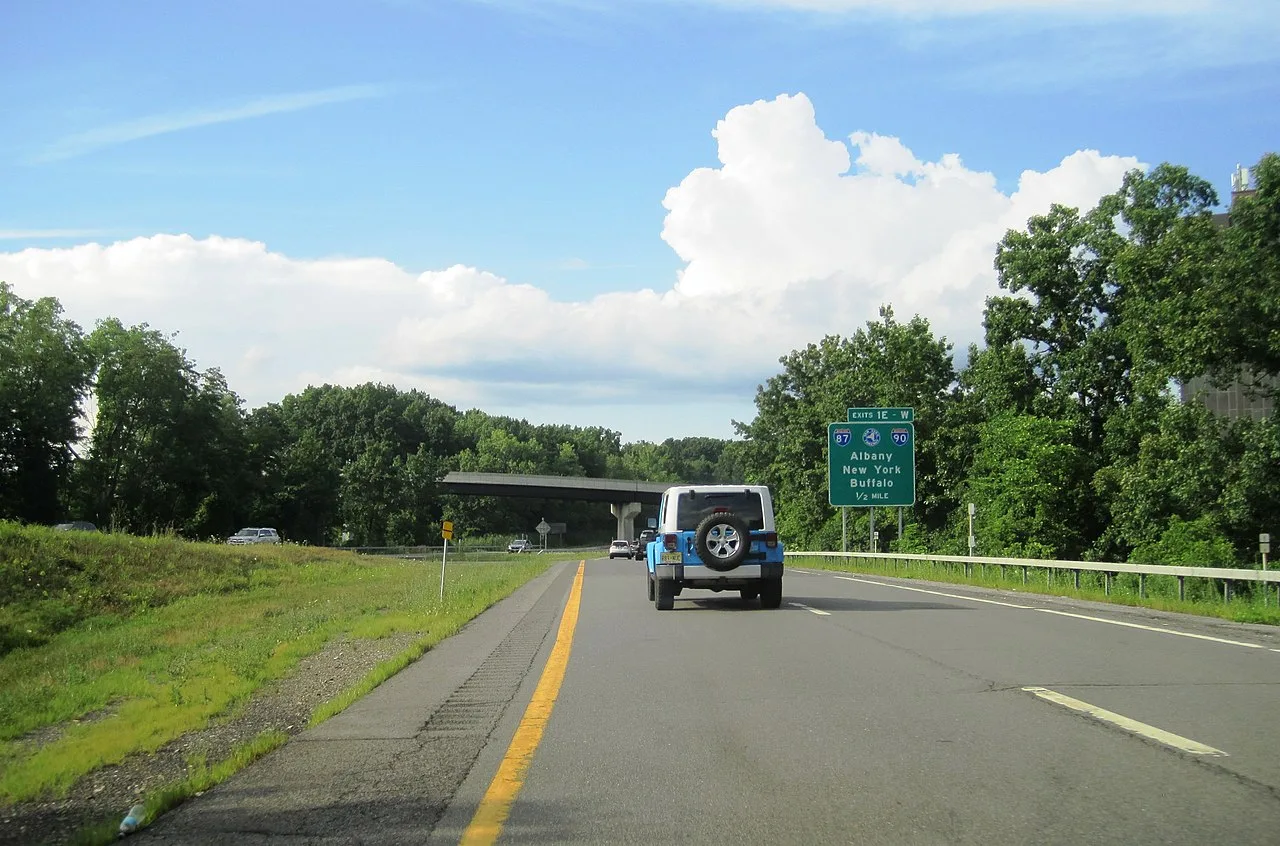
That flexibility is the real reason to drive. Break the trip in the Finger Lakes wine country, stop at the Corning Museum of Glass or Watkins Glen, and the long haul becomes part of the trip rather than dead time. Driving pays off when Niagara is one stop on a bigger upstate loop, not when it’s your only destination. You’ll pay for parking at the falls, and remember that a car sitting in a New York City garage before you leave is expensive too.
Guided tours from New York
If you’d rather not plan any of this, a tour handles it. The most sensible are the 2-day bus tours that leave the Port Authority, drive up (often through the Finger Lakes), put you in a hotel near the falls for the night with the illumination after dark, and include a Maid of the Mist cruise or Cave of the Winds walk the next day before heading back. It’s the hands-off way to see Niagara without booking each piece yourself.
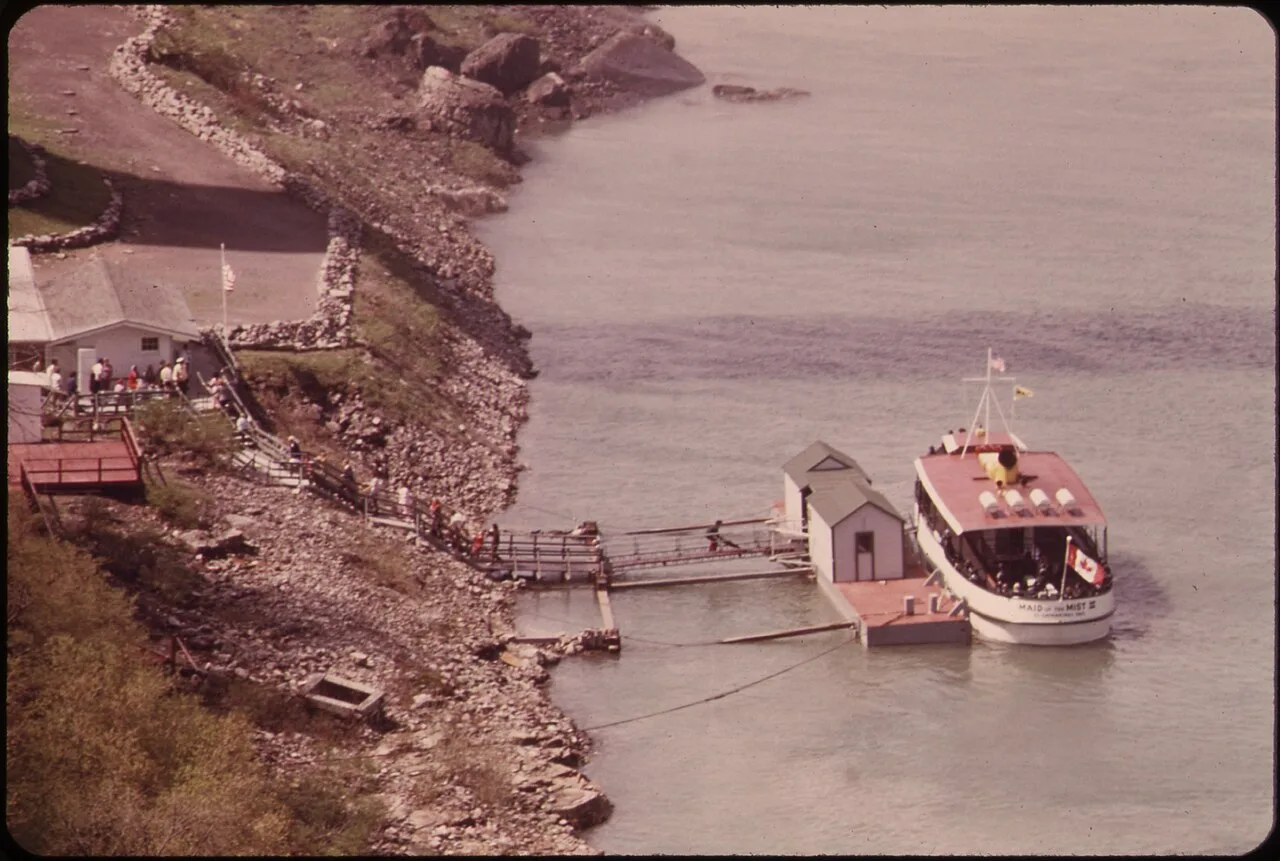
There are two other tour styles. A fly-in day trip by private plane leaves Manhattan in the morning, skips the airport lines and includes the boat and lunch, which is fast but pricey. And a single-day bus tour technically exists, but it means roughly 7 to 9 hours of driving each way in one day, so you spend far more time on the bus than at the falls. Of the three, the 2-day tour is the one most people are glad they booked.
Is a day trip realistic?
Honestly, no, not by ground and not on your own. Every self-driven option, train, bus or car, runs 7 to 9.5 hours one way, so a same-day return means most of your waking hours in a seat for maybe three hours at the water. People try it and regret it. The two ways to make a single day work are the fly-in tour by private plane, or flying to Buffalo yourself early and back late, and both cost real money.
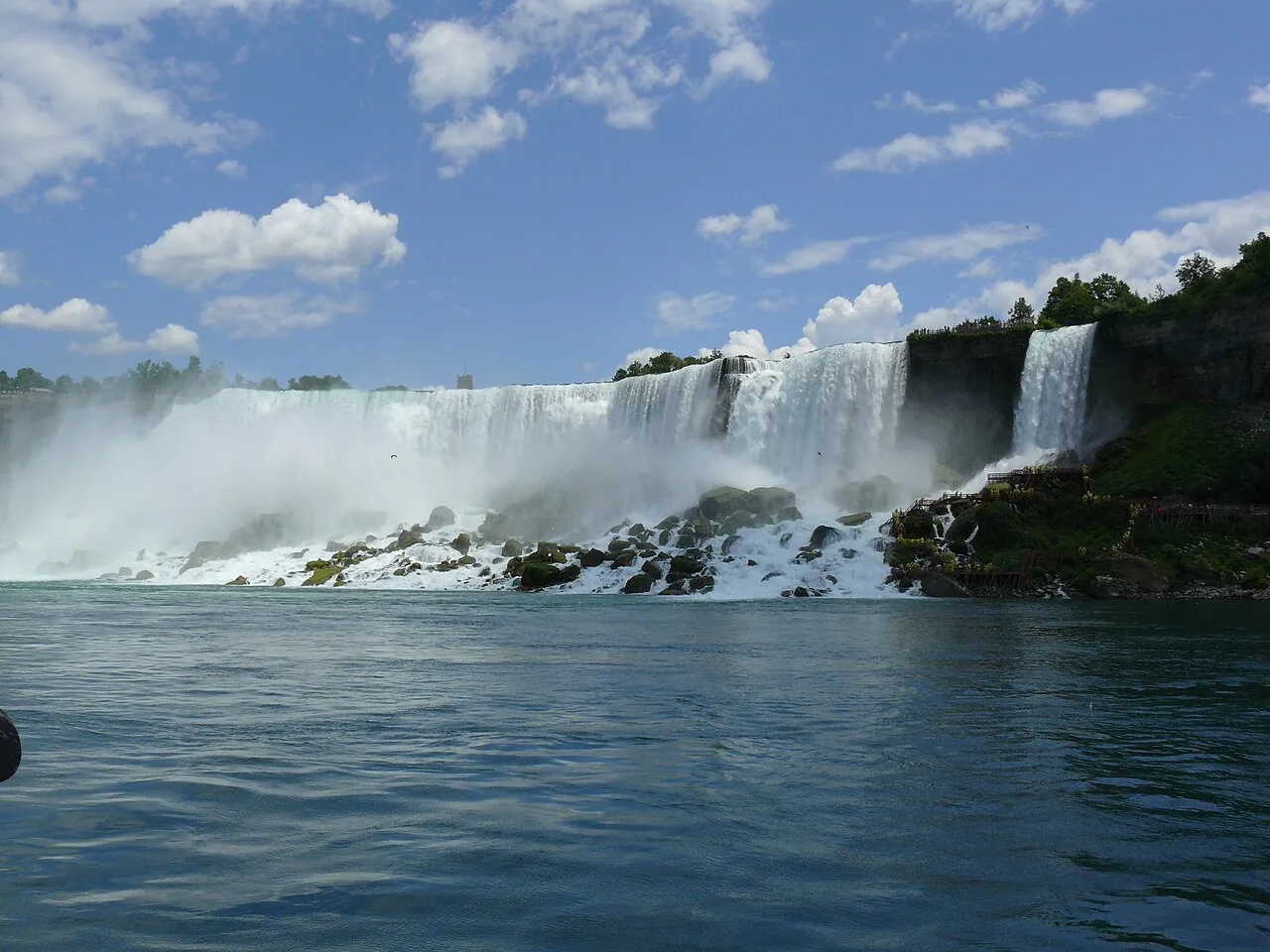
The much better plan for everyone else is one night near the falls. It turns a punishing there-and-back into a relaxed trip, lets you see the falls lit up after dark, and gives you time for the Maid of the Mist and the Cave of the Winds. Even a single overnight changes the whole experience.
A note on which side you’ll see
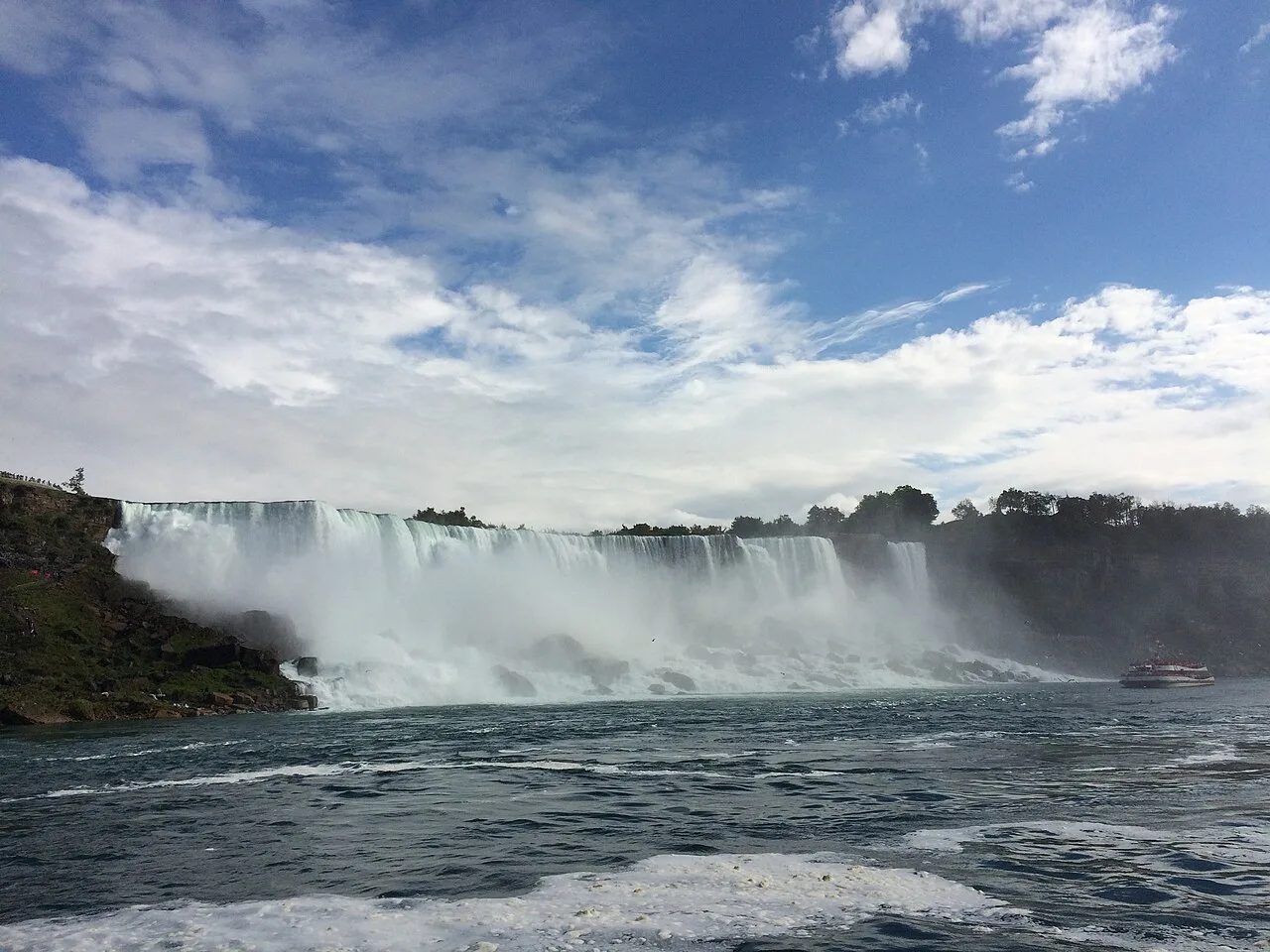
The Amtrak station, the bus stops and the drive all land you on the New York side, where the American Falls, the Cave of the Winds boardwalk and the Maid of the Mist put you closest to the water. The wide, postcard view of Horseshoe Falls is from the Canadian bank across the river. Crossing over is easy on foot via the Rainbow Bridge, but it’s an international border, so bring your passport and check entry rules before you go.
Which should you pick?
- Short on time: fly to Buffalo (about 1 hour) and drive 30 minutes. Add a rental car cost.
- No car and want comfort: the Amtrak Maple Leaf or Empire Service, about 9.5 hours, drops you near the falls.
- Cheapest: the bus from Port Authority, from about $40, similar time to the train.
- Flexible or part of a bigger trip: drive the Thruway, 6.5 to 7.5 hours, and stop along the way.
- No planning at all: a 2-day bus tour, or a fly-in day trip if money matters less than time.
Whatever you choose, give Niagara an overnight if you possibly can. It’s too far for a comfortable day trip from New York, and the falls are worth more than the three rushed hours a same-day dash allows.
Read also
- Start in the city: things to do in New York City
- The wider region: New York State beyond the city
- Compare every mode nationwide: getting around the USA
Admission and opening hours
- Admission price
- Indicative one-way costs, always check current prices: bus from about $40-67; train (Amtrak) from about $64; a nonstop flight to Buffalo from around $75 plus a car or transfer; driving costs gas plus about $25-30 with E-ZPass (around $42 cash) in Thruway tolls each way. Times: train and bus about 9 to 9.5 hours, driving about 6.5-7.5 hours, flying about 1 hour plus a 30-minute drive from Buffalo.
Fares are dynamic and rise close to departure. Amtrak and bus times assume no delays; the drive assumes clear traffic. Confirm current Thruway tolls at thruway.ny.gov.
Details checked: July 26, 2026
Read also

Transport · 8 min read
ATL Airport to Downtown: MARTA, Taxi and Rideshare
Verified · August 28, 2026MARTA is $2.50 and about 16 minutes to Five Points. Airport taxis still publish flat fares: $37.50 downtown, $39.50 Midtown, $49.50 Buckhead.

Transport · 8 min read
SEA to Downtown Seattle: Link, Taxi and Rideshare
Verified · August 23, 2026Link light rail is a flat $3 and about 38 minutes to Westlake. Taxis use a meter with a $20 airport minimum - there is no regulated flat fare to downtown.

Transport · 10 min read
SFO to San Francisco: BART, Taxi and Rideshare
Verified · August 20, 2026BART to downtown is $11.80 and takes about 30 minutes, but you don't step straight onto a train. Taxi, rideshare and Caltrain routes, checked 20 Aug 2026.

Transport · 9 min read
Boston Logan to Downtown: Silver Line, Taxi and Ferry
Verified · August 19, 2026Silver Line SL1 is free from Logan. Taxi meters run extra with a $2.75 toll, Uber picks up at the garage, and the ferry is seasonal.