
New York State Travel Guide
New York is more than the city: Niagara Falls, the Hudson Valley, the Adirondacks and Finger Lakes wine country. When to go and how to get around.
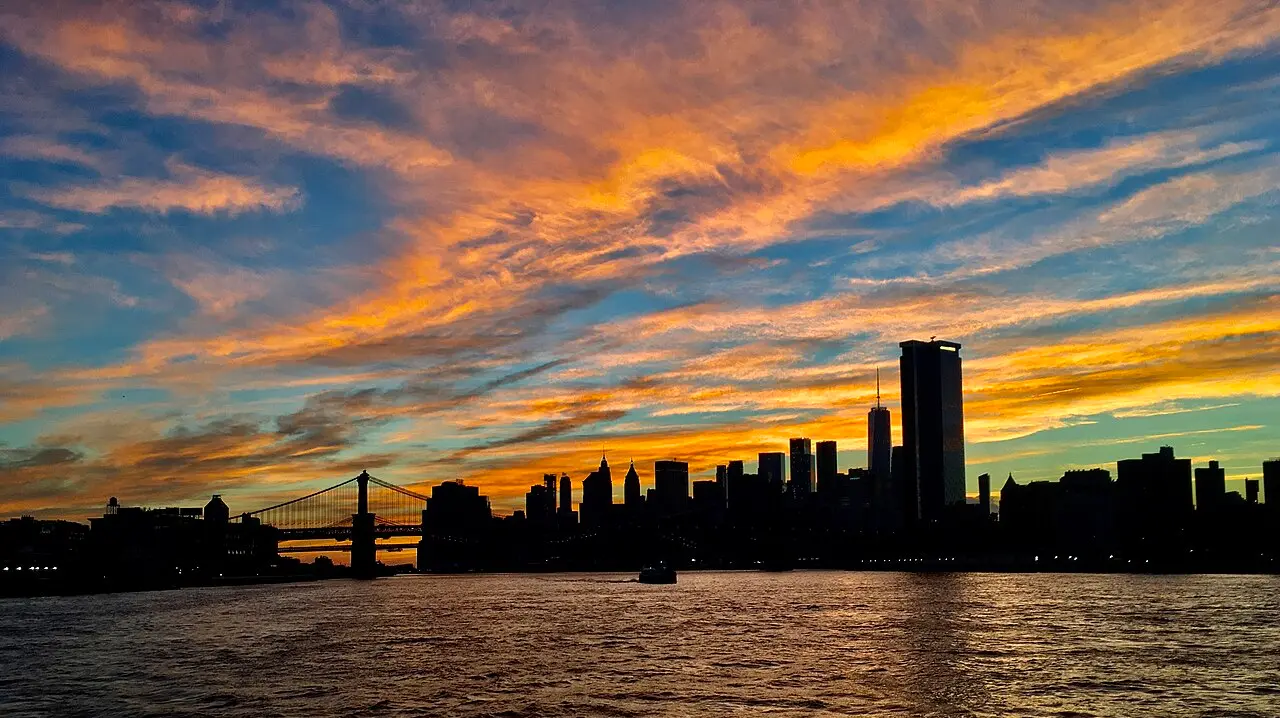
Most visitors to New York never get past the city, and the state keeps going for another 400 miles behind it. Out there sit Niagara Falls on the Canadian border, a string of Hudson Valley river towns an hour north of Grand Central, six million acres of Adirondack wilderness and the Finger Lakes wine country. A week lets you pair New York City with one upstate region without rushing. Two weeks lets you drive a proper loop. And the rule worth knowing before you book anything: outside the city and the lower Hudson Valley, you’ll need a car.
The five New Yorks
New York City is the gateway and, for most visitors, the whole reason for the trip. Three airports feed it (JFK and LaGuardia in Queens, Newark just over the river in New Jersey), and it’s the only part of the state where a car is a liability rather than a help. Give it three or four days at least - you won’t see the boroughs in a weekend dash - and use our full guide to things to do in New York City to plan them.
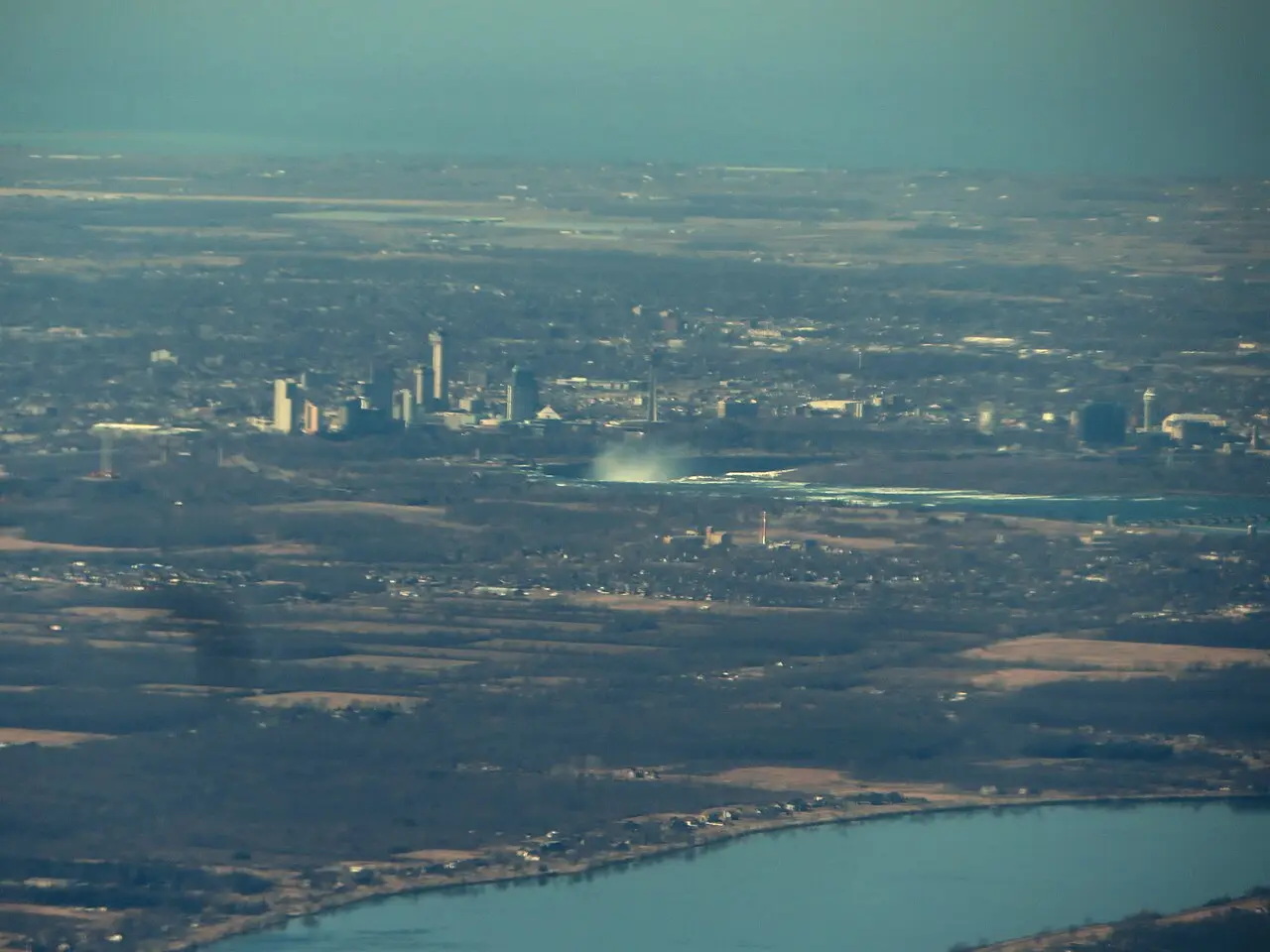
Niagara Falls sits 400 miles northwest, right on the Canadian border. The American Falls and the smaller Bridal Veil Falls are on the New York side; the broad Horseshoe Falls curls into Ontario. The New York vantage points (Prospect Point, the Cave of the Winds boardwalk, the Maid of the Mist boat) put you closer to the water, while the wider postcard view is from the Canadian bank. What almost nobody mentions is that the land you stand on is the oldest state park in the country: New York took the riverbank back from private operators in 1885 and had Frederick Law Olmsted, the man behind Central Park, design what you walk through today - that’s worth knowing before you treat it as a photo stop.
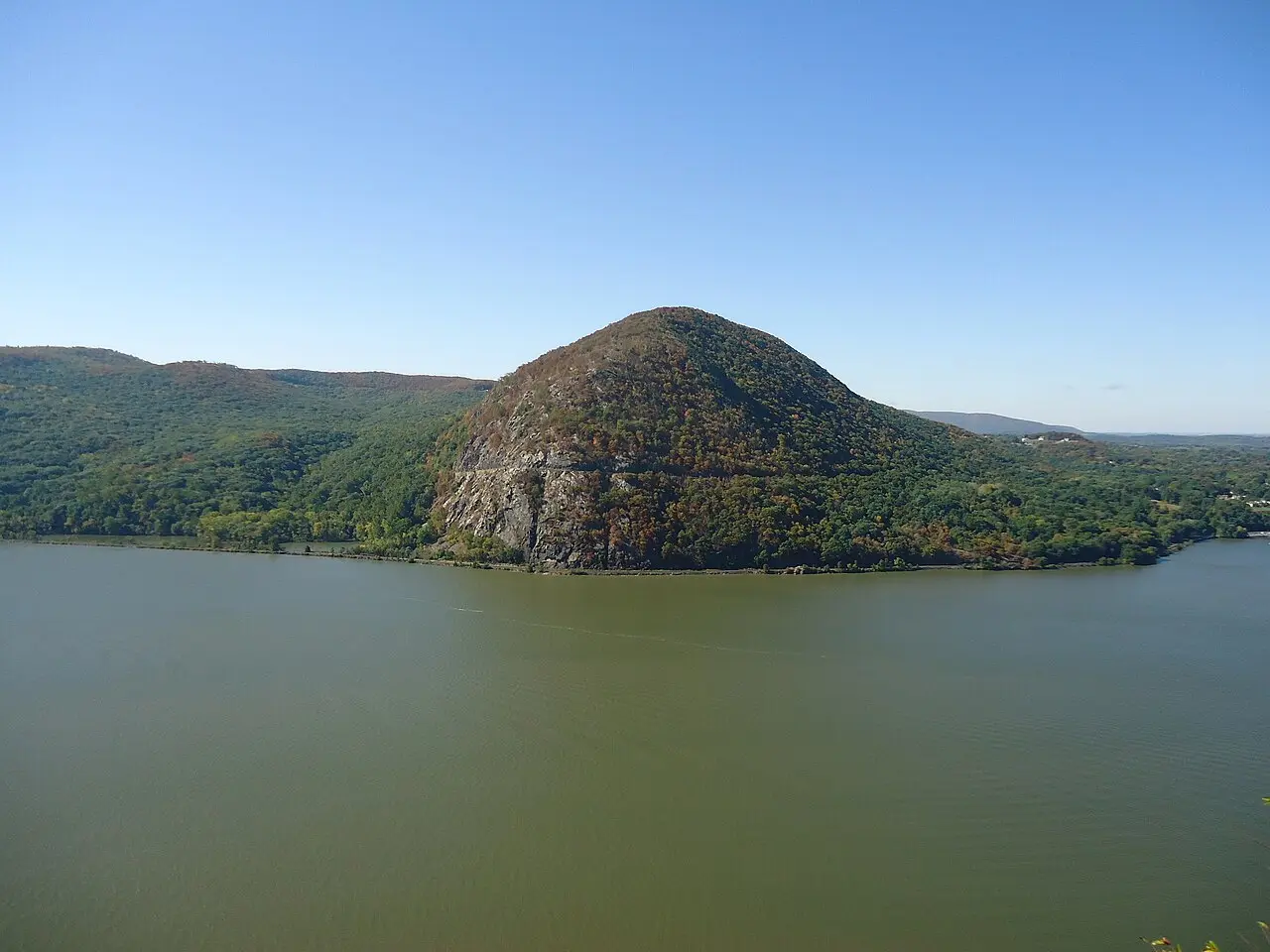
The Hudson Valley is the easiest escape from the city and the only upstate region you can do without renting anything. The Metro-North Hudson Line runs up the east bank from Grand Central to river towns like Cold Spring and Beacon in a bit over an hour, past the granite hump of Storm King and the crags of the Hudson Highlands. This is where you go for hiking, art (Dia Beacon, Storm King Art Center), the Gilded-Age mansions around Hyde Park, and farm-to-table cooking without committing to a full road trip - you don’t need a car for this one.
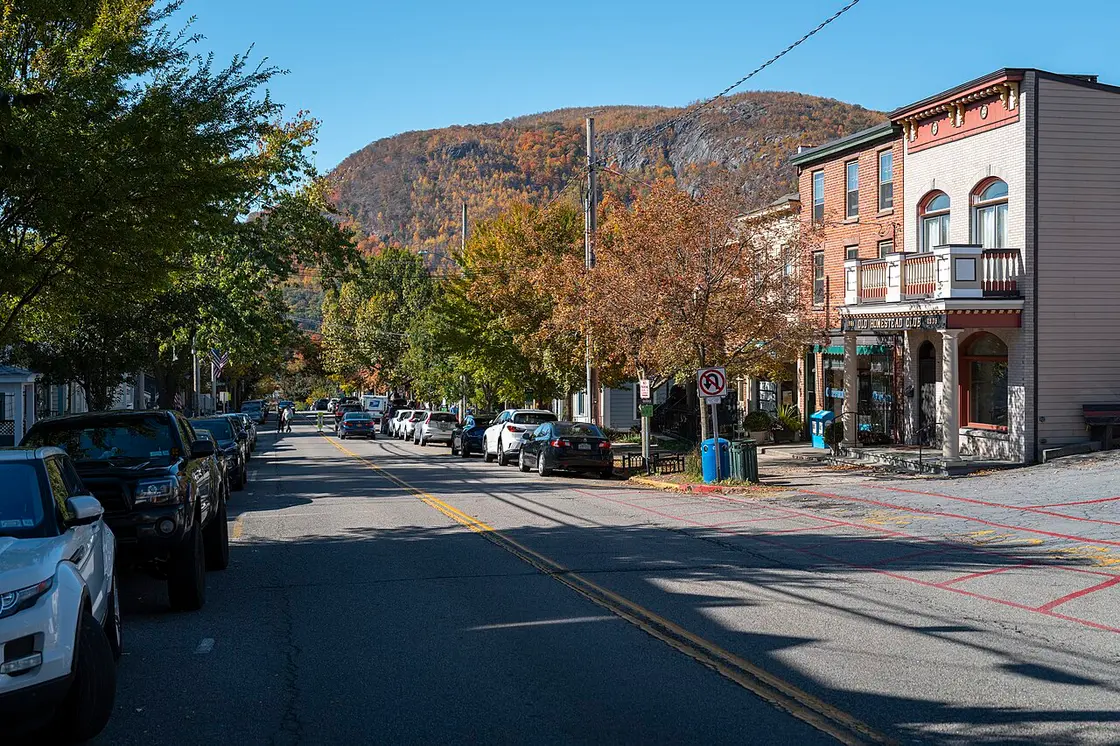
Cold Spring is the classic first stop: a walkable Main Street of antique shops and cafes that runs down to the water, with the Breakneck Ridge trailhead a short ride further north. You can be back in Manhattan for dinner - don’t overpack the day.
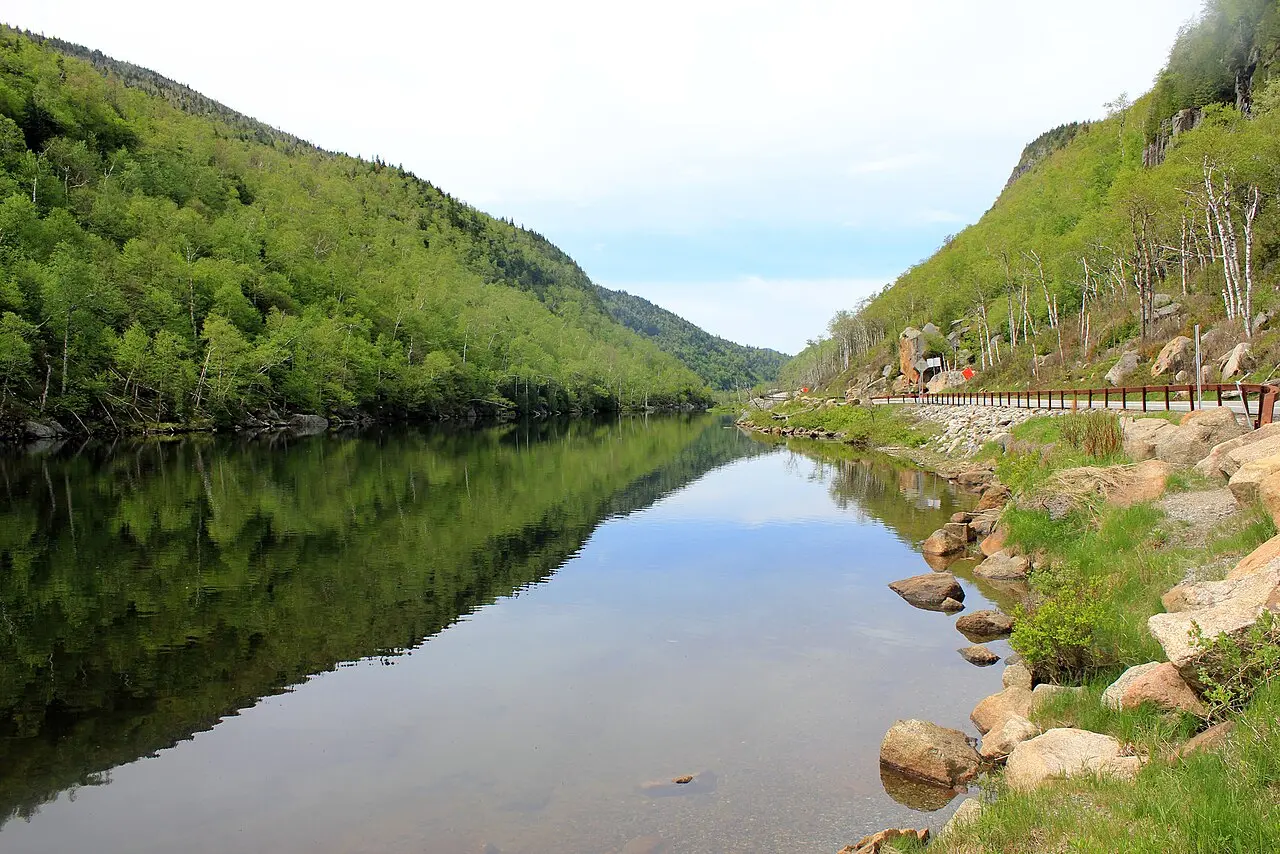
The Adirondacks are the surprise. The Adirondack Park covers about six million acres, which makes it the largest publicly protected area in the contiguous United States, bigger than Yellowstone, Everglades, Glacier and Grand Canyon put together. Inside it sit more than 3,000 lakes, the state’s 46 High Peaks, and Lake Placid, which hosted the Winter Olympics in 1932 and again in 1980. This is cabin-and-canoe country: hiking and paddling in summer, skiing and skating in winter. There’s no quick way in, and the distances between towns are real, so you’ll need a car and a couple of nights minimum.
The Finger Lakes are eleven long, thin lakes gouged by glaciers in the state’s center, and the reason wine drinkers come to New York. This is the largest wine region in the state, responsible for roughly 80% of its production, and Riesling is what it does best; Seneca and Cayuga lakes have the densest cluster of tasting rooms. Add the gorges and waterfalls around Ithaca and Watkins Glen, and it’s an easy region to spend three days in, again with a car.

Where the Catskills and Long Island fit
Those five cover what a first or second trip realistically reaches, but two more regions come up constantly in conversation and deserve their place. The Catskills are the softer, closer mountains about two hours north of the city, and they’re what New Yorkers mean when they say they’re going upstate for the weekend: swimming holes, hiking, small towns, and foliage that turns a week or so after the Adirondacks. Long Island runs roughly 118 miles east from the edge of Queens to Montauk Point, ending in the Hamptons beaches and the North Fork wineries. It’s a summer habit for people who live here rather than a first-trip stop for visitors, and it needs a car and a tolerance for Friday traffic.
How long do you need, and what should you combine?
- Four or five days: stay in New York City and take one Hudson Valley day trip by train. No car, no long drives, and you still get a taste of the state beyond the boroughs.
- One week: three or four days in the city, then either drive north into the Adirondacks or west into the Finger Lakes. Pick one, not both. Add Niagara on the same week and you’ll spend most of it behind the wheel.
- Ten days to two weeks: the loop becomes realistic. City first, then up the Hudson, west across the Mohawk Valley to the Finger Lakes, on to Niagara and Buffalo, and back either by air or with a swing through the Adirondacks. Roughly 900 miles of driving, so plan two-night stops rather than one.
The mistake to avoid is treating Niagara Falls as a side trip from Manhattan. People try it, and they spend eighteen hours traveling for a few hours at the water. If the falls matter to you, give them their own arrival airport and at least one overnight.
When to visit
Fall is the answer if you can pick your dates. Color turns north to south: roughly late September to mid-October in the Adirondacks, the first half of October in the Catskills, and mid-to-late October in the Hudson Valley, which is also when Metro-North adds its extra weekend trains up the river. Peak weeks move by a week or two each year with the weather, so check the state’s foliage report before you fix dates. The pay-off is that those same two weeks land in the middle of Finger Lakes harvest, the crowds have thinned after Labor Day and the light is at its best.
Summer (June to August) is peak season upstate, when the lakes and mountains are warm and every cabin is booked; in the city the same months are hot, humid and sticky, though that’s also when the parks, rooftops and outdoor events hit their stride. Winter is for Lake Placid skiing and the city’s holiday season, with Manhattan at its most cinematic between Thanksgiving and New Year. Spring is the quiet shoulder, cheaper and calmer, but the mountains go through what everyone here calls mud season as the snow melts. The state issues an advisory most years asking hikers to stay off Adirondack trails above 2,500 feet until they dry and harden, which can run into June, so a May trip north is for river towns and lakeshores rather than the High Peaks.
Getting around
The train that looks so convenient on a map is slow. Amtrak’s Empire Service does run all the way from Manhattan to Niagara Falls, but it follows the ~460-mile Empire Corridor via Albany and takes over nine hours end to end. For the falls, it’s far quicker to fly into Buffalo Niagara (BUF) and drive the last 30 minutes; our full guide to getting from New York to Niagara Falls compares the train, bus, car and fly-in options side by side. If you want to combine several upstate regions, a rental car is the only sensible way; distances that look short on the map are two-hour drives on the ground.
There are exceptions, and they change the plan. The Hudson Valley is perfectly doable by Metro-North from Grand Central, with extra weekend “leaf-peeper” trains added in the fall, so you can reach Cold Spring or Beacon without a car at all. Inside New York City you shouldn’t have one at all; the subway and your feet cover everything, and overnight parking in Manhattan is an expensive way to keep a car you can’t use. If you’re flying in for the whole trip, compare fares into JFK, Newark and Buffalo before you settle on a routing, because the right arrival airport can save you a long connection.
What drives the budget
Two lines on the bill decide almost everything: the city hotel and the rental car. New York City is one of the most expensive places to sleep in the country, and its hotel tax adds roughly 14.75% plus about $3.50 a night on top of the rate, so where you base yourself matters; where to stay in New York City breaks the neighborhoods down by budget. The car is the mirror image: it buys you the whole state, and it starts costing the moment you no longer need it, which is why the standard trick is to do the city first with no vehicle and pick the car up on the day you leave town.
Upstate is a different economy altogether. Finger Lakes inns, Adirondack cabins and Hudson Valley B&Bs cost a fraction of a Manhattan room, and so does dinner. Set against that are fuel and the mileage on a 900-mile loop, plus the parking you’ll pay for in the city if you get the sequence wrong. If Broadway is on your list, buy those tickets before anything else fills the evenings; see our guide to Broadway tickets in NYC for the cheap-seat tactics. And whichever route you choose, book the city hotel first and early, because that’s the reservation that gets expensive when you leave it late.
Treat New York as two destinations and it stops fighting you. Do the city properly, then pick one region beyond it, and you’ll have seen a truer version of the state than most people who only ever land at JFK.
Read also
- Start in the city: things to do in New York City
- Pick your base: where to stay in New York City
- Plan an evening: Broadway tickets in NYC
- Browse more US states and US cities
On the map
The map loads on click - to keep the page lightweight.
The map didn’t load. Check your connection and refresh the page.
Read also

States · 11 min read
Connecticut: Mystic, New Haven and the Shoreline
Verified · September 12, 2026Mystic Seaport at $35 adult, free Yale galleries in New Haven, and Gillette Castle on the river - how a Connecticut weekend actually fits.

States · 9 min read
North Dakota: Medora and Theodore Roosevelt NP
Verified · September 5, 2026The 36-mile South Unit loop starts in Medora, entrance $30 per vehicle, cashless from May 2026 - how to plan Theodore Roosevelt National Park.

States · 9 min read
Arkansas Travel Guide: Hot Springs & Ozarks
Verified · September 4, 2026Fee-free Hot Springs NP downtown, free Crystal Bridges in Bentonville, and the 135-mile Buffalo - how to string an Arkansas road trip.

States · 10 min read
Indiana Travel Guide: Indy, Speedway, Shore
Verified · September 5, 2026IMS Museum at $25, Kiss the Bricks at $15, Brown County hills and Lake Michigan shore - an Indiana trip beyond a Chicago beach day.