
NYC Observation Decks Compared: Empire State to One World
Empire State, Top of the Rock, SUMMIT and One World Observatory: real prices, real heights, and the view each ticket buys you.
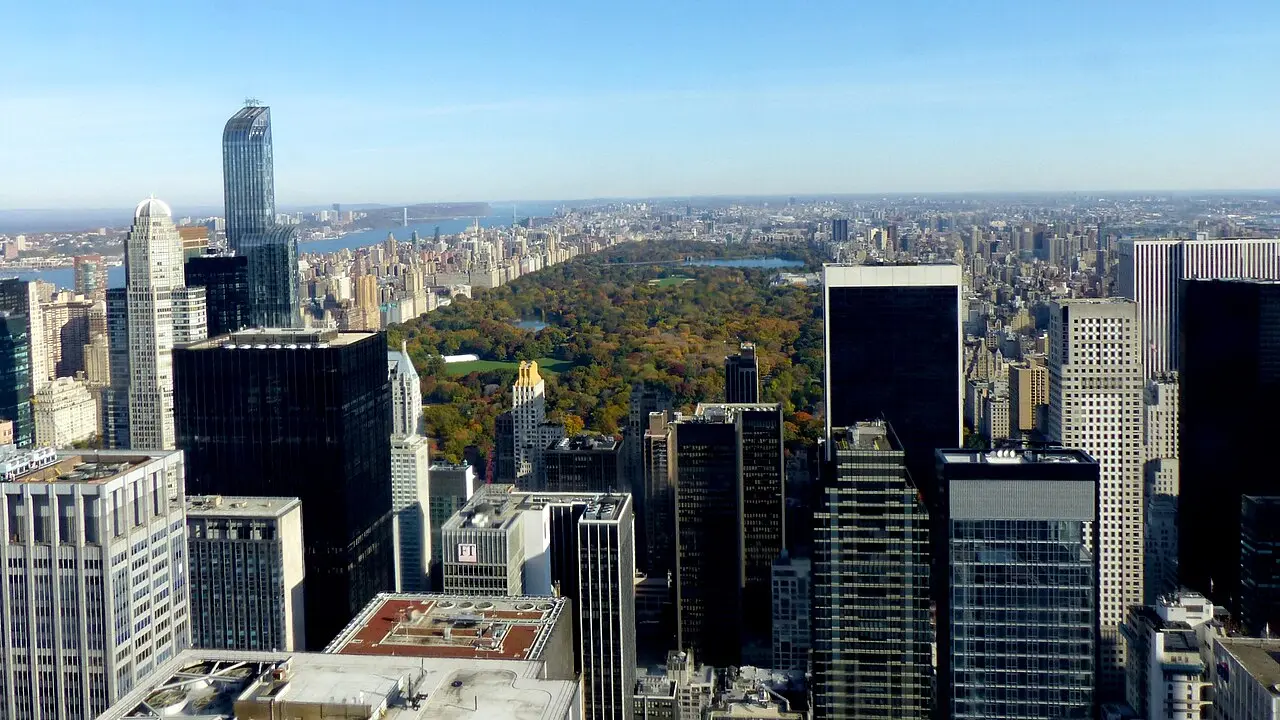
Four observation decks compete for the same skyline photo in Midtown Manhattan, and their entry tickets all land within about two dollars of each other: $42 to $44. Price won’t help you choose. What will: the Empire State Building is the only one you can say you stood on top of, Top of the Rock is the only fully open-air deck that puts the Empire State Building in your shot with nothing but sky in the way, SUMMIT One Vanderbilt trades a classic skyline photo for mirrors, a glass floor and a genuine terrace at 1,020 feet, and One World Observatory is simply the highest of the four.
Pick by what you want to happen once you’re up there, not by whichever ticket page loads first.
The four decks, side by side
Shop around and the base tickets turn out to be nearly interchangeable on price - the real spread only shows up in the upgrades and in what’s built into the terrace itself.
| Deck | Base ticket | Top upgrade | Height | Setting |
|---|---|---|---|---|
| Empire State Building | $44 (86th floor) | $500 (VIP tour, 102nd incl.) | ~1,050 ft (86th) | Open-air deck |
| Top of the Rock | $42 | $185 (VIP Pass) | ~850 ft, ~880 ft on SkyLift | Open-air deck |
| SUMMIT One Vanderbilt | $44 ($39 resident) | $149 (Premium, guided) | ~1,020 ft main terrace; Ascent add-on to 1,210 ft | Enclosed art floors + open terrace |
| One World Observatory | $44 | $74 (VIP Tour) | ~1,268 ft | Fully enclosed |
Three of these four add a fee at checkout that the sticker price doesn’t show. The Empire State Building adds a flat $5 booking charge to every transaction; SUMMIT adds $3 online; One World adds $3.50 plus tax. Top of the Rock is the outlier here - its own ticket page advertises “no hidden fees,” and that claim held up when we checked it directly. Budget the extra few dollars on the other three, and don’t expect it on this one.
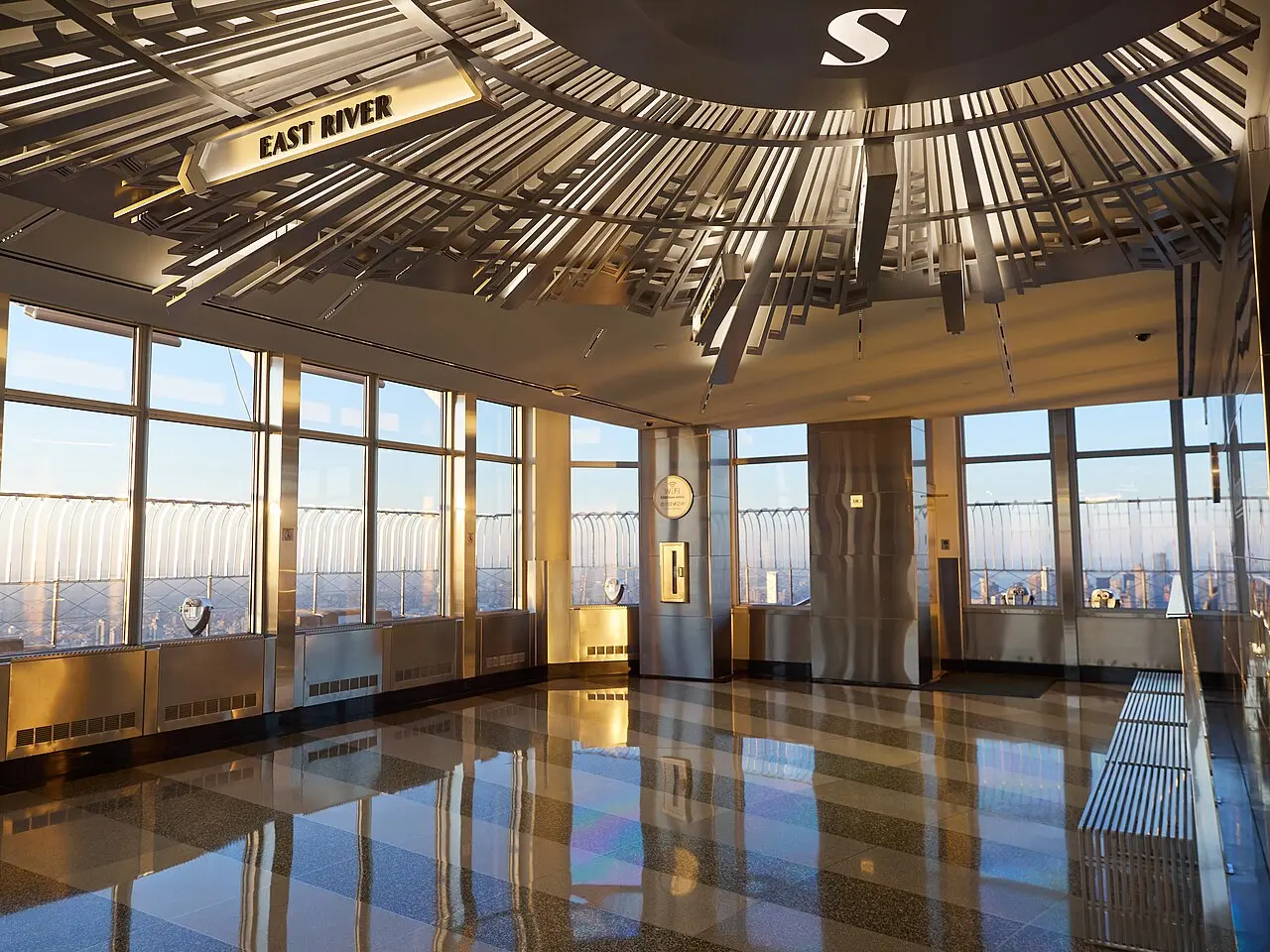
Empire State Building: the one you stand on
This is the building itself, not a neighbor with a view of it, and that distinction is the whole appeal. The 86th floor deck ($44) is open-air, wraps the tower on all four sides, and the ride up takes under a minute. Pay $79 for the Top Deck and you add the enclosed 102nd floor, which is higher but a different, glassed-in experience rather than a straight upgrade to the same one.
The trade-off is crowding. This is the most famous deck in the world, it’s also the smallest of the four, and the open-air walkway narrows in spots where a tour group has stopped for photos. Go right at 9 a.m. or in the hour before the midnight close, because the line at 2 p.m. on a Saturday is a genuinely different visit than the same deck at 9:15 a.m.
Top of the Rock: the open-air Empire State shot
SUMMIT also markets a strong view of the Empire State Building from its own terrace, so “only deck with the Empire State in frame” isn’t quite right anymore. What Top of the Rock still owns outright is the open-air version of that shot: no glass, no art installation standing between you and the skyline, and Central Park unrolling behind you the other direction. If you want a picture that says “New York skyline” without anything in the frame that isn’t skyline, this is the deck.
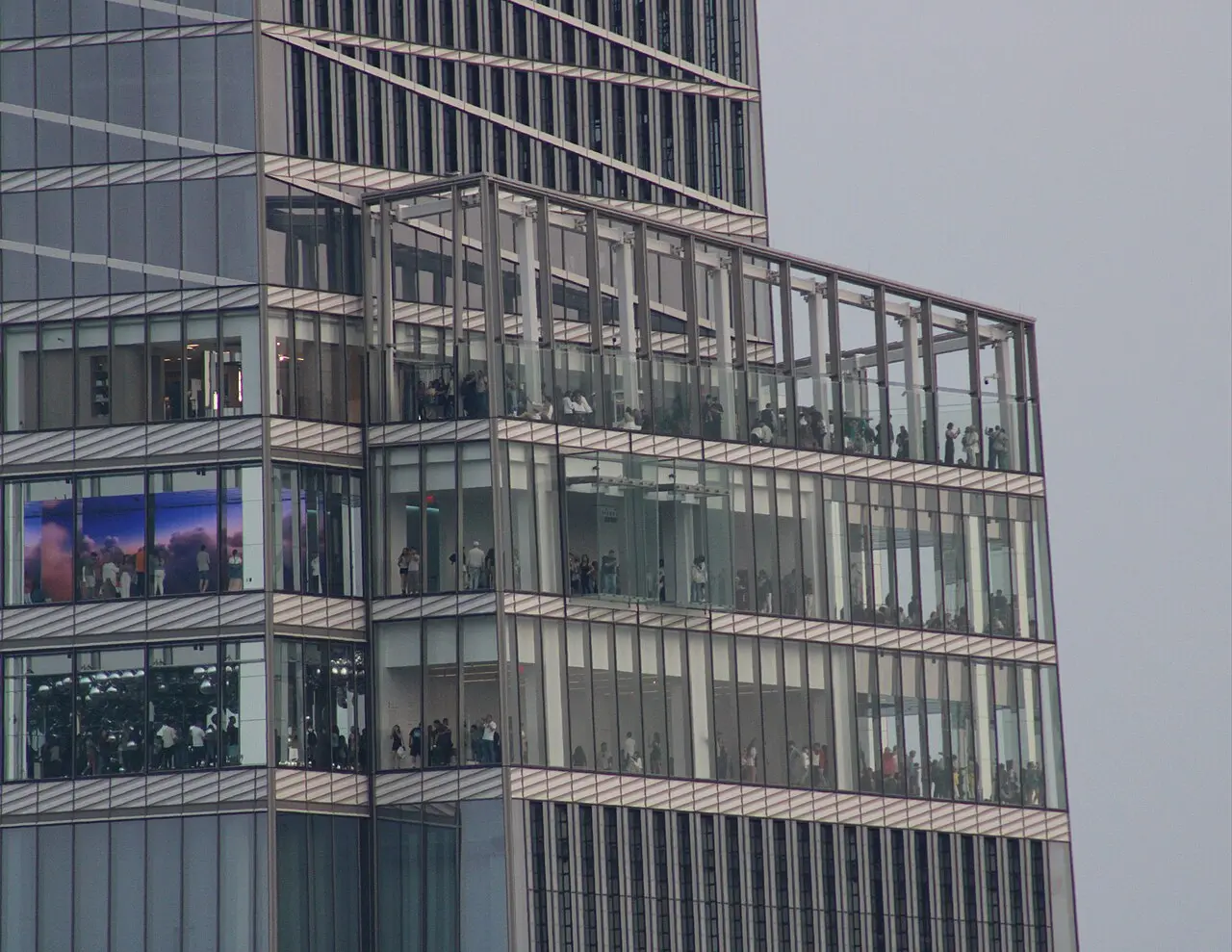
The 70th floor deck is fully open-air with no glass barrier interrupting the view, and it’s the cheapest base ticket of the four at $42. Add SKYLIFT ($72) and a rotating open-air glass platform lifts you another 30 feet, to about 880 feet, over the edge of the building rather than behind a railing. It’s the one deck here that rewards paying for the upgrade rather than just buying insurance against a bad day.
SUMMIT One Vanderbilt: the view behind the art installation
This one gets misunderstood because it’s priced and marketed alongside the other three, and it isn’t quite the same kind of ticket. SUMMIT occupies floors 91 to 93 of One Vanderbilt. Floors 91 and 92 are Kenzo Digital’s “AIR” installation - mirrored floors and walls that multiply the skyline into infinity, plus a glass floor at around 1,070 feet that most visitors approach more carefully than they’d like to admit.
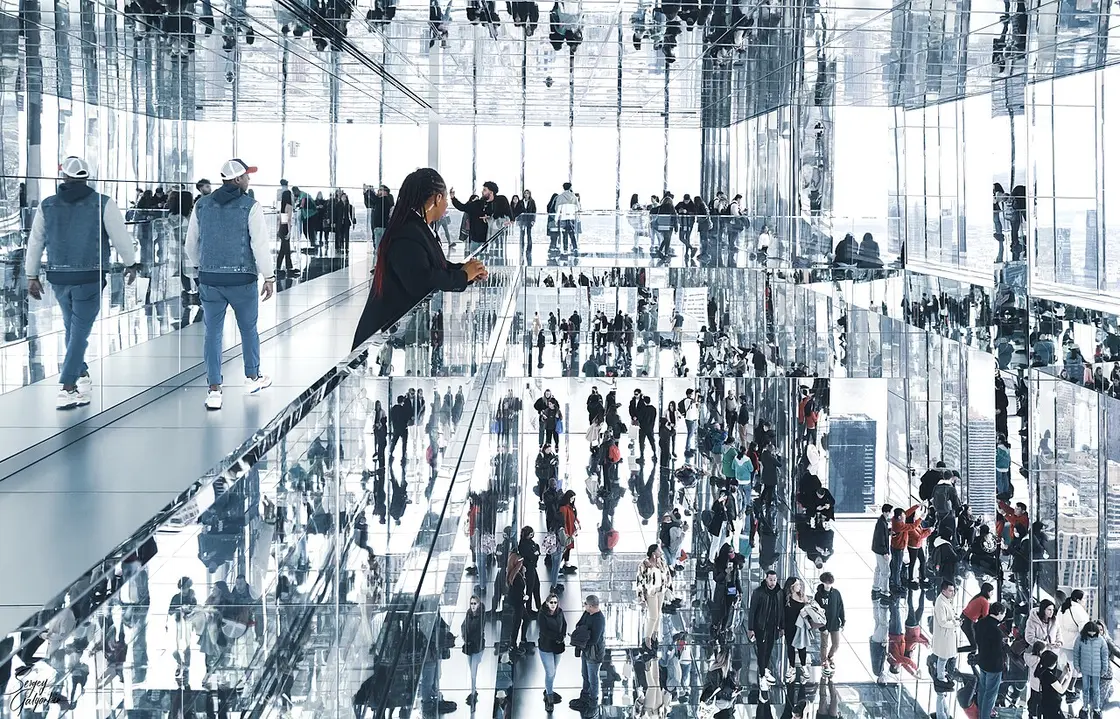
Floor 93, at roughly 1,020 feet, is the part the “just an art installation” reputation undersells: a real open-air terrace with 360-degree views, including a genuinely wide-open look at the Empire State Building that SUMMIT’s own marketing leans on hard. Two features push past that terrace. Levitation, a pair of glass skyboxes cantilevered off the building at roughly 1,100 feet, puts you standing over Madison Avenue with nothing below but street. The Ascent elevator climbs another twelve stories up the building’s exterior to about 1,210 feet - the highest point at SUMMIT, and a separate paid add-on ($68, or $82 bundled as Ultimate SUMMIT), not the height of the main deck itself. If a clean skyline photo without an art installation in the way is all you want, Top of the Rock still does that job for less money - but calling SUMMIT “not a view” sells short a deck that genuinely competes on height and panorama, wrapped around an experience the other three don’t attempt.
One World Observatory: the tallest, and the most enclosed
At roughly 1,268 feet across floors 100 to 102, One World Observatory is the highest of the four and calls itself the tallest observation deck in the Western Hemisphere. The Sky Pod elevator gets you there in under a minute - 102 floors in about 47 seconds - and the ride itself, complete with a time-lapse of the city’s growth projected onto the elevator walls, is part of the show.
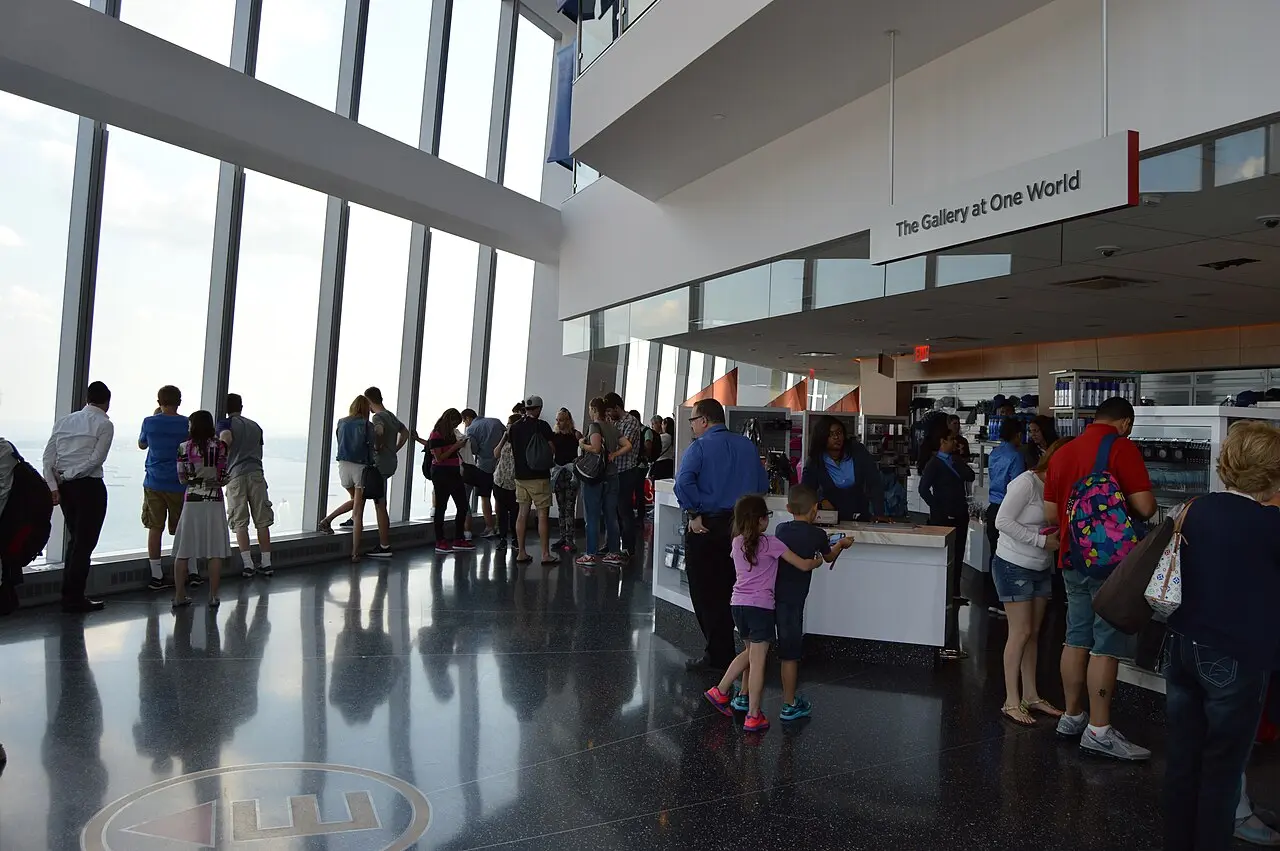
It’s fully enclosed, unlike SUMMIT’s outdoor terrace, which matters on a hot or windy day and counts against it if you wanted the open-air feeling of the Empire State or Top of the Rock. Downtown Manhattan is also a different picture than Midtown - you get the harbor, the Statue of Liberty in the distance and the Brooklyn Bridge, rather than Central Park. If your itinerary already has you near the 9/11 Memorial, this deck sits on your route rather than costing you a special trip.
Which deck fits your trip
Skip the marketing copy and match the deck to what you’re there for. Wanting the classic bragging rights of having climbed the single most famous building in the world, and not minding a line, points straight at the Empire State Building - it’s the only ticket that delivers that specific claim. Wanting the best single photograph for the least money points at Top of the Rock, ideally with SkyLift added. An evening that isn’t weather-dependent and isn’t really about the skyline - a mirrored room, a glass floor, a terrace at 1,020 feet with a drink in hand - is what SUMMIT is built for, and going in expecting an art installation with a view attached, rather than the reverse, is what makes it land. And if height is the only thing that matters and downtown is already on the itinerary, One World Observatory is both the tallest deck and the one already on your way.
One pairing to avoid: SUMMIT and One World Observatory both put you behind glass, so booking both on the same trip mostly buys you two versions of “look at Manhattan through a window.” Pair either one with an open-air deck (Empire State or Top of the Rock) instead, and the two visits will feel like different days rather than a rerun.
Every deck’s pricing shifts by date and time slot, and the “from” figure quoted here is the floor, not what you’ll pay for a Saturday sunset slot booked the week before. Check the operator’s own calendar before you commit to a plan built around a specific time.
Our guide to things to do in New York City covers the rest of the sightseeing list around these four buildings, and if the ferry to Liberty Island is also on your list, Statue of Liberty and Ellis Island tickets breaks down that separate booking the same way this page breaks down the decks. Stacking several decks and museums on one trip? Run the pass math first in NYC city passes before you buy four separate tickets.
Read also
- The city around them: things to do in New York City
- Pick a base near Midtown: where to stay in New York
- The other big NYC ticket puzzle: Statue of Liberty and Ellis Island tickets
- Pass vs single tickets: NYC city passes
- An evening out after the deck: Broadway tickets in NYC
On the map
The map loads on click - to keep the page lightweight.
The map didn’t load. Check your connection and refresh the page.
Admission and opening hours
- Admission price
- Entry tickets cluster within about $2 of each other: Empire State Building 86th floor from $44, Top of the Rock timed admission from $42, SUMMIT One Vanderbilt from $44 ($39 resident), One World Observatory Standard from $44. Combo and upgrade tiers run from about $54 to $500. Three of the four add a booking or processing fee at checkout (Empire State $5, SUMMIT $3, One World $3.50 plus tax); Top of the Rock advertises no hidden fees.
- Opening hours
- Empire State Building: 9 a.m. to midnight daily. Top of the Rock: 8 a.m. to midnight, last entry 11:10 p.m. SUMMIT One Vanderbilt: 8 a.m. to midnight, last entry 10:30 p.m. One World Observatory: commonly listed as 9 a.m. to 9 p.m., but confirm before you go.
Prices checked against each operator's own ticket page in August 2026 and move by date and time slot. One World Observatory's hours came from visitor-guide aggregators, not the operator's own page, so treat that one figure as less firm than the rest.
Details checked: August 5, 2026
Read also

What to see · 10 min read
Disneyland California Tickets: Park Hopper, Lightning Lane
Verified · August 22, 2026Seven tiers run $104-$224, Hopper adds $70-$135, and Anaheim still requires a reservation Florida dropped. What each Lightning Lane tier buys in 2026.

What to see · 8 min read
Universal Studios Hollywood Tickets: Express Pass or Not
Verified · August 22, 2026Universal Express is its own ticket - $199-$329, admission included. What it covers and when it's worth it in 2026.

What to see · 10 min read
Universal Orlando Tickets: Park-to-Park and Express
Verified · August 22, 2026Base vs Park-to-Park, how many Epic Universe days each ticket buys, when Express pays - Orlando, not Hollywood. Reported calendar ranges, August 2026.

What to see · 11 min read
Hoover Dam Tour from Las Vegas: Tickets and Getting There
Verified · August 14, 2026Hoover Dam tickets ($15-$40), Powerplant vs Dam Tour, $10 parking, and the drive from Las Vegas - what to book and what sells out on site.