
Texas Travel Guide
Texas is too big for one trip. Real drive times between the cities, what Big Bend costs you before you arrive, the coast, the barbecue and when to go.
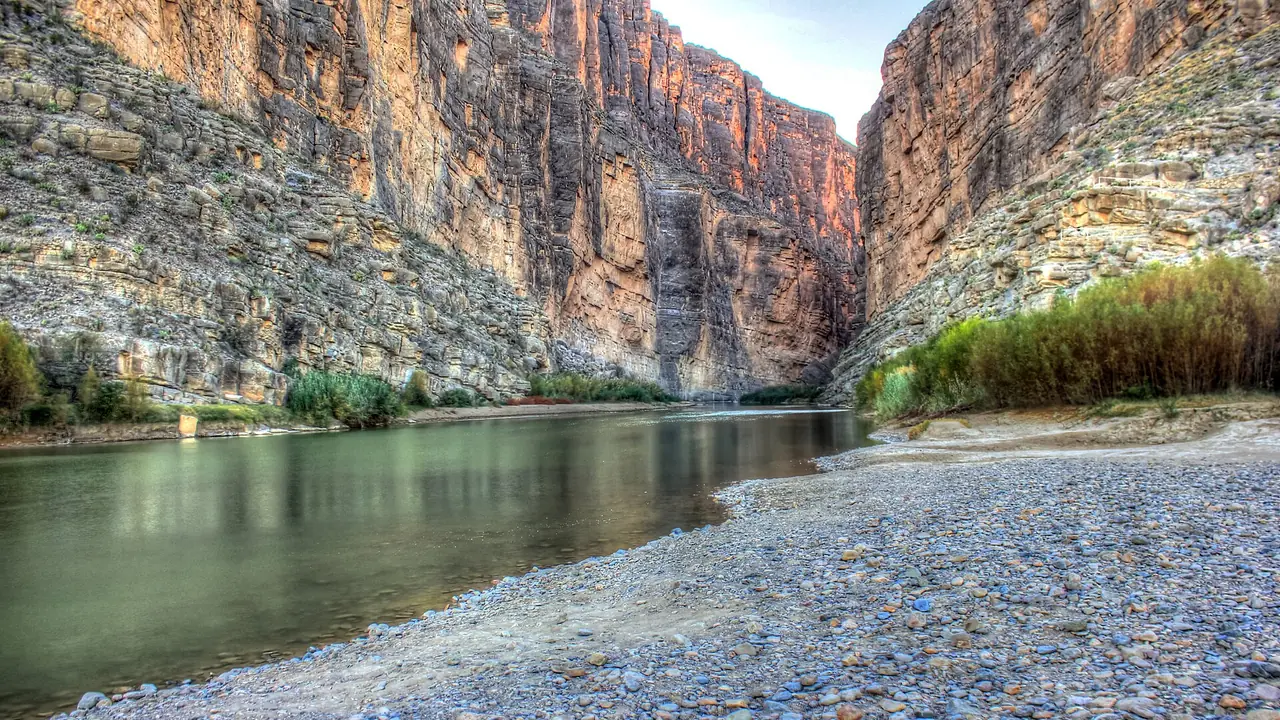
Texas doesn’t work as one trip. The state runs 801 miles north to south and 773 miles east to west, which means the drive from El Paso to Houston eats an entire day and most of another, and nobody who lives here would attempt it for fun. Pick one corner, give it a week, and let the rest be a different vacation.
The arithmetic makes the argument better than any advice can. Dallas to Houston is 239 miles of flat interstate, three and a half hours if I-45 behaves. Austin to San Antonio is only about 80 miles, which is exactly why those two work as a pair and the others don’t. Big Bend National Park sits 235 miles from the nearest commercial airport at Midland-Odessa and 330 miles from El Paso, and neither of those numbers has anything to do with where most people land. Texans quote their state in hours rather than miles, and once you do the same, the itinerary sorts itself out.
The city pairs that make sense
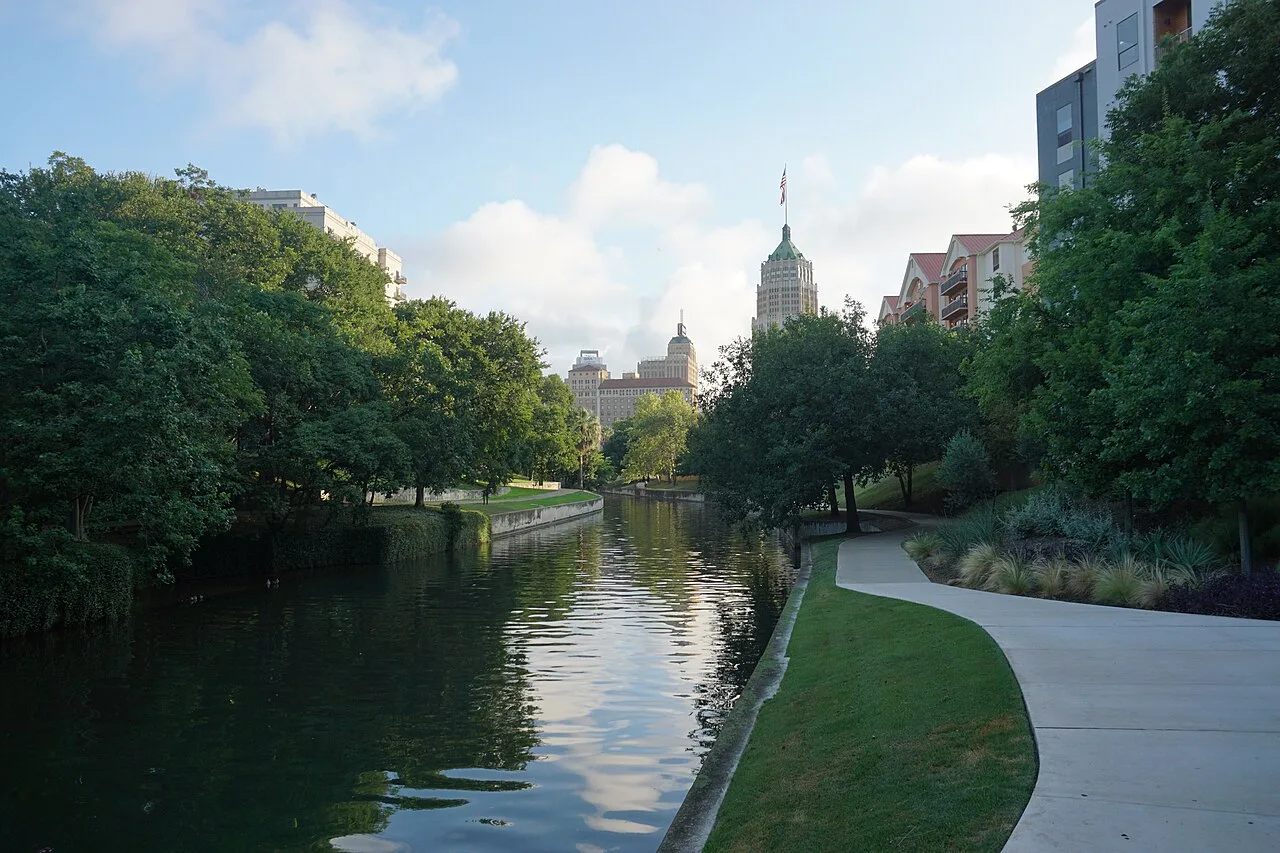
Austin and San Antonio are the easiest week in Texas. Ninety minutes of I-35 separates them, one rental car covers both, and they’re completely unalike: Austin is music, lakes and food trucks, while San Antonio is 300 years of Spanish colonial history stacked along a river. In San Antonio, the River Walk is the obvious set piece, a level below street grade and properly pleasant after dark. The Alamo is free, but the church now runs on timed reservations that you book ahead on the Alamo’s own site; the grounds are yours as long as you like once you’re through, and the separate Ralston Family Collections Center exhibit costs $14 for adults. Austin gets its own guide, because the live-music and barbecue mechanics need more room than a paragraph: see things to do in Austin, and where to stay in Austin if you’re choosing between downtown, South Congress and East. San Antonio gets the same treatment in our San Antonio travel guide, with the Missions, the River Walk boat math and the Alamo construction timeline, plus where to stay in San Antonio if you’re weighing River Walk hotels against Pearl.
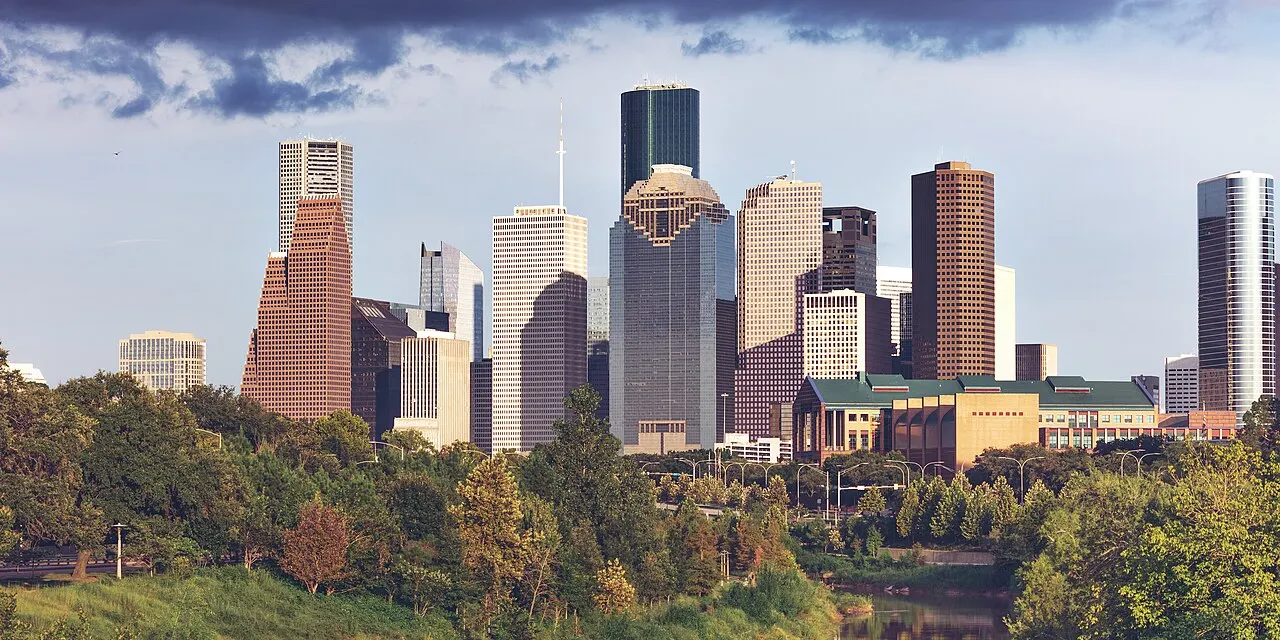
Houston is the other realistic base, and the one international travelers underrate. It’s the most ethnically diverse big city in the country by most measures, which shows up on the plate: Vietnamese along Bellaire Boulevard, Nigerian in Alief, Tex-Mex everywhere. Space Center Houston and the Museum District fill two days, Galveston and the Gulf are 50 miles down I-45, and Bush Intercontinental (IAH) has the widest choice of long-haul flights in the state.
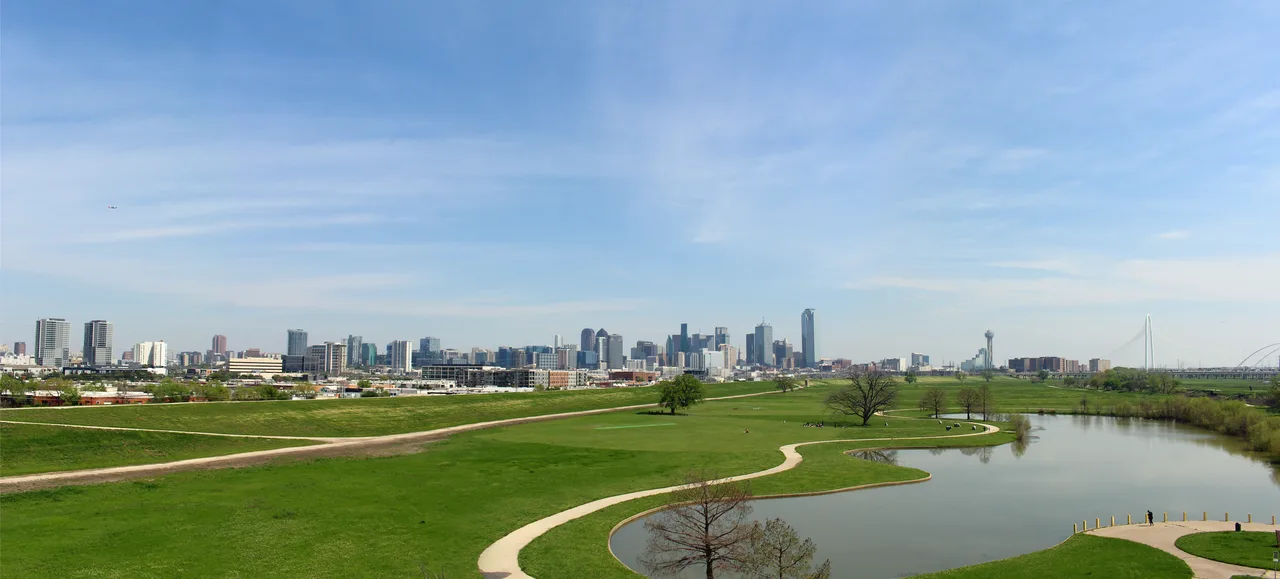
Dallas-Fort Worth is two cities that pretend to be one. Dallas is money, modern architecture and the Sixth Floor Museum in the old book depository; Fort Worth is the Stockyards, a serious art district and a much better argument for a cowboy hat. Thirty-odd miles of freeway sit between the two downtowns, and DFW airport is planted in the middle. If you’re connecting through anyway, a two-night stop here’s cheap to add.
Big Bend charges you two days before you arrive
Big Bend is the best thing in Texas and the hardest to reach, and those facts are related. The park covers 801,163 acres along a bend in the Rio Grande, making it the 15th largest unit in the national park system, and it saw 561,459 visits in 2024 - a rounding error next to what Zion handles in the same year. Entry is $30 per vehicle for seven days, there’s no timed reservation and no daily cap, and the park takes cards only.
What the fee page doesn’t tell you is the shape of the trip. There’s no public transportation to the park or inside it. The closest airport is 235 miles away, the nearest EV charger is 130 miles away in Fort Stockton, and the Park Service specifically asks you to bring paper maps because phone navigation fails out there. Budget a full day of driving in each direction and stock the car before you turn south.
Inside, the split that matters is elevation. Chisos Basin sits at 5,401 feet and runs 10 to 15 degrees cooler than the rest of the park, while the desert and the river run about 10 degrees hotter and pass 100F by late morning through the summer. In practice that means the Chisos in June is survivable and the Santa Elena Canyon trail isn’t. Spring is the busiest season for good reason. From July to September the rains arrive, and an afternoon thunderstorm over the Chihuahuan Desert is worth planning around rather than avoiding.
The coast is not the Caribbean, and that is the point
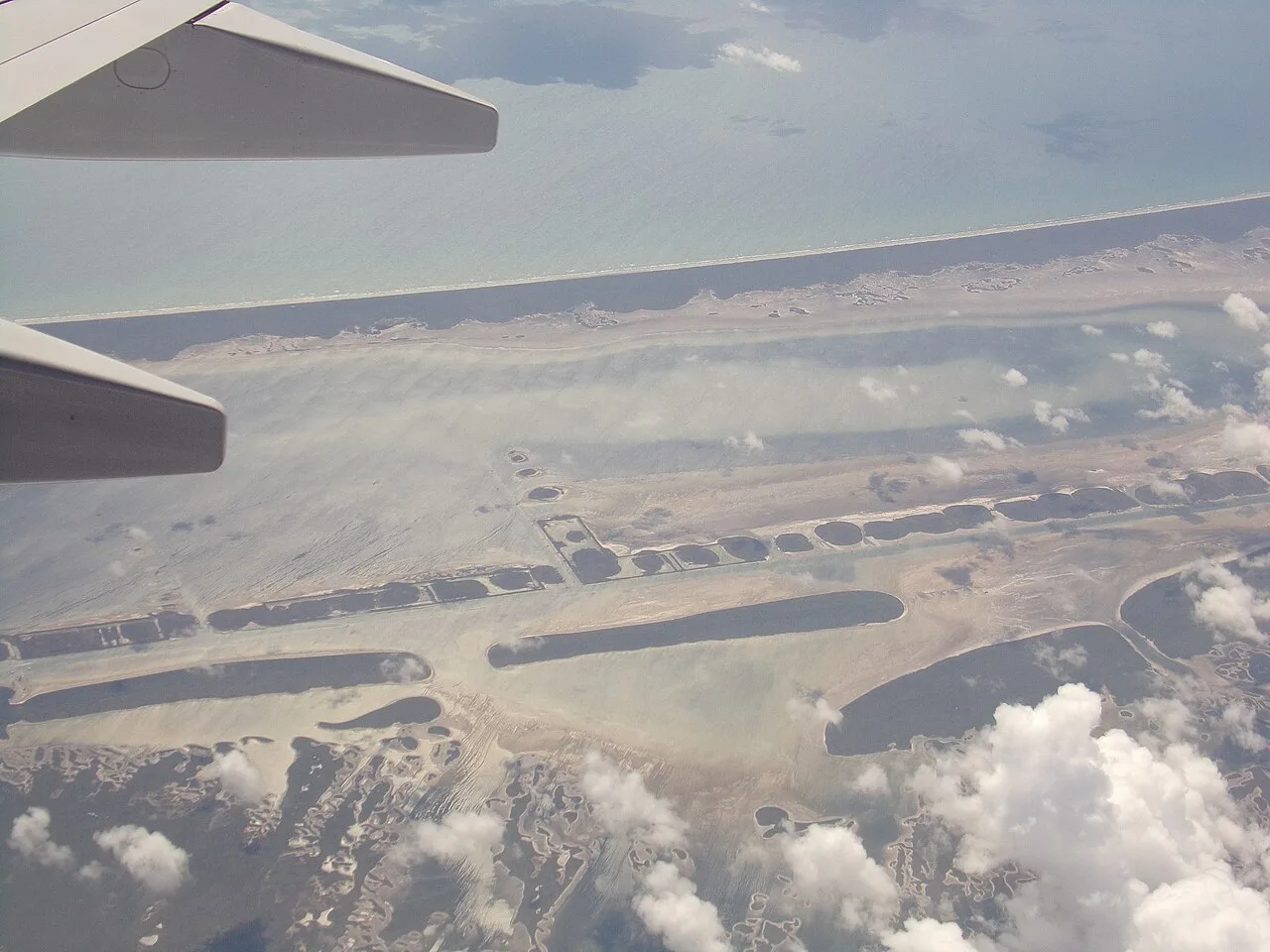
Gulf water off Texas is warm as bathwater and the color of weak tea, because the Mississippi and the Brazos dump sediment into it. Once you stop expecting turquoise, the coast is excellent. Galveston gives you a seawall, Victorian streets and a beach an hour from downtown Houston. Further south, Padre Island National Seashore protects 66 miles of undeveloped coastline plus one of the last intact stretches of coastal prairie left in the country, with the hypersaline Laguna Madre on the landward side. In mid-summer the park runs public releases of sea turtle hatchlings, which is the sort of thing you book a trip around rather than stumble into.
Barbecue, and how the line runs
Central Texas barbecue is beef, salt, pepper, post oak smoke and time, served by the pound on butcher paper with the sides treated as an afterthought. The format descends from German and Czech meat markets, which is why the best places still look like grocery stores with a pit bolted on the back and why you order at a counter by weight rather than by dish.
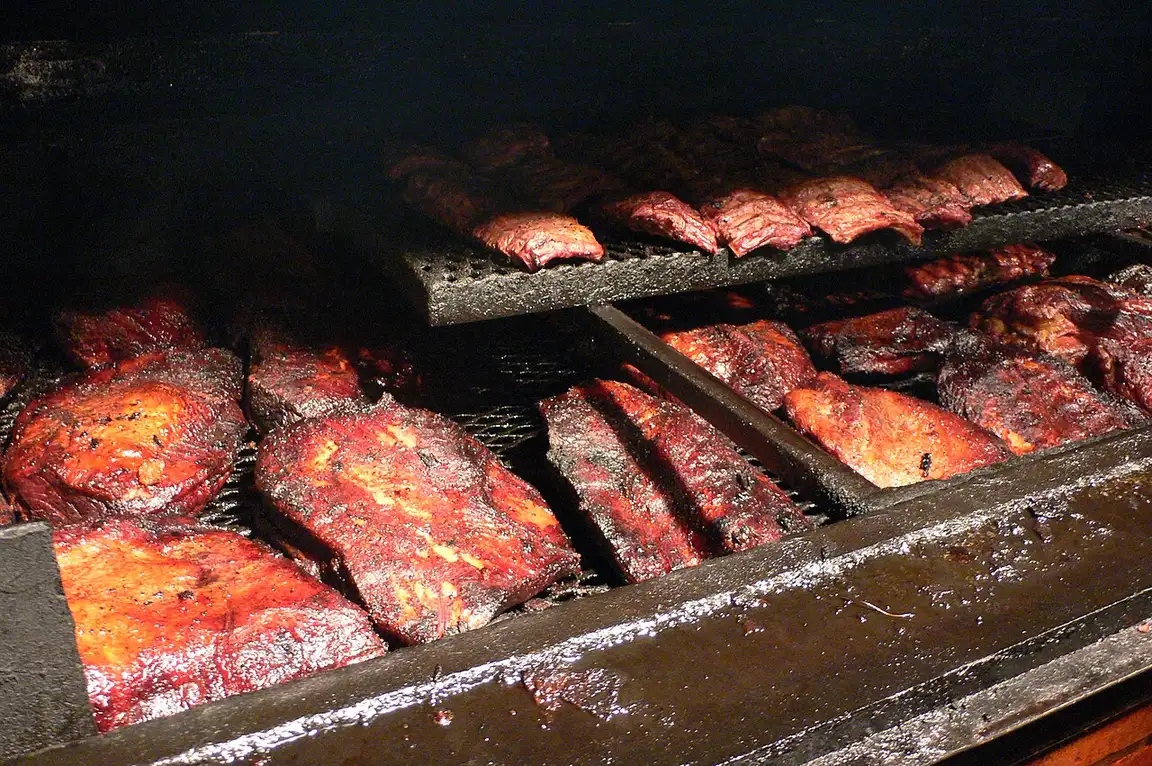
A couple of habits save a lot of standing around. The famous places sell out rather than close: Franklin in Austin opens at 11 and stops when the meat is gone, usually early afternoon, and it’s shut on Mondays. Advance ordering exists on its site and is the single best trick in Texas barbecue. And the small-town pits are the ones locals drive to. Lockhart, Elgin, Taylor and Luling all sit within an hour of Austin, and a Tuesday morning there beats a Saturday anywhere. Barbecue is just the start of what to eat across America.
The heat is a planning constraint, not a footnote
Summer in Texas isn’t a mild inconvenience. From June through September, most of the state runs in the high 90s and hundreds with humidity on top east of I-35, and midday outdoors stops being an option. Plan those months around water, air conditioning and early mornings, or go somewhere else.
Late March through May is the sweet spot: wildflowers along the highways, comfortable evenings, and the Hill Country at its greenest. October and November are the quieter twin of that window, with football, festivals and warm water still on the coast. Winter is mild in the south and unpredictable in the north; Big Bend in January is sunny and cool, which is precisely when experienced hikers go. One date to watch on the coast: Atlantic hurricane season runs 1 June to 30 November, and travel insurance is worth the money if you’re booking beach weeks inside it.
Flying in, and the car
There’s no version of a Texas trip without a rental car, unless you’re staying inside downtown Austin or San Antonio the whole time. Match the airport to the corner: DFW or Love Field for the north, IAH or Hobby for Houston and the coast, Austin-Bergstrom or San Antonio for the Hill Country, and El Paso or Midland-Odessa if Big Bend is the point of the trip. Flying into one and out of another is often cheaper than backtracking, and it saves a day.
One thing to settle at the rental counter: Texas has a lot of cashless toll roads around Austin, Houston and Dallas, and the rental company will bill the tolls back to you with a daily administration fee, so ask how theirs works before you drive off. And take the car with a full tank into West Texas: gas stations thin out fast once you leave the interstate.
If you’ve got one week and no strong preference, take Austin and San Antonio, add two nights in the Hill Country, and eat your way through the small-town pits in between. If you’ve got ten days and want the version of Texas that stays with you, fly into El Paso or Midland, drive to Big Bend, and give the desert four nights. Keep driving east along the Gulf and you eventually reach New Orleans, which is a different country in every way that matters. If you go, choosing between the Quarter, Marigny and the Warehouse District is the first decision. Coming the other direction on Route 66, the panhandle follows Oklahoma and leads toward New Mexico - different trip, same need for a full tank.
Read also
- The state capital of live music: things to do in Austin
- Down the Gulf coast: things to do in New Orleans
- Compare the desert parks: Zion and Grand Canyon
- Browse more US states and US national parks
On the map
The map loads on click - to keep the page lightweight.
The map didn’t load. Check your connection and refresh the page.
Good to know
Park fees, museum admissions and festival dates change. Figures here were checked on the dates listed in sources - confirm on the operator site before you book.
Details checked: July 24, 2026
Read also

States · 11 min read
Connecticut: Mystic, New Haven and the Shoreline
Verified · September 12, 2026Mystic Seaport at $35 adult, free Yale galleries in New Haven, and Gillette Castle on the river - how a Connecticut weekend actually fits.

States · 9 min read
North Dakota: Medora and Theodore Roosevelt NP
Verified · September 5, 2026The 36-mile South Unit loop starts in Medora, entrance $30 per vehicle, cashless from May 2026 - how to plan Theodore Roosevelt National Park.

States · 9 min read
Arkansas Travel Guide: Hot Springs & Ozarks
Verified · September 4, 2026Fee-free Hot Springs NP downtown, free Crystal Bridges in Bentonville, and the 135-mile Buffalo - how to string an Arkansas road trip.

States · 10 min read
Indiana Travel Guide: Indy, Speedway, Shore
Verified · September 5, 2026IMS Museum at $25, Kiss the Bricks at $15, Brown County hills and Lake Michigan shore - an Indiana trip beyond a Chicago beach day.