
Things to Do in Austin
How an Austin day really runs: barbecue lines in the morning, spring-fed swimming at noon, 1.5 million bats at sunset and live music after dark.
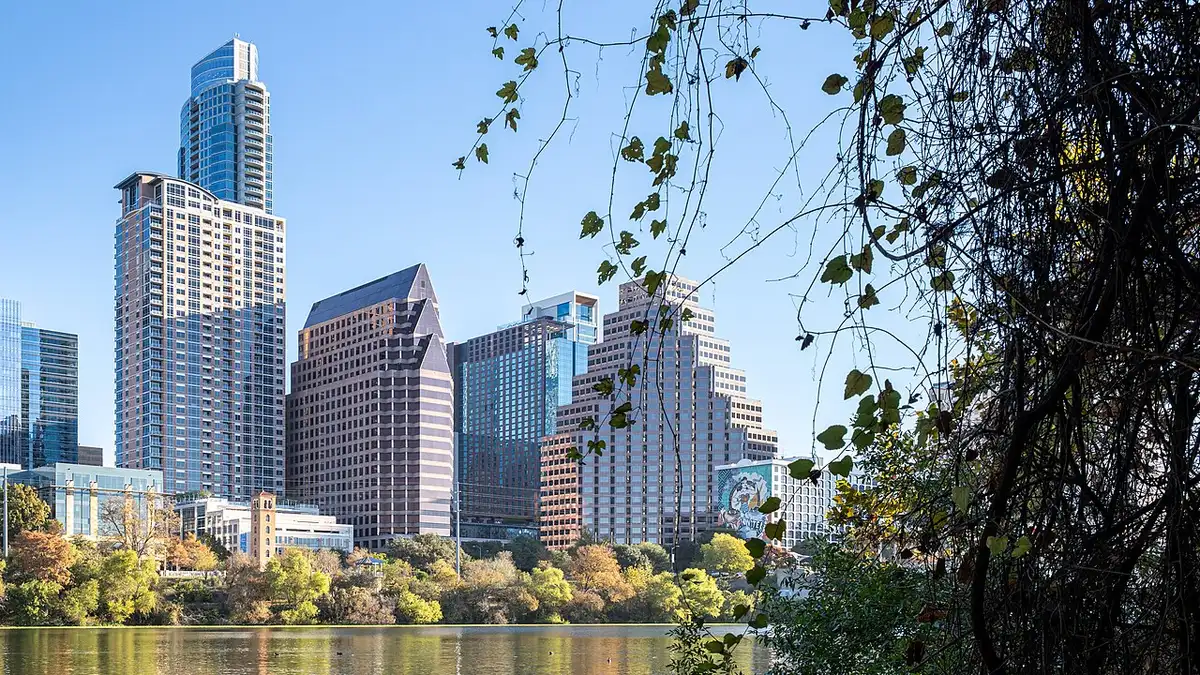
Austin runs on a clock, and once you learn it the city is easy. Barbecue happens in the morning because the good places sell out by mid-afternoon. Swimming happens at midday because the spring water stays cold when the air is 100F. The bats leave at sunset, and the music starts after that. Three days is enough, and you’ll spend most of them outdoors.
The other thing to understand early is that the version of Austin on postcards - Sixth Street, cowboy boots, the neon sign - is the smallest part of it. What people love here’s a city of about a million people with a cold spring-fed pool in the middle, a river you can paddle downtown, and roughly 250 live-music stages that mostly aren’t on Sixth Street. Rent a car for the day trips, but plan the core of the trip on foot.
Morning: the line is the schedule
Franklin Barbecue at 900 E 11th opens at 11 and stops when the brisket runs out, which is usually somewhere between 2 and 3 p.m., and it’s closed on Mondays. That’s the whole business model, and it explains the folding chairs: people arrive well before opening, and the line itself has become part of the experience. Franklin now takes advance orders through its own preorder site, which is the single best-value hour you’ll save in Texas.
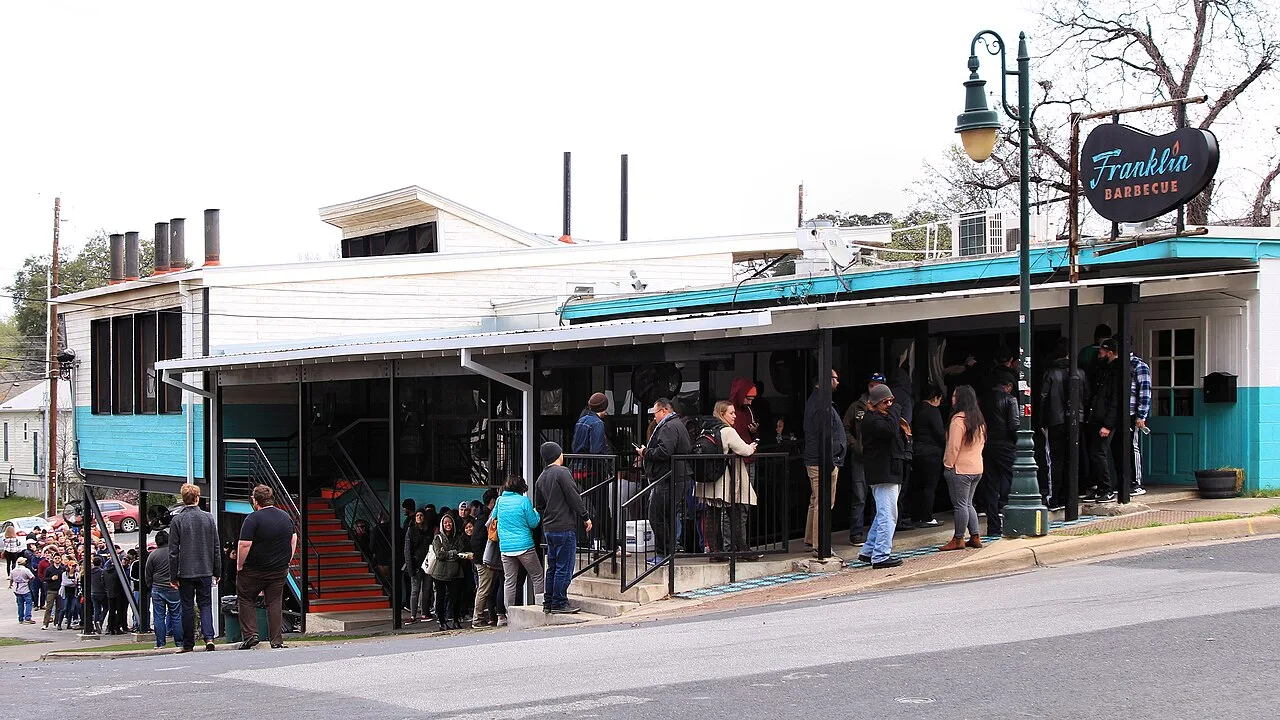
You don’t have to do any of that, though. The unsentimental local move is to drive 30 to 50 minutes out to the old meat markets in Lockhart, Elgin or Taylor on a weekday morning, where the brisket is arguably as good, the line is twenty minutes and nobody photographs their tray. Whichever you choose, order by weight, take it on butcher paper, and treat the sides as optional. More on the format in the Texas travel guide.
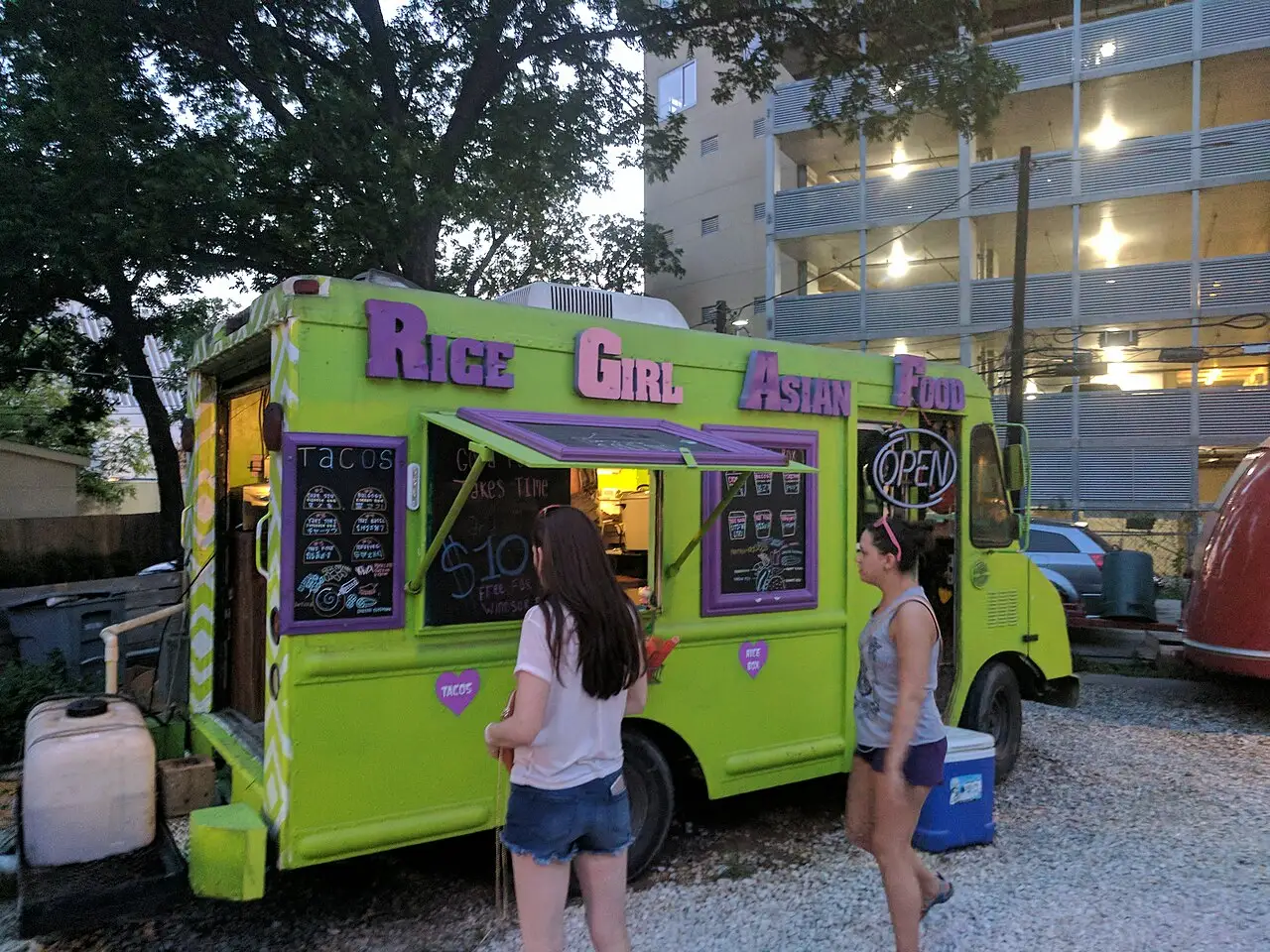
Breakfast, incidentally, is a taco. Migas, bacon and egg, or potato and cheese, on flour, from a trailer or a taqueria counter, eaten standing up. It costs a few dollars and it’s the thing you’ll miss when you leave. See more of what to eat across the US.
Midday: get in the water
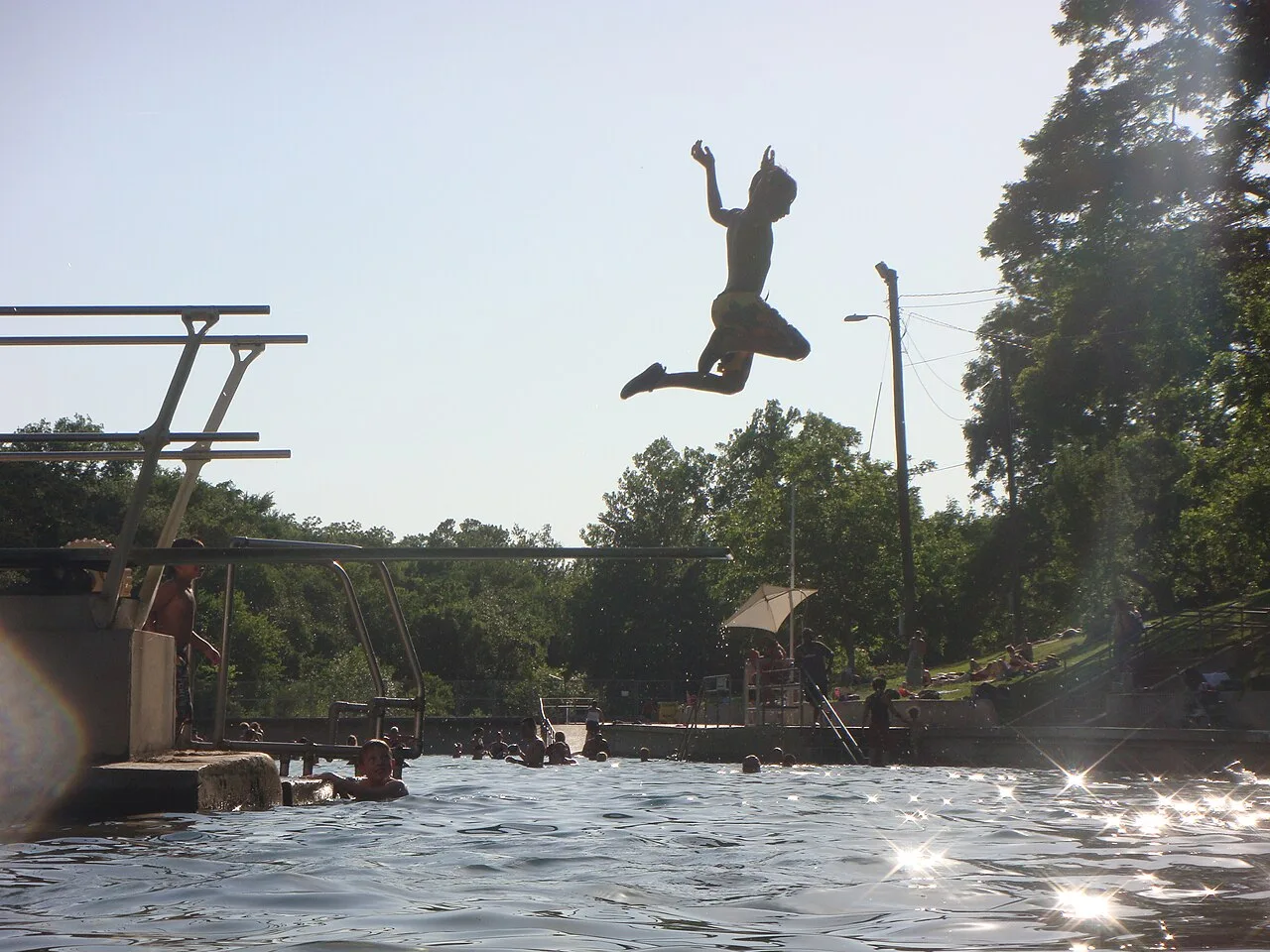
Barton Springs Pool is the reason Austin exists the way it does: three acres of spring-fed water in the middle of Zilker Park, holding 68 to 70F all year. In August that’s shocking for the first thirty seconds and perfect afterwards. Adult admission for non-residents is $9 ($5 for Austin residents), fees are charged from spring break through the end of October, and tickets are sold through the city’s ATXswims app or at kiosks on site.
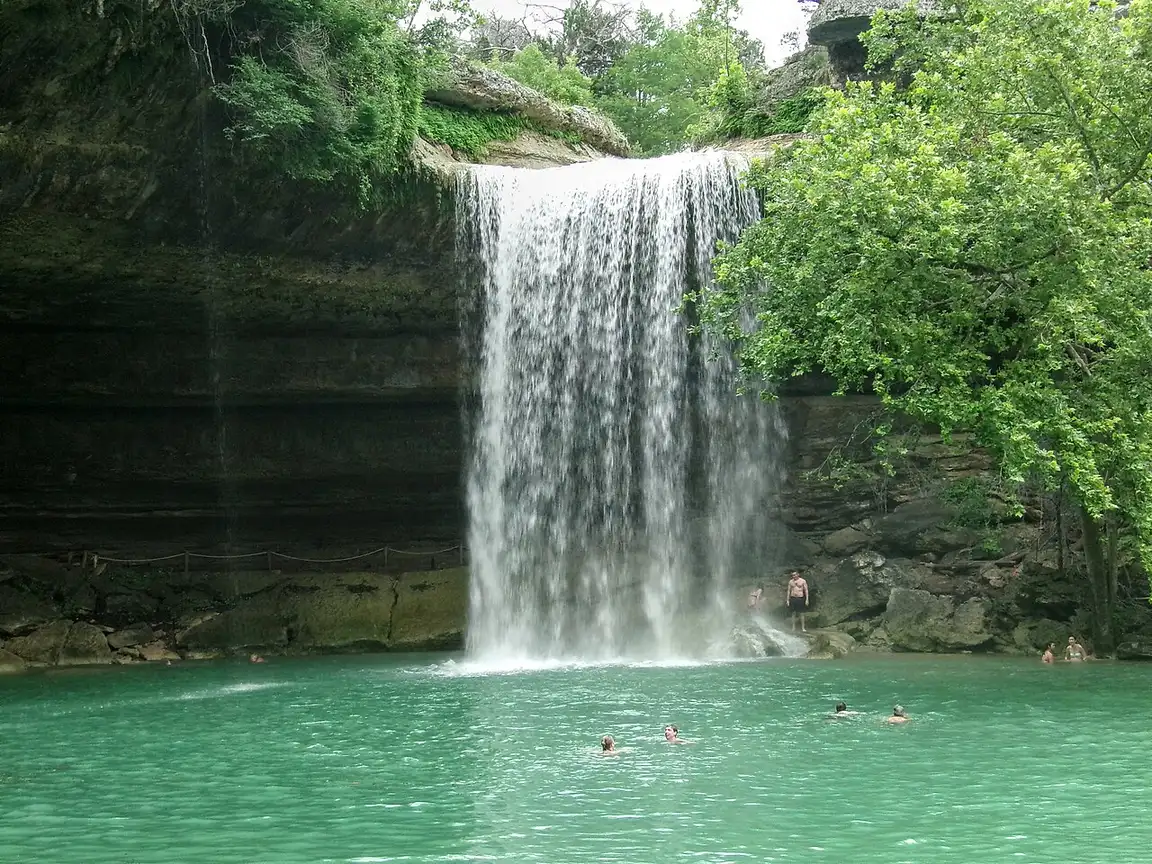
If you want the postcard swimming hole, Hamilton Pool Preserve is 45 minutes west, a collapsed grotto with a waterfall dropping into a jade-green pool. It also has the strictest rules of anything near Austin: a reservation is required every single day, the online booking is $12 per vehicle for up to eight people, and the day-use fee at the gate is $8 per adult in cash only. And the reservation buys you entry, not a swim: bacteria levels rise after rain and the county suspends swimming without warning, as it did in late July 2026. Check the Travis County park page the morning you go.
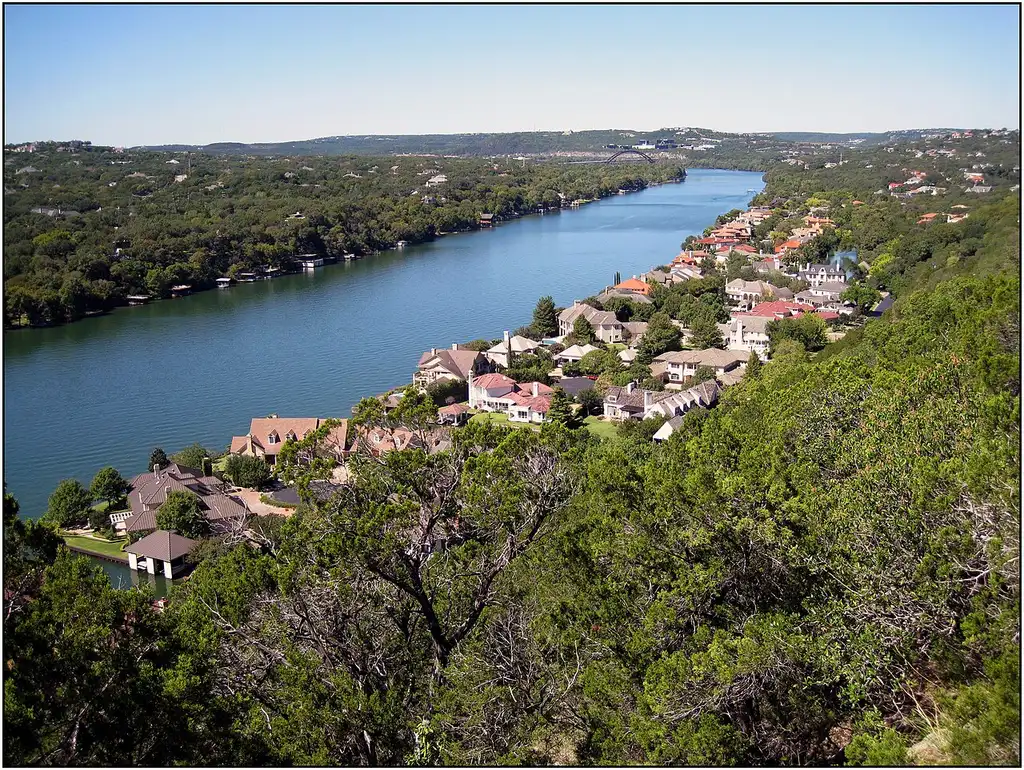
Closer in, the trail loop around Lady Bird Lake is where the whole city exercises, and kayak and paddleboard rentals sit right below the skyline. For the view that ends up on everyone’s camera roll, drive up Mount Bonnell late in the afternoon: 100-odd steps, and the Colorado River bending below through the hills.
Sunset: 1.5 million bats
Under the Congress Avenue Bridge lives the largest urban bat colony in North America: roughly 1.5 million Mexican free-tailed bats, in residence from late March until they head back to Mexico around September or October. They pour out at dusk in a column that can take 45 minutes to clear, and the official Austin visitor office puts the flight anywhere between 7:30 and 9:45 p.m. depending on the season.
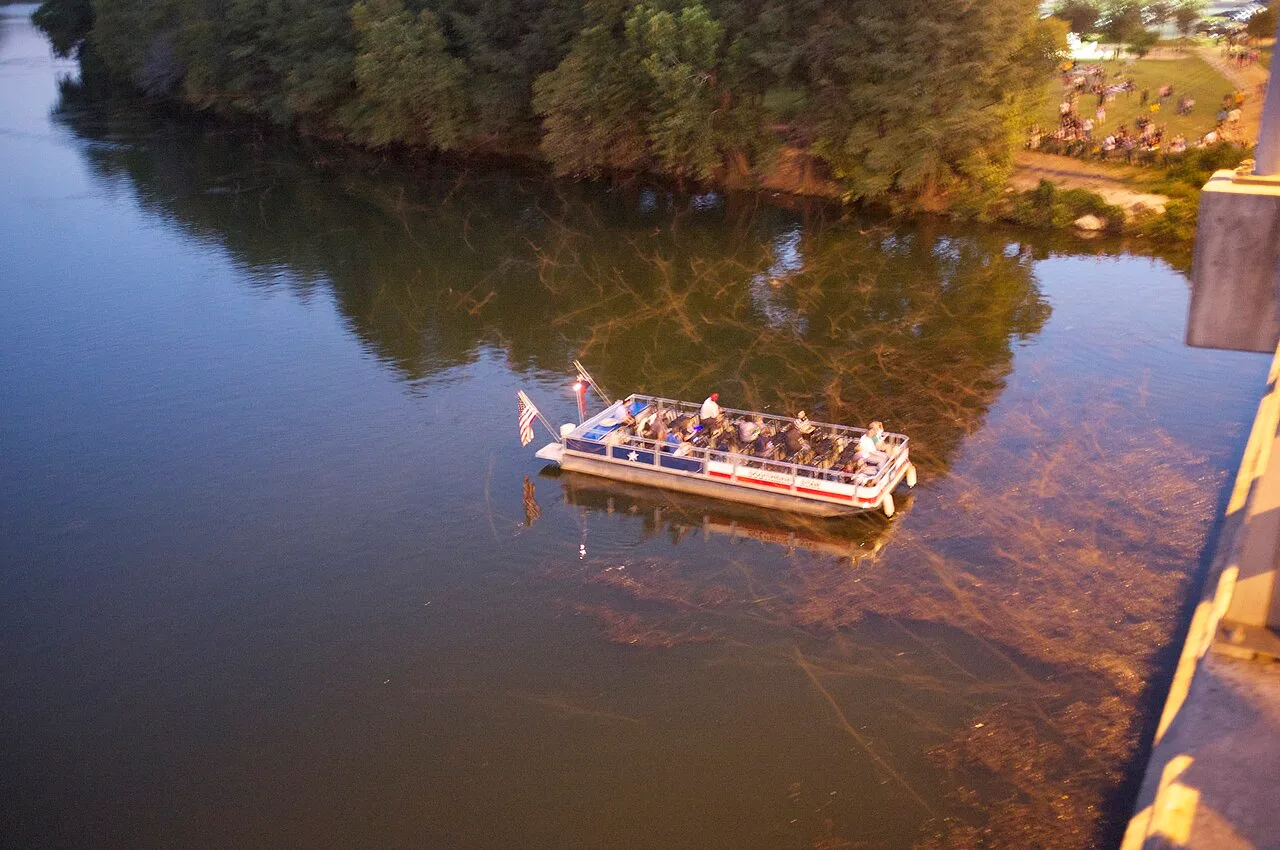
Watch from the grassy Statesman Bat Observation Center lawn on the southeast bank, from the bridge sidewalk itself, or from the hike-and-bike trail underneath. The lawn is the comfortable option and the bridge is the dramatic one. Arrive 45 minutes early, because parking downtown at sunset is the actual challenge, not the bats.
Night: where the music really is
Sixth Street is the address everyone knows and the one locals mostly avoid: a dense strip of college bars that’s fun at 22 and tiring after that. The music that gives Austin its reputation happens on three other strips. The Red River Cultural District, a couple of blocks east, holds Mohawk, Stubb’s and Empire Control Room for indie, rock and hip-hop. South Congress has the Continental Club, a 1950s room that still books rockabilly, blues and country most nights, and C-Boy’s a few doors down. And Antone’s downtown is the blues institution that put Stevie Ray Vaughan on a stage.
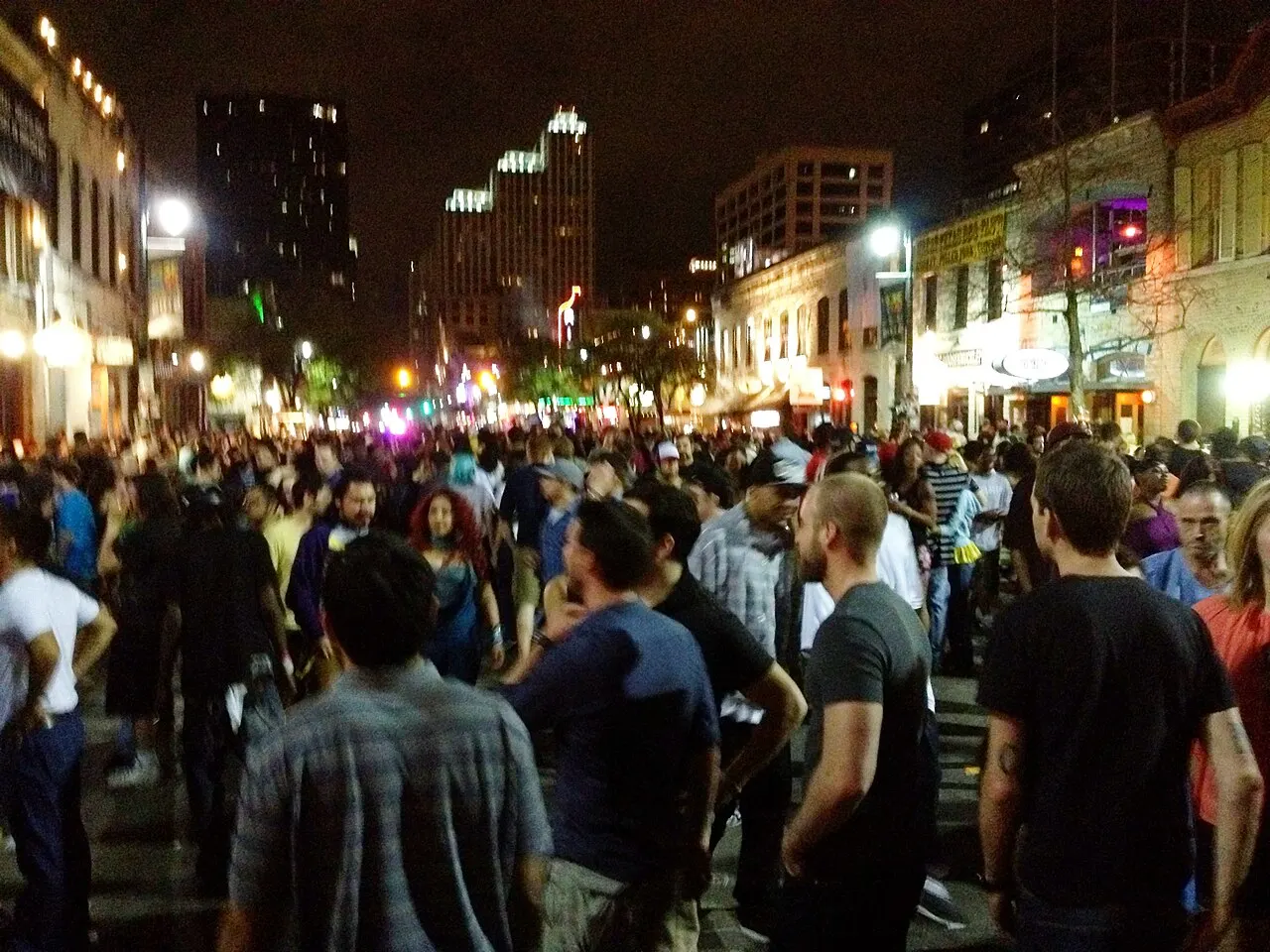
If you only get one music night, make it a two-band evening: an early set somewhere on Red River, then a late one at the Continental Club. Covers at the smaller rooms are usually modest, shows start earlier than you’d expect, and Sunday and Monday nights are some of the best because that’s when the working players sit in with each other.
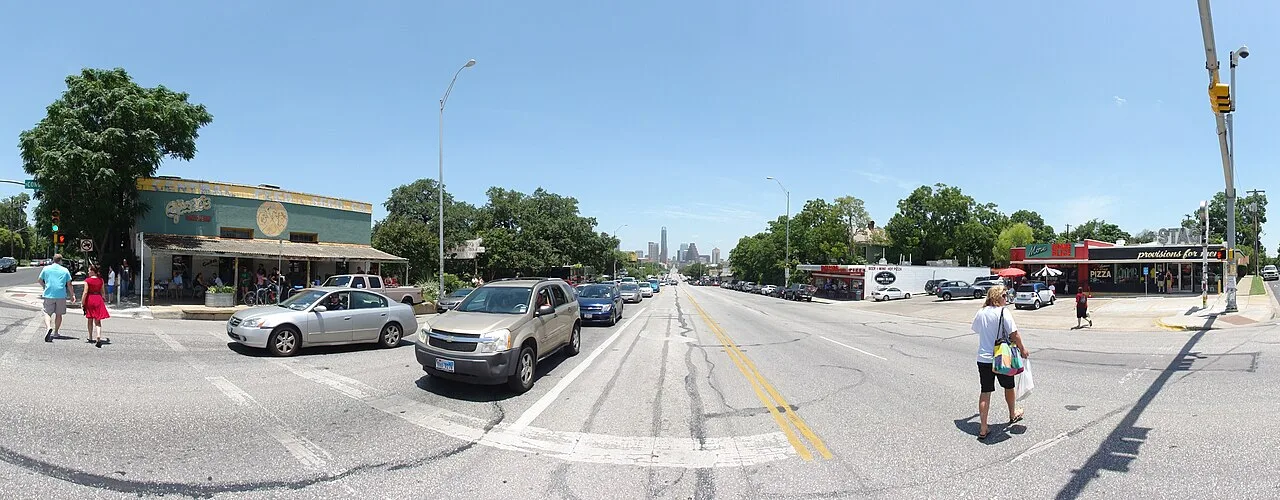
The daytime sights, briefly
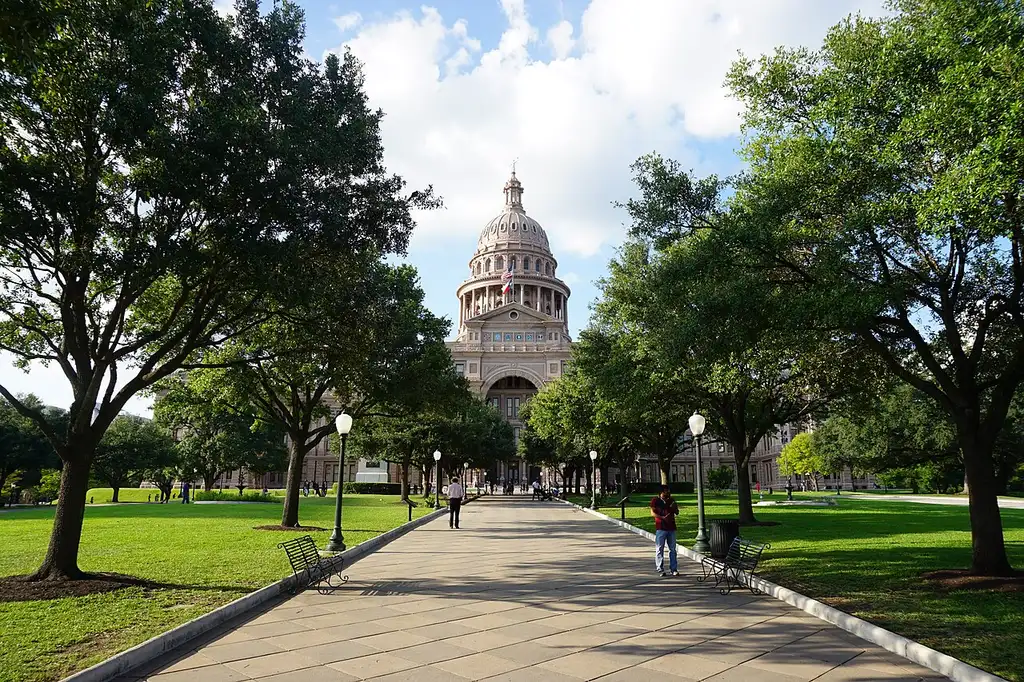
The Texas State Capitol is free to walk into, open to self-guided visits, and was deliberately built 302 feet tall so it would clear the US Capitol in Washington by about fifteen feet - a detail Texans will tell you within an hour of meeting you. The Bullock Texas State History Museum next door does the state’s story properly, and the LBJ Presidential Library on the university campus is the best presidential library in the country for anyone interested in how power works.
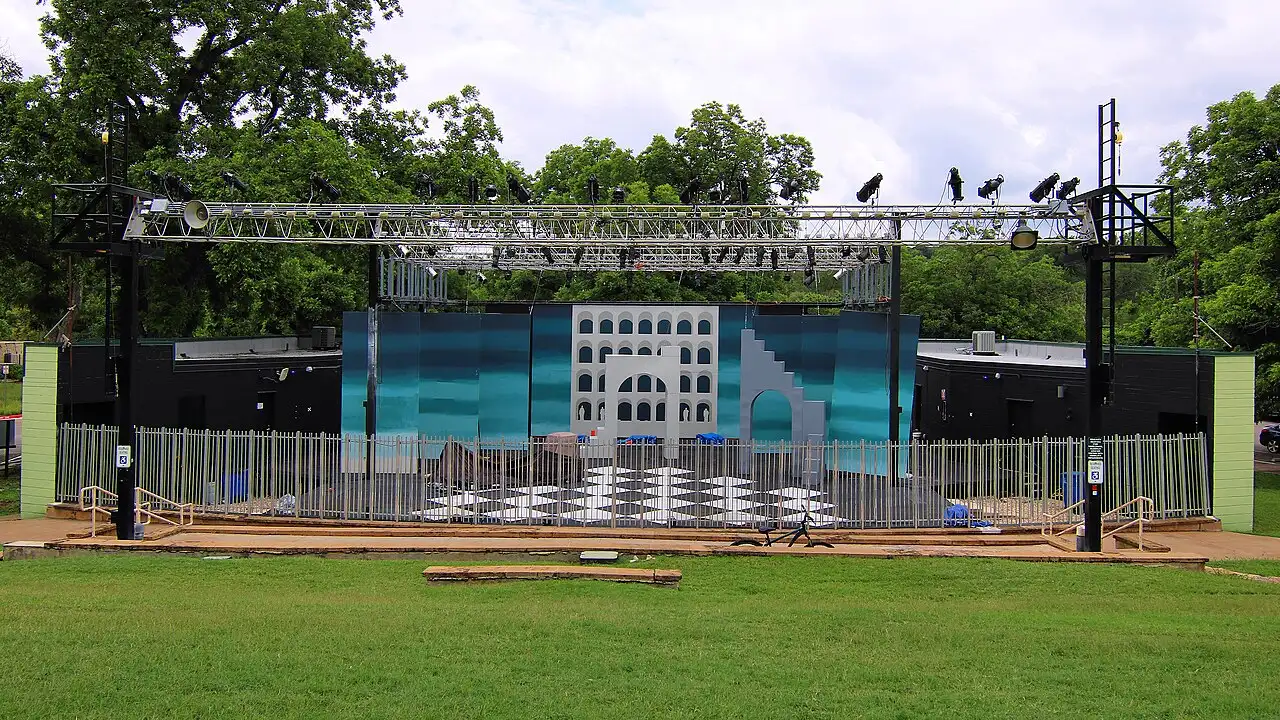
Zilker Park itself deserves an afternoon beyond the pool: 350-odd acres with a botanical garden, a hillside theater that stages free summer shows, and the lawn that becomes a festival site every October.
Where to base yourself, and one day trip
Downtown puts you inside walking distance of Sixth Street, Red River and the bridge, which is convenient and loud; rooms east of I-35 in East Austin are cheaper, closer to the barbecue and full of the bars that opened in the last decade. South Congress splits the difference and is the nicest place to stay if you don’t mind a 25-minute walk over the bridge into town. Rainey Street is a strip of converted bungalow bars with hotels stacked around it, and it’s either exactly what you want or exactly what you don’t. For the neighborhood-by-neighborhood booking call, including the 17% hotel tax, see where to stay in Austin.
Give one day to the Hill Country west of the city. Dripping Springs and the Fitzhugh Road corridor now hold a dense run of distilleries, breweries and wineries within 40 minutes of downtown, and the Texas Wine Country around Fredericksburg is 90 minutes out through granite hills and peach stands. Fredericksburg itself is a 19th-century German settlement with a main street that still has bakeries selling strudel, and Enchanted Rock, a pink granite dome you can walk up in an hour, sits 20 minutes north of it. That combination - swimming hole, winery, granite dome - is the day trip locals take, and it works in either direction from Austin.
Festival weeks, and when to avoid them
The city reprices itself twice a year. SXSW takes over downtown in March - the 2027 edition runs March 13-21, 2027, with SXSW EDU first (March 13-16) and the main conferences and festivals from March 15. Austin City Limits fills Zilker over two weekends in the fall: in its 25th year it ran October 2-4 and 9-11, 2026, and as of October 19, 2026 the festival’s site still showed those 2026 dates and no 2027 dates, so check aclfestival.com before you plan around it. Both are excellent if you’ve got tickets and miserable if you don’t, since rooms get pricier and every restaurant needs a reservation.
The comfortable months are March to May and October to November. Summer is the trade-off: June through September routinely sits around 100F, which is survivable if you organize the day around water and evenings, and hotel rates drop accordingly. Fly into Austin-Bergstrom, 20 minutes southeast of downtown, and remember that I-35 through the middle of town is one of the more reliably jammed stretches of interstate in America. The city works best if you keep the car for the Hill Country day and leave it parked the rest of the week: almost everything worth doing in Austin sits within a mile of the river, and the traffic is the only part of the clock you can’t plan around.
Read also
- The wider state: Texas travel guide
- Music, food and a very different South: things to do in New Orleans
- Another southern capital: Georgia travel guide
- Browse more US cities and US states
On the map
The map loads on click - to keep the page lightweight.
The map didn’t load. Check your connection and refresh the page.
Good to know
Pool fees, reservation systems and festival dates change every season. Everything here was checked on the dates listed in sources - confirm on the city or operator site before you go.
Details checked: July 24, 2026
Read also

Cities · 13 min read
Salt Lake City: Ski Base, Temple Square and the Salt Flats
Verified · August 29, 2026Four ski resorts inside 36 miles of the airport, a temple you cannot enter until 2027, and a salt flat that closes for racing. What to plan around.

Cities · 9 min read
Atlanta: Civil Rights Trail, Aquarium and Southern Food
Verified · August 28, 2026Free MLK park on Auburn Avenue, Civil Rights Center from $26, Georgia Aquarium tickets from $54.99, BeltLine walks and where Southern food still holds up.

Cities · 9 min read
Minneapolis Guide: River, Lakes & the Blue Line
Verified · August 26, 2026A $2 train from MSP, Stone Arch and Minnehaha Falls, Walker on free Thursday nights, and when Mall of America is worth the ride south.

Cities · 12 min read
Savannah Travel Guide: Squares and the Historic District
Verified · August 22, 2026Walk the 22 squares, tour Owens-Thomas honestly, ride the free river ferry, then Bonaventure and Tybee - checked August 2026.