
American Food: What to Try
Regional American food explained: four barbecue styles, Cajun vs Creole, three schools of pizza, lobster rolls two ways, and what to order where.
There’s no single American cuisine, so the useful question isn’t what to eat in America but what to eat where you happen to be standing. Beef brisket in central Texas, whole hog in eastern North Carolina, a cold lobster roll in Maine and a hot buttered one an hour down the coast in Connecticut: every one is somebody’s home cooking, and every one gets worse the further it travels. Match the dish to the region and you’ll eat better in two weeks than most visitors manage in a lifetime of airport food courts.
Nearly all of it began as cheap food for people who worked. German and Czech butchers in Texas smoked the beef nobody else wanted and sold it by weight. Plantation crews in Hawaii swapped lunches until the mixture turned into a cuisine. Detroit’s famous pizza is baked in steel pans borrowed from car plants. Which is also why the arguments run hot: these recipes belong to somebody.
Barbecue is four different foods
Ask for barbecue and what arrives depends on which state line you’re standing behind. There are four main schools, they disagree about the meat and the sauce, and the fastest way to eat badly is to order the wrong region’s specialty.
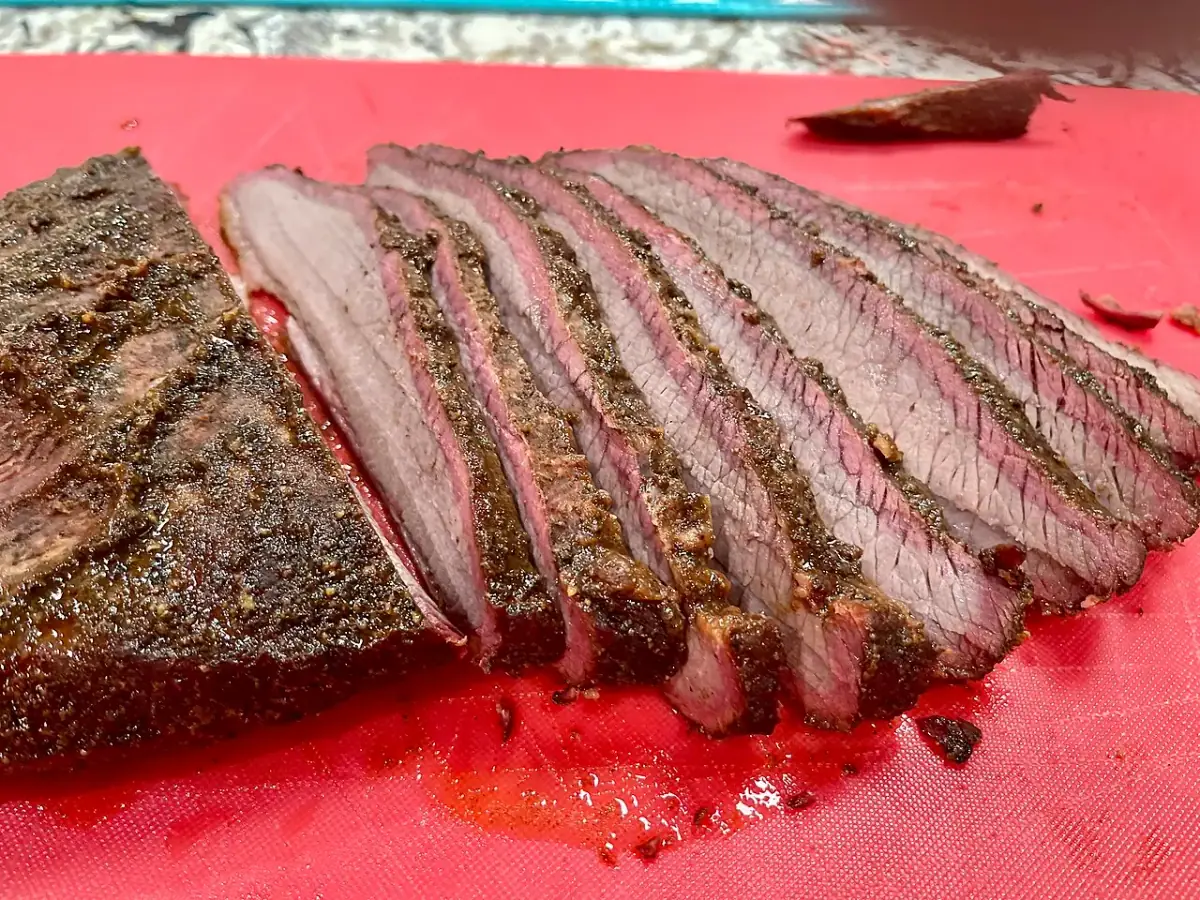
Central Texas is beef. Brisket, seasoned with little more than salt, black pepper and a bit of cayenne, cooked in a closed pit with a post oak fire burning at the far end, then sliced to order and sold by the pound onto butcher paper. The style grew out of 19th-century meat markets run by Czech and German families, which is why the oldest places still work like markets: order by weight at a counter, get white bread and pickles, and forget the sauce. Kreuz Market in Lockhart has been open since 1900. Order fatty brisket rather than lean, plus a link of beef sausage.
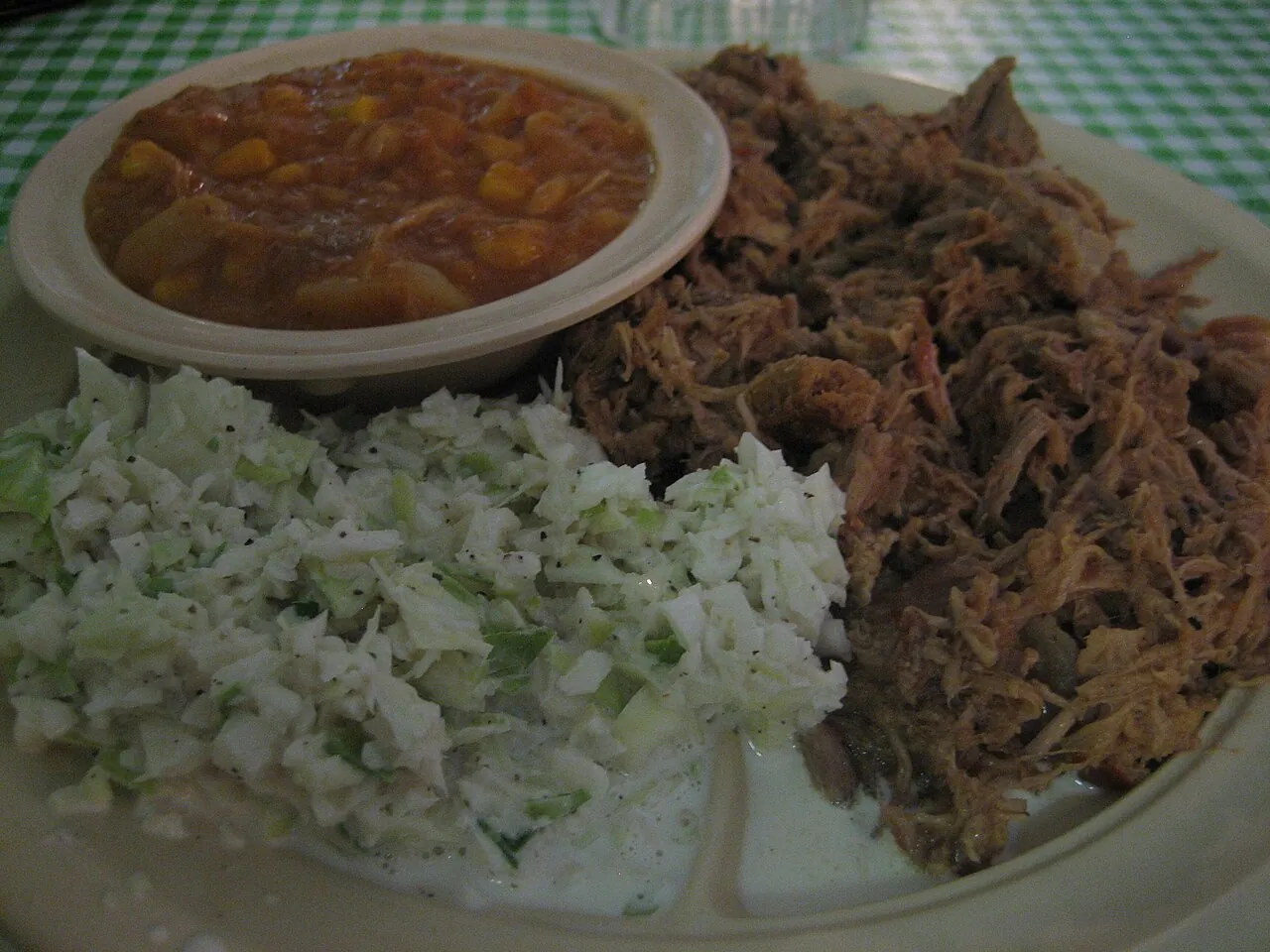
The Carolinas are pork, and the sauce changes every hundred miles. Eastern North Carolina cooks the whole hog and dresses it with vinegar, red pepper and salt, so thin it barely looks like sauce. Drive west into the Piedmont and Lexington-style uses the shoulder only, stirs ketchup into the vinegar to make what everyone calls a dip, and serves red slaw dressed in the same mixture. Keep going into the South Carolina Midlands, where German families settled in the 1700s, and the sauce turns yellow with mustard. South Carolina is the only state where you’ll find all four basic styles of barbecue sauce, which tells you how seriously this gets taken.
Kansas City smokes everything and then commits to sauce: thick, sweet, tomato and molasses. The city’s own invention is burnt ends, the crisp fatty point of the brisket cut into cubes and often resauced and sent back into the smoker. The lineage runs back to Henry Perry, who sold smoked meat wrapped in newspaper from a pit beside a streetcar barn; by the 1930s the city had close to a hundred barbecue joints, and when he died in 1940 his apprentices founded Gates and Arthur Bryant’s.
Memphis is ribs and pork shoulder, and the only real decision is dry or wet. Dry means a heavy spice rub and no sauce: Charlie Vergos opened the Rendezvous in a downtown alley in 1948, and the charcoal-grilled dry ribs that made it famous joined the menu in the late 1950s. Wet means mopped and sticky. The chopped pork sandwich comes with slaw on it rather than beside it, and if you’re there in mid-May, the World Championship Barbecue Cooking Contest (Memphis in May) takes over Liberty Park; the 2026 contest ran 13 to 16 May.
Cajun and Creole are not the same thing
Louisiana runs two kitchens, and locals tell them apart in one spoonful. Creole is city food, born in New Orleans households with money, time and imported ingredients: tomatoes go in, and the roux is butter and flour. Cajun is country food from Acadiana, the prairie and bayou parishes west of the city, where the roux is oil and flour cooked slowly to the color of an old penny and jambalaya has no tomato in it at all.
The word itself carries the history. Cajun comes from les Acadiens, French colonists the British expelled from Acadia, now Nova Scotia, in the 1700s; many ended up in the bayous of south Louisiana, which is how a Canadian deportation became a Gulf Coast cuisine.
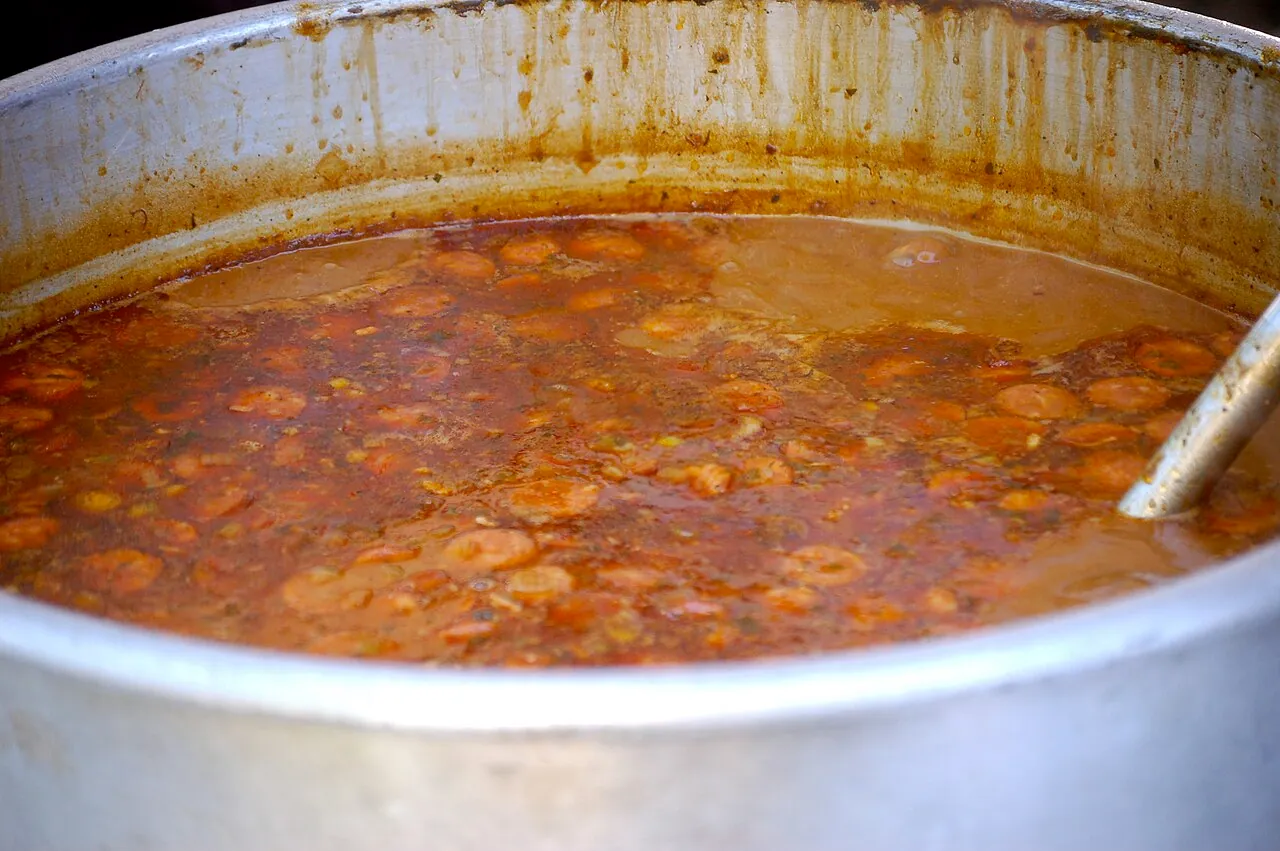
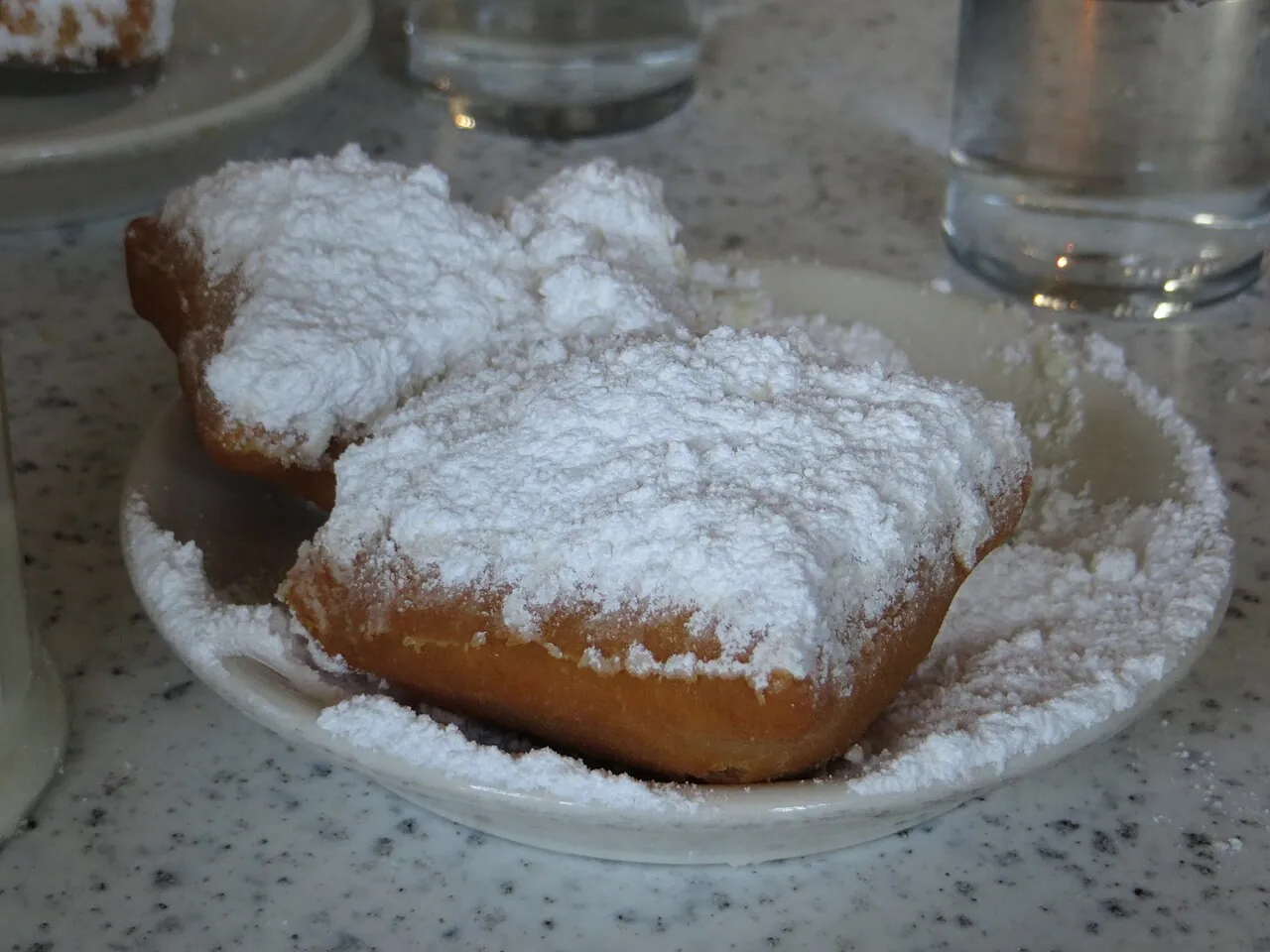
Order gumbo first, over rice, and notice whether it arrives dark and smoky or red and tomato-forward. Then work through jambalaya, crawfish etouffee and a link of boudin from a country meat market. Beignets are the sweet end of it: square doughnuts with no hole, buried in powdered sugar, eaten with chicory coffee at a French Market stand. Don’t wear black.
Tex-Mex, New Mexican and Mexican are three separate cuisines
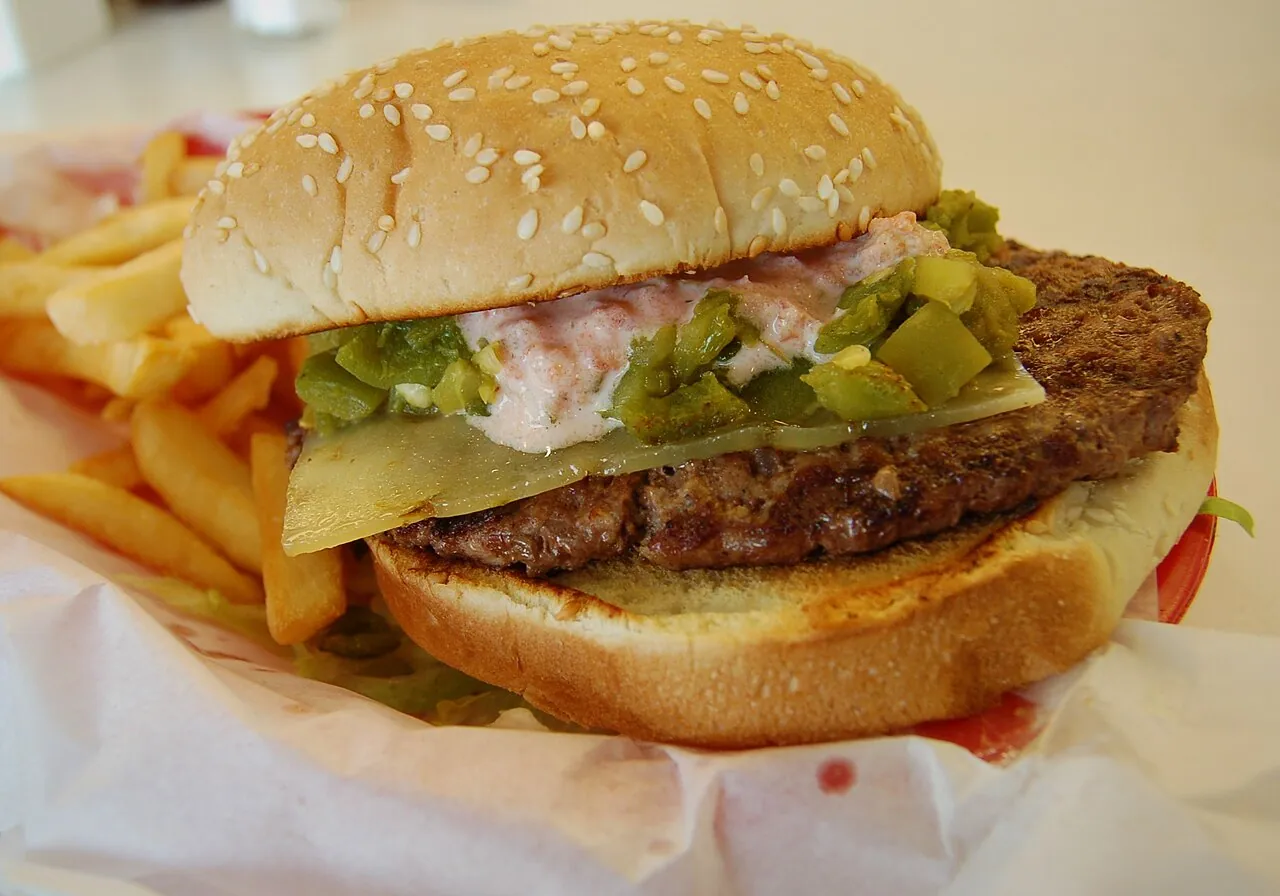
Tex-Mex is the yellow-cheese, cumin-heavy, combination-plate cooking that Tejano families created in Texas long before anyone named it, and the name was an insult for decades: restaurant families avoided it because it implied a corrupted copy. It gave the country chili con carne, which went national from a San Antonio chili stand at the 1893 Chicago World’s Fair, and nachos, invented in the 1940s by Ignacio Anaya, nicknamed Nacho, who listed them as Nachos Especiales. Fajitas came off ranch campfires in south and west Texas. Breakfast tacos are the daily version of all this, and San Antonio and Austin will fight you about who does them properly.
New Mexico is a different state of mind, and the giveaway is the spelling. Chili with an i is the Texan meat stew; chile with an e is the pod itself, roasted and turned into a sauce that goes over almost everything. Restaurants ask which one you want, and it isn’t small talk: “Red or Green?” has been the official state question since the legislature adopted it in 1996. If you can’t choose, say Christmas and you get both. Then there’s interior Mexican cooking in Los Angeles and Houston: corn tortillas, al pastor off a vertical spit, mole. Don’t treat the three as versions of each other.
Southern cooking and soul food
The plate is fried chicken, greens simmered with smoked pork, cornbread, mac and cheese, candied yams and sweet tea. Greens cooked with ham hocks began as a way of stretching an inadequate ration under slavery; the technique became a cuisine, and the Great Migrations carried it north to Chicago, Detroit and New York. Nashville and Birmingham still run meat-and-three lunchrooms where you pick a meat and three vegetables off a board, and the vegetables include mac and cheese, which nobody in the room considers strange.
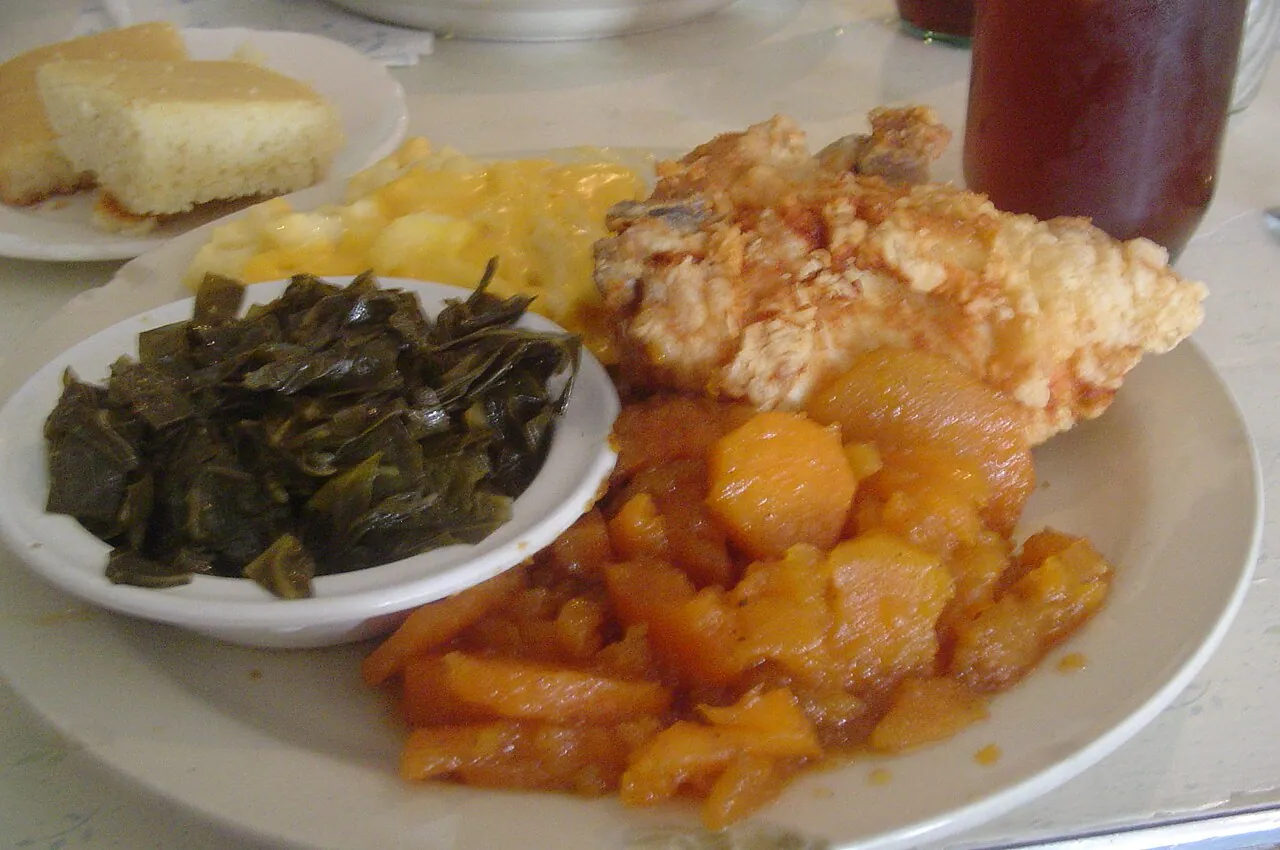
The specialties get local fast: shrimp and grits and she-crab soup on the South Carolina coast, hot chicken in Nashville, banana pudding almost everywhere. Order fried chicken at a place that sells only a few things. That’s usually the sign.
New England: chowder, clams and the lobster roll question
Chowder comes three ways. New England chowder is the creamy one, built on milk or cream with salt pork, onions and potatoes. Manhattan chowder swaps the dairy for tomatoes and is disliked across most of Massachusetts on principle. Rhode Island chowder is clear broth, and it’s the one most visitors never try.
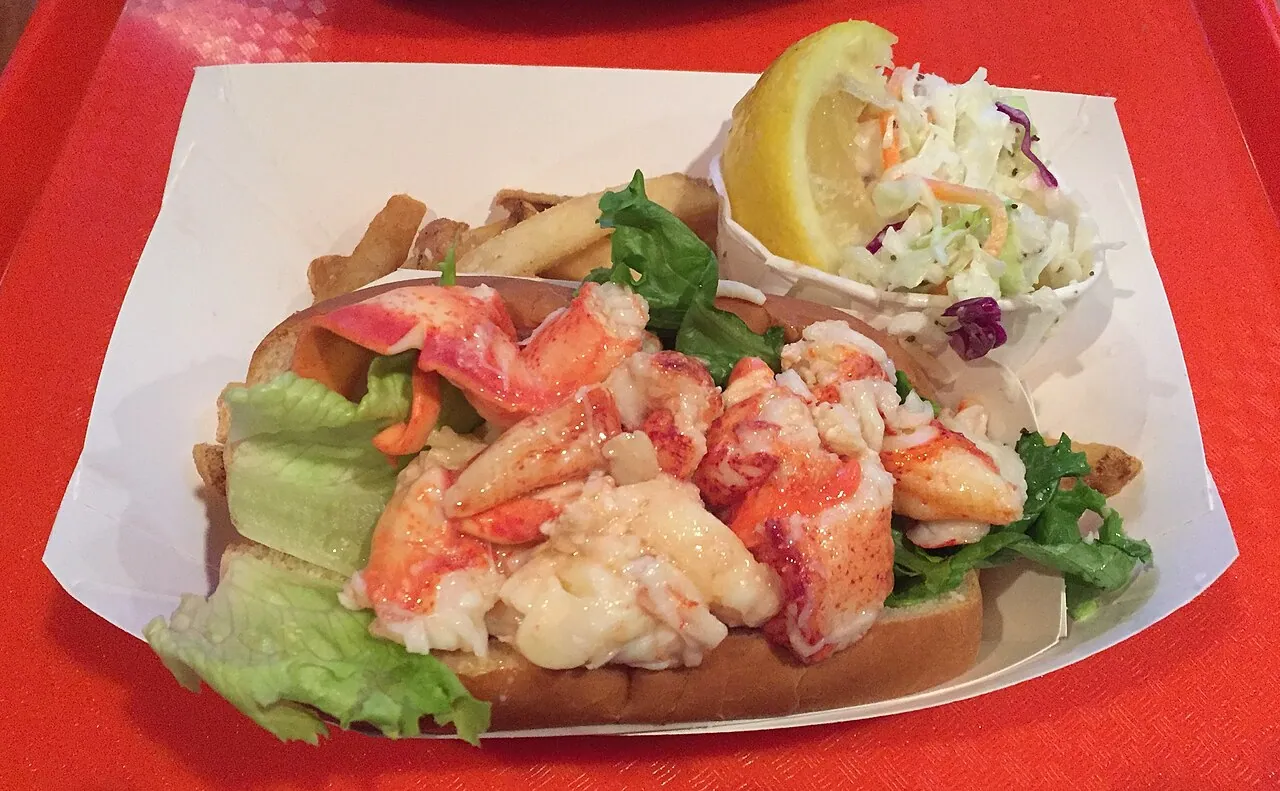
The lobster roll splits on temperature. Maine style is cold: picked lobster lightly dressed with mayonnaise in a toasted split-top bun. Connecticut style is warm lobster in melted butter, credited to Harry Perry’s restaurant in Milford back in the 1920s. Take the Connecticut version on a cool day and the Maine version on a hot one, and don’t pay extra for lettuce. If the roll is the reason you’re flying north, the Maine travel guide puts it on a Portland harbor day before the drive to Acadia.
Get fried clams. Lawrence “Chubby” Woodman dropped the first batch into his fryer in Essex, Massachusetts on 3 July 1916, and the clam shacks between Boston and Portland have been at it ever since. Ask for whole bellies, not strips: strips are the cheap cut and taste like it.
Pizza has at least three schools
New York sells pizza by the slice, wide and thin enough to fold down the middle, which is how you’re supposed to carry it. The coal-oven institutions are a different transaction: whole pies only, baked in three to five minutes, no slices. Lombardi’s, which opened in 1905, gets called America’s first pizzeria, though a researcher digging through licenses and immigration records has argued the shop really opened around 1898 under another man entirely. Our guide to things to do in New York City covers where the slice shops sit.
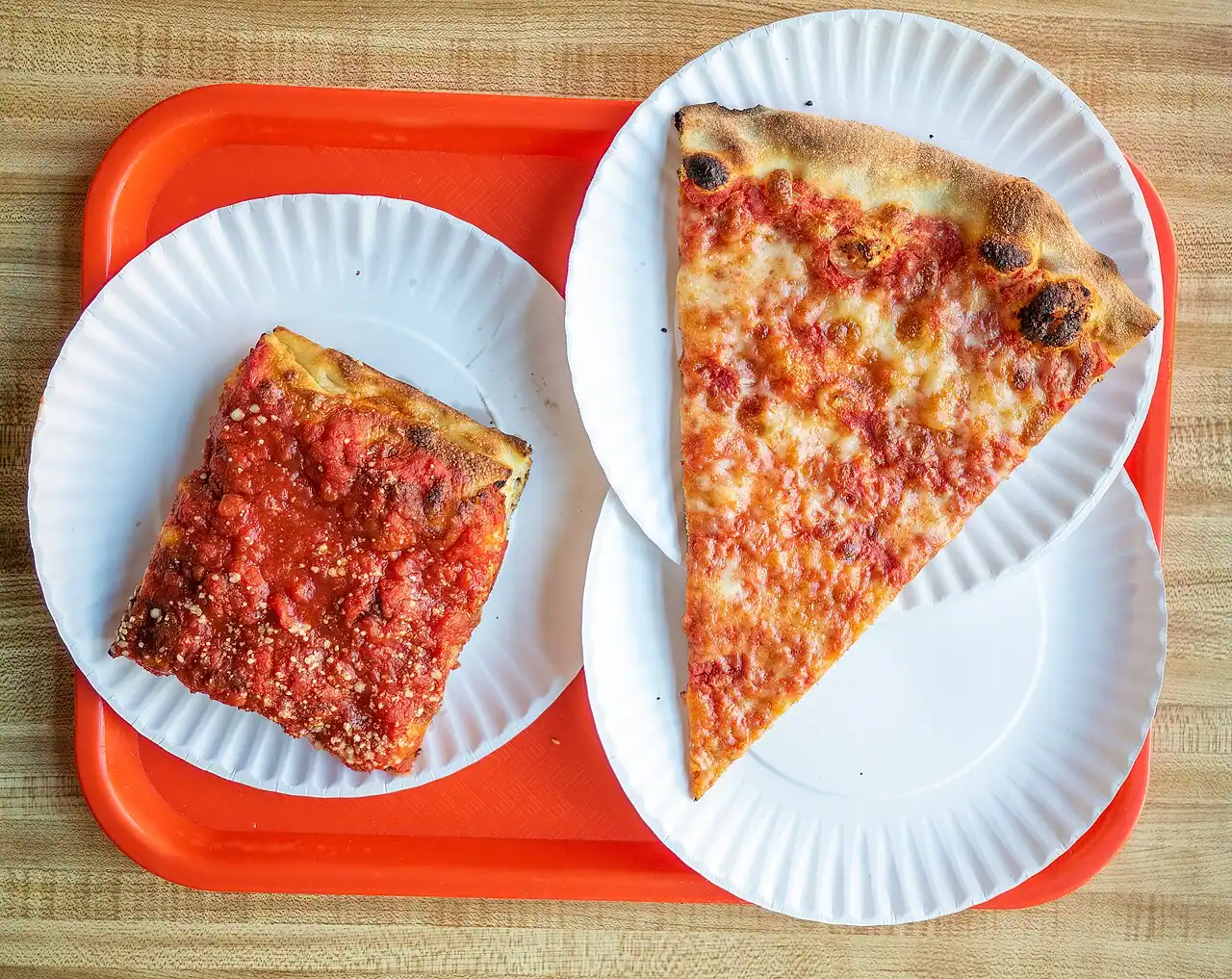
Chicago deep dish arrived in the fall of 1943 with Pizzeria Uno: a tall pastry-like crust in a pan, an enormous amount of cheese under the sauce rather than over it, and a 50 to 60 minute bake for a medium pie. That last number is the practical one - order it the moment you sit down, or you’ll spend an hour looking at bread. And what locals eat on a Tuesday is tavern-style: thin crust cut into squares, not wedges.
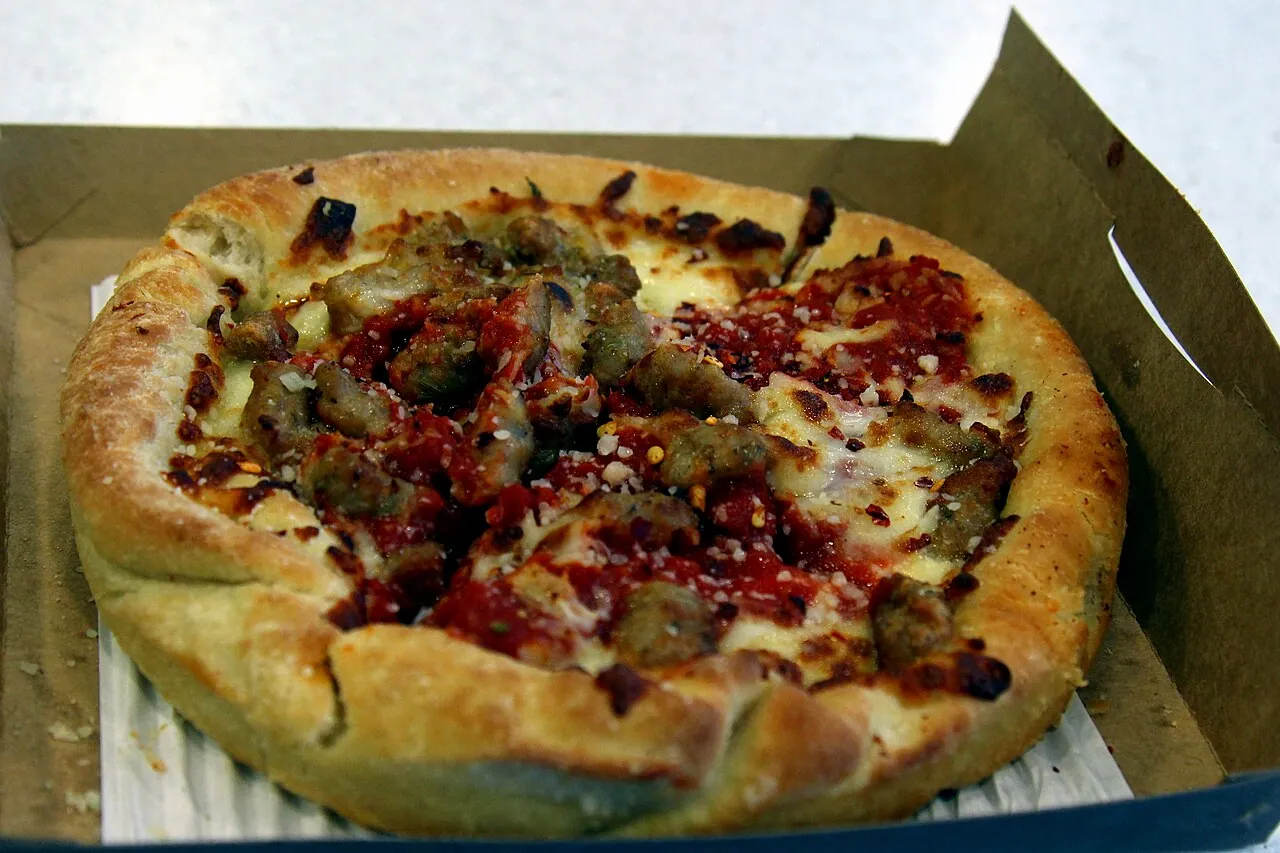
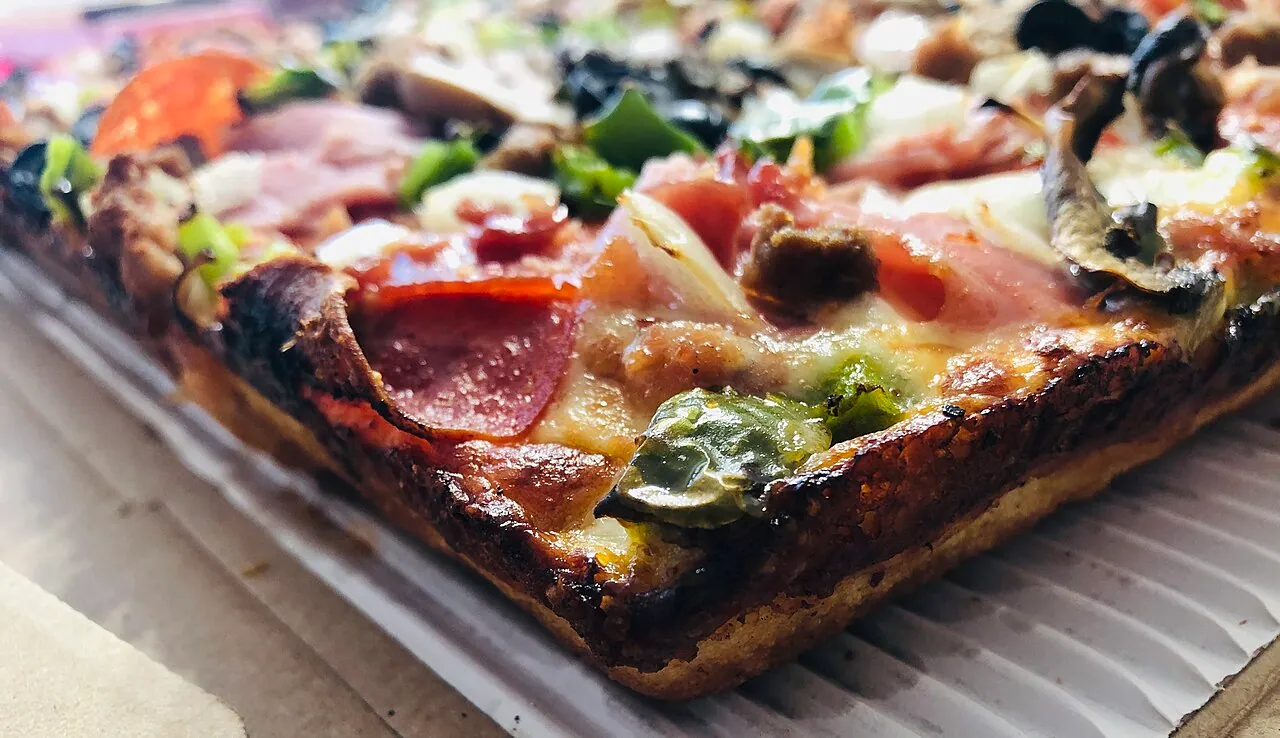
Detroit is the rectangle. Gus Guerra started it at Buddy’s on the east side in 1946, baking in steel pans borrowed from the automotive plants, and it still runs the same way: Wisconsin brick cheese pushed to the edge so it caramelizes against the metal, pepperoni under the surface, sauce ladled on top at the end. Ask for a corner piece.
Hawaii eats on its own terms
Poke is the export everyone knows, and the mainland version has drifted a long way from the original. The word means to cut crosswise; the classic is cubed ahi tossed with ogo seaweed, sweet onion, shoyu, kukui nut and sesame oil, sold by weight at a fish counter or a supermarket deli rather than built to order in a line. Buy it that way at least once.
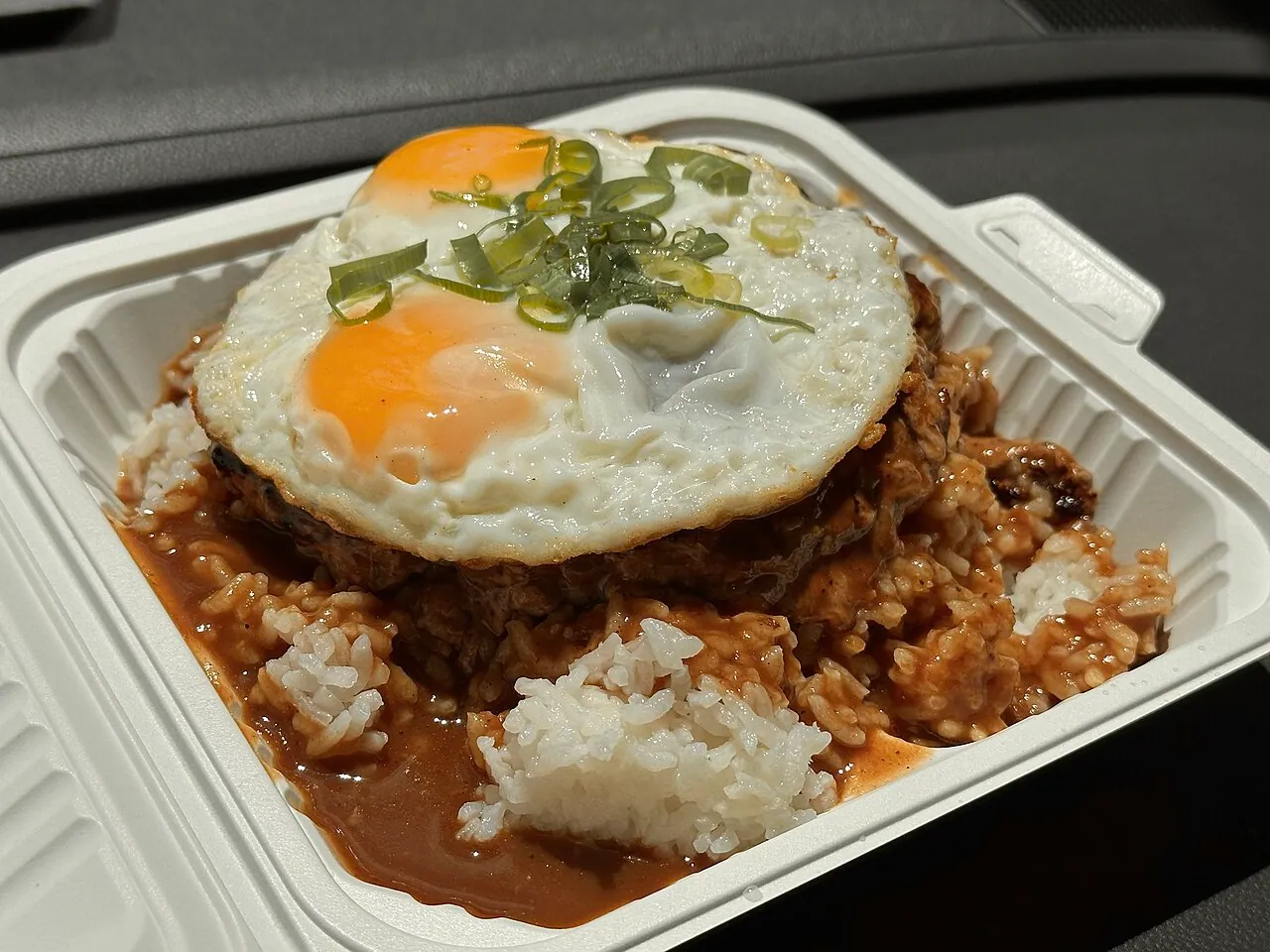
The everyday meal is the plate lunch: two scoops of rice, a scoop of macaroni salad and a main such as kalua pork, chicken katsu or teriyaki beef. It comes out of the plantation era, when workers from Japan, China, Portugal, Korea and the Philippines shared what they’d brought from home. Loco moco stacks a burger patty, a fried egg and gravy on rice; Spam musubi is a seared slice of Spam belted to rice with nori.
Breakfast, and how to order it
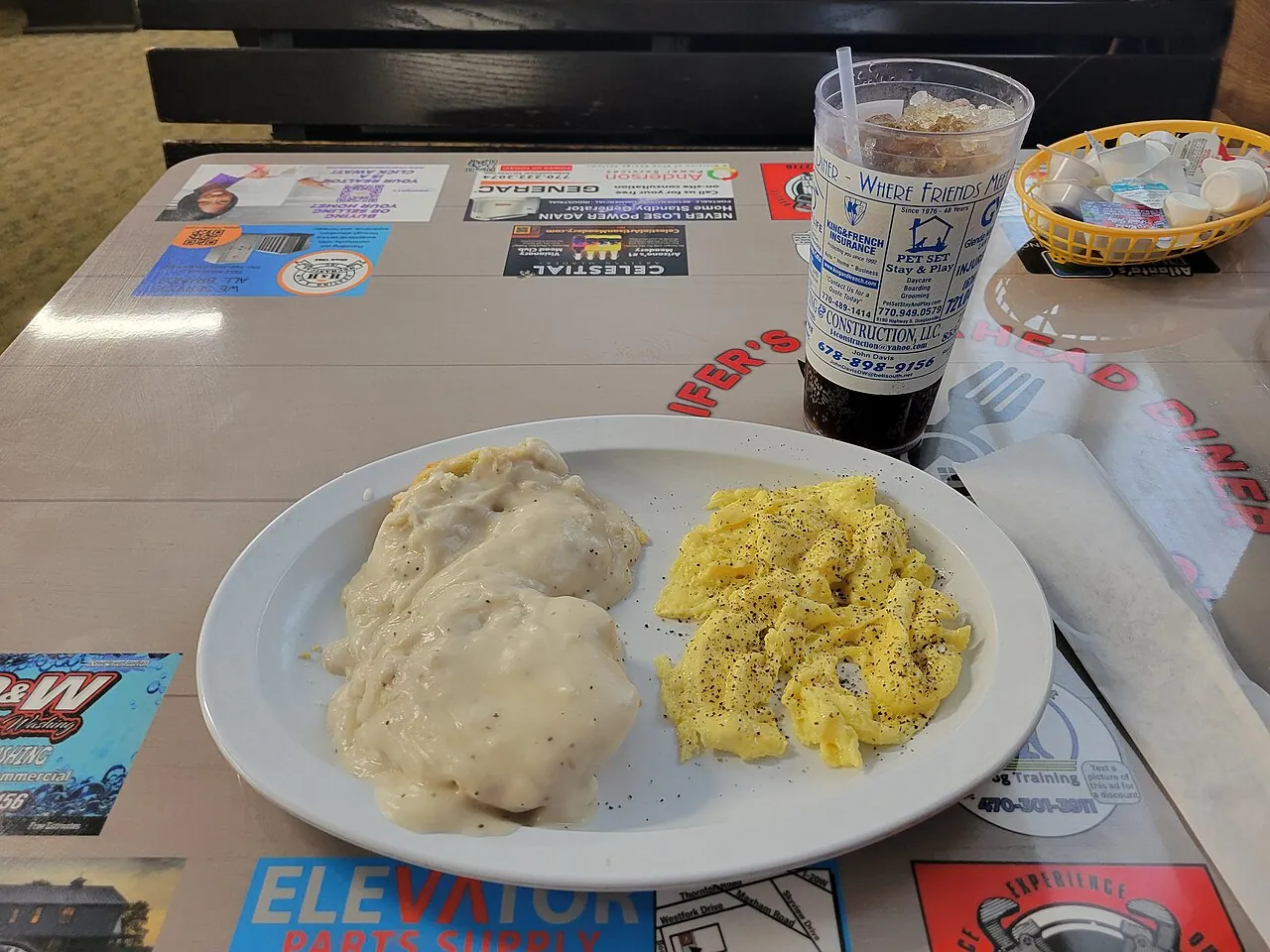
Breakfast is where visitors get caught out, because the server asks questions that assume you grew up with the answers. Eggs: over easy means flipped with a runny yolk, over hard means cooked through, sunny side up means not flipped at all. Potatoes: hash browns are shredded and crisp, home fries are cubed and soft. A short stack is two pancakes instead of three. In the South, grits replace potatoes and biscuits with sausage gravy replace toast, and coffee gets refilled until you cover the cup with your hand. In Gatlinburg, at the edge of Great Smoky Mountains National Park, the pancake house is a civic institution.
What to bring home from a supermarket
Grocery stores are underrated souvenir shops. The good shelves are regional: Louisiana hot sauces, Vermont maple syrup graded by color, Hatch green chile in the Southwest in late summer, craft beer that never leaves its state. Buy shelf-stable things - meat, cheese and fresh produce are what customs officers take off you at the other end.
Two notes for the whole trip. Menu prices exclude sales tax and the tip, so the number on the check isn’t the number you pay. And portions run large: an entree here means the main course, splitting one at lunch is normal, and so is asking for a to-go box.
Pick two or three regions per trip and eat their specialty where it lives: brisket in Texas, whole hog in North Carolina, a plate lunch in Honolulu, a corner piece in Detroit. The driving between them is half the point, which is why our US road trip routes are built around what’s waiting at the far end.
Read also
- Slice shops, bagels and delis: things to do in New York City
- Eat across the map: US road trip routes and US states
Read also

Entertainment · 17 min read
Grand Canyon Tours from Las Vegas: Bus, Helicopter & Skywalk
Verified · September 19, 2026Compare Grand Canyon tours from Las Vegas: bus, helicopter and Skywalk prices from the operators, plus when the South Rim is worth the extra hours.

States · 11 min read
Connecticut: Mystic, New Haven and the Shoreline
Verified · September 12, 2026Mystic Seaport at $35 adult, free Yale galleries in New Haven, and Gillette Castle on the river - how a Connecticut weekend actually fits.

States · 9 min read
North Dakota: Medora and Theodore Roosevelt NP
Verified · September 5, 2026The 36-mile South Unit loop starts in Medora, entrance $30 per vehicle, cashless from May 2026 - how to plan Theodore Roosevelt National Park.

States · 9 min read
Arkansas Travel Guide: Hot Springs & Ozarks
Verified · September 4, 2026Fee-free Hot Springs NP downtown, free Crystal Bridges in Bentonville, and the 135-mile Buffalo - how to string an Arkansas road trip.