
Things to Do in Chicago
The architecture river cruise, Millennium Park, the museums, real Chicago pizza and where to hear blues: what to do in Chicago and what it costs.
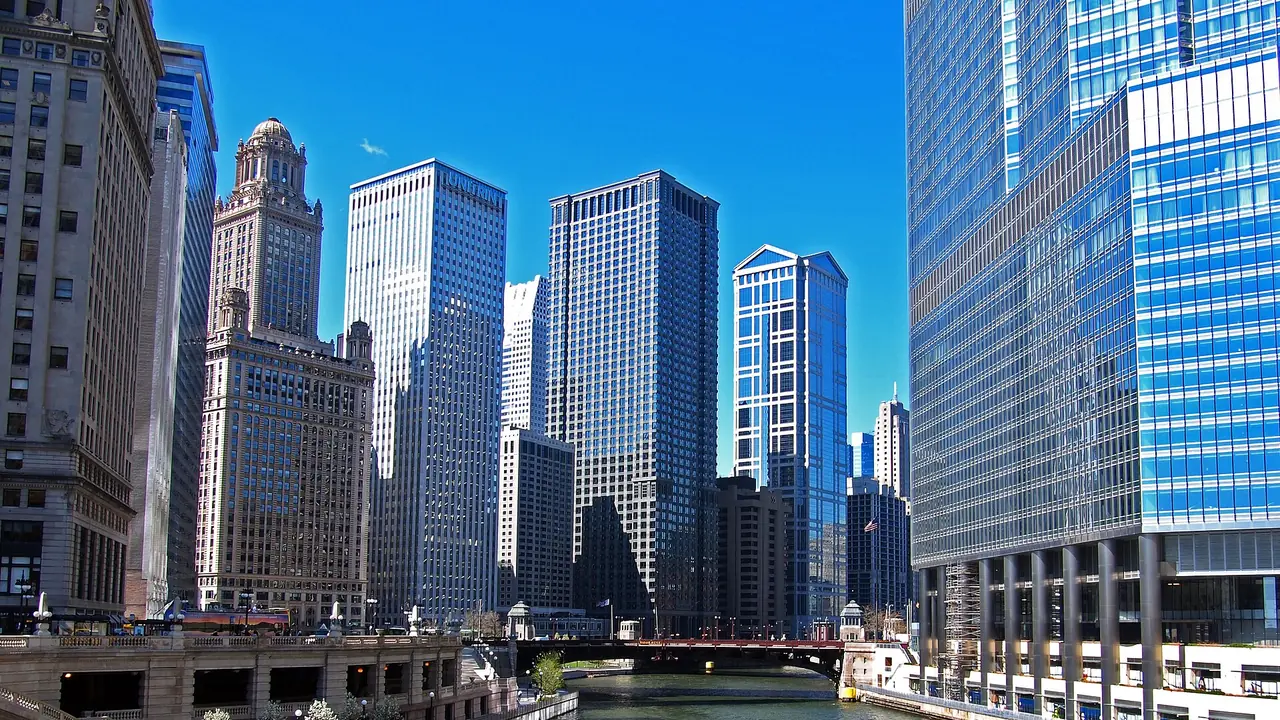
Chicago is the best-looking big city in America from water level, and the single most useful thing a first-time visitor can do is get on the river within a day of arriving. Three or four days covers the architecture cruise, Millennium Park and the Art Institute, one lakefront museum, a night of blues and an afternoon in a neighborhood that isn’t downtown. The ‘L’ handles all of it, both airports are on the train, and the downtown grid is numbered and easy to read.
The river matters because of what happened here in 1871. The fire cleared the center of the city, architects arrived to rebuild it, and the result is that the world’s first steel-framed skyscrapers and a century of everything since stand shoulder to shoulder along three branches of water you can float through in 90 minutes.
The architecture cruise: which boat, and when
Dozens of boats run river tours. The one to take is the Chicago Architecture Center cruise aboard Chicago’s First Lady, because the narration comes from trained CAC docents rather than a recording, and the difference over 90 minutes is enormous. Tickets start at $57 and the boat leaves from 112 E Wacker Drive, on the northeast corner of Michigan Avenue and Wacker, down the stairs under a black awning.
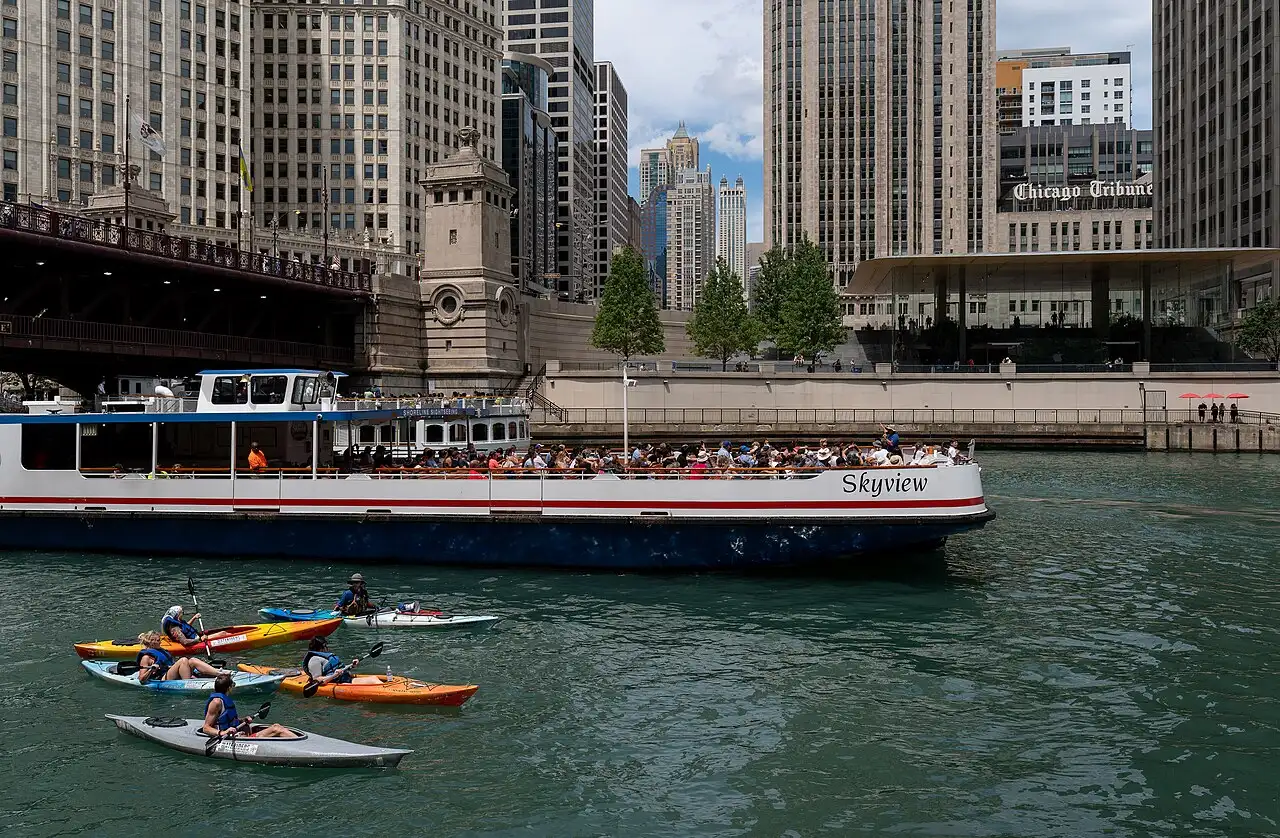
If the CAC sailings are sold out, other cruises and attraction tickets leave from the same stretch of dock, though the commentary won’t match. The season runs from about mid-March to late November, which is the first thing to check if you’re coming in winter: there’s no river cruise in January. Book a late-afternoon slot if you can, when the light hits the west-facing facades, and bring a layer regardless, because the river is colder than the street by a good ten degrees.
Millennium Park and the Loop
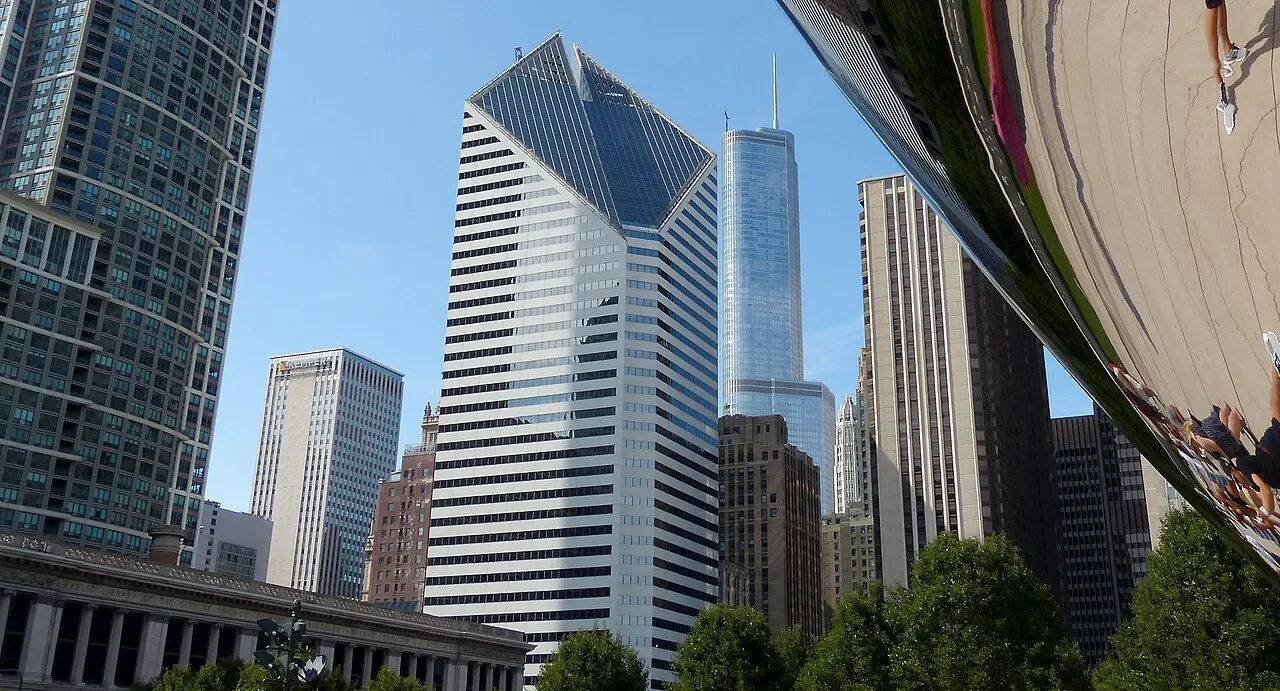
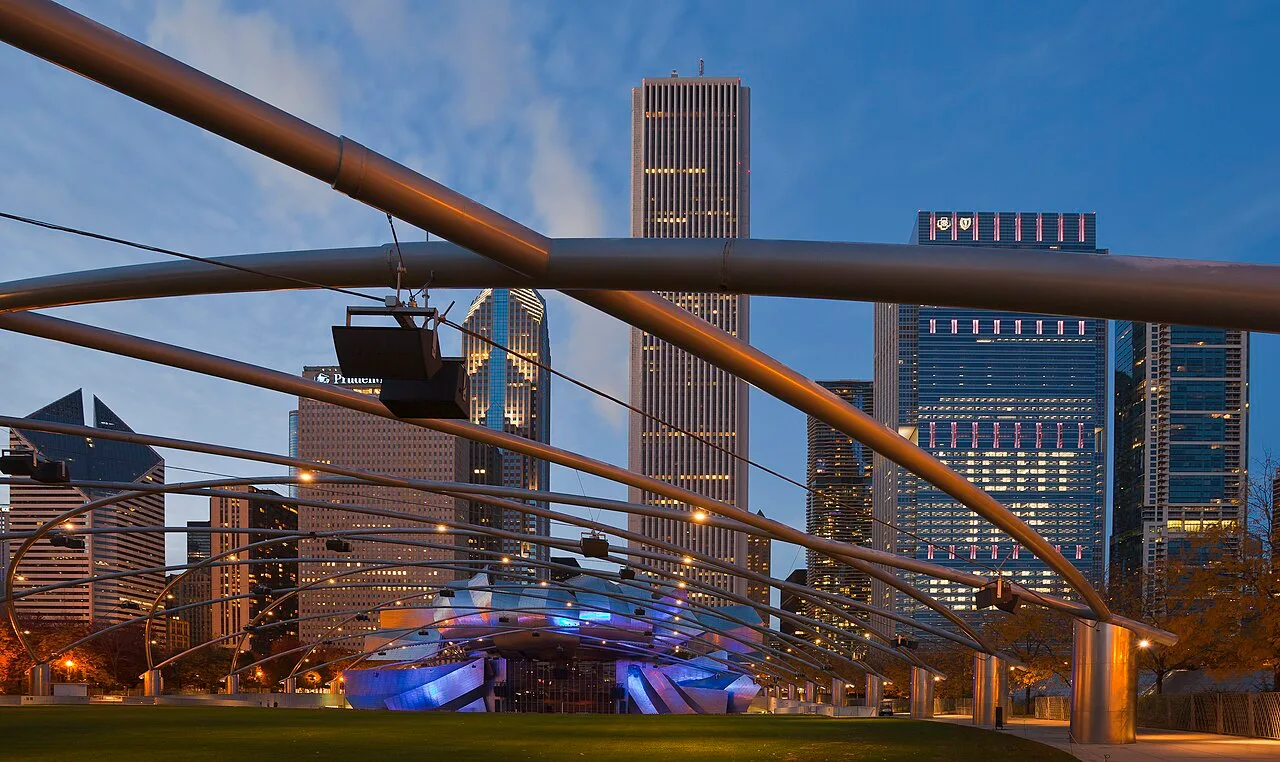
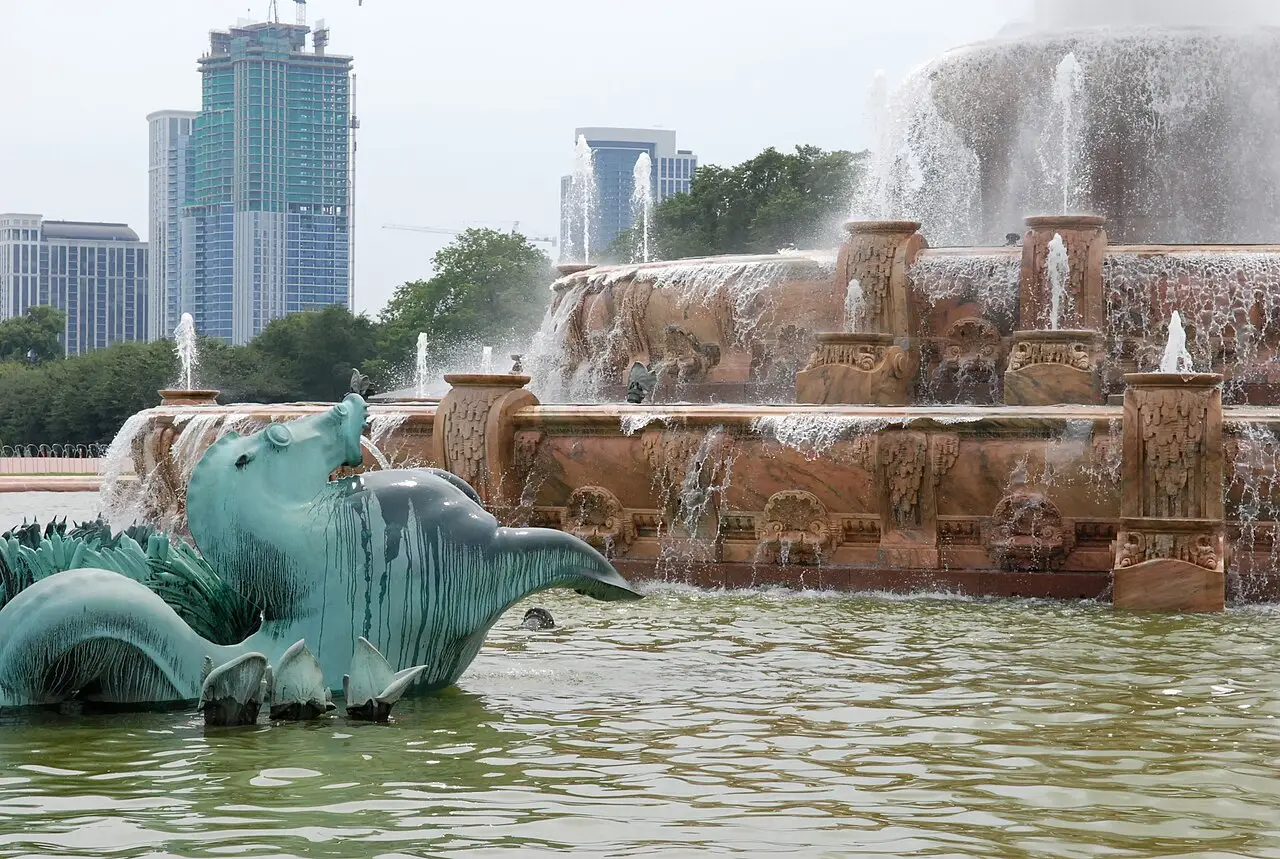
Millennium Park is free and takes a morning. Cloud Gate, the polished steel sculpture everyone calls the Bean, has been there since 2004; the plaza around it was rebuilt through 2023 and 2024 and reopened in June 2024, so the crowds are back to full strength. Get there before 9am if you want the reflection shot without three hundred people in it. Crown Fountain’s two glass towers project the faces of a thousand Chicagoans and spit water at children all summer, and Frank Gehry’s Pritzker Pavilion hosts free concerts on the lawn.
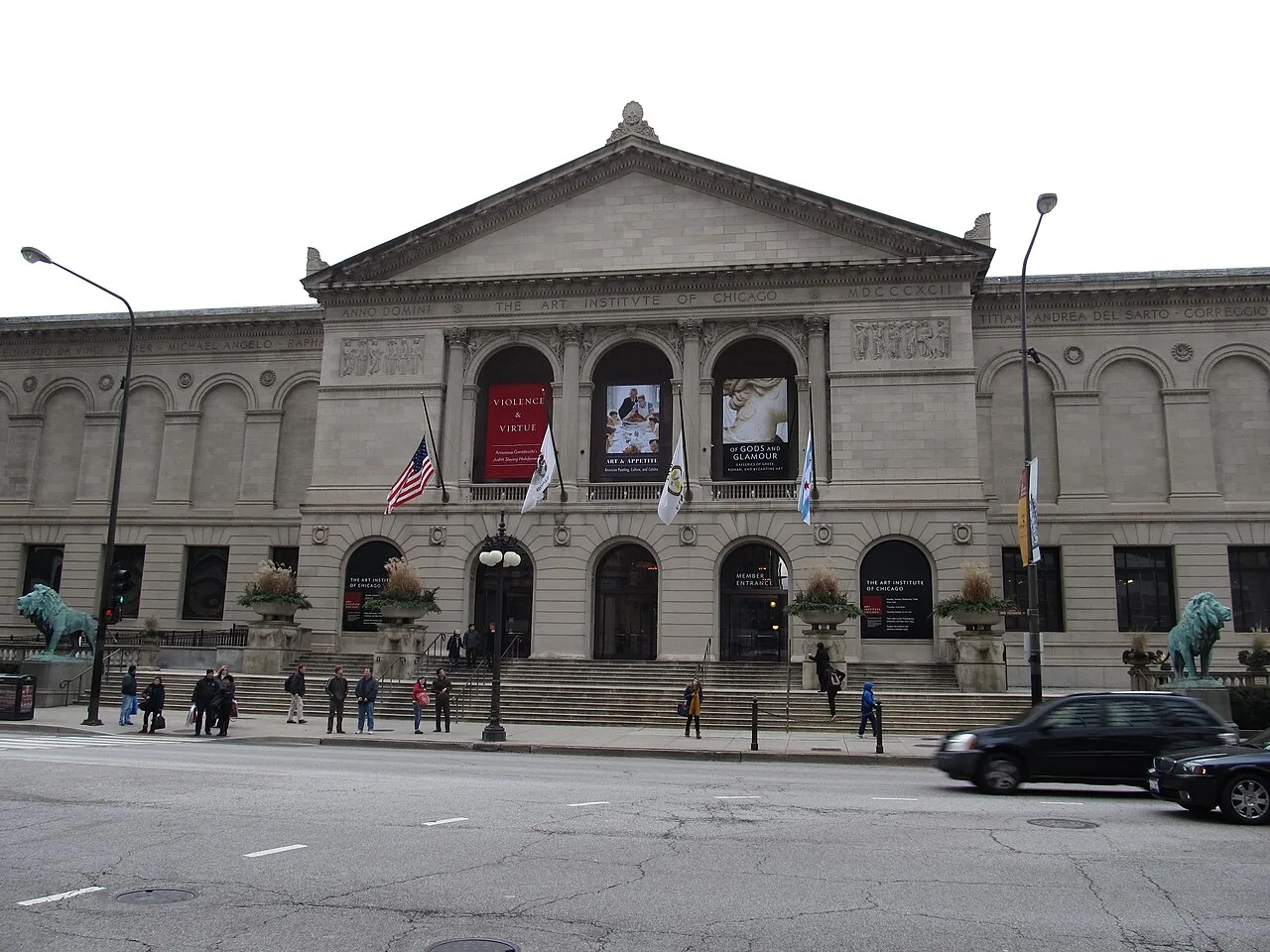
Across Michigan Avenue, the Art Institute is one of the two or three best museums in the country, with the Impressionist rooms, Hopper’s “Nighthawks” and Grant Wood’s “American Gothic”. Admission is priced by residency, so what you pay depends on where you live - check artic.edu for the current figures before you go, and give the museum three hours minimum.
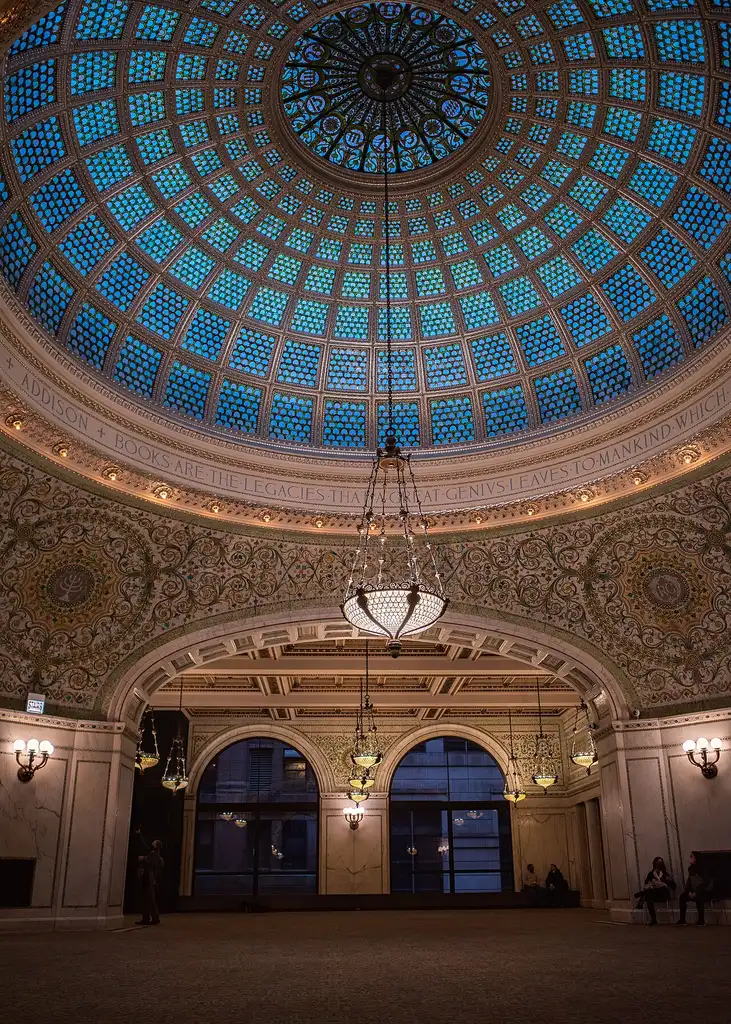
Two blocks north, the Chicago Cultural Center is free to walk into and holds a Tiffany glass dome in Preston Bradley Hall that’s worth more of your time than most paid attractions in the Loop. Nobody charges you, nobody rushes you, and it’s a warm room in February.
The view from above
Skydeck Chicago sits on the 103rd floor of Willis Tower, 1,353 feet up, and its selling point is The Ledge: glass boxes that push 4.3 feet out from the building with an inch and a half of glass under your shoes. Adult tickets start at $32 and it’s open every day of the year. The alternative, 360 Chicago in the old Hancock building, is lower but faces south, which means the classic skyline is in front of you rather than beneath you, and it has a tilting window platform of its own.
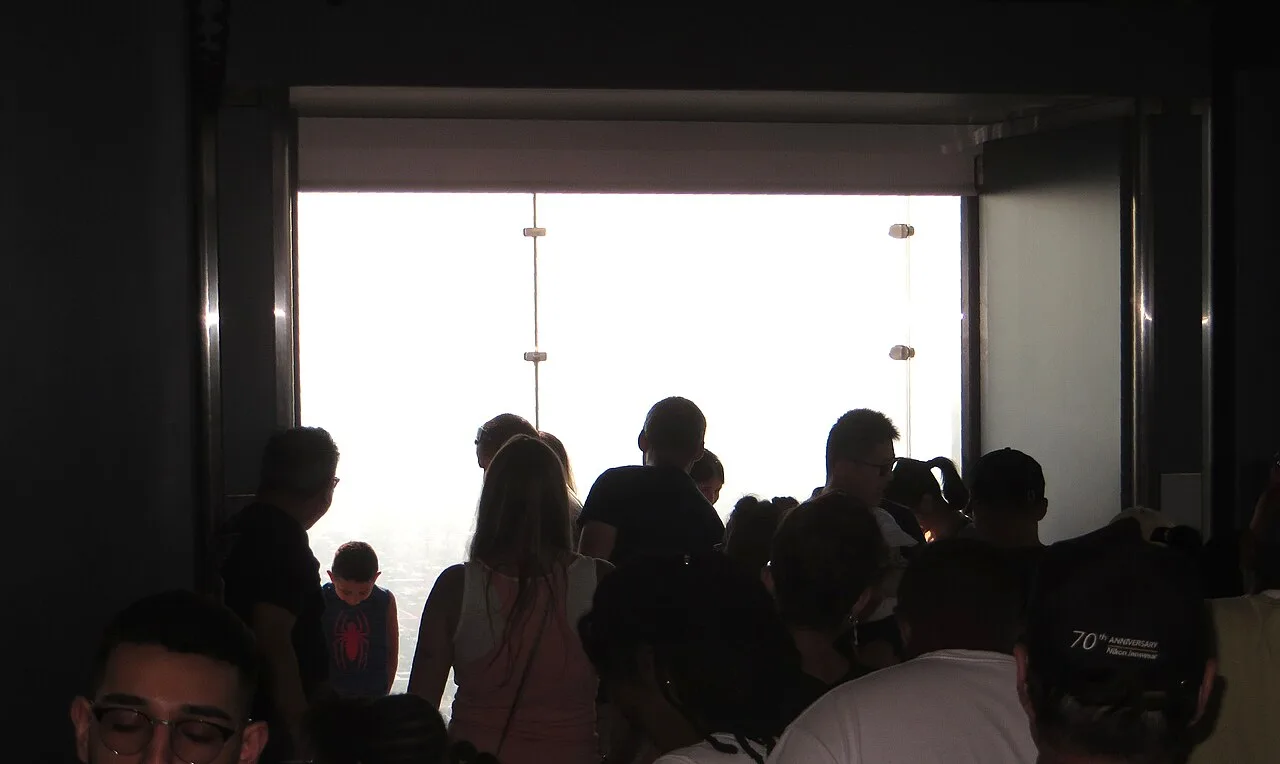
If you only pay for one high place, take Skydeck for the drop and 360 for the photograph. If you’d rather not pay at all, the free version is the terrace at the Chicago Cultural Center or a lakefront bench at North Avenue Beach, where the skyline lines up behind the sand.
Museums on the lakefront
The Museum Campus south of Grant Park puts three institutions within a ten-minute walk: the Field Museum (natural history, and Sue the Tyrannosaurus), the Shedd Aquarium and the Adler Planetarium. Each is a half day on its own, and the walk between them along the water is one of the best in the city. Further south, the Museum of Science and Industry fills the Palace of Fine Arts, the one grand building left standing on the site of the 1893 World’s Fair, and holds a captured German U-boat below ground level.
Pizza, and what Chicagoans actually order
Deep dish was invented at Pizzeria Uno in 1943, and the original room at Ohio and Wabash is still serving it. It’s a real Chicago thing and worth eating once: order it the moment you sit down, because it bakes for 45 minutes.
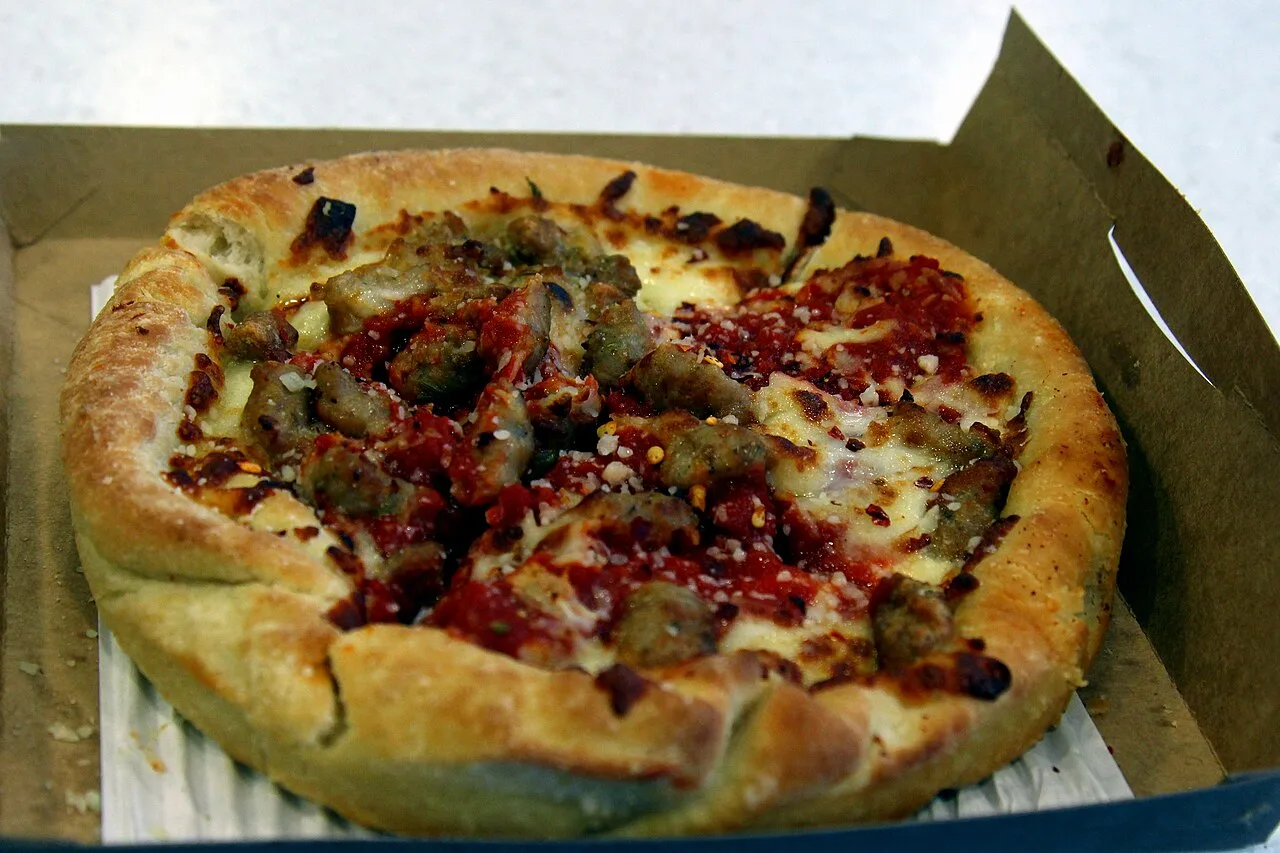
The part nobody tells visitors: it’s not the pizza this city runs on. Chicago tavern-style - thin, cracker-crisp, cut into squares rather than wedges - is what gets ordered on a Tuesday night in every neighborhood, and locals just call it thin crust. Where to order it is on our Chicago eating list. Ask for a tavern-style square-cut somewhere off the tourist track and you’ll eat better than you’ll in the deep-dish chains downtown. Beyond pizza, the city’s real everyday food is the Italian beef sandwich, dipped, and a Chicago-style hot dog, which is never served with ketchup and you shouldn’t ask.
Nights out: blues, jazz and comedy
Chicago blues isn’t a museum exhibit. Buddy Guy’s Legends in the South Loop books serious touring acts and Guy himself plays a run of dates most Januarys; Kingston Mines on Halsted runs two stages until the small hours; Rosa’s Lounge on the west side is where you go when you want a room of regulars rather than a room of visitors. For jazz, the Green Mill in Uptown has been open since 1907, kept its Prohibition-era fittings and still runs a poetry slam on Sundays.
Comedy is the other export. The Second City in Old Town trained a long list of American comic actors and still runs nightly revues, with cheaper improv sets at iO nearby.
Neighborhoods and the lakefront
Downtown is the show; the neighborhoods are the city. Wicker Park and Logan Square are the bars, records and vintage. Pilsen is Mexican-American, with murals along 16th Street and the free National Museum of Mexican Art. Chinatown on the Red Line does a proper Sunday dim sum. Hyde Park has the University of Chicago’s Gothic campus and the Obama Presidential Center rising nearby.
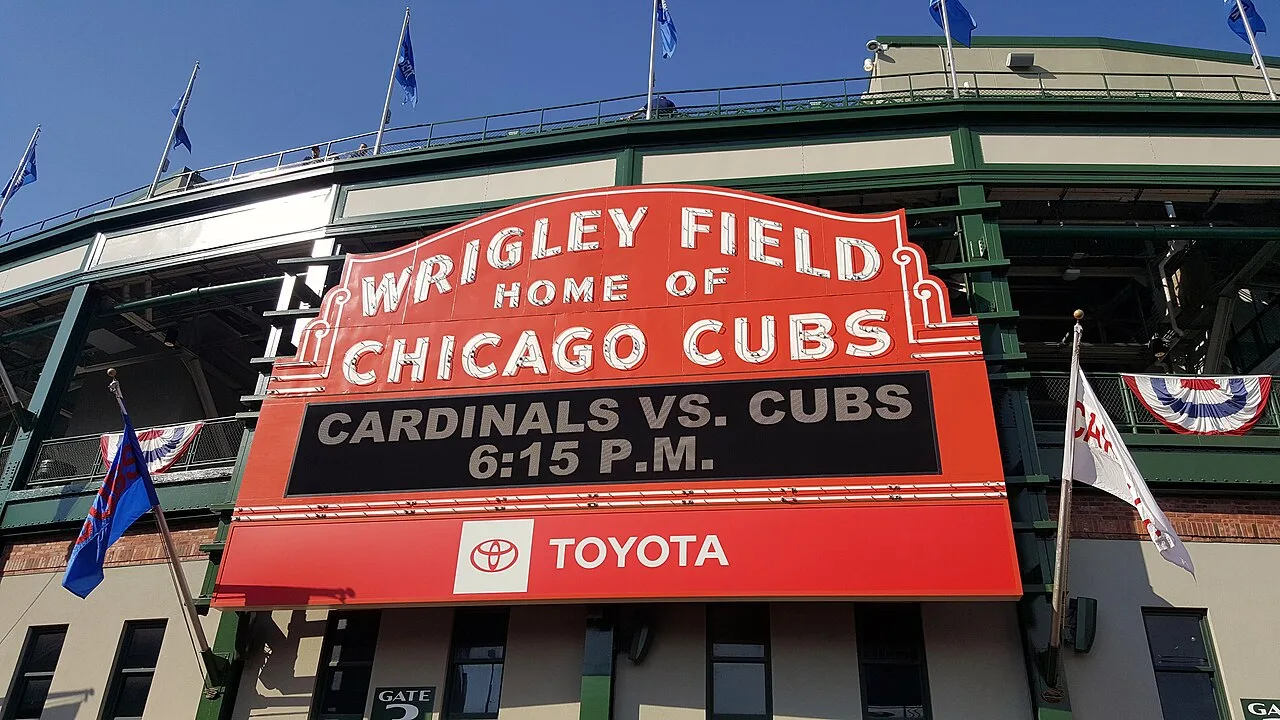
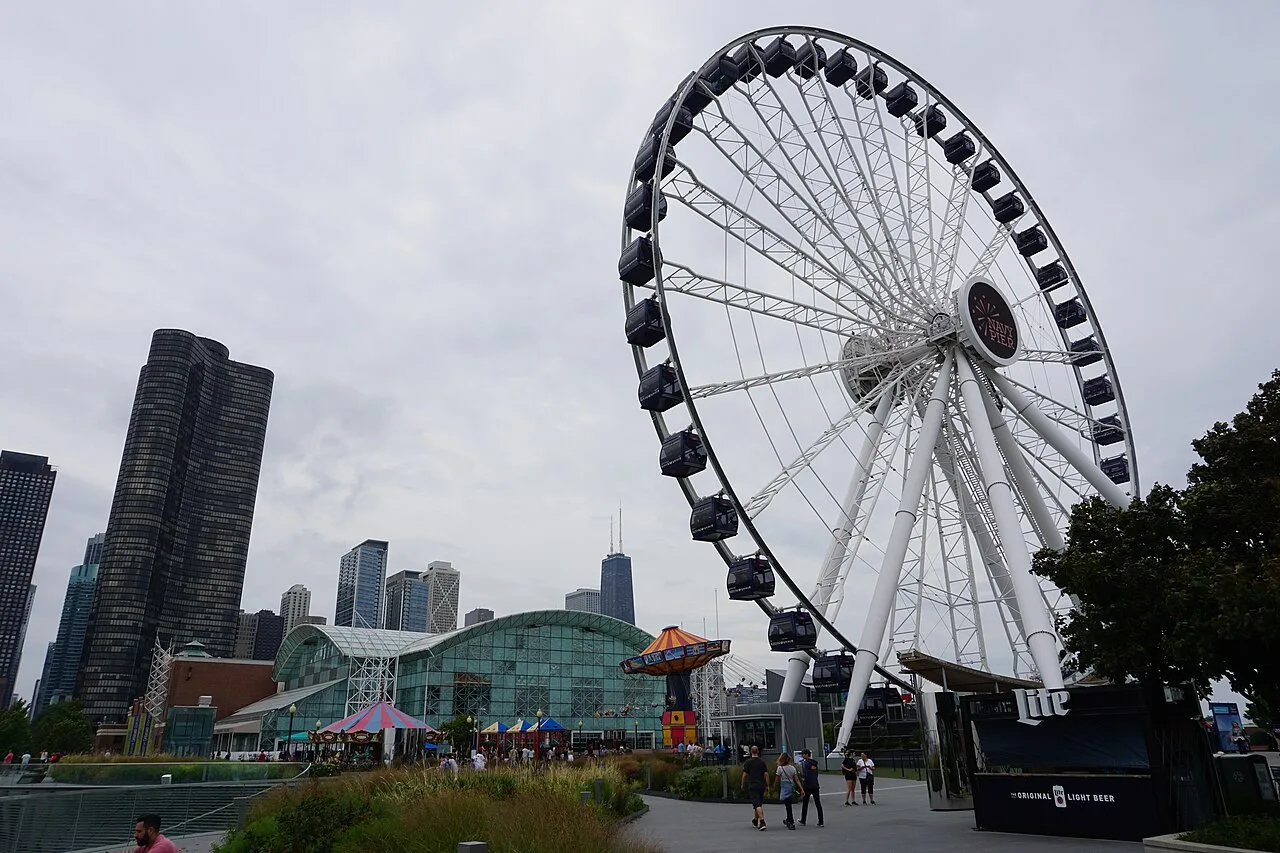
In Lakeview, Wrigley Field has stood since 1914, second-oldest ballpark in the majors, and a Cubs game there’s as much about the bars on Clark Street as the baseball. And the Lakefront Trail runs 18 miles for cyclists and 18.5 for walkers, from Ardmore Avenue down to 71st Street, past a string of city beaches. Rent a bike for a morning and ride north from Navy Pier; it’s the cheapest good time in Chicago. That water is Lake Michigan, the same lake that becomes the west shore of Michigan a few hours north - not Michigan Avenue, which is a Chicago street. On a clear summer Saturday you can also ride the South Shore Line east to Indiana Dunes National Park for dunes and a swim with the skyline on the horizon.
Getting around, and the airport trick
A train ride costs $2.50 and a bus ride $2.25, with a 1-day pass at $5, a 3-day at $15 and a 7-day at $20. Tap a Ventra card, a contactless bank card or your phone.
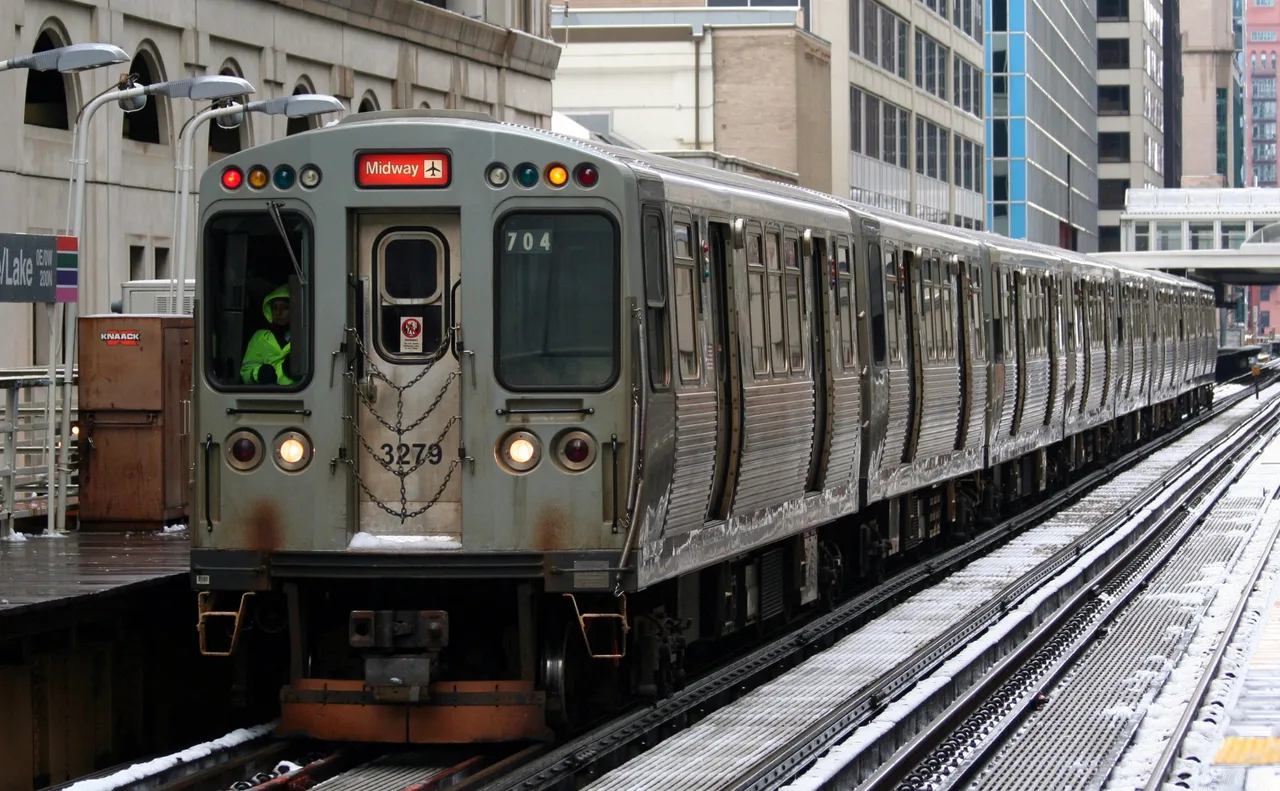
Our O’Hare to downtown Chicago guide walks the options side by side. Now the trick that saves money on arrival. Boarding the Blue Line at O’Hare with pay-as-you-go transit value or a single-ride ticket triggers a special $5 fare. Buy a day pass at the station machine instead and the surcharge doesn’t apply at all, so your airport ride plus everything else you do that day costs $6 total. Midway on the Orange Line has no such surcharge. Neither airport needs a taxi, and downtown parking makes a rental car a liability rather than an asset.
Winter, and when to come
January normals here are an average high of 31.6F and a low of 18.8F with 11.3 inches of snow, and the wind off the lake does the rest. Winter closes the river cruises and empties the lakefront, but it also delivers the cheapest hotel rates of the year, and where you book those rates matters as much as when, and the museums, the Cultural Center and the blues clubs don’t care what the weather is doing.
The best months are late May to June and September into mid-October: warm, clear, and free of the humid stretch in high summer. July and August bring the festivals - Blues Fest, Lollapalooza, the air and water show - along with the crowds and the prices that go with them. If you’re pairing the city with a wider trip, the Illinois travel guide covers Route 66, Springfield and the canyon country downstate.
Read also
- The state around it: Illinois travel guide
- The other great American walking city: things to do in Boston
- Compare with the coast: things to do in New York City
- Browse more US cities and US states
On the map
The map loads on click - to keep the page lightweight.
The map didn’t load. Check your connection and refresh the page.
Good to know
Cruise, observation-deck and museum prices are dynamic and quoted here as starting prices from the operator in July 2026; most add a booking fee at checkout, so check the total before you pay.
Details checked: July 24, 2026
Read also

Cities · 13 min read
Salt Lake City: Ski Base, Temple Square and the Salt Flats
Verified · August 29, 2026Four ski resorts inside 36 miles of the airport, a temple you cannot enter until 2027, and a salt flat that closes for racing. What to plan around.

Cities · 9 min read
Atlanta: Civil Rights Trail, Aquarium and Southern Food
Verified · August 28, 2026Free MLK park on Auburn Avenue, Civil Rights Center from $26, Georgia Aquarium tickets from $54.99, BeltLine walks and where Southern food still holds up.

Cities · 9 min read
Minneapolis Guide: River, Lakes & the Blue Line
Verified · August 26, 2026A $2 train from MSP, Stone Arch and Minnehaha Falls, Walker on free Thursday nights, and when Mall of America is worth the ride south.

Cities · 12 min read
Savannah Travel Guide: Squares and the Historic District
Verified · August 22, 2026Walk the 22 squares, tour Owens-Thomas honestly, ride the free river ferry, then Bonaventure and Tybee - checked August 2026.