
Where to Stay in Chicago: Best Areas & Hotels
River North, the Loop, Streeterville, the Gold Coast or Wicker Park? The best areas to stay in Chicago by trip type and budget, and the tax to watch.
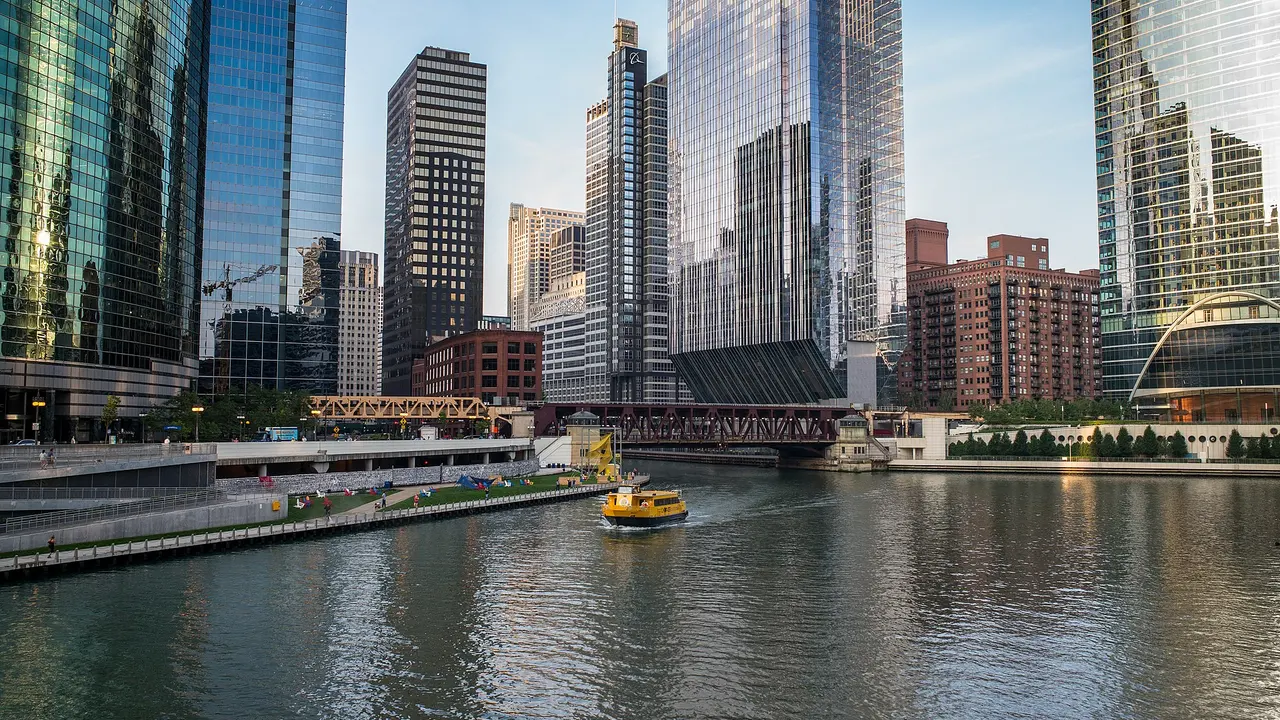
Base yourself in River North or the Loop for a first visit, because both put the architecture cruise, Millennium Park and the Art Institute within walking distance and both sit on top of the ‘L’. Want shopping and the lake? Streeterville and the Magnificent Mile. Restaurants and going out? The West Loop. A quieter, leafier, more residential Chicago? Lincoln Park or Wicker Park, ten to fifteen minutes out on the train. The city is compact and the trains are cheap, so “central” counts for less here than it does in a place like Los Angeles. What you’re really choosing is atmosphere and price. If you’re staying a full week, bank one Saturday for Indiana Dunes National Park on the South Shore Line - you won’t change hotels, but you’ll want an early start.
The thing that catches people out isn’t location, it’s the bill. Chicago’s hotel taxes run close to 19% in 2026, described as the highest of any US city, once you add the 1.5% tourism-district charge that larger downtown hotels now carry. Stack the resort or “amenity” fees that many central properties tack on, plus parking that gets steep if you bring a car, and the number on the booking screen is rarely the number you pay. Two nights in the West Loop can come in under one polished night off Michigan Avenue, and knowing that up front is worth more than any single hotel recommendation.
River North: the best all-round base
River North sits just north of the river, and it’s where most first-timers should sleep. You get the densest cluster of hotels in the city, hundreds of restaurants, the galleries the neighborhood is named for, and a ten- or fifteen-minute walk to the cruise dock, Michigan Avenue and the Loop. Unlike the Loop, it doesn’t empty out after dark: Marina City’s corn-cob towers and the bars along Hubbard Street keep it busy long after the offices close. The eating side of the neighborhood is on our Chicago eating list.
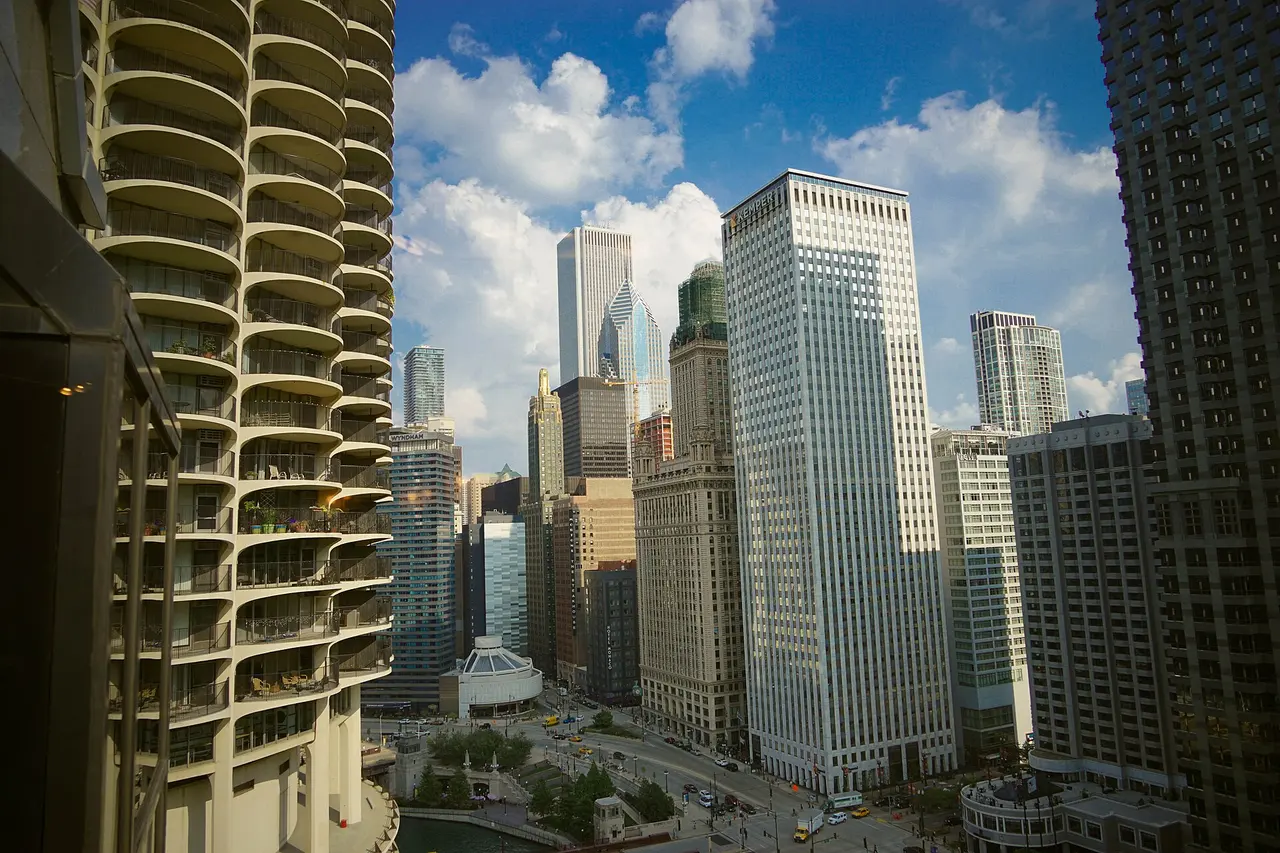
The trade-off is price and noise. It isn’t cheap, and the blocks around the nightlife strips get loud on weekends. Ask for a room away from the club streets, higher up if you can, and you’ll sleep fine. Best for: first visits, walkers, and anyone who wants restaurants and a boat tour on the doorstep.
The Loop: closest to the sights, quietest after dark
The Loop is the historic core ringed by the elevated tracks, and it’s the most connected place to stay in the city. Nearly every ‘L’ line runs through it, both airport trains reach it, and Millennium Park, the Art Institute, the Riverwalk and the Theatre District are all on foot. If your days are museums and sightseeing and your evenings are shows, no other area gives you shorter walks.
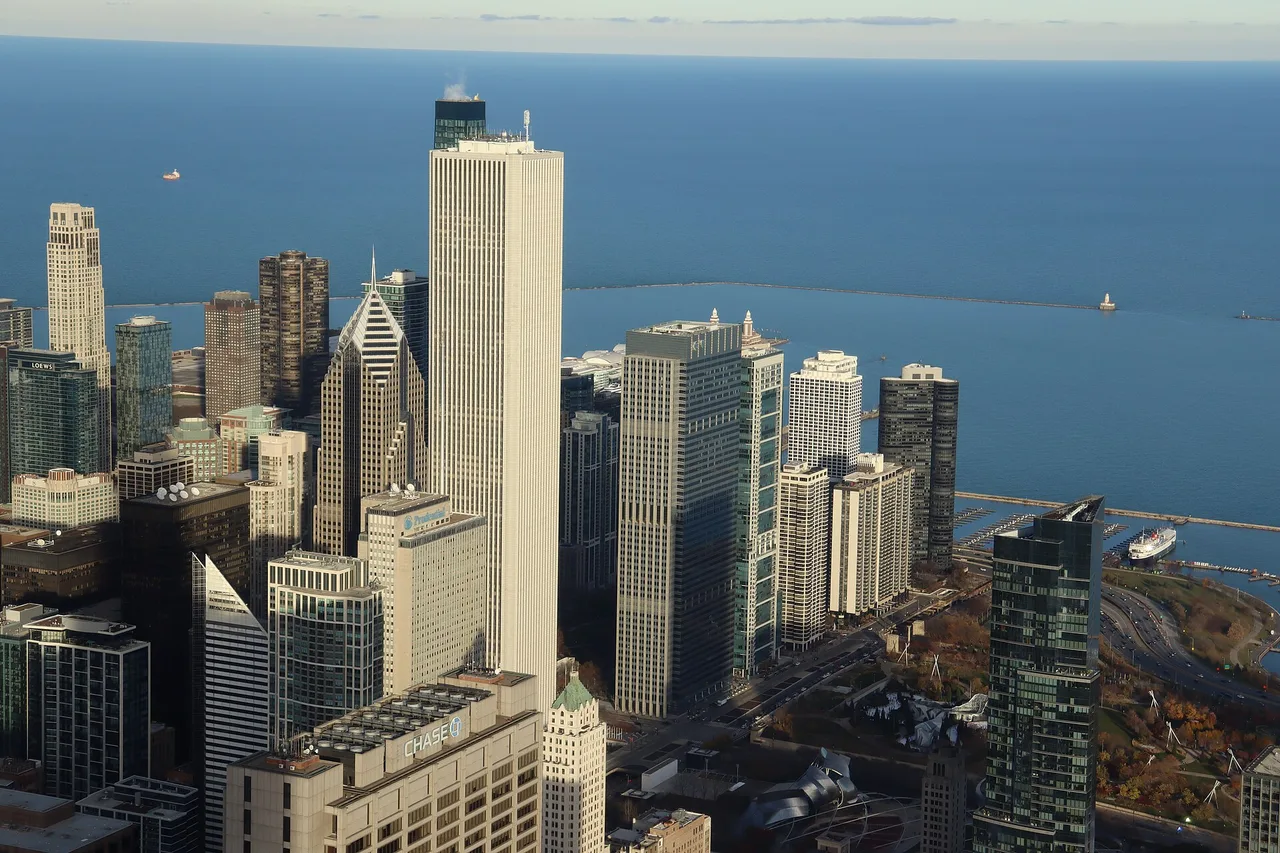
Its weakness is atmosphere. This is an office district, so parts of it go quiet and a little bleak on weeknights and weekends, and you’ll walk a few blocks to River North or the West Loop for dinner. One thing to exploit: Loop rates often dip on weekends, when the business travelers have gone home, the reverse of most neighborhoods. Best for: transit users, theater and museum trips, and weekend visitors chasing a business-hotel bargain.
Streeterville and the Magnificent Mile: shopping, the lake, families
Streeterville is the wedge between Michigan Avenue and the lake, and it’s the base for anyone whose trip is built around shopping, Navy Pier, the beach or keeping kids happy. You’re on the Magnificent Mile, steps from Oak Street Beach and the lakefront path, close to the family attractions, and it feels safe and polished at any hour.
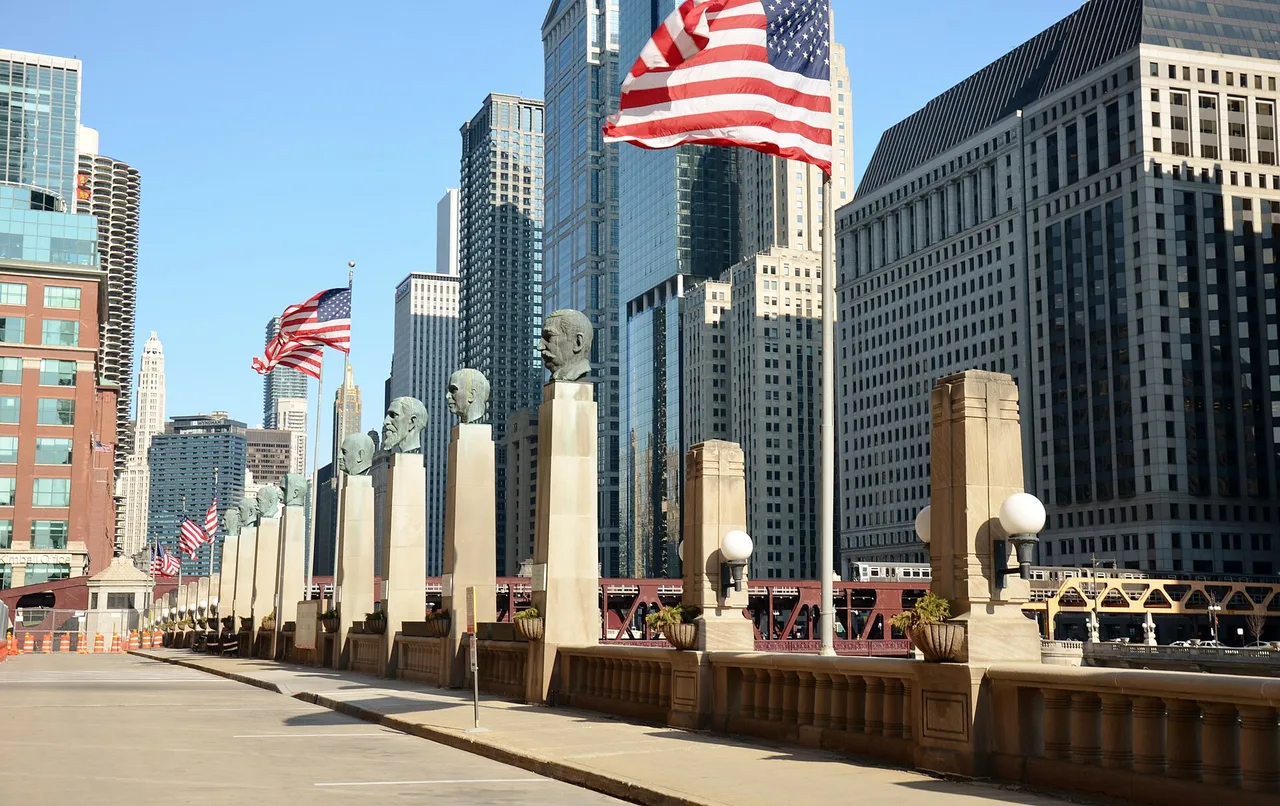
It’s also expensive, and it’s the least “Chicago” of the central choices, heavier on chain hotels and flagship stores than local color. But for a first family trip with the lake and Michigan Avenue as the plan, nothing is more convenient. Best for: shoppers, families, lakefront walkers, and anyone who values a smooth central base over character.
Gold Coast and Old Town: the pretty, pricey north
Just north of the Magnificent Mile, the Gold Coast is the old-money district: landmark mansions, the Rush Street restaurants, boutiques, and Oak Street Beach at the end of the block. It’s genteel, walkable and a notch calmer than River North, and one of the nicest parts of the city to stroll in the evening. Old Town, a little further northwest, adds the Second City comedy club and the low-rise bar streets around Wells.
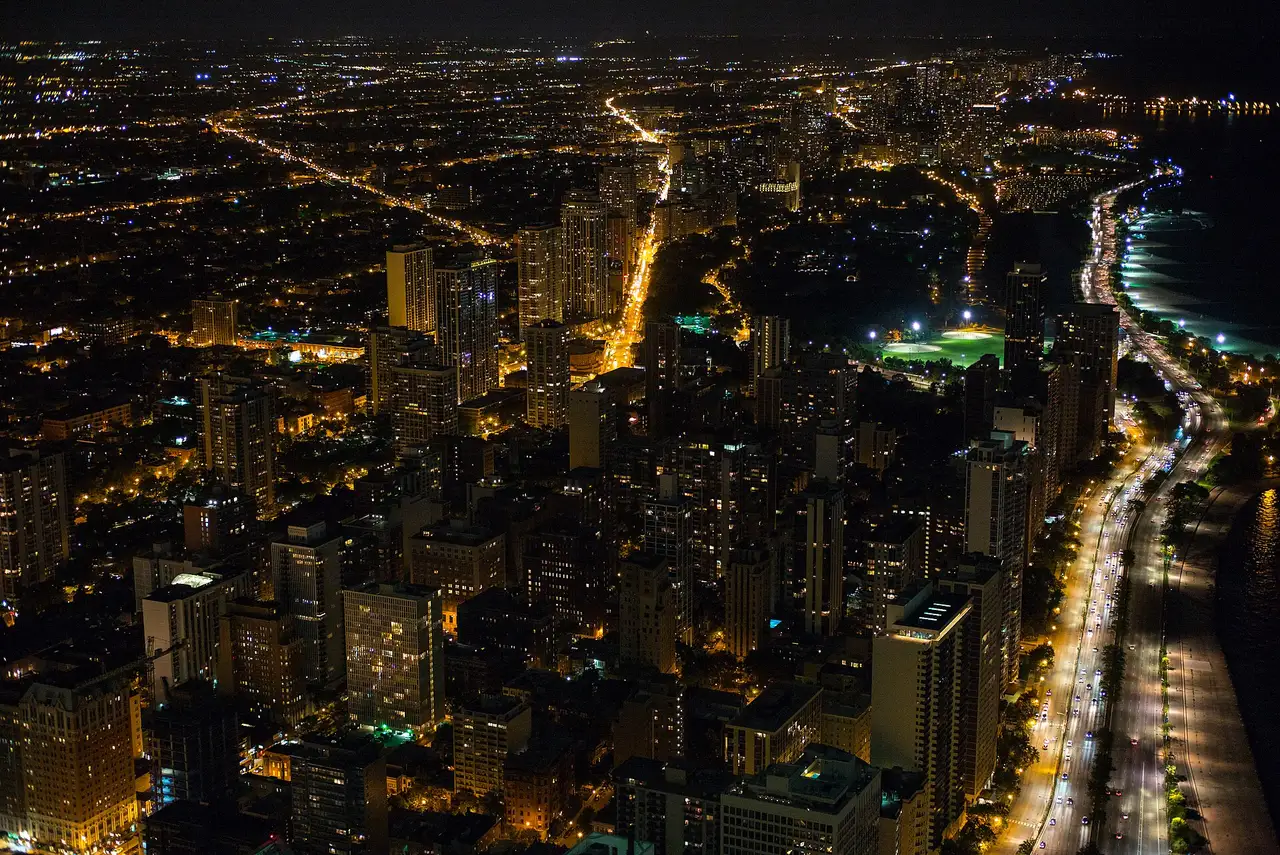
Both sit on the Red Line, so downtown is a few minutes south. They cost accordingly, and there are cheaper beds elsewhere, but if you want a good-looking, safe, grown-up base with the lake nearby, this is it. Best for: couples, repeat visitors, and anyone who’d rather walk tree-lined streets than club ones.
West Loop: the restaurant district, and the value play
If you came to eat, sleep in the West Loop. Randolph Street and the Fulton Market district hold the city’s densest run of serious restaurants, the converted-warehouse hotels have more character than anything downtown, and rates usually undercut River North and the Mag Mile for a comparable room. The Green and Pink lines, plus a short walk, put the Loop about ten minutes away.
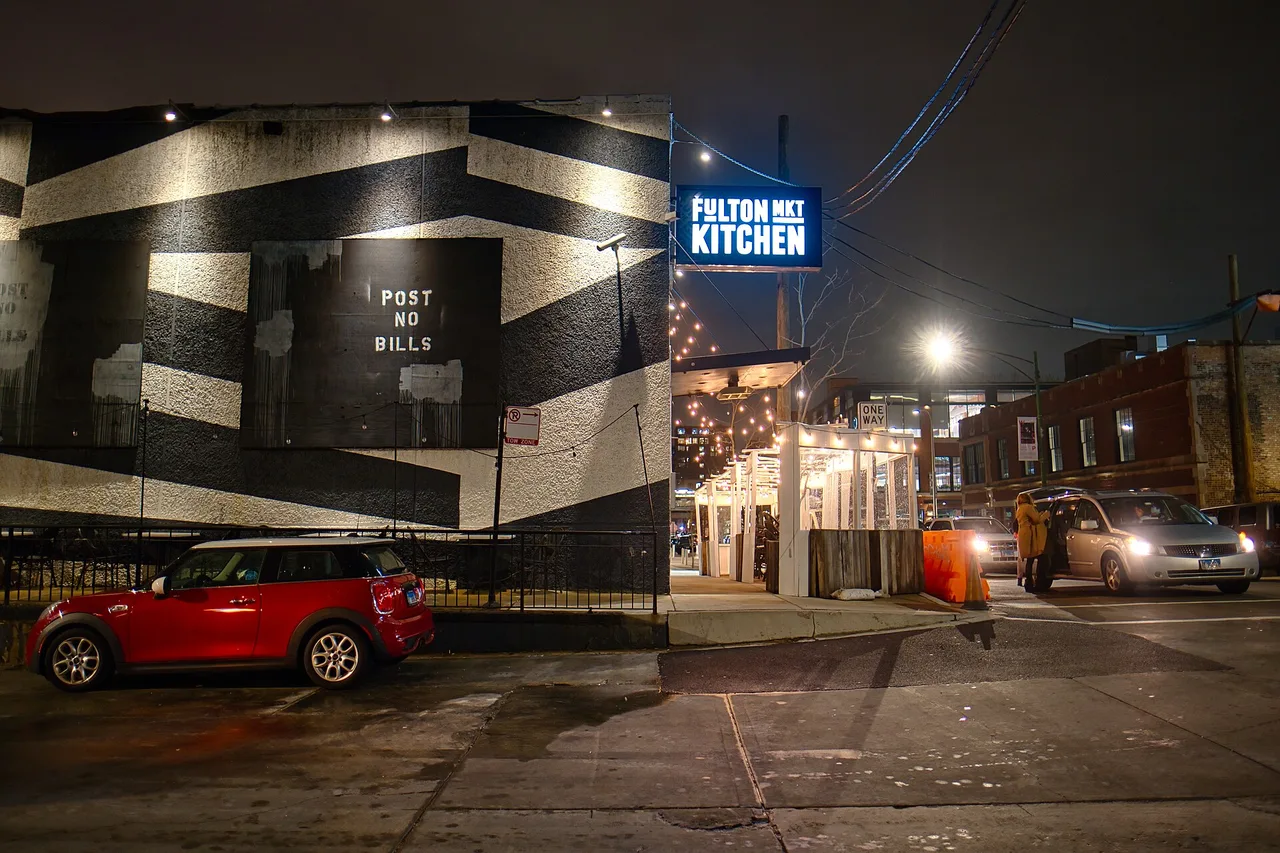
The catch is that you’re a little off the classic sightseeing map, so it suits a second visit or a food-led trip more than a first-timer racing through the museums. It’s lively rather than quiet, which is rather the point. Best for: food and nightlife, design-minded travelers, and anyone weighing value against a downtown address.
Lincoln Park and Wicker Park: neighborhood Chicago
To sleep where Chicagoans actually live, go a little further out. Lincoln Park is leafy and residential, with a free zoo, the park and the lakefront on one side and Red or Brown line trains downtown in about ten to fifteen minutes. Wicker Park and Bucktown, west along the Blue Line, are the hip end of town: indie shops, music venues, some of the best casual eating in the city, and the same Blue Line that runs straight out to O’Hare.
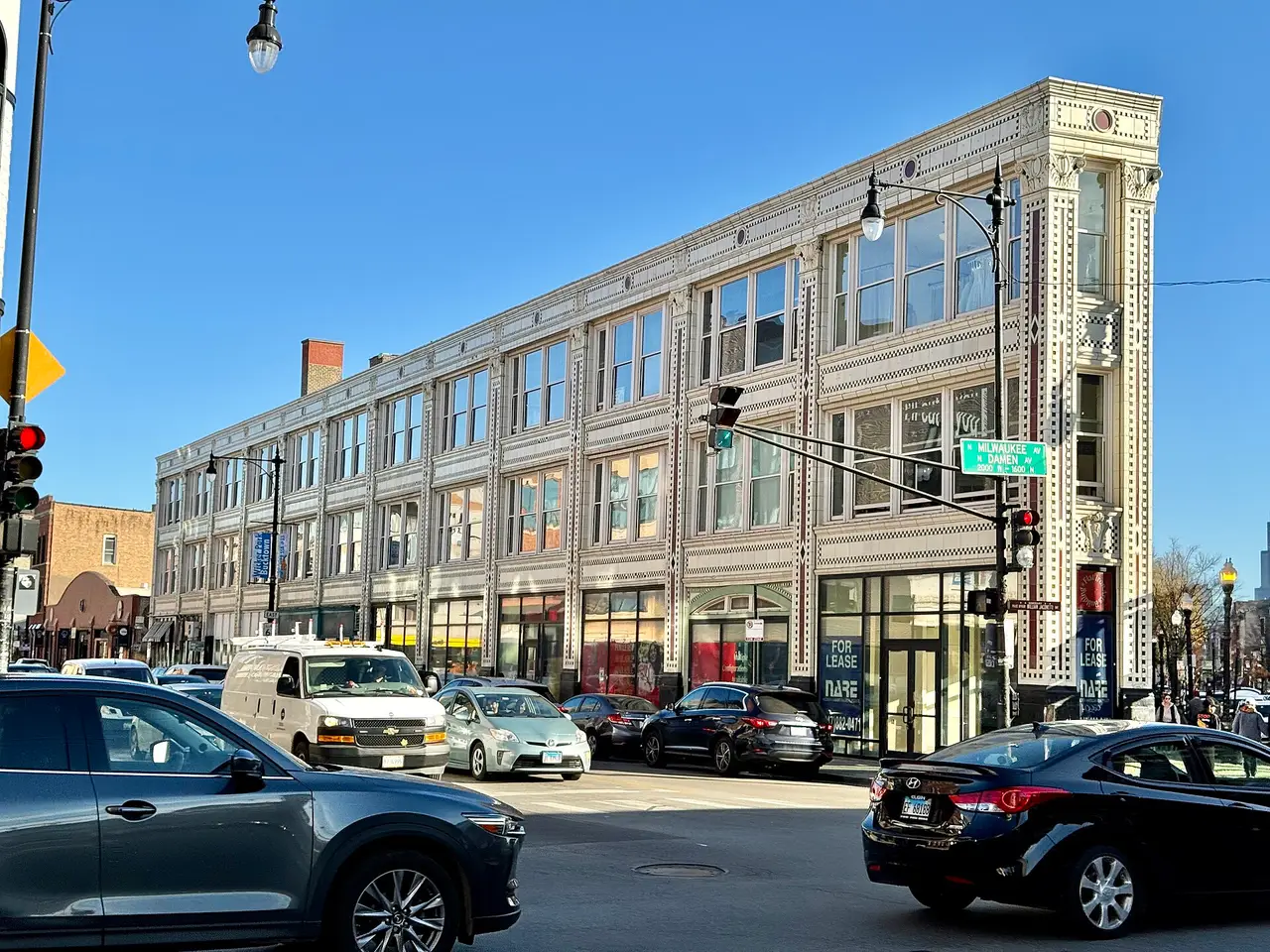
Both trade a downtown location for lower rates, real neighborhood texture and quieter nights. The downside is fewer big hotels, so you’re more likely to book a boutique property or a rental, and it’s a train ride rather than a walk to the main sights. For a longer stay, a return trip or anyone who dislikes tourist districts, that’s a fair swap. Best for: repeat visitors, longer stays, and younger travelers who want a neighborhood rather than a lobby.
Hyde Park, and staying near the airports
Hyde Park, about seven miles south, is worth it only if you have a reason to be there: the University of Chicago, the Museum of Science and Industry, or the Obama Presidential Center taking shape nearby. It’s a proper lakefront neighborhood with lower rates, but it’s a Metra ride or a long bus from downtown, so it doesn’t work as a general base.
As for the airports, both are on the train, so there’s rarely a reason to sleep beside them unless you have a pre-dawn flight. O’Hare runs about 45 minutes to the Loop on the Blue Line and Midway about 25 to 30 on the Orange Line. If you must stay out there, the airport hotels are cheap, and the train back in beats a cab in morning traffic on both time and money.
What it costs, and the one trick worth using
Whatever you book, plan for the room rate plus close to 19% in taxes, and read the fine print for a resort or amenity fee before you assume the headline price is the real one. Parking is a separate and often nasty downtown surprise, so if you’re driving in, budget $50 or more a night, or skip the car altogether: between the ‘L’, the buses and walking, most visitors never need one. The trains cost a few dollars a ride, with one quirk worth knowing, boarding the Blue Line at O’Hare runs $5 rather than the usual $2.75 unless you’re using a day or week pass.
The move that saves the most isn’t hunting for a cheaper hotel, it’s comparing the same dates across two neighborhoods rather than two hotels. The gap between the Gold Coast and the West Loop on identical nights is usually far bigger than the gap between any two properties in one area. Once your dates are fixed, compare Chicago hotel rates by neighborhood and check what the tax and fees add before you commit.
With a base chosen, our guide to things to do in Chicago plans the days around it, and the Illinois travel guide covers Route 66 and the rest of the state. Fitting Chicago into a longer loop? The two-week USA itinerary shows where it lands on a coast-to-coast trip.
Read also
- Plan the days: things to do in Chicago
- The wider state: Illinois travel guide
- Fit it into a trip: two weeks in the USA
- Browse more US cities and US states
On the map
The map loads on click - to keep the page lightweight.
The map didn’t load. Check your connection and refresh the page.
Read also

Before you go · 9 min read
New England Fall Foliage: When and Where to Go
Verified · August 27, 2026Yankee's 2026 forecast, peak windows by state and how to chase color from Vermont's Northeast Kingdom to the NH coast without betting on one weekend.

Before you go · 9 min read
Which Hawaiian Island: Oahu, Maui, Kauai or Big Island
Verified · August 24, 2026Pick one Hawaiian island for a week: Oahu for city and surf, Maui for beaches and Haleakala, Kauai for scenery, Big Island for volcanoes.

Before you go · 11 min read
Where to Stay in Phoenix: Downtown, Scottsdale or Tempe
Verified · August 18, 2026Free Sky Train, then $2 light rail into downtown. Scottsdale is the resort city; Tempe is ASU next door. Phoenix hotel tax is 13.07%.

Before you go · 11 min read
Global Entry and TSA PreCheck for Visitors
Verified · August 15, 2026Global Entry is $120 for five years and closed to most EU passports. TSA PreCheck is $85 or less, and only US citizens and LPRs can buy it.