
Things to Do in Boston
The Freedom Trail, Fenway Park, Harvard and MIT, the North End and the best day trips: what to do in Boston, what it costs and how the T works.
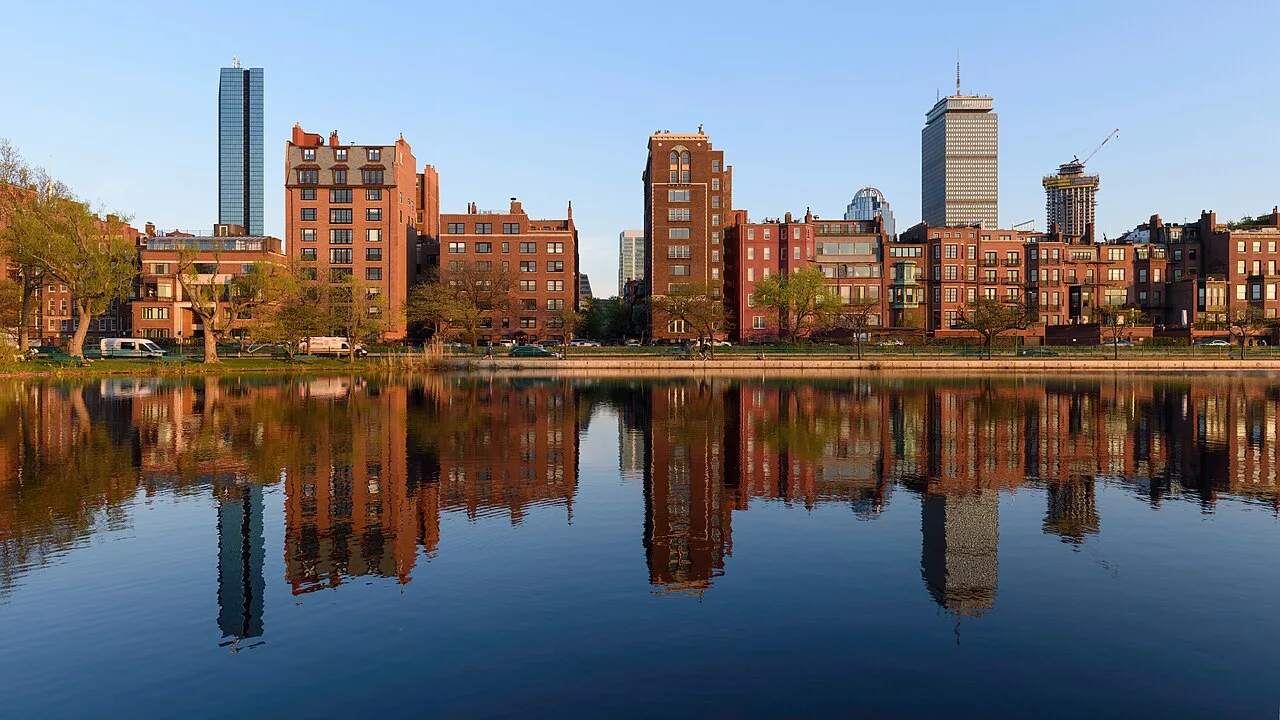
You can cross the middle of Boston on foot in about 40 minutes, which is why three days here go further than three days almost anywhere else in the country. The Freedom Trail links 16 historic sites in two and a half miles, Fenway Park and the Museum of Fine Arts are a short subway ride from the center, and Harvard and MIT sit one stop apart across the river in Cambridge. You’ll not need a car, and the ride in from the airport is free.
Start with that free ride, because it’s unusual enough to plan around. The Silver Line SL1 bus picks up at every Logan terminal and runs to South Station downtown at no charge at all - no ticket, no tap, no line. Boston is 15 minutes from its airport and charges nothing for the trip, which is the opposite of almost every US city you’ve flown into. If you’re weighing that against a taxi, Uber or the harbor ferry, the Logan Airport transport guide breaks down what each one actually costs.
The Freedom Trail, walked properly
The trail is a red line set into the sidewalk, 2.5 miles from Boston Common to the Bunker Hill Monument in Charlestown, passing 16 sites: meeting houses, burying grounds, Faneuil Hall, the Old State House, Paul Revere’s house, the Old North Church and the USS Constitution. Walking it costs nothing. Only a handful of the sites charge to go inside, and the ones that do are cheap.
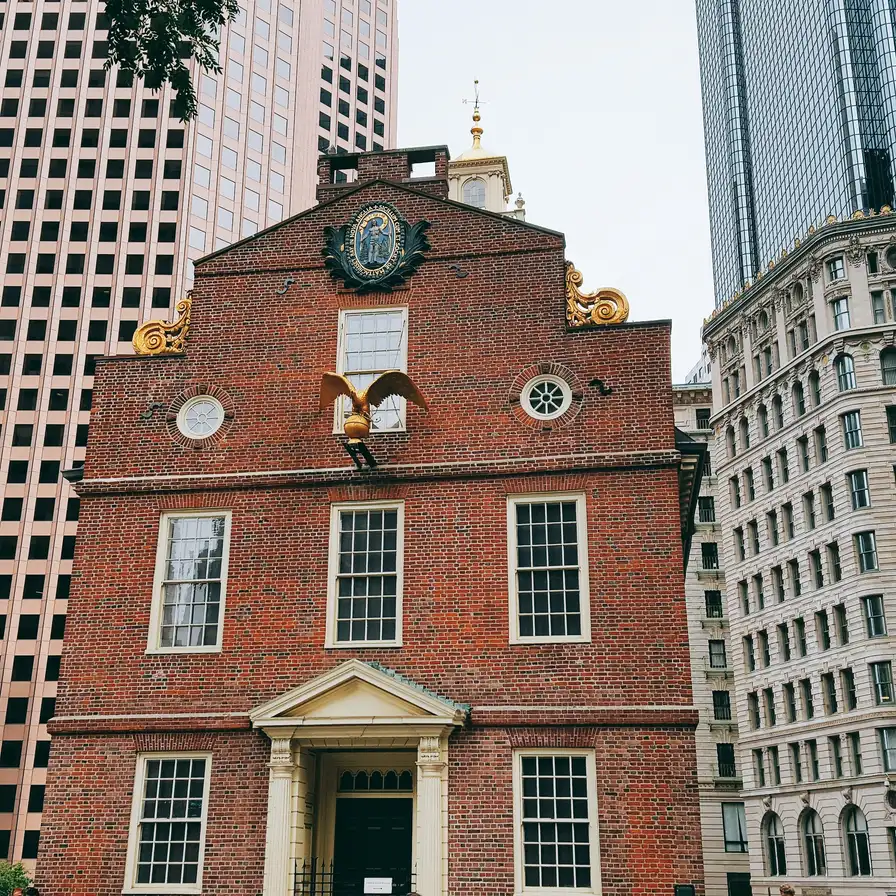
One piece of sequencing saves an hour and a set of tired legs: walk the trail north, ending in Charlestown, then take the ferry back. The MBTA’s Charlestown boat crosses from the Navy Yard to Long Wharf in about ten minutes, and it hands you the best free-ish view of the skyline in the city. Retracing the whole trail on foot, which is what most people do, wastes the last of the afternoon.
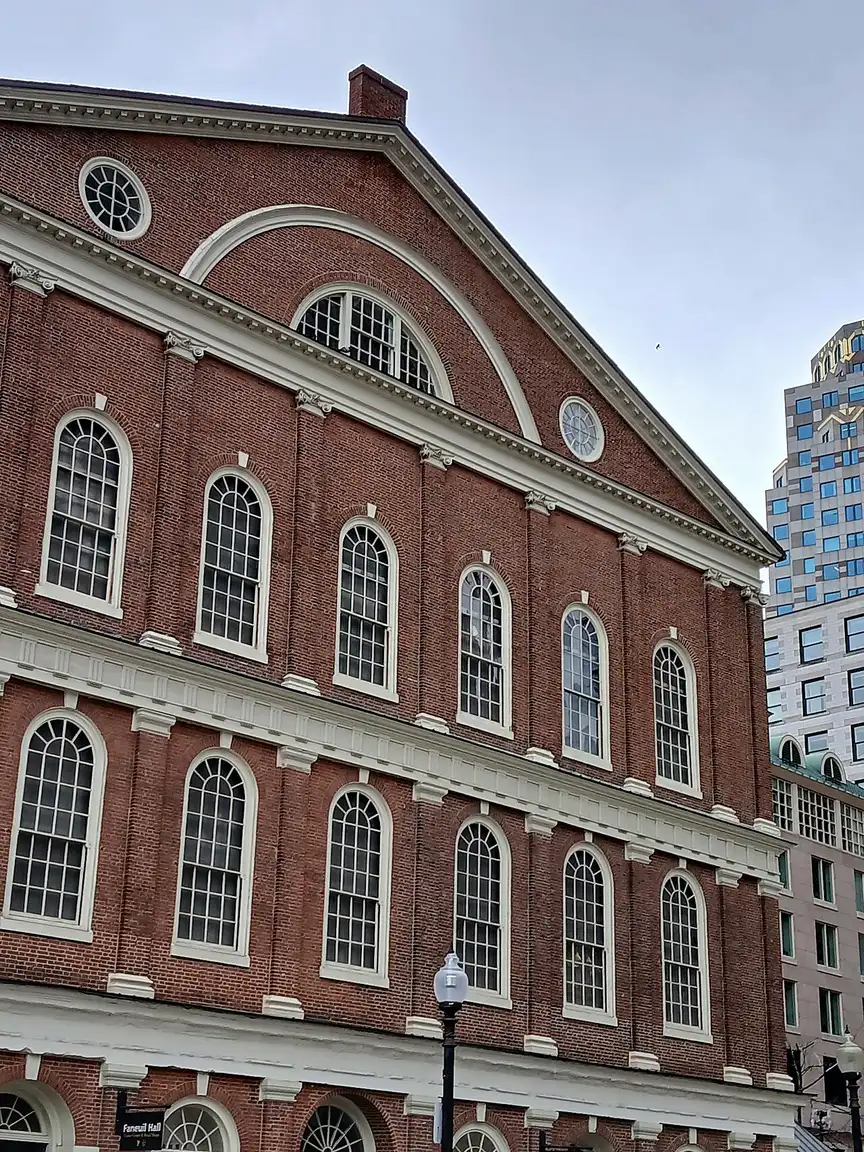
At the Charlestown end, the USS Constitution is the payoff and it’s free. Launched in 1797, she is the oldest commissioned warship afloat in the world, she is still crewed by active-duty US Navy sailors, and those sailors give the tours. You go through a security checkpoint at the Navy Yard gate and anyone 18 or over needs photo ID, so carry a passport or driver’s license. The ship is closed on Mondays.
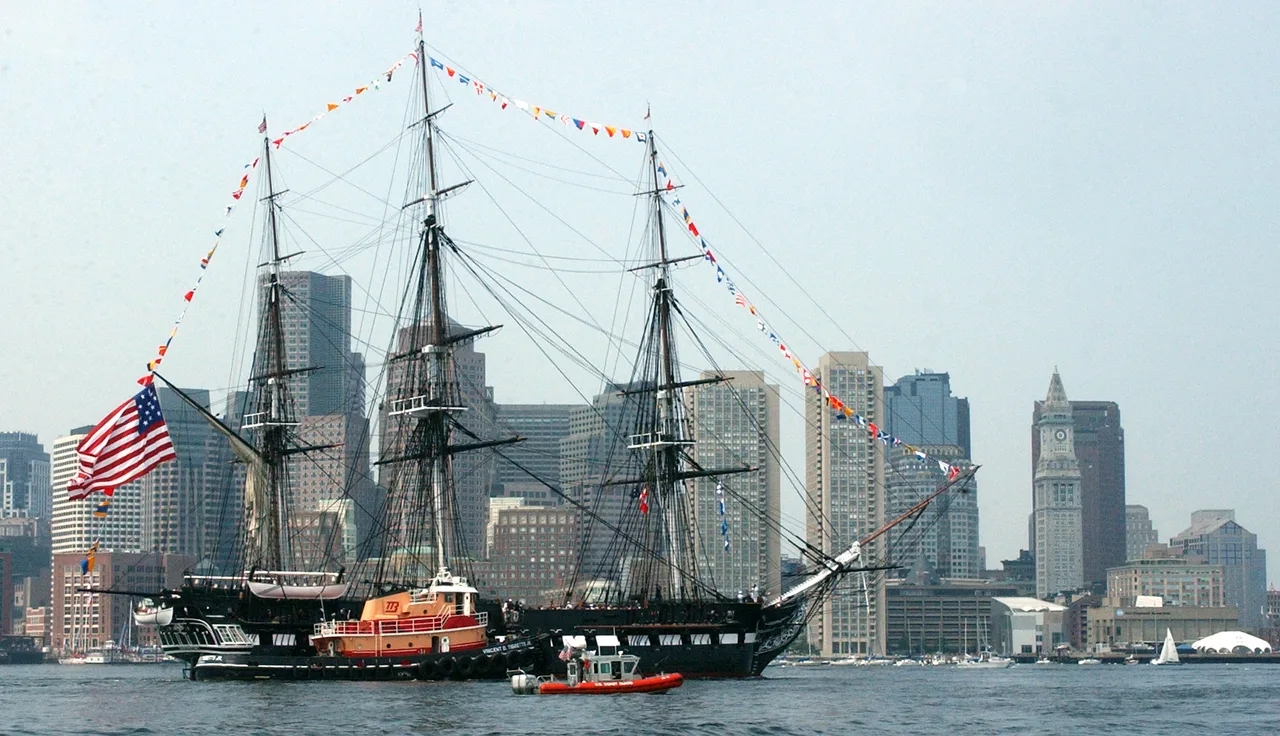
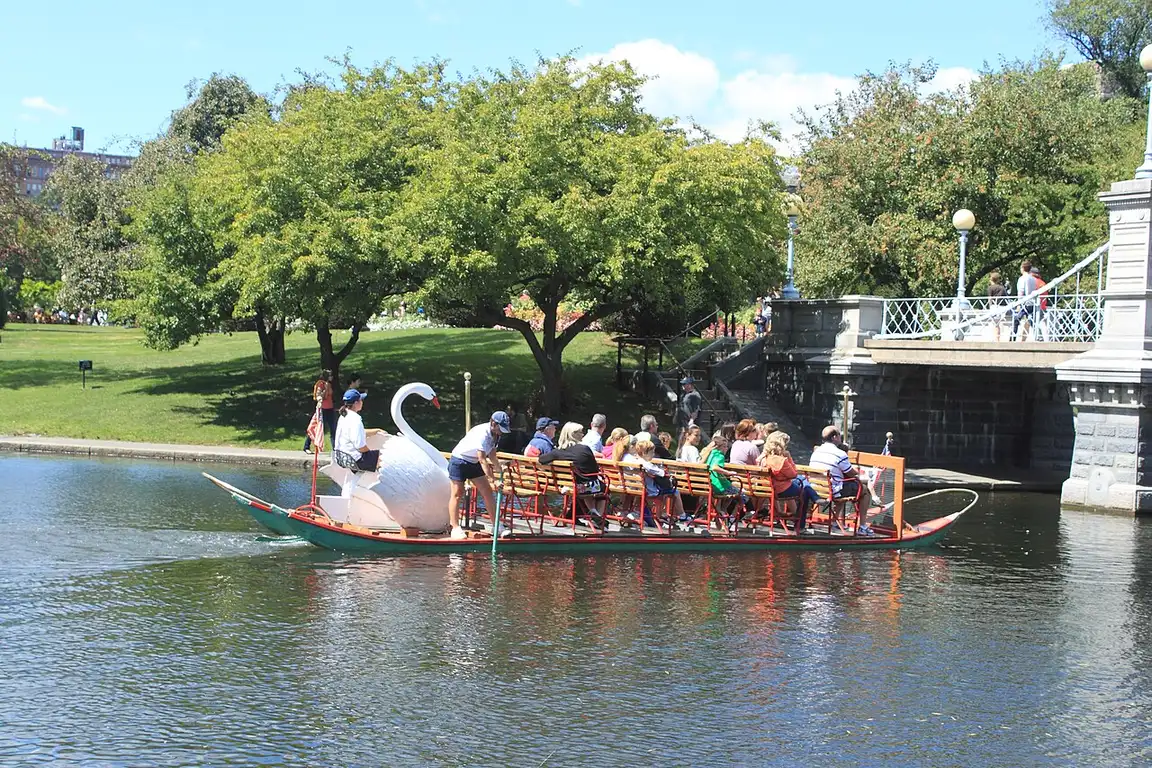
The trail starts on Boston Common, which the town bought in 1634 and which is therefore the oldest public park in the United States. Next to it, the Public Garden runs the Swan Boats on its lagoon in summer, a pedal-powered ritual that has been going since the 1870s and takes 15 minutes.
Beacon Hill and the bit of Boston that looks like a film set
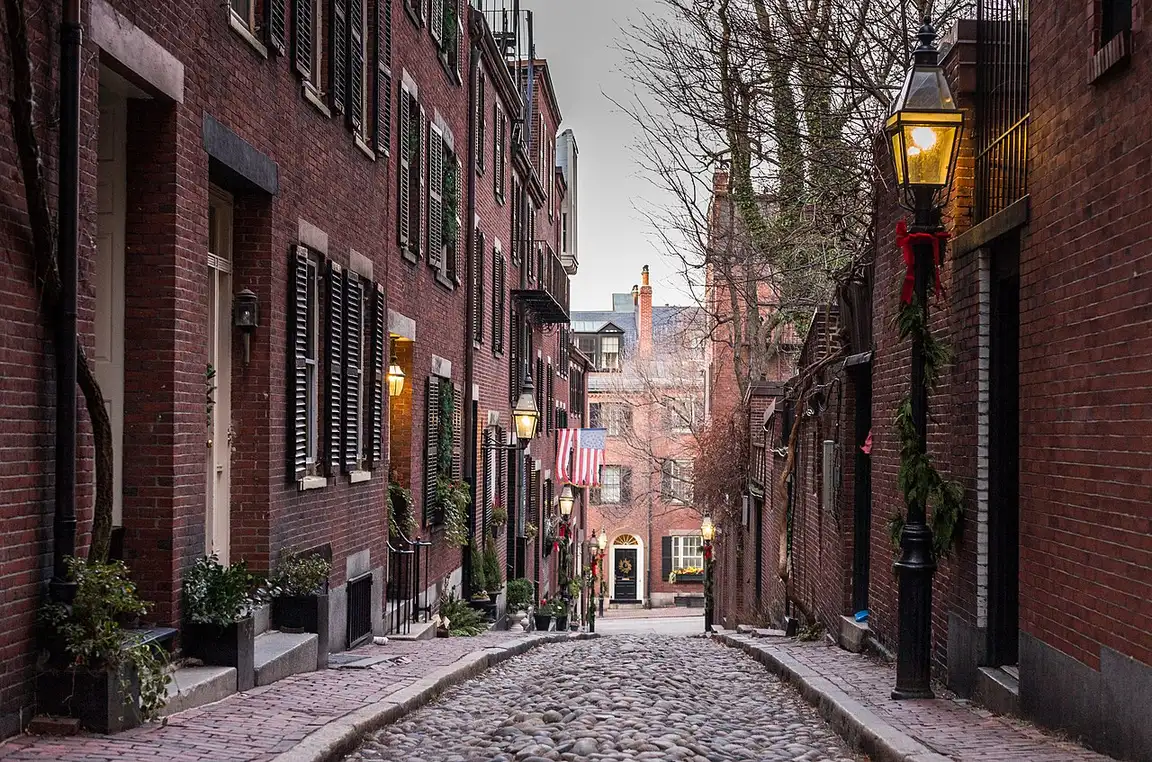
Uphill from the Common, Beacon Hill is gas lamps, brick row houses and Acorn Street, a cobbled lane so photographed that people line up for the shot. Go early. Charles Street at the bottom of the hill has the antique shops and cafes, and the State House dome above it’s real gold leaf.
Fenway Park
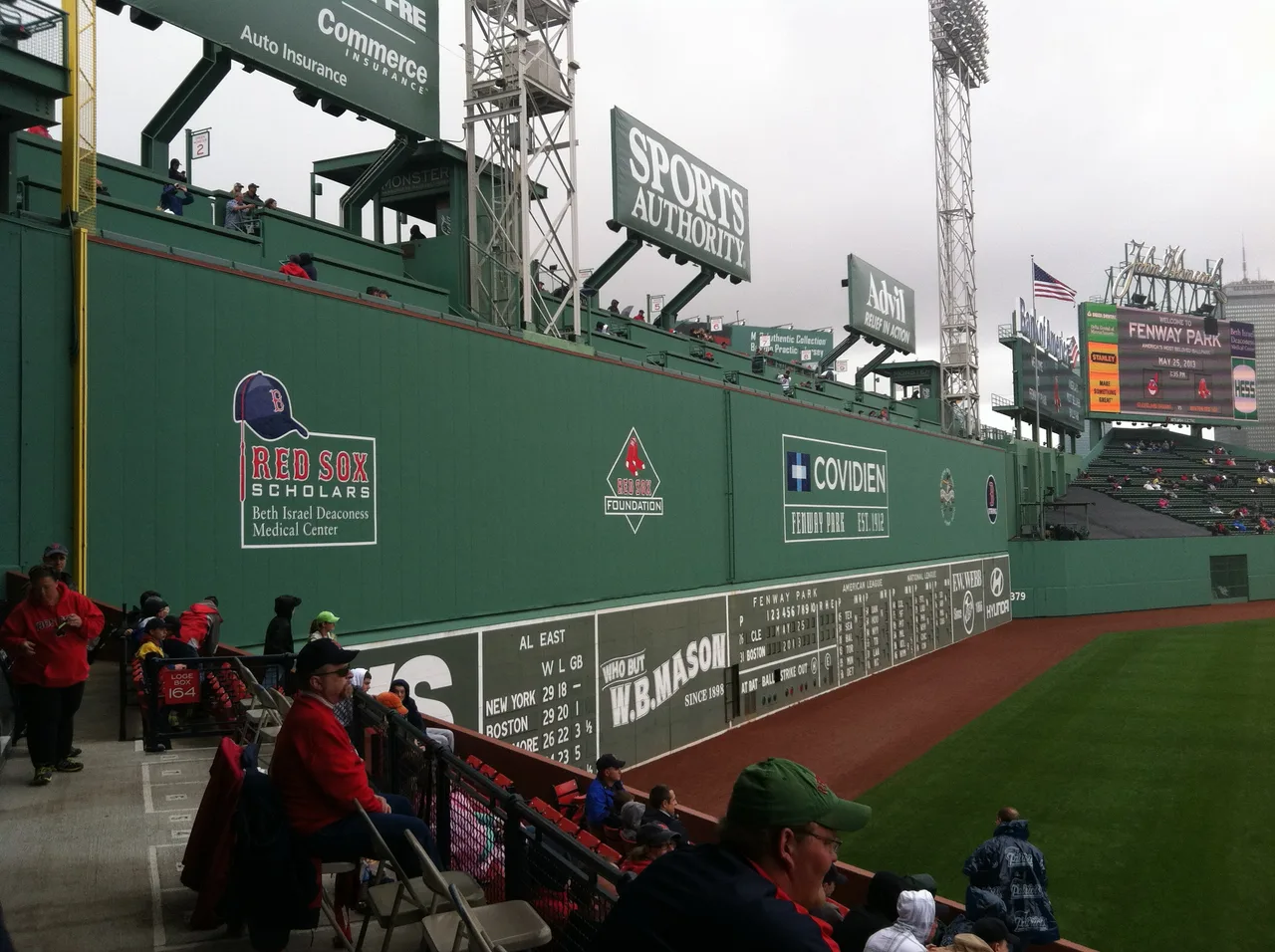
Fenway has been home to the Red Sox since 1912, which makes it the oldest ballpark in Major League Baseball, and it’s a strange building: a 37-foot left-field wall called the Green Monster, a lone red seat marking a 502-foot home run, and seats with obstructing pillars that nobody has bothered to remove.
If you can get to a game, do that first - the atmosphere is the point. If the team is away or sold out, the standard ballpark tour costs $30, lasts an hour, leaves at the top of every hour and runs daily all year, snow included. Book it online, along with any other tours and tickets you want locked in, because the walk-up line on a game day is long.
Museums: which two, and which day
The Museum of Fine Arts is the heavyweight, with $30 adult admission, $14 for ages 7 to 17, and late opening until 10pm on Thursdays and Fridays. It’s closed on Tuesdays.
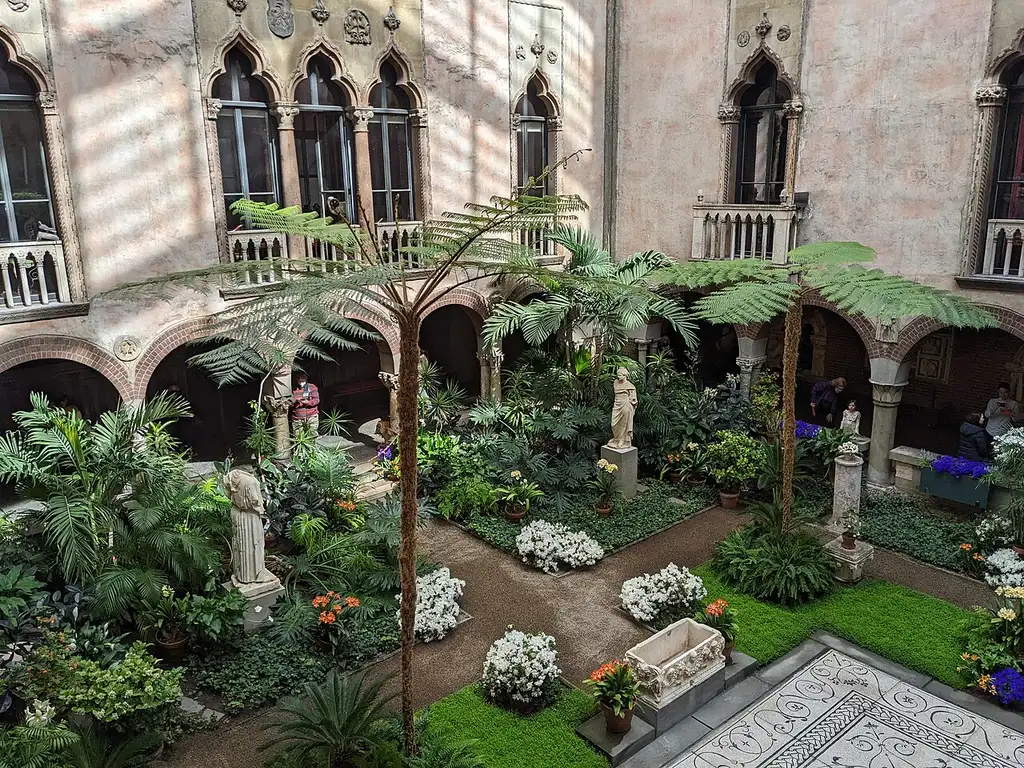
The Isabella Stewart Gardner Museum is the one people remember. Gardner built a Venetian palace around a glass-roofed courtyard, filled it with her own collection and left a will forbidding anyone to rearrange it. In March 1990, two men in police uniforms talked their way in and left with 13 works, among them a Vermeer and the only seascape Rembrandt ever painted. Nothing has been recovered, the reward stands at $10 million, and because of that will, the empty frames still hang exactly where the paintings were. Admission is $25, it’s also closed Tuesdays, and if your name is Isabella you get in free with ID and a reservation.
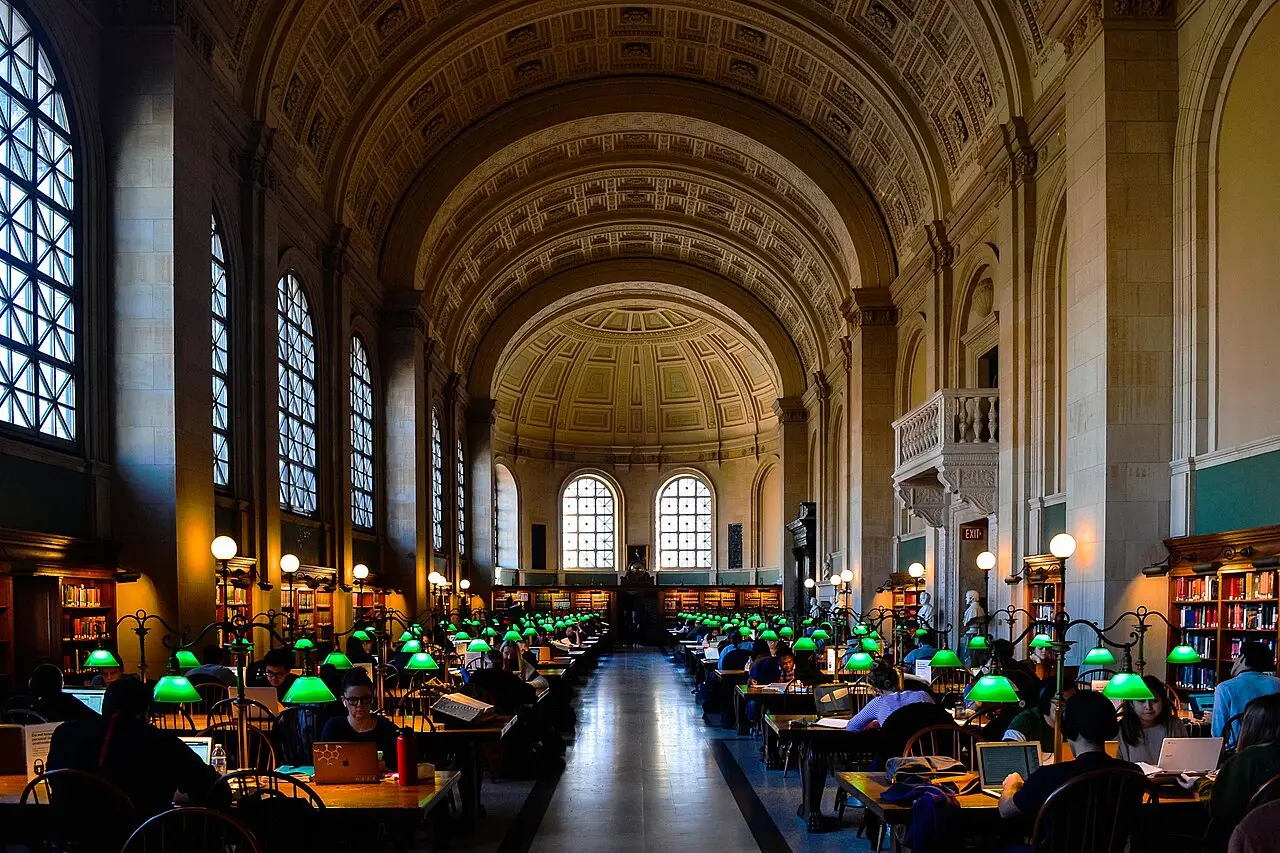
For free, walk into the Boston Public Library on Copley Square and go up to Bates Hall, a barrel-vaulted reading room with green lamps that is one of the great interiors in America and costs nothing to sit in. The courtyard cafe is a good lunch stop and nobody will hurry you.
Cambridge: Harvard and MIT
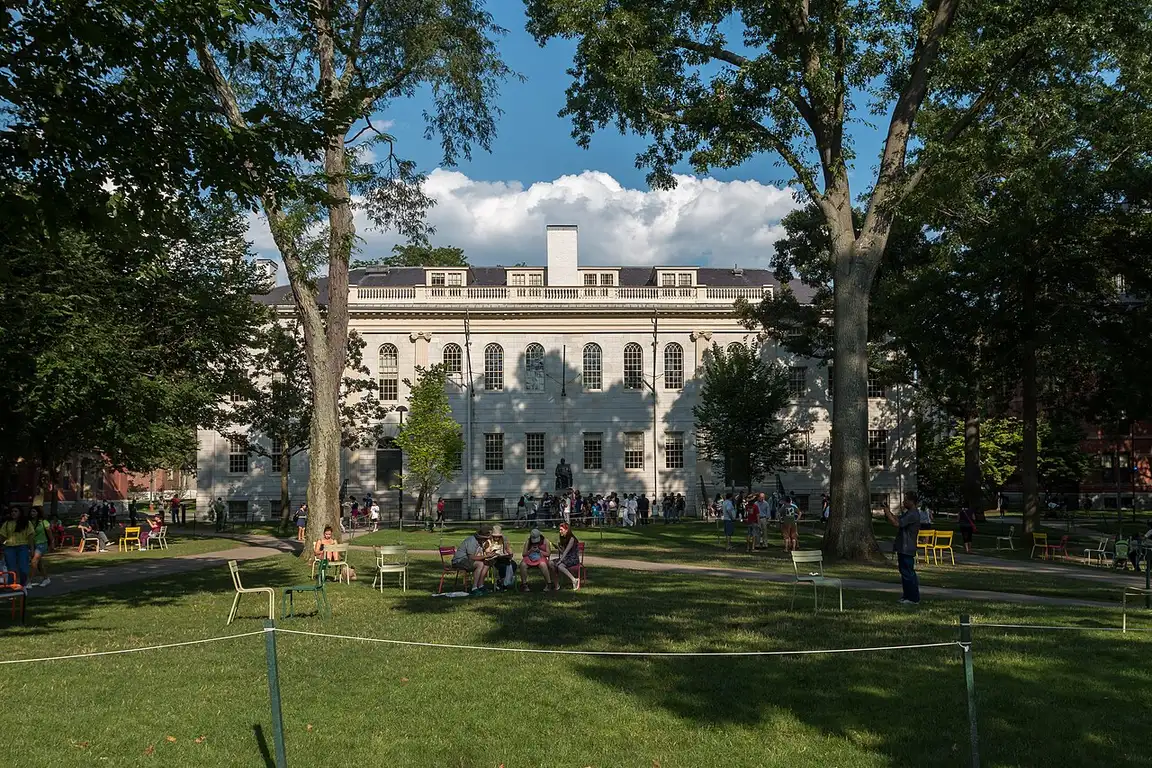
Two Red Line stops across the river put you in a different city with a different mood. Harvard runs a free student-led tour of the Yard from the information center in the Smith Campus Center; you register in advance and groups are capped at five, and the students are far more candid than any official script. The Harvard Art Museums and the glass flowers at the Natural History Museum are both worth an hour.
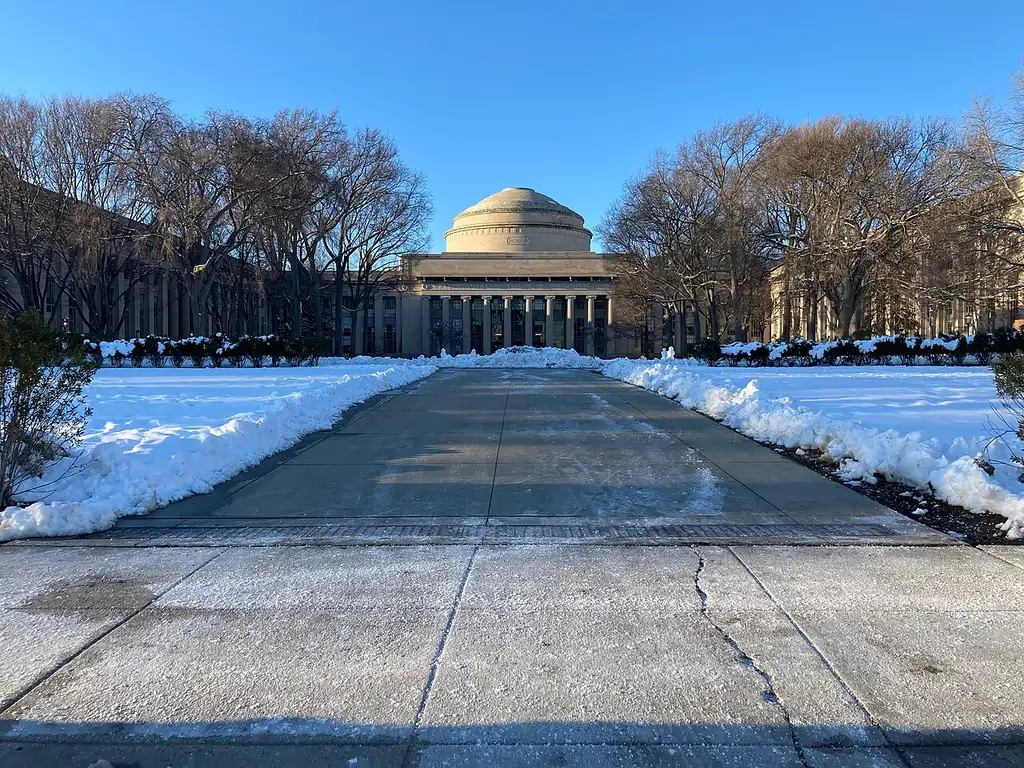
One stop back toward Boston, MIT is the opposite in temperament: a neoclassical Great Dome facing the river, Frank Gehry’s collapsing-looking Stata Center behind it, and a campus culture built on elaborate pranks that students call hacks. Walk the Infinite Corridor and cross the Harvard Bridge, which is marked out in “smoots” after a 1958 fraternity pledge who was rolled end over end to measure it.
Where to eat
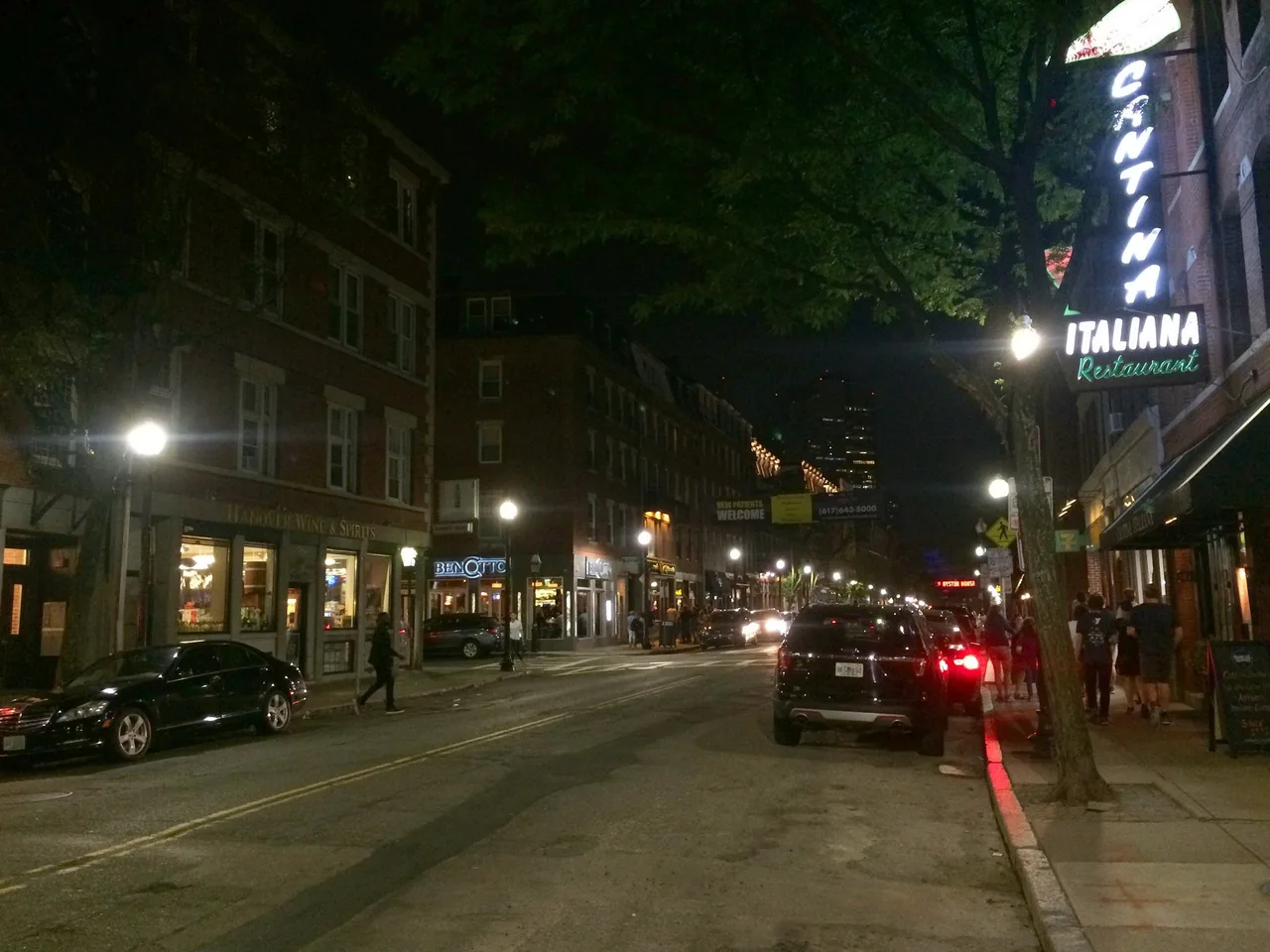
The North End is the Italian quarter and the densest eating in the city: Hanover and Salem Streets, red-sauce restaurants that don’t take reservations, and the standing argument between Mike’s Pastry and Modern Pastry over cannoli, two doors apart. Buy one at each and settle it yourself. Most North End restaurants are small and cash-friendly rather than cash-only these days, but a 7pm walk-in on a Saturday is optimistic.
For seafood, skip the harborside places with photographs of the food and go to the neighborhood spots: a lobster roll should cost you market price and come warm with butter or cold with mayo, and everyone here has a firm opinion about which. Quincy Market’s food hall is fine for a quick lunch and unremarkable for anything else. Chinatown, three blocks from the theater district, is where the city eats late.
The T, and why not to drive
The T is the oldest subway system in the country and it shows, but it works. A single ride is $2.40 and a local bus $1.70; a 1-day pass is $11 and a 7-day pass $22.50, which pays off from about your fifth ride. Tap a contactless card, phone or CharlieCard at the gate. The T isn’t a 24-hour system: to catch the last connections of the night you have to be at a downtown station by 12:35am Sunday through Thursday, or 1:30am on Friday and Saturday. That’s earlier than most visitors expect, and it quietly decides which neighborhood you should book - our guide to where to stay in Boston sorts the areas by that one rule.
Don’t rent a car for the city. Boston’s streets are unplanned, its drivers are famously assertive, and overnight parking costs more than the museums. If you’re heading beyond the city, pick up the car on the day you leave - the Massachusetts travel guide covers what a road trip out to the Cape or the Berkshires involves.
Day trips that work
Salem is 30 minutes by commuter rail from North Station, or about 55 minutes by ferry from Long Wharf in season. In October the town is at capacity and driving there is a mistake; the rest of the year it’s a quiet, handsome seaport with witch-trial history and a first-rate museum.
Lexington and Concord are where the Revolutionary War started, and Minute Man National Historical Park links the sites along the road the British marched down. Plymouth has the rock, which is smaller than everyone expects, and a much better living-history museum outside town. And in summer, fast ferries run to Provincetown at the tip of Cape Cod in about 90 minutes, which is the one Cape day trip that doesn’t involve sitting in Route 6 traffic.
Newport, Rhode Island is about ninety minutes south when traffic cooperates - Gilded Age mansions, Cliff Walk and Ocean Drive in one compact Aquidneck day. Details live in the Rhode Island travel guide, not in a Boston checklist.
Further up the coast and past what counts as a day trip, Acadia National Park in Maine is roughly four and a half hours from Boston by car - not a fit for this list, but worth the extra night if you’re not flying straight home. For the Portland-to-Acadia coast spine, see the Maine travel guide.
If you’re building a longer Northeast trip, Boston pairs neatly with New York City - the two are about four hours apart by train - and with the wider New York State loop if you have two weeks rather than one.
Read also
- Pick the neighborhood: where to stay in Boston
- The state around it: Massachusetts travel guide
- Four hours down the coast: things to do in New York City
- Where to sleep in NYC: where to stay in New York
- Browse more US cities and US states
On the map
The map loads on click - to keep the page lightweight.
The map didn’t load. Check your connection and refresh the page.
Good to know
Museum and ballpark-tour prices change with the season and the exhibition schedule; the figures here were checked with each operator in July 2026, so confirm before you book.
Details checked: July 24, 2026
Read also

Cities · 13 min read
Salt Lake City: Ski Base, Temple Square and the Salt Flats
Verified · August 29, 2026Four ski resorts inside 36 miles of the airport, a temple you cannot enter until 2027, and a salt flat that closes for racing. What to plan around.

Cities · 9 min read
Atlanta: Civil Rights Trail, Aquarium and Southern Food
Verified · August 28, 2026Free MLK park on Auburn Avenue, Civil Rights Center from $26, Georgia Aquarium tickets from $54.99, BeltLine walks and where Southern food still holds up.

Cities · 9 min read
Minneapolis Guide: River, Lakes & the Blue Line
Verified · August 26, 2026A $2 train from MSP, Stone Arch and Minnehaha Falls, Walker on free Thursday nights, and when Mall of America is worth the ride south.

Cities · 12 min read
Savannah Travel Guide: Squares and the Historic District
Verified · August 22, 2026Walk the 22 squares, tour Owens-Thomas honestly, ride the free river ferry, then Bonaventure and Tybee - checked August 2026.