
Where to Stay in Boston: Best Areas & Hotels
Back Bay, Beacon Hill, the North End, the Seaport or Cambridge? The best areas to stay in Boston, the 14.95% room tax and the last train home.
Back Bay is the right answer for most first trips: two subway lines, a short walk to the Public Garden and the Common, and streets that stay busy and easy to walk after dinner. Beacon Hill and downtown put you on the Freedom Trail, the North End trades sights for the best eating in the city, the Seaport is the newest and the least Boston-looking of the options, and Fenway, Cambridge and Brookline cost less in exchange for a train ride. Boston is small enough that none of these is a bad call.
Boston’s real constraint is closing time. The T isn’t a 24-hour system: to make the final connections of the night you have to be at a downtown station by 12:35am Sunday through Thursday, or 1:30am on Friday and Saturday. That one line in the MBTA’s own guide quietly sorts the neighborhoods into the ones that feel easy at midnight and the ones that cost you a ride home.
Back Bay: the default that holds up
Back Bay is flat and laid out on a grid, which makes it the easiest part of central Boston to walk without a map. You get the Commonwealth Avenue Mall running down the middle, Newbury Street for shops and patios, and Copley Square with the Boston Public Library on it. The Green Line runs under Boylston Street and Back Bay station adds the Orange Line and Commuter Rail, so a Red Sox game, Cambridge or a train out of the city all take about the same amount of thought.
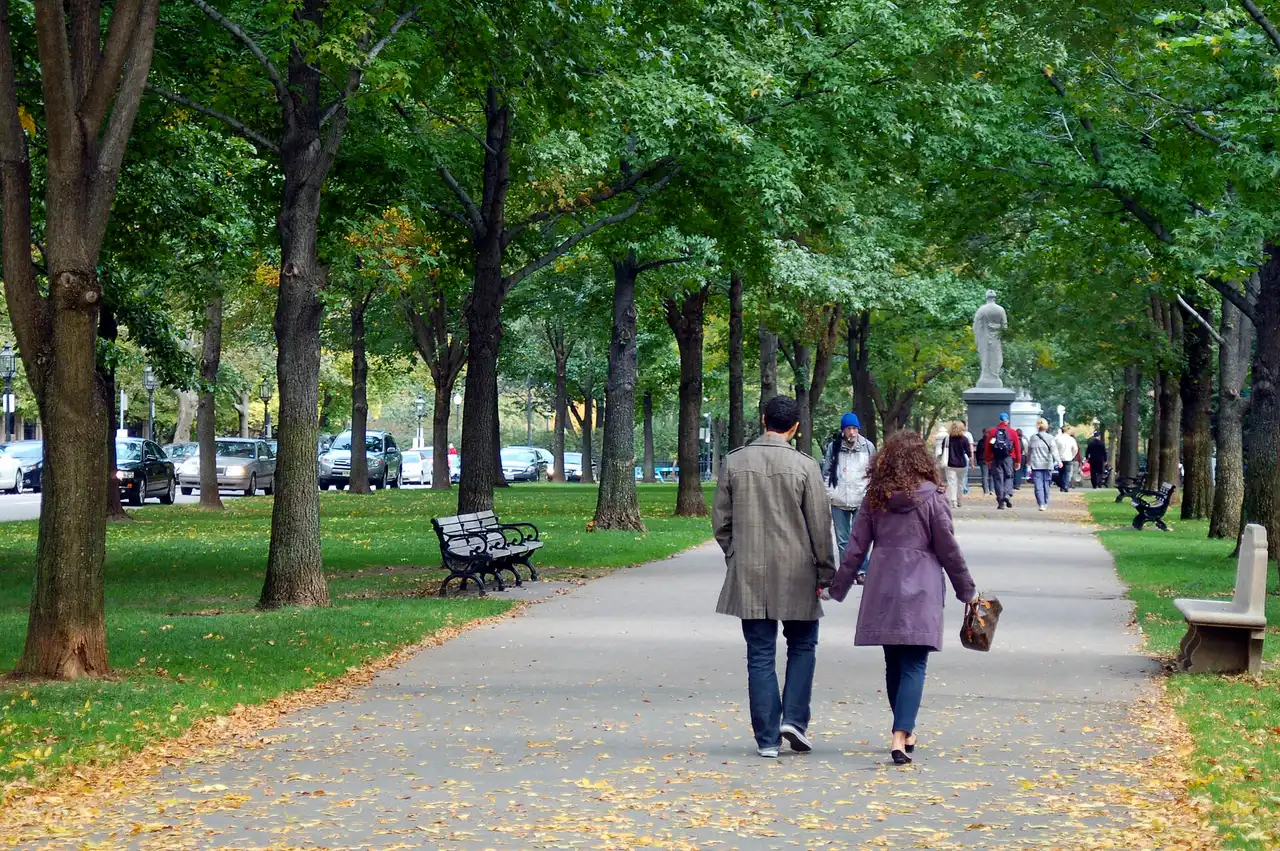
It’s also the most conventional choice and priced like it, with one of the densest runs of full-service hotels in the city. Newbury Street is a shopping street, so evenings here are civilized rather than loud. If you want somewhere you can hand to a first-time visitor and be confident it works, this is that place.
Beacon Hill and downtown: on top of the history
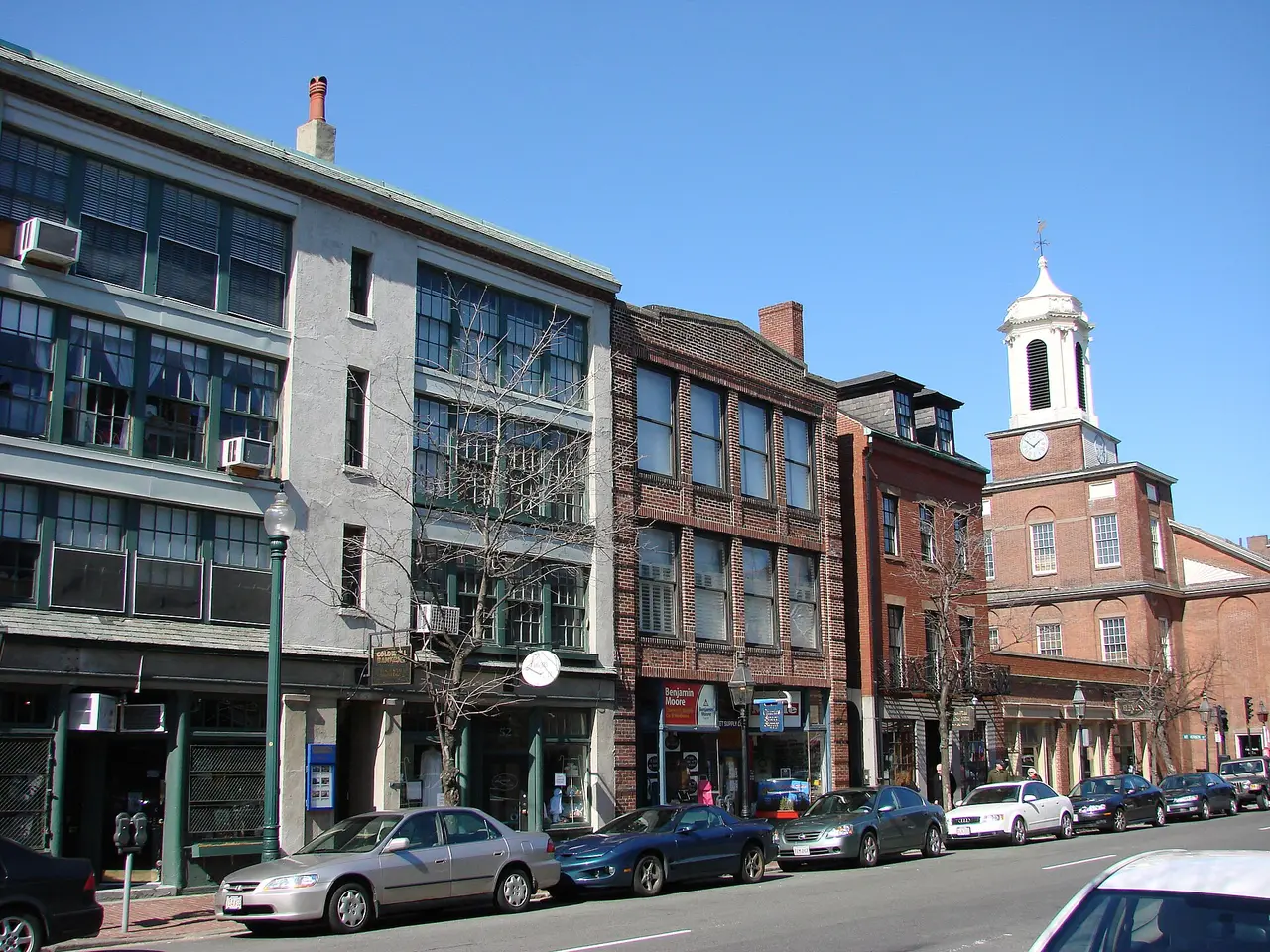
Beacon Hill is the postcard: gas lamps, brick, and Charles Street at the bottom of the slope with its antique shops and coffee. There are very few hotels on the hill itself, and they charge for the address. What you’re buying is a short walk to Boston Common, the State House and the start of the Freedom Trail, with Charles/MGH on the Red Line at the foot of the hill.
Downtown proper, around Downtown Crossing and the Financial District, has far more rooms for the same walking distance. Be honest with yourself about the trade: those blocks empty out once the stores and offices close, and Downtown Crossing after dark isn’t the prettiest corner of the city. In exchange you’re a couple of blocks from all four subway lines, and you can walk to Faneuil Hall, the waterfront and the theaters without getting on any of them.
The North End and the waterfront: sleep where you plan to eat
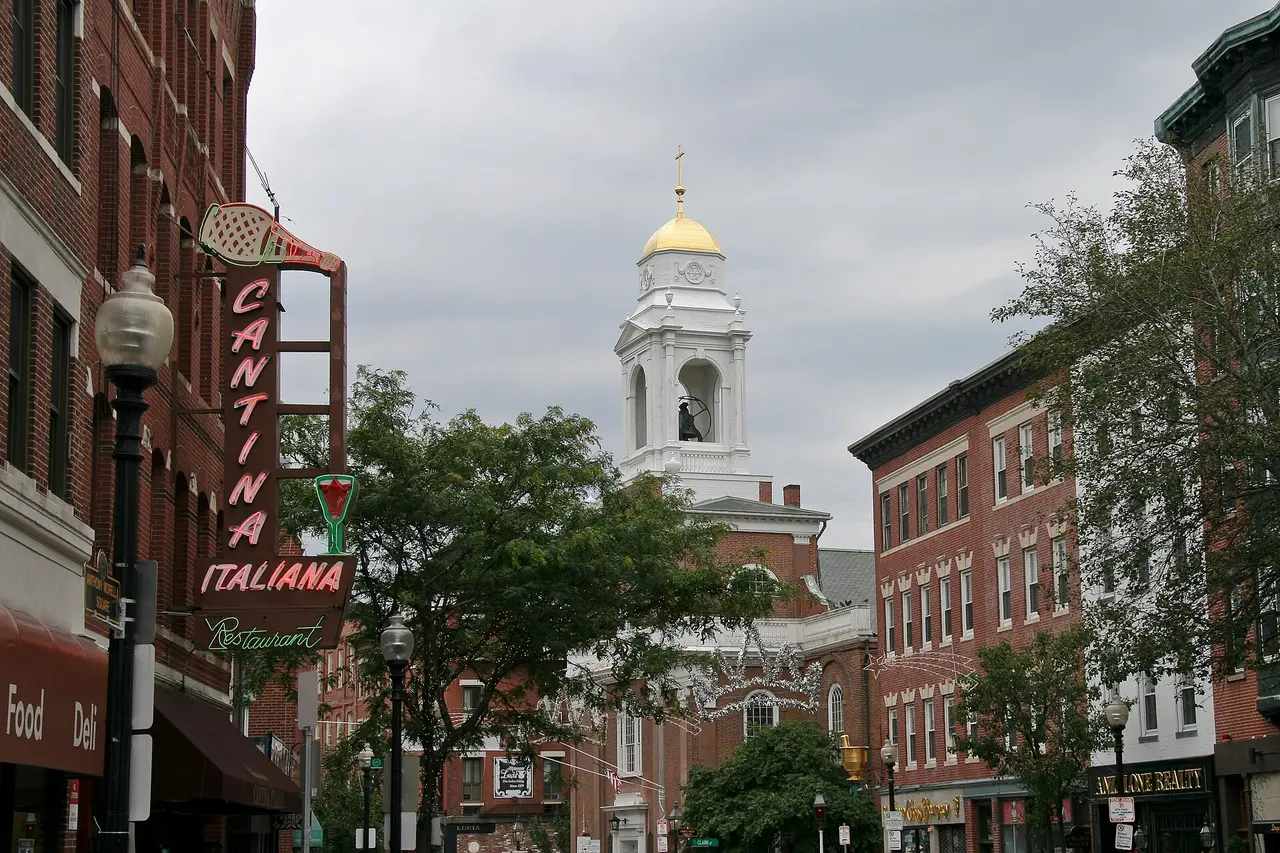
The North End is Boston’s Italian quarter, and it’s the one neighborhood where the choice is really about dinner. Hanover and Salem Streets are wall-to-wall restaurants, bakeries and cafes, and the whole quarter sits just north of Faneuil Hall. The catch is supply: there are almost no hotels inside the North End itself, so in practice you’re booking a small guesthouse, a rental, or a waterfront hotel on the harbor side of it.
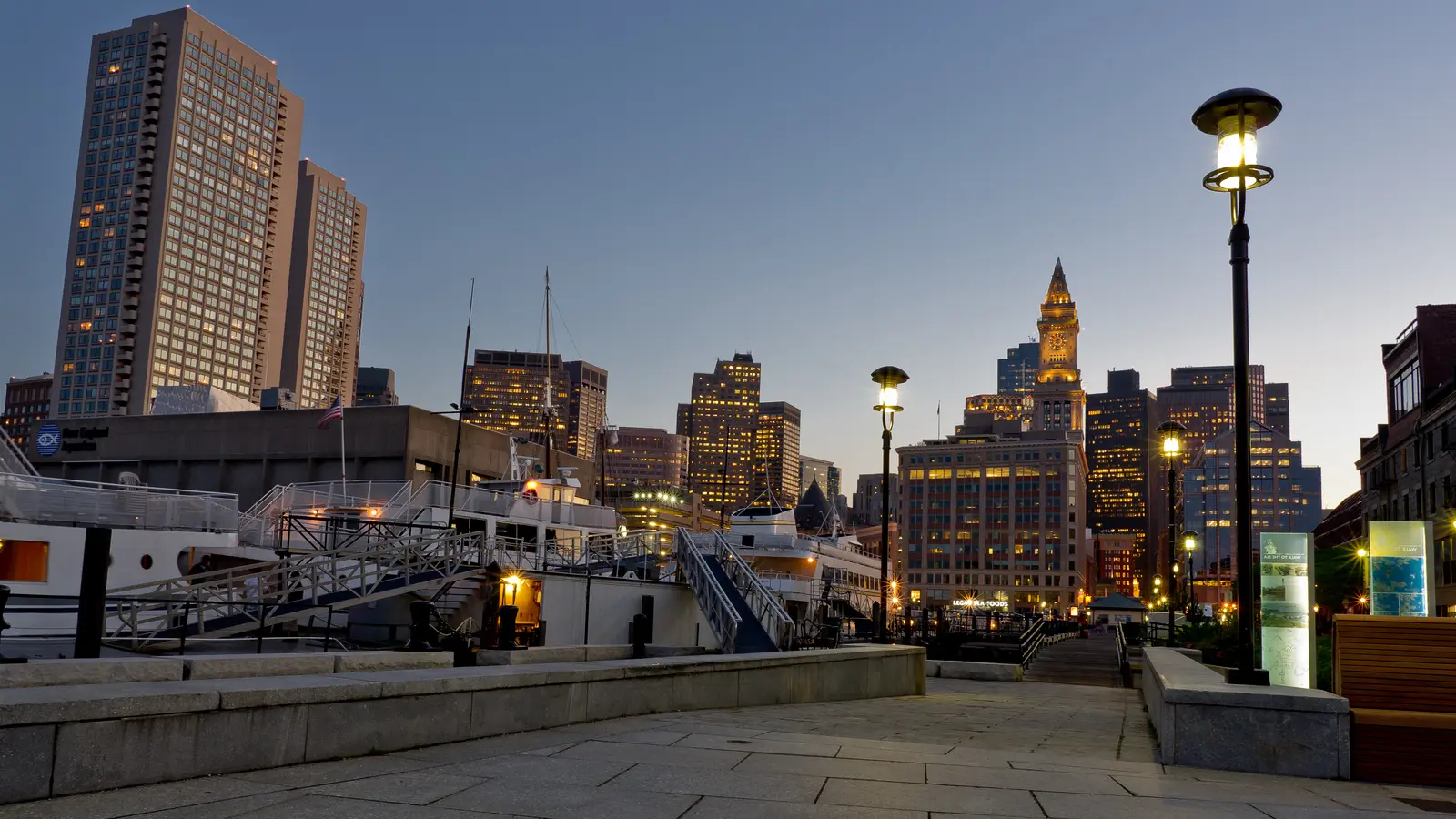
That waterfront strip around Long Wharf and Christopher Columbus Park is underrated for a first visit. The Blue Line is at Aquarium, the harbor ferries leave from the wharves, and the ten-minute boat over to the Charlestown Navy Yard is the cheapest good view in Boston. Just don’t bring a car. The streets here predate the automobile and behave accordingly.
The Seaport: newest, glassiest, tied to the convention calendar
Across the channel, the Seaport is what Boston built on old wharf and parking land over the last couple of decades: glass towers, wide sidewalks, chain-heavy dining and hotels that could be in any city. Two things make it worth considering anyway. It holds some of the newest rooms in Boston, and it sits on the free airport bus, since the SL1 from Logan calls at Courthouse and World Trade Center on its way to South Station. Landing at 11pm and walking to your hotel from a free bus is a genuinely good end to a travel day. For the taxi, rideshare and ferry options on the nights the SL1 isn’t running, see the Logan Airport transport guide.
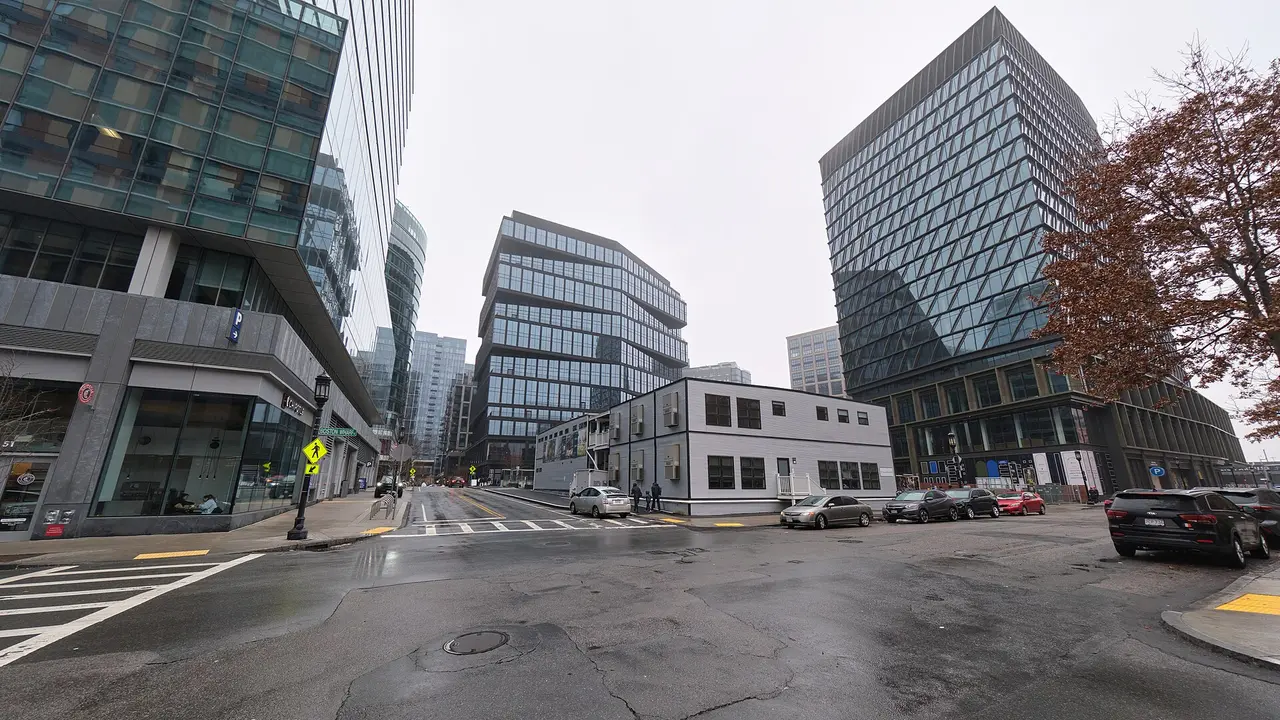
Before you book here, look up what’s on at the convention center, officially the Thomas M. Menino Convention & Exhibition Center and still the BCEC to everyone in town. It puts 516,000 square feet of exhibit floor in the middle of the district, and when a big show is running, the surrounding hotels fill first. Check your dates against the event calendar rather than assuming the Seaport is either the bargain or the rip-off.
Fenway and Kenmore: the Citgo sign, and the schedule you should check
Kenmore Square is where three branches of the Green Line meet, the Citgo sign glows over the rooftops, and Fenway Park sits a couple of blocks away. Stay here and you’re walking to the ballpark, with the Museum of Fine Arts and the Isabella Stewart Gardner at the other end of the Fenway and downtown a few stops away on the Green Line. It’s the first place to check when the Back Bay numbers come back higher than you wanted.
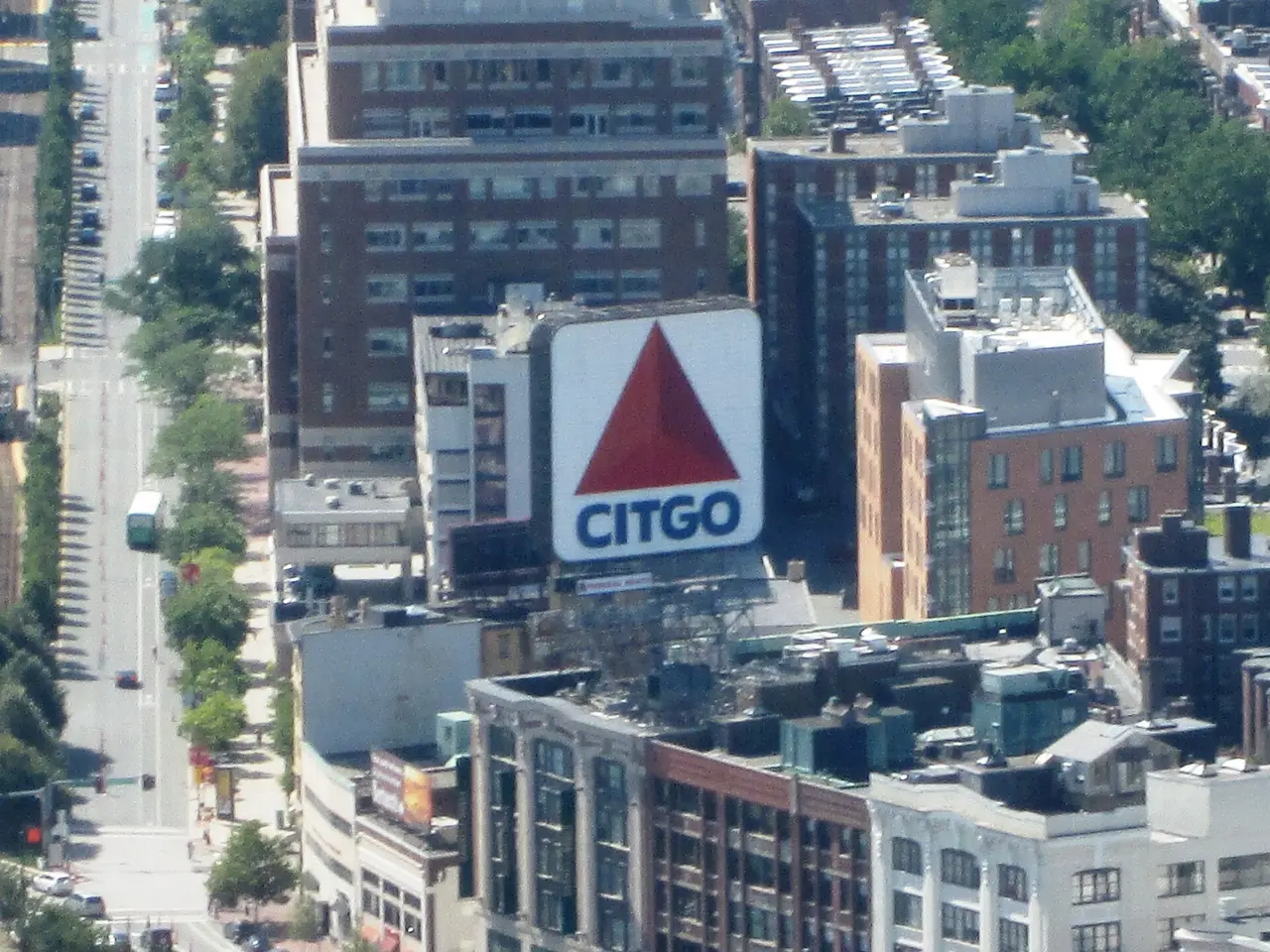
The thing to look up first is the Red Sox home schedule. A home stand fills these streets in the evening and a road trip leaves them quiet, and that swing shows up in both the noise outside your window and the rate on the screen. If you’re here for the baseball, that’s the whole point. If you’re not, an away week around Kenmore is one of the better bookings in central Boston.
Cambridge: a different city, but not a tax dodge
Cambridge is its own city across the Charles, and it works better as a base than most visitors assume. Harvard Square has bookstores, cafes and a Red Line stop that puts you downtown in minutes; Kendall Square, closer to the river, is the MIT and biotech end, and it empties out on weekends when the labs and offices close. For a second visit, or for anyone who’d rather spend an evening in a college town than a tourist district, it’s the smarter half of the river.
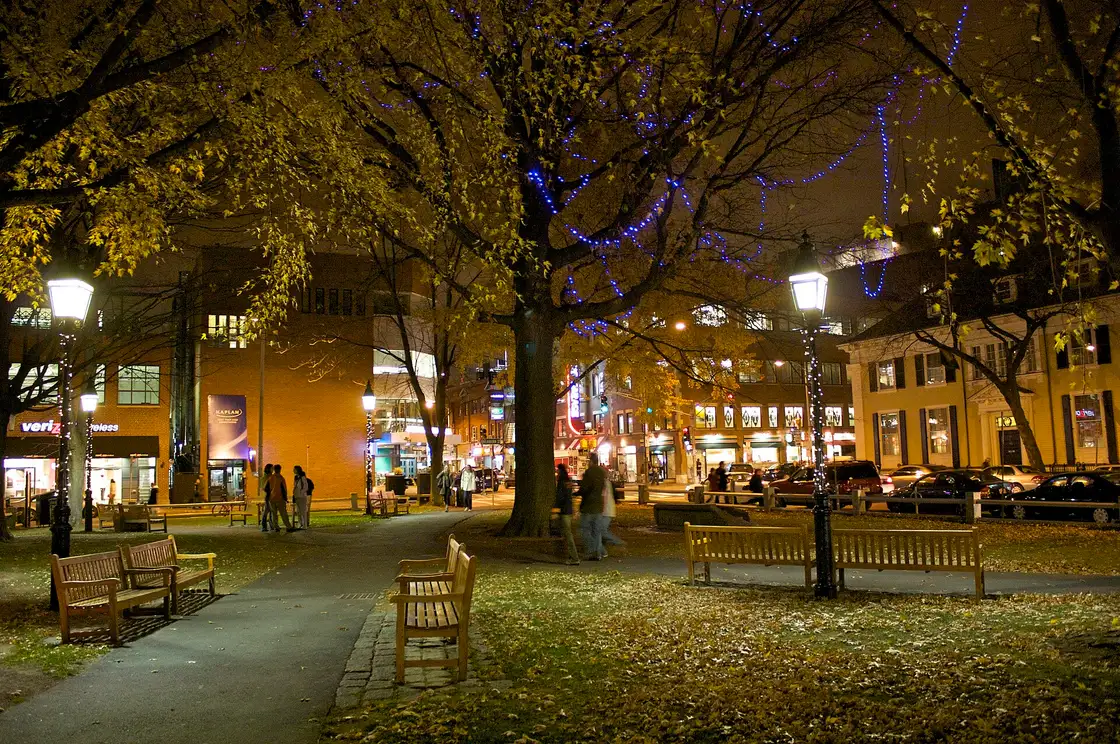
One thing crossing the river does not do is lower your tax line. The extra 2.75% convention center financing fee applies in a short list of Massachusetts cities, and Cambridge is on it alongside Boston. If you’re chasing the tax, you have to go further out.
Brookline, Somerville and East Boston: where the math changes
Brookline is a separate town that Boston wraps around on three sides, and the Green Line C branch runs straight through Coolidge Corner into the city. Somerville, north of Cambridge, has the Orange Line at Assembly and the Green Line extension at Union Square. Neither appears on the convention-fee list, so that particular 2.75% can’t land on your bill there. Local rates still vary by town, so read the tax line on the booking screen before you decide the move saved you anything.
East Boston is the odd one out, and it’s the one people dismiss too fast. Logan is literally in the neighborhood, Maverick and Airport put you a couple of stops from downtown on the Blue Line, and the harbor-facing side has the best skyline views in the city, because it’s looking at the skyline instead of standing in it. This is also where the airport hotels are, so the rates read differently from anything downtown. The trade is a Blue Line ride each way and an evening in a residential neighborhood rather than a nightlife one.
Moving Day, commencement and the marathon
Boston has a few weeks a year when the map stops mattering and availability decides everything. September 1 is the big one: the City of Boston says 70 percent of the city’s leases begin on that single date, which turns the last days of August into a citywide furniture-hauling event locals call Allston Christmas. Streets get blocked, movers are booked out, and rooms are tight. If your dates can move, move them.
Late May is commencement season, when graduating families take the rooms months out. Patriots Day, the third Monday in April, brings the Boston Marathon - April 20 in 2026, April 19 in 2027 - and the finish-line blocks in Back Bay close to traffic. Fall foliage weekends and big conventions do smaller versions of the same thing. None of it makes a visit impossible, but it does mean the honest order of operations is dates first, neighborhood second.
The tax line, and the parking you don’t need
Boston’s room tax comes to 14.95%: a 5.7% state excise, the city’s 6.5% local excise, and the 2.75% convention center financing fee. Those are the published components as of July 2026, not a rough guide, so add them to any rate you’re comparing before you decide anything is cheap - and check the tax line on the confirmation, which is where a property fee or an out-of-date rate shows up.
Parking is where people lose money without noticing. Before you agree to hotel valet, check what the Boston Common Garage charges. It’s the public garage under the Common, owned by the state’s convention center authority rather than the city, and its published rates run to $38 for up to 24 hours, $14 for evenings and weekends reserved online, and a $5 late-night special on weekdays if you’re in after 9pm and out by 8am. Better still, skip the car for the city entirely. The subway is $2.40 a ride with two transfers included, a day pass is $11, a week is $22.50, and the SL1 bus in from Logan is free.
So the sequence that actually saves money here runs backwards from the way most people book. Check the calendar first, because September 1, commencement weekends, Marathon Monday and whatever is filling the convention halls will do more to your bill than any choice of block. Then use the last train as your filter: if your evenings end after midnight, you want to be inside walking distance of wherever you’ll be drinking, and if they end at ten, the ride out to Cambridge, Fenway or Somerville is free money. That single question rules out more neighborhoods, faster, than any price comparison does. Only when it’s answered should you look up what Boston hotels are running on your dates, with the 14.95% and any parking line added to the headline rate.
With a base picked, things to do in Boston fills the days around it, and the Massachusetts travel guide covers Cape Cod, Salem and the Berkshires for when you want out of the city. Pairing Boston with New York? The seven-day East Coast itinerary shows where it lands, and where to stay in New York handles the other end of the train line.
Read also
- Plan the days: things to do in Boston
- The state around it: Massachusetts travel guide
- The other end of the corridor: where to stay in New York
- Fit it into a trip: East Coast seven-day itinerary
- Browse more US cities and US states
On the map
The map loads on click - to keep the page lightweight.
The map didn’t load. Check your connection and refresh the page.
Good to know
Tax rates, MBTA fares and garage prices here were taken from the City of Boston, the MBTA and the garage operator in July 2026. Rates move - read the tax line on the booking screen before you commit.
Details checked: July 27, 2026
Read also

Before you go · 9 min read
New England Fall Foliage: When and Where to Go
Verified · August 27, 2026Yankee's 2026 forecast, peak windows by state and how to chase color from Vermont's Northeast Kingdom to the NH coast without betting on one weekend.

Before you go · 9 min read
Which Hawaiian Island: Oahu, Maui, Kauai or Big Island
Verified · August 24, 2026Pick one Hawaiian island for a week: Oahu for city and surf, Maui for beaches and Haleakala, Kauai for scenery, Big Island for volcanoes.

Before you go · 11 min read
Where to Stay in Phoenix: Downtown, Scottsdale or Tempe
Verified · August 18, 2026Free Sky Train, then $2 light rail into downtown. Scottsdale is the resort city; Tempe is ASU next door. Phoenix hotel tax is 13.07%.

Before you go · 11 min read
Global Entry and TSA PreCheck for Visitors
Verified · August 15, 2026Global Entry is $120 for five years and closed to most EU passports. TSA PreCheck is $85 or less, and only US citizens and LPRs can buy it.