
South Carolina Travel Guide: Charleston, Beaches, Lowcountry
Which coast to pick and what each costs, Hunting Island and Hilton Head parking rates, the free national park, and the firefly lottery to plan for.
Charleston sits almost exactly midway between the two coasts most people end up choosing between: 98 miles to Myrtle Beach in one direction, 99 to Hilton Head in the other, both a little over two hours. That symmetry is the useful thing about South Carolina. You aren’t picking a detour, you’re picking a style of vacation, and the two ends of this coastline barely acknowledge each other’s existence.
What separates them is money. The Grand Strand sells a week of condo, arcade and ocean for less than anywhere else on this coast; Hilton Head charges you $3 an hour to park at most of its public beaches. That gap, not the scenery, is the decision.
The coast comes in three price brackets
The Grand Strand in the north is the volume end: high-rise condos, mini golf, outlet malls, and the cheapest week on the water anywhere in the Carolinas. The Charleston coast in the middle is the expensive one, where a beach day comes attached to a city that charges city prices. The southern Lowcountry, from Beaufort down to Hilton Head, is the quiet one, priced by whether you want a resort or a state park.
They aren’t interchangeable and you won’t do two of them well in a week. Charleston to Myrtle Beach is about two hours fifteen, Charleston to Hilton Head about the same, and both are routing-engine times before any traffic. Nothing useful connects them by bus or rail either, so a rental is the baseline cost of every version of this trip - renting a car in the USA covers what the counter will try to add to it. Our Charleston guide handles the middle bracket in full, including the peninsula, the plantation sites and the city’s own beaches, so this page leaves that alone.
Myrtle Beach and the Grand Strand
The Grand Strand is 60 miles of coastline spread across 14 communities in two counties, which is why the name covers everything from North Myrtle Beach to Pawleys Island and why nobody agrees on what “Myrtle Beach” actually means. It isn’t one unbroken beach - inlets cut it into pieces - but it’s close enough that you can drive the length of it on one road. The boardwalk is 1.2 miles end to end and the SkyWheel is 187 feet, which between them account for most of the postcards.
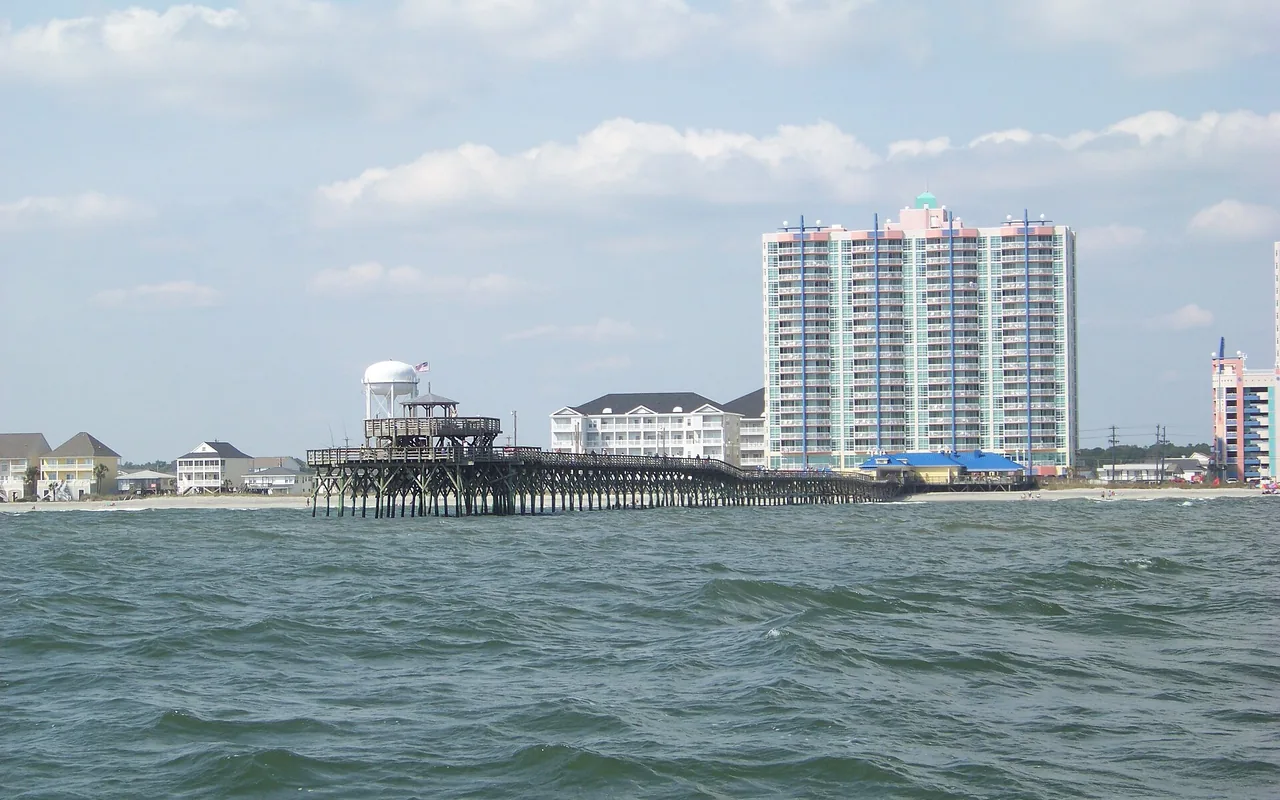
Travel writing tends to be snobby about this stretch, which misses the point. Pound for pound it’s the cheapest beach week I know of on the East Coast, the sand genuinely is good, and the sheer density of condo inventory means shoulder-season rates fall off a cliff in a way they never do around Charleston. If the requirement is somewhere the kids can walk to a pool, an arcade and the ocean without getting back in the car, nothing in the Lowcountry competes.
What you should know going in: the mile in front of the boardwalk is the loudest part of the Strand and it isn’t close, and the north end around Cherry Grove and the south end around Surfside and Garden City are a different trip altogether, on the same road, at lower prices. Book by which end you want, not by the name of the metro area. And Wilmington, North Carolina is only 74 miles north of Myrtle Beach, about an hour forty-five, which makes a two-state coastal run genuinely easy. Our North Carolina guide picks the story up from there.
Beaufort, Hunting Island and the southern Lowcountry
Beaufort is 71 miles from Charleston, about an hour and forty, and it’s the town Charleston visitors keep meaning to see. Antebellum houses under live oaks, a working waterfront, and none of the horse-carriage traffic. It’s also the gateway to the sea islands and to Gullah Geechee country, a culture and language that survived on these islands precisely because they were hard to reach. From here Savannah sits about an hour southwest if you’re stitching a Lowcountry loop - use the Savannah Historic District guide when that side of the border gets the longer stay.
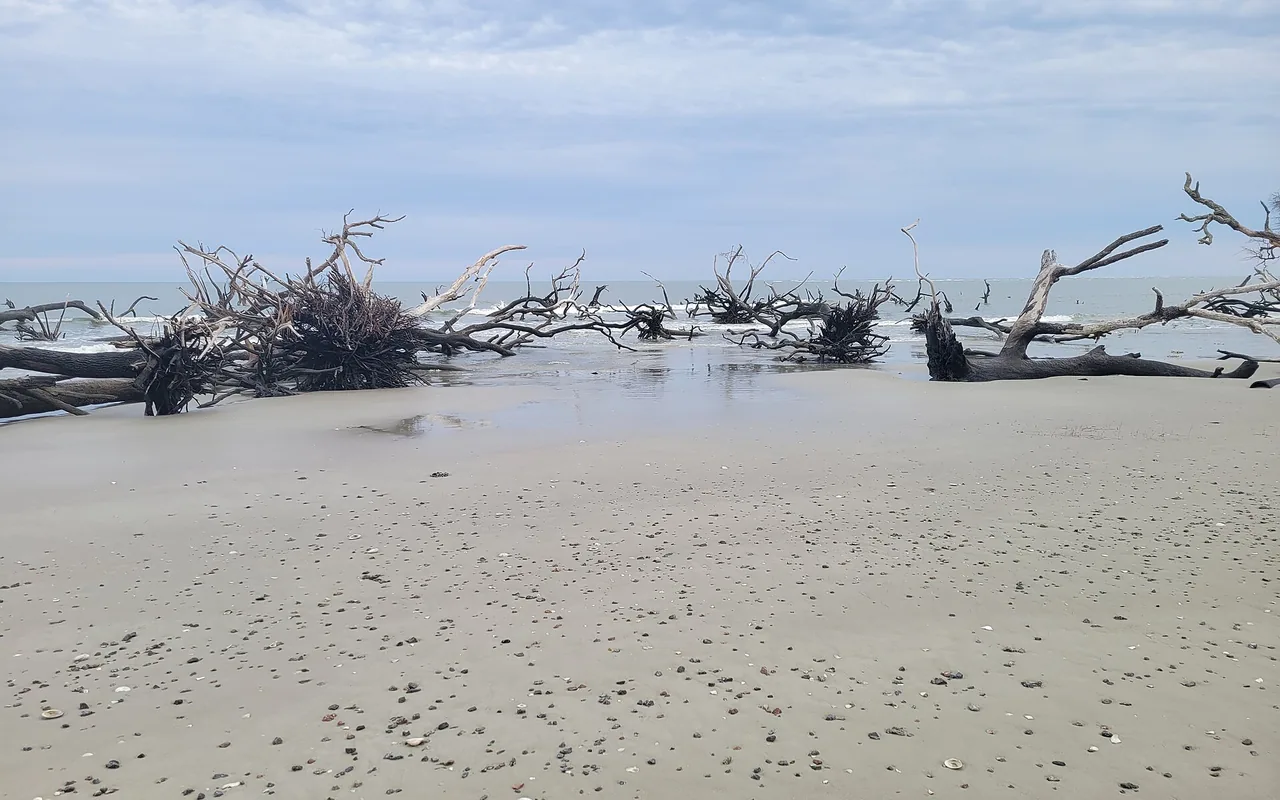
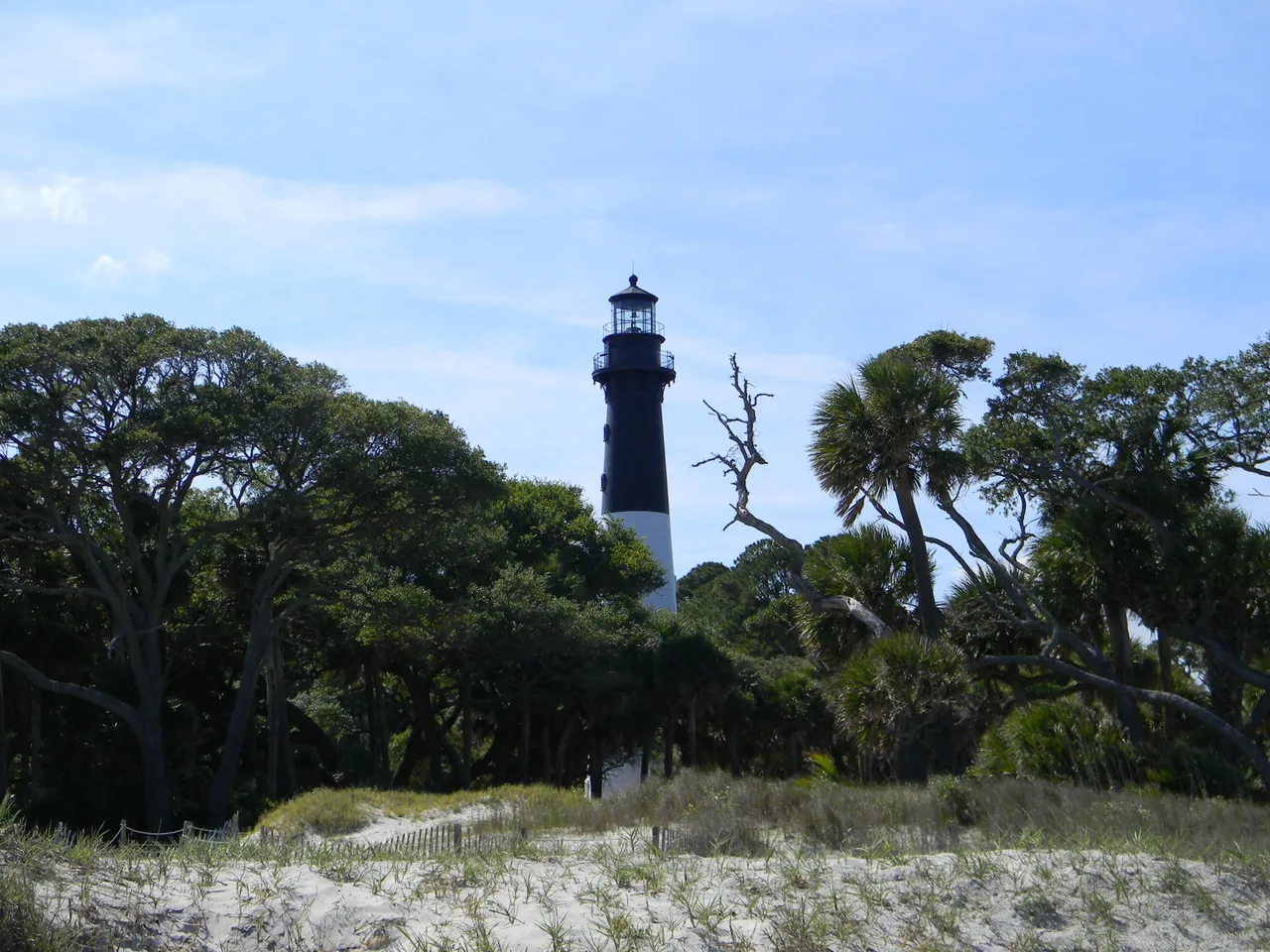
Hunting Island State Park, out on the barrier island east of Beaufort, is the one to build a day around. Admission is $8 per adult, $5 for South Carolina seniors, $4 for children 6-15 and free under 6, and the park is open 6 a.m. to 6 p.m., stretching to 9 p.m. through Daylight Saving Time. The park calls itself the most visited in the state at over a million people a year, which sounds crowded and isn’t, because the beach runs for miles and most of that million comes in July.
The lighthouse is the other reason to come: 167 steps, and the park says it’s the only publicly accessible lighthouse in South Carolina. There was no climb fee published on the park’s own page when I checked, so ask at the gate rather than budgeting for a number you read somewhere.
What Hilton Head charges you to park
Hilton Head is a planned resort island and it behaves like one: low signage, no billboards, buildings painted to disappear into the trees, and beach access that is mostly through gated communities. The public way in is the town’s beach parks, and they are not free.
Parking at the town’s beach parks costs $3 an hour Monday to Friday and $5 an hour Saturday and Sunday, in force from March 1 to September 7 at Alder Lane, Folly Field, Fish Haul, Islanders and Driessen, and from May 19 at Chaplin Park and the Castnet overflow lot. On a six-hour Saturday that’s $30 to sit on sand.
Two lots escape it entirely, and the town’s parking operator names them both: Coligny Beach Park and Mitchelville Freedom Park are free year-round. Coligny is the one everybody already knows, which is why it’s also the busiest access on the island. Mitchelville, up on the north shore, is the better answer to the question you’re actually asking: free, quieter, and standing on the site of what the park calls the nation’s first self-governed town of formerly enslaved people, so the walk in is worth something on its own. Accessible parking is free at every beach park.
The rates changed in 2025 and the town’s own site blocks automated reads, so the figures above come from the operator’s page. Confirm on hiltonheadislandsc.gov before you plan a week of beach days around them, particularly the enforcement hours.
Congaree is free, small and worth a morning
South Carolina’s only national park sits 18.5 miles southeast of downtown Columbia, about 35 minutes, and charges no entrance fee at all. NPS puts the airport half an hour out, which tells you how little of a trip this is: you can land at Columbia Metropolitan, be on the boardwalk before lunch and still make Charleston that evening. What’s inside is what the park service calls “the largest intact expanse of old growth bottomland hardwood forest remaining in the southeastern United States” - bald cypress and hardwoods on a floodplain, and trees tall enough that people who came expecting a swamp walk out talking about the canopy instead.
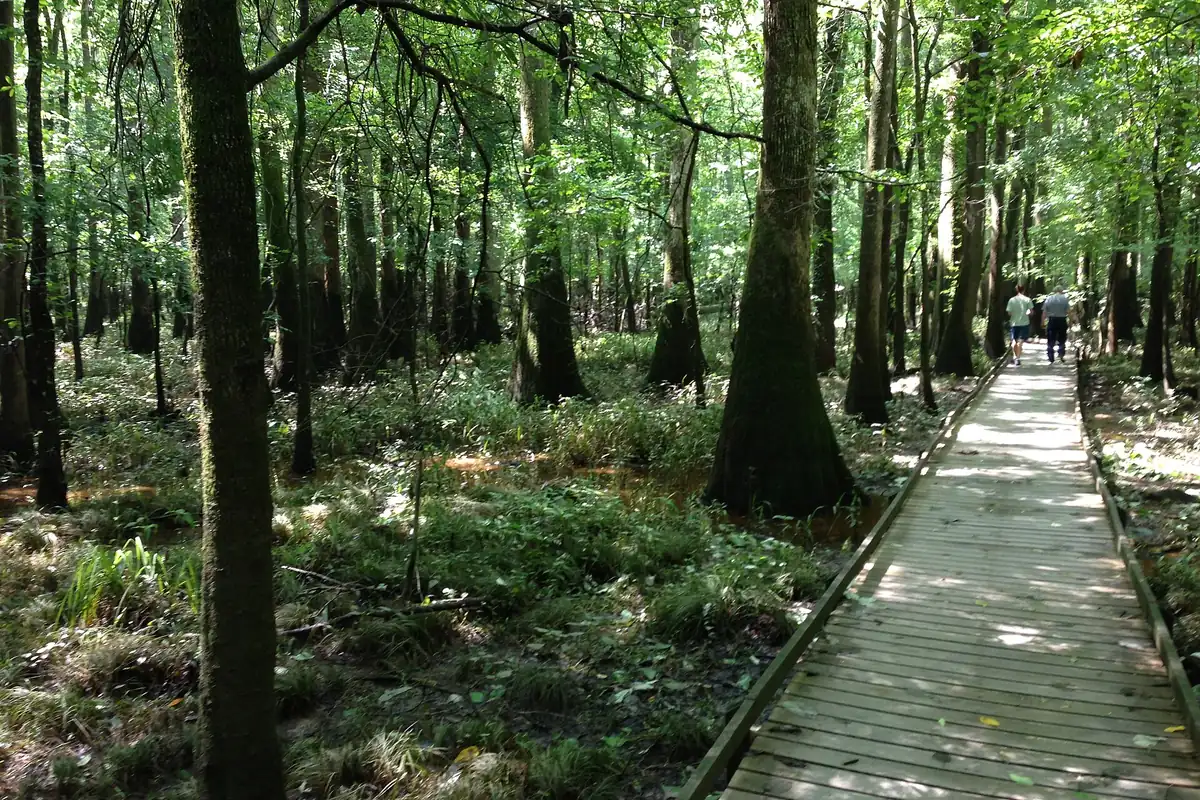
The Boardwalk Loop is 2.6 miles, level, shaded and wheelchair and stroller friendly, and it’s most of what casual visitors do. One live caveat: the boardwalk is being replaced. The park’s own update from May 23, 2026 says it’s open, with sections closing on a rolling basis and detours in place, and completion projected for summer 2026. When it’s done, about three-quarters of the trail will sit above typical flood levels, which matters here because the floodplain floods.
The other thing Congaree does, and almost nobody plans for it, is synchronous fireflies. NPS gives the window as mid-May to mid-June, with the display running roughly two weeks inside it - so it isn’t a date you can book a year out, it’s a two-week window the park announces. Access is rationed hard: in 2026 the event ran May 13-20 with 145 vehicle passes per night, distributed by lottery on Recreation.gov, at $1 to apply and $24 for a winning pass. Gates opened at 7 p.m. and closed at 8:30 p.m. so headlights wouldn’t wash out the show. The 2026 application window was April 7-14 with results on April 17. Nothing is published yet for 2027, so if this is what you want, the job is to watch the park’s firefly page from about March and keep the second half of May and the first half of June loose.
The Upstate nobody plans for
Greenville is 213 miles from Charleston, close to four hours, and it belongs to a different geography entirely: the foot of the Blue Ridge, elevation, cold rivers, and a downtown that has been quietly rebuilt around a waterfall. Four hours is far enough that this isn’t a day trip from the coast; it’s either its own long weekend, flown into directly, or a stop on the way to the mountains in North Carolina and Georgia.
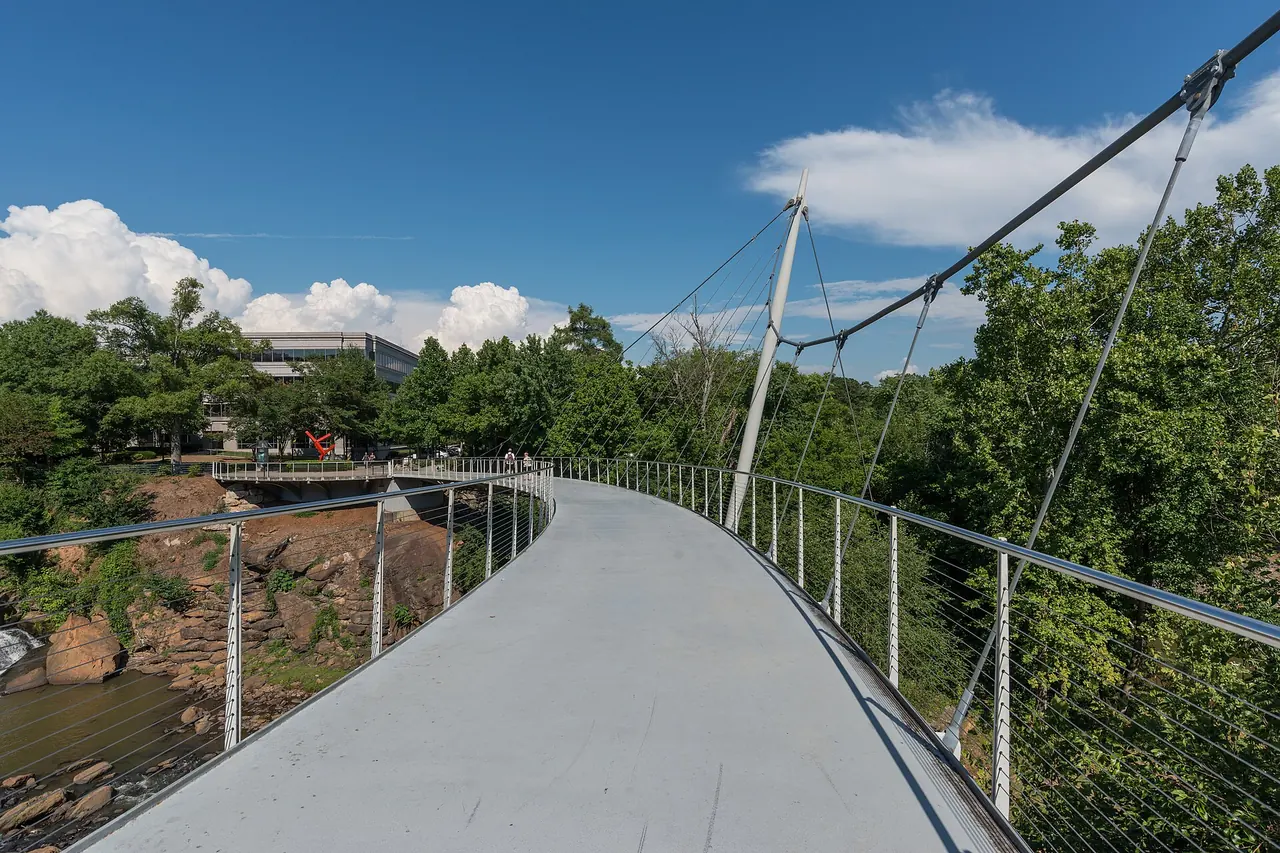
Falls Park on the Reedy puts a genuine waterfall in the middle of the business district, crossed by the 345-foot Liberty Bridge, which hangs from cables on one side only so the view stays unobstructed. From there the Swamp Rabbit Trail heads out along the Reedy on an old rail corridor. Read the marketing carefully: the county calls it a 32-mile network, not a single 32-mile route, and the newer lines out to Simpsonville, Fountain Inn and Mauldin are separate pieces you’d have to drive between. The part that works as a ride is the stretch between Greenville and Travelers Rest, and renting a bike for a morning on it is the single best cheap thing to do in the Upstate.
Beyond the city, Table Rock State Park costs $6 per adult, $3.75 for SC seniors and $3.50 for children 6-15. State park pricing varies park by park here, which is why Hunting Island is $8 and Table Rock is $6 for what is nominally the same system.
Two dates that should drive the booking
If the fireflies matter to you, the calendar starts in March, when you should be watching the park’s page for the lottery window, and the trip gets built around whichever two weeks between mid-May and mid-June the park lands on. That’s also close to the sweet spot for the coast: water warm enough, humidity not yet unbearable, and rates below the June-to-August peak.
If they don’t, book September or early October. The Hilton Head parking season ends September 7, the Grand Strand empties after Labor Day, the ocean stays warm into October and the accommodation rates drop hard. The trade-off is honest: hurricane season runs June 1 to November 30, and September is its busiest month, so buy the flexible rate rather than the cheapest one.
The thing to skip is trying to see all three coasts. Pick the bracket that matches your budget and your tolerance for other people, give it four days, and put the rest of the week inland - Congaree in the morning, the Upstate for the back half, and Beaufort on the way through if the route allows. If the trip is really a Carolinas trip rather than a South Carolina one, the North Carolina guide picks up 74 miles north of Myrtle Beach and runs to the mountains from there.
On the map
The map loads on click - to keep the page lightweight.
The map didn’t load. Check your connection and refresh the page.
Admission and opening hours
- Admission price
- Congaree National Park charges no entrance fee. Hunting Island State Park costs $8 per adult, $5 for South Carolina seniors and $4 for children aged 6-15, free under 6. Table Rock State Park is $6 per adult, $3.75 for SC seniors and $3.50 for children 6-15. Public beach parking on Hilton Head runs $3 an hour on weekdays and $5 an hour on weekends, and is free year-round at Coligny Beach Park and Mitchelville Freedom Park. The Congaree firefly event charged $1 to enter the lottery and $24 for a winning vehicle pass in 2026.
- Opening hours
- Hunting Island State Park opens 6 a.m. to 6 p.m. daily, extended to 9 p.m. during Daylight Saving Time. Hilton Head beach parking fees run from March 1 to September 7 at the main beach parks and from May 19 at Chaplin Park and the Castnet overflow lot. Congaree firefly gates opened at 7:00 p.m. and closed at 8:30 p.m. during the 2026 event.
The Congaree boardwalk is being replaced, with rolling closures and detours and completion projected for summer 2026. Hilton Head beach parking rates changed in 2025. Check nps.gov/cong alerts and hiltonheadislandsc.gov before you go.
Details checked: August 3, 2026
Read also

States · 11 min read
Connecticut: Mystic, New Haven and the Shoreline
Verified · September 12, 2026Mystic Seaport at $35 adult, free Yale galleries in New Haven, and Gillette Castle on the river - how a Connecticut weekend actually fits.

States · 9 min read
North Dakota: Medora and Theodore Roosevelt NP
Verified · September 5, 2026The 36-mile South Unit loop starts in Medora, entrance $30 per vehicle, cashless from May 2026 - how to plan Theodore Roosevelt National Park.

States · 9 min read
Arkansas Travel Guide: Hot Springs & Ozarks
Verified · September 4, 2026Fee-free Hot Springs NP downtown, free Crystal Bridges in Bentonville, and the 135-mile Buffalo - how to string an Arkansas road trip.

States · 10 min read
Indiana Travel Guide: Indy, Speedway, Shore
Verified · September 5, 2026IMS Museum at $25, Kiss the Bricks at $15, Brown County hills and Lake Michigan shore - an Indiana trip beyond a Chicago beach day.