
Things to Do in Charleston
Rainbow Row and the historic peninsula, plantations and how to visit them honestly, Fort Sumter, Lowcountry food and the beaches around Charleston.
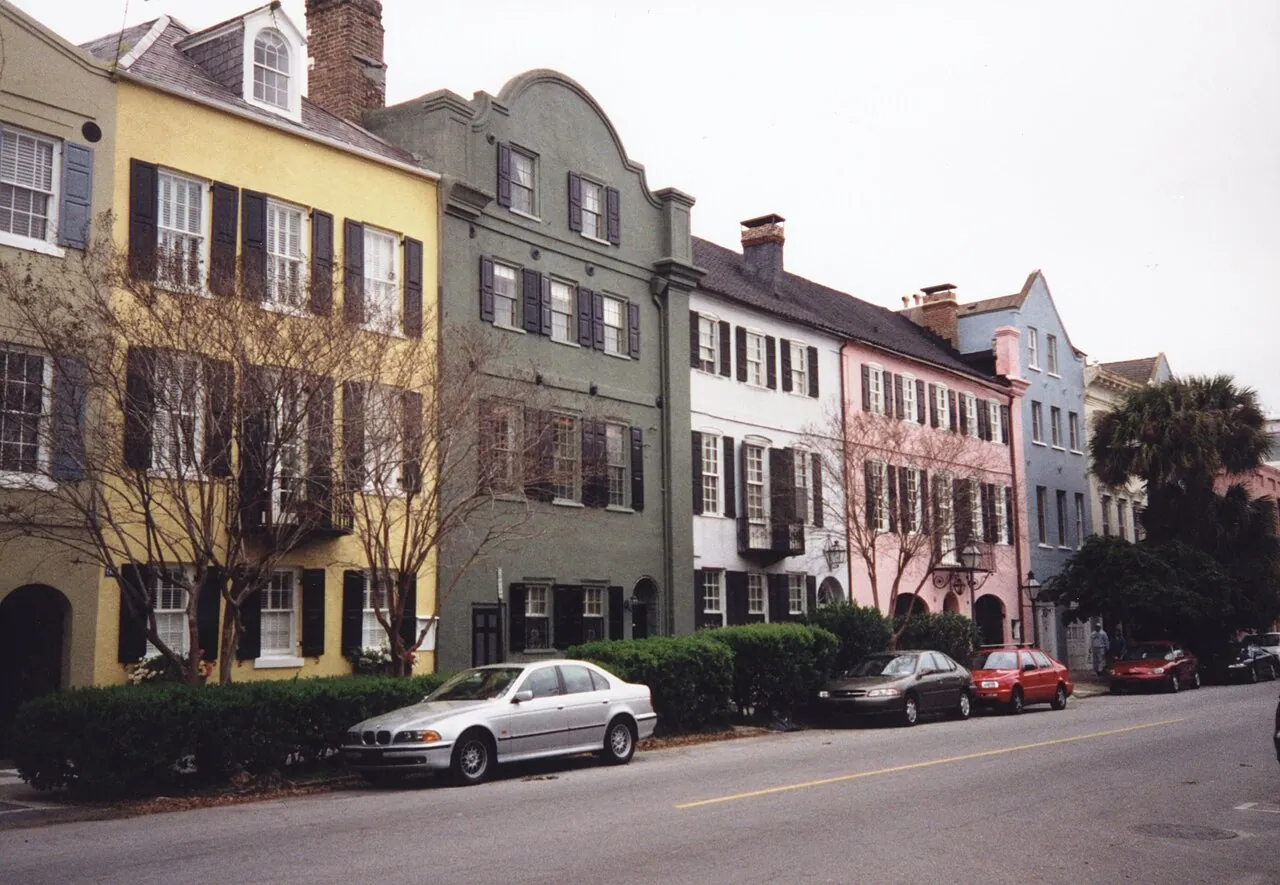
Charleston works as a three-day city, and it rewards a plan that mixes the pretty part with the honest part. Two days cover the peninsula on foot - the historic houses, the Battery, the market, the food - and one covers a plantation site and Fort Sumter out in the harbor. The city is flat, compact and walkable below Calhoun Street, so the rental can sit in a garage for most of it.
The thing to understand before you arrive is that these two halves are the same story. The wealth that built the pastel houses on East Bay Street came from rice and cotton grown by enslaved people, and Charleston Harbor was the largest slave-trading port in North America. The best history sites here now say that plainly, and the trip is better for it - you get a city that makes sense rather than a set of postcards.
The peninsula on foot
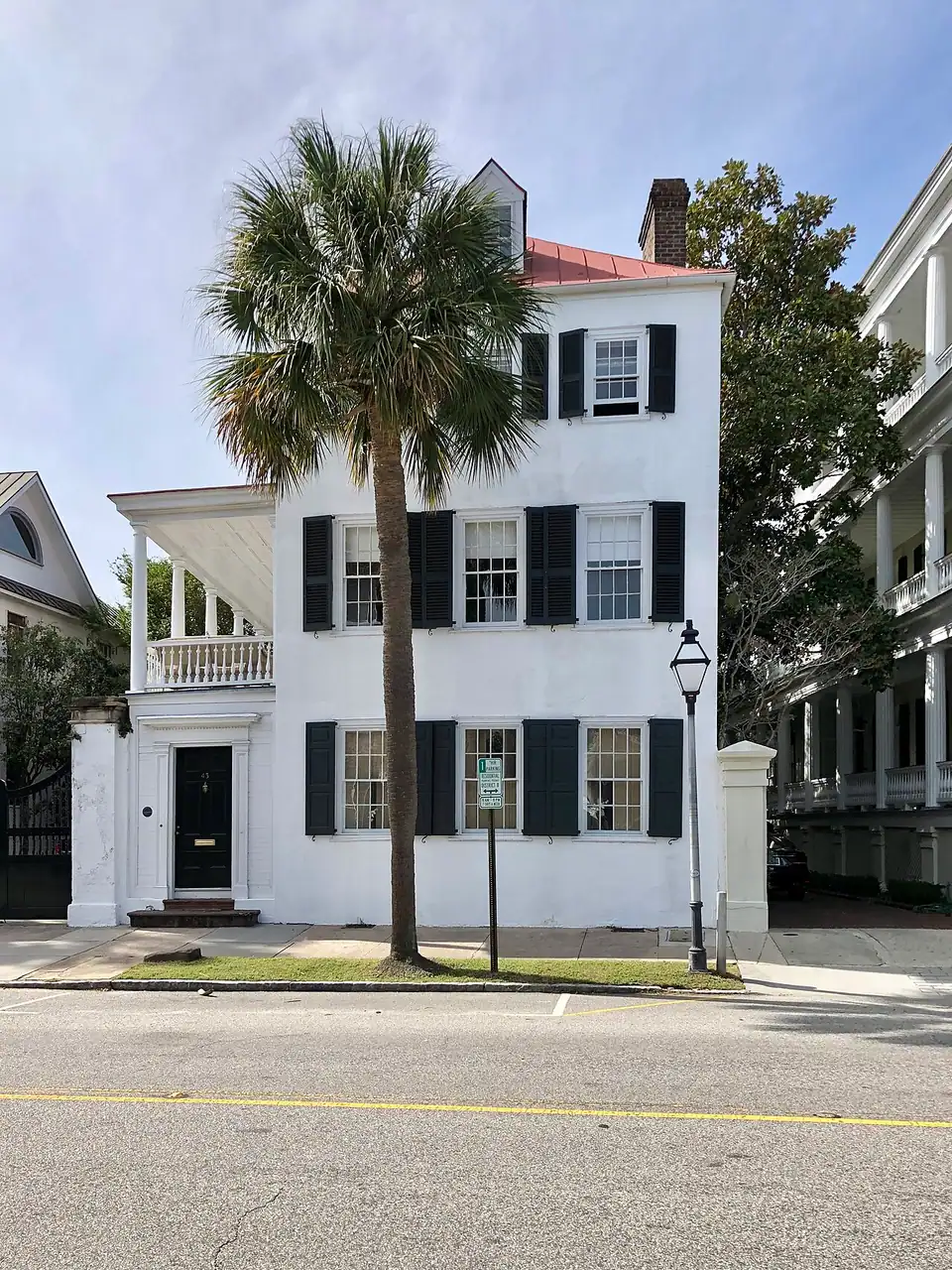
Rainbow Row is the block of thirteen Georgian houses on East Bay Street that ends up on every Charleston cover, including this one. Worth knowing while you stand there: the paint is much younger than the buildings. The pastels came out of a 1930s restoration campaign, when new owners started color-washing what had been run-down commercial buildings, and the fashion spread down the row.
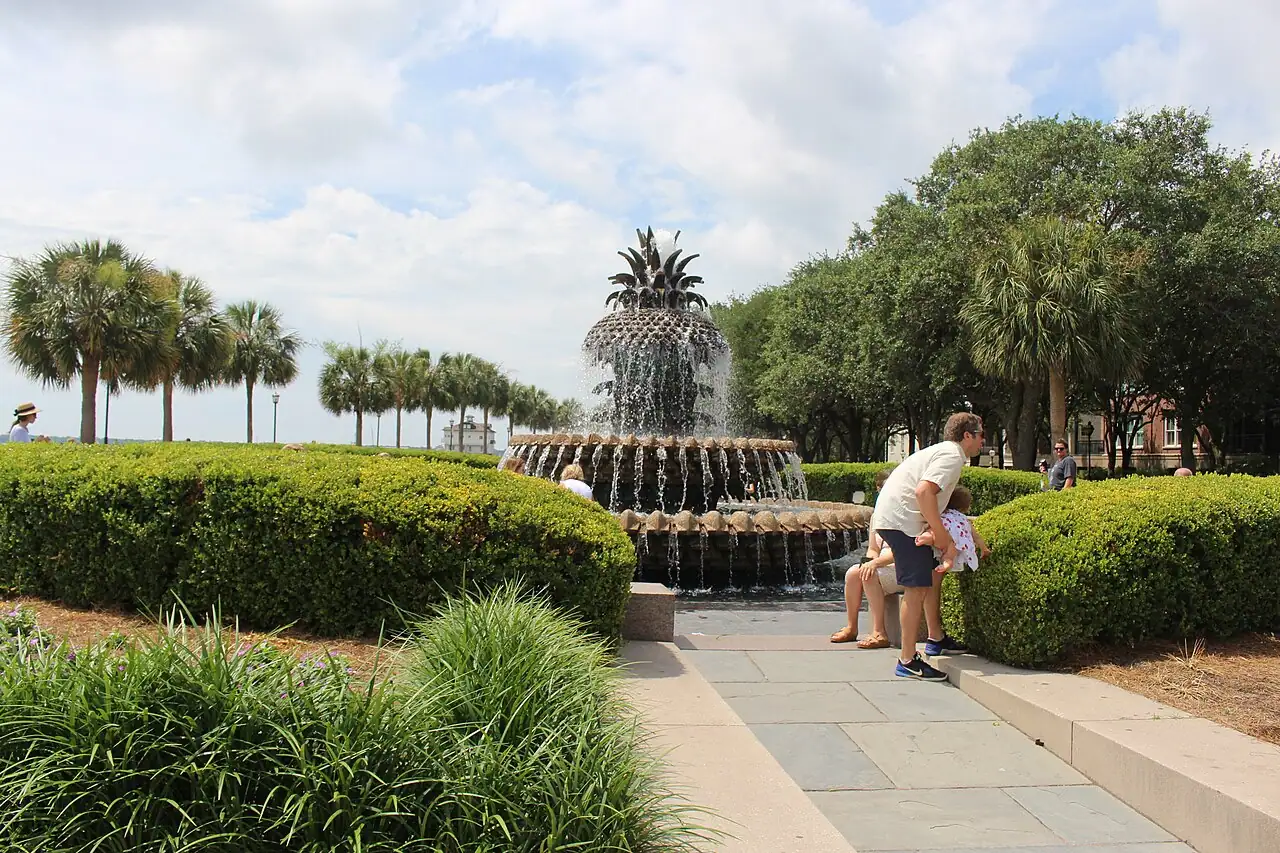
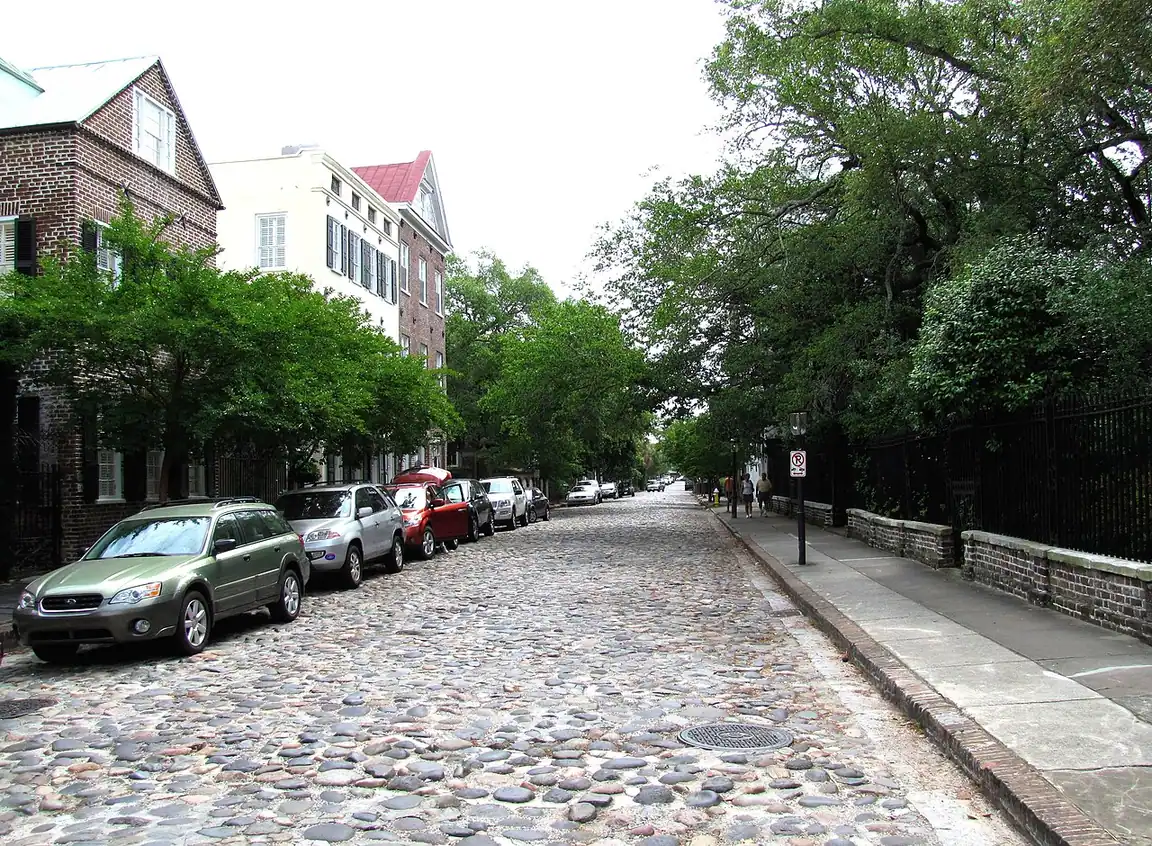
From there it’s a short walk south to the Battery and White Point Garden, where the peninsula ends in a seawall promenade and the antebellum mansions face the harbor. Turn back north and you’ll hit Waterfront Park with its pineapple fountain, then the cobblestones of Chalmers Street - one of the few original cobbled lanes left, paved with ballast stones from ships.
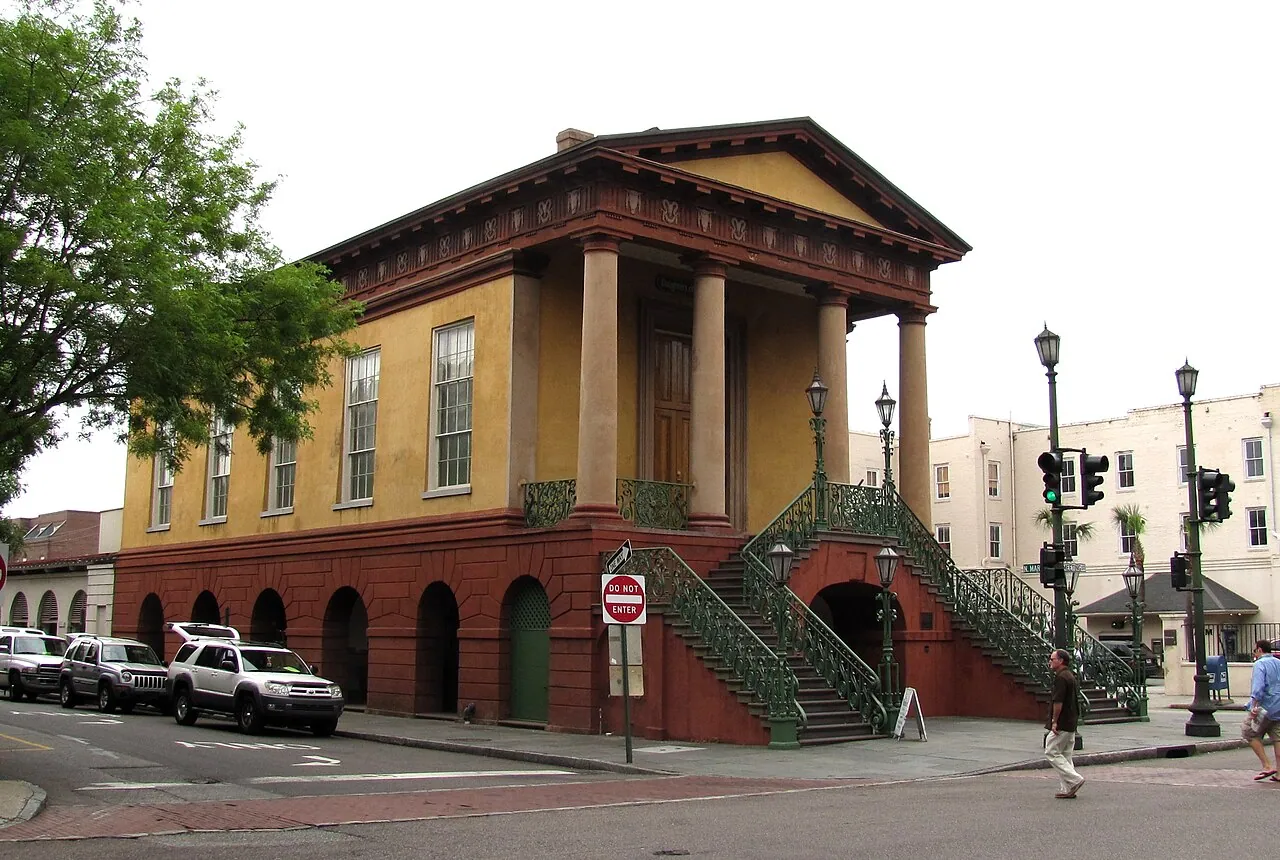
The City Market runs four blocks from Market Hall down toward the water, and it’s where you’ll find Gullah sweetgrass basket weavers working in the open sheds, a craft carried here from West Africa and passed down for three centuries. One correction worth carrying: this was a provisions market for meat and produce, not a slave market, whatever you may hear on the street. Charleston’s slave sales moved into private marts on Chalmers and State streets after an 1856 city ordinance banned public auctions.
The two museums that make the rest of the city legible
The International African American Museum opened in June 2023 on Gadsden’s Wharf, and its location is the exhibit. This is where slave ships landed; historians estimate that something close to 40% of all enslaved Africans brought to North America came through Charleston Harbor. The building stands on pillars so it doesn’t touch the ground beneath it, and the African Ancestors Memorial Garden underneath is a quiet, extraordinary piece of design. Adult day passes are $22.50, or $15.50 if you live in South Carolina, with timed entry - book online. It’s closed Mondays, opens at 10 a.m. Tuesday to Saturday and noon on Sunday, with last entry at 4 p.m.
The Old Slave Mart Museum at 6 Chalmers Street is the other one, and it’s small, city-owned and grim in the right way. The building is possibly the only surviving structure in South Carolina used as a slave auction site, and the museum covers Charleston’s role in the domestic inter-state trade between 1856 and 1863. Admission is $8, it’s open Monday to Saturday, and an hour is enough. Do this one before the plantations, not after.
Plantations: which one, and what you’re actually visiting
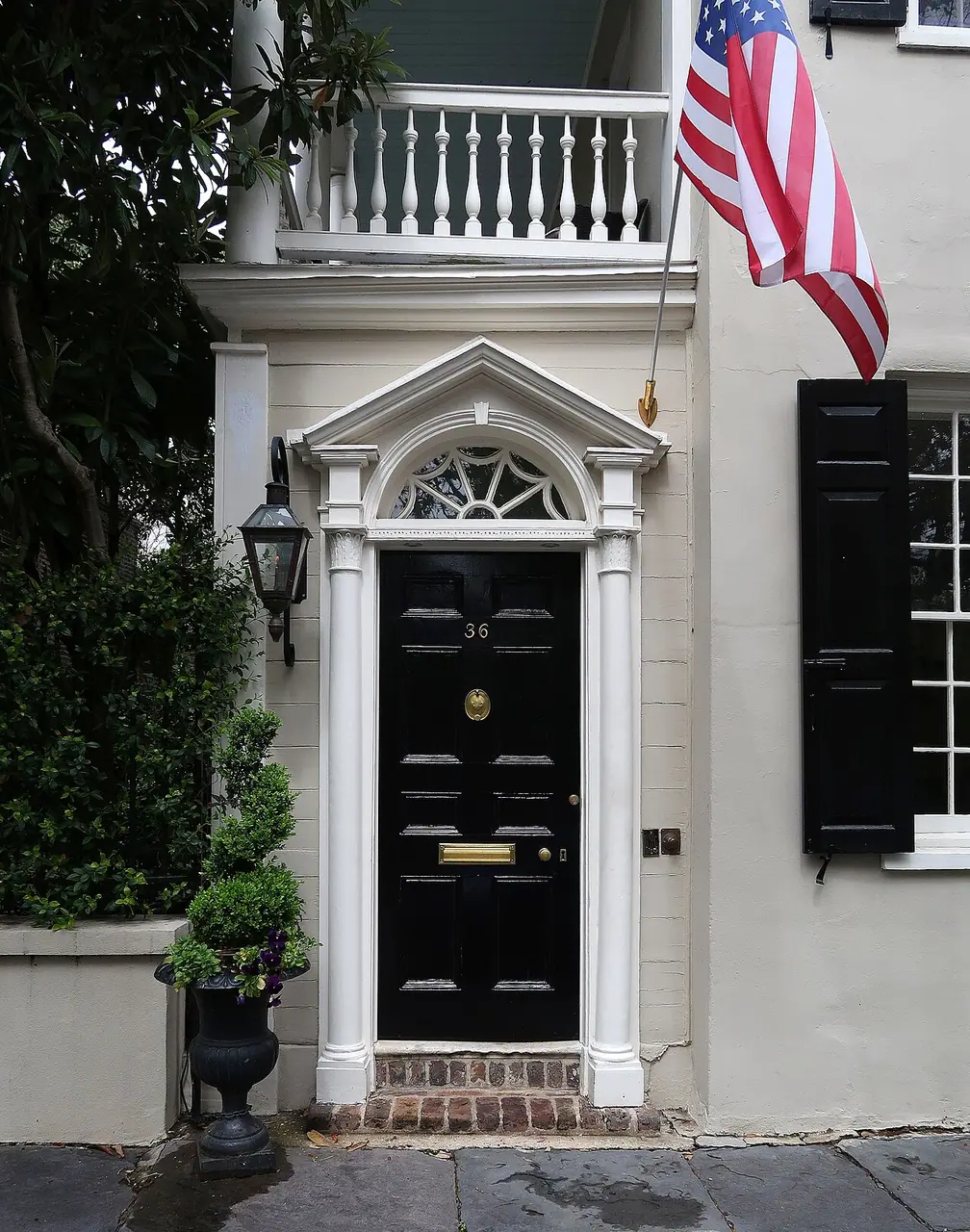
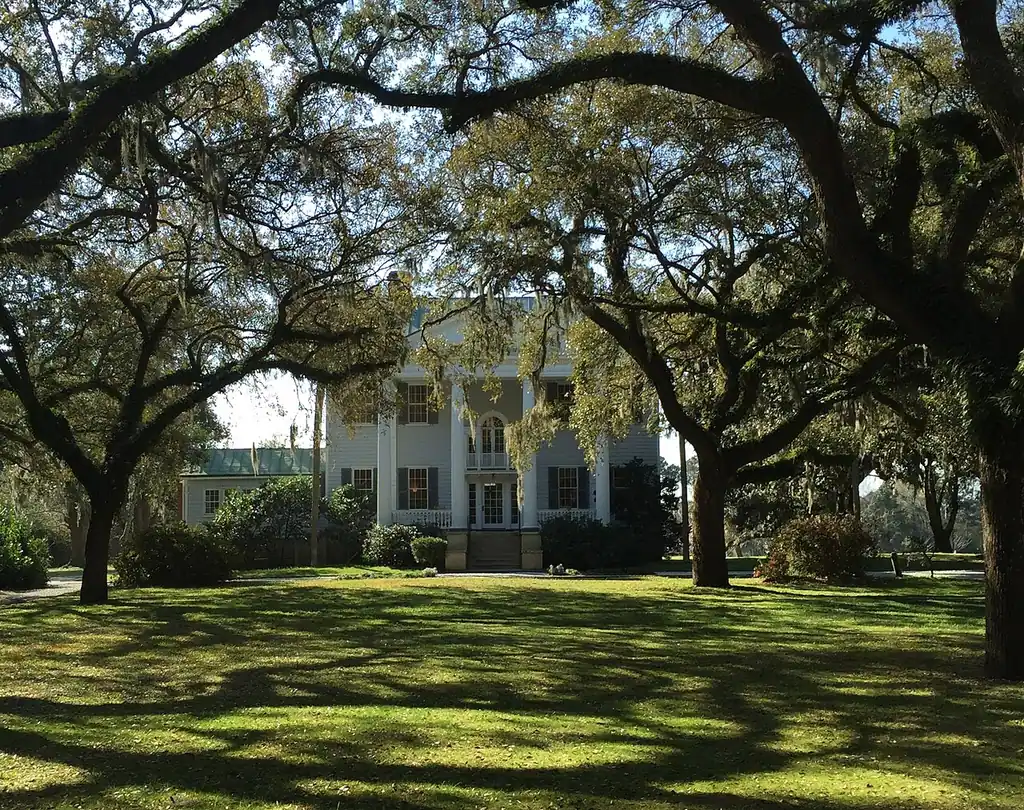
Charleston’s plantation sites are the most loaded decision on this trip, and they’re not interchangeable. Some are gardens and wedding venues where slavery is a footnote. Others have spent the last decade rebuilding their entire interpretation around the people who were enslaved on the property. Choose deliberately, and if a tour description talks only about architecture and azaleas, that tells you what you’ll get.
McLeod Plantation Historic Site on James Island is the one to pick if you’re only doing one. Charleston County Parks runs it as a Gullah/Geechee heritage site across 37 acres, and the guided tour is built around the lives of the enslaved people who worked there and their descendants, tracing the story from 1851 all the way to 1990 - because families lived in the cabins here well into the twentieth century. It’s open Tuesday to Sunday, 9 a.m. to 4 p.m., with guided tours running through the day. The main house is on the tour, but it isn’t the point of it.
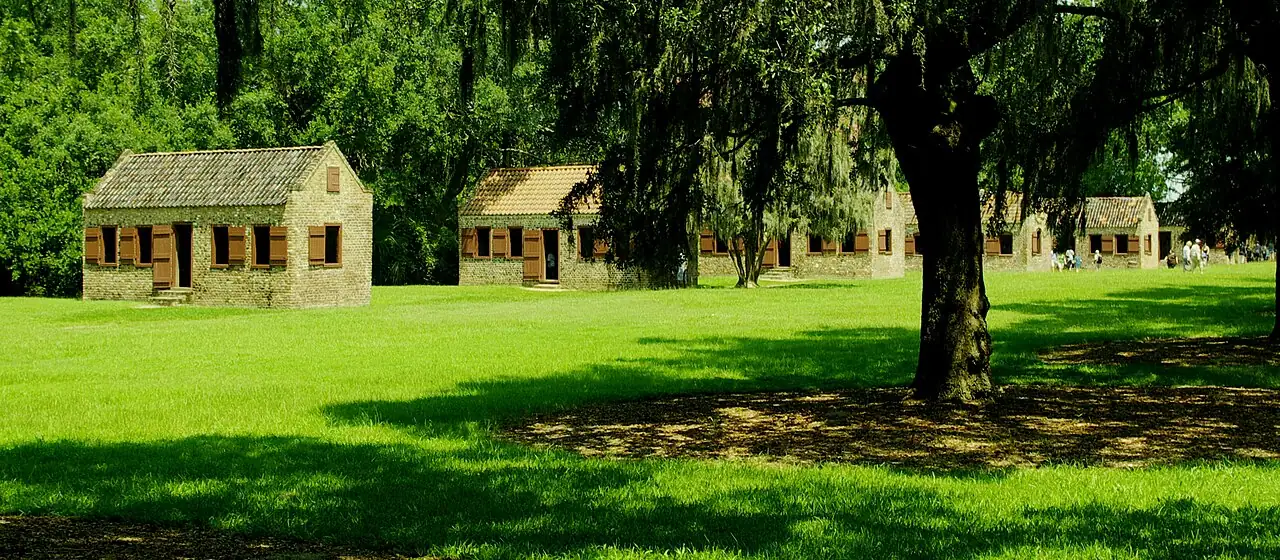
Boone Hall in Mount Pleasant keeps a row of original brick slave cabins that now hold its Black History in America exhibits, and they’re the substantial part of a visit there. Magnolia Plantation runs a separate From Slavery to Freedom tour covering the rice-plantation labor system and the preserved cabins on its grounds; note that its guided tours other than the nature train are sold on site the same day rather than booked ahead, so get there early if you want a place. Middleton Place has the formal gardens and a stableyard where the crafts of enslaved workers are demonstrated.
A practical note that matters more than it sounds: these are hot, exposed sites for much of the year, tours run 45 minutes to an hour on foot, and the guides are doing serious historical work. Bring water, and don’t book a plantation and a harbor trip on the same afternoon.
Fort Sumter and the harbor
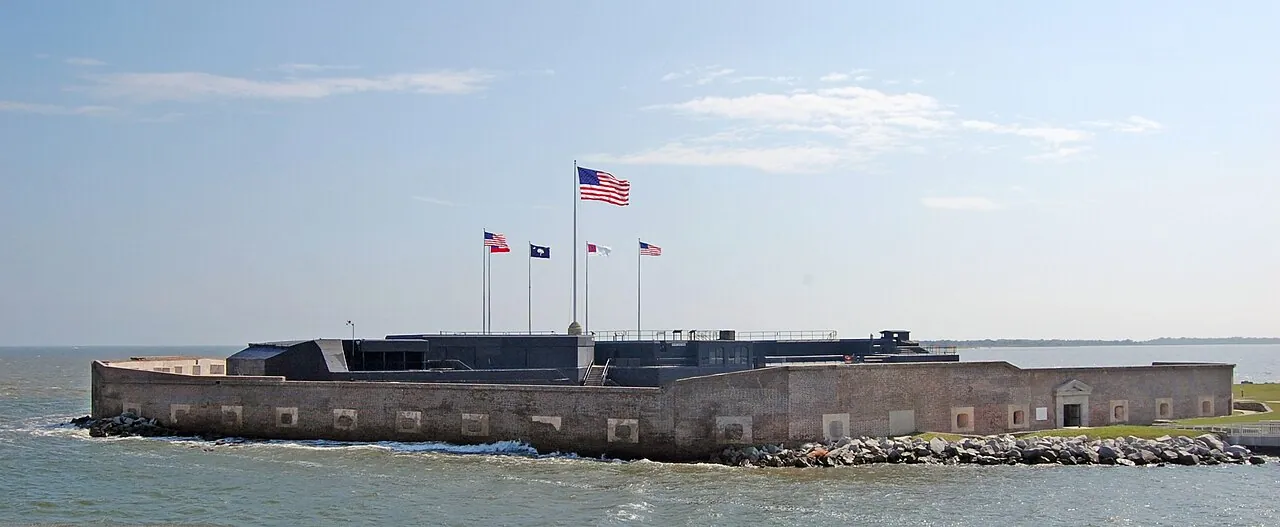
Fort Sumter, where the Civil War started in April 1861, sits on a shoal in the middle of the harbor, and there’s no National Park Service entrance fee. What you pay for is the boat: Fort Sumter Tours is the only ferry operator authorized by the NPS, and your America the Beautiful pass won’t cover it. Budget the better part of half a day for the round trip, and take the outbound deck seat - the approach across the harbor is the best view of the peninsula skyline you’ll get.
Eating: the reason a lot of people come back
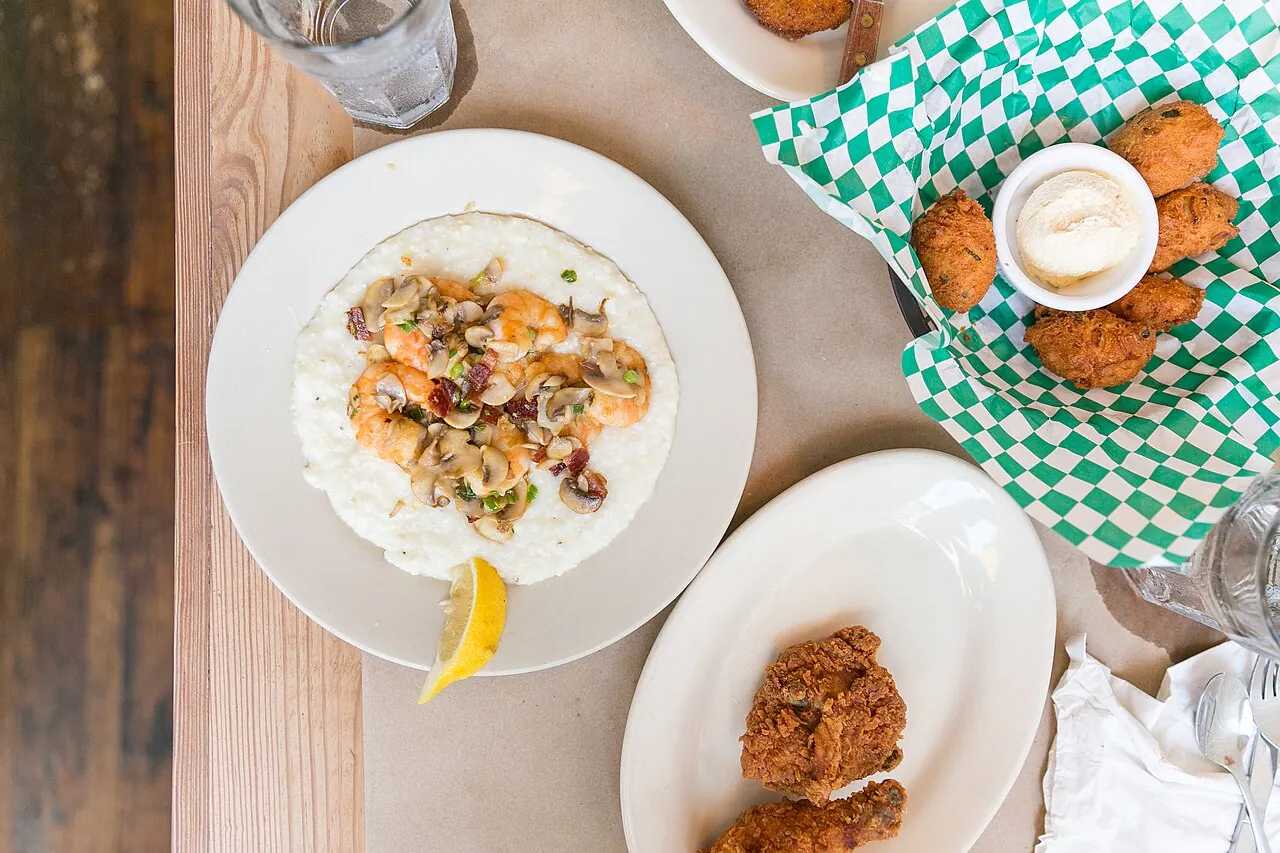
Charleston punches far above a city of its size. Food & Wine put it fifth in the country for local restaurants and seventh for its dining scene overall in 2026, and the food that earns those rankings is Lowcountry cooking with Gullah roots: shrimp and grits, she-crab soup, okra soup, red rice, benne wafers, oysters in the cold months. Bertha’s Kitchen, a soul-food institution in North Charleston, has held a James Beard America’s Classic designation since 2017 and is worth the drive out.
Book the well-known dining rooms four to six weeks ahead for a weekend, or eat at the bar, which most of them keep for walk-ins. And go looking for the places without a King Street address: some of the best Gullah cooking in the region is in North Charleston and on the sea islands, in rooms that seat thirty.
Beaches, islands and the oak
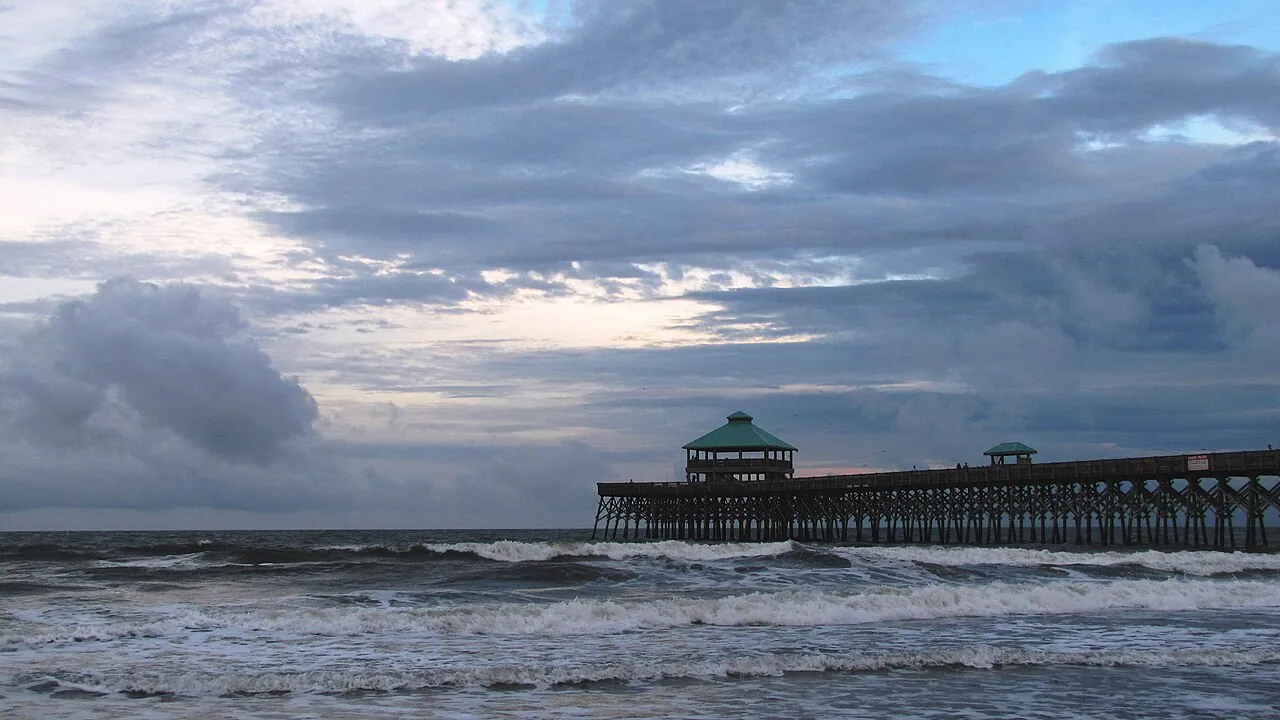
Three beaches are within 30 to 40 minutes. Folly Beach is the scruffy, surfy one with a public pier and a main street of bars. Sullivan’s Island is quieter and more residential, with Fort Moultrie at the end and a harder history underneath: the island was the quarantine station where captive Africans were held before being sold in the city. Isle of Palms is the family option with the widest sand.
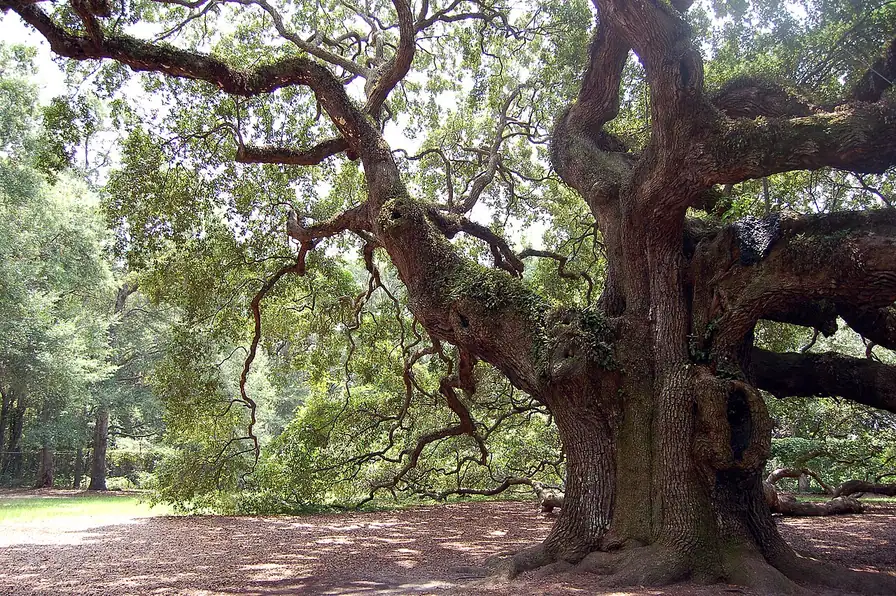
On Johns Island, the Angel Oak is a southern live oak of several hundred years, with limbs so long they rest on the ground and have to be propped. The park around it’s free and takes twenty minutes; pair it with McLeod on the same run out of town.
When to go, and where to sleep
March into early May is the classic window - azaleas, low humidity, and the garden sites at their best - which is also when hotel rates peak and the historic district fills. October and November are the quieter equal: warm water, oyster season starting, and no crowds. July and August are genuinely hot and humid, and they sit inside Atlantic hurricane season, which runs June through November, so watch the forecast if you book late summer. Winter is mild, cheap and pleasant for a walking trip.
Staying south of Calhoun Street on the peninsula puts everything in this guide except the plantations and the beaches within walking distance, and you pay for that. Mount Pleasant, across the Ravenel Bridge, costs noticeably less and is closer to Boone Hall and Sullivan’s Island; compare rates on both sides of the harbor before you assume downtown is worth the premium.
Read also
- Colonial history and a serious food city up the coast: Pennsylvania travel guide
- More of the state beyond the peninsula, Congaree, the Upstate and the fireflies: South Carolina travel guide
- Another Southern city where the music is the industry: things to do in Nashville
- Mountains four to five hours northwest: Great Smoky Mountains
- Browse more US cities and US states
On the map
The map loads on click - to keep the page lightweight.
The map didn’t load. Check your connection and refresh the page.
Good to know
Museum and tour prices here are operator rates checked in July 2026. Plantation tour schedules change seasonally and several are sold on site only, so confirm before you drive out.
Details checked: July 24, 2026
Read also

Cities · 13 min read
Salt Lake City: Ski Base, Temple Square and the Salt Flats
Verified · August 29, 2026Four ski resorts inside 36 miles of the airport, a temple you cannot enter until 2027, and a salt flat that closes for racing. What to plan around.

Cities · 9 min read
Atlanta: Civil Rights Trail, Aquarium and Southern Food
Verified · August 28, 2026Free MLK park on Auburn Avenue, Civil Rights Center from $26, Georgia Aquarium tickets from $54.99, BeltLine walks and where Southern food still holds up.

Cities · 9 min read
Minneapolis Guide: River, Lakes & the Blue Line
Verified · August 26, 2026A $2 train from MSP, Stone Arch and Minnehaha Falls, Walker on free Thursday nights, and when Mall of America is worth the ride south.

Cities · 12 min read
Savannah Travel Guide: Squares and the Historic District
Verified · August 22, 2026Walk the 22 squares, tour Owens-Thomas honestly, ride the free river ferry, then Bonaventure and Tybee - checked August 2026.