
Things to Do in Nashville
Free live music on Broadway, the Opry versus the Ryman, the Country Music Hall of Fame, RCA Studio B and hot chicken: how to plan a Nashville trip.
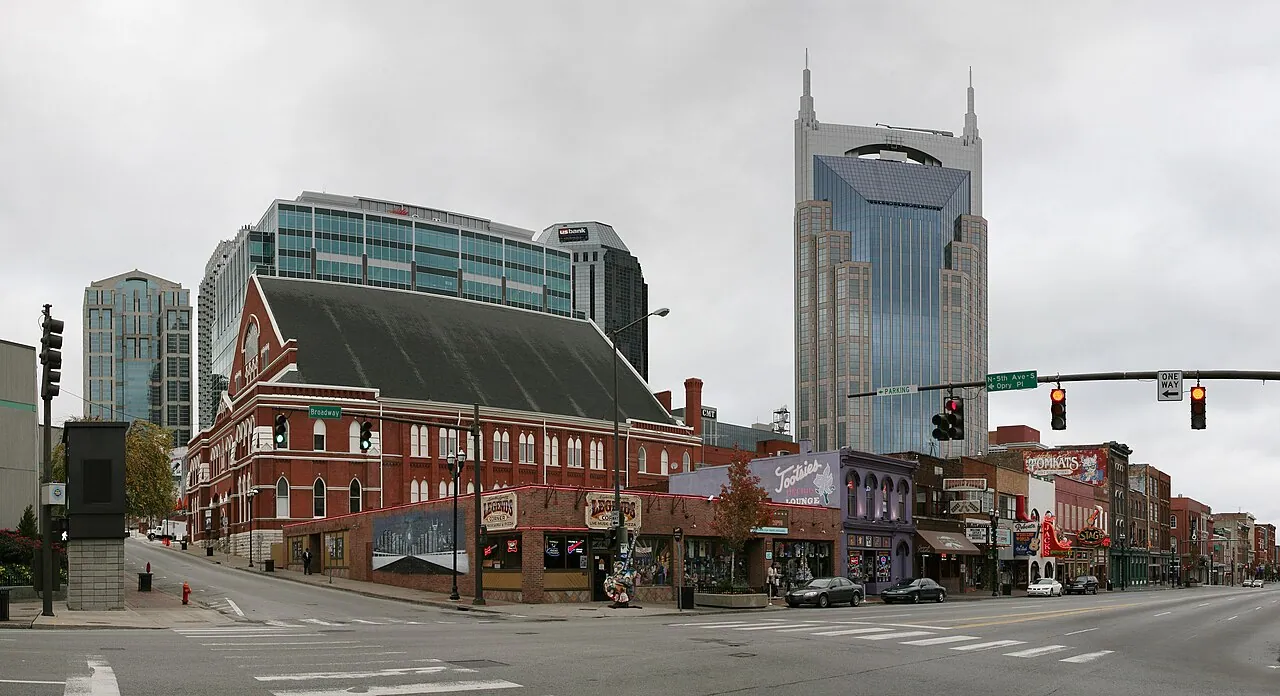
Nashville gives away the thing it’s best at. Live music runs on Lower Broadway from 10 in the morning until 3 a.m., every day of the year, and none of it charges a cover - you walk in, listen, and put money in the tip jar. That single fact reorganizes a trip here: the free part is the nightlife, the paid part is the history, and three days is enough to do both properly.
The layout helps. Broadway, the Ryman, the Country Music Hall of Fame and the Cumberland River waterfront are all within about ten walkable blocks downtown. The Grand Ole Opry House is the exception at nine miles northeast, out by the Opry Mills mall, and it’s the one thing you’ll need a car or a ride for.
Honky Tonk Highway: how the free music actually works
Lower Broadway is a wall of neon and open doors, most of them three or four floors with a different band on each. Nobody takes money at the entrance. What you’re expected to do instead is buy a drink and tip the band, because that tip jar is the band’s pay - a working Nashville musician on Broadway is playing a four-hour set for tips and a bar tab.
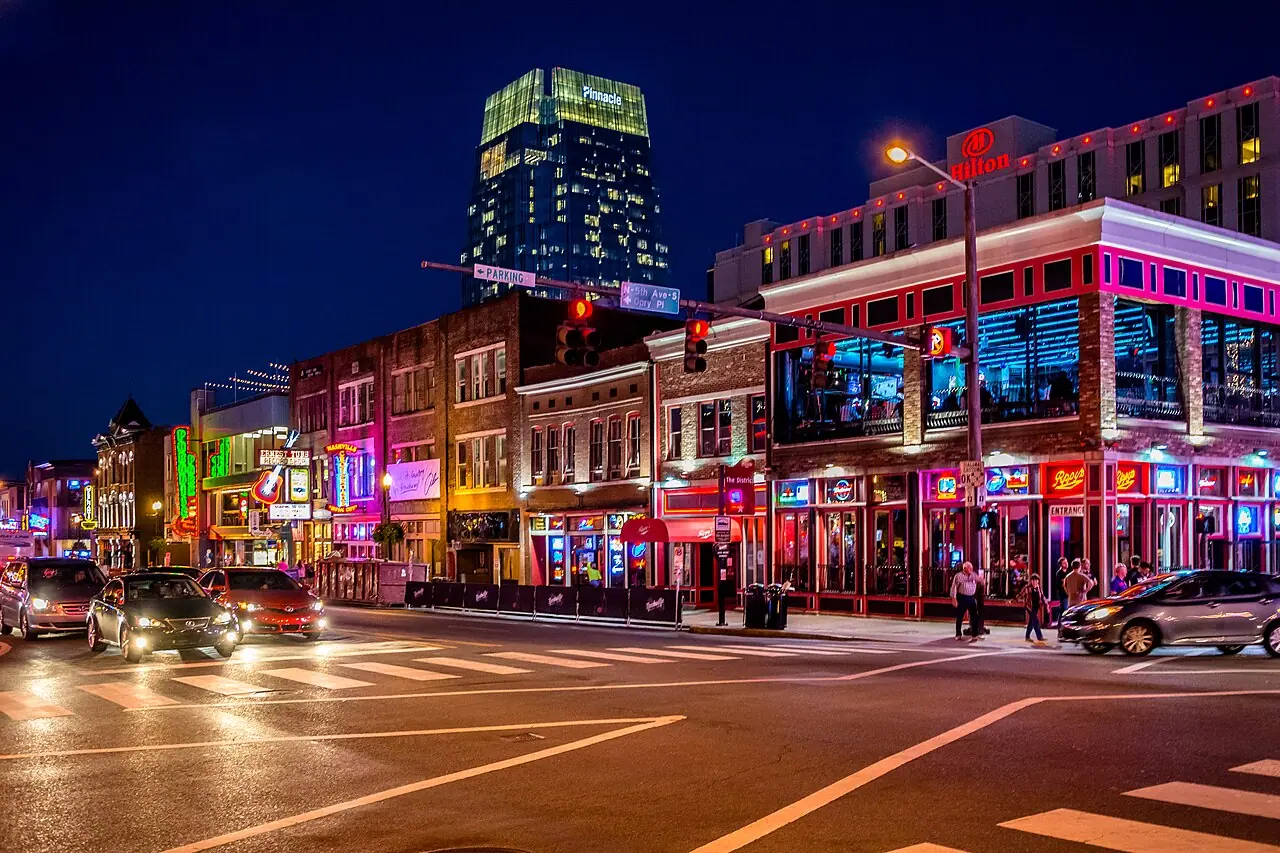
Two habits make the strip much better. First, go in the afternoon at least once: the 11 a.m. to 4 p.m. shifts are where the serious players work, the rooms are half empty, and you can actually hear the guitar instead of a bachelorette party. Second, walk past the first bar with a line outside. The bands rotate through the same venues, and the room three doors down usually has the same caliber of player and a seat at the bar.
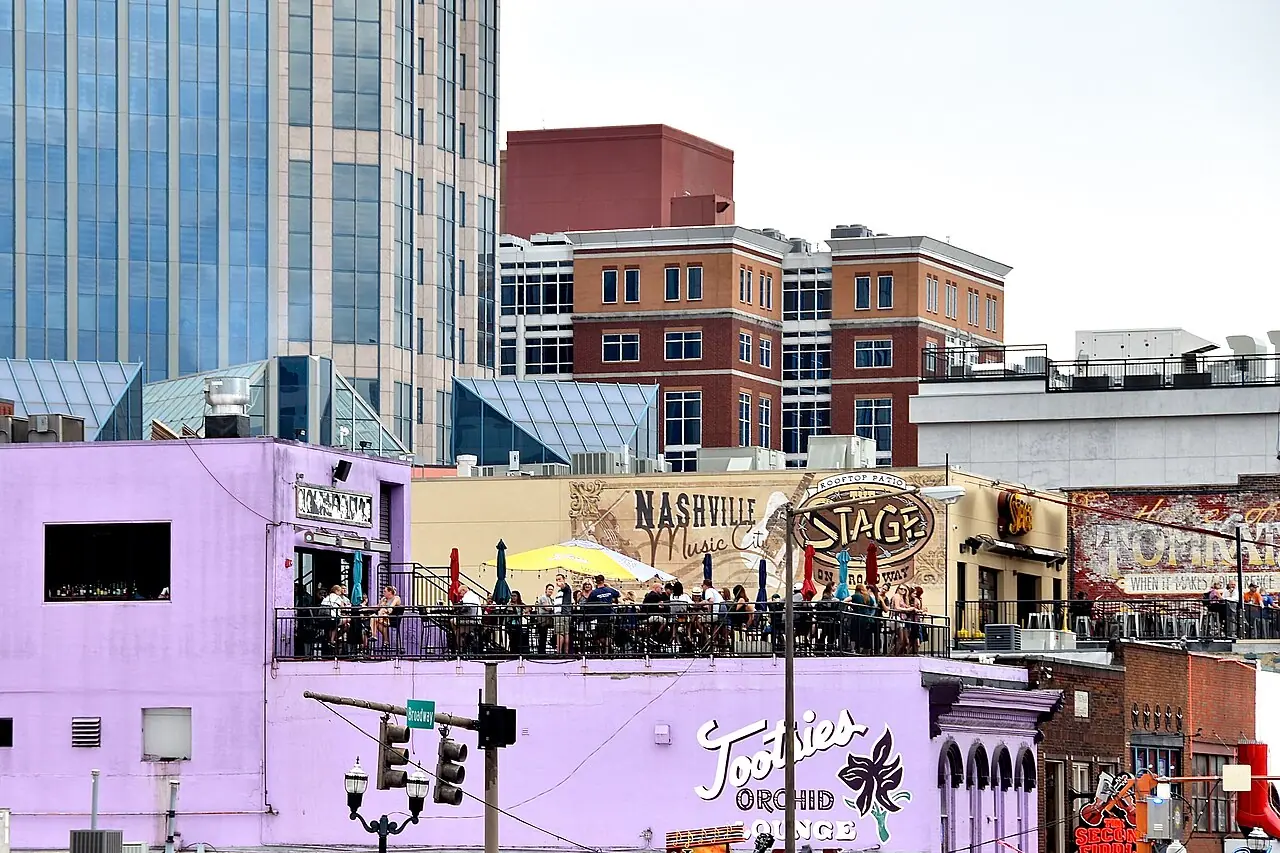
The strip has changed in the last decade, and it’s worth knowing before you arrive: several venues are now celebrity-branded multi-floor bars, weekends are dominated by party groups, and the pedal taverns rolling down the middle of the street are exactly as loud as they look. None of that has killed the music. It has moved the best of it earlier in the day and into the rooms without a famous name over the door.
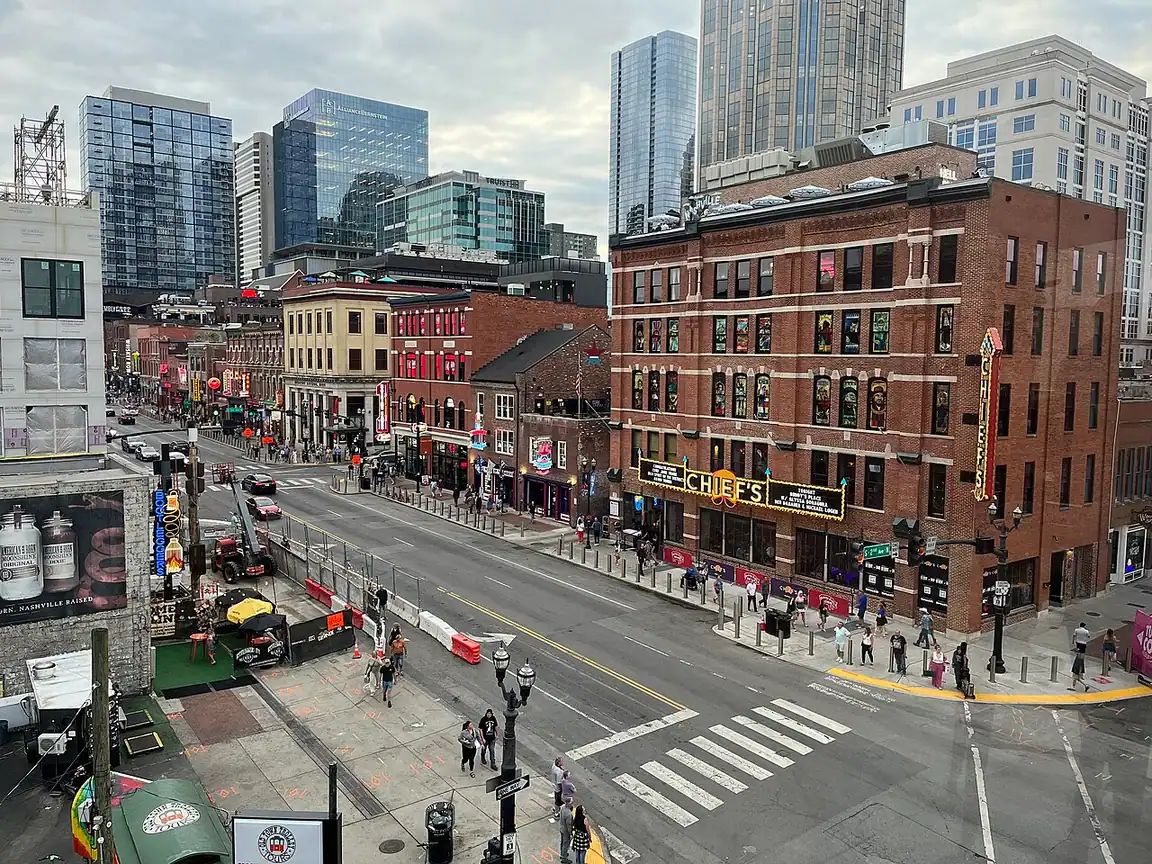
Grand Ole Opry or the Ryman? It depends on the month
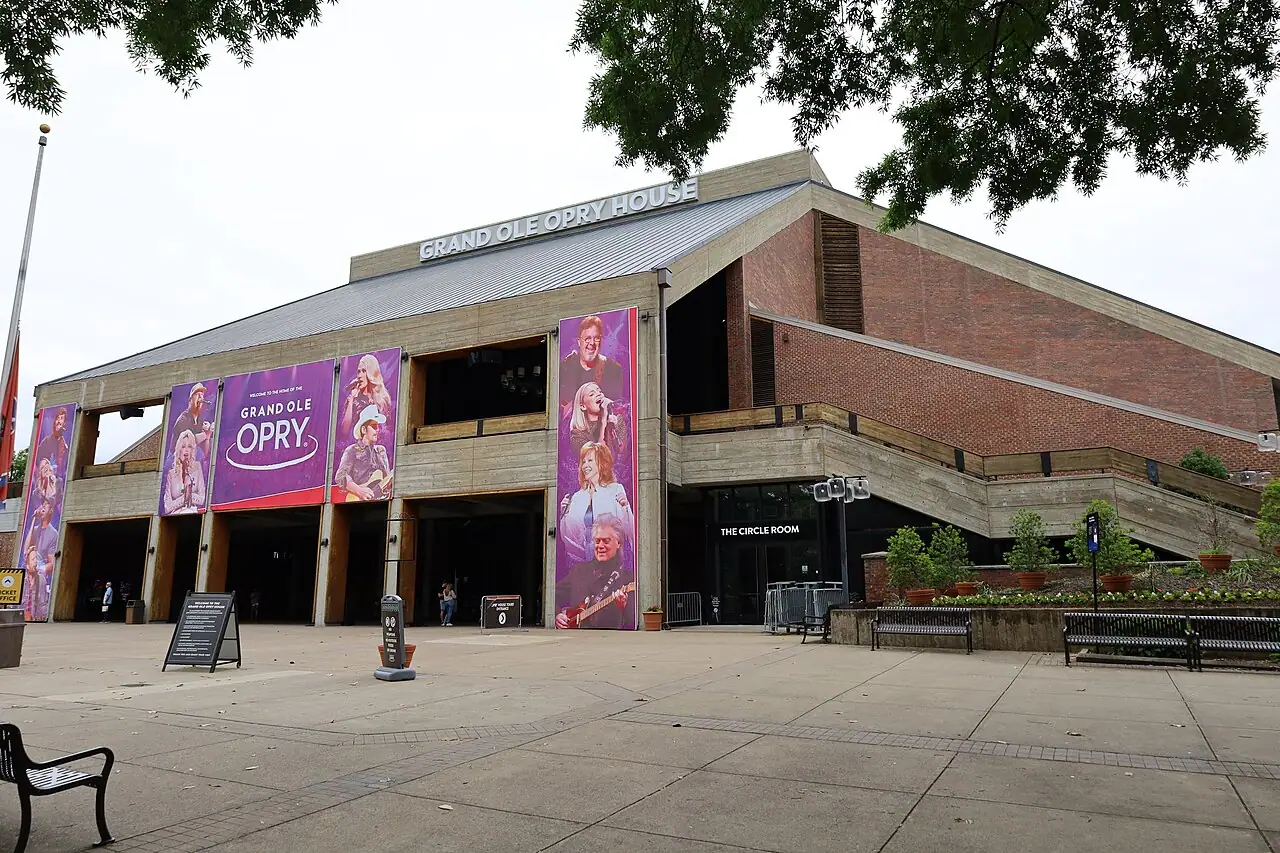
This is the decision that trips up first-timers, because the Opry is a radio show, not a building. It has been broadcasting on WSM since 1925, and today it plays in the Opry House out at 600 Opry Mills Drive - a 4,372-seat hall with church pews for seating, which isn’t an accident: the Opry spent 31 years, from 1943 to 1974, inside a former tabernacle downtown.
That tabernacle is the Ryman Auditorium, and in the winter the Opry moves back into it for a run billed as Opry at the Ryman. If your dates fall in that window, take it: the room seats a fraction of the Opry House, the acoustics are the reason people call it the Mother Church, and the same eight-or-more-artist format applies. Outside that season the Ryman is a working concert hall with its own calendar plus daytime tours - $36.39 self-guided, $46.85 for the guided backstage version, $68.35 for the VIP tour, with the building open 9 a.m. to 4 p.m. for tours on non-show days.
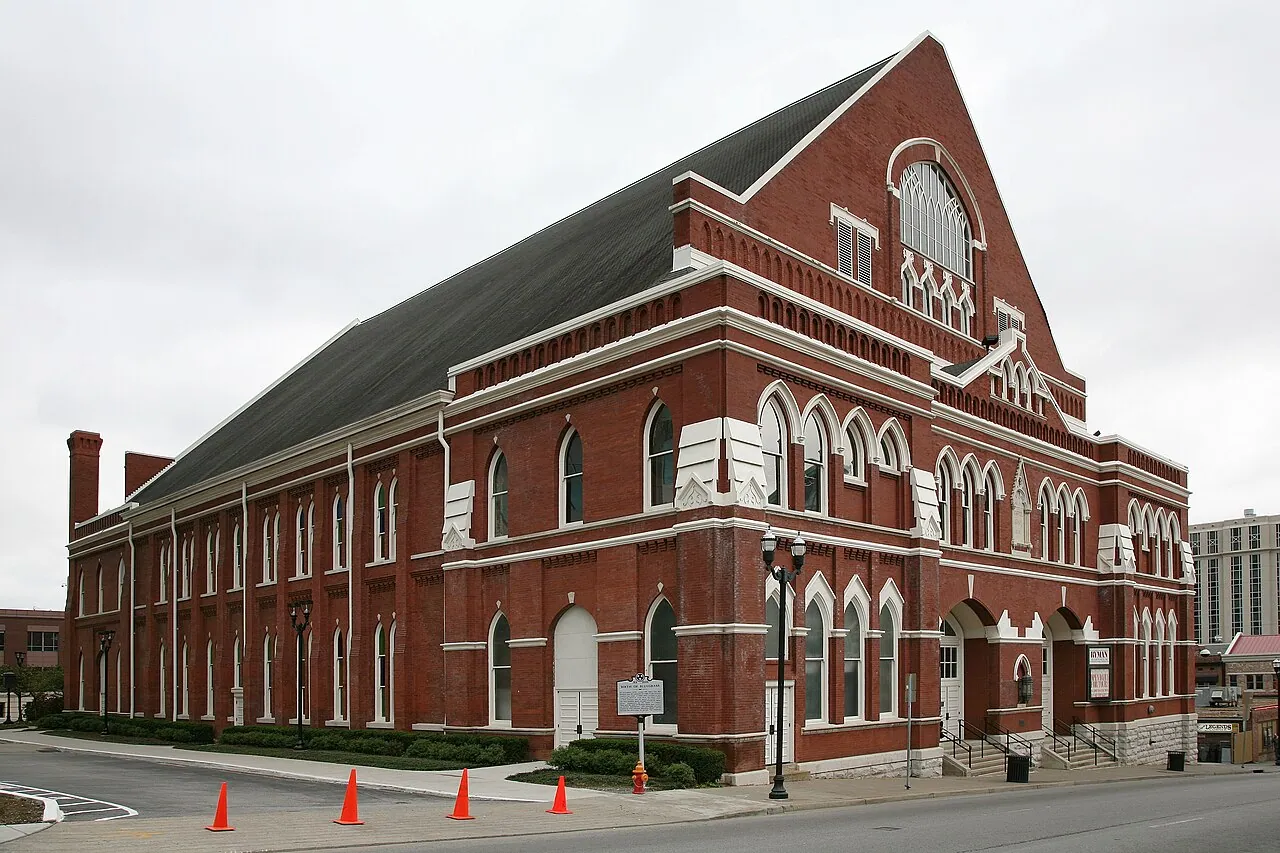
If you only have one night and no strong preference, buy whichever show has the lineup you recognize. If you have two, do a Ryman concert and an Opry broadcast - they’re genuinely different experiences, one a rock-and-country concert hall, the other a live radio variety show with commercial breaks the audience sits through.
The Country Music Hall of Fame, and the studio you can’t just walk into
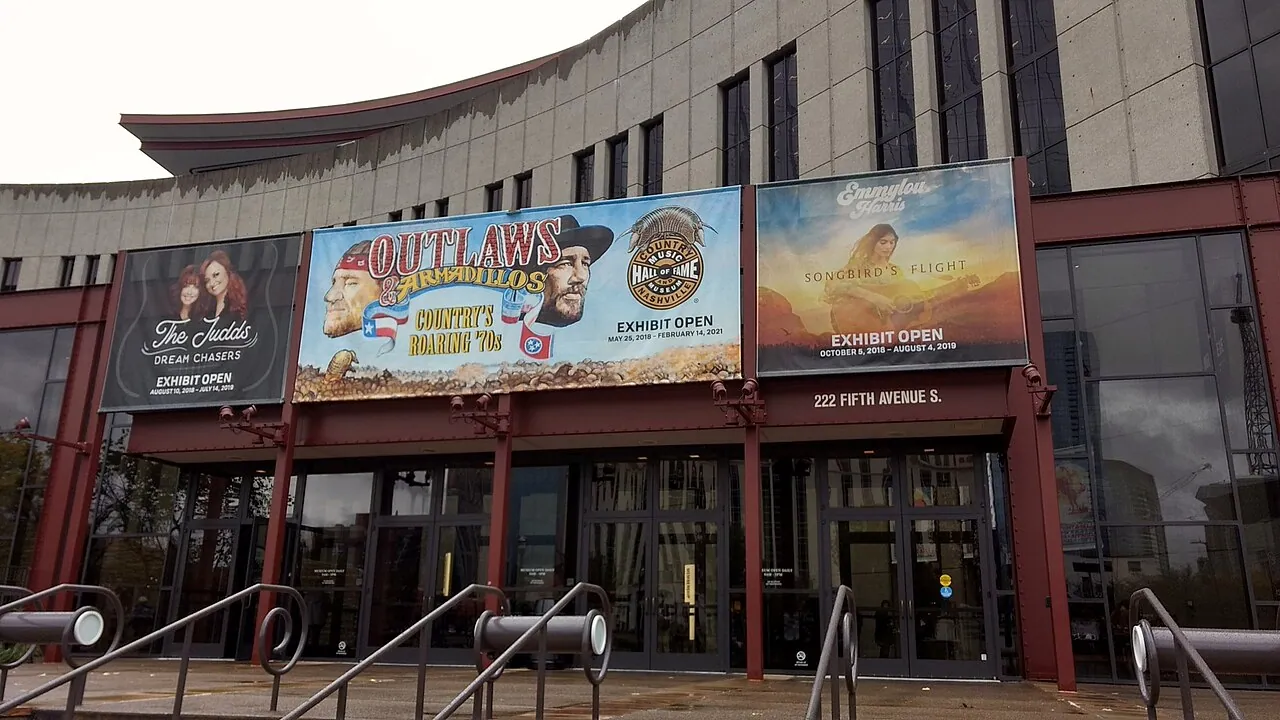
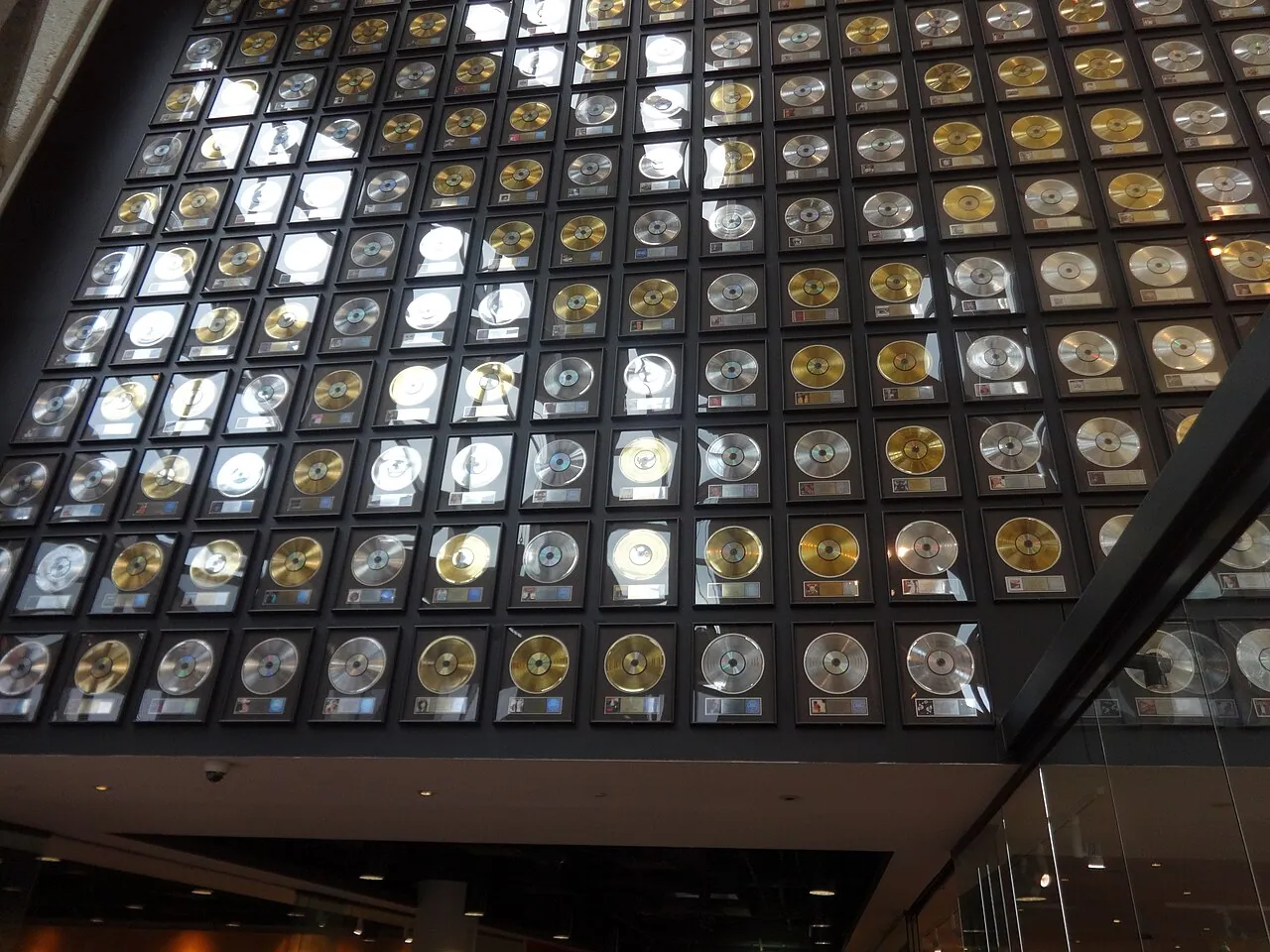
The Country Music Hall of Fame and Museum is the serious one: $31.95 for adults, $21.95 for kids 6 to 12, and a couple of hours minimum. It’s not a hagiography - the galleries do the business of country music as much as the stars, which is why the instruments, contracts, stage clothes and gold records hang together into an actual argument about how this industry works.
RCA Studio B on Music Row, where Elvis cut over 200 songs and Dolly Parton, Roy Orbison and the Everly Brothers recorded, isn’t a walk-up attraction. The museum runs it, and the only public access is through its ticketed tour - $54.95 for adults with museum admission included, or $82.95 for the package that adds a Hatch Show Print tour. Book that combination when you buy the museum ticket, not after you’ve already been.
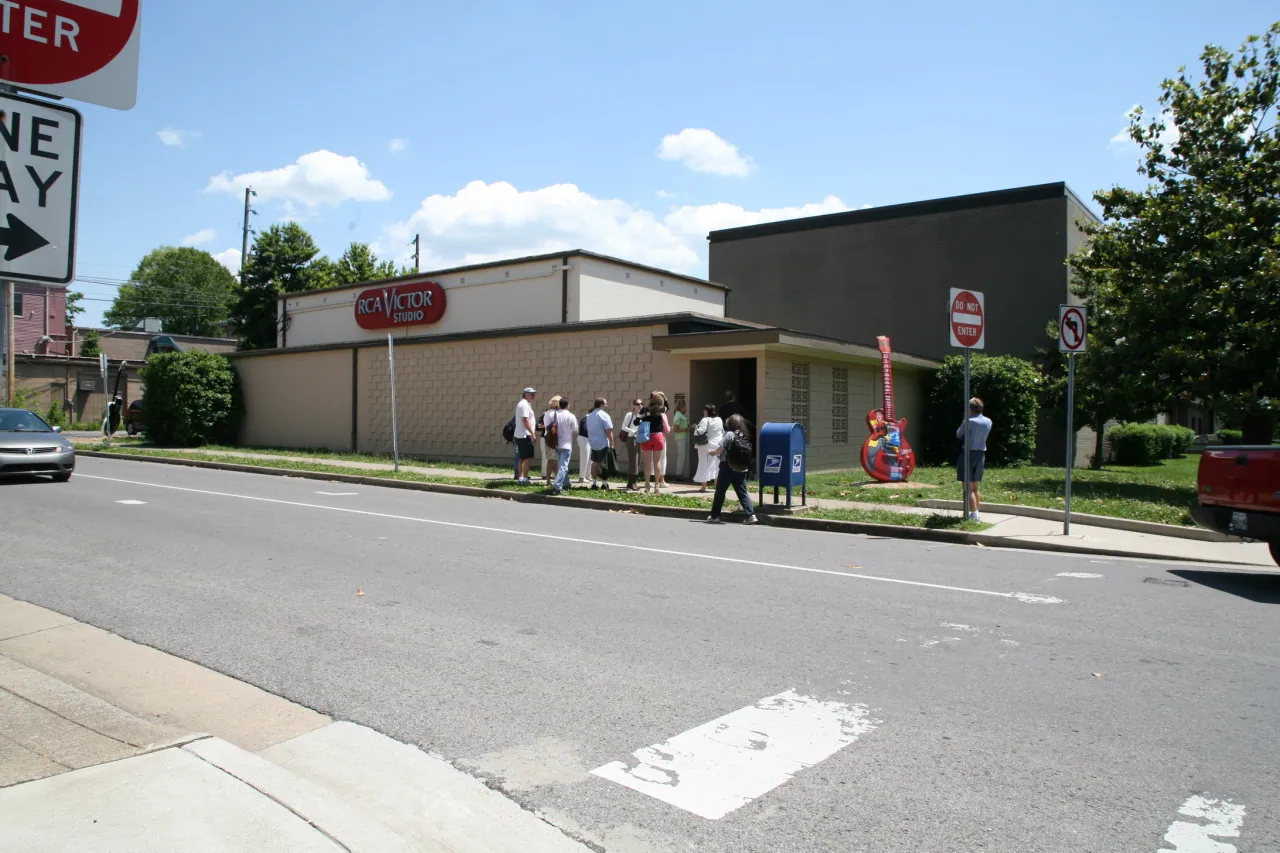
Hot chicken, and how to order it without regret
Hot chicken is Nashville’s own dish, and the story the city tells is that it started as revenge: Thornton Prince’s girlfriend loaded his fried chicken with cayenne to punish him, and he liked it enough to build a business on it. Prince’s is still the reference point, and the tourism board keeps an official Hot Chicken Trail of the places serving it around town.
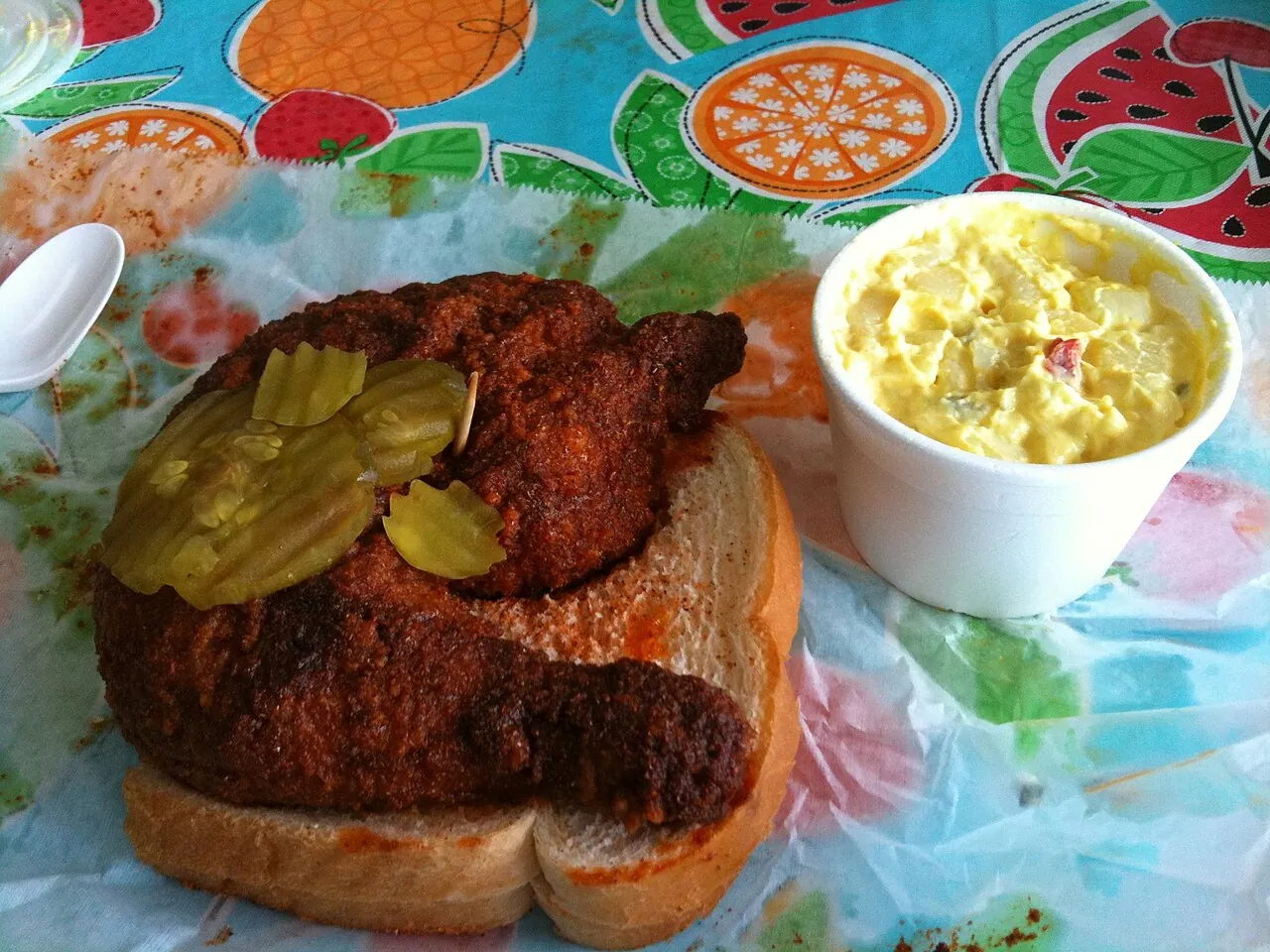
Order one level below what your ego suggests. The heat scale in this city isn’t decorative, the top tiers at the traditional places are genuinely punishing, and “medium” at a Nashville hot chicken counter lands somewhere near “hot” anywhere else. The white bread underneath and the pickles on top are structural, not garnish - both exist to absorb and cut the cayenne paste.
Songwriter rounds: the show most visitors never find
Nashville’s other native format isn’t a concert at all. In a songwriter round, three or four writers sit in a circle and take turns playing the songs they wrote for other people, with the stories attached, and you spend the evening discovering that a hit you’ve known for twenty years came out of somebody’s divorce or a Tuesday afternoon co-write on Music Row. The Bluebird Cafe, out in a Green Hills strip mall, is the famous one; it’s small, it enforces silence during the songs, and the only legitimate place to buy tickets is its own website through its ticketing partner. Anything else you find resold is a bad idea.
If the Bluebird’s calendar is full, that’s not a dead end. Listening rooms downtown and in East Nashville run rounds most nights of the week, often free or with a small cover, and the writers moving through them are frequently the same ones. Ask any Broadway bartender where the writers play on a Monday and you’ll get a real answer.
Beyond the music: the Parthenon and the river
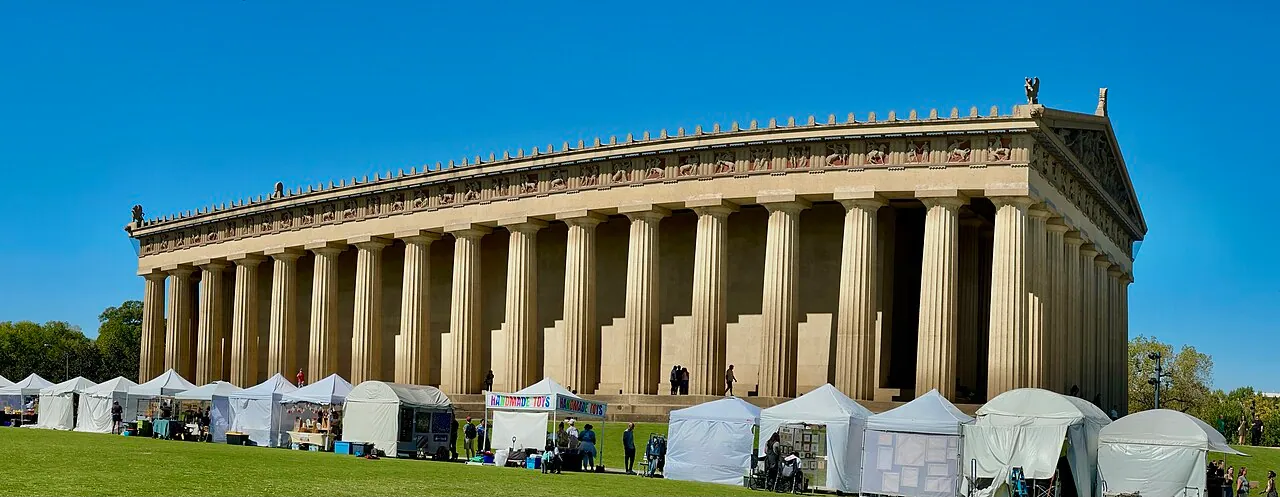
Two miles west of downtown, Centennial Park contains a full-scale replica of the Parthenon, built for the 1897 Tennessee Centennial Exposition and rebuilt in permanent materials between 1925 and 1931. It is exactly as strange as it sounds, it houses the city’s art museum, and it’s the reason Nashville got called the Athens of the South.
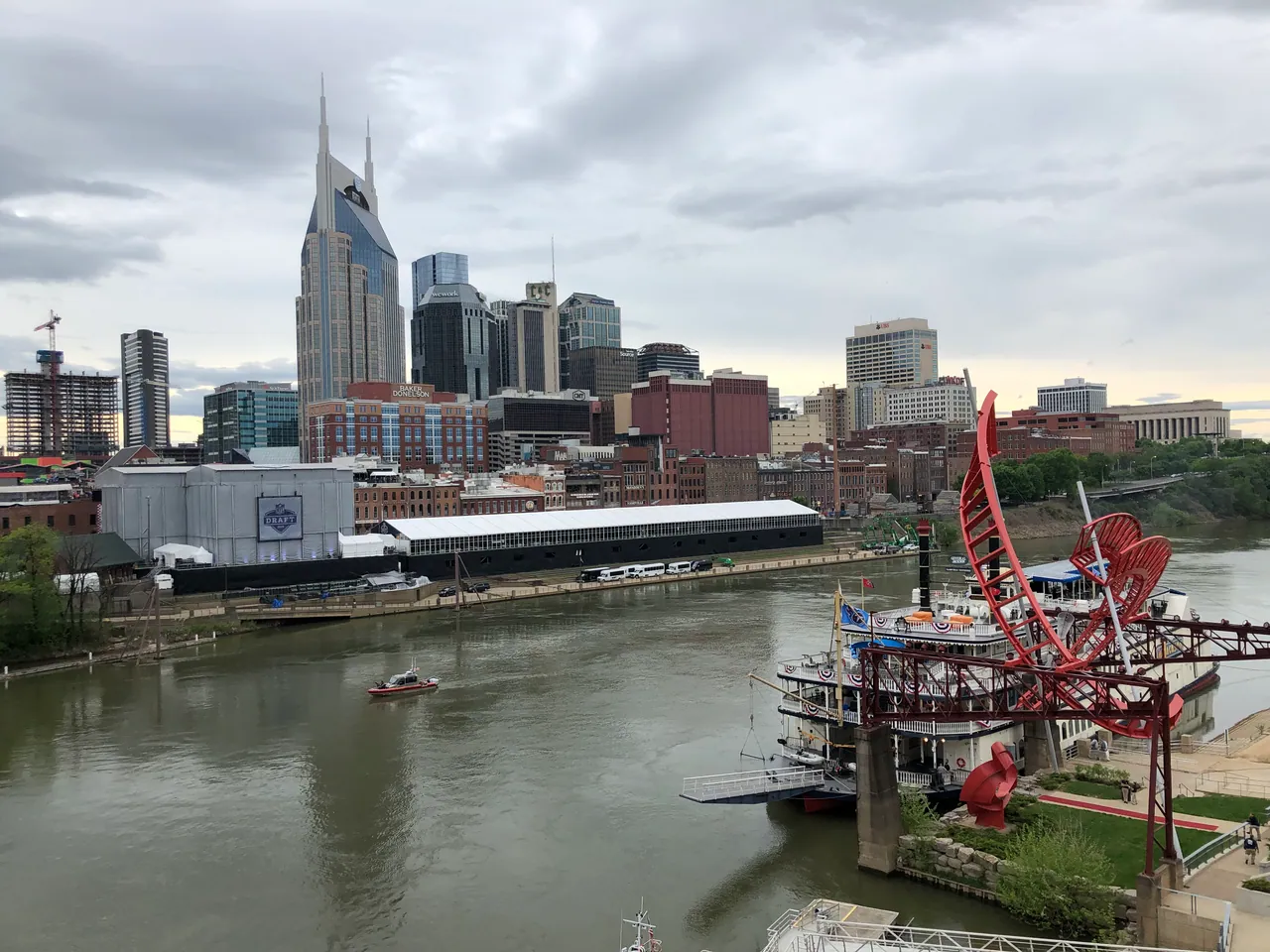
For the skyline photograph, walk out onto the John Seigenthaler Pedestrian Bridge over the Cumberland at dusk. It costs nothing, it’s a five-minute walk from Broadway, and it lands you in East Nashville, which is where a lot of locals go when they want a bar without a neon sign - the Five Points area has the record shops, the taco joints and the smaller music rooms.
Practicalities: when to come and where to sleep
Spring and fall are the comfortable seasons; July and August are hot and humid enough to change your plans by mid-afternoon, and January is cheap, quiet and the season the Opry plays the Ryman. Big country music weekends fill the city entirely, so check whether your dates collide with a festival before you book anything.
Nashville International (BNA) is about eight miles from downtown, which is a 20-minute drive when the interstate behaves and considerably longer when it doesn’t. You don’t need a car if you’re staying downtown and taking a ride out to the Opry House once, and parking downtown is expensive enough that a rental sitting in a garage for three days is money you could have spent on the Studio B tour. If you’re adding day trips - the whiskey distilleries southeast of town, or the Smokies four hours east - pick the car up on the morning you leave the city. Our Tennessee travel guide sets out how the state strings together on I-40, including the time zone change that catches people out halfway across.
Downtown puts you inside walking distance of everything except the Opry House, and it’s loud - if you want to sleep, look at The Gulch, Midtown or East Nashville instead and treat Broadway as a place you visit. Rates swing hard between a quiet Tuesday and a bachelorette Saturday, so compare hotels across those neighborhoods rather than assuming downtown is the default.
Read also
- Another Southern city built on food and history: things to do in Charleston
- Kentucky’s Bourbon Trail and Mammoth Cave, a few hours north: Kentucky travel guide
- Music, theater and tickets in the biggest market: Broadway tickets in NYC
- Mountains a few hours east: Great Smoky Mountains
- The state around it: Tennessee travel guide
- Browse more US cities and US states
- Pick a neighborhood and see the real tax math: where to stay in Nashville
On the map
The map loads on click - to keep the page lightweight.
The map didn’t load. Check your connection and refresh the page.
Good to know
Ticket prices here are the operator rates checked in July 2026. Opry and Ryman show tickets are dynamic and sell out; museum package prices change with exhibitions.
Details checked: July 24, 2026
Read also

Cities · 13 min read
Salt Lake City: Ski Base, Temple Square and the Salt Flats
Verified · August 29, 2026Four ski resorts inside 36 miles of the airport, a temple you cannot enter until 2027, and a salt flat that closes for racing. What to plan around.

Cities · 9 min read
Atlanta: Civil Rights Trail, Aquarium and Southern Food
Verified · August 28, 2026Free MLK park on Auburn Avenue, Civil Rights Center from $26, Georgia Aquarium tickets from $54.99, BeltLine walks and where Southern food still holds up.

Cities · 9 min read
Minneapolis Guide: River, Lakes & the Blue Line
Verified · August 26, 2026A $2 train from MSP, Stone Arch and Minnehaha Falls, Walker on free Thursday nights, and when Mall of America is worth the ride south.

Cities · 12 min read
Savannah Travel Guide: Squares and the Historic District
Verified · August 22, 2026Walk the 22 squares, tour Owens-Thomas honestly, ride the free river ferry, then Bonaventure and Tybee - checked August 2026.