
Renting a Car in the USA: What Visitors Need to Know
US car rental for foreign visitors: license and IDP rules, under-25 fees, CDW versus your credit card, one-way charges, cashless tolls and pumping gas.

Your home driver’s license is almost certainly enough to rent and drive a car in the United States. The expensive decision isn’t paperwork, it’s the insurance question you get asked at the counter, and the answer depends on what your credit card actually covers. Everything else that surprises visitors comes down to four fees: young driver, one-way, tolls and fuel.
This is general travel information, not legal or insurance advice. Driving and rental rules are set by individual states and by each rental company, and both change. Confirm the current position with the state DMV and with your rental company’s own terms before you drive.
Do you need an International Driving Permit?
New York’s DMV says a visitor may drive with a valid license from another country and does not require an International Driving Permit - though it recommends carrying one anyway, since the multilingual verification helps an officer who can’t read the original. Florida’s version of the same message is about the license itself: carry a valid one issued in your name from your country of residence. Neither state’s answer is the last word at a rental desk, though. A brand’s own document checklist can be stricter than what the state requires, and the counter wins if you want the keys.
If the license isn’t in English, get an IDP from the authorities in your home country before you fly. Carry it with the actual license, never instead of it - it’s a translation aid, not a replacement. Confirm both the state rule and your specific rental company’s requirement before travel, since the two lists aren’t guaranteed to match.

One more thing the agent will want: a credit card in the driver’s name. Debit cards are accepted at some locations under extra conditions, often including a credit check or proof of a return flight, and refused at others. A real credit card removes an entire category of problem.
Age: 25 is the line, 20 is the floor
Most brands set the minimum rental age at 20 across the US and Canada. Thrifty states it in exactly those terms, adding that New York and Michigan are 18 because state law says so. New York’s General Business Law makes it “unlawful… to refuse to rent such vehicle to any person eighteen years of age or older solely on the basis of age,” while allowing the company to pass on the genuine extra insurance cost of a young driver.
That surcharge is the sting. Drivers aged 20 to 24 pay a daily young renter fee at essentially every major brand, and Thrifty’s own wording is that it “varies based on renting location and car class.” On a two-week rental it can rival the base rate. Under-25 renters are also blocked from premium and specialty vehicle classes, so the convertible isn’t happening.
If you’re 24 or under, price the rental with the surcharge included before comparing brands, because the headline daily rate tells you nothing useful.
The insurance question, which is the whole game
At the counter you’ll be offered a stack of acronyms. Only two of them matter.
CDW or LDW (collision damage waiver, loss damage waiver) isn’t insurance. It’s the rental company agreeing not to chase you for damage to their car. Decline it and you’re on the hook for the vehicle.
SLI or ALI (supplemental or additional liability insurance) addresses damage you do to other people and their property. Don’t assume third-party liability is included in the rental rate. Avis, for example, says its California rate excludes automobile liability and property-damage protection. California’s standard minimum limits from 1 January 2025 are $30,000 for injury to one person, $60,000 per accident and $15,000 for property damage, but those limits do not establish what a rental contract includes.

Some US-issued travel cards include collision coverage. Chase’s Sapphire cards, for example, provide primary coverage for theft, damage, loss-of-use charges and towing, on two conditions: the cardmember has to be the primary driver, and has to decline the rental company’s own CDW. The coverage is capped at actual cash value on Sapphire Preferred and $75,000 on Sapphire Reserve, and it excludes vehicles over ten years old, rentals longer than 30 consecutive days, off-road use, nine-seat vans and peer-to-peer rentals.
Card coverage of this type protects the rental car, not your liability to anyone else, so it is not a substitute for SLI. Card terms vary by issuer, product and country of issue: territory, primary or secondary status, vehicle exclusions and claim order all matter. Read your exact benefits document and ask the administrator how a US claim would work before declining the counter waiver.
Whatever you decide, photograph the car from every corner before you leave the lot, including the roof and the wheels, and again when you drop it off.
One-way, and the other fees on the agreement
A one-way rental, picked up in one city and returned in another, usually carries a drop fee. It varies wildly: sometimes zero on popular corridors where the company needs cars moved back, sometimes hundreds of dollars for an interstate move. There’s no published national figure, so get the total quoted for your exact pair of locations rather than assuming.
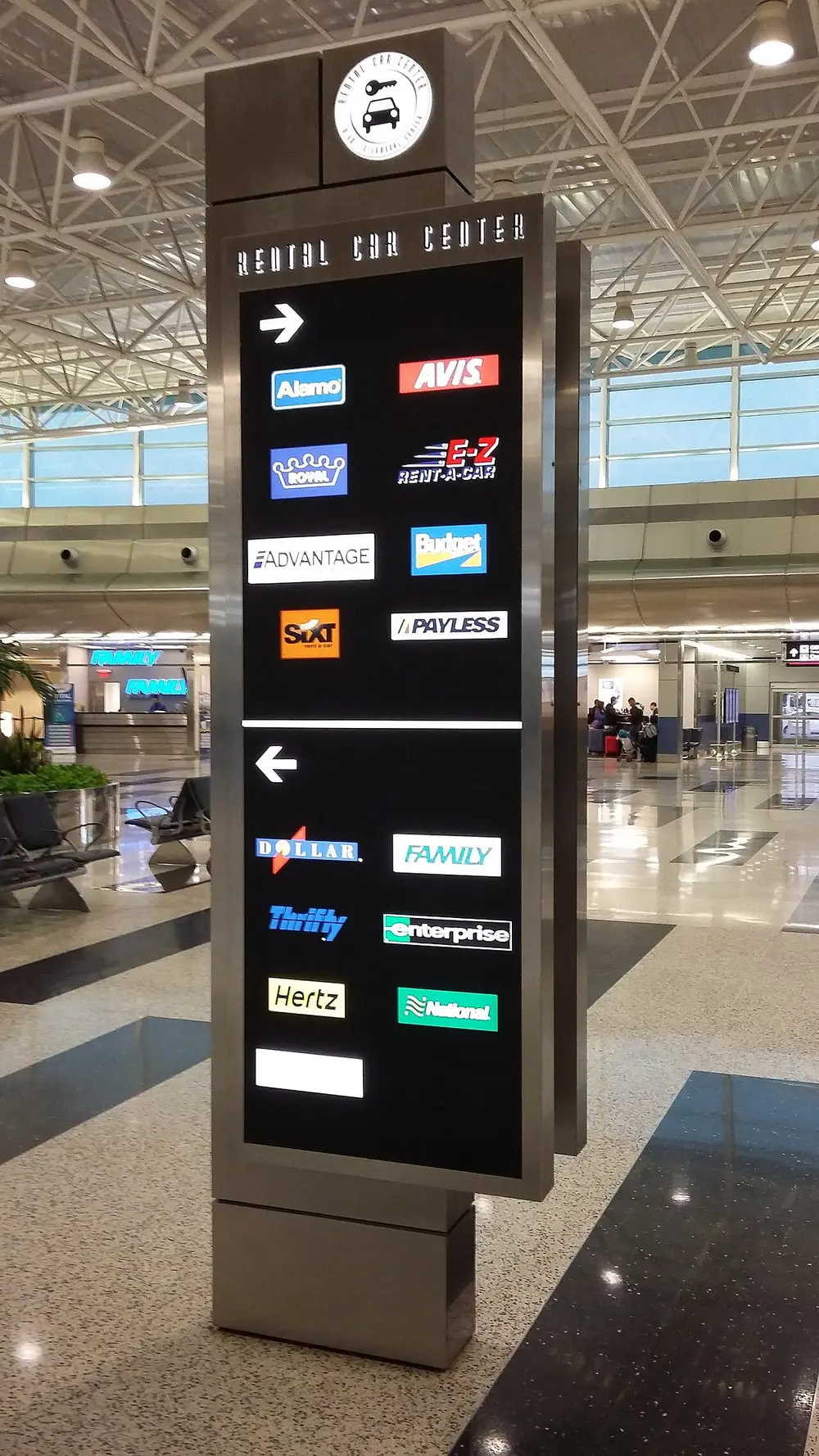
Airport pickups often carry concession-recovery fees or customer-facility charges. Compare the full airport and off-airport totals for the same dates and car class, including the cost of reaching the other branch; a downtown location isn’t automatically cheaper. If you’re spending several days in a city first, delaying pickup can also remove rental and parking days.
Tolls and transponders
Large parts of the US have gone cashless. On many roads and bridges there’s no booth to stop at: a gantry photographs your plate at highway speed and someone gets billed later. In a rental, that someone is the rental company, which then bills you and adds an administrative charge of its own.
Which transponder brand covers your route, and how much Florida’s own plate-billing fallback costs against SunPass, is a road-network question - our driving in the USA guide covers E-ZPass, FasTrak, TxTag and the actual dollar gap state by state. What differs at the rental counter is how the company packages that cost for you, and that part has three real answers.
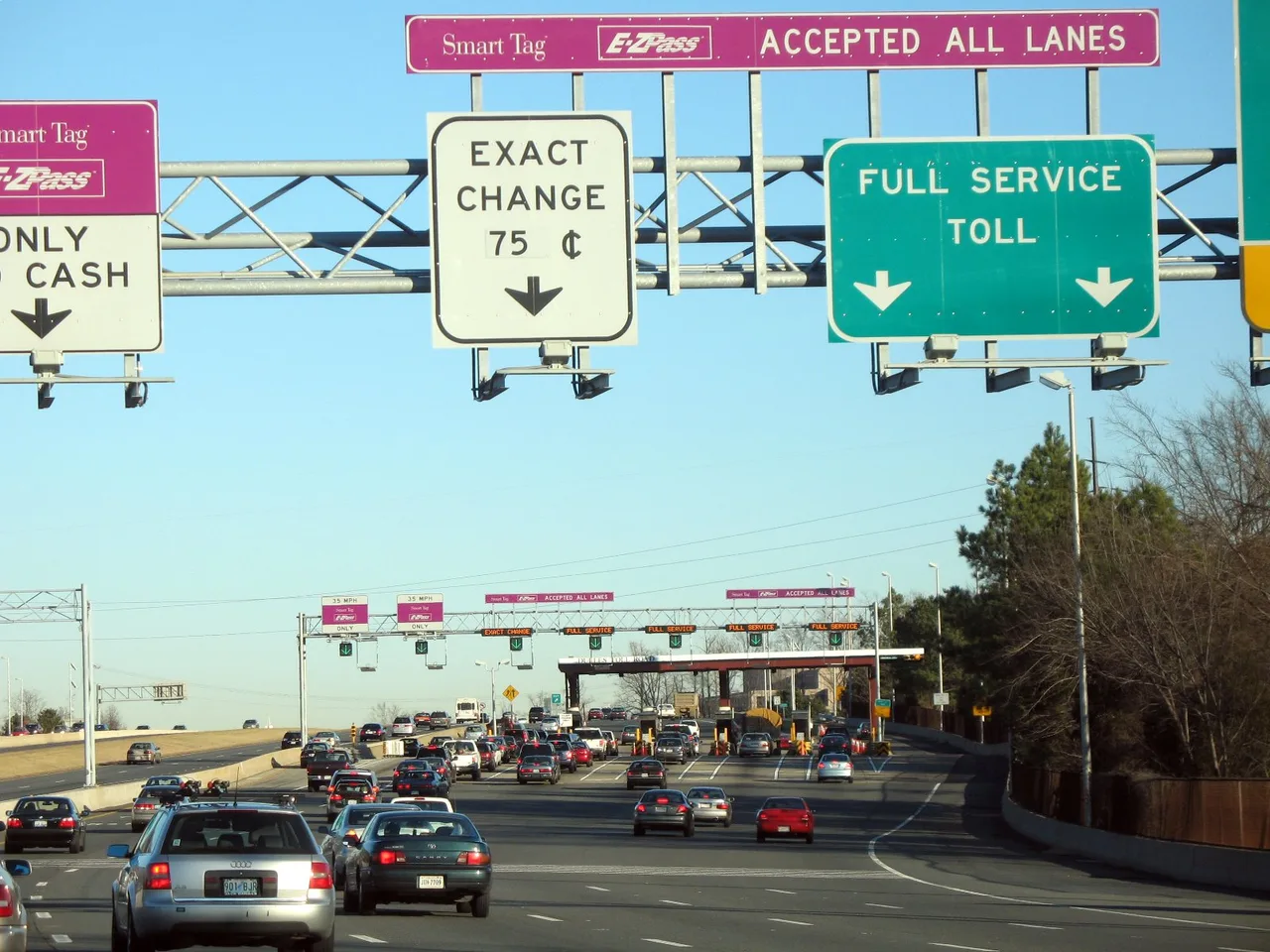
- Take the rental company’s toll package (PlatePass, e-Toll, TollPass and other brand names, depending on the company). It’s usually either a flat daily rate covering unlimited tolls or a smaller fee charged only on the days you actually cross one. Rates vary by brand and by state, and there’s no honest nationwide figure, so read the exact line on the agreement before you sign rather than after.
- Decline the package and pay the plate invoices as they arrive. Fine if you’ll only cross a toll once or twice on the whole trip; expensive in a different way if the route turns out to run through a toll corridor every day.
- Use your own compatible transponder if you already carry one. Close the rental’s windshield toll tag if it has one built in, mount yours correctly, and register the rental’s plate on your account first if your issuer asks for it.
As a rule of thumb, price the unlimited package against the plate-invoice math before you leave the counter if your route runs through toll roads most days - a single bridge crossing is pocket change, a week on Florida’s managed lanes is not.
Gas: the easy part
The fuel-door sticker decides the grade, not the pump. Many standard rentals run on regular 87 octane, so check that label and the agreement before you pick a button - premium is wasted money if the car doesn’t need it. What “gas” actually costs where you’re driving, plus the ZIP-code card trick and which states still ban self-service, is in our driving in the USA guide.
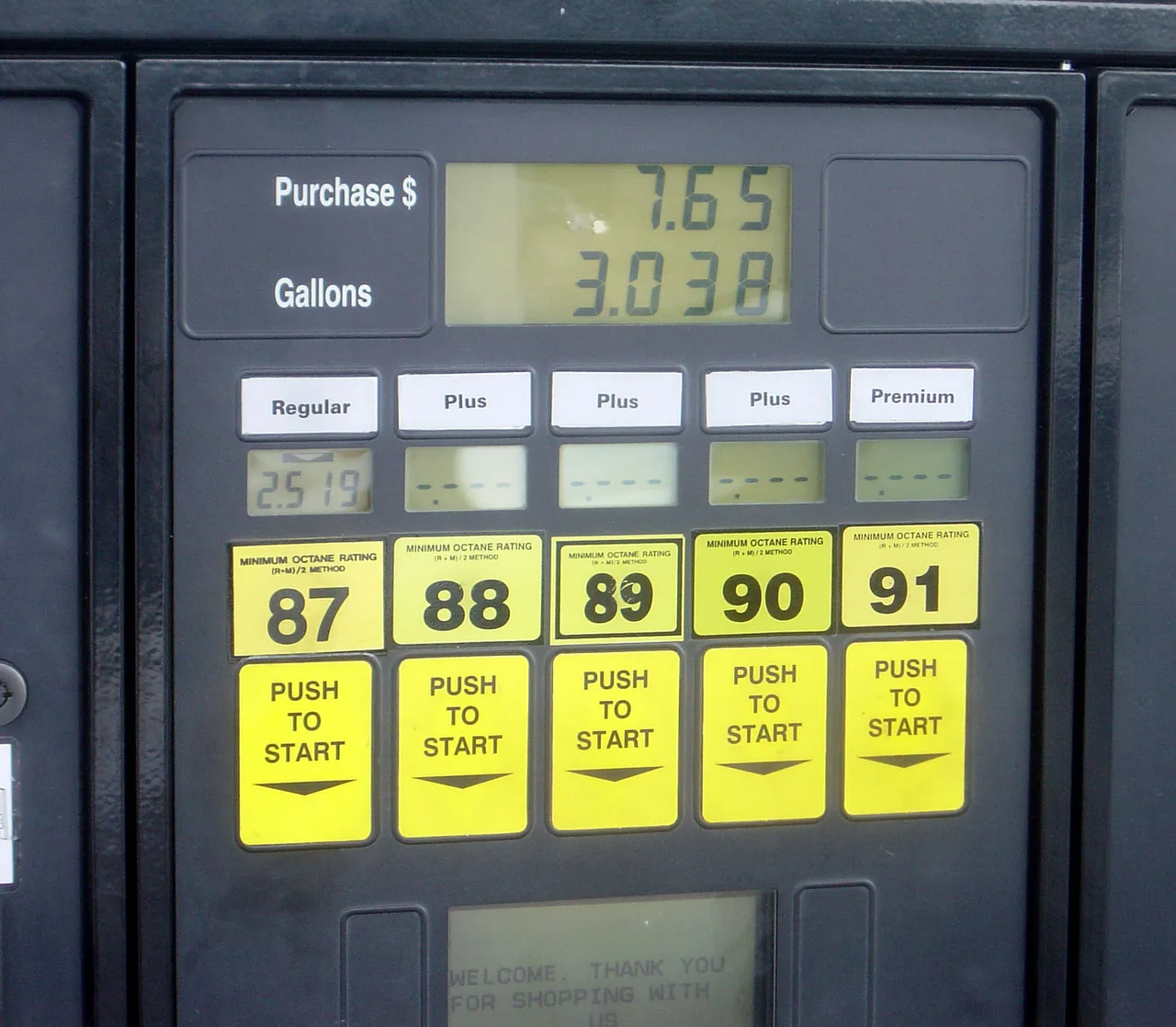
The real rental-specific cost is the return, not the fill-up. If the agreement requires the tank back full, plan to refuel within a few miles of the counter - rental-company refueling rates run well above pump price, so it’s the more expensive way to finish the tank. Some agreements offer a prepaid fuel option at booking instead; check the terms before choosing it, since a prepaid tank you return half-full is money left behind.
Before you book
Price the same dates across brands with the young driver fee, the one-way charge and the toll package included, because those three lines are where identical-looking quotes diverge: compare US car rental prices and full terms and read the agreement rather than the headline rate.
A car makes sense for the Southwest, for road trips and for anywhere with a national park in it. It makes no sense at all for the Northeast corridor, where the train wins on both cost and sanity, as our 7-day East Coast itinerary sets out. If you’re still deciding how to cover the ground, flights, Amtrak or a car compares them corridor by corridor. And if the plan involves driving to the parks, note that non-US residents now pay a $100 per-person fee at eleven of the busiest ones unless they hold an annual pass. Our 2-week USA itinerary works that through with the numbers. Colorado adds a second wrinkle for winter rentals, where a state traction law governs what you’re allowed to drive on the I-70 mountain corridor between September and May.
Read also
- The insurance deep dive: rental car insurance in the USA - CDW, cards and liability
- After you have the keys: driving in the USA - license, tolls and gas
- The classic drive to build a trip around: Pacific Coast Highway through California
- Cover for the medical side of a US trip: travel insurance for a USA trip
- Navigation needs data: eSIM and SIM cards for the USA
- Where the driving pays off: Grand Canyon and Zion
- More car rental guides and transport guides
Admission and opening hours
- Admission price
- Costs that are set rather than quoted: young renter surcharge for drivers aged 20-24 at most brands, amount varies by location and car class; Florida TOLL-BY-PLATE adds a $2.50 administrative fee per invoice and costs about 25% more than SunPass; US regular gasoline averaged $4.001 a gallon nationally in the week of 20 July 2026, $5.354 in California.
Rental rates themselves are dynamic and change daily. This page explains the fee structures, not the headline price, because the structures are what people get caught by.
Details checked: July 24, 2026
Read also

Car rental · 7 min read
Rental Car Insurance USA: What Your Card Covers
Verified · August 6, 2026CDW vs LDW, what Chase Sapphire and similar cards actually cover, California liability minima, and why SLI is a separate decision from the damage waiver.

Car rental · 11 min read
Renting an RV in the USA: Costs, One-Way Fees & Where to Go
Verified · August 6, 2026What an RV rental really costs once mileage, generator hours and kits are added, how one-way rentals work, and the park roads that turn big rigs away.

Entertainment · 17 min read
Grand Canyon Tours from Las Vegas: Bus, Helicopter & Skywalk
Verified · September 19, 2026Compare Grand Canyon tours from Las Vegas: bus, helicopter and Skywalk prices from the operators, plus when the South Rim is worth the extra hours.

States · 11 min read
Connecticut: Mystic, New Haven and the Shoreline
Verified · September 12, 2026Mystic Seaport at $35 adult, free Yale galleries in New Haven, and Gillette Castle on the river - how a Connecticut weekend actually fits.