
Driving in the USA: License, Tolls & Gas
Foreign license rules, cashless tolls without a rental transponder, self-service gas and right turn on red - what changes the first day you drive.
Your foreign driver’s license is usually enough to get behind the wheel in the United States. What trips visitors up is everything that happens after you leave the rental lot: cashless toll gantries that bill the rental company, pumps that ask for a ZIP code your card doesn’t have, and a right turn on red that’s legal in one city and banned in the next.
This is general travel information, not legal advice. Driving rules are set by individual states, and rental toll programs are written into each company’s agreement. Confirm the current position with the state DMV and with your rental paperwork before you drive.
Your home license is enough in most states
New York’s DMV puts it in one line: a valid license from another country lets you drive, no International Driving Permit required, even if it isn’t in English - though the state still recommends carrying one, since it gives officers a multilingual fallback when they can’t read the original. Florida’s own message to visitors is shorter: keep a valid license issued in your name from your home country on you, full stop.
Which states and rental brands ask for more than a home license, why the payment card at the counter matters as much as the license itself, and how to sort the paperwork out ahead of the trip - that’s covered fully in our renting a car in the USA guide. This page picks up once you already have the keys.
After you pick up the keys
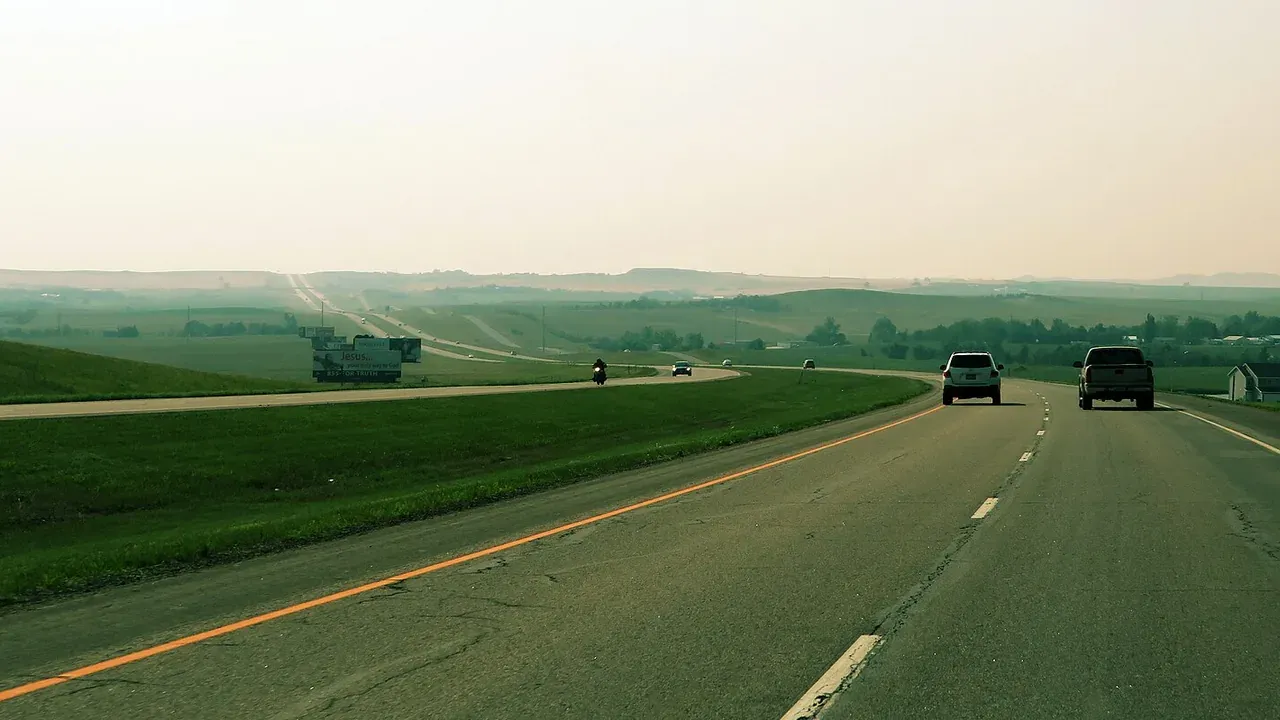
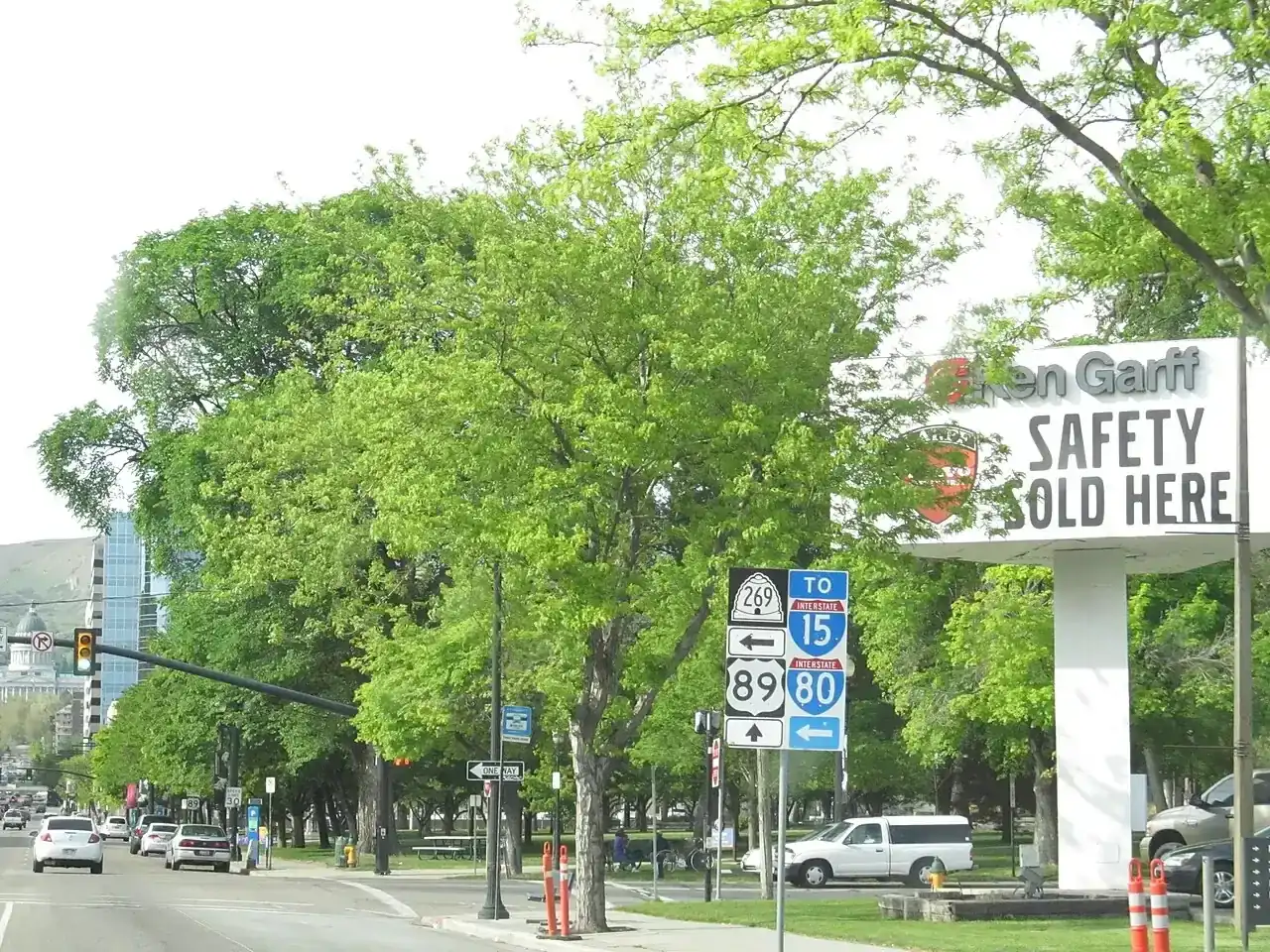
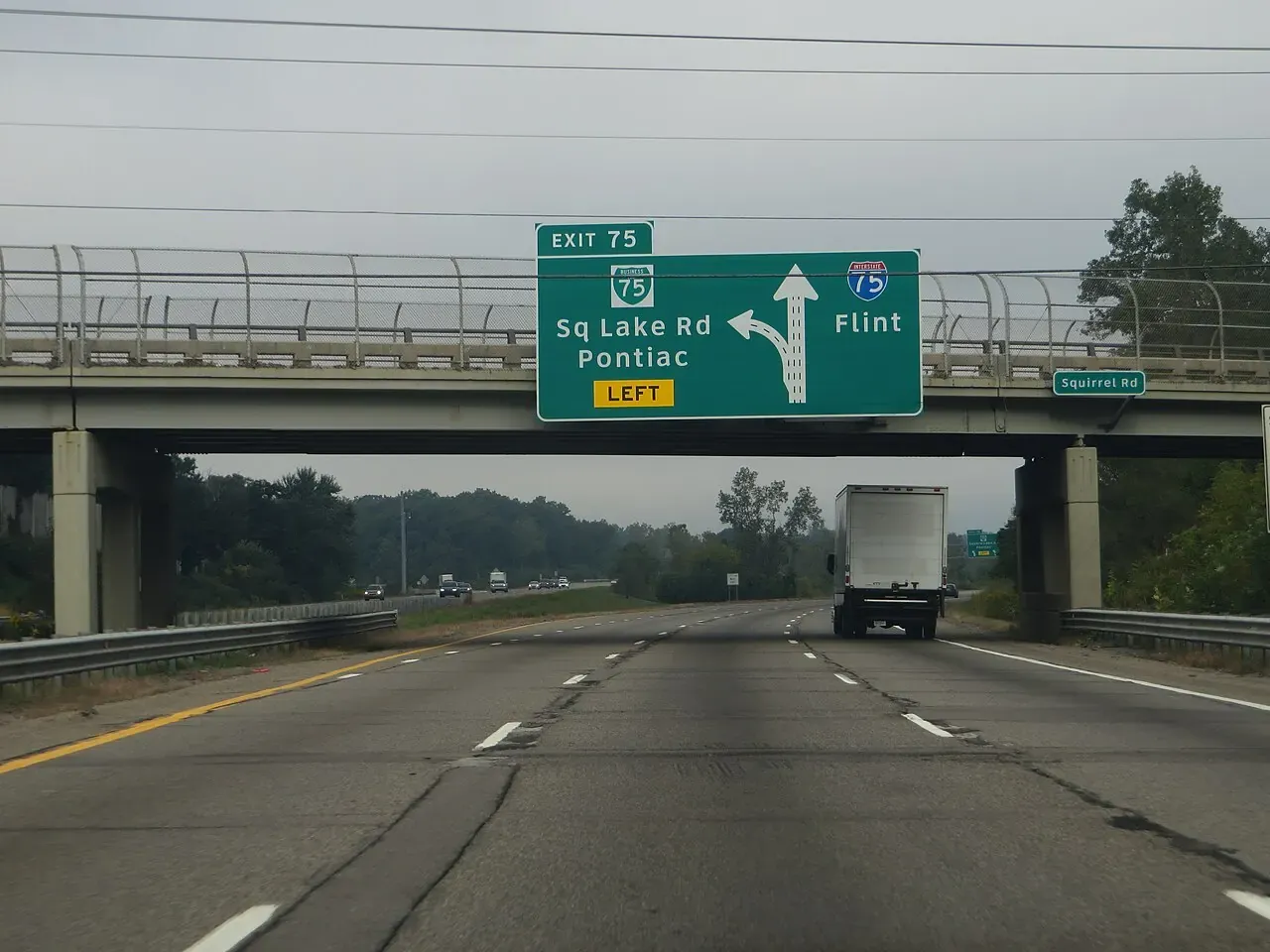
US roads feel familiar if you’ve driven in Canada. Visitors from Australia need the bigger adjustment: Australia drives on the left, while the United States drives on the right. Interstates are limited-access highways with higher speed limits; the number on the green shield is the route, not the exit. Exits are numbered by mile (or, in a few older corridors, sequentially), and the right lane is the slow lane - pass on the left, then move back.
Speed limits are posted in miles per hour and change at city limits without much warning. On rural interstates you’ll often see 70 or 75; in towns it drops fast. There’s no single national speed. Follow the white rectangular sign you’re looking at, not the one from twenty miles ago.
Two Florida rules also illustrate what you should check in every state. Front-seat occupants must buckle up, and every passenger under 18 needs a seat belt anywhere in the vehicle. When you see emergency lights on the shoulder of a multi-lane road, Florida’s Move Over law says to vacate the closest lane if it’s safe, or slow to 20 mph below the posted limit. Other states have versions of the same idea - treat flashing lights as a reason to give space, not a photo opportunity.
For the bigger decision of when to drive versus fly, see getting around the USA.
Paying tolls without a rental transponder
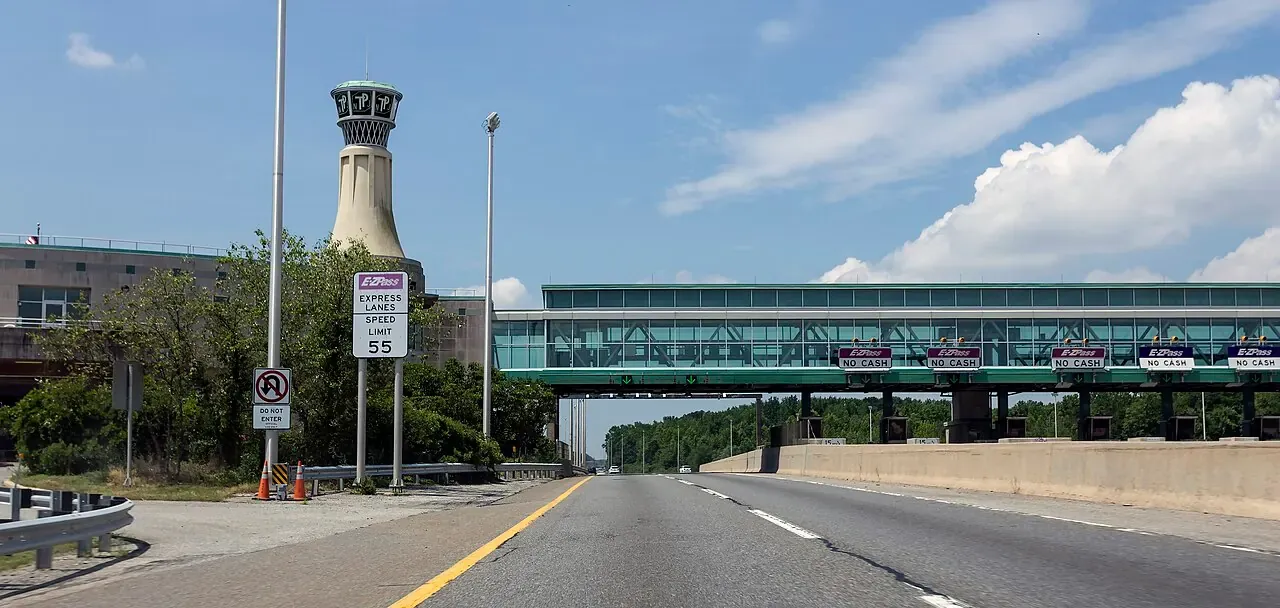
A lot of US toll roads no longer take cash. You drive under a gantry at highway speed, a camera reads the plate, and someone gets billed later - skip the question and it doesn’t go away, it just finds whoever the plate is registered to.
Florida publishes the clearest public numbers, so it’s the easiest state to use as a working example. Cross a Florida Turnpike facility with no SunPass or other Florida-compatible transponder and TOLL-BY-PLATE photographs the plate, then mails an invoice covering tolls over a 30-day period plus a $2.50 administrative fee. SunPass customers “always pay the lowest toll amount” and save an average of 25% compared with TOLL-BY-PLATE. Managed lanes are stricter still - you need a compatible transponder, not plate billing.
Elsewhere the brand names change. E-ZPass covers toll entities across 20 states in the Northeast, mid-Atlantic and Midwest. Florida runs SunPass, California has FasTrak, Texas has TxTag. Interoperability between regions is better than it was, but it’s not complete, so a Northeast pass is not a blank check for every California express lane.
What you shouldn’t do is invent a workaround and hope. Pennsylvania’s Turnpike Commission is blunt about what that means in a rental: a Toll By Plate invoice goes to the registered owner - the rental company - and the Turnpike isn’t responsible for whatever admin fee that company then adds on its own side. Deciding how to head that off - the counter’s toll package, plain plate invoices, or your own transponder - is a rental-desk question with real trade-offs; our renting a car in the USA guide walks through all three and what each one actually costs.
Gas pumps, ZIP codes and the New Jersey exception
Fuel is called gas, and it’s sold by the US gallon (3.785 liters). Many standard gasoline rentals specify regular 87 octane, but the required grade depends on the vehicle. Check the fuel-door label and the rental agreement before choosing a pump button.
Prices swing hard by state. In the week ending 3 August 2026 the national average for regular was $4.079 a gallon, against $3.944 on the East Coast and $5.495 in California. Fill up before you cross into California, not after, and treat empty stretches of the West the way you’d treat a desert: don’t wait for the next cute town.
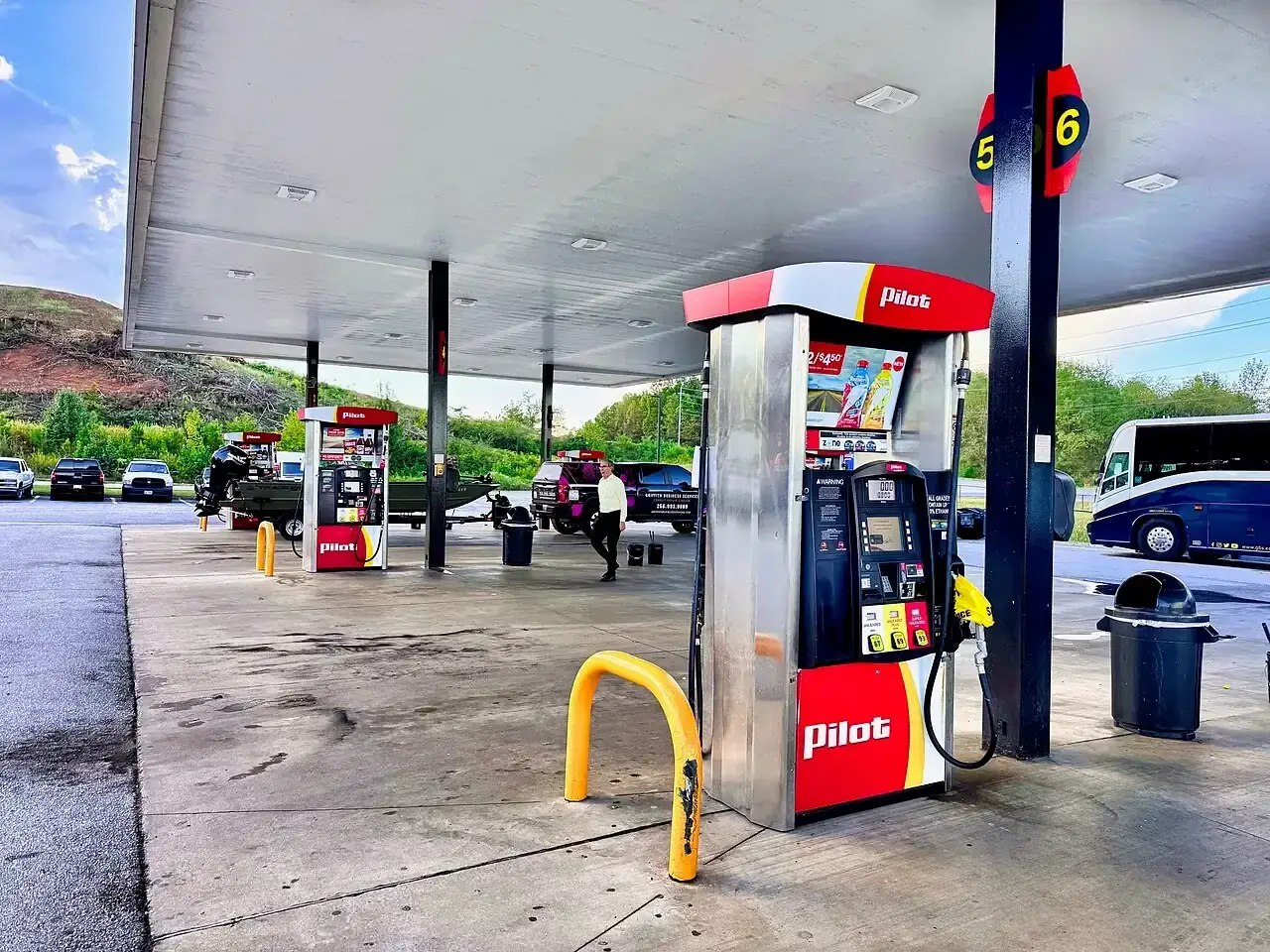
Two quirks catch foreign cards. Many US pumps ask for a five-digit ZIP code as a fraud check; a chip-and-PIN card from abroad often fails. Walk inside, tell the cashier your pump number, and pay at the register. And in New Jersey you’re not allowed to pump your own gas at all - state law still requires a trained attendant. Stay in the car, say “fill it with regular,” and hand over the card. New Jersey is the only statewide self-service ban left.
Oregon used to be the other one. Since 2023, House Bill 2426 lets stations in 16 urban counties offer self-serve on up to half their pumps (the other half stay attended, same price), and 20 rural counties allow full self-serve. Look at the signs on the pump island before you start wrestling with a nozzle that still has an attendant standing next to it.
Returning a rental below a full tank is a separate, more expensive question than anything at the pump - the agreement’s refueling rate, and whether prepaying beats it, is covered in our renting a car in the USA guide.
Right turn on red - until it isn’t
In most of the country, after a full stop and a yield to pedestrians and cross traffic, you may turn right on a steady red unless a sign says otherwise. That is the default visitors remember from guidebooks.
New York City flips it. Under Vehicle and Traffic Law § 1111, the right-on-red permission does not apply in a city of one million or more unless local law says so - and New York City’s default is wait for green unless a posted sign expressly allows the turn. Outside the five boroughs, New York State follows the normal after-stop rule.
Washington, D.C. legislated a citywide restriction that was supposed to start on 1 January 2025, but the controlling D.C. Code section is officially marked Not Funded. The citywide ban wasn’t implemented. Follow the traffic signal and posted restrictions at the intersection rather than assuming the unfunded law changed the rule across the District.
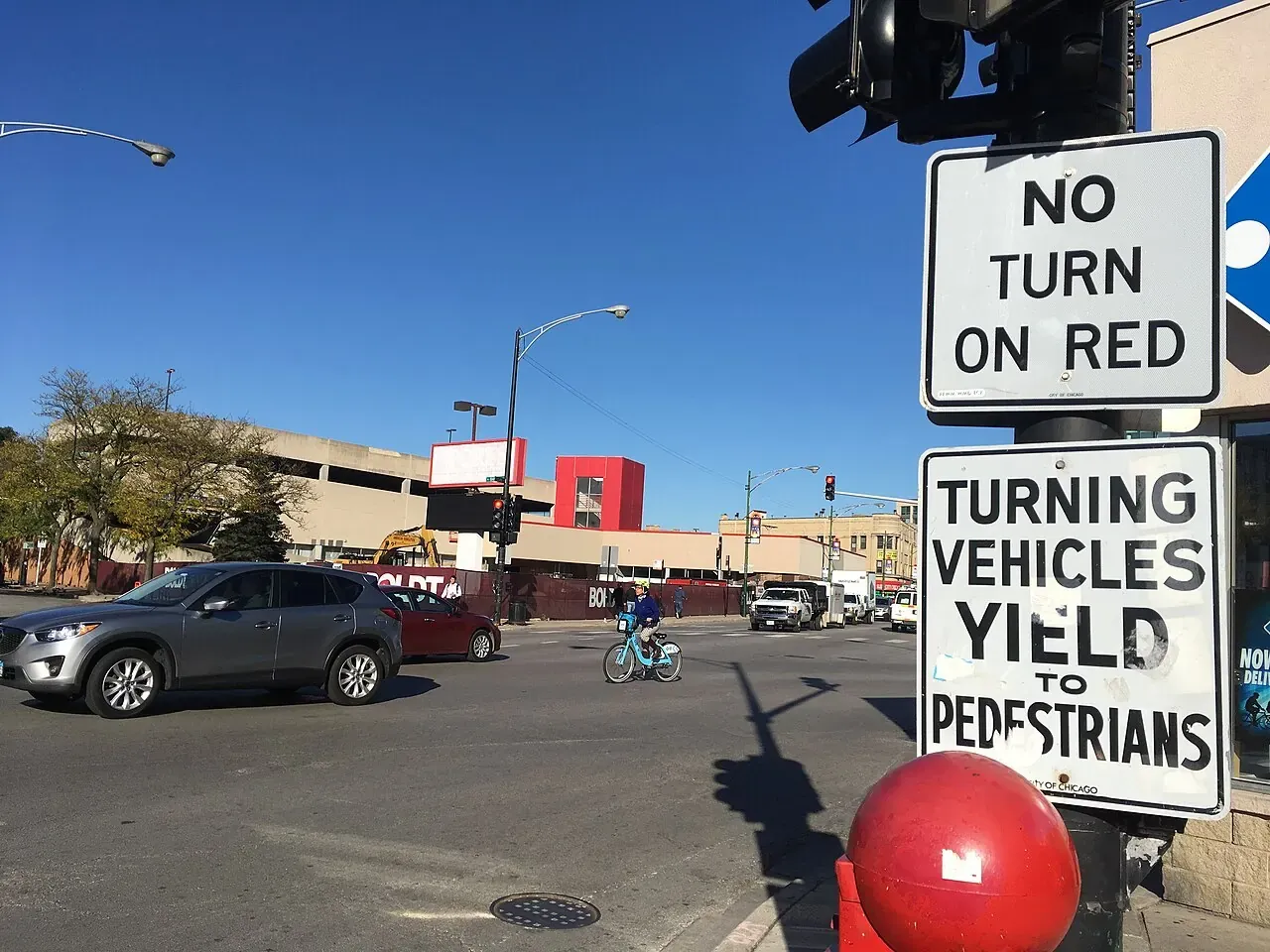
A red arrow is stricter than a circular red in many states - don’t assume the circular-red permission carries over. And a rolling “California stop” at a stop sign will get you ticketed by a camera or an officer who has seen that movie before. Full stop, wheels still, then go.
What actually trips visitors up
None of this is hard once you’ve done it once. The expensive mistakes are the ones that look optional at the counter:
- Declining every toll product, then spending a week on cashless Florida or New Jersey roads.
- Assuming your foreign chip card will authorize at the pump.
- Turning right on red in Manhattan because “that’s how it works in America.”
- Leaving the tank short on return day.
Budget the trip with real gas math using the USA trip cost page, keep your ESTA or visa current before you fly, and if the plan is a long drive like the California 10-day itinerary or Route 66, treat tolls and fuel as line items, not surprises. Pair this with rental car insurance in the USA before you sign at the desk, and which US airport to fly into if the trip starts with a long-haul arrival. The car gets you places trains don’t. The paperwork around the car is what decides whether the week feels cheap or nickel-and-dimed.
Admission and opening hours
- Admission price
- US regular gasoline averaged $4.079 a gallon nationally in the week ending 3 August 2026 ($3.944 East Coast, $5.495 California). Florida TOLL-BY-PLATE adds a $2.50 administrative fee per mailed invoice and costs about 25% more than SunPass on average.
Driving and toll rules are set by individual states and by each rental company. Confirm the current position with the state DMV and your rental agreement before you drive.
Details checked: August 6, 2026
Read also

Transport · 8 min read
ATL Airport to Downtown: MARTA, Taxi and Rideshare
Verified · August 28, 2026MARTA is $2.50 and about 16 minutes to Five Points. Airport taxis still publish flat fares: $37.50 downtown, $39.50 Midtown, $49.50 Buckhead.

Transport · 8 min read
SEA to Downtown Seattle: Link, Taxi and Rideshare
Verified · August 23, 2026Link light rail is a flat $3 and about 38 minutes to Westlake. Taxis use a meter with a $20 airport minimum - there is no regulated flat fare to downtown.

Transport · 10 min read
SFO to San Francisco: BART, Taxi and Rideshare
Verified · August 20, 2026BART to downtown is $11.80 and takes about 30 minutes, but you don't step straight onto a train. Taxi, rideshare and Caltrain routes, checked 20 Aug 2026.

Transport · 9 min read
Boston Logan to Downtown: Silver Line, Taxi and Ferry
Verified · August 19, 2026Silver Line SL1 is free from Logan. Taxi meters run extra with a $2.75 toll, Uber picks up at the garage, and the ferry is seasonal.