
How Much Does a USA Trip Cost
What a US trip costs per day: lodging, food, car and gas, park fees, plus the sales tax, resort fees and non-resident charges nobody warns you about.
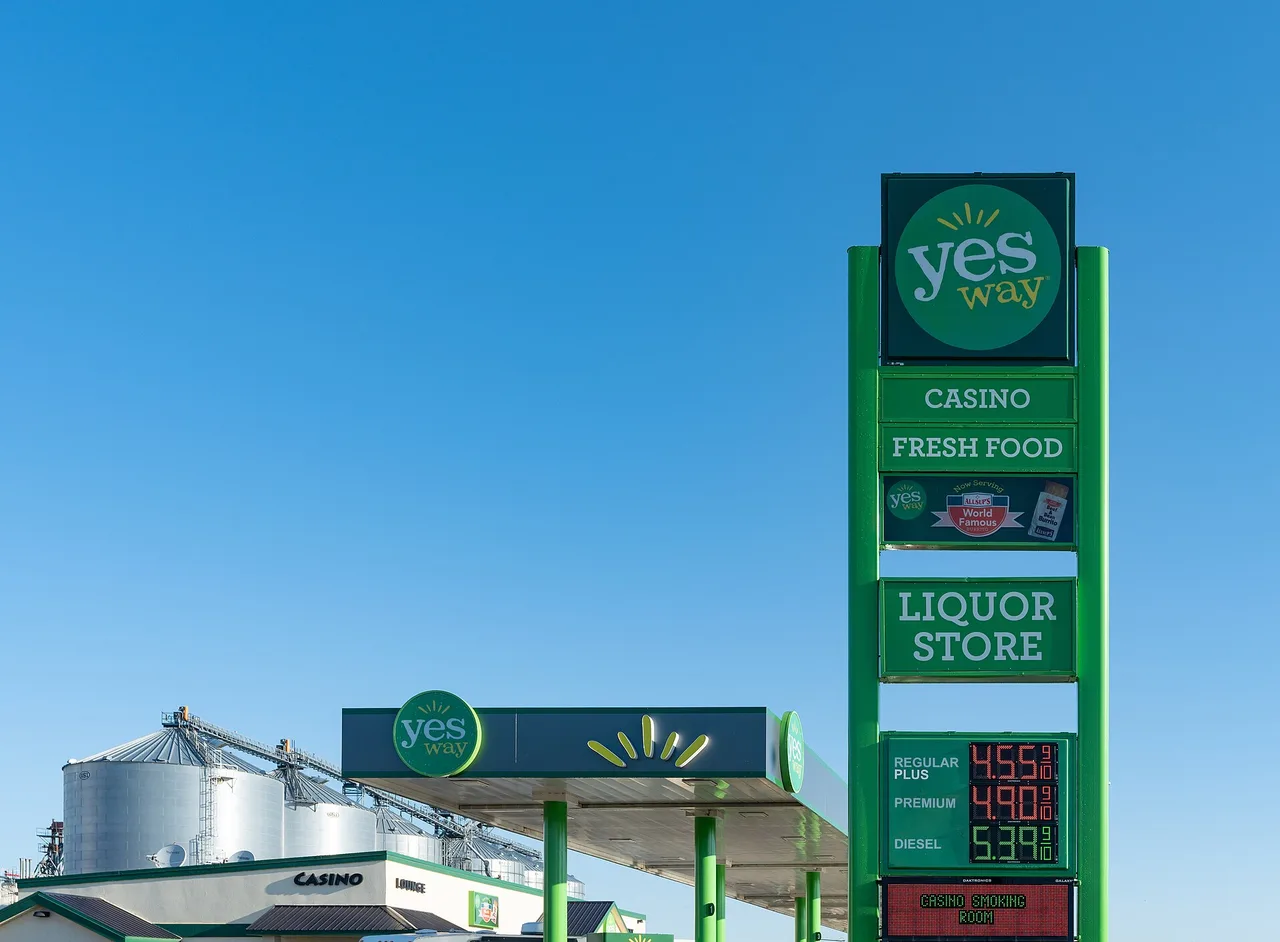
Two weeks in the United States for two people, done mid-range, lands somewhere around $7,000-11,000 all in. Per person per day that works out at roughly $120-180 on a lean trip, $250-400 mid-range and $500 and up for good hotels and proper restaurants - lodging, food, local transport and activities, but not the international flight and not the car. Where you go moves that number far more than how you travel.
What throws foreign visitors isn’t the headline prices, which are broadly what you’d expect from a rich country. It’s that the number on the label, the menu and the booking page is routinely not the number you pay. Sales tax gets added at the register. Tips get added at the table. And since January 2026 there’s a new line at the gate of eleven national parks that applies only to people who don’t live in the United States.
Currency converter
- USD
- $111.93
- EUR
- €100
- GBP
- £83.73
Three budgets, per person per day
| Budget | Mid-range | Comfortable | |
|---|---|---|---|
| Bed | $40-90 hostel or motel | $130-220 hotel or rental | $300+ |
| Food | $35-50 | $70-110 | $150+ |
| Local transport | $10-20 | $25-45 | $60+ |
| Activities | $15-25 | $35-60 | $80+ |
| Per day | $120-180 | $250-400 | $500+ |
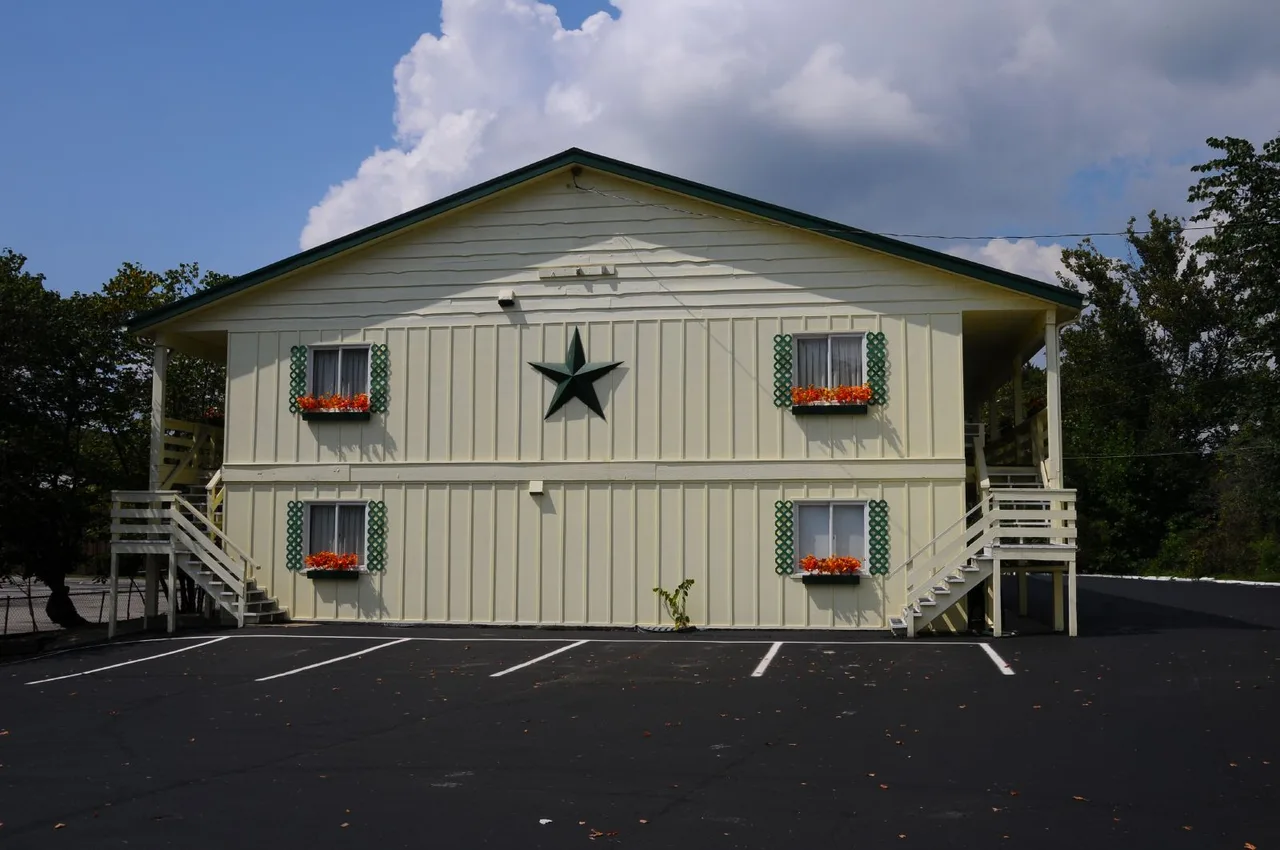
These are planning ranges, not quotes. A night in rural Utah and a night in Manhattan are different economies. New York, San Francisco, Boston and Honolulu sit at the top of the lodging scale; small-town motels along an interstate sit at the bottom, and the gap between them is bigger than the gap between mid-range and luxury in most of Europe. Honolulu also carries the heaviest tax and fee stack of the four, which where to stay in Honolulu breaks down line by line.
Trip budget calculator
Estimated total for the trip, flights excluded
- USD
- $3,500-5,600
- EUR
- €3,127-5,003
- GBP
- £2,618-4,189
The label price is not the price
There’s no national VAT in the United States and no requirement that shelf prices include tax. Sales tax is set by states, counties and cities, it’s calculated at the register, and it varies from zero to roughly ten percent depending on where you are standing. Oregon has no general sales tax at all. Cross into Washington and the same purchase costs more.
Practically, add eight to ten percent to any restaurant or shop price in your head and you’ll rarely be wrong. Grocery staples are often taxed at a lower rate or not at all, prepared food usually isn’t.
Hotels layer their own taxes on top, and these are much heavier than sales tax. New York City is the extreme case: a room there carries three separate taxes plus a state hotel unit fee of $1.50 per night, and the whole stack is commonly summarized as about 14.75 percent plus roughly $3.50 a night. Our guide to where to stay in New York City works through what that does to a five-night booking. Nashville adds a flat nightly charge on top of the percentage, which the Nashville neighborhood comparison works through, and San Antonio stacks its own lodging tax in the same way.
Resort fees, and the rule that finally bit
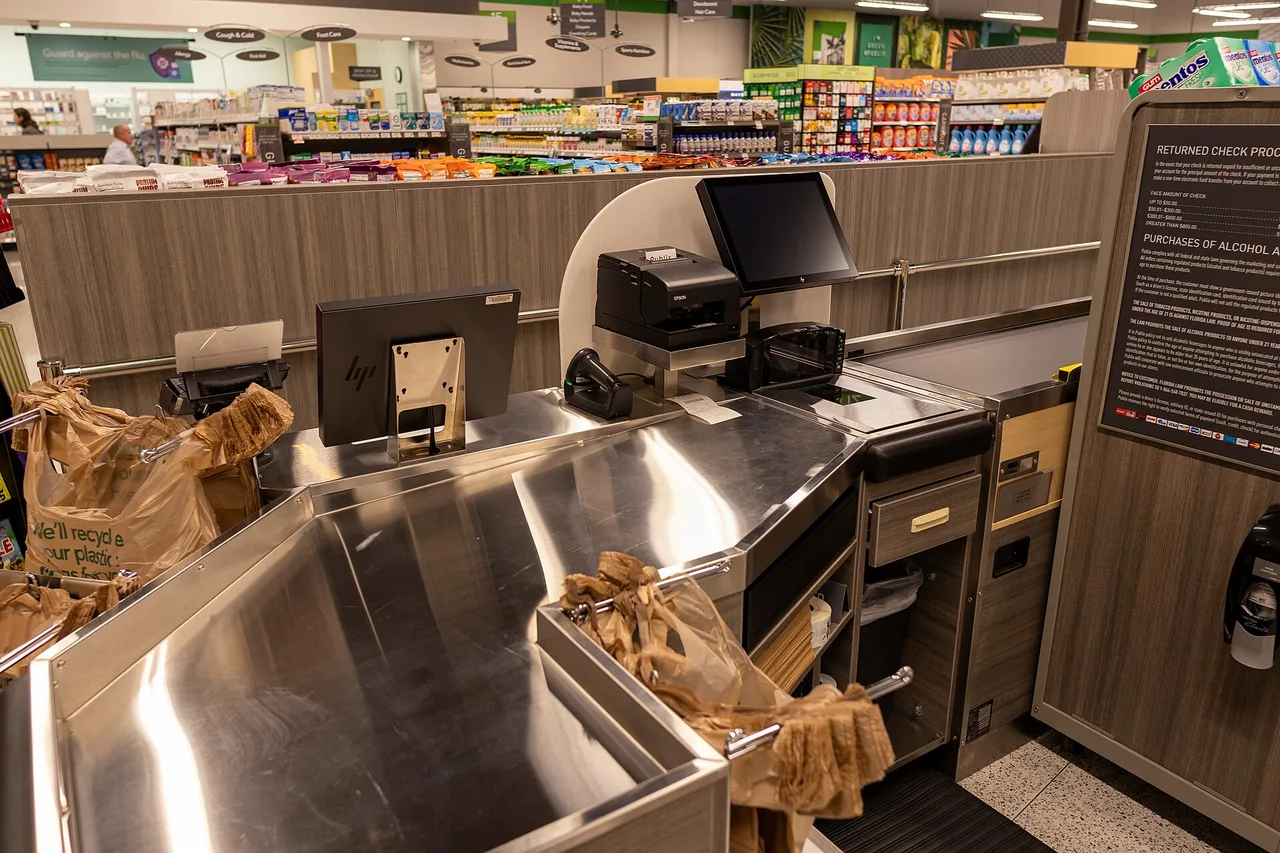
For years, US hotels advertised a nightly rate and then added a mandatory “resort fee” or “destination fee” of $25-50 a night at checkout, for a gym and a newspaper you never asked for. Comparing prices across booking sites was close to meaningless.
That changed on 12 May 2025, when the FTC’s Rule on Unfair or Deceptive Fees took effect. For short-term lodging and live-event tickets, a business now has to display the total price, including mandatory fees, and display it more prominently than any other price on the page. Optional extras can be left out, and so can government charges and taxes - but their nature, purpose and amount must be disclosed before you agree to pay.
What that means at the keyboard: the nightly rate you see on a US hotel listing should now already include the resort fee, so a like-for-like comparison finally works. Tax is still added at the end. If a booking page shows you a suspiciously low rate and reveals a mandatory fee only at the payment screen, that’s what the rule was written to stop.
National parks: the new non-resident math
This is the change most likely to break an existing budget. Since 1 January 2026, every non-US resident aged 16 or over pays a $100 nonresident fee per person, on top of the normal entrance fee, at eleven of the busiest national parks: Acadia, Bryce Canyon, Everglades, Glacier, Grand Canyon, Grand Teton, Rocky Mountain, Sequoia & Kings Canyon, Yellowstone, Yosemite and Zion. Children aged 15 and under pay nothing at all.
The standard entrance fee hasn’t gone away underneath it. At Yellowstone, a private vehicle is $35 for seven days, a motorcycle $30, and an individual on foot or bicycle $20.
Do the arithmetic before you drive up to a gate:
- Two non-resident adults, one park: $35 vehicle + $200 = $235
- Two non-resident adults, three parks: $105 in vehicle fees + $600 = $705
- Four non-resident adults with the $250 pass: $250 covers the nonresident fee for the holder plus three others, at every fee park, for twelve months
The America the Beautiful Non-Resident Annual Pass went on sale on 1 January 2026 at $250, and for anything beyond a single park visit by a couple it’s the obvious buy. Compare it with the standard America the Beautiful annual pass at $80, which US residents use, or Yellowstone’s own $70 park pass. One caution on that cheaper option: NPS’s own pages disagree on whether a single-park $70 annual pass waives the nonresident surcharge, and the only pass NPS explicitly names as covering it is the $250 Non-Resident Annual Pass, so confirm at the entrance station before you rely on it. Passes are non-transferable and the holder has to be present with ID.
If your trip takes in Zion, the Grand Canyon and Yosemite, the pass pays for itself before you reach the second gate.

Getting there and getting around
The transatlantic or transpacific flight is usually the single biggest line in the budget and the one with the widest spread; shoulder-season fares in late September and early October are reliably cheaper than July. Domestic flights, by contrast, are often the cheap part: the US has enough competition on major routes that a two-hour hop can cost less than the taxi to the airport.
Rental cars are close to essential outside a handful of dense cities, and the daily rate is only part of it. Add fuel, insurance, and parking, which in city centers runs $30-60 a night and is charged on top of the room. Gas is priced per US gallon, which is 3.785 liters, so the number on the sign looks lower than a European price per liter until you convert it. One useful habit: fill up before you enter a national park or a remote stretch of highway, where prices climb steeply.
Amtrak is scenic, comfortable and slow, and it’s rarely the cheap option compared with flying. City transit is the reverse: a subway or bus day pass in any big city is a few dollars and always beats driving downtown.
Food, and the two things added to it
A diner breakfast runs $12-18. A casual lunch is $15-25, a mid-range dinner $30-50 a head before drinks, and a good restaurant in a big city starts around $70. Portions are large enough that splitting a main is normal and nobody blinks.
Then two additions land on top of the menu price: sales tax, and a tip of 18-20 percent at any table where somebody served you. A $40 dinner is really $48-50. Build that in from the start rather than treating it as a surprise, and read our guide to tipping in the USA before your first restaurant meal, because the rules aren’t intuitive and the amounts aren’t small.
Supermarkets are the great budget lever. A breakfast and lunch assembled from a grocery store costs a quarter of the restaurant equivalent, and every motel room has a fridge.
What actually saves money
- Move the dates, not the standard. The week after Labor Day has the same weather as the week before it and materially lower prices. Our best time to visit guide has the regional detail.
- Buy the right park pass. For two or more non-resident adults visiting more than one fee park, the $250 pass isn’t a splurge, it’s the cheaper option.
- Sleep one town out. Gateway towns at park entrances charge a premium of 50 percent or more over a motel twenty minutes further along the road.
- Book business districts on weekends. Financial districts empty on Saturday and Sunday, and their four-star hotels discount accordingly.
- Book big-city hotels early. In cities that run near-full occupancy, waiting for a last-minute deal costs money rather than saving it.
- Skip the city pass unless you have done the math. They pay off only if you visit three or four paid attractions in a short window; most people don’t.
The single largest variable in a US budget isn’t your taste in hotels, it’s geography. Two weeks that pair one expensive city with a road trip through small towns and public land will cost far less than two weeks moving between New York, San Francisco and Honolulu, and most people find they enjoy the first version more. Sort the flight and the first few nights early, then let the rest of the route follow the map.
Read also
- Get the timing right: best time to visit the USA
- The other unavoidable cost: tipping in the USA
- Entry paperwork and fees: ESTA and US visas: who needs what
- Where the hotel taxes bite hardest: where to stay in New York City
- Plan the parks: Yellowstone, Zion, Yosemite and the full US national parks index
Admission and opening hours
- Admission price
- Indicative 2026 daily budgets per person, excluding international flights: budget $120-180; mid-range $250-400; comfortable $500 and up. Big-city nights and peak season push all three higher.
Daily budget ranges are planning estimates, not quoted prices, and they move sharply by city and season. Park fees, pass prices and the fee rule below were verified against nps.gov, nyc.gov and the current eCFR on 24 July 2026 - always check the current figure before you pay.
Details checked: July 24, 2026
Read also

Before you go · 9 min read
New England Fall Foliage: When and Where to Go
Verified · August 27, 2026Yankee's 2026 forecast, peak windows by state and how to chase color from Vermont's Northeast Kingdom to the NH coast without betting on one weekend.

Before you go · 9 min read
Which Hawaiian Island: Oahu, Maui, Kauai or Big Island
Verified · August 24, 2026Pick one Hawaiian island for a week: Oahu for city and surf, Maui for beaches and Haleakala, Kauai for scenery, Big Island for volcanoes.

Before you go · 11 min read
Where to Stay in Phoenix: Downtown, Scottsdale or Tempe
Verified · August 18, 2026Free Sky Train, then $2 light rail into downtown. Scottsdale is the resort city; Tempe is ASU next door. Phoenix hotel tax is 13.07%.

Before you go · 11 min read
Global Entry and TSA PreCheck for Visitors
Verified · August 15, 2026Global Entry is $120 for five years and closed to most EU passports. TSA PreCheck is $85 or less, and only US citizens and LPRs can buy it.