
Best Time to Visit the USA: Region by Region
When to visit the USA region by region: hurricane dates, desert heat, fall color, which park roads shut in winter and the months that work anywhere.

Late September and early October are the best all-purpose weeks in the United States. The summer heat has broken almost everywhere, the crowds thin out after Labor Day, prices fall with them, and the mountain roads are still open. The one caveat is the Atlantic coast, where hurricane season peaks on 10 September.
The United States isn’t one climate you time, it’s six or seven you time separately, and the penalty for getting it wrong is rarely just bad weather. It’s a road across the Sierra that doesn’t open until late May, a park where three of four entrances are shut until May, a desert that hits 120F in the shade. Those are scheduling problems, not weather problems, and they’re fixable if you know about them before you book.
Two dates that shape the calendar
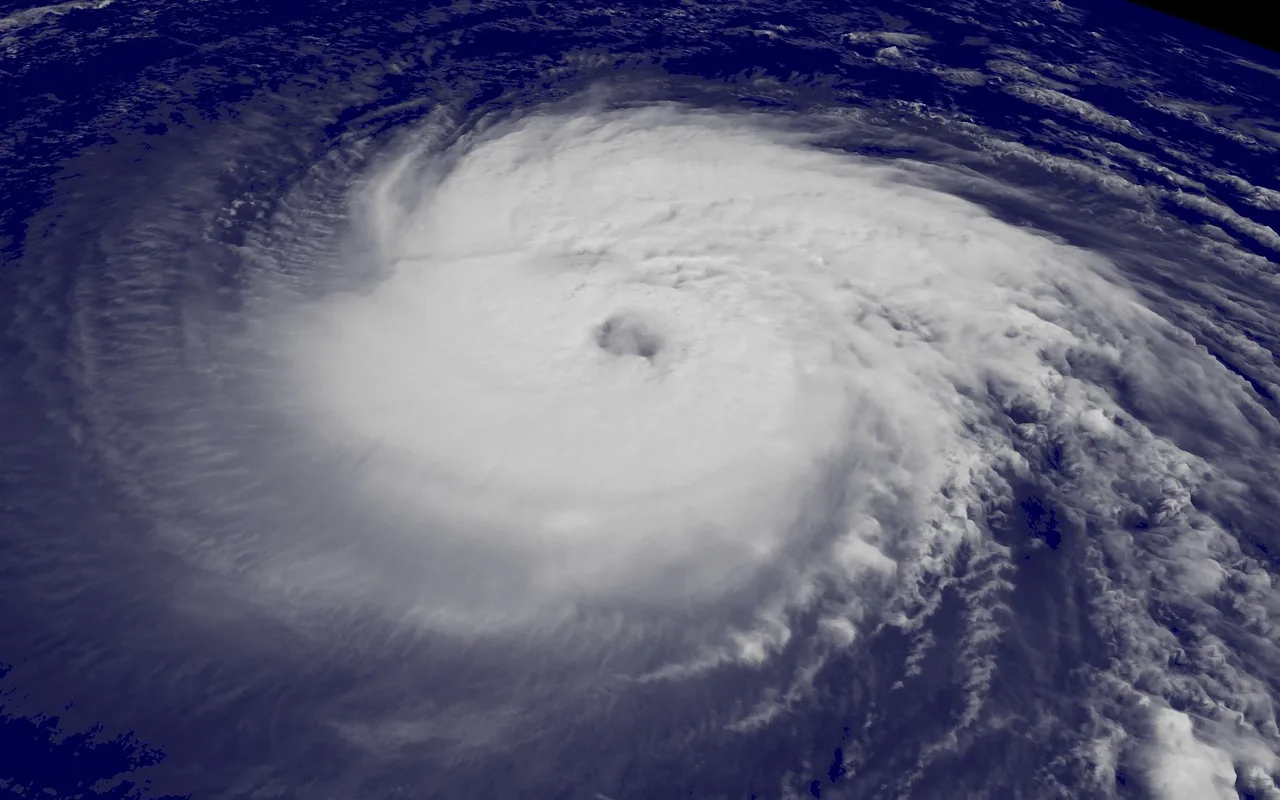
The Atlantic hurricane season officially runs 1 June to 30 November, with the climatological peak on 10 September and most activity between mid-August and mid-October. An average season since 1991 has produced 14 named storms, 7 hurricanes and 3 major hurricanes. That doesn’t mean avoiding Florida or the Carolinas in September, it means booking refundable and buying insurance if you do.
The second date is cultural rather than meteorological. American domestic travel packs into the stretch between Memorial Day at the end of May and Labor Day at the start of September, because that’s when the schools are out. The week after Labor Day is the single most reliable value window in the country: same weather, half the people.
Northeast and New England: fall, and everything else
Fall is the reason to come, and it’s the most weather-dependent trip in America. Color moves north to south and high to low: the mountains of northern New England and the Adirondacks usually turn in the back half of September, and the wave works down into the lower Hudson Valley and southern New England through October. Every state runs a foliage tracker, and the only forecast that means anything is the one published the week before you leave. Our New York State guide covers where to stand when it happens.
Summer here is hot and sticky in the cities and lovely on the coast and in the mountains. Spring is short, muddy in the hills and unpredictable. Winter is cold, but it’s also when New York City is at its most cinematic, and when hotel rates in January and February drop to their lowest point of the year.
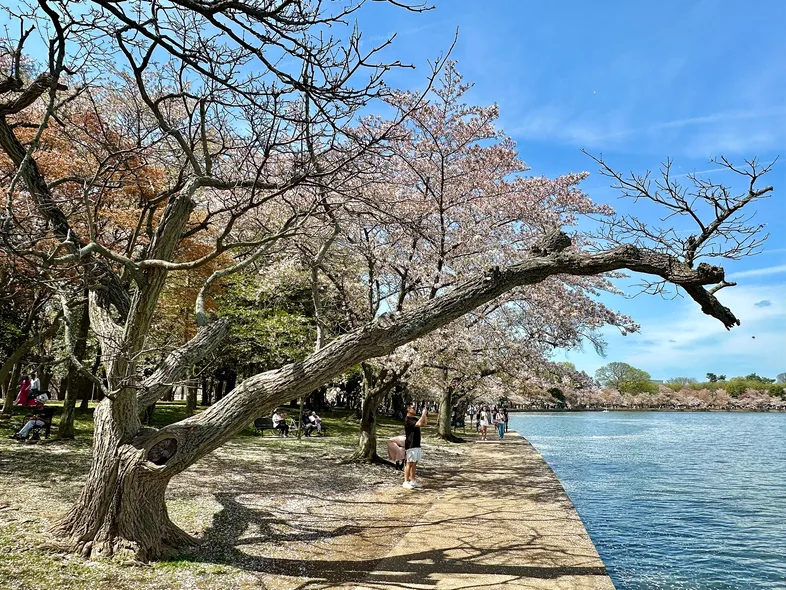
Washington DC deserves its own note. Cherry blossom peak bloom, defined as the day 70 percent of the Yoshino trees are open, most often falls between the last week of March and the first week of April. In 2026 it landed on 26 March. The extremes on record are 15 March and 18 April, and the forecast is close to impossible more than ten days out, so treat blossom trips as a happy accident rather than a plan. If the dates are fixed, pick the neighborhood first and the exact hotel second.
The South and Florida: winter is the season
This is the part of the country where the calendar inverts. Florida, the Gulf Coast and the Deep South are at their best from roughly November to April: warm, dry, and full of people escaping winter further north. January to March is high season in south Florida, with prices to match.
Summer is the off season for a reason. Daily afternoon thunderstorms, humidity that makes 90F feel considerably worse, and the hurricane window overlapping the second half of it. The same split runs through the Everglades, where the dry months are the busy ones and the wet season is hotter, buggier and quieter. The Great Smoky Mountains sit between the two patterns and work best in late spring and October, when the elevation gives you a break from the heat; see our Great Smoky Mountains guide for how the crowds move through the year.
The Southwest: everything except summer
Spring and fall are the answer. March to May and October to November give you comfortable days across Arizona, Utah and New Mexico, and that’s the window when Zion and the Grand Canyon are pleasant rather than punishing. The one date to check before you book New Mexico is the start of October, when the Albuquerque Balloon Fiesta takes the city’s hotel rooms months ahead and pushes rates up the whole corridor toward Santa Fe.
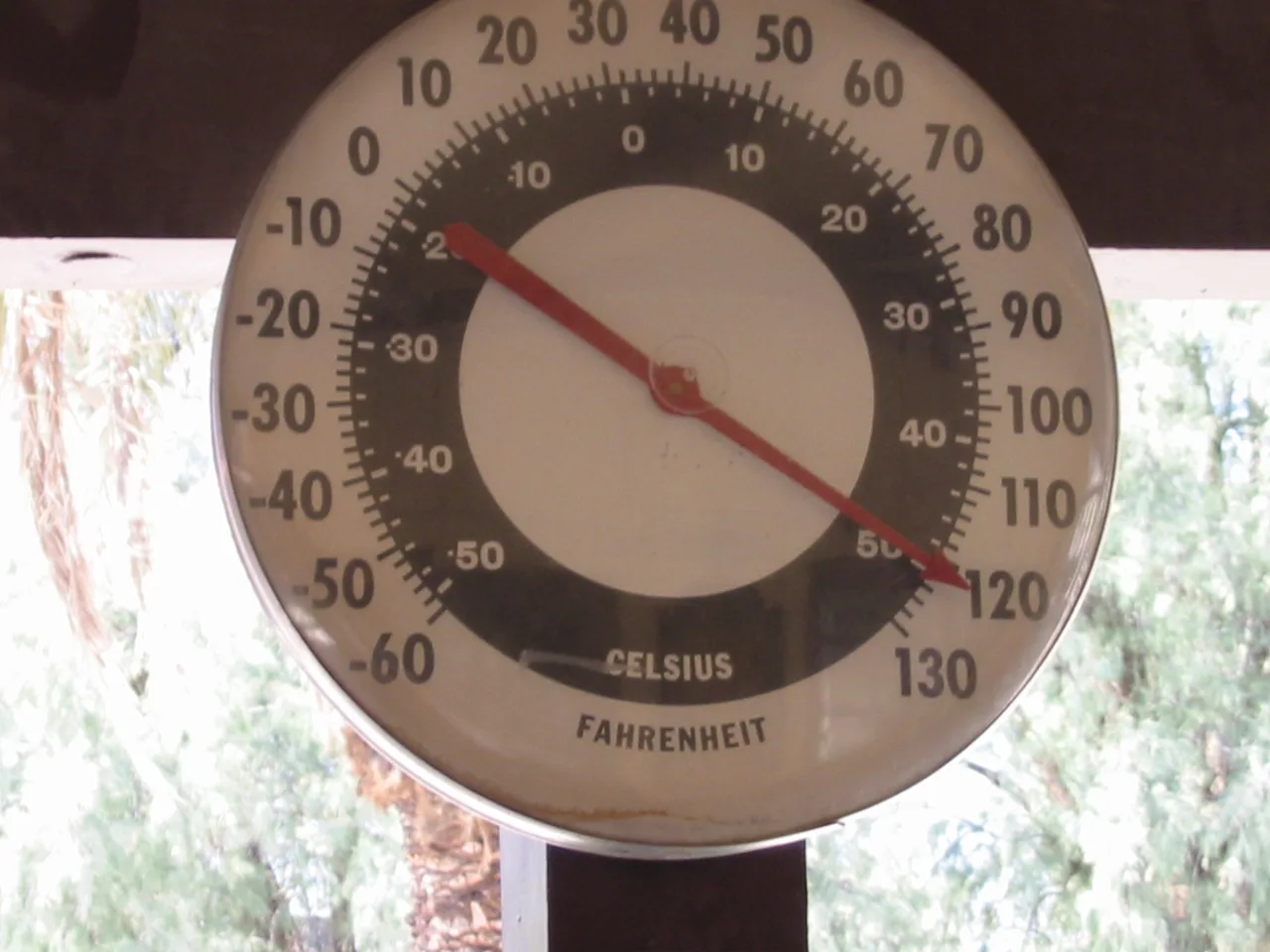
Summer in the low desert is a different category of hot. Death Valley regularly tops 120F (49C) in the shade, with overnight lows still in the 90s, and it holds the world record air temperature of 134F, set at Furnace Creek on 10 July 1913. Phoenix and Las Vegas are only marginally less serious. A Phoenix stay is a heat decision as much as a location one, so let the weather help pick the neighborhood. If you have to travel in July, plan the day around dawn and dusk and treat midday as indoor time.
Winter is underrated here. Southern Utah and Arizona in January are cold at night and clear by day, the crowds are gone, and snow on red rock is one of the great sights in the country. The catch is elevation: the Grand Canyon’s North Rim closes for the season, and high-desert roads can ice.
The West Coast: not the summer you expect
California confounds first-timers because the state runs several climates at once. San Francisco is famously cold and foggy in July while inland valleys bake; Los Angeles and San Diego are mild all year with a gray overcast that hangs around in late spring. Northern California and the Pacific Northwest get their reliably dry, bright weather in July, August and September, which is exactly when everywhere else is busiest.
The honest caveat nobody puts on a brochure: late summer and early fall are wildfire season across much of the West, and smoke can flatten visibility for days at a time in years when it is bad. It isn’t a reason to avoid the season, but it’s a reason to keep an itinerary flexible.
Yosemite is where this bites hardest. Tioga Road, the high route across the Sierra, is typically open only from late May or June until sometime in November - in 2026 it opened on 15 May, and Glacier Point Road on 9 May. Plan a May trip around the valley floor, not the high country.
The Rockies and the northern parks
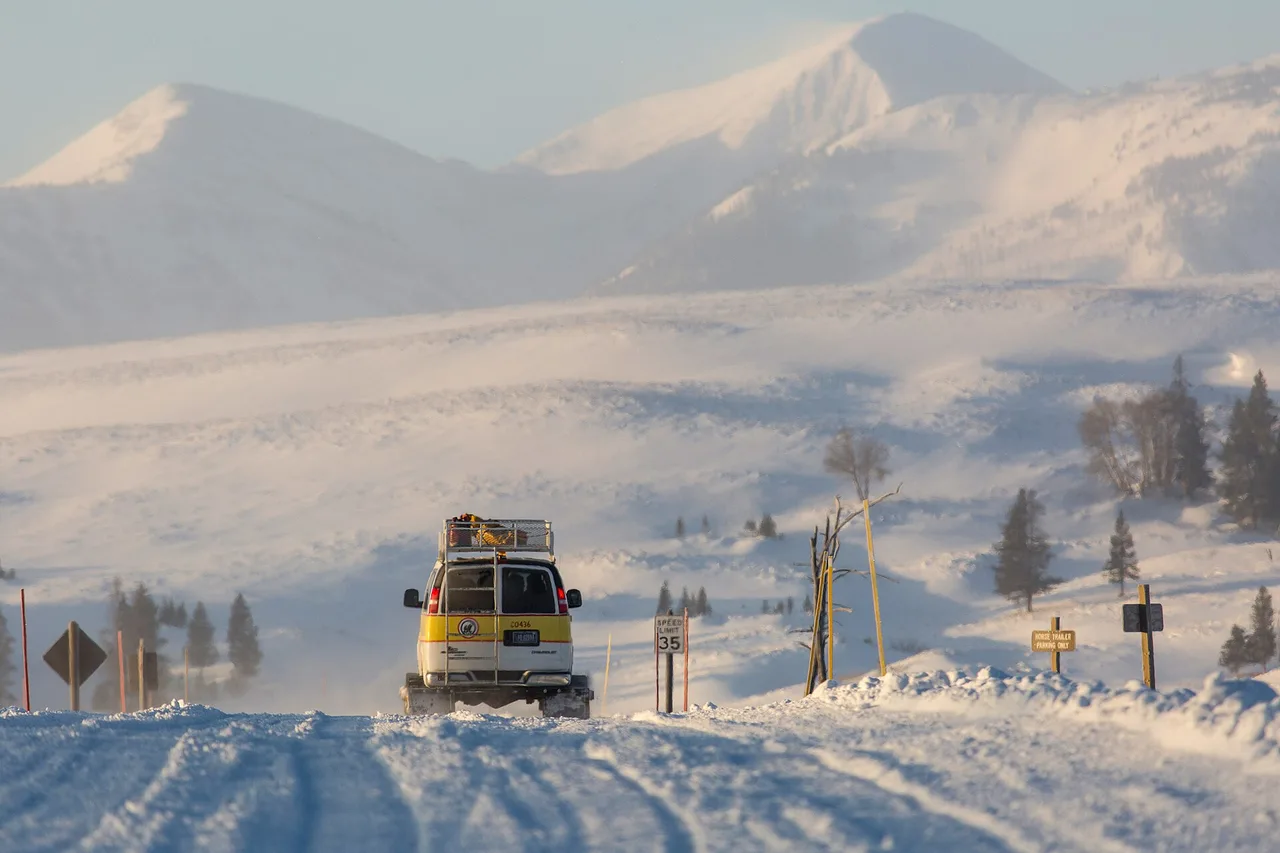
Mountain parks run on a short calendar and the dates aren’t negotiable. At Yellowstone, the only road open to regular vehicles year-round is the stretch from the North Entrance at Gardiner through to Cooke City. Most park roads close to cars from early November to late April. The 2026 schedule gives a good sense of the staging: the West Entrance roads opened on 17 April, the East and South Entrance roads on 1 and 8 May, and Dunraven Pass and the Beartooth Highway not until 22 May, closing again on 12 October.
Between mid-December and mid-March the interior reopens to commercially guided snowcoaches and snowmobiles. It’s expensive, it’s limited, and it’s also the best wildlife viewing of the year with almost nobody in the way.
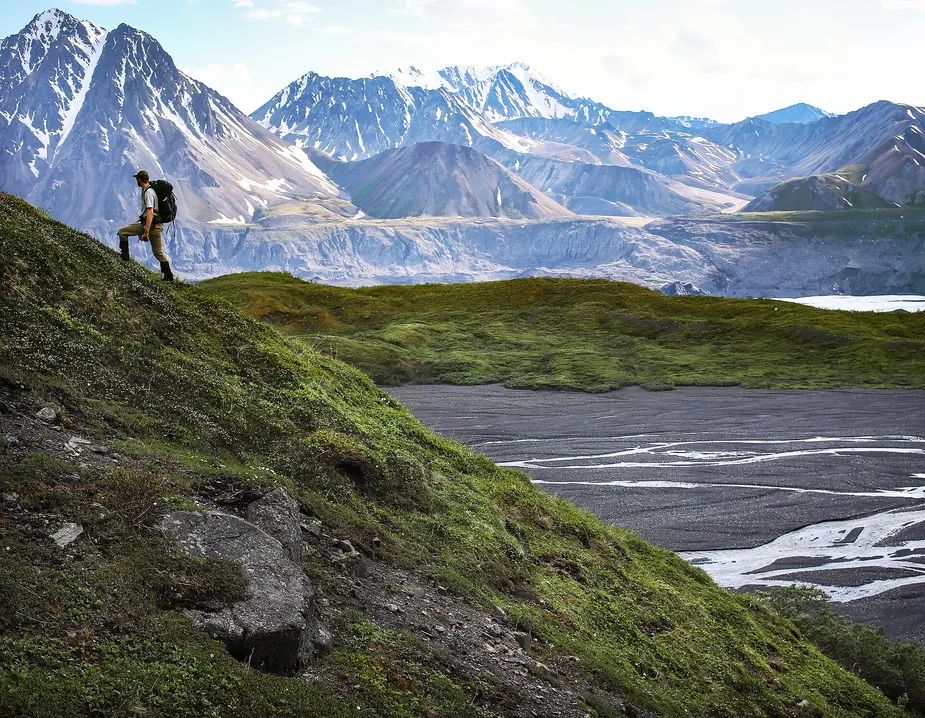
For the Rockies generally, July and August are the reliable hiking months, September is the sweet spot for weather and elk, and anything before late June depends entirely on how the snowpack melted.
Alaska and Hawaii
Alaska has the shortest window of all: roughly mid-May to mid-September, with June and July giving you daylight that barely quits and September giving you tundra color and northern lights on clear nights. Outside that, most visitor infrastructure simply closes. Denali National Park is the Interior bus trip most land visitors add after a cruise week.
Hawaii works all year, which is why it’s the answer when the mainland calendar refuses to cooperate. Winter brings big surf to the north shores, humpback whales and the peak booking season around the holidays. Summer is calmer water and slightly cheaper flights. There’s no bad month, only different water.
Picking a month
If the trip is built around national parks, aim at the second half of September: roads still open, crowds gone, temperatures civil in both the desert and the mountains. If it is built around cities, April to early June and late September to October give you walkable weather without August prices. If it is built around beaches and warmth in winter, look at Florida, southern Arizona or Hawaii from January to March and budget for peak-season rates.
Avoid, unless you have a specific reason: the low desert in July, Alaska outside the short summer, the Rockies in late April or early November when everything is between seasons, and the last week of December anywhere popular, when American families travel and prices spike.
One practical habit is worth more than any of this advice. Before you lock in dates, open the park pages for the two or three places your trip depends on and read their road and season notices. Those pages are updated weekly, they carry the projected opening dates, and they’ll tell you in thirty seconds what a general guide never can. Then work out what it all adds up to with our guide to what a US trip costs, and check your entry paperwork early enough that the dates you chose are actually available to you.
Read also
- Budget the trip: how much does a USA trip cost
- Entry rules: ESTA and US visas: who needs what
- What you can bring in: US entry and customs
- Season by season in the parks: Yellowstone, Yosemite, Zion and the Grand Canyon
- Browse more US national parks, states and cities
Good to know
Season and road dates were checked against nhc.noaa.gov and nps.gov on 24 July 2026. Park opening dates are projections that move with the weather every year - check the park page in the two weeks before you travel.
Details checked: July 24, 2026
Read also

Before you go · 9 min read
New England Fall Foliage: When and Where to Go
Verified · August 27, 2026Yankee's 2026 forecast, peak windows by state and how to chase color from Vermont's Northeast Kingdom to the NH coast without betting on one weekend.

Before you go · 9 min read
Which Hawaiian Island: Oahu, Maui, Kauai or Big Island
Verified · August 24, 2026Pick one Hawaiian island for a week: Oahu for city and surf, Maui for beaches and Haleakala, Kauai for scenery, Big Island for volcanoes.

Before you go · 11 min read
Where to Stay in Phoenix: Downtown, Scottsdale or Tempe
Verified · August 18, 2026Free Sky Train, then $2 light rail into downtown. Scottsdale is the resort city; Tempe is ASU next door. Phoenix hotel tax is 13.07%.

Before you go · 11 min read
Global Entry and TSA PreCheck for Visitors
Verified · August 15, 2026Global Entry is $120 for five years and closed to most EU passports. TSA PreCheck is $85 or less, and only US citizens and LPRs can buy it.