
Where to Stay in Washington DC: Best Areas
Best areas to stay in Washington DC for museums and Metro: Penn Quarter, Foggy Bottom, Dupont, Capitol Hill, Georgetown and The Wharf.
For a first visit to Washington, DC - the District of Columbia, not the Pacific Northwest state - stay in Penn Quarter or Foggy Bottom if museums are the whole trip, or in Dupont Circle if you want a real neighborhood to come home to. Both patterns put you on Metro within a few blocks and keep the National Mall inside a short ride or a long walk. Georgetown is prettier and often wrong for a museum-heavy itinerary because it has no Metrorail station.
The bill surprise isn’t usually the room rate on the booking site. DC charges 15.95% tax on hotel rooms (a temporary rate extended through September 30, 2027), and many downtown properties add nightly parking on top. Always look at the all-in total before you congratulate yourself on a “deal.”
The areas at a glance
| Area | Best for | Trade-off |
|---|---|---|
| Penn Quarter / Downtown | First-timers, Mall museums on foot, big hotel brands | Can feel generic after dark; conference crowds |
| Foggy Bottom / West End | West Mall, Kennedy Center, Metro to Arlington | Pricier business hotels; quieter evenings |
| Dupont Circle | Food, evening life, Red Line convenience | Not walk-to-Mall for everyone; hills |
| Capitol Hill | Quieter nights, Eastern Market, Union Station | Fewer hotels; longer walk to west memorials |
| Georgetown | Couples, shopping, Potomac evenings | No Metro; rideshares add up |
| The Wharf (SW) | Waterfront dining, newer hotels | Edge of the sightseeing core |
Penn Quarter and downtown: the efficient first trip
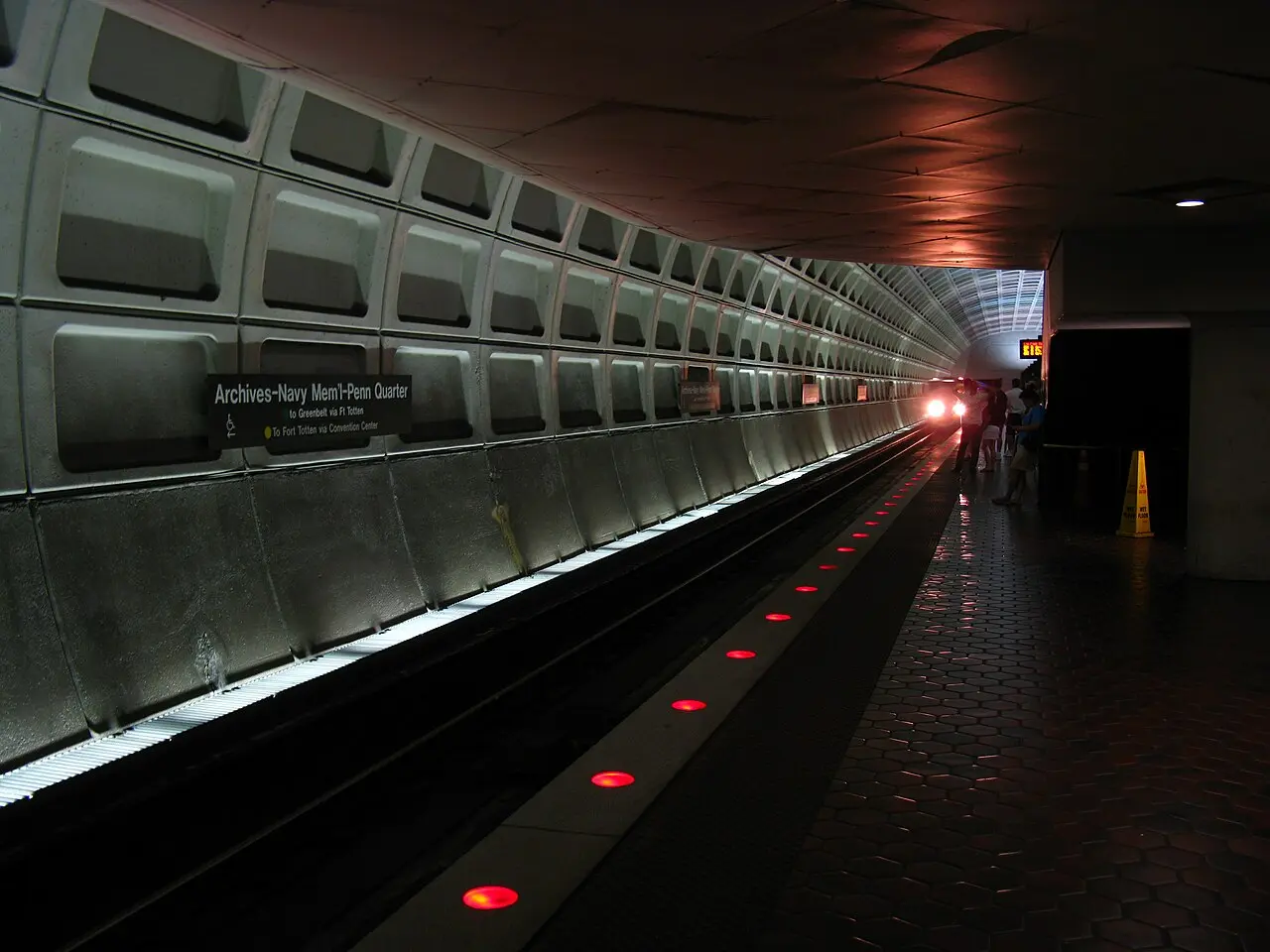
If your plan is Smithsonian mornings and memorial evenings, downtown between the White House and the Capitol is the path of least friction. Penn Quarter, Gallery Place and the Chinatown blocks around 7th Street NW hold a thick stack of full-service hotels, and the Archives-Navy Memorial-Penn Quarter Metro station drops you into the middle of it.
You’re close enough to walk to the National Gallery, Natural History and American History without negotiating a transfer. You’re also close enough to hear conference groups at breakfast. That’s the deal: efficiency over character. For two or three nights focused on things to do in Washington DC, it’s still the answer most first-timers should book.
Stay near a Metro entrance you’d actually use after a long day - Gallery Place-Chinatown and Metro Center matter more than a “downtown” pin a half-mile from the nearest escalator.
Foggy Bottom and the West End: west Mall without the conference-hotel vibe
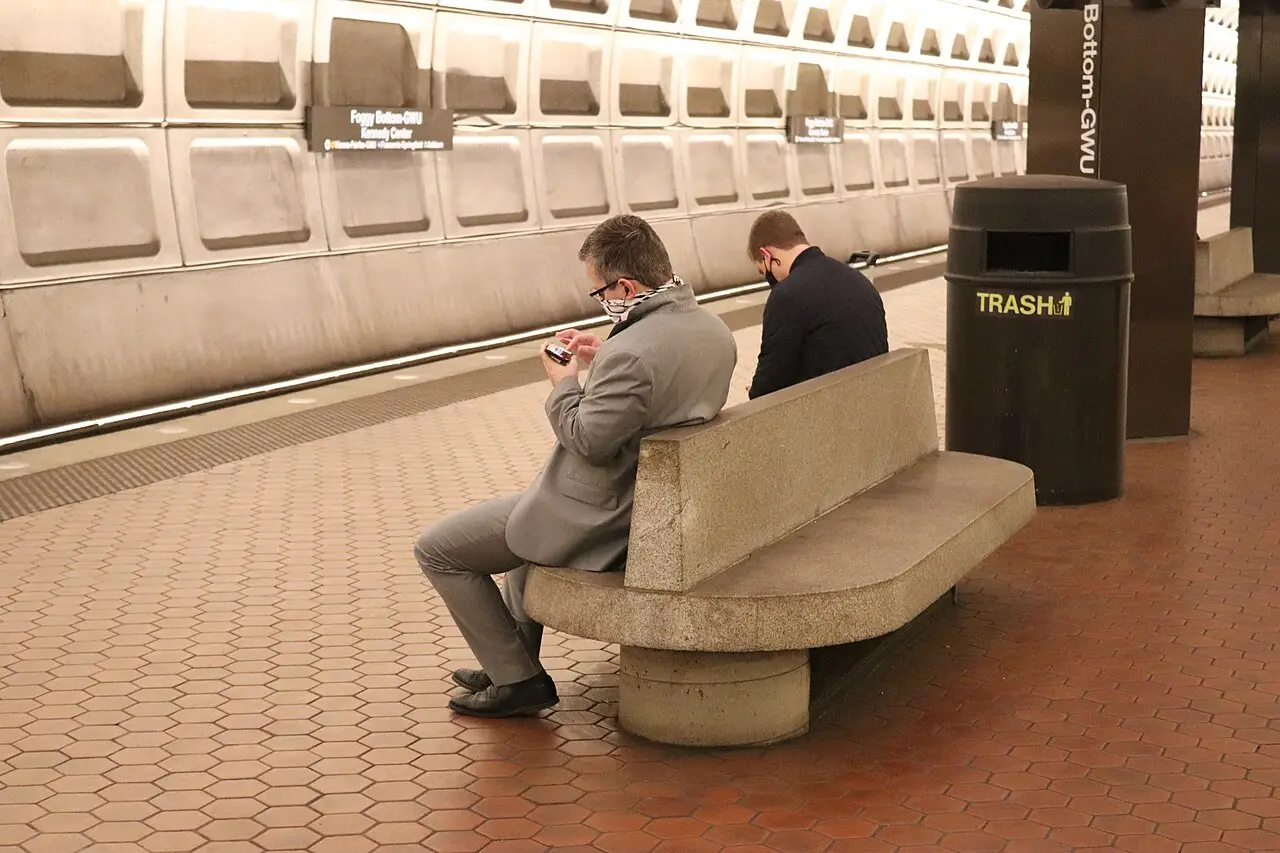
Foggy Bottom-GWU sits on the Blue, Orange and Silver lines and is the smartest base if your mental map of the trip runs from the Washington Monument toward the Lincoln Memorial, the Kennedy Center and Arlington. Hotels here skew business-travel and university-adjacent rather than tourist-strip, which often means quieter nights and better walkability to the west end of the Mall.
It’s also the cleanest Metro hop if you’re splitting days between DC and Virginia sights. You won’t be walking to Eastern Market from here for fun, but you also won’t spend half your vacation underground changing trains.
Dupont Circle: the neighborhood people enjoy returning to
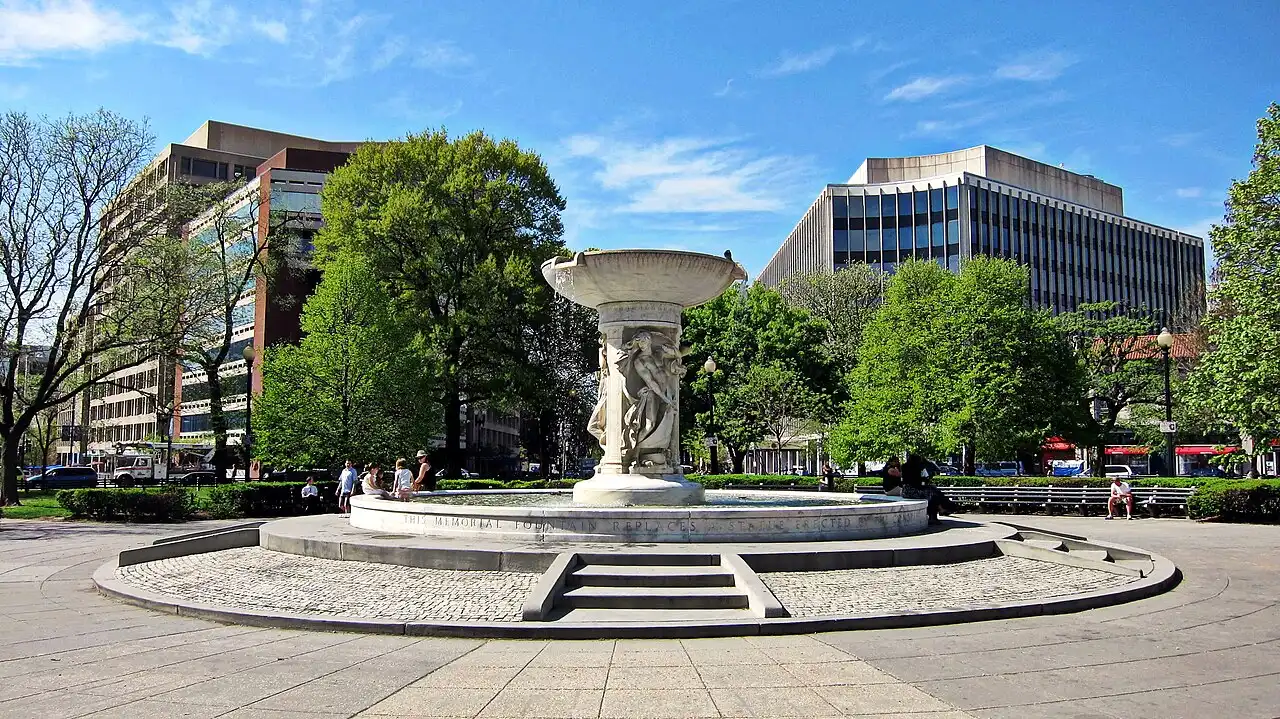
Dupont Circle is where a lot of visitors realize DC has a life beyond marble. The traffic circle, the fountain, the embassies along Massachusetts Avenue, the bookstores and the restaurants along 17th Street and P Street give you somewhere to spend an evening that isn’t another memorial loop. The Red Line station is deep - those escalators are a workout - but once you’re on the train, Gallery Place and Metro Center are quick.
Pick Dupont if you’re in town four nights or more, traveling as a couple, or you simply hate sleeping in a glass box next to a convention center. The Mall is no longer a stroll for everyone from here, but Metro makes that an inconvenience rather than a mistake. Our East Coast itinerary treats DC as a multi-day stop; Dupont is built for that pace.
Capitol Hill: quieter nights and Union Station
East of the Capitol, the city turns into rowhouses, corner parks and Eastern Market. Hotel density is thinner than downtown, which is exactly why families and longer-stay visitors like it. You’re close to the Capitol Visitor Center, the Library of Congress and the Supreme Court, and Union Station puts Amtrak and Metro in the same building when you’re arriving from New York or continuing south.
The honest limit: the Lincoln Memorial is a long way on foot from here. Budget Metro time or a rideshare for west-end memorial nights, and you’ll be happier than someone who booked downtown for “walkability” and then spent every evening in a food court.

Georgetown: charming, and missing a Metro stop
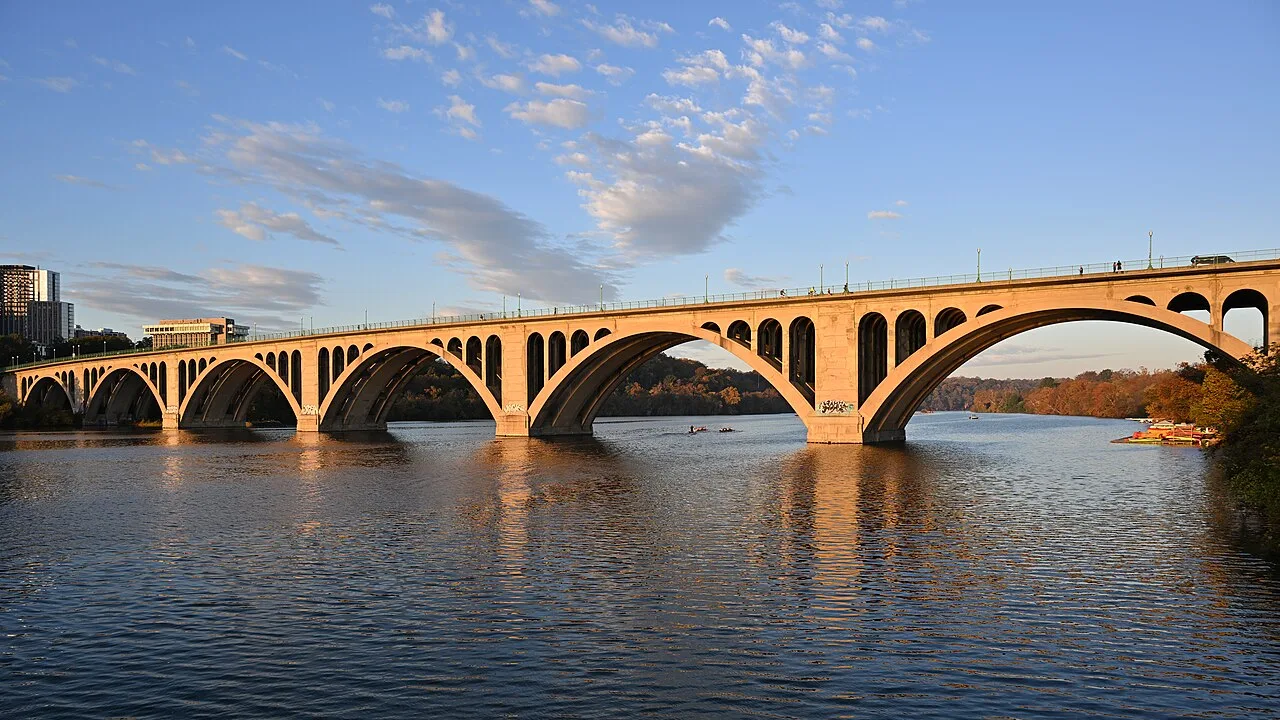
Georgetown sells itself: cobblestones, the C&O Canal, university energy, the Potomac waterfront under Key Bridge. Hotels tend to be smaller and more expensive, and dinners run late in a good way. If the hotel itself is half the vacation - a weekend for two, shopping on M Street, sunset on the waterfront - book it.
If you’re trying to hit five museums in three days, don’t. There is no Metrorail station in Georgetown. You’ll walk, take a bus, bike or pay for rideshares every time you need the Mall. Foggy Bottom is close enough that some visitors stay there and treat Georgetown as an evening destination instead, which is often the smarter spend.
The Wharf: new waterfront, edge of the core
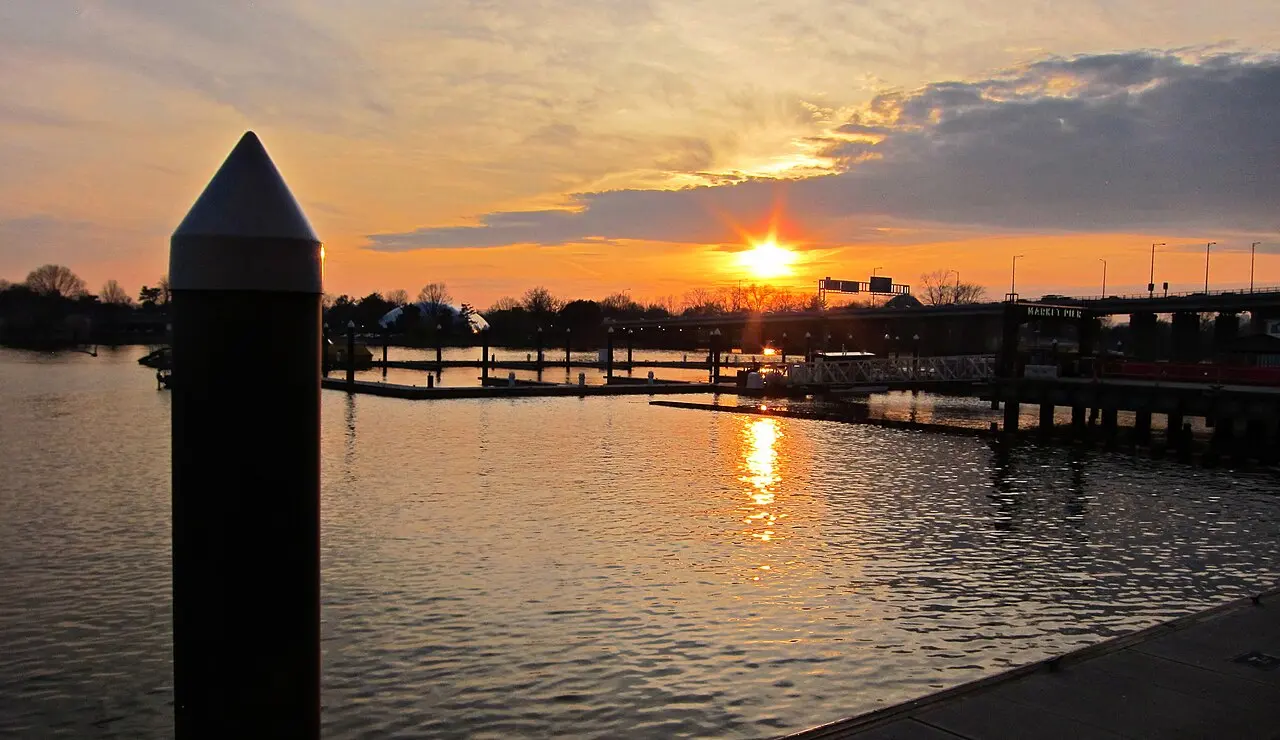
Southwest’s rebuilt waterfront - The Wharf - brought restaurants, a pier and a cluster of newer hotels to a stretch of the Potomac that used to feel disconnected from visitor Washington. It’s a strong pick for food-focused weekends and anyone who likes walking outside after dinner. Waterfront Metro keeps you on the Green and Yellow lines.
You’re not as central as Penn Quarter for a pure museum sprint, but you’re also not stuck in a concrete canyon. If your trip mixes one Mall day with a lot of eating and evening wandering, The Wharf is worth pricing against Dupont.
Compare hotels by area
When you search, filter by neighborhood name rather than a vague “Washington DC” pin that dumps you in Crystal City or Bethesda by accident. Virginia and Maryland suburbs can be cheaper, but only if you like ending every museum day with a Metro ride that eats your evening. Inside the District, compare the same dates across Penn Quarter, Foggy Bottom, Dupont and Capitol Hill and watch how parking and the 15.95% room tax change the ranking.
Metrorail itself is cheap relative to a downtown taxi: weekdays run $2.25 to $6.75 depending on distance and time, evenings after 9:30 p.m. and weekends sit at $2.25 to $2.50, and Metrobus is a flat $2.25 on regular routes. That math favors a slightly farther neighborhood with character over a $40 nightly garage next to the Mall.
When rates spike
Cherry blossom season is the obvious crunch - peak bloom usually lands between the last week of March and the first week of April (in 2026 it hit March 26). Graduation weekends, major marches, holidays and anything that fills the convention calendar push rates the same way. If those dates are fixed, book the neighborhood first and the exact hotel second. If your calendar is flexible, slide a week and you’ll often land a better room in a better area for the same money. Our guide to the best time to visit the USA flags how DC’s blossom window sits inside the national calendar.
Quick pick
Two or three museum days: Penn Quarter or Foggy Bottom.
Four-plus nights with dinners out: Dupont Circle.
Families who want quieter streets: Capitol Hill near Eastern Market or Union Station.
Couples who care more about the hotel than the Metro map: Georgetown - and budget for rideshares.
Food and waterfront evenings: The Wharf.
Wherever you land, remember which Washington you’re booking. This page is the city - the District of Columbia. The State of Washington is a different trip entirely, with ferries and mountains and no Smithsonian free-for-all on the Mall.
Admission and opening hours
- Admission price
- DC lodging tax on hotel rooms is 15.95% (extended through Sept. 30, 2027). Metrorail weekdays $2.25-$6.75; evenings and weekends $2.25-$2.50; Metrobus $2.25.
This is Washington, DC (the District of Columbia), not the State of Washington. Room rates swing hard around cherry blossom week, graduations and major federal events - compare live prices for your dates.
Details checked: August 7, 2026
Read also

Before you go · 9 min read
New England Fall Foliage: When and Where to Go
Verified · August 27, 2026Yankee's 2026 forecast, peak windows by state and how to chase color from Vermont's Northeast Kingdom to the NH coast without betting on one weekend.

Before you go · 9 min read
Which Hawaiian Island: Oahu, Maui, Kauai or Big Island
Verified · August 24, 2026Pick one Hawaiian island for a week: Oahu for city and surf, Maui for beaches and Haleakala, Kauai for scenery, Big Island for volcanoes.

Before you go · 11 min read
Where to Stay in Phoenix: Downtown, Scottsdale or Tempe
Verified · August 18, 2026Free Sky Train, then $2 light rail into downtown. Scottsdale is the resort city; Tempe is ASU next door. Phoenix hotel tax is 13.07%.

Before you go · 11 min read
Global Entry and TSA PreCheck for Visitors
Verified · August 15, 2026Global Entry is $120 for five years and closed to most EU passports. TSA PreCheck is $85 or less, and only US citizens and LPRs can buy it.