
Things to Do in Washington DC
Free Smithsonian museums, the National Mall, Capitol and White House tours, cherry blossom timing and how to get the tickets that run out.
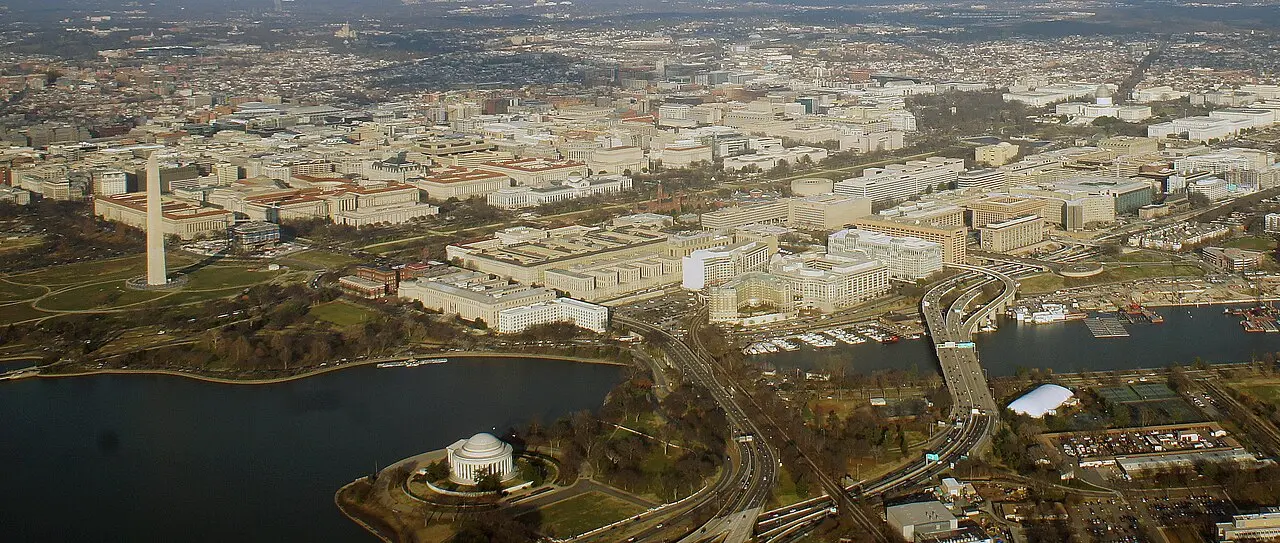
Washington is the cheapest major city in the United States to sightsee in, and the most expensive to improvise in. The Smithsonian museums are free, the memorials are free and open at all hours, the Capitol tour is free and Arlington charges nothing at the gate. What the city takes instead is planning time: the best free things run on timed passes that are released weeks ahead, and the difference between a good three days here and a frustrating one is almost entirely whether you booked them.
The Mall is also bigger than it photographs. From the Capitol steps to the Lincoln Memorial is about two miles in a straight line, with the museums lined up along the grass in between, so a day of “just walking around the Mall” is a full six or seven miles on your feet. Wear real shoes and plan the day in two halves with a museum in the middle.
The Smithsonian: free, and how the passes work
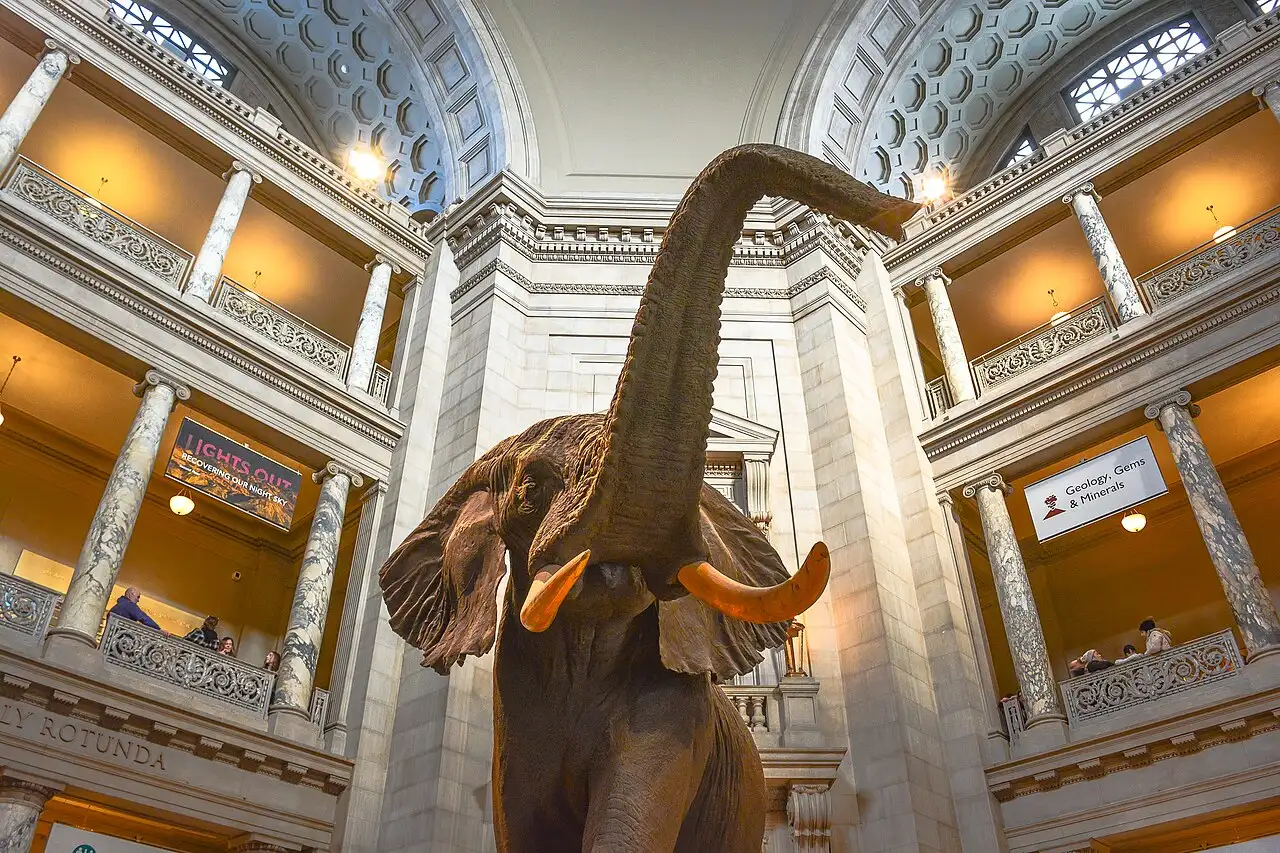
Every Smithsonian museum in Washington costs nothing to enter, and most of them need no ticket whatsoever: walk into the Natural History Museum, the American History Museum, the Hirshhorn or the American Indian Museum and that’s it. Two exceptions matter. The National Air and Space Museum issues free timed-entry passes when it’s busy, and the National Zoo asks you to reserve free passes as well. Both are still free, both are booked on the Smithsonian’s own site, and neither costs you anything but ten minutes of admin.

Air and Space is the one to prioritize this year. The museum opened on 1 July 1976 as a Bicentennial gift to the country, and on its 50th birthday, 1 July 2026, it opened five newly renovated galleries covering World War II in the air, living in the space age, how things fly and the universe. Two more galleries follow in the fall, finishing a rebuild that has touched all 20 exhibition spaces.
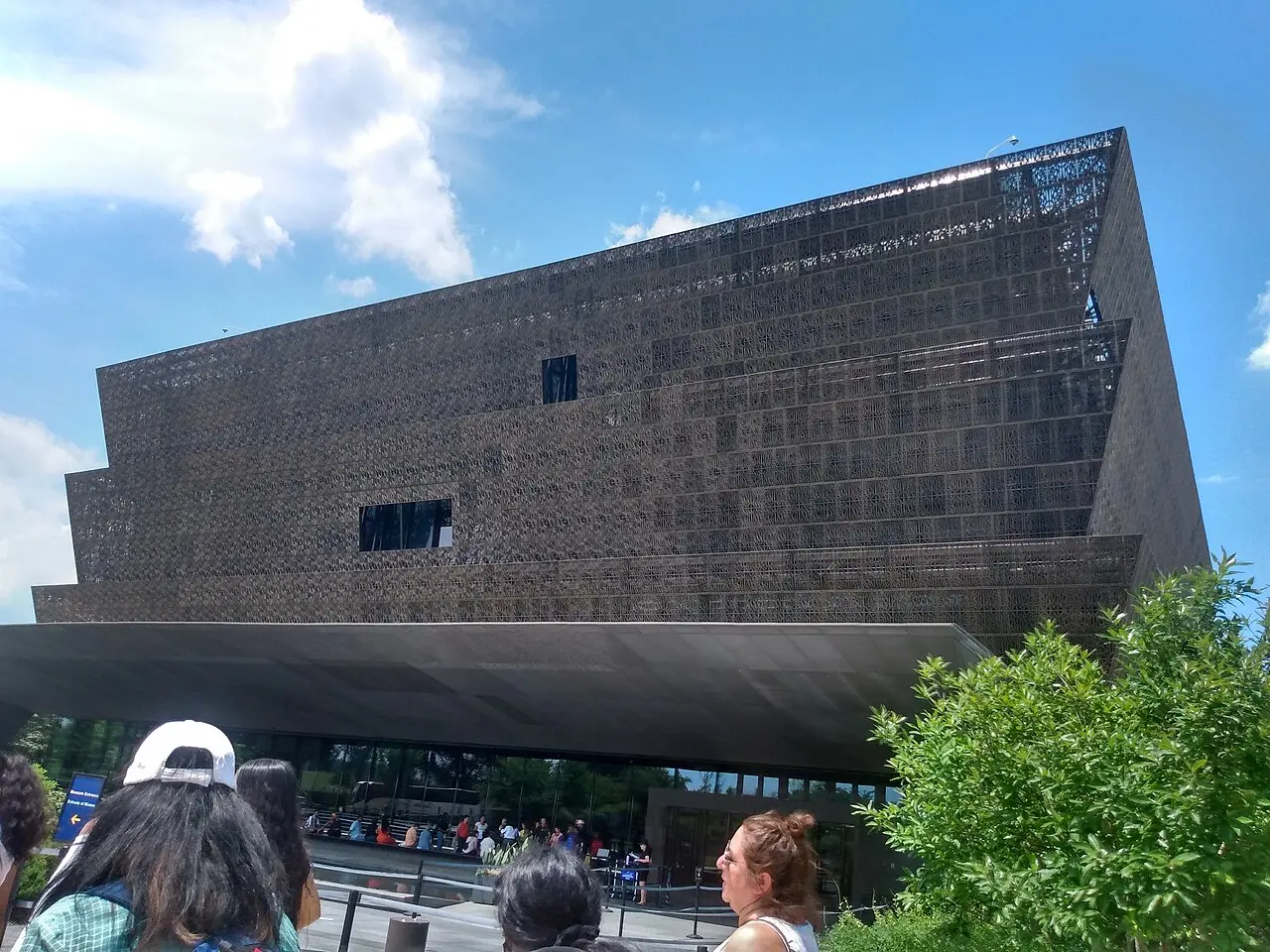
The National Museum of African American History and Culture is the most affecting building on the Mall and the one people most often wish they’d given more time. Its history galleries start three floors underground with the slave trade and climb chronologically toward the present; allow three hours and start at the bottom. Passes have come and gone over the years, so check the museum’s page in the week before you go.
Do not assume the National Gallery of Art is a Smithsonian museum - it isn’t. It sits on the Mall, it’s federally funded, it’s also free, and it has the only Leonardo painting in the Americas. It answers to its own board, which is why its hours and rules differ from the museums on either side of it.
The memorials, and the best hour to see them
The memorials at the west end of the Mall are free and never close. The Lincoln Memorial, the Vietnam Veterans Memorial, the Korean War Memorial, the Martin Luther King Jr Memorial along the Tidal Basin and the Franklin D. Roosevelt Memorial make a loop of roughly two miles.
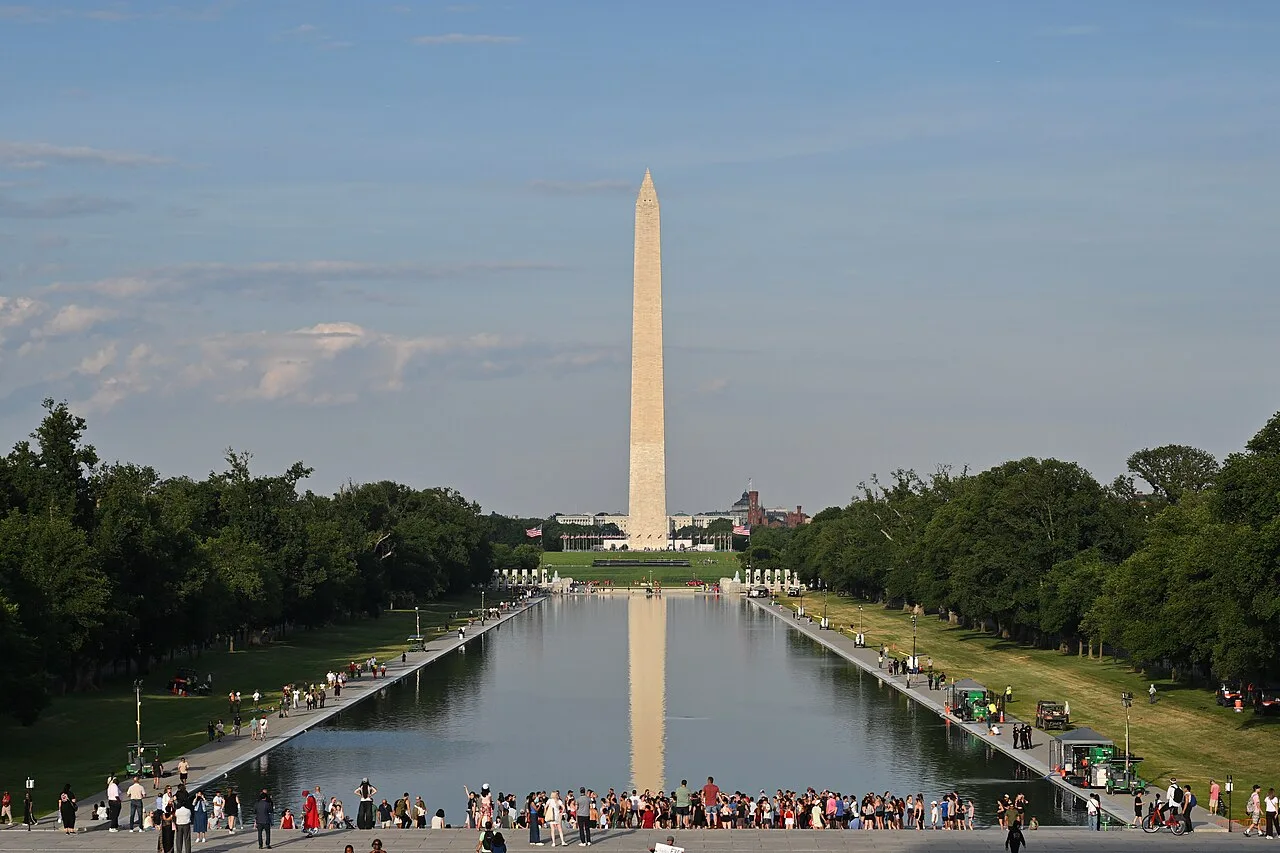
Walk them after dark. They’re lit, the tour buses have gone, the heat has dropped, and the Vietnam wall in particular is a different experience without a crowd behind you. It is also the only way to photograph the Lincoln Memorial without three hundred people on the steps.
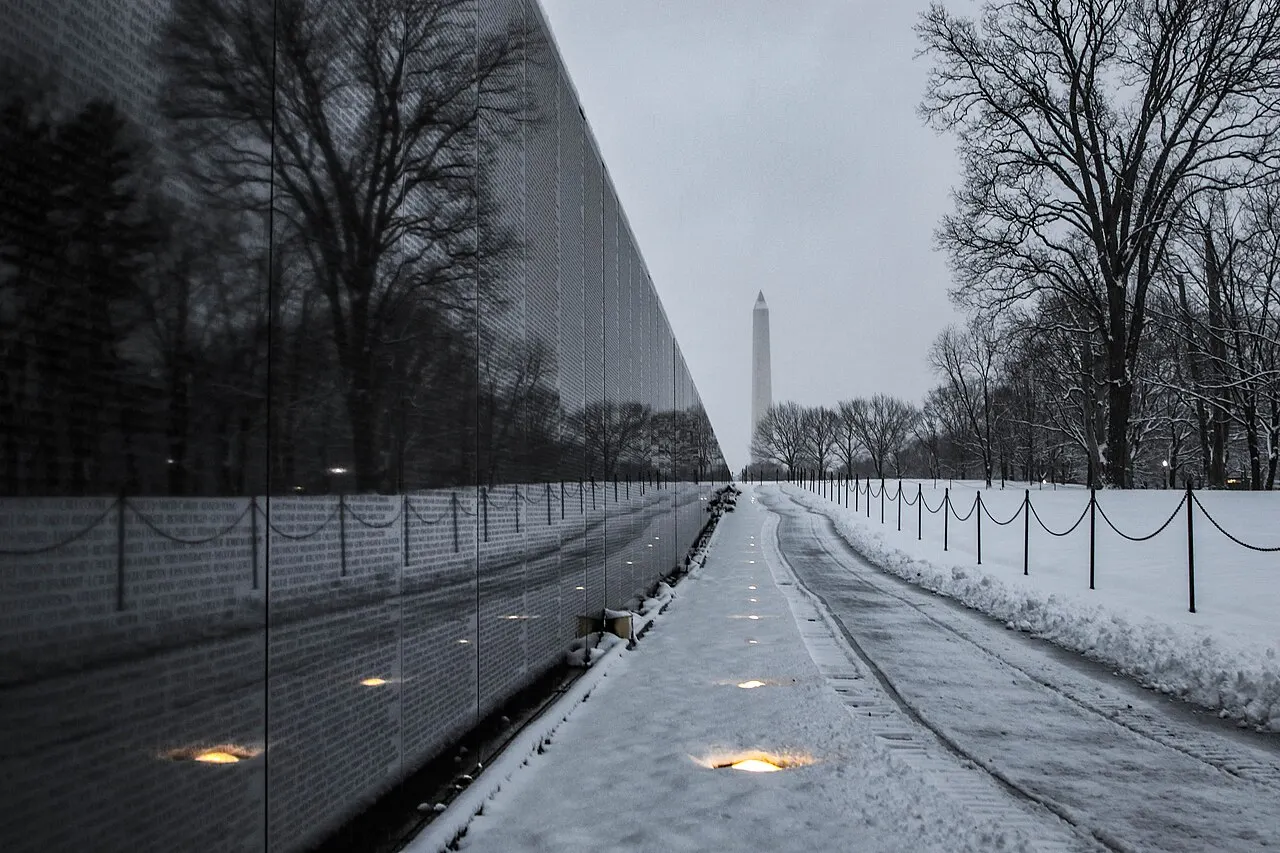
To go up the Washington Monument you need a timed ticket. Entry is free, but an advance ticket carries a $1 service charge and they’re released on recreation.gov 30 days out at 10am, with a second batch the day before. In spring and summer they vanish within minutes. The fallback is the walk-up window at the Washington Monument Lodge, which opens at 8:45am and hands out same-day tickets while they last, and a line forms well before that.
Capitol, White House and the Library nobody books
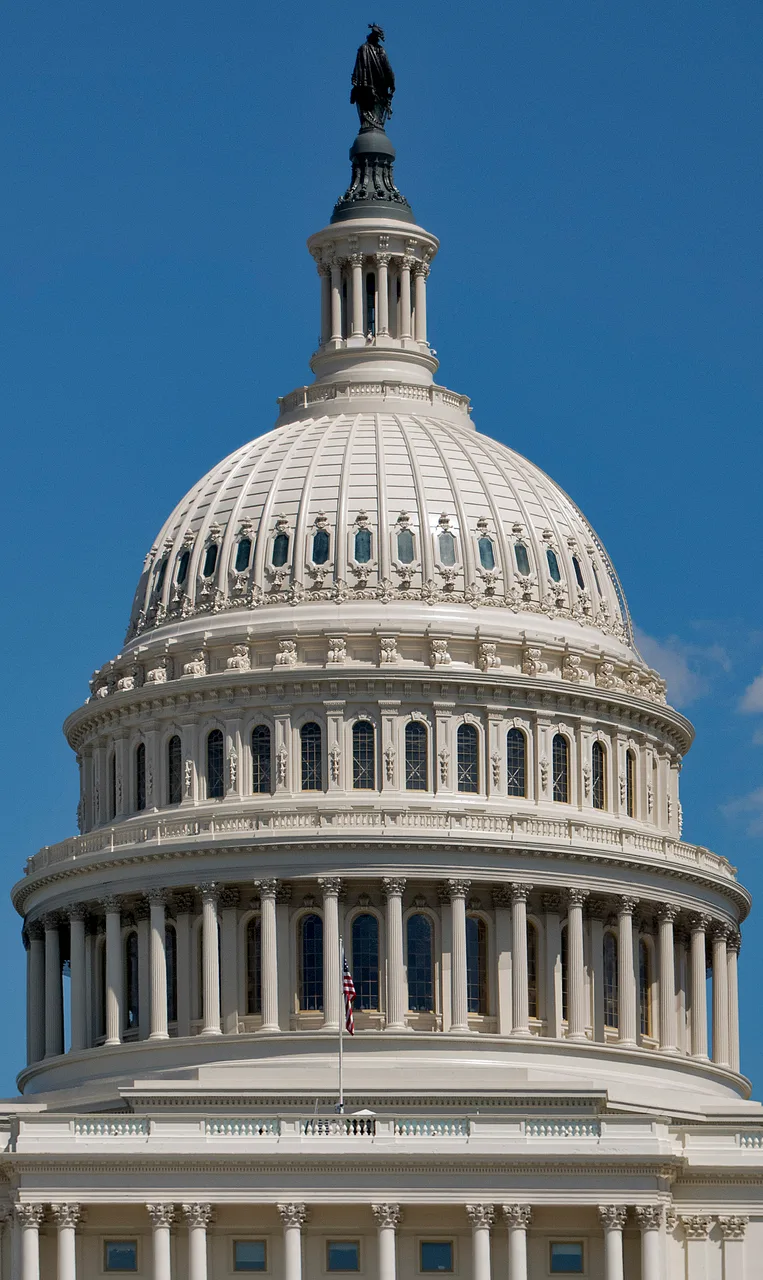
The US Capitol runs free tours from 8:40am to 3:20pm, Monday through Saturday. Book a pass at visitthecapitol.gov, or ask your senator’s or representative’s office if you’re American, since congressional staff tours often get into rooms the public tour doesn’t. A limited number of same-day passes go out at the visitor center desks; arrive early if you’re gambling on those.
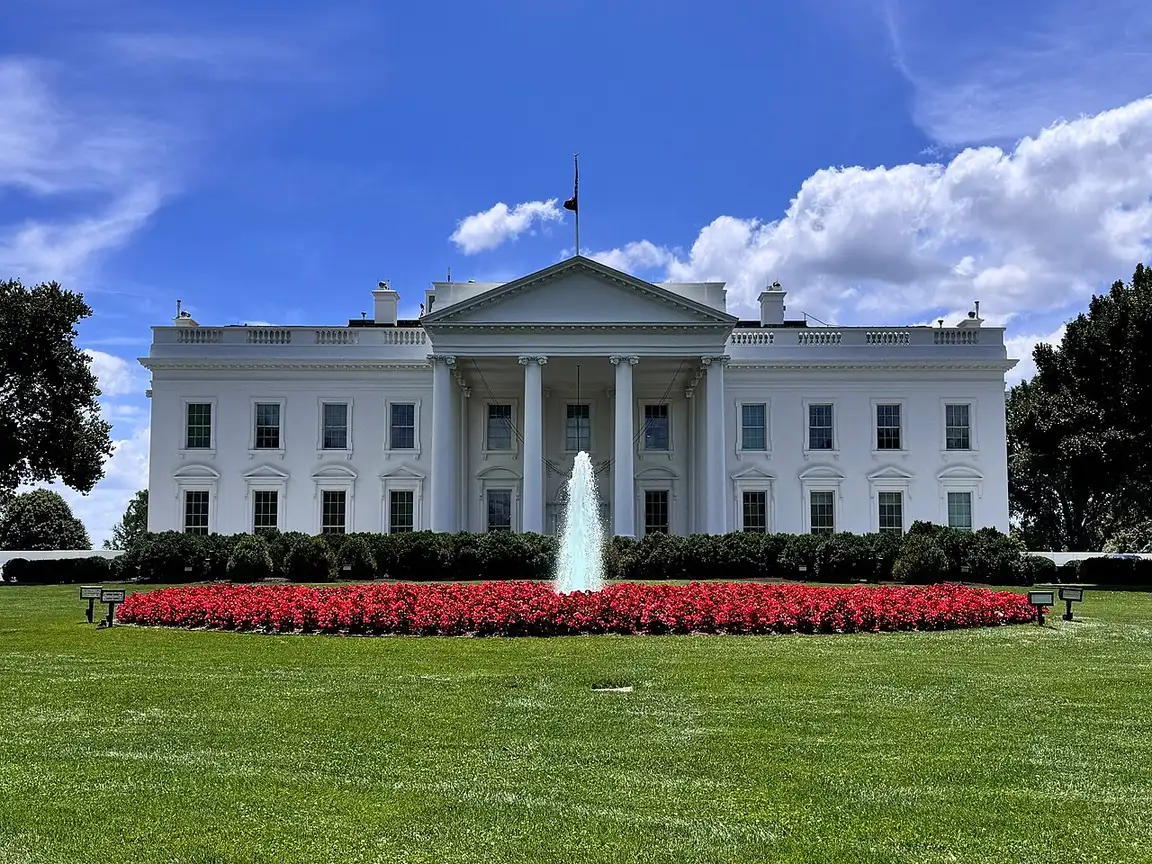
The White House is the one that needs real lead time and the one most visitors get wrong. Tours are free, but you cannot book one yourself. US citizens request through a member of Congress between 7 and 90 days before the date; citizens of other countries go through their own embassy in Washington. Requests are filled first come, first served and space is limited, so submit at the earliest end of that window rather than the latest. Tours normally run mornings from Tuesday to Saturday, and everyone from another country needs photo ID regardless of age.
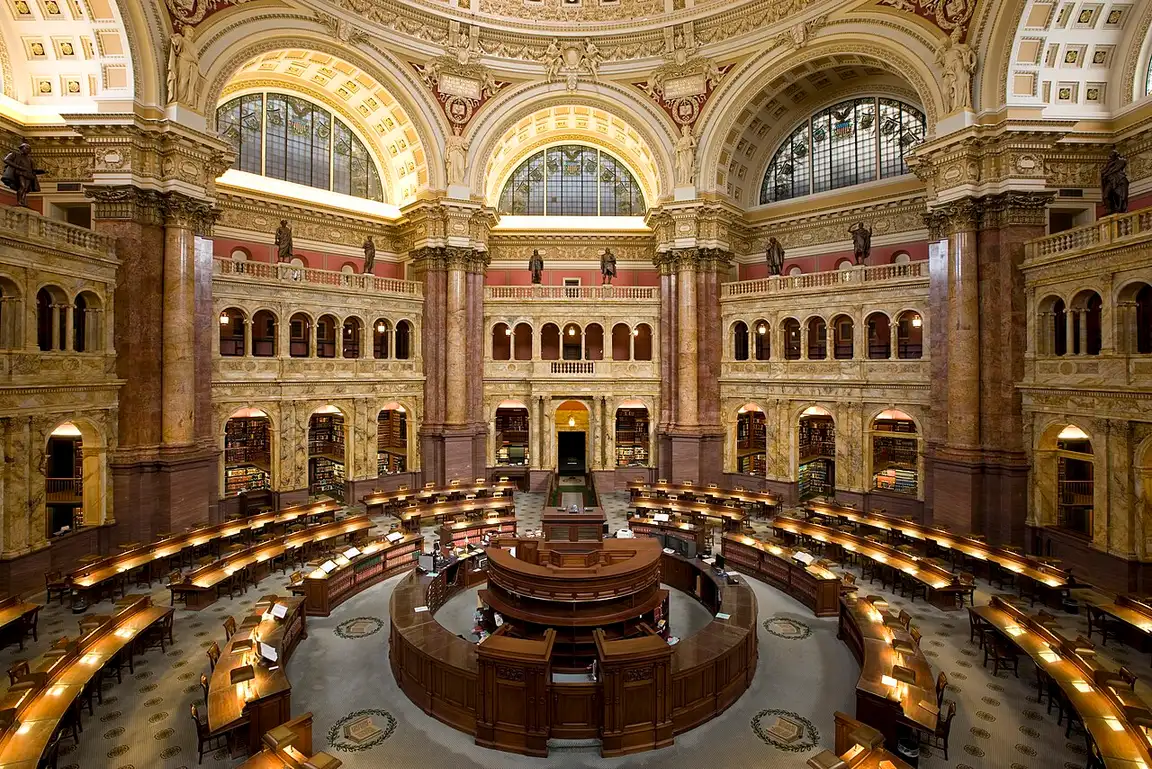
The sleeper is the Library of Congress. The Thomas Jefferson Building is the most beautiful interior in the city and it needs only a free timed-entry pass, released 30 days ahead with same-day passes online at 9am. It’s open Tuesday to Saturday, 10am to 5pm, closed Sunday and Monday, and the Main Reading Room can be seen from the first floor on Tuesday to Friday during two short windows, 10:30-11:30am and 2-3pm. Time your visit for one of those windows or you’ll get the building without its best room.
Arlington National Cemetery
Across the Potomac in Virginia, Arlington is free and open every day of the year. The walk from the visitor center up to the Tomb of the Unknown Soldier takes about 20 minutes uphill, and the Changing of the Guard is the reason to time your arrival: it happens every hour from October through March and every half hour from April through September. Kennedy’s grave and the eternal flame are on the same slope, with the best view back over the city from the Arlington House terrace above them.

Cherry blossoms: what peak bloom actually means
Peak bloom is a defined thing here, not a mood: it’s the day 70% of the Yoshino cherries around the Tidal Basin are open. It usually lands between the last week of March and the first week of April - 2026 peaked on 26 March - but the record runs from 15 March in 1990 to 18 April in 1958, so a trip booked around blossoms is always a gamble. The National Park Service publishes a forecast each year, and the window of full bloom lasts only a few days once it arrives; cool weather stretches it, rain or wind ends it.
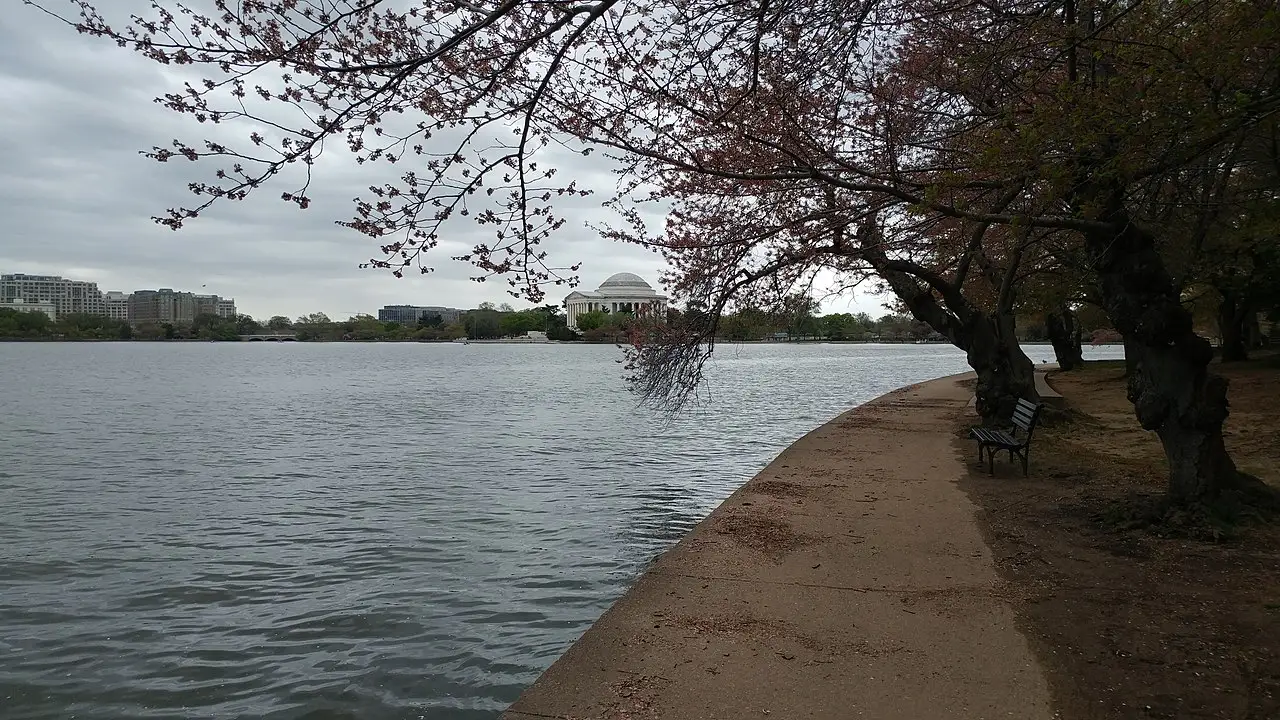
Blossom season is also the most crowded and expensive two weeks of the Washington year. If the flowers aren’t the point of your trip, come in late April, May, September or October instead: the same city, warmer than you expect in fall, and hotel rates that don’t have a festival attached. Neighborhood choice matters more than the nightly rate here - where to stay in Washington DC breaks down Dupont, Capitol Hill, Georgetown and the rest against Metro access. July and August are hot, humid and full of school groups; January and February are cheap and gray but every museum is indoors anyway.
Metro, and which airport to use
Metro is clean, logical and priced by distance: $2.25 to $6.75 on weekdays between 5am and 9:30pm, and $2.25 to $2.50 in the evenings and on weekends. Buses are a flat $2.25. If you’ll ride more than three or four times in a day, the 1-Day Unlimited Pass at $13.50 pays for itself, plus $2 for a SmarTrip card if you don’t have one; a 7-Day Short Trip Pass is $42.50.
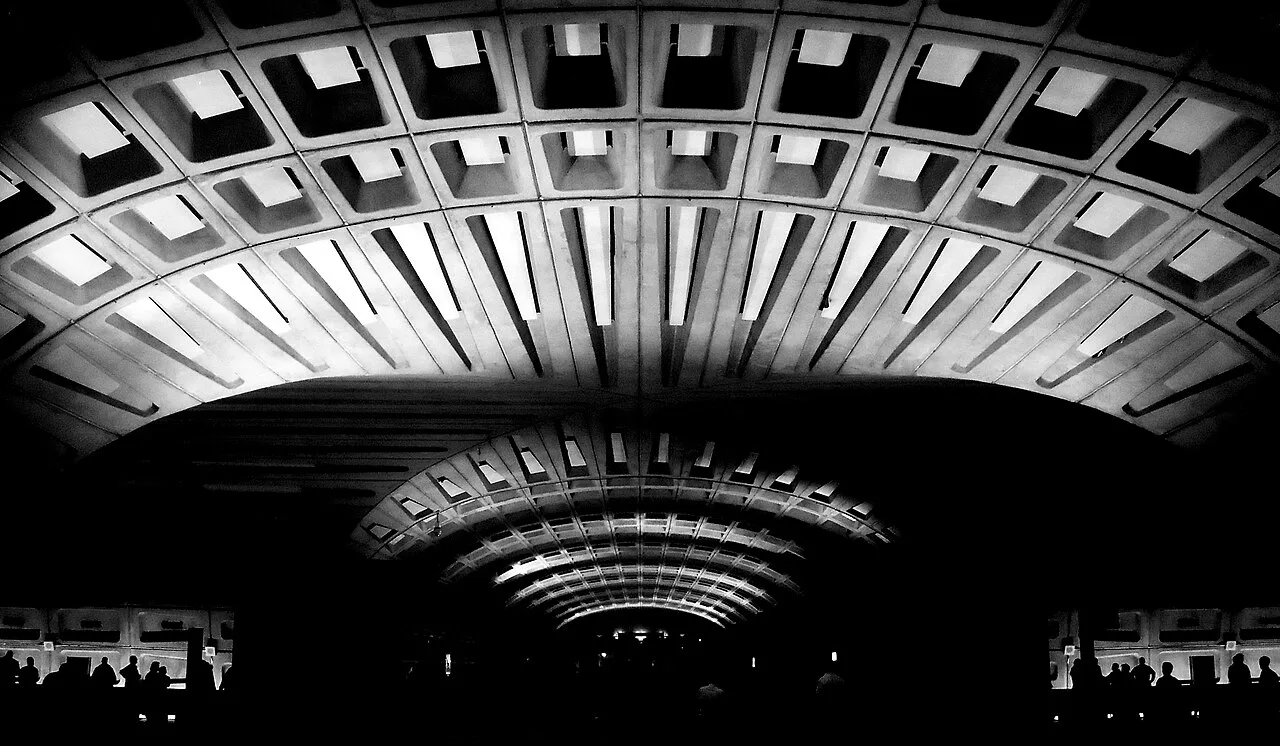
Reagan National (DCA) has its own Metro station, which makes it far and away the easiest airport to fly into; Dulles is now on the Silver Line but the trip is long, and BWI needs a train from the airport rail station. Do not rent a car. Traffic is bad, parking is worse, and everything in this guide is either on the Metro or within walking distance of it.
Beyond the Mall
Museum fatigue is real, and the city off the Mall is where Washington stops being a federal campus. Georgetown has the C&O Canal towpath, brick streets and the waterfront. U Street was the heart of Black Washington and still has Ben’s Chili Bowl, open since 1958. Eastern Market on Capitol Hill does a proper weekend market, and Union Station is worth walking into for the Beaux-Arts hall even if you’re not catching a train.
For a day out, Mount Vernon (George Washington’s estate, privately run and ticketed) is 40 minutes south, Old Town Alexandria is on the Metro, Annapolis is an hour east in Maryland - though the Naval Academy Yard itself is closed to non-US citizens, so on a British, Canadian or Australian passport plan the town and the waterfront instead - and Harpers Ferry, where two rivers and three states meet, is about 90 minutes by train - though departures are few, so check the timetable before you build a day around it. Keep going south and you’re in Virginia proper, with Shenandoah and the coast both a few hours further on. If you’re continuing up the coast, New York City is about three hours by Amtrak, and Boston roughly seven.
Read also
- Pick a base: where to stay in Washington DC
- Three hours up the corridor: things to do in New York City
- The other end of the Northeast: things to do in Boston
- Beach detour on the way north: New Jersey travel guide
- Browse more US cities and US states
On the map
The map loads on click - to keep the page lightweight.
The map didn’t load. Check your connection and refresh the page.
Good to know
Ticketing rules for free attractions in Washington change more often than prices do; every pass rule here was checked with the operator in July 2026, but confirm on the official site before you plan a day around it.
Details checked: July 24, 2026
Read also

Cities · 13 min read
Salt Lake City: Ski Base, Temple Square and the Salt Flats
Verified · August 29, 2026Four ski resorts inside 36 miles of the airport, a temple you cannot enter until 2027, and a salt flat that closes for racing. What to plan around.

Cities · 9 min read
Atlanta: Civil Rights Trail, Aquarium and Southern Food
Verified · August 28, 2026Free MLK park on Auburn Avenue, Civil Rights Center from $26, Georgia Aquarium tickets from $54.99, BeltLine walks and where Southern food still holds up.

Cities · 9 min read
Minneapolis Guide: River, Lakes & the Blue Line
Verified · August 26, 2026A $2 train from MSP, Stone Arch and Minnehaha Falls, Walker on free Thursday nights, and when Mall of America is worth the ride south.

Cities · 12 min read
Savannah Travel Guide: Squares and the Historic District
Verified · August 22, 2026Walk the 22 squares, tour Owens-Thomas honestly, ride the free river ferry, then Bonaventure and Tybee - checked August 2026.