US Entry and Customs: What You Can Bring
What you can bring into the USA: food and plant rules, the $800 allowance, one liter of alcohol, the $10,000 cash report, medication and device searches.

Declare everything you are asked about. The declaration itself is free, the penalty for skipping it isn’t, and almost nothing a normal traveler carries is actually prohibited. The short version of US customs: meat and fresh produce are the real problem, one liter of alcohol comes in duty-free, cash over $10,000 has to be reported but is never taxed, and prescription medicine needs to look like prescription medicine.
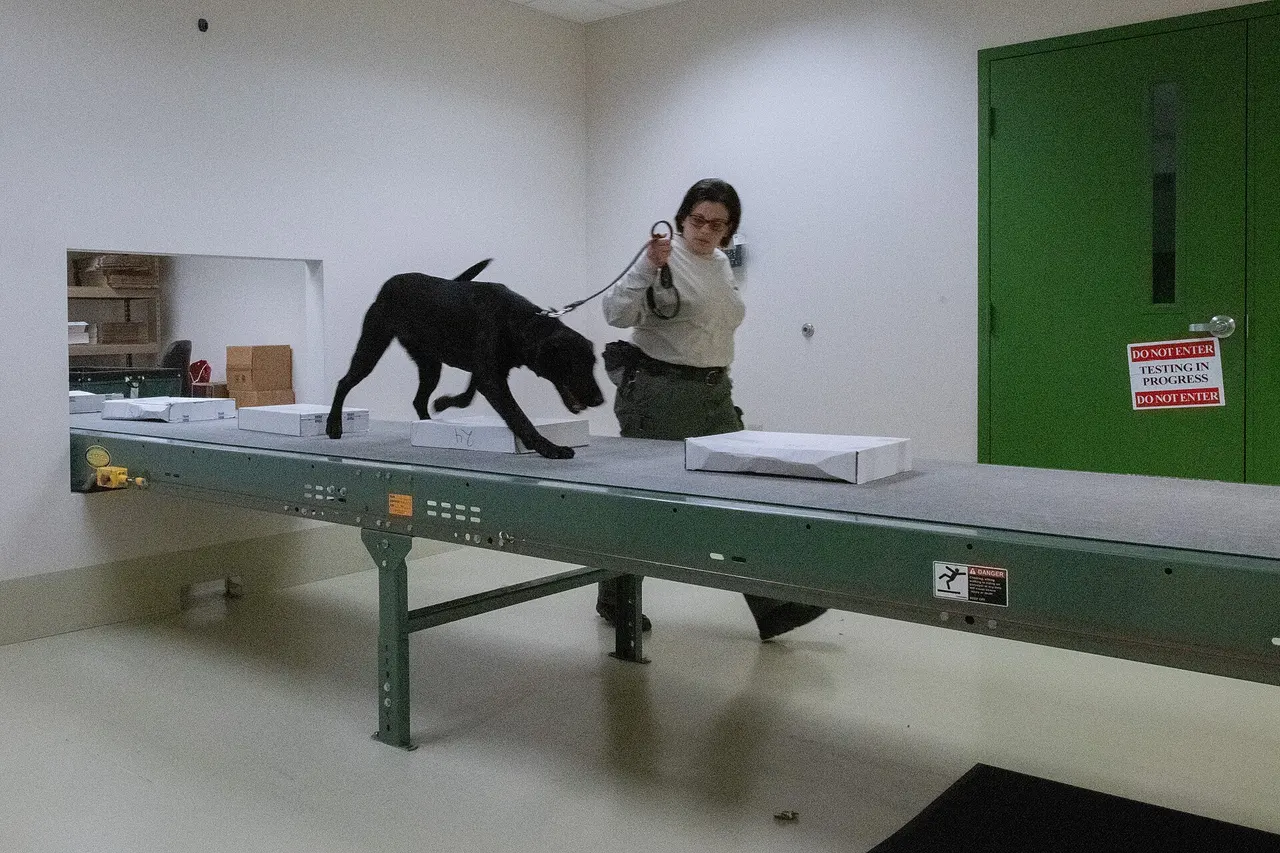
The people to worry about are the ones with the dogs. CBP agriculture specialists work the baggage halls with beagles trained on food smells, and what they pull out of bags is rarely sinister: an apple from the flight, a homemade sausage, a bag of seeds from a garden center, a potted plant wrapped in a sock. That last category is common enough that CBP has a phrase for it, the traveling garden.
Declare, and you’re done
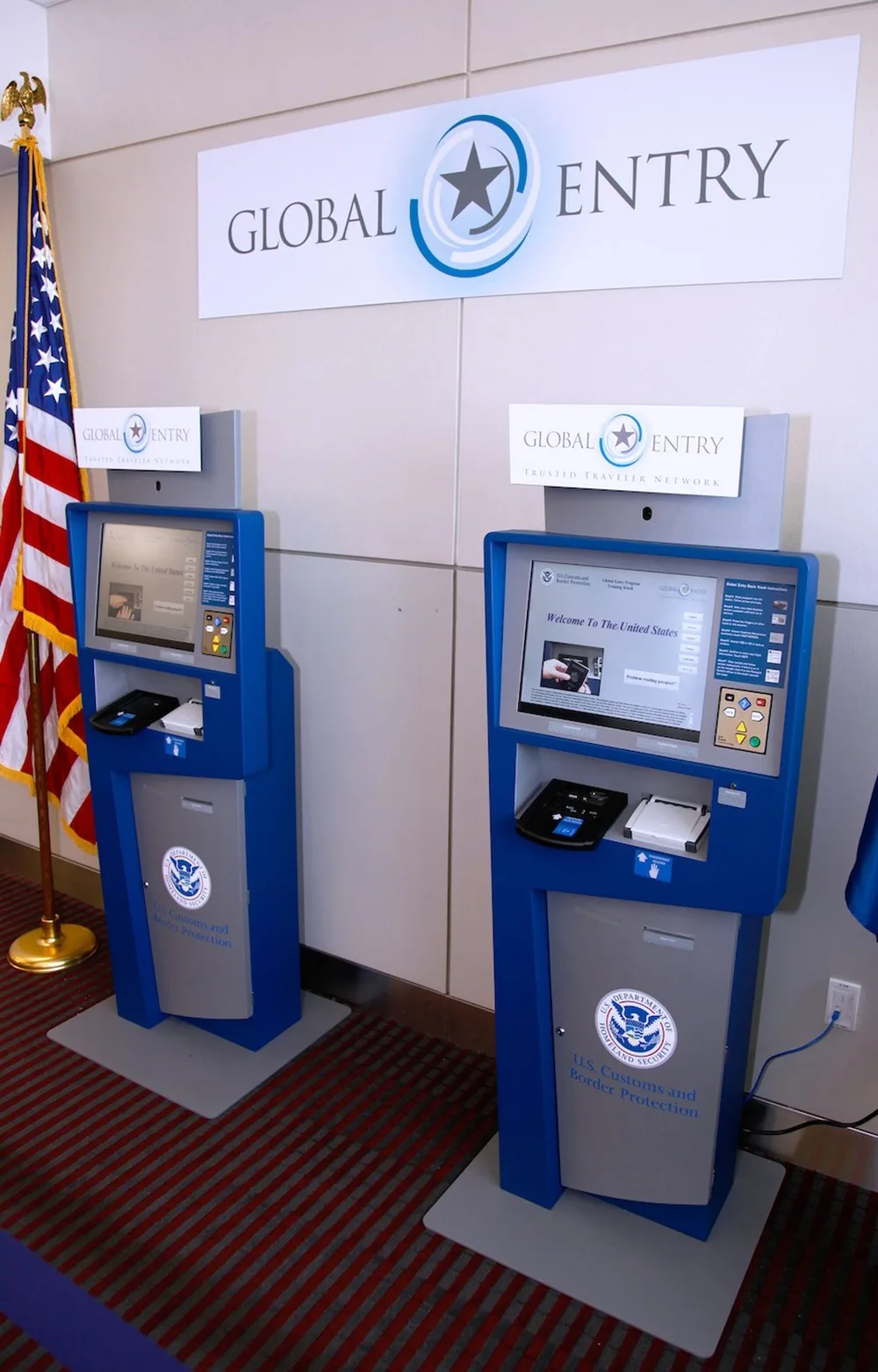
Every arriving traveler makes a customs declaration, these days on an arrival kiosk or in the Mobile Passport Control app rather than the old blue paper card. It asks whether you’re carrying food, plants, animal products, commercial goods, currency over $10,000, and how much you spent abroad. If you were hoping Global Entry would shorten the arrival line, whether you can enroll depends on your passport.
Answer yes where yes is true. An officer might take the item away, but that’s the whole consequence. Answer no when the answer is yes, and the item becomes a violation: the civil penalty for failing to declare agricultural items starts at $300 for a first offense and $500 for a second. It’s the same apple either way. The difference is a piece of fruit in the trash versus three hundred dollars and a note in the system that follows you through future entries.
Food: what gets through and what doesn’t
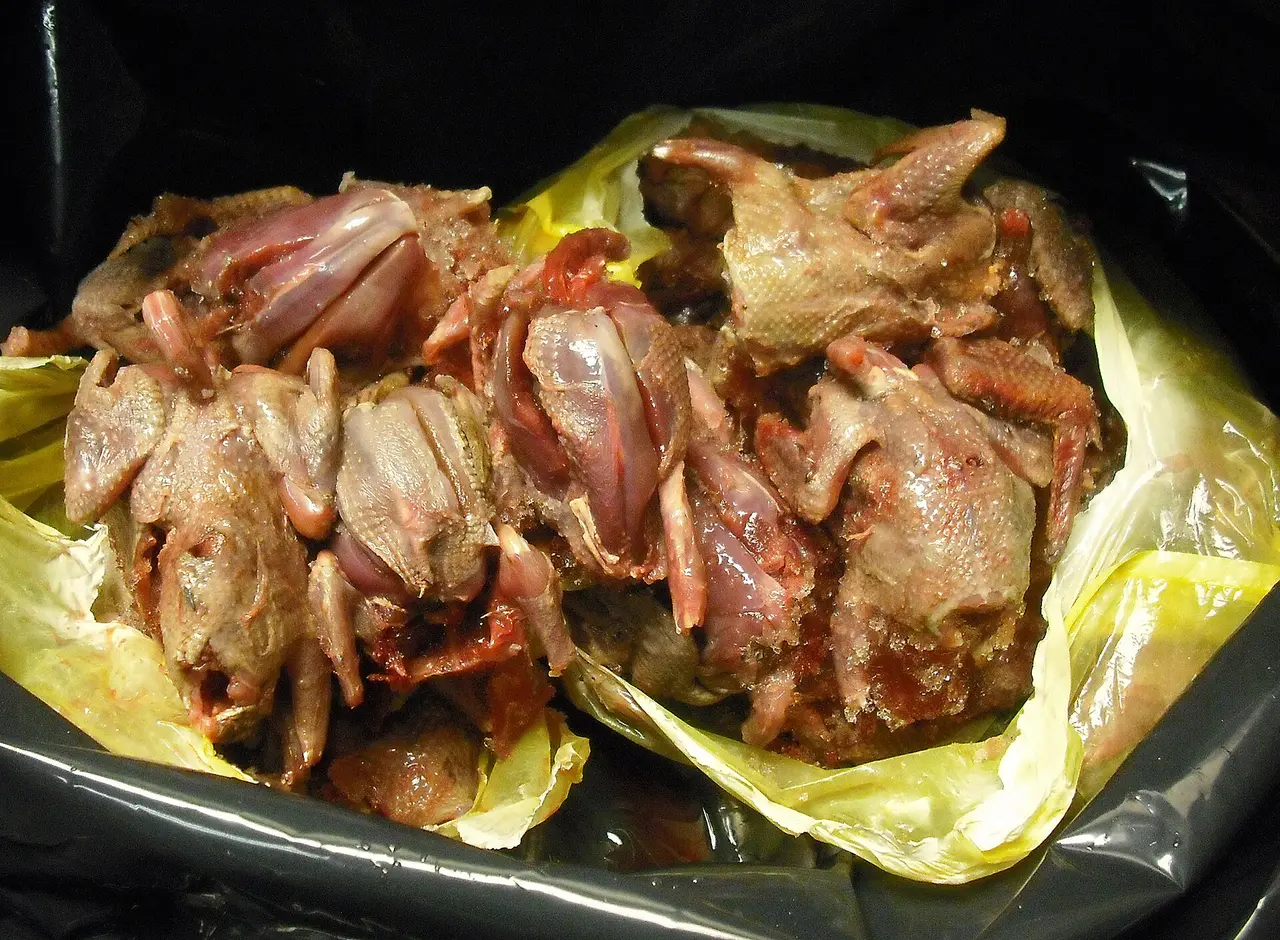
Meat is the hard line. You may not bring fresh, dried or canned meat or meat products from most foreign countries, and that ban extends to food prepared with meat, which is where people get caught: bouillon cubes, instant soup mixes, meat-filled pastries, a jar of stock. The rules track disease outbreaks abroad and change several times a year, so a product that was fine on your last trip may not be fine on this one.
Fresh fruit and vegetables are the second problem. Whether a particular apple is admissible depends on where you got it and where you are going in the United States, which isn’t a calculation you can do at the carousel. The practical rule is simple: eat it on the plane or throw it out before you land.
Generally admissible, according to CBP:
- Bakery items and many cheeses
- Condiments, vinegars, oils and packaged spices
- Honey, coffee and tea
- Most commercially packaged, shelf-stable prepared foods without meat
Generally not:
- Meat in any form from most countries, including canned and cured
- Anything containing meat as an ingredient
- Bush meat, always and everywhere
- Fresh produce, seeds, plants and cuttings without a permit
- Rice, which is not banned outright but often harbors pests and is best left behind
Alcohol, tobacco and the $800 line
For a returning US resident, the personal exemption is $800 worth of goods every 31 days, provided you have been out of the country at least 48 hours. Inside that allowance you can include one American liter of alcohol if you’re 21 or over, plus up to 200 cigarettes and 100 cigars.
Alcohol is the exception that confuses everyone. Bring back three liters of wine and nothing else, and two of those liters are dutiable plus subject to federal excise tax, even though the whole lot is worth far less than $800. The liter allowance is a quantity rule, not a value rule, and it sits on top of the value rule rather than inside it.
Duty-free shopping catches people out in two directions. Duty-free shop purchases are duty-free for the country you bought them in, not for the United States, so a bottle bought airside in Frankfurt still counts against your liter. And state law can be stricter than federal law, in which case CBP enforces the state rule at your first US airport. If you’re landing in a state with tight alcohol import limits, that’s the number that binds.
Go over the exemption and declare it, and the next $1,000 of fair retail value is charged at a flat 4%. That’s usually a smaller bill than people fear. Goods from a US insular possession such as the US Virgin Islands, Guam or American Samoa get a $1,600 allowance instead.
If you’re visiting rather than returning home, the $800 figure doesn’t apply to you. Your personal effects come in free because they are leaving with you again; things you plan to leave behind as gifts sit under a separate, much smaller allowance. Check the current gift figure on cbp.gov if you’re arriving with anything substantial.
Money: report it, don’t hide it
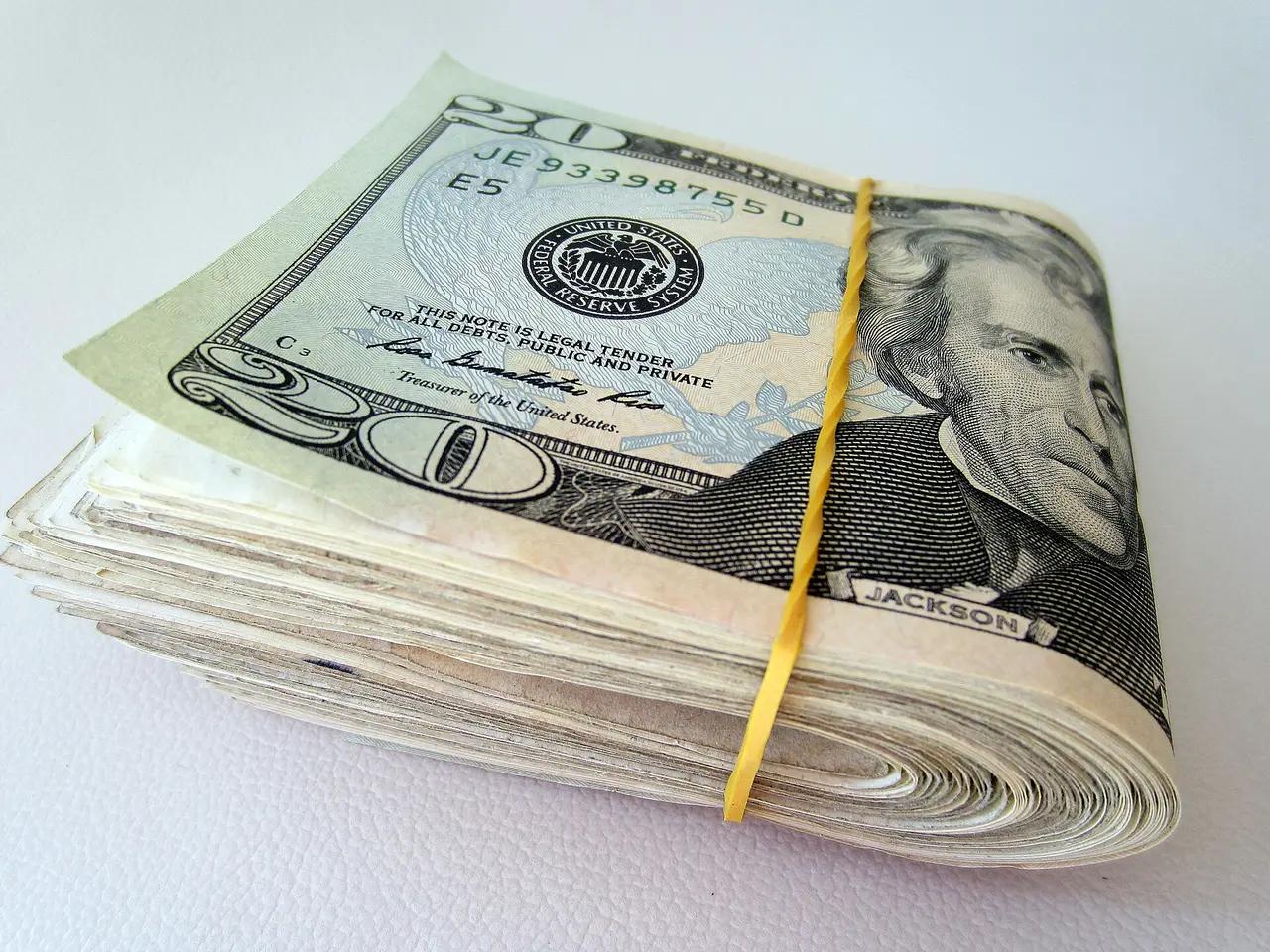
There’s no limit on how much cash you may carry into or out of the United States. The requirement is to report anything over $10,000, on FinCEN Form 105, filed online before you travel or handed to an officer at the port.
The detail that catches families is the aggregation rule: for people traveling together, the $10,000 threshold applies to the combined total, not per person. Four family members carrying $3,000 each are over the line and must report, even though no individual is close to it. Splitting money among a group to stay under the threshold is exactly the pattern the rule exists to catch.
“Monetary instruments” is broader than banknotes. It includes foreign currency, traveler’s checks, money orders and checks endorsed in a way that lets anyone cash them. Failure to report can mean seizure and forfeiture of the entire amount, plus civil or criminal penalties. Filing takes ten minutes and costs nothing.
Medication: the section worth reading twice
This is where a normal, law-abiding traveler is most likely to have a bad afternoon, and the fix is entirely about presentation.
If you’re not a US citizen and you’re traveling with prescription drugs, CBP’s guidance is to carry them in the original container with the pharmacy label, along with a valid prescription or a doctor’s letter written in English explaining the condition and why you need the drug. Bring no more than you need for the trip; the working rule of thumb is a 90-day supply. Staying longer than that, you can have more sent by mail or courier with documentation showing it is for your own use.
What causes trouble is the opposite habit: loose pills in a daily organizer, no labels, no paperwork, three months of something that happens to be a controlled substance in the United States even if it’s sold over the counter at home. Codeine-based painkillers and some sleep and ADHD medications fall into that gap. If your medicine is a controlled substance, DEA rules apply on top of FDA rules, and it’s far better to check before you fly than to explain afterward.
US citizens have a stricter position than visitors, oddly enough: in most cases it is not legal for an American to buy drugs abroad and bring them home for personal use, because foreign-made versions of approved drugs have not been evaluated by the FDA.
Phones and laptops
Border searches of electronic devices generate more anxiety than the numbers justify. In fiscal year 2025 CBP processed over 419 million travelers, sent about 3% to secondary inspection, and searched the electronic devices of 55,318 people - less than 0.01% of arrivals. Of those searches, 92% were basic, meaning an officer scrolled through the device by hand without connecting anything to it.
An advanced search, where the device is connected to equipment that copies or analyzes its contents, requires reasonable suspicion of a violation or a national security concern, plus sign-off from a senior manager.
The obligation is the part to get straight: if you’re asked, you must present the device in a condition that allows examination. A US citizen who refuses cannot be denied entry on that basis, but the device itself may be detained. A visitor has less room, and refusal can feed into the admissibility decision. Officers disable network connections before searching, so what is in the cloud rather than on the device stays out of scope.
Also seized more often than you’d think
Counterfeit goods, including the convincing handbag bought on a market stall, are forfeited on sight. Cultural property and antiquities need export permits and receipts from the country of origin. Absinthe is admissible only if it is thujone-free and labeled to strict rules. Drug paraphernalia is prohibited outright. And game trophies bring a whole separate permit regime, handled at only a handful of ports.
This is general information for travelers, not legal advice. Customs and agricultural rules change frequently, and some depend on which state you land in. Check cbp.gov before you pack, and declare anything you are unsure about - declaring is always free.
The principle that gets you through in two minutes rather than forty: if you have to think about whether something needs declaring, declare it. Officers spend their day meeting people who thought the rule didn’t apply to them, and the ones who volunteer information get waved on.
Read also
- Before you get this far: ESTA and US visas: who needs what
- Work out the budget: how much does a USA trip cost
- Pick your dates: best time to visit the USA
- The other thing that confuses visitors: tipping in the USA
Good to know
Allowances, penalties and inspection figures here were checked against cbp.gov and the Federal Register on 24 July 2026. Agricultural rules in particular change with disease outbreaks abroad - confirm on cbp.gov before you pack.
Details checked: July 24, 2026
Read also

Before you go · 9 min read
New England Fall Foliage: When and Where to Go
Verified · August 27, 2026Yankee's 2026 forecast, peak windows by state and how to chase color from Vermont's Northeast Kingdom to the NH coast without betting on one weekend.

Before you go · 9 min read
Which Hawaiian Island: Oahu, Maui, Kauai or Big Island
Verified · August 24, 2026Pick one Hawaiian island for a week: Oahu for city and surf, Maui for beaches and Haleakala, Kauai for scenery, Big Island for volcanoes.

Before you go · 11 min read
Where to Stay in Phoenix: Downtown, Scottsdale or Tempe
Verified · August 18, 2026Free Sky Train, then $2 light rail into downtown. Scottsdale is the resort city; Tempe is ASU next door. Phoenix hotel tax is 13.07%.

Before you go · 11 min read
Global Entry and TSA PreCheck for Visitors
Verified · August 15, 2026Global Entry is $120 for five years and closed to most EU passports. TSA PreCheck is $85 or less, and only US citizens and LPRs can buy it.