
Denali: One Road, Buses and Wildlife Odds
In 2026 no bus goes past mile 43. Transit is $33.50, the Tundra tour $144.75 to the same point. Wildlife is likely on the bus, never guaranteed.
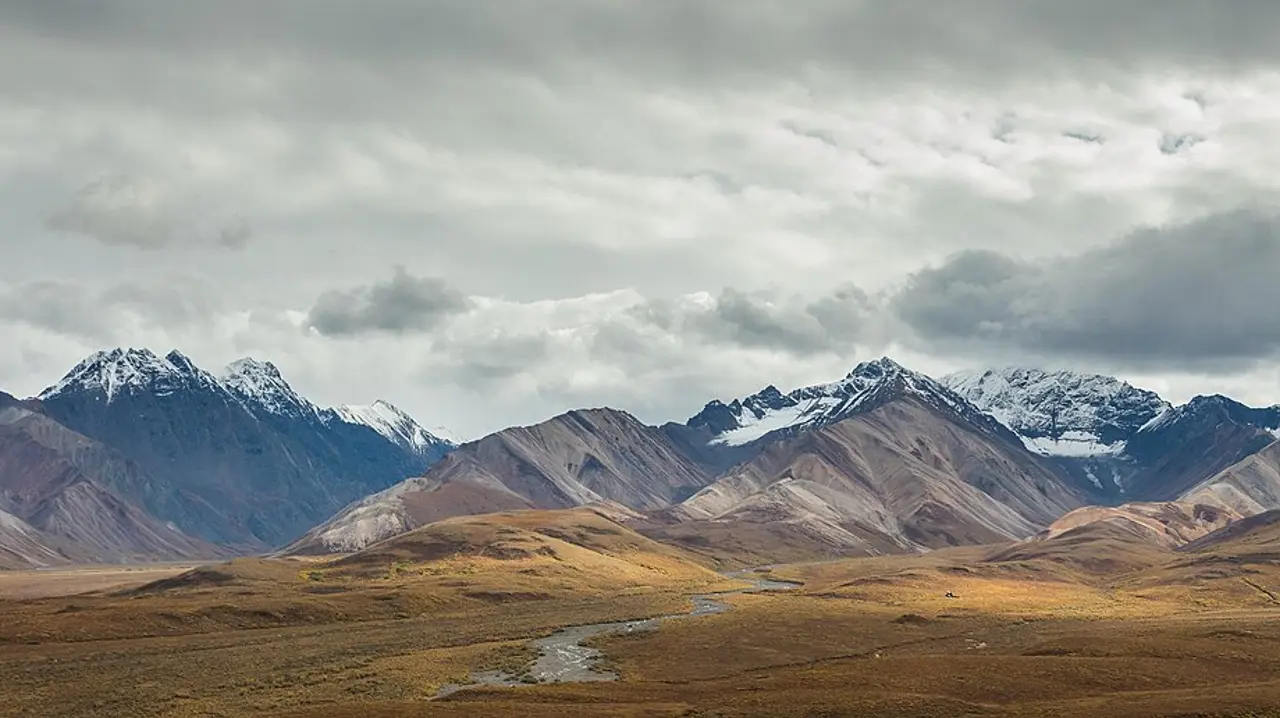
Denali National Park has one road and, in 2026, no bus on it goes past mile 43 - though several turn back well before that, and the Natural History Tour stops at mile 17. The Pretty Rocks landslide took the road out near mile 45 in 2021 (the pavement itself ends far earlier, at Savage River on mile 15; everything beyond is gravel), and Wonder Lake, Eielson and Kantishna are not on the menu this year. You won’t drive the full 92 miles. You’ll ride a green concessioner bus, pay $15 to enter if you’re 16 or older, and spend four to five hours watching tundra roll past the windows.
That’s still among the best wildlife platforms in North America. It’s not a zoo. The National Park Service is blunt about it: sightings can never be guaranteed. The more time you spend on the park road, the better your odds get - and in 2026, “more time” means choosing the right bus, not waiting for the road to reopen.
Mile markers that matter in 2026
Forget the brochure map that ends at Kantishna. Three numbers define the season:
| Mile | What happens here in 2026 |
|---|---|
| 0-15 | Paved road you may drive yourself to Savage River when buses are running |
| 15-43 | Transit and tour buses only; this is where grizzlies, caribou and sheep actually show up |
| 43+ | Closed to public traffic beyond East Fork; construction continues at Pretty Rocks |
Private cars stop at Savage River (mile 15) for most visitors. Past that point the road is single-lane, unpaved, and staffed by drivers who stop for bears in the lane. The old fantasy of renting an RV and motoring to Wonder Lake is not happening this decade on schedule.
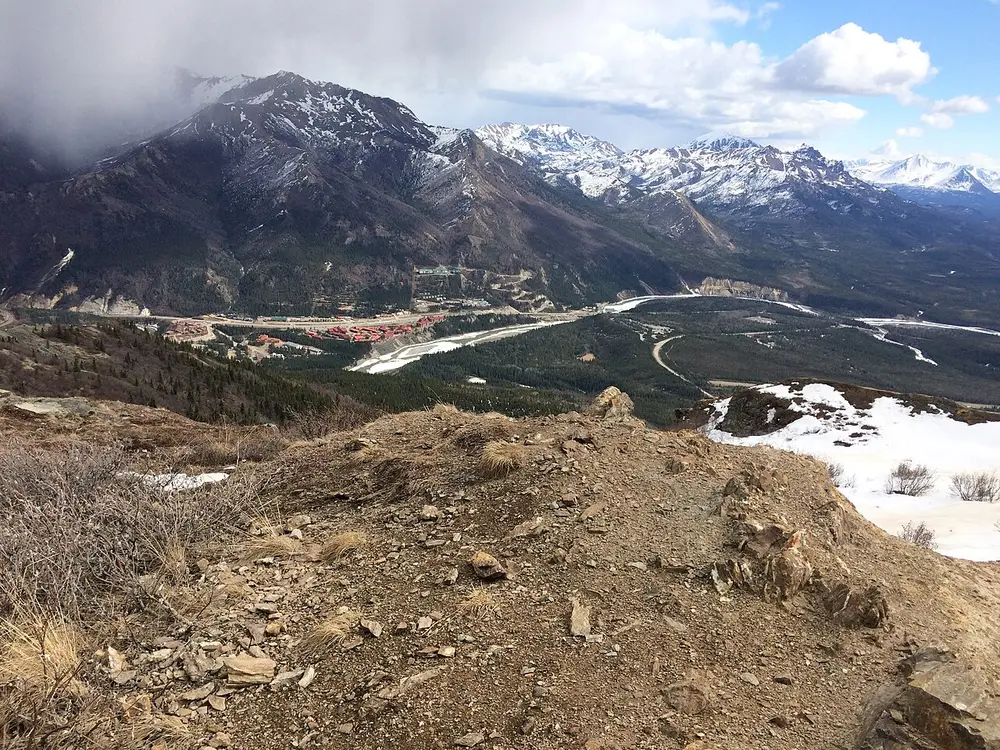
The mountain itself is a separate lottery. Denali’s south peak tops 20,310 feet, but clouds hide it more days than not. Book the bus for animals and alpine tundra. Treat a clear summit view as a bonus you can’t schedule.
The 2026 bus menu
All reservations run through the concessioner, Doyon/Aramark Joint Venture, at reservedenali.com or 1-800-622-7275. Transit buses leave the Denali Bus Depot inside the park, not from your hotel lobby - but the guided tours are different: the concessioner picks those up at hotels around the park entrance as well as at the depot, so check your confirmation rather than assuming. Arrive 20 minutes early to pick up tickets and pay entrance fees. In 2026 the depot and Riley Creek Mercantile are cashless - cards only.
| Product | Turnaround | Duration | Adult | Child (15 and under) | Dates |
|---|---|---|---|---|---|
| East Fork transit | Mile 43 | 4.5 hours RT | $33.50 | Free | May 20 - Sept 17 |
| Tundra Wilderness Tour | Mile 43 | 5-5.5 hours | $144.75 | $65 | May 20 - Sept 17 |
| Natural History Tour | Mile 17 | 4.5-5 hours | $116.75 | $51 | May 13 - Sept 15 |
| Camper bus | Mile 43 (campers) | Varies | $33.50 | Free | June 1 - Sept 17 |
Not sold in 2026: Toklat (mile 53), Eielson (mile 66), Wonder Lake (mile 85), Kantishna (mile 92). Wonder Lake Campground is closed for the season. The road lottery remains suspended.
Children ride free on transit buses but still need a reserved seat. Alaska car-seat laws apply to young kids.
Transit or tour: same mile, different contract
Here’s the math people miss. The Tundra Wilderness Tour and the East Fork transit both end at mile 43 in 2026. The adult ticket gap is $111 on paper ($144.75 vs $33.50). It’s not the full story.
Adult tour tickets include the $15 entrance fee. Adult transit tickets do not, so you pay entrance at the depot and the real spread is about $96 for one person. For two adults, compare $289.50 (two Tundra tickets, fees inside) against $97 (two transit tickets plus $30 entrance).
What the tour buys is a driver-naturalist, a snack box and water, and a seat you’re expected to keep. You don’t hop off for a hike. Transit is hop-on, hop-off: flag down the next green bus with empty seats. Reboarding is first come, first served, and waits can run from minutes to an hour in July.
The Natural History Tour to mile 17 is neither a bargain Kantishna nor a substitute for mile 43. It’s a shorter history narrative that never reaches the 2026 road end. Choose it only if mobility or time absolutely caps you at Savage River country.
If you want narration and don’t plan to hike, pay for the Tundra tour and stop feeling guilty about the transit price. To walk even one alpine mile, transit is the only rational buy.
Wildlife odds without fake percentages
Denali was founded in 1917 to protect Dall sheep, not tourists with telephoto lenses. The park is the size of Vermont and animals spread across it. No operator publishes a “73% chance of grizzly” because that number would be a lie.
What the Park Service does say, on its wildlife-viewing page, is practical:
- Buses beat rental cars for sightings. You sit higher, dozens of eyes scan, and drivers know where last week’s moose stood.
- Moose are comparatively frequent between the entrance and Savage River, especially Riley Creek Campground in spring and miles 9-13 in fall rut.
- Grizzly bears outnumber black-bear sightings; river bars like Teklanika and open alpine zones past mile 30 are the usual homework.
- Caribou often appear in groups of one to six, sometimes in herds of 100+; same high-country stretches as bears.
- Dall sheep cling to mountainsides; Igloo Canyon (miles 34-38) is the classic scan point, and it sits inside the stretch the road still covers.
- Wolves move with pack territories that shift year to year; some summers you hear them, some you don’t.
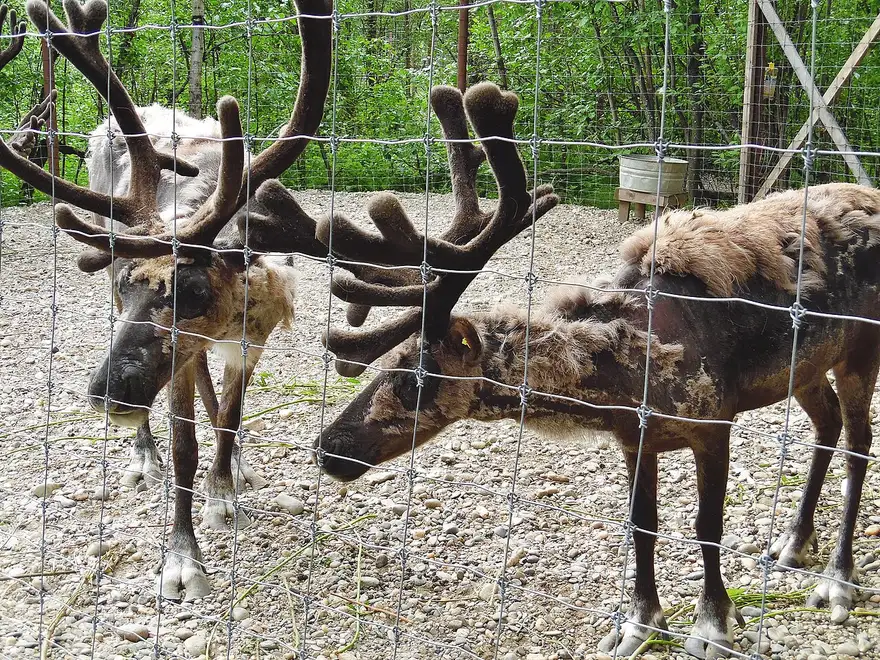
Bring binoculars even if you don’t bring a long lens. Drivers stop when wildlife is close; distant sheep on a ridgeline still count as a sighting, but only if you can see them. Midday sun can quiet animals, yet buses run long enough to catch cooler morning and evening hours anyway - the useful advice is “stay on the bus and watch,” not “book the 6 a.m. magic slot” (there isn’t one published).
Off the bus, sightings drop. Animals tolerate the rumble of scheduled green buses more than a hiker popping out of willows. If you transit out for a hike, you’re trading flexibility for odds.
Entrance fees and the America the Beautiful question
Anyone 16 or older pays $15 for seven days, cashless, at the Bus Depot unless a valid pass covers them. Under 16 is free. A Denali-only annual pass is $45 for US citizens and residents who will return in the same year.
The America the Beautiful annual pass is $80 for US citizens and residents and $250 for everyone else. It waives entrance here and stacks if you’re also hitting Mount Rainier or multiple parks on the same Alaska land week. The dedicated America the Beautiful pass guide walks through when the math actually works for international visitors paying the non-resident rate.
Bus fare and entrance are separate line items unless you bought a narrated tour that bundles the fee for adults.
Anchorage, Fairbanks, and the Parks Highway
The entrance sits 237 miles north of Anchorage and 120 miles south of Fairbanks on the Parks Highway. Most independent travelers rent in Anchorage, drive north in a day, sleep near the park, ride the bus, then continue to Fairbanks or backtrack.
You don’t need a car to reach the gate: the Alaska Railroad’s Denali Star calls at the Denali Park depot at Mile 1.25, twice a day through the summer season - 13 May to 17 September in 2026 - on the Anchorage-Talkeetna-Fairbanks run, and doesn’t run in winter. What no train does is take you into the park - past the depot, the only way up the road is the bus. Flightseeing from Talkeetna is its own product - spectacular, expensive, and unrelated to the bus mile markers unless you’re trying to see the summit when the park road view fails.
Cruise passengers adding a land segment should read Alaska for how the ship week and the Interior week collide. Denali is not a port day. It’s an overnight near the park and a full day on a bus.
How many nights at the gate
One night, one bus is the minimum that makes sense: drive from Anchorage, sleep at the entrance, ride East Fork transit or the Tundra tour, sleep again, drive on. Trying to bus in and out of Anchorage same day is how people end up with eight hours on pavement and ninety minutes on tundra.
Two nights lets you weather a cancelled flightseeing morning or swap bus days if the mountain appears on the second afternoon. It also matches Talkeetna or Healy side trips without rushing dinner.
Three nights is justified only if you’re hiking off transit, attending a ranger program, or waiting on construction updates at Pretty Rocks. Otherwise you’re repeating the same mile 43 view.
Book buses before lodges in peak July. Seats are finite; hotel rooms are merely expensive. Check nps.gov/dena and the concessioner alerts the week you travel - Pretty Rocks construction has been a moving target since 2021, and the only honest promise for 2026 is mile 43, not Wonder Lake.
On the map
The map loads on click - to keep the page lightweight.
The map didn’t load. Check your connection and refresh the page.
Admission and opening hours
- Admission price
- Entrance $15 per person age 16 or older for 7 days; under 16 free; park annual $45; cashless. America the Beautiful resident annual $80, non-resident $250. 2026 buses (Doyon/Aramark): East Fork transit to mile 43 $33.50 adult / child 15 and under free; Tundra Wilderness Tour to mile 43 $144.75 / $65 child; Natural History Tour to mile 17 $116.75 / $51. Wonder Lake, Eielson, Toklat and Kantishna not offered in 2026.
- Opening hours
- Park open year-round. Summer bus season 20 May through 17 September 2026 on the concessioner calendar, then no bus service until the next season. Private vehicles to Savage River (mile 15) while buses run. Denali Bus Depot and Riley Creek Mercantile credit/debit only in 2026.
Pretty Rocks landslide still closes the park road west of mile 43. Confirm nps.gov/dena and reservedenali.com the week you travel. The mountain is often hidden by cloud - plan the bus for wildlife and tundra, not a guaranteed summit portrait.
Details checked: August 23, 2026
Read also

National Parks · 12 min read
Canyonlands and Capitol Reef: Utah's Two Quiet Parks
Verified · August 29, 2026Canyonlands $30, Capitol Reef $20 for the Scenic Drive - what each park costs, which district to skip, and which one wins if you only have a day.

National Parks · 8 min read
Indiana Dunes from Chicago: Beaches & the $25 Gate
Verified · August 26, 2026Leave Chicago early for West Beach, the Dune Succession Trail and the South Shore Line to Dune Park. National and state park fees do not cross.

National Parks · 8 min read
Carlsbad Caverns: Natural Entrance and Bat Flight
Verified · August 25, 2026$15 entry plus $1 timed reservation, Natural Entrance vs elevator, Big Room loop, and free bat flights April-Oct.

National Parks · 8 min read
White Sands: Dunes, Sledding and Closures
Verified · August 25, 2026Gypsum dunes, $25 entry, sledding tips, and why missile-range tests can close Dunes Drive for hours - check NPS the morning you go.