
Alaska 2026: Cruise First, Denali Stops at Mile 43
Most Alaska trips are a week on a ship. In 2026 Denali buses turn around at mile 43. Glacier Bay is a park day, and not every itinerary includes it.
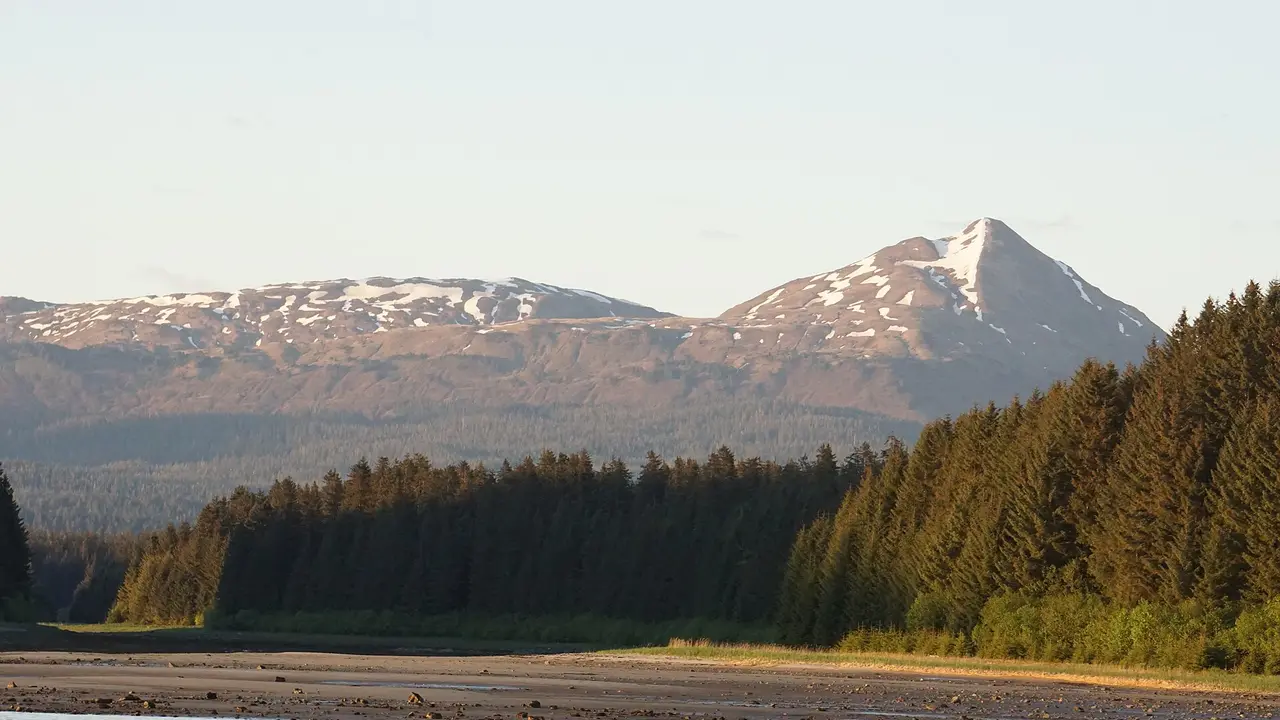
Most people who “do Alaska” never rent a car and never stand in a Denali bus line. They fly into Seattle, sleep one night, and board a ship for the Inside Passage. That is the trip the state is built to sell: a week of water, port towns, and - if the itinerary actually includes it - a full day inside Glacier Bay National Park.
The expensive mistake is treating the cruise and Denali as the same vacation. One is a floating hotel through Southeast. The other is a 237-mile drive from Anchorage to a park road that, in 2026, still dies at mile 43. You can do both. You should not pretend they share a Tuesday.
Most Alaska trips never touch a rental car
Round-trip Inside Passage sailings are the default for first-timers from the Lower 48: Seattle or Vancouver, a string of Southeast ports, back to the same pier. One-way “Gulf” itineraries add a Southcentral landing - Whittier or Seward - and a land transfer toward Anchorage or Denali. That second shape is how cruise passengers ever see the Interior. It is also how people accidentally buy two trips and have time for one.
Read the day-by-day before you pay. Glacier Bay is not automatic. The National Park Service says many Alaska cruise offerings never enter the park. If the brochure photo is a tidewater glacier and the itinerary says “scenic cruising” without naming Glacier Bay, you’re looking at a different stretch of ice.
You will not need a car in Juneau, Ketchikan or Skagway on a ship day. You will need one the minute you decide Denali is part of the same ticket. Book that rental with the land week, not as a surprise at Ted Stevens.
Port days are not wilderness days
A Southeast port call is a town with a dock, a street of shops, and a glacier or tram you can reach before the all-aboard horn. Juneau is the state capital and the classic example: mountains drop into the channel, ships stack along the waterfront, and the day is measured in tender tickets and bus queues, not in trail miles.
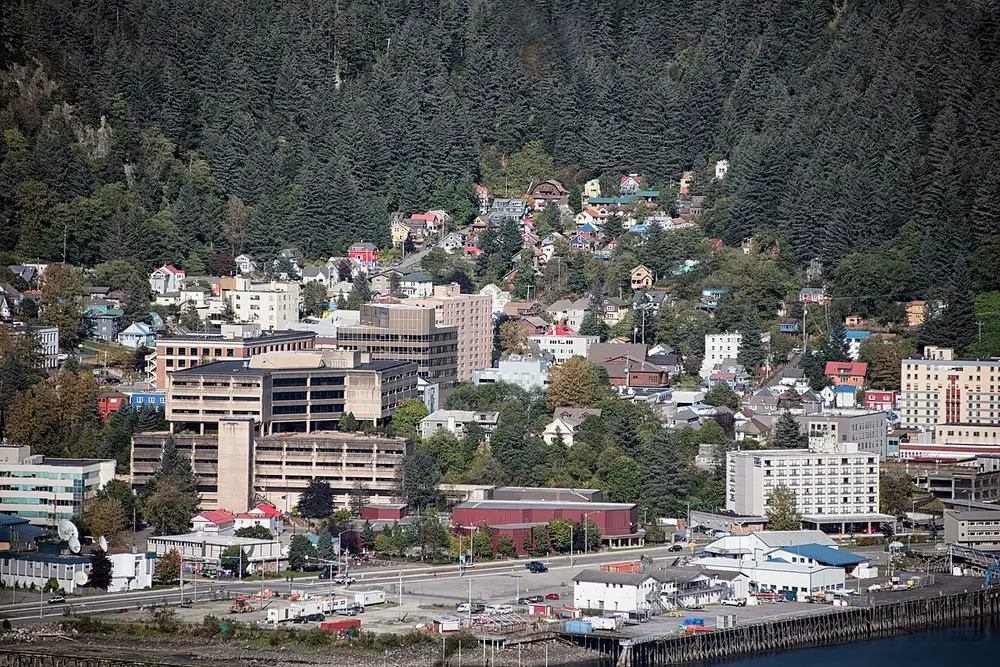
That isn’t a complaint. It’s the product. If you want empty trail, you’re on the wrong week. If you want to see how Southeast Alaska actually lives - fishing boats, rain, a capital you reach by plane or boat because no road connects it to the rest of the state - the port day is honest. Just don’t schedule a “hike into the wild” that assumes the ship will wait.
Independent travelers using the Alaska Marine Highway can stitch some of the same towns without a cruise card. Schedules and fares move; book on the state’s ferry site and treat any printed timetable as a rumor until the reservation exists. I am not quoting a fare here because the operator’s own page describes pricing that changes with inventory.
Glacier Bay is a park day, and not every ship gets it
Glacier Bay is a national park with no entrance fee, 3.3 million acres, and a vessel-permit system first established in 1979 and rebuilt in 2003. Cruise ships do not dock. NPS says a typical visit is 9 to 10 hours in the bay, including a stop at a major tidewater glacier. Rangers and Alaska Geographic come aboard with a map, a desk, and a cancellation stamp. Johns Hopkins Inlet stays off-limits to cruise ships until late summer, when harbor-seal protections lift.
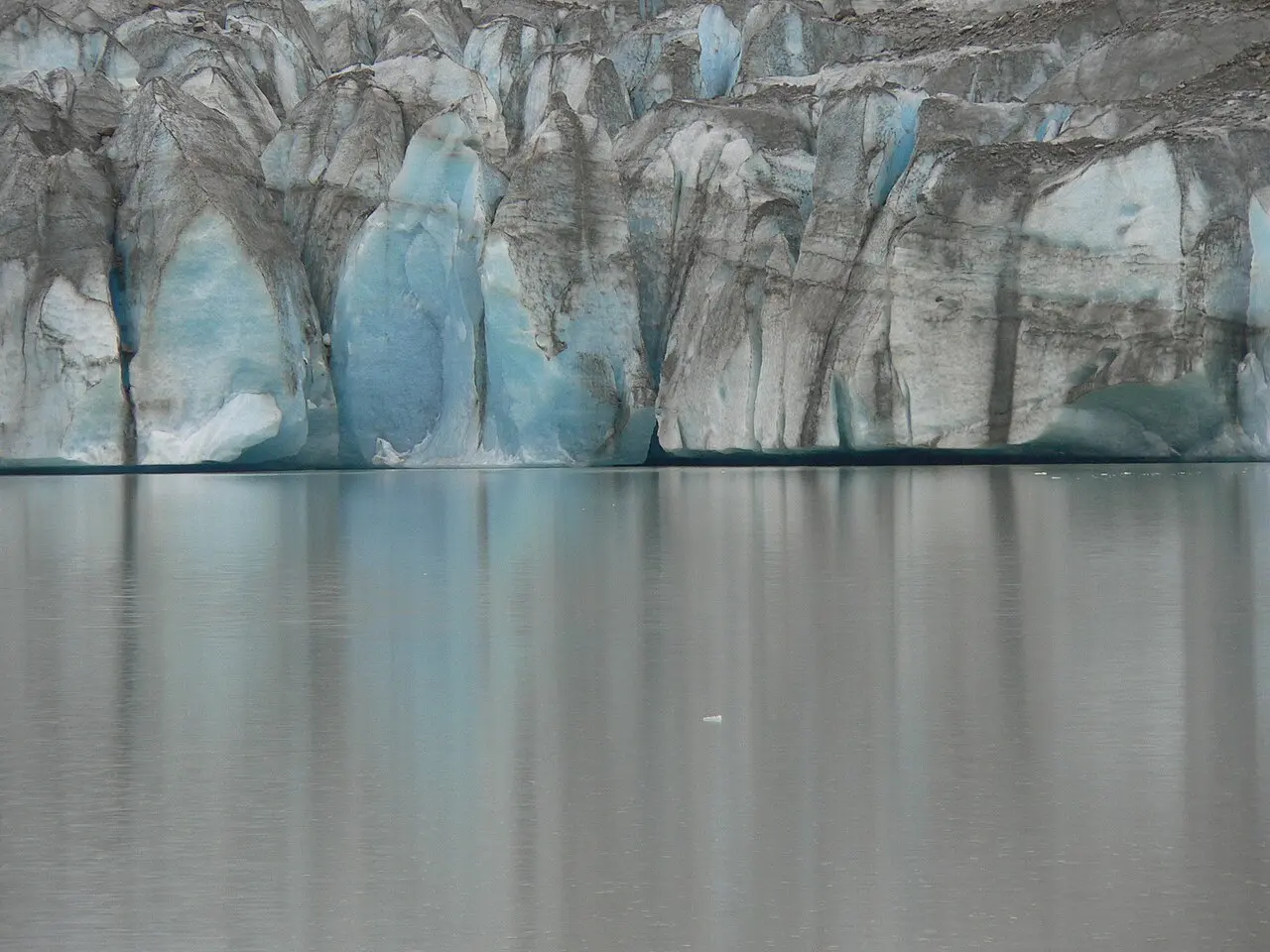
If your sailing includes this day, stay on deck. The park is the attraction; the gift shop can wait. If it doesn’t include this day, you’re not “missing a bonus fjord.” You’re on a different permit. Private boats have their own summer permit (1 June through 31 August north of Point Gustavus), and 2026 is a pilot year for an online system - that is a skipper problem, not a cruise-passenger one.
Denali in 2026 stops at mile 43
The dedicated Denali National Park guide covers bus tours, wildlife odds and how many nights to book at the gate. The state-level Alaska page still handles cruise weeks; this section is the road-trip summary.
Denali National Park and Preserve is 6,075,030 acres. The mountain’s south peak is 20,310 feet (NPS still lists it as Mount McKinley on the statistics page). There is one park road, 92 miles on paper. You won’t drive it.
In summer, private cars go as far as Savage River, mile 15. Past that, you ride a bus run by the concessioner, Doyon/Aramark Joint Venture, not by the Park Service. And in 2026 those buses turn around at mile 43, the East Fork. The Pretty Rocks landslide at mile 45.4 took the road out in August 2021. Construction is in what NPS called its final season as of 1 June 2026; the public blog’s latest note is 13 July 2026. Wonder Lake, Eielson Visitor Center, Toklat and Kantishna aren’t on sale this year. The old road lottery is still posted as suspended.
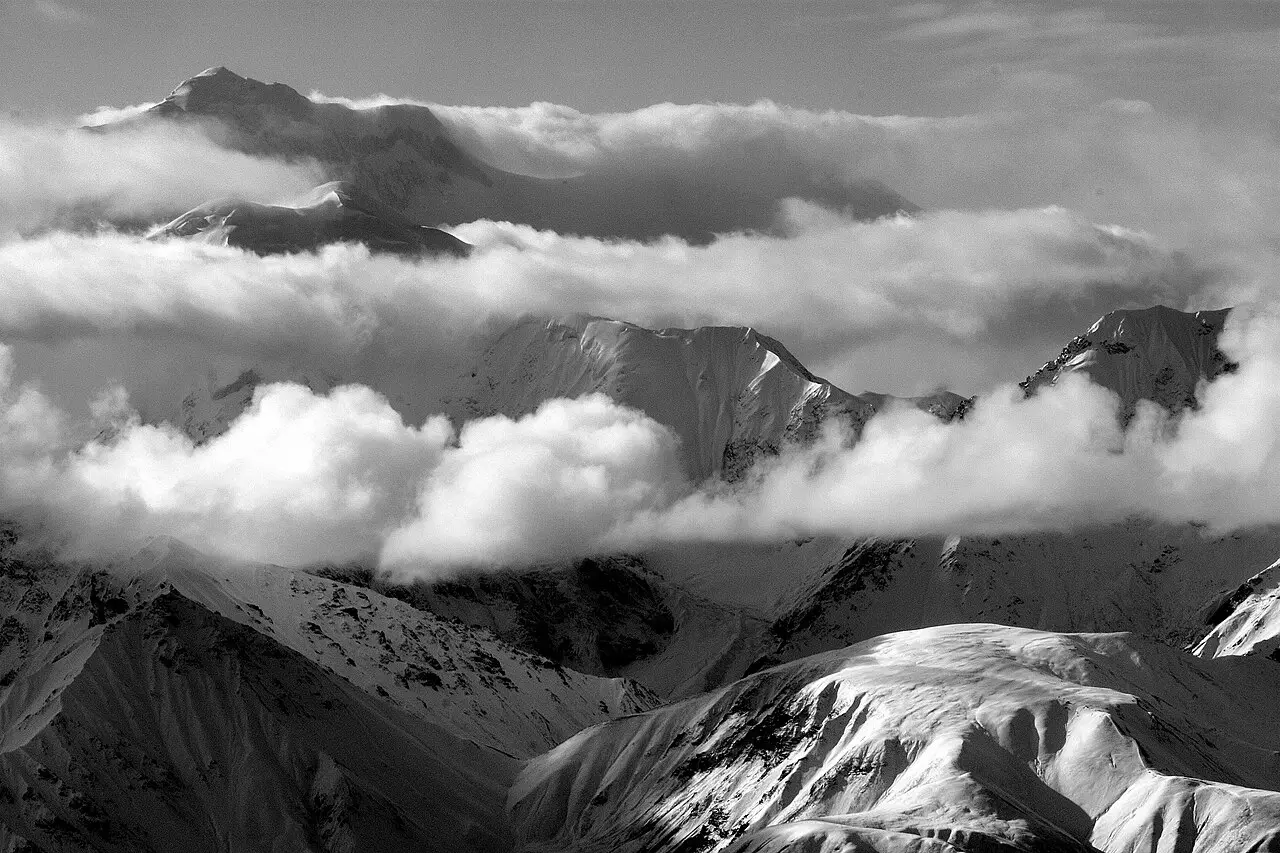
What you can actually book, checked on the concessioner site on 17 August 2026:
- East Fork transit - mile 43, about 4.5 hours round trip, $33.50 adult, children 15 and under free, 20 May-17 September. You can get off and reboard. Buses leave the Denali Bus Depot inside the park, not your hotel.
- Tundra Wilderness Tour - same mile 43 turnaround, 5 to 5.5 hours, $144.75 adult / $65 child, same date window. A driver-naturalist narrates. You stay on the bus.
- Denali Natural History Tour - only to mile 17, 4.5 to 5 hours, $116.75 / $51, 13 May-15 September. Shorter, cheaper than the Tundra tour, and it never reaches the 2026 road end.
Like-for-like: transit and the Tundra tour both end at mile 43. The adult ticket gap is about $111 ($144.75 vs $33.50). That is not the all-in gap. Adult tour tickets already include the $15 entrance fee; transit tickets do not, so you add $15 at the Bus Depot and the real spread is about $96. What the Tundra tour adds is narration, a snack pack and water, and a seat you are not supposed to leave for a hike. Don’t treat that as lunch - lunch was a Kantishna thing, and Kantishna is not on sale in 2026. If you want to walk, buy transit. If you want the talk, buy the tour. Don’t buy the $116 Natural History Tour thinking it is a budget Wonder Lake - it stops 26 miles short of where even the 2026 buses stop.
Entrance for anyone 16 or older is $15 for seven days, cashless, youth free - extra on transit, already inside the adult tour fare. A park annual pass is $45. The America the Beautiful pass is $80 for US residents and $250 for everyone else. Every bus passenger, including kids, still needs a reservation.
The Parks Highway if you skip the ship
NPS puts the park entrance 237 miles north of Anchorage and 120 miles south of Fairbanks on the George Parks Highway. That is the operator’s figure, not a routing-app guess. You will sit in a car for the better part of a day each way, then sit in a bus. There is no train to mile 43 that replaces the reservation.
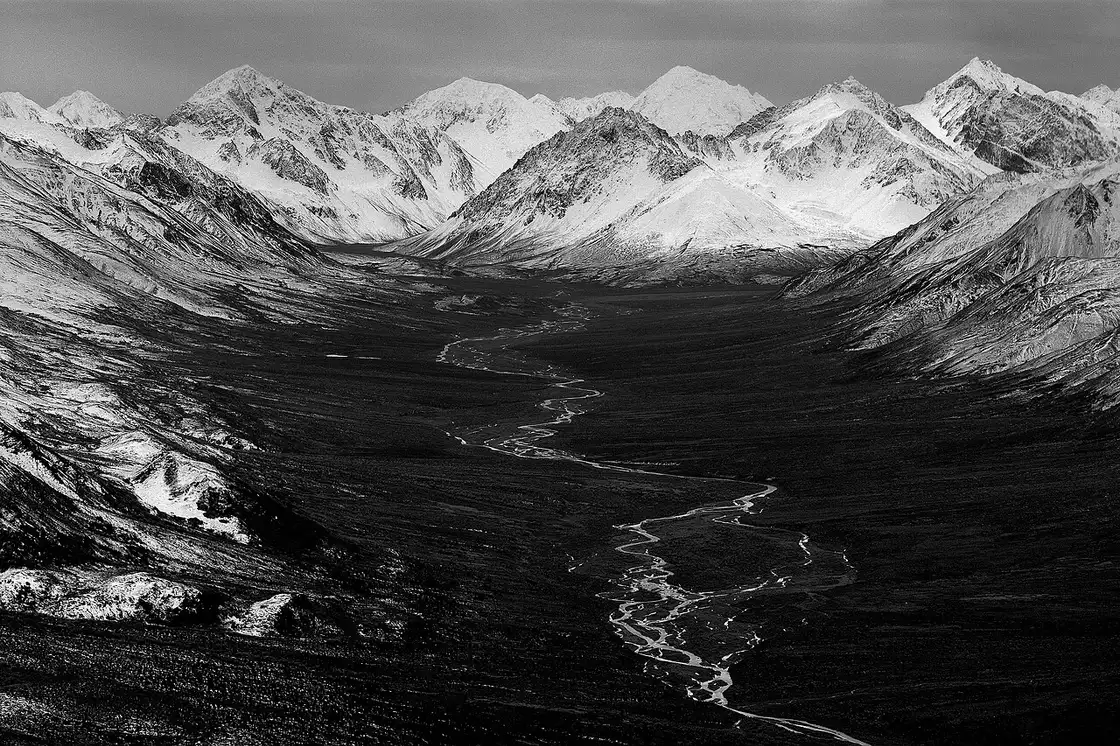
Anchorage is the practical airport for this version. Fairbanks works if you’re coming from the north or chasing darker skies later in the year. The park itself has no NPS hotel. Rooms sit in the canyon of lodges outside the entrance; they go early in July. A night in Anchorage plus a pre-dawn drive is how most independent visitors actually reach the Bus Depot. The miles from town are more than double a Rainier day from Seattle, and there is no “leave after breakfast” version that still catches a morning bus.
If you’re stacking a cruise and this drive, you need spare days after you get off the ship, not a same-day dash from Whittier. The rental, including one-way drop fees, is in renting a car in the USA.
Light, dark, and which month matches the trip
Match the month to the vehicle, not to a postcard.
Late May through mid-September is when Denali’s buses run (concessioner calendar through 17 September 2026). That is also cruise season in Southeast. You get long daylight, open visitor services, and every other visitor. Wildlife is not a guarantee on a cloudy Tuesday in June any more than it is in August.
Shoulder weeks - late April into mid-May, and the days after the buses stop - let private cars push to Teklanika, mile 30, until 15 October or snow, whichever comes first. NPS is blunt: services thin out, and you should call before you drive. The Natural History Tour starts a week earlier than transit (13 May), which is a small, real window if you only wanted the mile-17 loop.
Winter is a different park. The road closes at headquarters around mile 3 once the snow sticks. Dark skies are when an aurora forecast from the University of Alaska Fairbanks Geophysical Institute is even usable. A June cruise will not give you that sky. Don’t buy a winter flight because a summer brochure used the word “northern lights.”
Hawaii is the other long-haul US state people fly to for a week of water. It is not a template for this one: Hawaii is islands and reservations, and you pick one island. Alaska is a ship or a highway, and you pick one of those first. For the Pacific Northwest jump-off, Washington State is the mainland you actually land on.
Book the ship. Add land only if you have days left.
Seven nights: buy the cruise whose day-by-day names Glacier Bay, and stop there. Ten or twelve: add Anchorage and a Denali bus to mile 43 - transit at $33.50 plus the $15 entrance if you’ll walk, the Tundra tour at $144.75 if you won’t. Pretty Rocks is closed this year. The mountain is still 20,310 feet. The road is not 92 miles of it.
On the map
The map loads on click - to keep the page lightweight.
The map didn’t load. Check your connection and refresh the page.
Admission and opening hours
- Admission price
- Denali entrance $15 per person age 16 or older for 7 days; age 15 and under free. Park annual pass $45. America the Beautiful resident annual $80, non-resident $250. Cashless. Glacier Bay has no entrance fee. 2026 Denali buses (Doyon/Aramark): transit to mile 43 $33.50 adult / child free; Tundra Wilderness Tour to mile 43 $144.75 / $65. Wonder Lake, Eielson, Toklat and Kantishna buses not offered in 2026.
- Opening hours
- Denali is open year-round. Summer bus service 20 May through 17 September 2026 on the concessioner calendar, then the road closes to buses for the season (NPS: through the second week after Labor Day). Private cars to Savage River (mile 15) while buses run. Glacier Bay cruise days are typically 9-10 hours in the bay; ships do not dock.
Pretty Rocks landslide still closes the Denali Park Road west of mile 43. Confirm nps.gov/dena and reservedenali.com the week you travel. Many Alaska cruise itineraries never enter Glacier Bay - read the day-by-day before you pay.
Details checked: August 17, 2026
Read also

States · 11 min read
Connecticut: Mystic, New Haven and the Shoreline
Verified · September 12, 2026Mystic Seaport at $35 adult, free Yale galleries in New Haven, and Gillette Castle on the river - how a Connecticut weekend actually fits.

States · 9 min read
North Dakota: Medora and Theodore Roosevelt NP
Verified · September 5, 2026The 36-mile South Unit loop starts in Medora, entrance $30 per vehicle, cashless from May 2026 - how to plan Theodore Roosevelt National Park.

States · 9 min read
Arkansas Travel Guide: Hot Springs & Ozarks
Verified · September 4, 2026Fee-free Hot Springs NP downtown, free Crystal Bridges in Bentonville, and the 135-mile Buffalo - how to string an Arkansas road trip.

States · 10 min read
Indiana Travel Guide: Indy, Speedway, Shore
Verified · September 5, 2026IMS Museum at $25, Kiss the Bricks at $15, Brown County hills and Lake Michigan shore - an Indiana trip beyond a Chicago beach day.