Things to Do in Seattle
Pike Place Market, the Space Needle versus Kerry Park, Chihuly, coffee and the Bainbridge ferry: what to do in Seattle and what it costs.
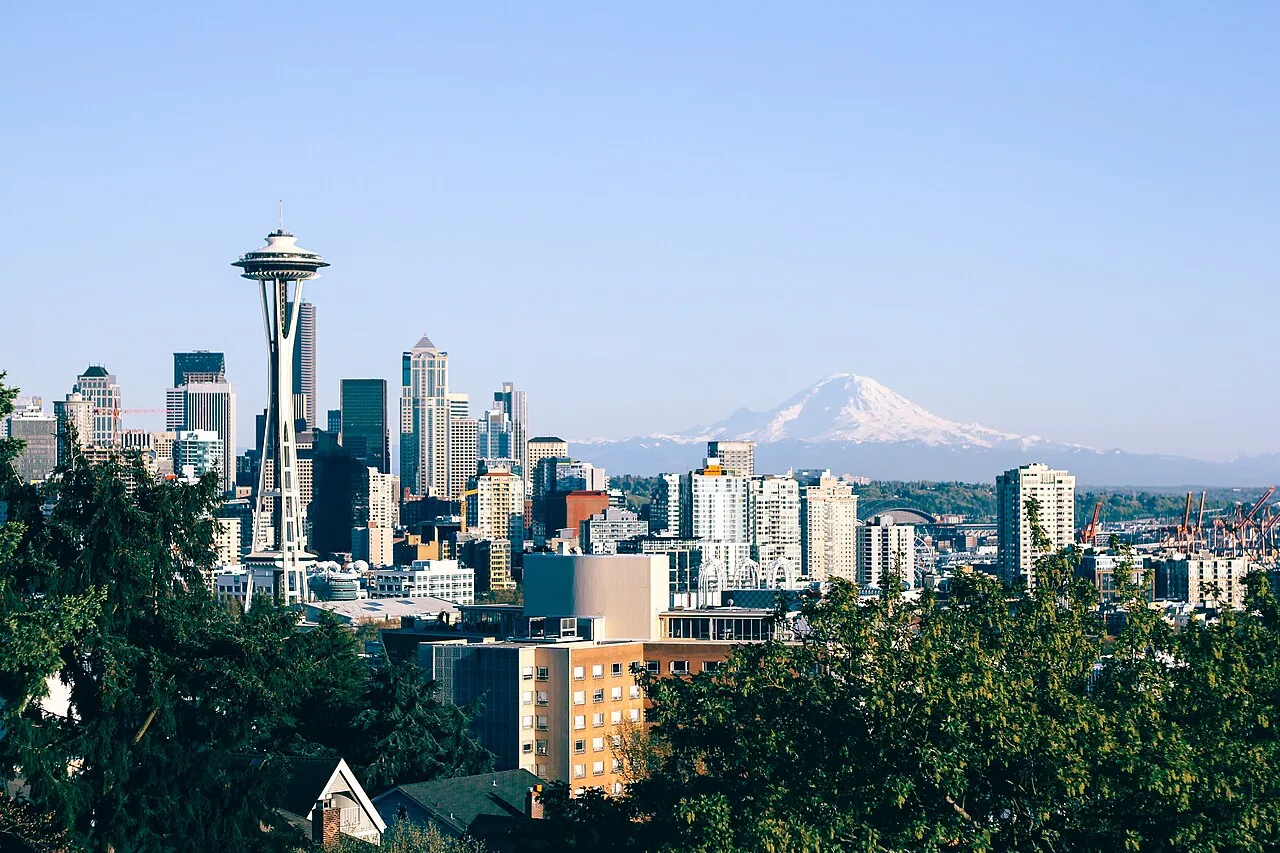
Give Seattle three days. That covers Pike Place Market in the morning, Seattle Center for the Space Needle and the Chihuly glass, a ferry ride across Puget Sound, and one museum or neighborhood afternoon of your choosing. The city is small enough downtown to walk, steep enough that you’ll notice, and arranged along the water in a way that makes the boats more useful than any tour bus. Seattle is also the Lower 48 pier most Alaska Inside Passage cruises leave from, so plenty of people see the city as a bookend to a bigger trip.
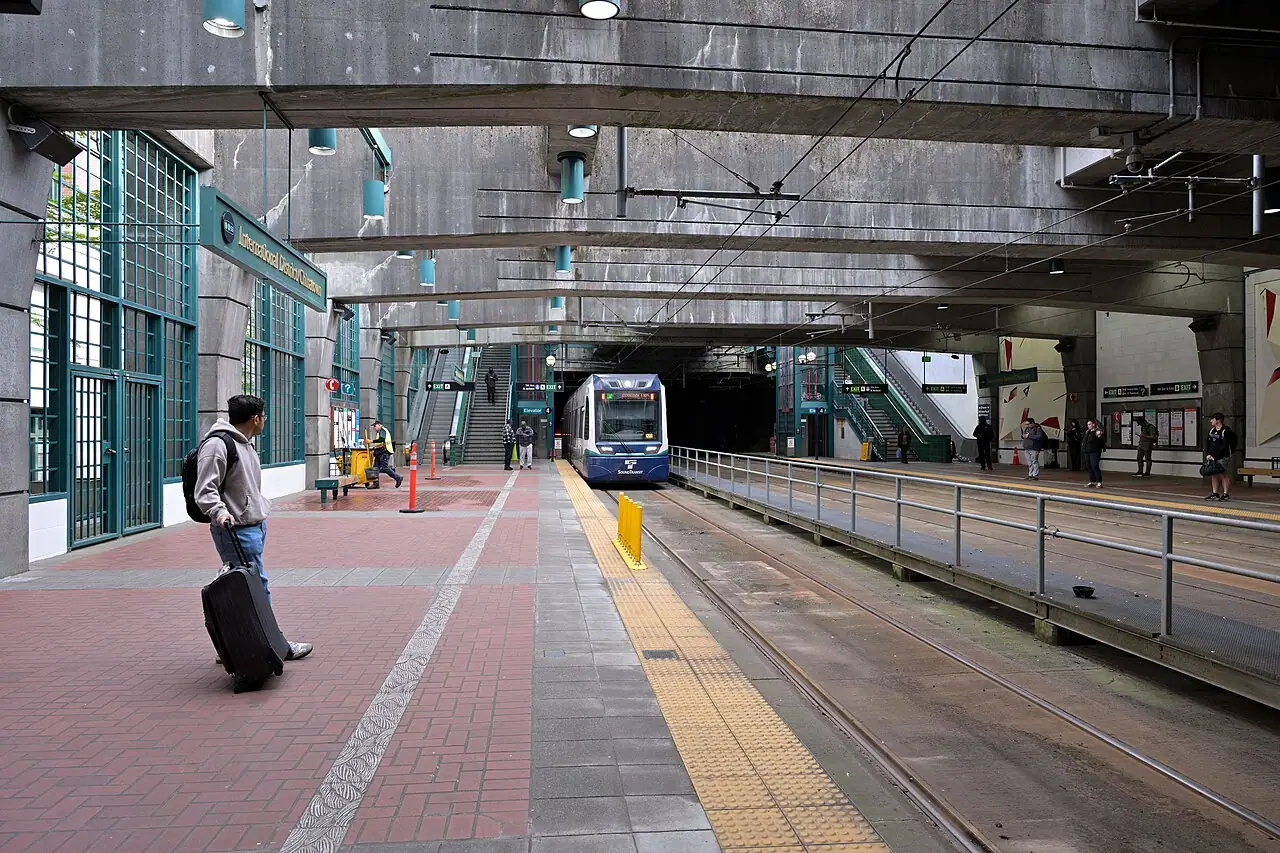
Getting in is easy and cheap, which sets the tone. Our Sea-Tac to downtown guide breaks down Link light rail, taxi meters and rideshare; the short version is a flat $3 train ride in about 38 minutes, with riders 18 and under free. From baggage claim you head to the fourth floor and cross the skybridge, or catch the free Train-to-Plane shuttle that runs from 5 a.m. to midnight. A cab or rideshare into the city will cost you roughly ten times the train fare and, at rush hour, more time.
Pike Place Market, and the truth about the flying fish
The market opened in 1907 and still works as a market: 70-odd farmers, 180-plus craftspeople, more than 220 shops and restaurants, 60 licensed buskers and around 450 people who actually live in the buildings. Most of it runs 10 a.m. to 5 p.m., every day except Thanksgiving and Christmas. A pilot program now keeps cars off Pike Place itself during those same hours, so the middle of the day is the pedestrian version of the market.
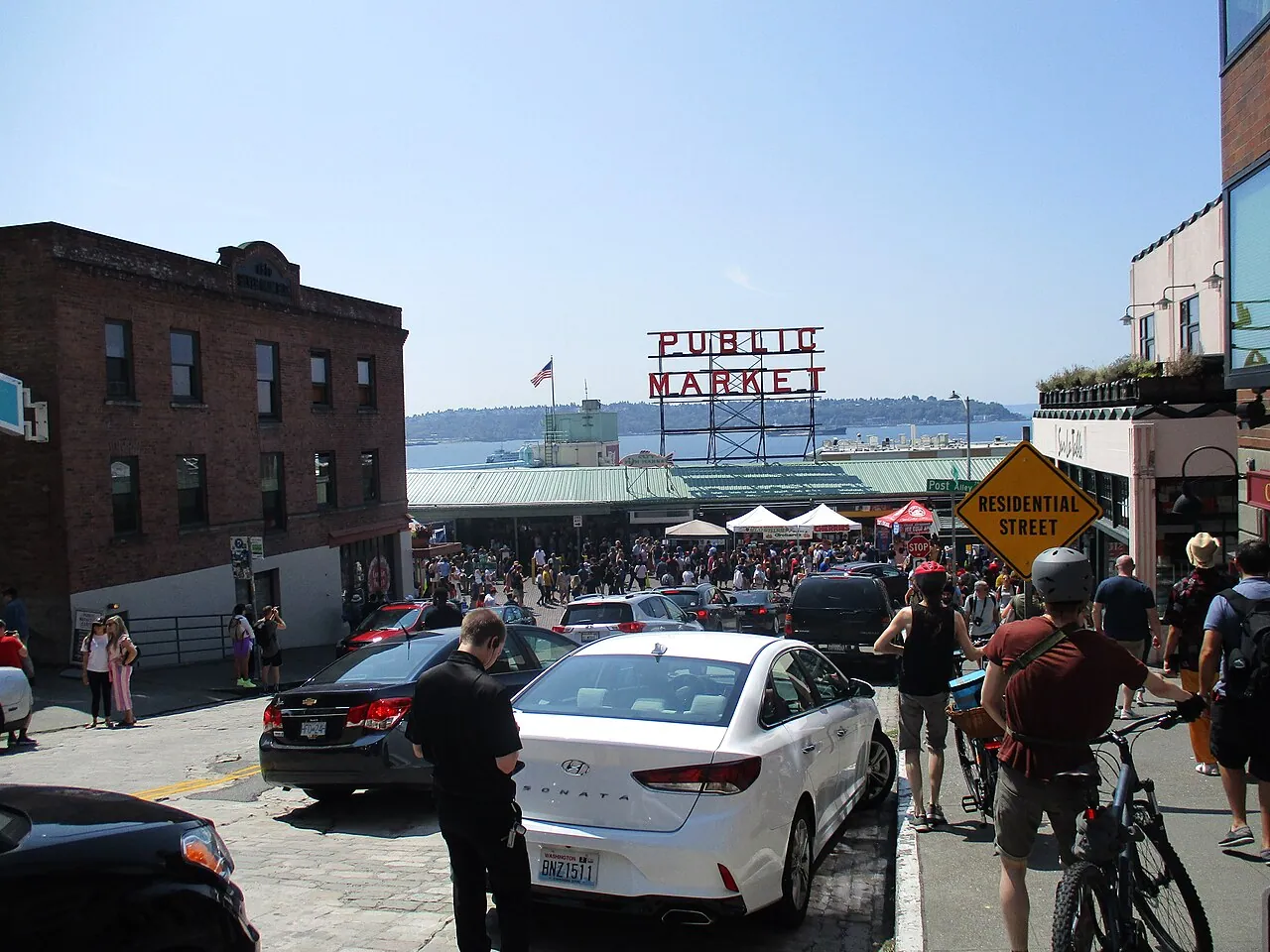
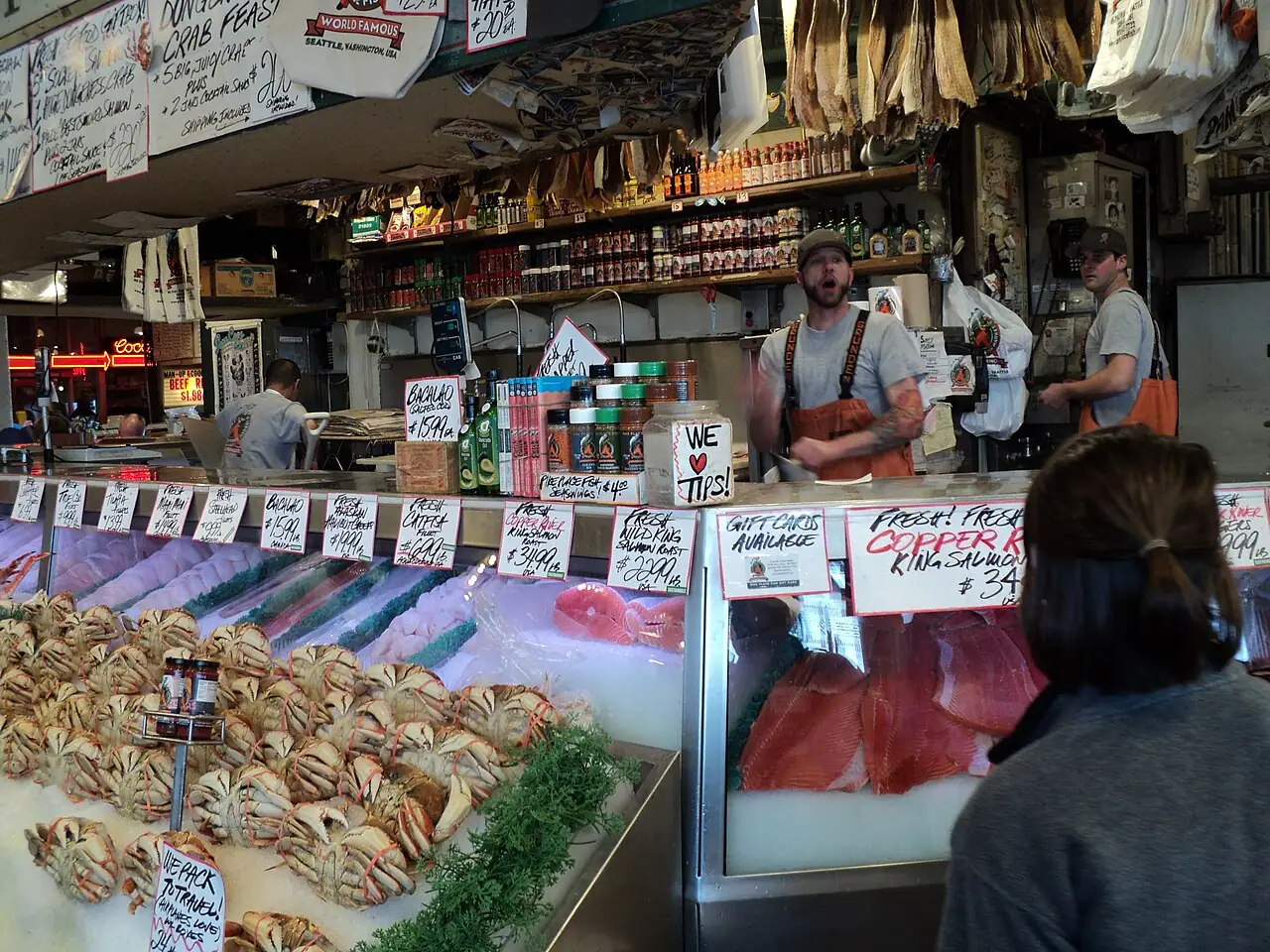
About that fish. Pike Place Fish Market has been there since 1930, and the throwing isn’t a scheduled performance - the crew launches a salmon across the counter when a customer buys one, on its way to being wrapped. Which means the show happens on the customers’ schedule, not yours. The routine turned into the market’s signature in 1986, when the owner and staff, nearly broke, decided with a business coach that they would become world famous, and behaved accordingly until it was true. Stand at the corner for ten minutes and you’ll see it; stand there for forty waiting for a scheduled throw and you’ll be disappointed.
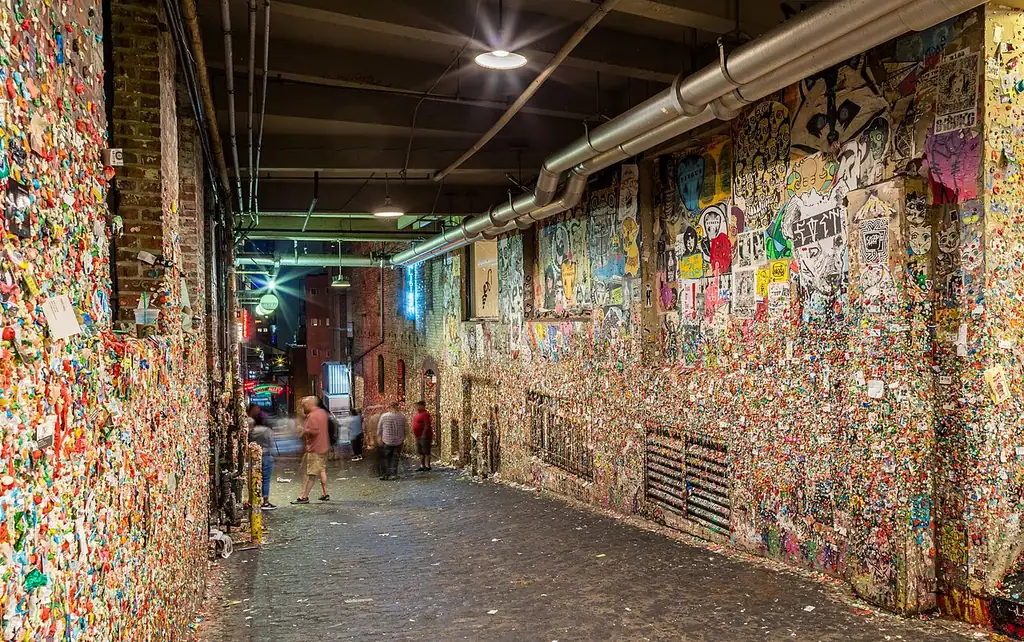
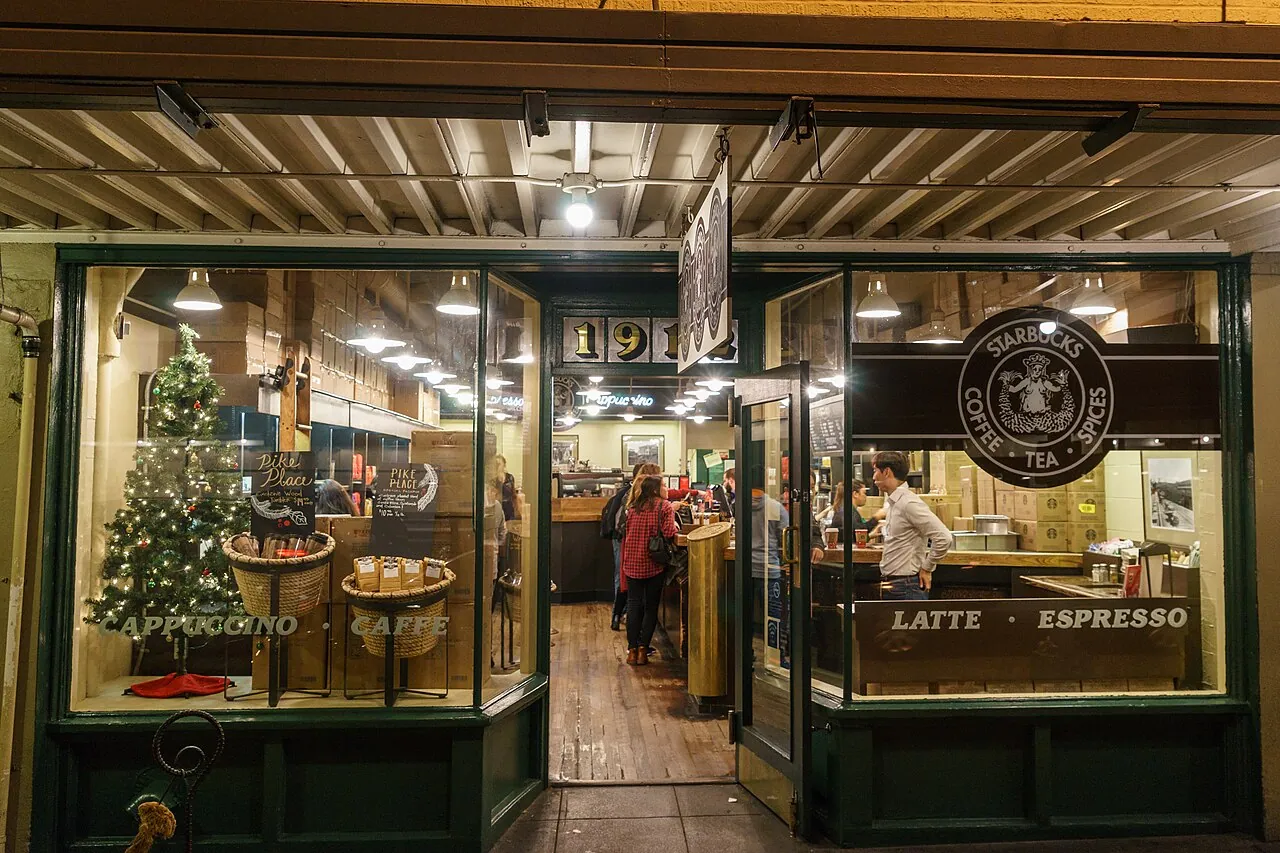
Two more market items. Down the stairs in Post Alley is the Gum Wall, a brick corridor plastered in chewed gum since the early 1990s, steam-cleaned once in a while and re-covered within weeks - it’s either delightful or revolting and there’s no third reaction. And the Starbucks at 1912 Pike Place always has a line of people photographing what they think is the first Starbucks. It isn’t quite: the first store opened in March 1971 at 2000 Western Avenue, and moved here in 1976 after its building came down. The coffee is the same as any other Starbucks. The bakery two doors along is not.
The Space Needle and Kerry Park, in that order
Most first-timers only work this out from the top: the Space Needle is the best-looking object in the Seattle skyline, and it’s the one thing you can’t see from inside it. Kerry Park, a small terrace on the south slope of Queen Anne about ten minutes from Seattle Center, is where the postcard comes from, because from there the Needle stands in front of downtown with Mount Rainier floating behind on a clear day. It’s free, it’s open all the time, and evening light is the reason to be there.
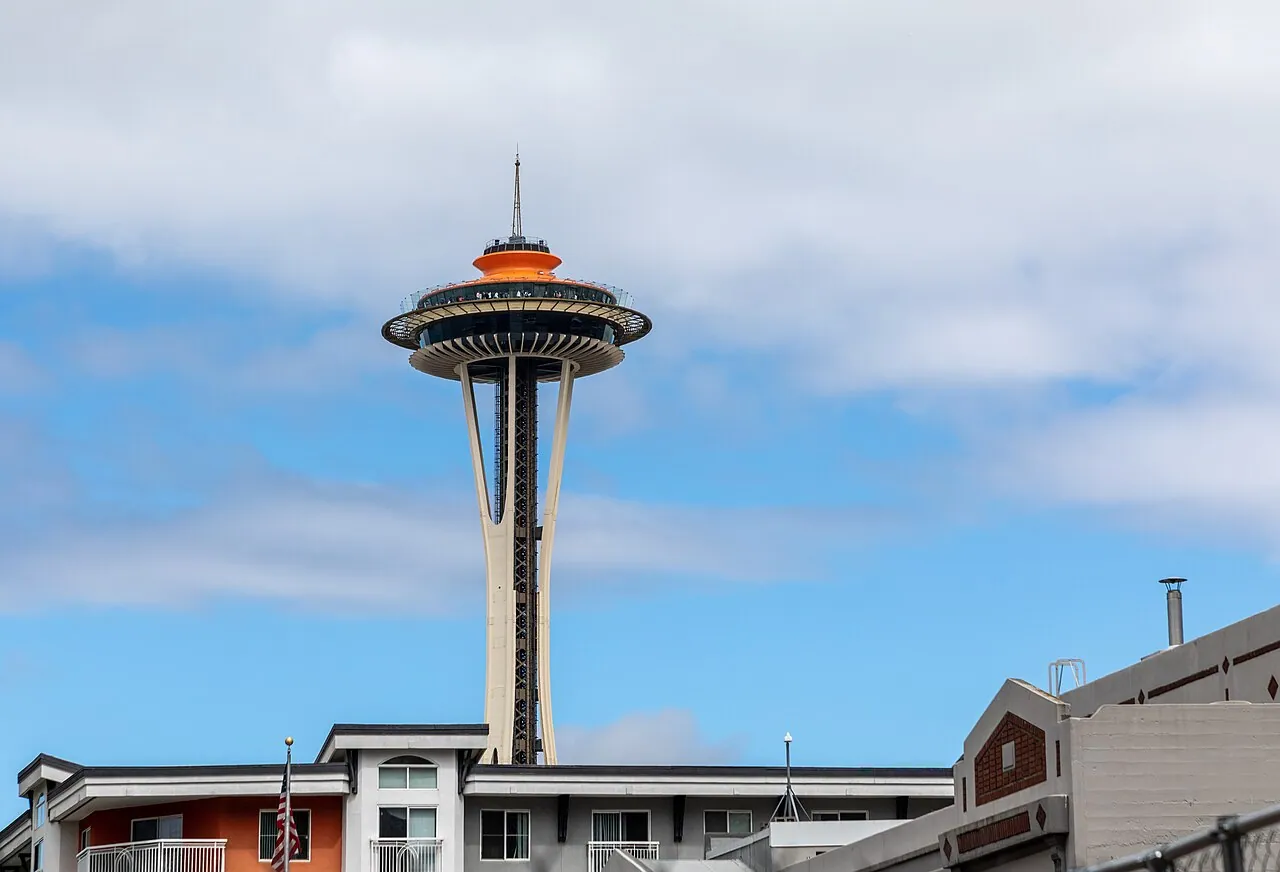
The Needle is still worth doing, for a different reason: the glass. Admission runs $35 to $55 depending on the day and the time slot, and what you’re paying for is the floor-to-ceiling glass walls, the open-air deck with tilted glass benches, and The Loupe below it - a revolving glass floor the operator calls the world’s first and only. Book a slot rather than turning up, since prices climb as slots fill, and put your Kerry Park trip on a different evening so you’re not spending the same sunset twice.
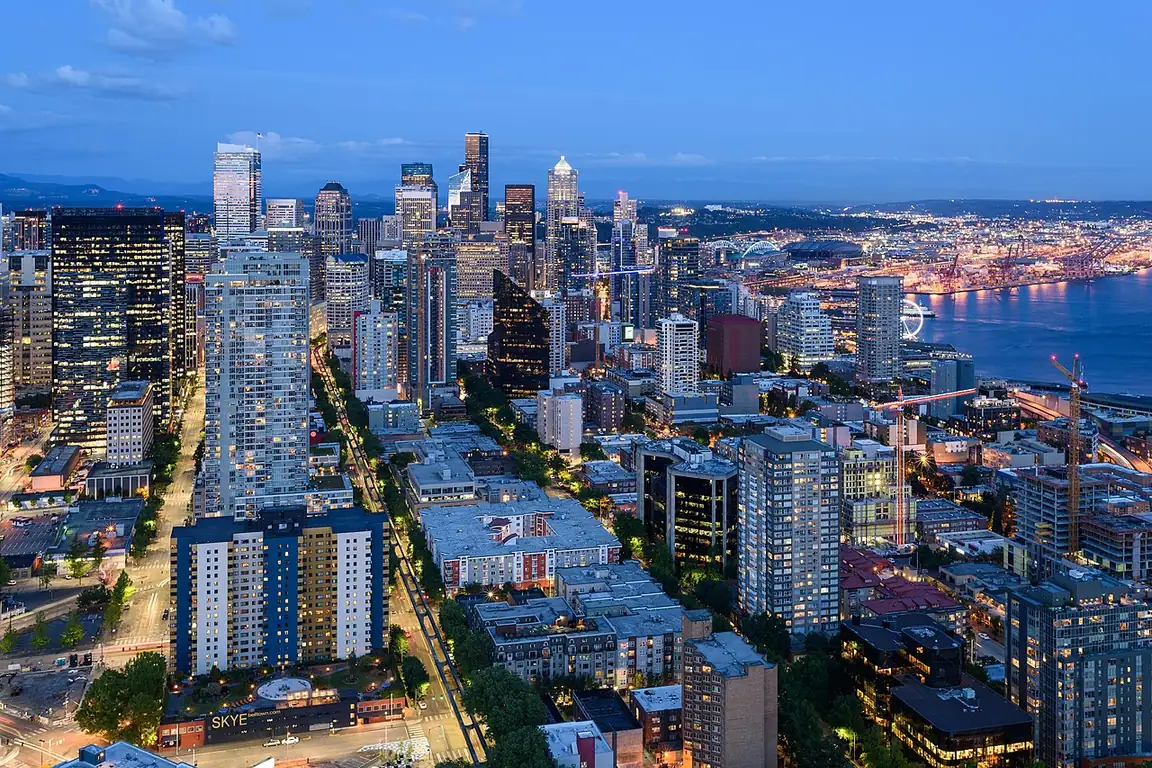
Seattle Center: glass, guitars and a Gehry building
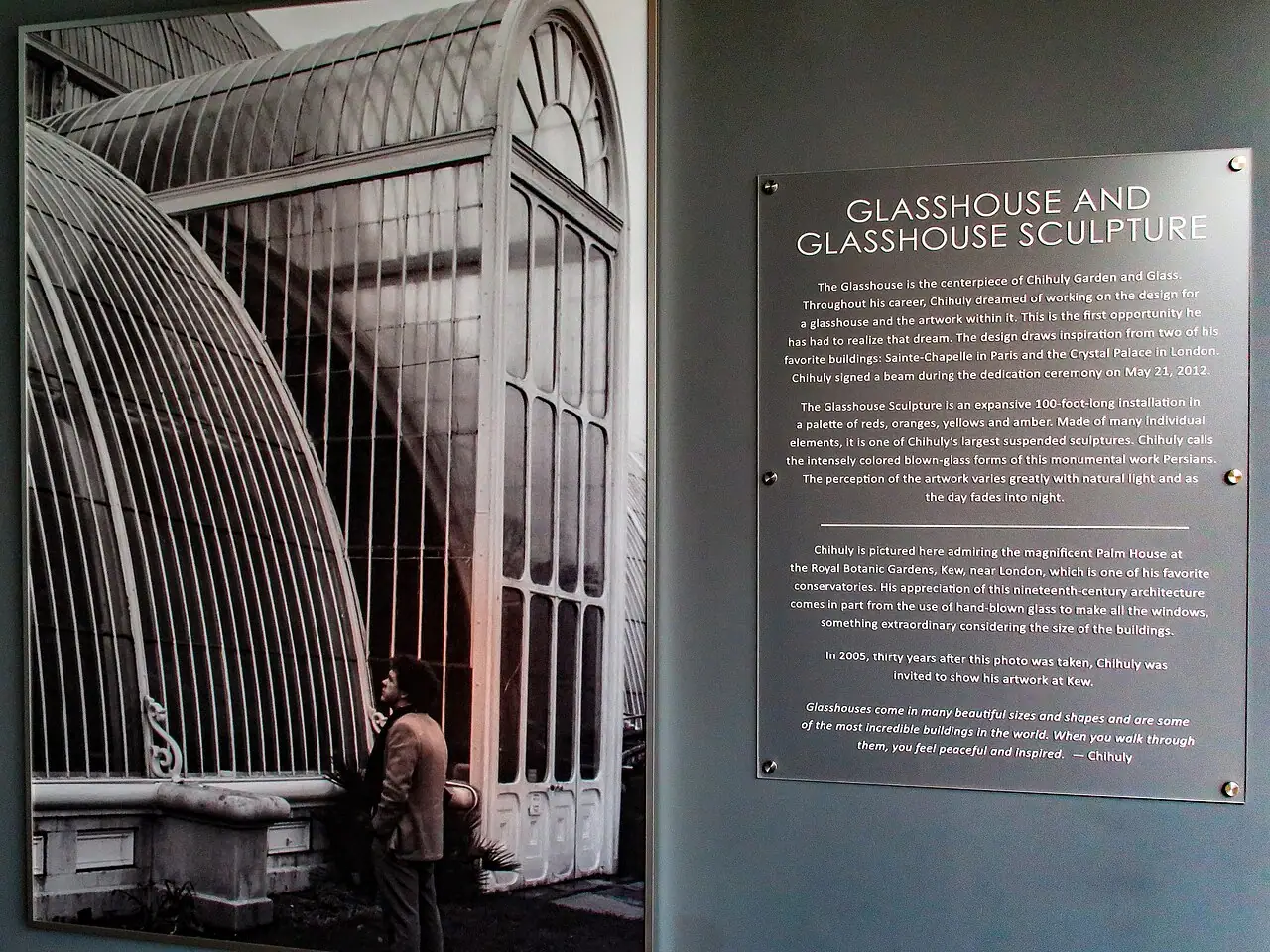
Directly under the Needle sits Chihuly Garden and Glass, eight galleries and a glasshouse of Dale Chihuly’s blown-glass work, with general admission at $40-45 and a garden that stays open late in summer. It’s the rare art attraction that converts skeptics: the scale is theatrical, and half of it is outdoors with the Needle in the background. Combined tickets with the Space Needle exist and save a few dollars if you’re doing both on the same day.
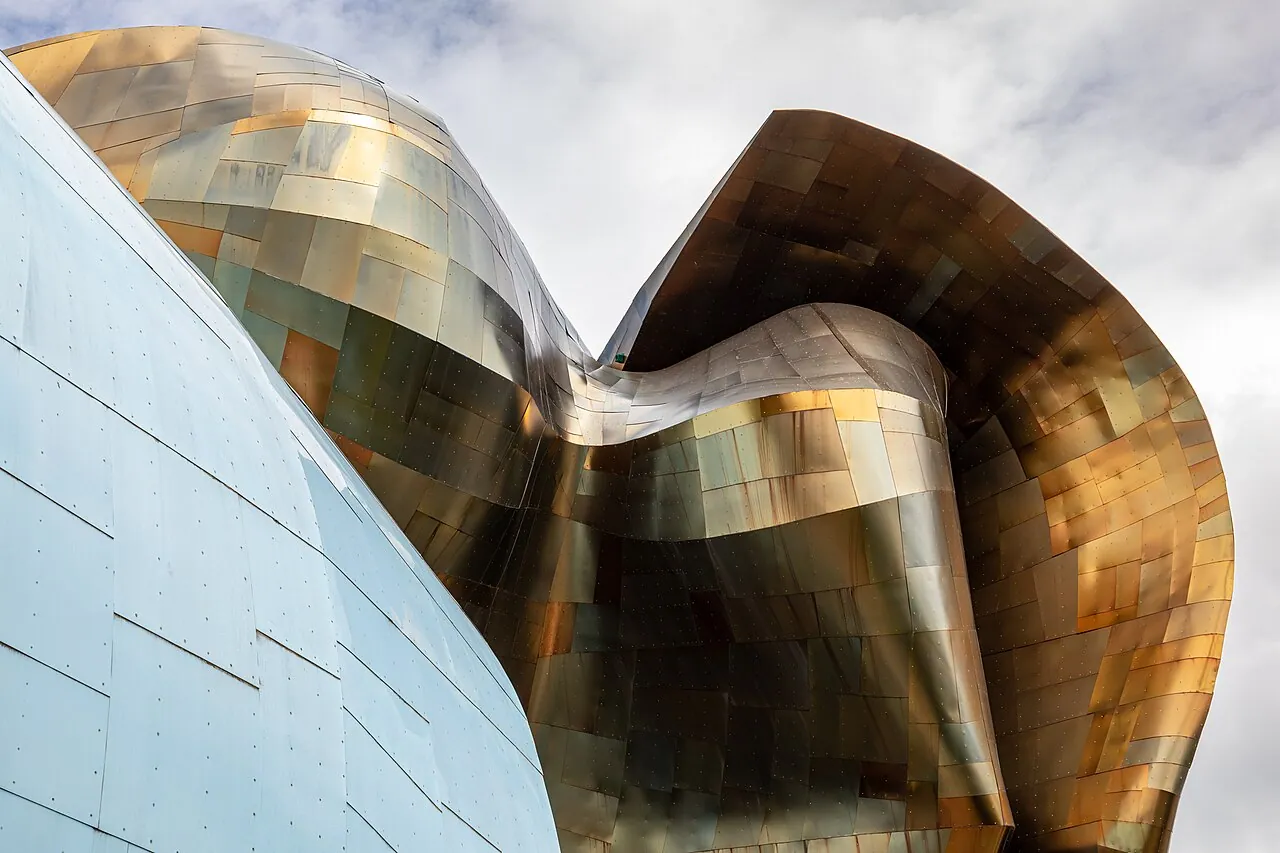
Across the lawn, the crumpled metal building is MoPOP, the Museum of Pop Culture, designed by Frank Gehry and funded by Paul Allen. Inside it’s Nirvana and Hendrix and science fiction and horror - a specific taste, but a deep one if that’s your thing. If it isn’t, the Seattle Art Museum downtown and the Museum of Flight near Boeing Field are the two other heavyweights, and the Museum of Flight is the one aviation people fly in for.
Coffee, minus the pilgrimage
Seattle’s coffee reputation is real, but it isn’t about the green mermaid. The city runs on small roasters and neighborhood counters: Capitol Hill, Ballard and Fremont each have a handful worth the walk, and the local habit is an espresso drink standing at a bar rather than a bucket of sweetened milk to go. The Starbucks Reserve Roastery on Capitol Hill is genuinely impressive as a spectacle - a working roastery you can drink inside - but to understand why people here are snobs about it, order a macchiato somewhere with ten seats and no branding.
Food follows the same logic. The market and the waterfront do oysters, chowder and salmon; the International District does some of the best Asian food on the West Coast; Ballard does Nordic-influenced seafood. Book the well-known places a week or two out, because Seattle dining rooms are small.
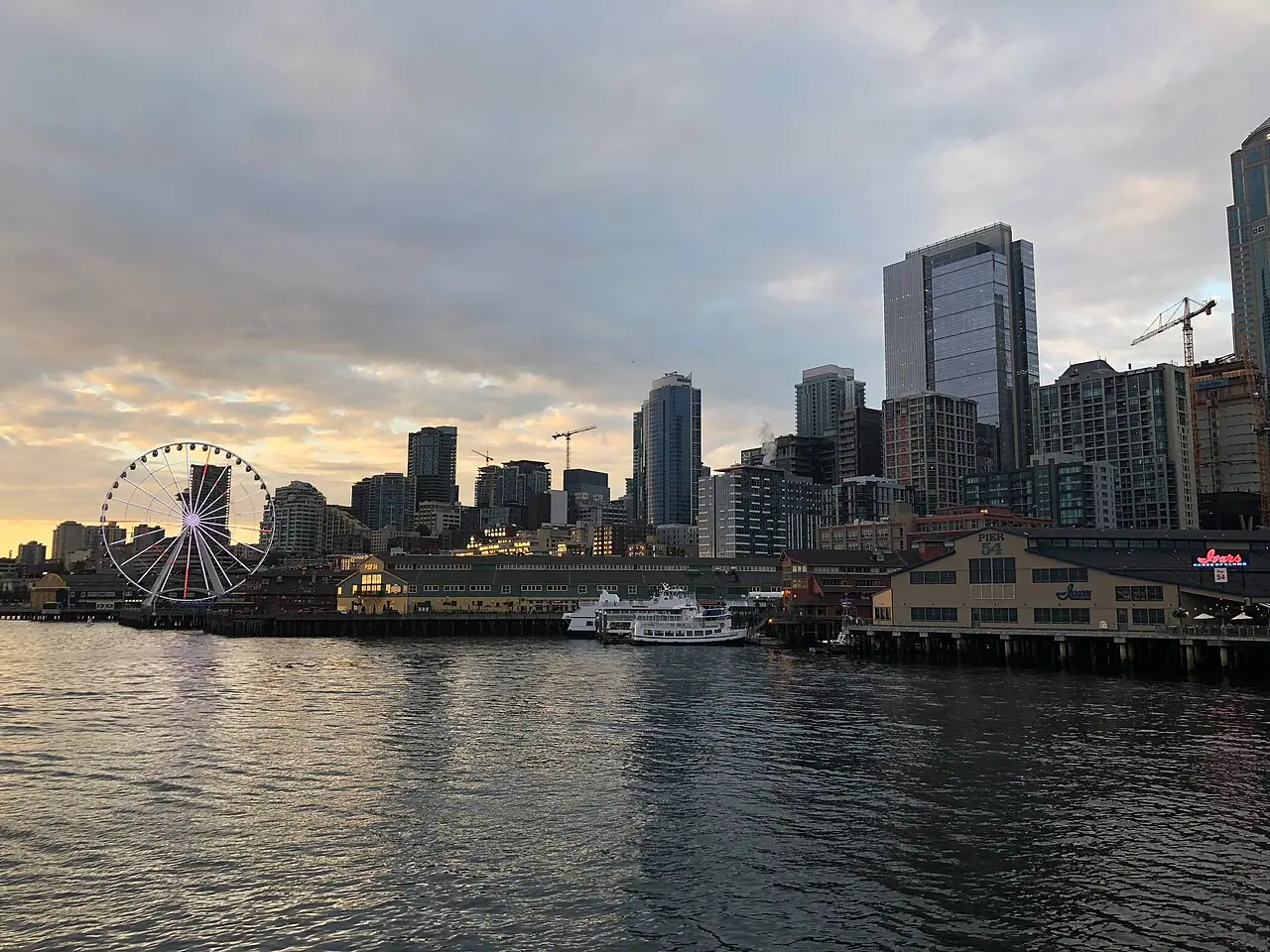
Get on a boat: Bainbridge and the Sound
The single best cheap thing to do in Seattle is walk onto the Bainbridge Island ferry. The crossing takes about 35 minutes, the deck gives you the skyline, the Olympics and, if the sky cooperates, Mount Rainier off the stern. As posted in late July 2026, an adult walk-on fare is $11.35, seniors pay $5.65 and anyone 18 and under is free - and because passenger fares are collected on the Seattle side only, that single fare covers you both ways. Bringing a car costs $21.30 with driver and means waiting in a vehicle line you don’t need.
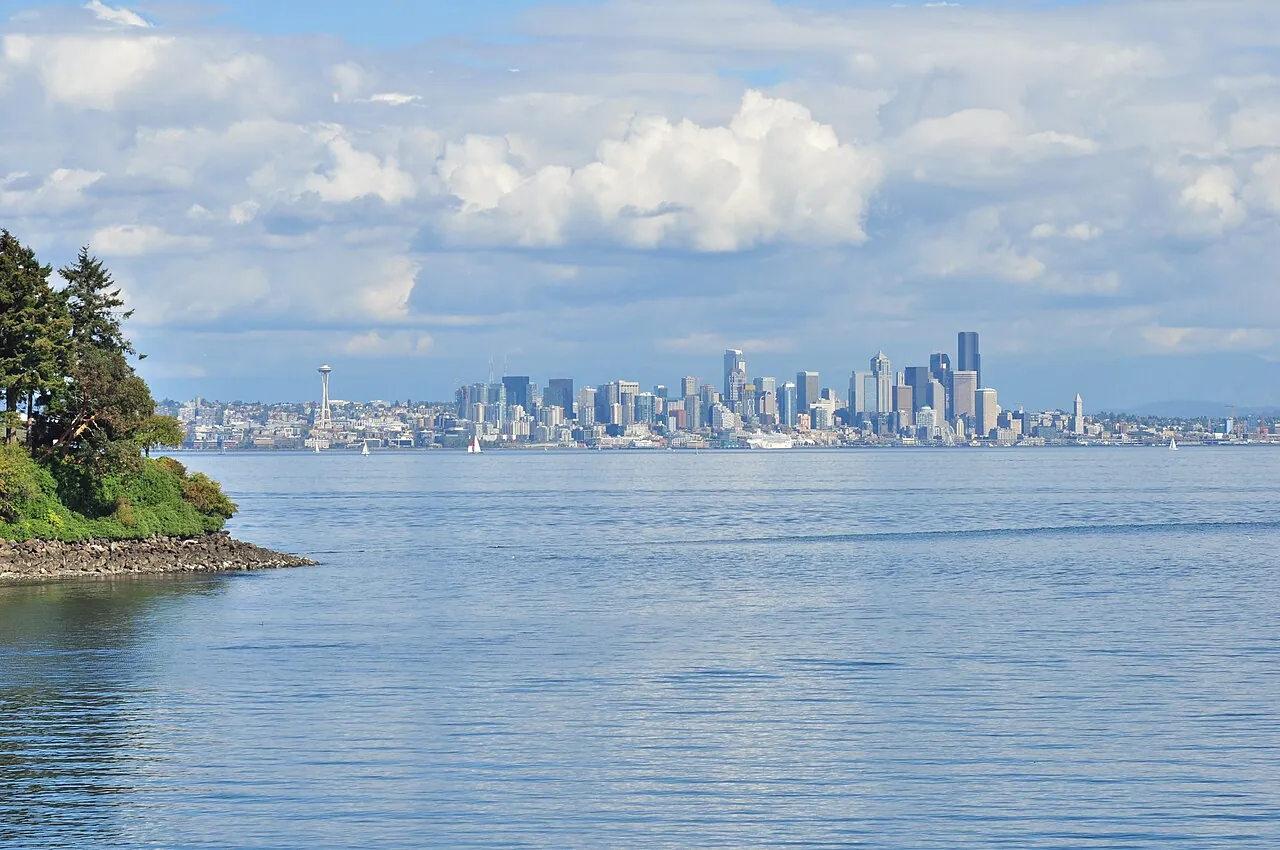
At the far end, Winslow’s main street has bookshops, a distillery, a small art museum and enough lunch options to fill the two hours before you sail back. It’s a half-day, not a day.
Day trips worth the drive
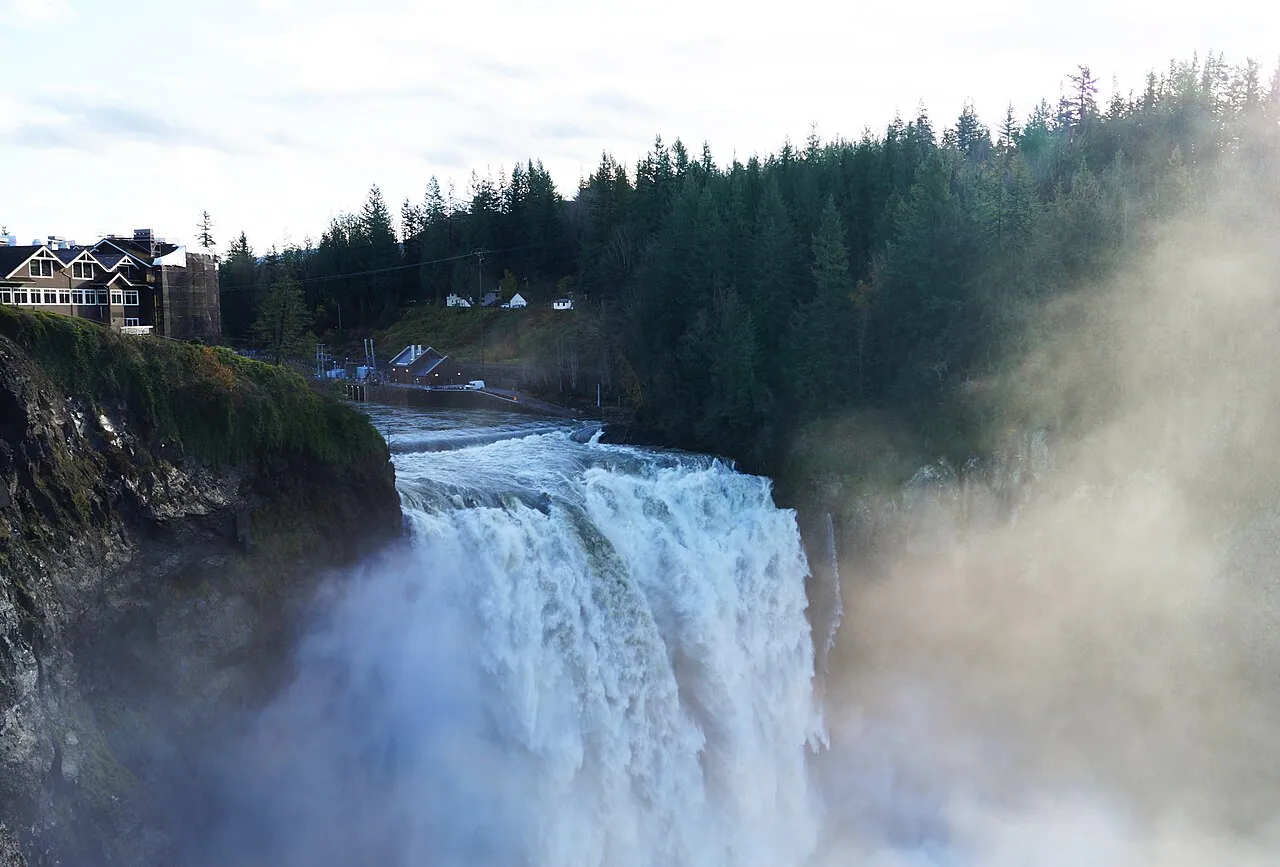
Snoqualmie Falls is 30 miles east and takes about 45 minutes without traffic: a 268-foot waterfall in a free 12-acre park run by Puget Sound Energy, with an upper viewing deck a few steps from the parking lot and a trail down to the river. Over 1.5 million people a year come, so mornings beat afternoons. The power plant tucked into the rock beneath it was the first completely underground hydroelectric plant in the world.
Mount Rainier is the big one - roughly two hours to the Nisqually entrance, and a full day rather than an afternoon. Olympic National Park needs an overnight to be worth it. Both, plus the wine country over the mountains, are covered in our Washington State travel guide. If the rental is going further than a day trip, Portland is the usual other end of a one-way from here, and the Oregon travel guide covers what’s worth stopping for on the way down. Road status, Paradise vs Sunrise, and the 2026 entry rules are in the Mount Rainier National Park guide.
When to come, and what it really costs
July through September is the dry season and the only stretch you can count on for mountain views; that’s also when hotel rates peak and the ferries fill. October to May is gray, mild and much cheaper, and the city is honestly pleasant in it - the market is emptier, the museums are the point, and the rain is a persistent drizzle rather than a downpour. Whenever you come, downtown hotels sit within walking distance of both the market and Seattle Center, which is what you’re paying for; compare rates and neighborhoods before defaulting to the first tower near the convention center. Which block to aim for, and why the tax line changes the moment you cross the city limits, is laid out in where to stay in Seattle.
Read also
- Pick a base: where to stay in Seattle
- The rest of the state: Washington State travel guide
- The one-way drive south: Oregon travel guide
- Another West Coast city with a very different climate: things to do in San Diego
- Big-city comparison: things to do in New York City
- Browse more US cities and national parks
- The day-trip-turned-overnight: Olympic National Park guide - Pick a base: where to stay in Seattle - The rest of the state: Washington State travel guide - The one-way drive south: Oregon travel guide - Food carts, gardens and the $2 waterfall: Portland, Oregon - Another West Coast city with a very different climate: things to do in San Diego - Big-city comparison: things to do in New York City - Browse more US cities and national parks - The day-trip-turned-overnight: Olympic National Park guide
On the map
The map loads on click - to keep the page lightweight.
The map didn’t load. Check your connection and refresh the page.
Good to know
Space Needle and Chihuly admission is dynamic - the price changes by date and time slot, and combo tickets shift with it. Check the operator site for your exact date before booking.
Details checked: July 24, 2026
Read also

Cities · 13 min read
Salt Lake City: Ski Base, Temple Square and the Salt Flats
Verified · August 29, 2026Four ski resorts inside 36 miles of the airport, a temple you cannot enter until 2027, and a salt flat that closes for racing. What to plan around.

Cities · 9 min read
Atlanta: Civil Rights Trail, Aquarium and Southern Food
Verified · August 28, 2026Free MLK park on Auburn Avenue, Civil Rights Center from $26, Georgia Aquarium tickets from $54.99, BeltLine walks and where Southern food still holds up.

Cities · 9 min read
Minneapolis Guide: River, Lakes & the Blue Line
Verified · August 26, 2026A $2 train from MSP, Stone Arch and Minnehaha Falls, Walker on free Thursday nights, and when Mall of America is worth the ride south.

Cities · 12 min read
Savannah Travel Guide: Squares and the Historic District
Verified · August 22, 2026Walk the 22 squares, tour Owens-Thomas honestly, ride the free river ferry, then Bonaventure and Tybee - checked August 2026.