
Things to Do in San Diego
Balboa Park and the zoo, La Jolla and its current wildlife closures, Coronado, the Gaslamp Quarter and the beaches: how to plan four days in San Diego.
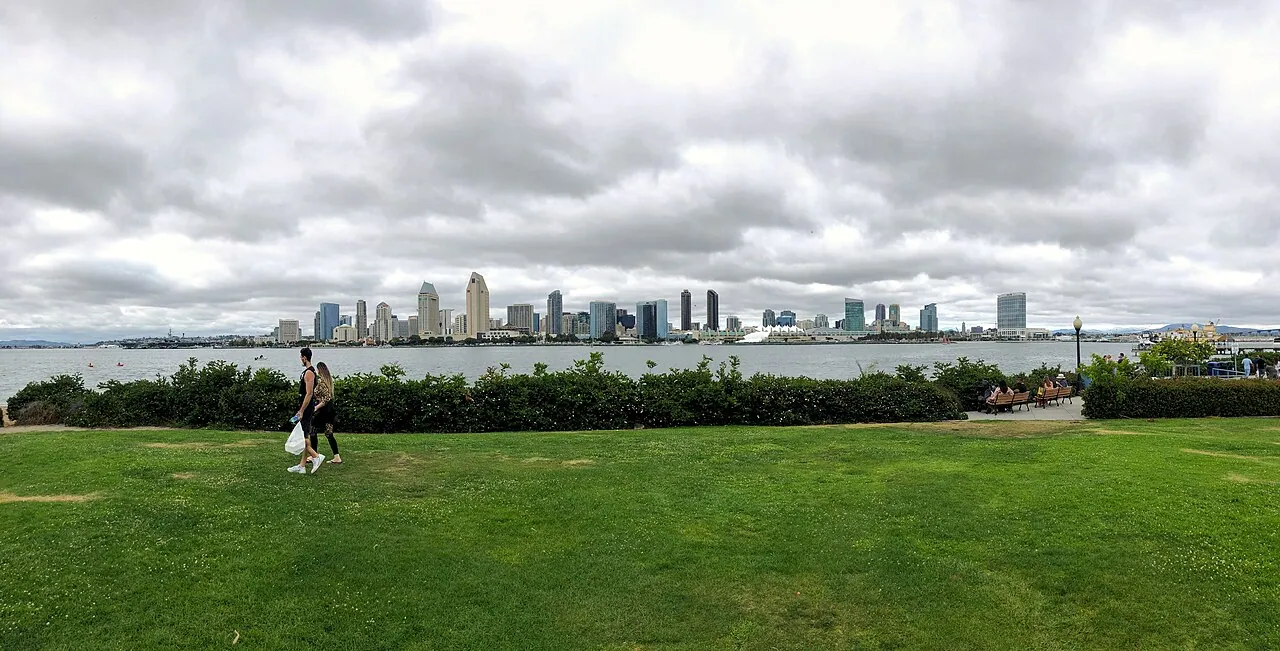
Four days is the honest minimum for San Diego, and they split cleanly: one for Balboa Park and the zoo, one for La Jolla and the north coast, one for Coronado and the beaches, one for downtown, the Gaslamp Quarter and the aircraft carrier parked at the end of Broadway. The city has among the mildest year-round weather of any major American city and beaches that stay usable in February, which is why it’s one of the few big US destinations that works as well in winter as in summer.
San Diego sprawls. It isn’t a downtown with suburbs around it; it’s a string of separate beach towns and canyon neighborhoods connected by freeways, and La Jolla to Coronado is about 25 minutes of driving with no traffic, longer once you hit downtown. Public transit exists and the trolley is fine for downtown and Old Town, but you’ll get more out of four days with a car than without one.
Balboa Park and the zoo: give them a full day
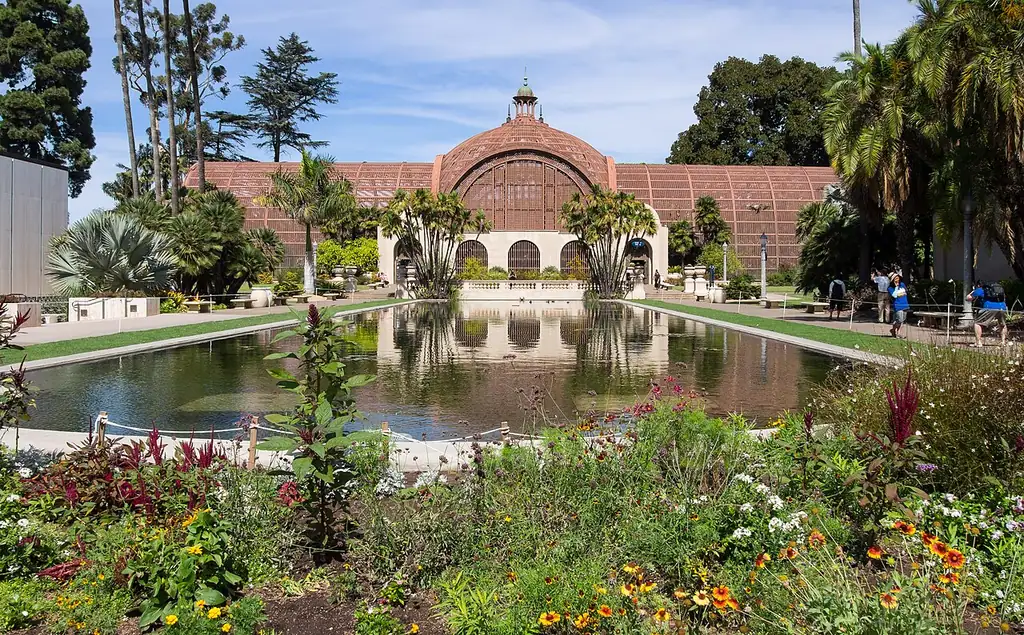
Balboa Park is 1,200 acres of Spanish Colonial Revival architecture, gardens and museums a mile northeast of downtown, and walking into it costs nothing. The look of it comes from the 1915-16 Panama-California Exposition, which is why the buildings along El Prado feel like a film set - most of them started as temporary exposition pavilions that the city refused to tear down. There are more than 20 museums inside, from the Air and Space Museum to the Timken, and a multi-museum Explorer Pass if you plan on three or more.
The San Diego Zoo sits inside the park and charges separately: $78 for ages 12 and up, $68 for children 3 to 11. That price includes two things people pay extra for elsewhere - the guided bus tour and the Skyfari aerial tram - and using both well is the difference between a good day and a death march. Ride the bus first for the overview, note what you want to come back to, then use Skyfari to skip the canyon climb between the two halves of the site. If you’re also driving north to the Safari Park in Escondido, the 2-Visit Pass at $130 adult is the cheaper route.
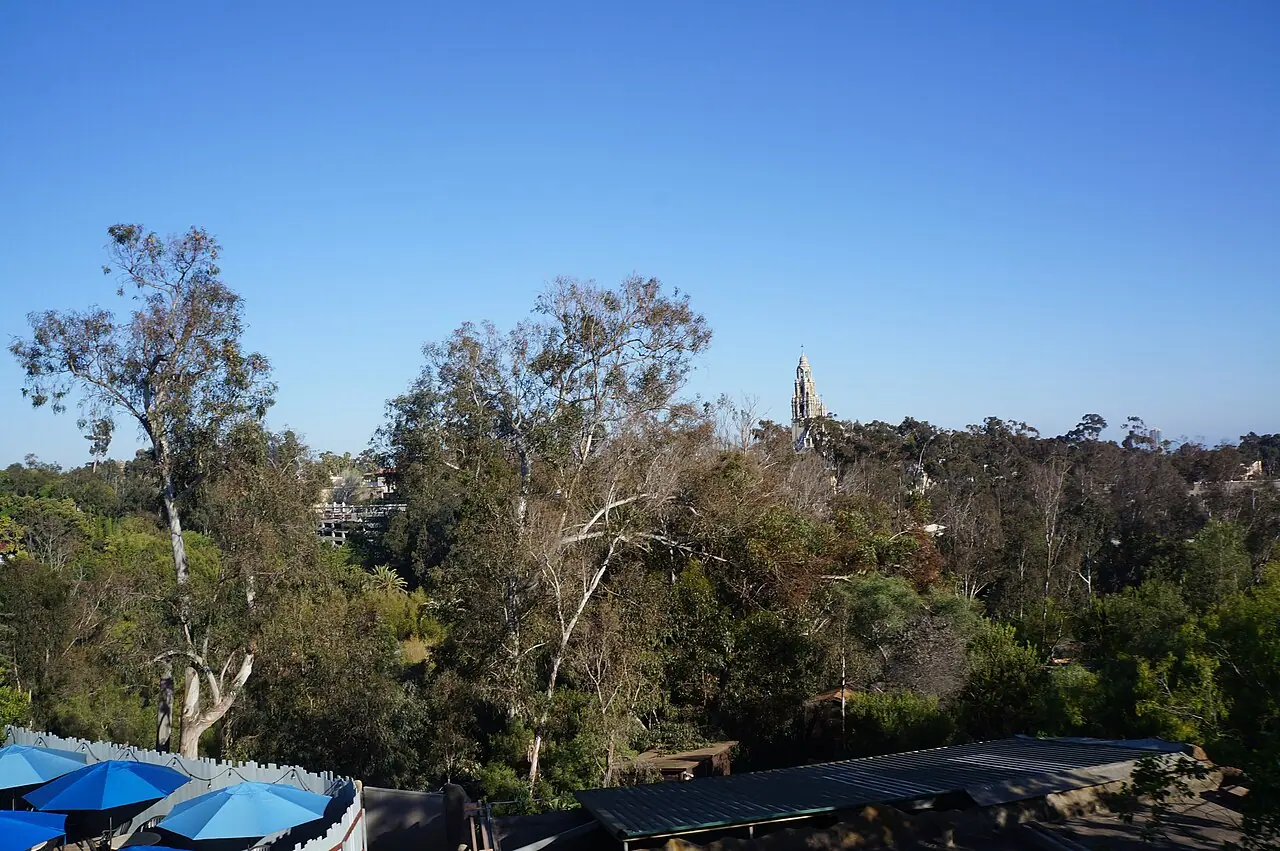
La Jolla: read the closure signs before you plan the photo
La Jolla is the prettiest stretch of coast in the city and also the most regulated, because thousands of sea lions and harbor seals use the same rocks that tourists want to stand on. The rules changed in the last few years and a lot of older advice is now wrong.
Point La Jolla and part of Boomer Beach have been closed year-round since September 2023. There’s a gate at the top of the access stairs and posted notice that entry brings a citation under the city code. Inside the closure, approaching, touching or photographing the sea lions is prohibited outright, and harassing a marine mammal anywhere in the US breaks federal law. The animals look sleepy and tolerant, and every year someone learns that a bull sea lion can move faster uphill than a person in flip-flops.
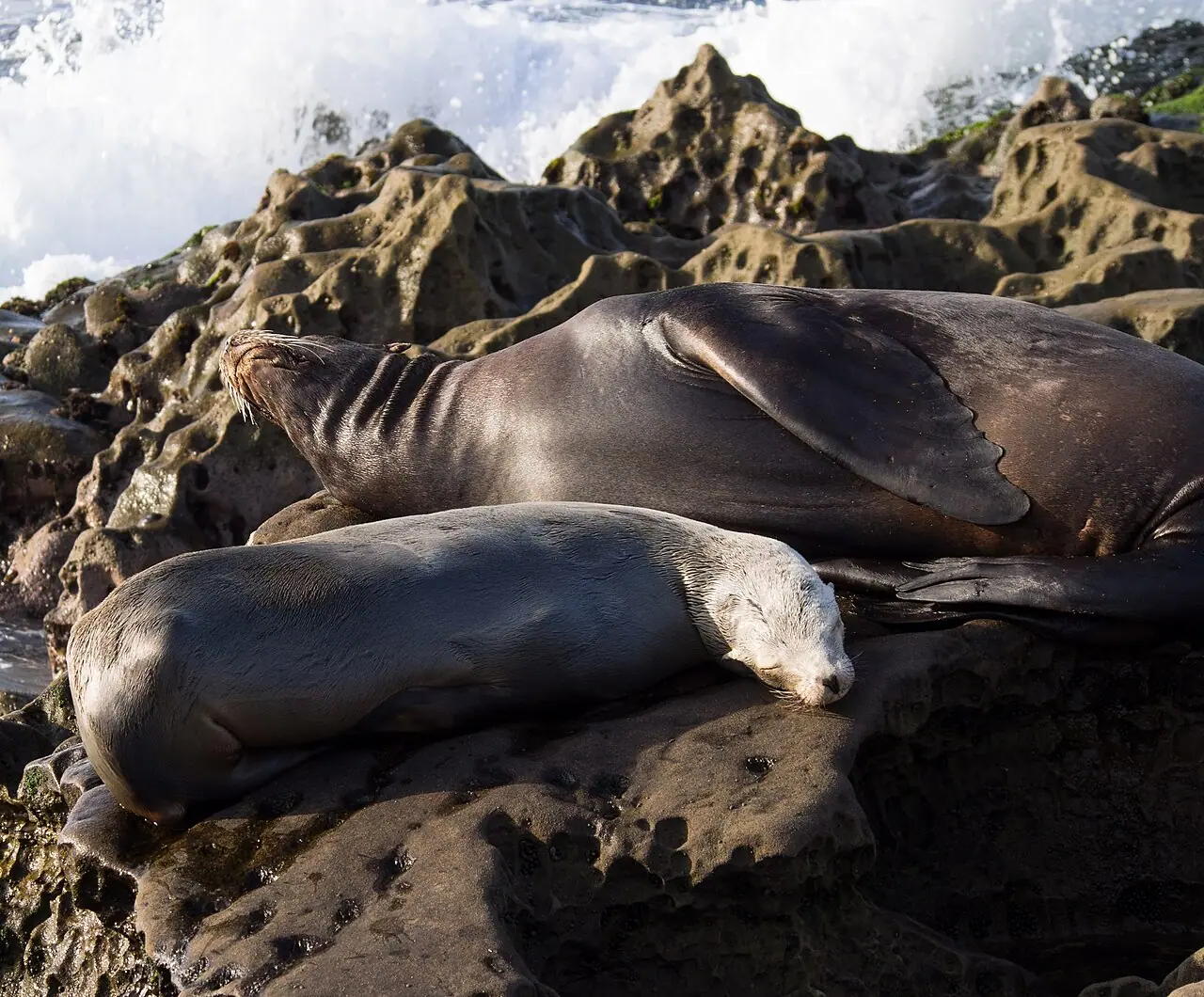
Children’s Pool, the small crescent behind a 1930s seawall a few hundred yards south, has its own calendar: the beach itself is closed to people from December 15 to May 15 every year for harbor seal pupping. The seawall and the sidewalk above stay open the whole time, and honestly that’s the better vantage point anyway - you see the whole colony instead of standing among it.
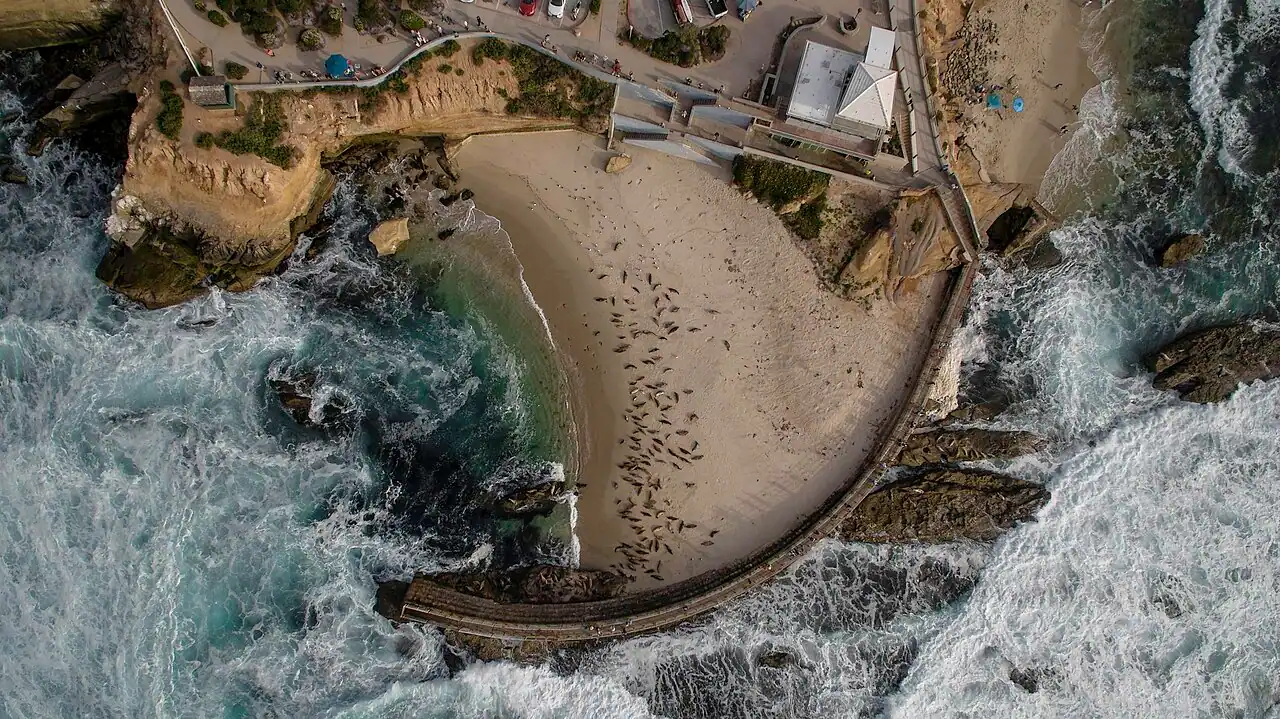
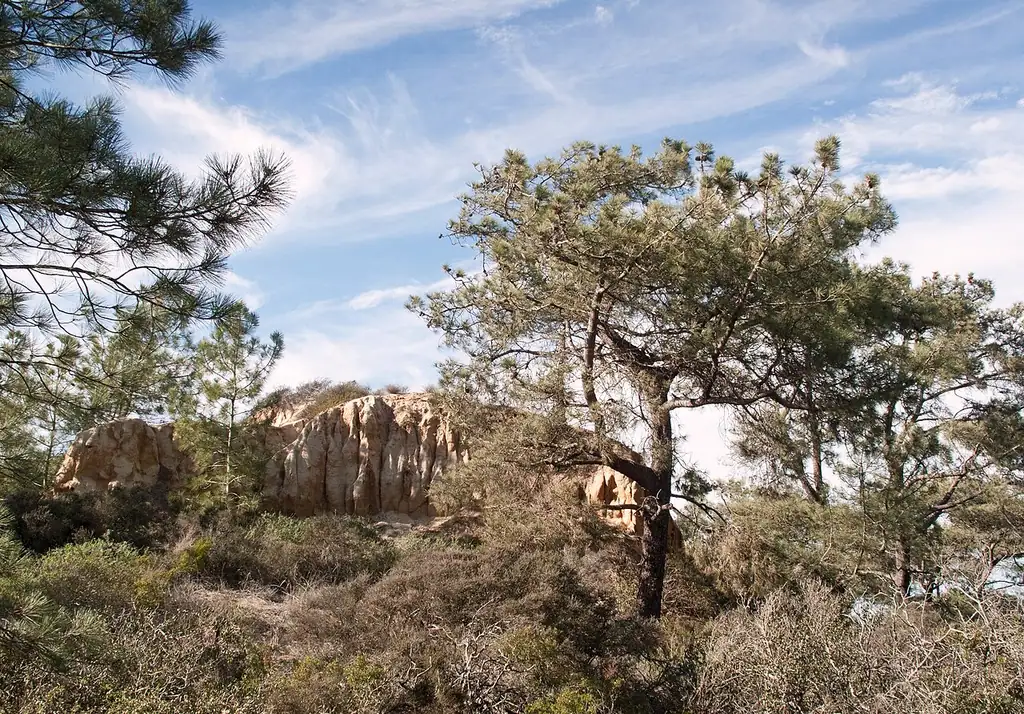
La Jolla Cove itself isn’t part of the closure, and the water there is the good news: it sits inside a marine reserve, the visibility in late summer is the best of the year, and kayak trips to the sea caves run daily from the shops on Avenida de la Playa. North of town, Torrey Pines State Natural Reserve protects the rarest pine in the country on bluffs above the beach, with short trails that drop to the sand and one of the better sunset walks in Southern California.
Coronado, and the hotel that anchors it
Coronado sits across the bay, reached by a long curving bridge or by the passenger ferry from downtown. The Hotel del Coronado opened in 1888, all white clapboard and red turrets, and it’s the reason the beach in front of it shows up in every San Diego photo essay. You don’t have to stay there to walk the grounds, and the beach itself is wide, flat and public.
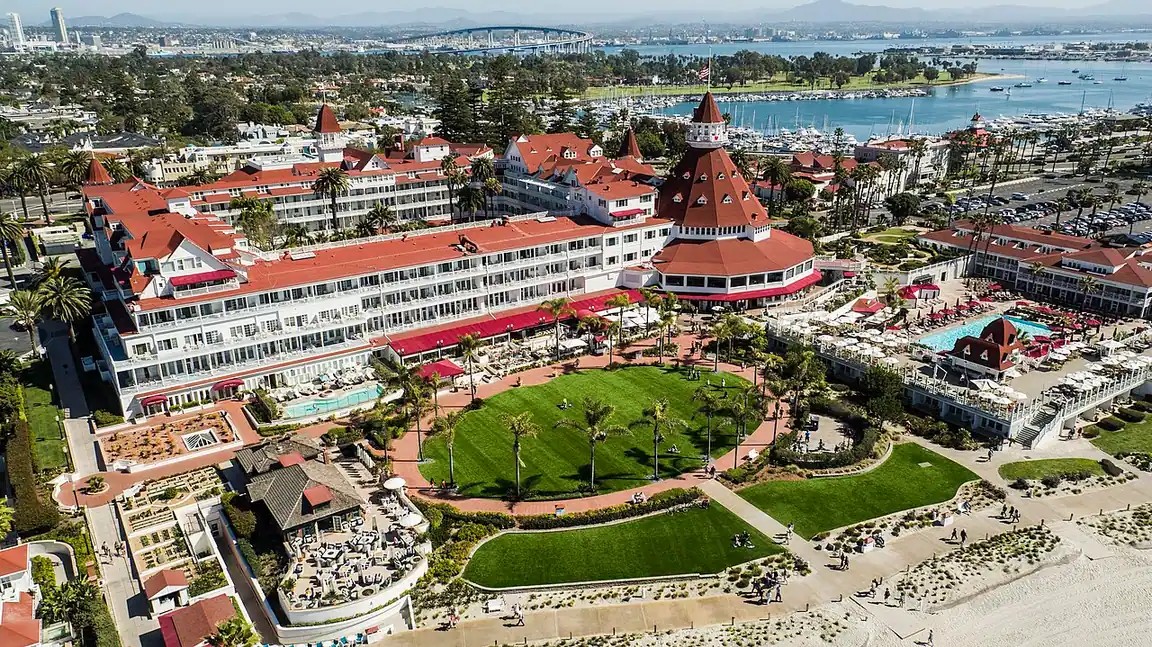
Take the ferry rather than driving if you can. Coronado’s own streets are slow by design, parking near the Del is a hunt on summer weekends, and the crossing gives you the skyline view that the bridge, annoyingly, doesn’t let you photograph while driving. Deciding whether to base yourself here, in the Gaslamp Quarter or up in La Jolla? Where to stay in San Diego compares the neighborhoods on price, tax rate and how far each one puts you from sand.
Downtown: Gaslamp, the ballpark and an aircraft carrier
The Gaslamp Quarter is sixteen blocks of restored Victorian commercial buildings that now hold most of the city’s restaurants and nightlife, with Petco Park at the southern end - a stadium built into the neighborhood rather than dropped in a parking lot. It’s loud on Friday and Saturday and quite pleasant on a Tuesday. Little Italy, ten minutes northwest, has quietly become the better dinner neighborhood, with a Saturday farmers market that takes over several blocks.
At the foot of Broadway, the USS Midway Museum is an aircraft carrier you can walk through - hangar deck, flight deck, the island, and a couple of dozen restored aircraft. It’s the busiest paid attraction downtown and it earns it: this is a Navy town, and the Midway explains why better than any museum on land could.

Old Town, the beaches and the cliffs
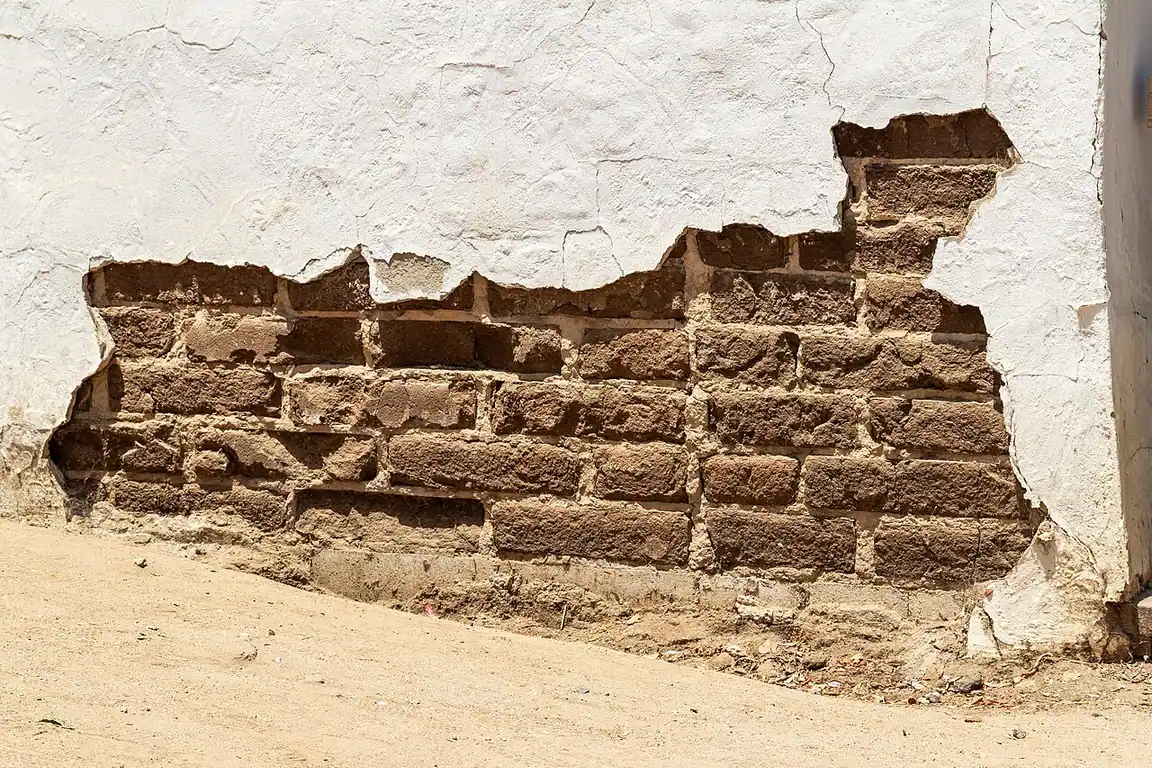
Old Town San Diego State Historic Park marks the first Spanish civilian settlement in California, and it’s free: adobes, a schoolhouse, museums and a visitor center open daily from 10 a.m., with free parking for up to four hours. The commercial part next door is a Mexican-food and margarita strip, which is either the point or the problem depending on your mood.
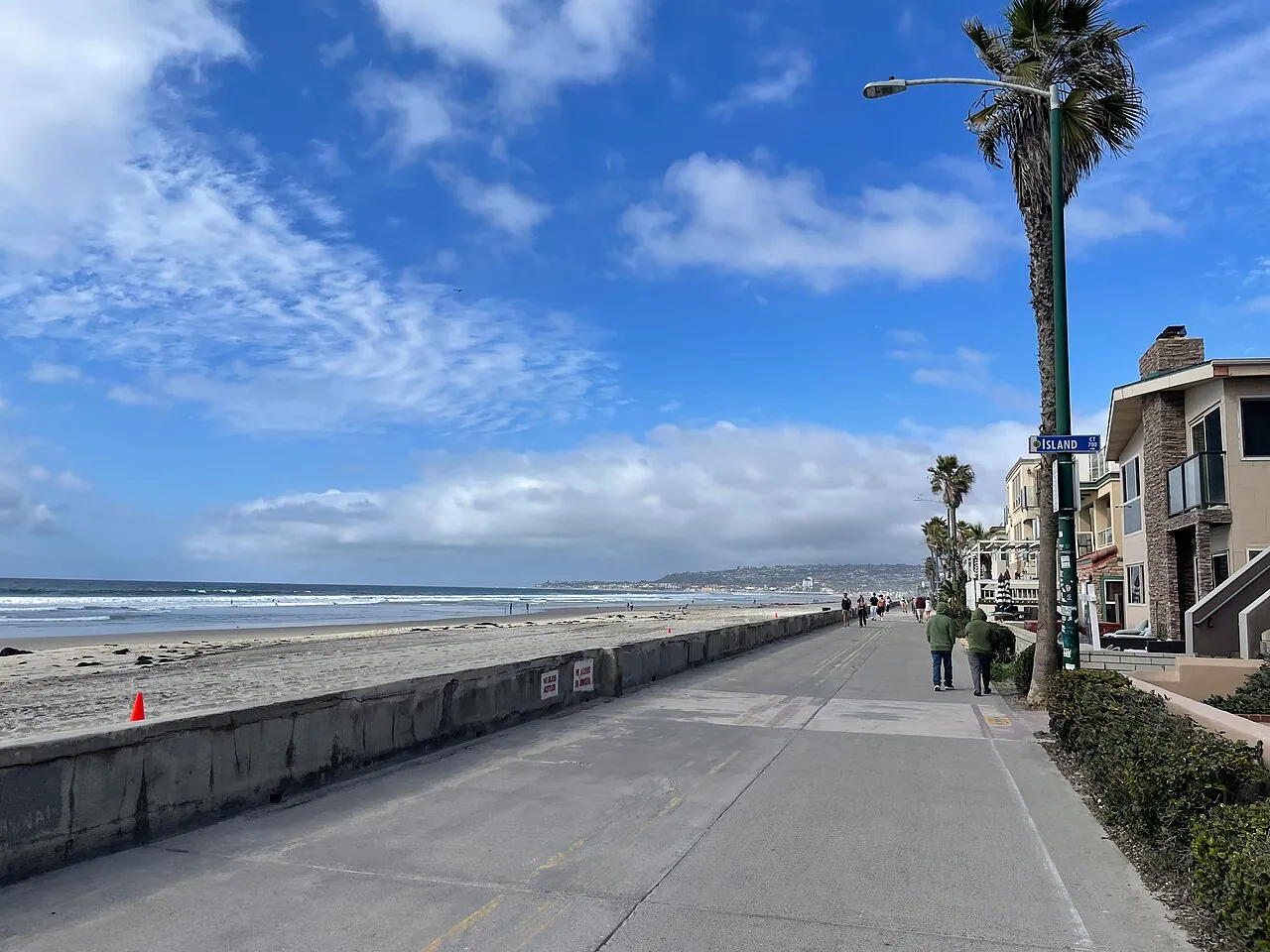
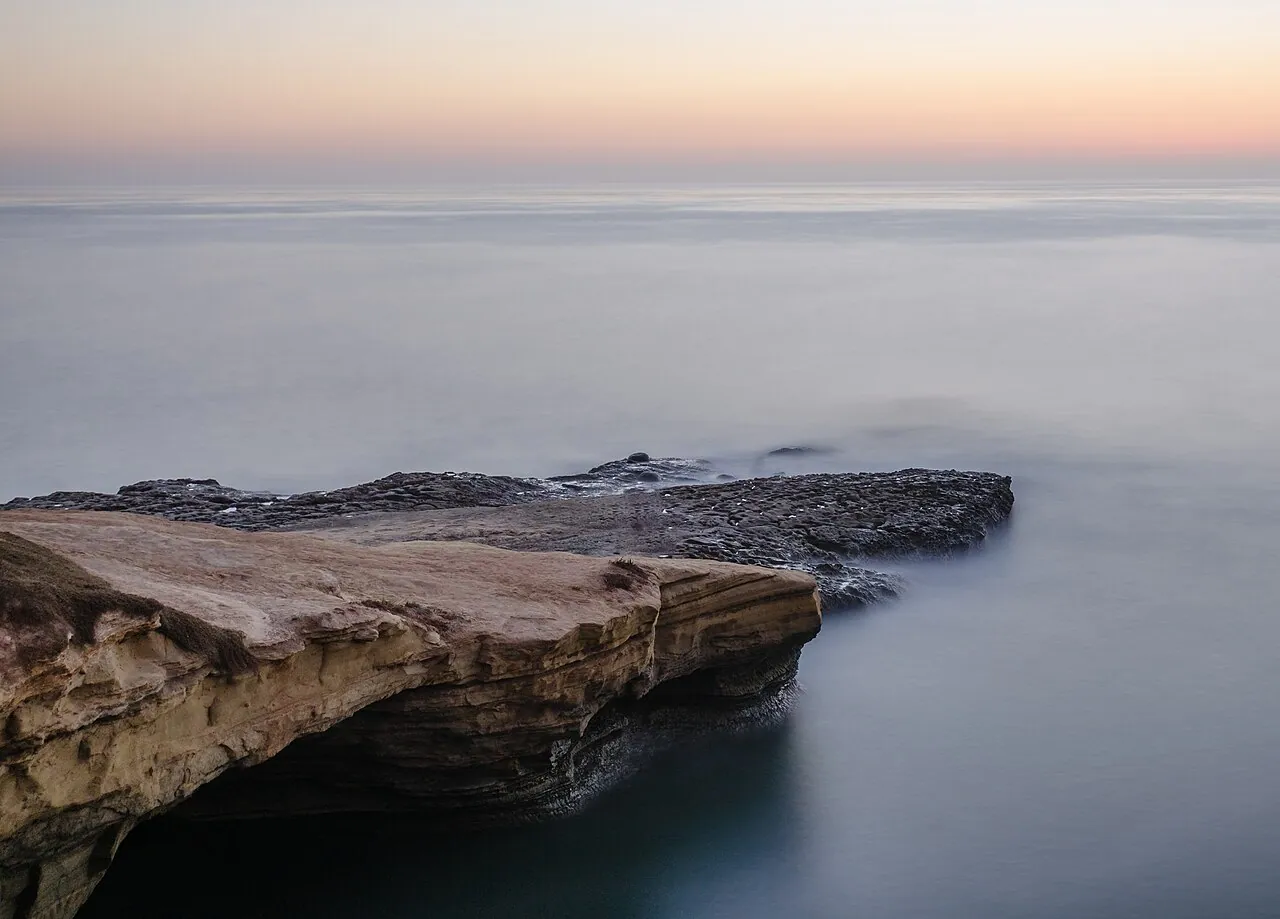
For beaches, Mission Beach and Pacific Beach share a two-mile boardwalk that’s the closest thing the city has to a promenade, with Belmont Park’s wooden Giant Dipper roller coaster rattling away at the south end since the 1920s. Ocean Beach is scruffier and more local. And Sunset Cliffs, on the Point Loma side, is where San Diegans actually go at the end of the day - no sand, no facilities, just eroded bluffs over the Pacific and a line of parked cars facing west.
The border is 20 miles south
San Ysidro, at the bottom of the I-5, is the busiest land border crossing in the Western Hemisphere, and Tijuana is closer to downtown San Diego than most of the county is. Walking south is quick; the line people warn you about is the one coming back north, and it can run into hours at the wrong time of day. If you’re flying somewhere in Mexico, the Cross Border Xpress bridge is the neat trick: you park on the San Diego side and walk directly into the Tijuana airport terminal, bypassing the road crossings entirely. Both routes need proper documents, and the rules for re-entering the United States are set by CBP and do change - check cbp.gov close to your trip rather than relying on what worked for someone last year.
When to go, and the gray months to plan around
The reputation for perfect weather is mostly earned, with one asterisk locals repeat constantly: May Gray and June Gloom. Marine layer clouds sit on the coast through late spring, sometimes all day, and a beach vacation booked for early June can be gray at the shore while it’s sunny five miles inland. September and October are the best months here - warm water, clear skies, fewer visitors - and winter is mild, cheap and perfectly walkable. If your dates land in May or June, base yourself somewhere you can drive inland when the clouds don’t lift, and compare hotel rates across neighborhoods rather than paying beachfront prices for a view of fog.
Read also
- Pick a neighborhood and see the hotel-tax breakdown: where to stay in San Diego
- Another Pacific city, an entirely different climate: things to do in Seattle
- Southern history and food on the other coast: things to do in Charleston
- Compare a desert park drive: Grand Canyon and Zion
- Browse more US cities and US states
On the map
The map loads on click - to keep the page lightweight.
The map didn’t load. Check your connection and refresh the page.
Good to know
Attraction prices here are the operator rates checked in July 2026 and some are dynamic. Wildlife closures in La Jolla are set by the City of San Diego and can change - check the city page before you go.
Details checked: July 24, 2026
Read also

Cities · 13 min read
Salt Lake City: Ski Base, Temple Square and the Salt Flats
Verified · August 29, 2026Four ski resorts inside 36 miles of the airport, a temple you cannot enter until 2027, and a salt flat that closes for racing. What to plan around.

Cities · 9 min read
Atlanta: Civil Rights Trail, Aquarium and Southern Food
Verified · August 28, 2026Free MLK park on Auburn Avenue, Civil Rights Center from $26, Georgia Aquarium tickets from $54.99, BeltLine walks and where Southern food still holds up.

Cities · 9 min read
Minneapolis Guide: River, Lakes & the Blue Line
Verified · August 26, 2026A $2 train from MSP, Stone Arch and Minnehaha Falls, Walker on free Thursday nights, and when Mall of America is worth the ride south.

Cities · 12 min read
Savannah Travel Guide: Squares and the Historic District
Verified · August 22, 2026Walk the 22 squares, tour Owens-Thomas honestly, ride the free river ferry, then Bonaventure and Tybee - checked August 2026.