
Where to Stay in San Diego: Best Areas & Hotels
Gaslamp, La Jolla, Coronado, Mission Beach or Hillcrest - San Diego neighborhoods compared by price, tax rate, transit and how far you are from sand.
Which San Diego neighborhood you book barely moves your tax rate - and the one place people assume is the exception isn’t. The city runs three hotel-tax zones, but they’re carved out by two highways, not by distance from the Convention Center, and the cheapest zone sits in Carmel Valley and San Ysidro - nowhere a visitor actually books. La Jolla, the beaches, Old Town, Hillcrest and North Park all land in the same middle zone. Only downtown pays more, and the real gap is one percentage point, not two. Beyond the tax, the choice comes down to sand versus schedule. Gaslamp or downtown if you want to walk to the Convention Center and Petco Park. La Jolla, Mission Beach or Pacific Beach if the point of the trip is sand. Coronado if you want a resort island that still puts the city 15 minutes away.
San Diego doesn’t have one center the way Miami or Chicago does. It’s a run of separate beach towns and canyon neighborhoods strung along the coast and connected by freeway. Crossing town takes real time - La Jolla to Coronado runs about 25 minutes with no traffic, longer once you hit downtown. Pick your base by what you’re actually doing that trip. You won’t be hopping between neighborhoods every night.
The areas at a glance
| Area | Best for | Trade-off |
|---|---|---|
| Gaslamp Quarter / Downtown | Convention Center, Petco Park, walkable nightlife | Highest hotel tax zone; no beach on foot |
| La Jolla | Upscale coast, sea caves, snorkeling with sea lions | 15-20 min from downtown; pricier rooms, same tax zone as most areas here |
| Mission Beach / Pacific Beach | Boardwalk, surf, a younger crowd | Parking is a fight in summer |
| Coronado | Resort island, calm water, the Hotel del | Cross a bridge or ferry for everything else |
| Old Town | Budget rooms, historic park, trolley hub | Least walkable to the coast |
| Hillcrest / North Park | Food, walkability, Balboa Park on the doorstep | No beach; you’re basing in the city, not the resort |
Downtown and the Gaslamp Quarter
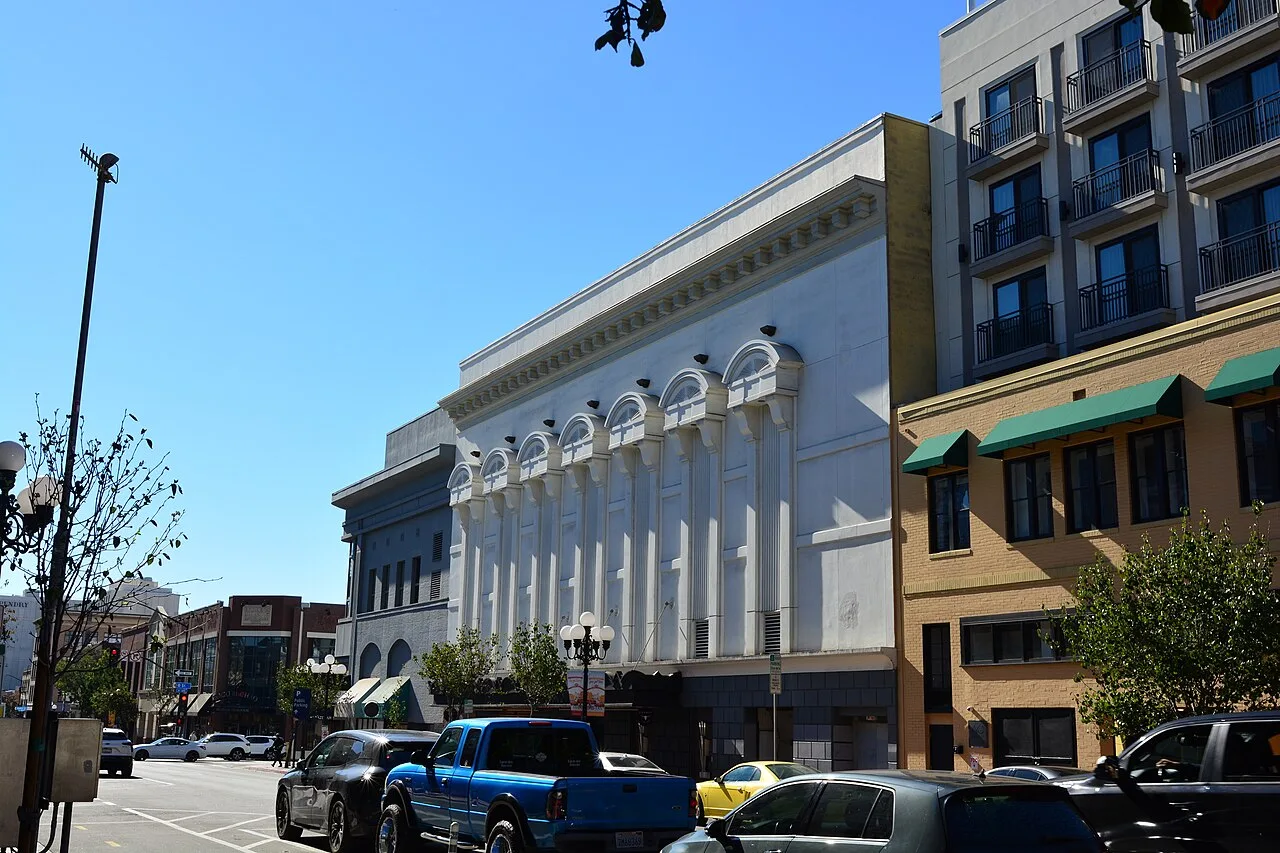
If your trip runs through the Convention Center - Comic-Con, a conference, any of the big trade shows - staying in the Gaslamp Quarter or the wider downtown grid (East Village, Little Italy, Marina, Cortez Hill) is the only choice that avoids a daily commute. The restored Victorian storefronts along Fifth Avenue hold the densest run of restaurants and bars in the city. Petco Park is a short walk for a Padres game, and the trolley lines meet here too - no rental car required if you don’t want one.
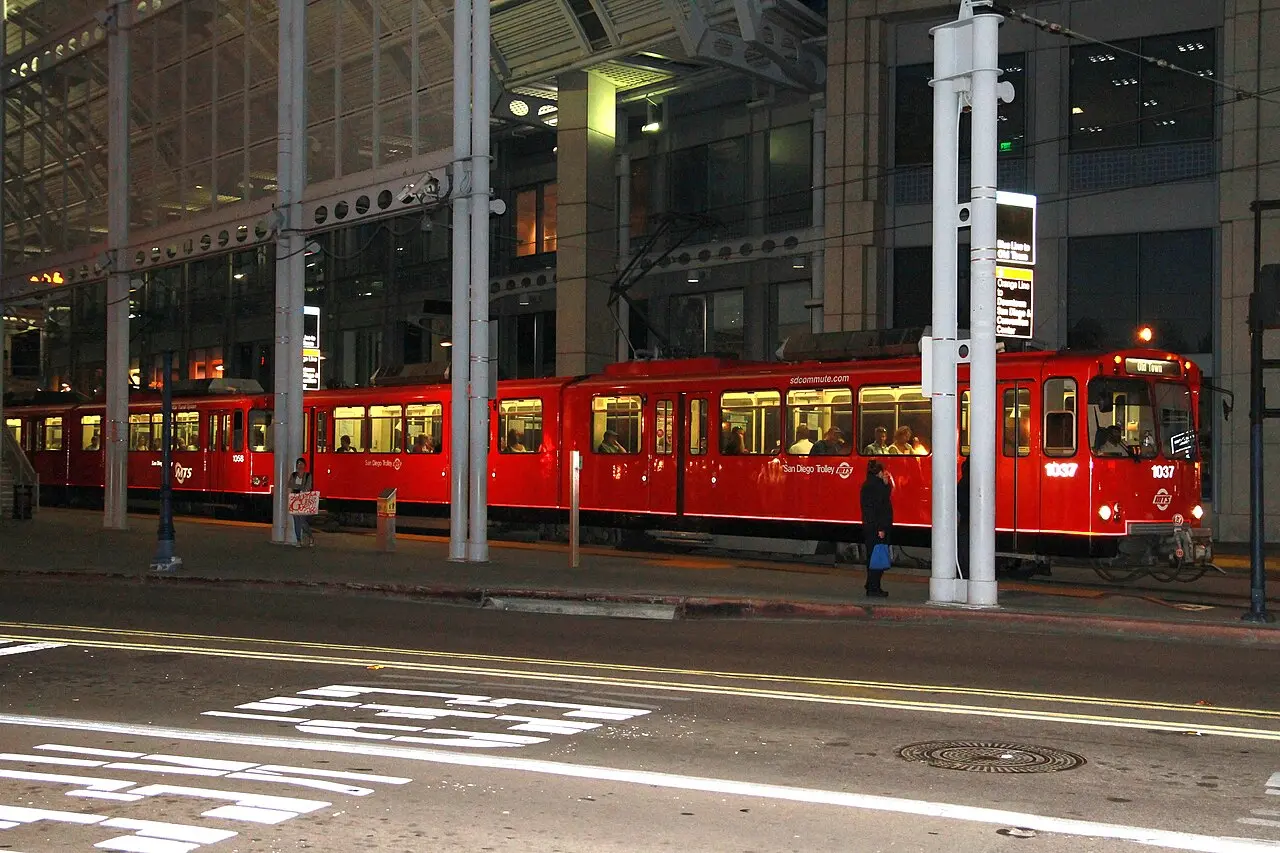
Downtown and Gaslamp hotels sit inside the city’s highest tax zone - a fixed street boundary, not a radius - and there’s no beach inside walking distance. Budget a Trolley ride or a 15-20 minute drive to reach sand.
La Jolla and the coast north of downtown
La Jolla is San Diego’s answer to a European seaside town: a compact village of boutiques and restaurants above dramatic sandstone coves, with the University of California San Diego a short drive inland. Come here for sea caves, snorkeling alongside the sea lion colony at the Cove, and a noticeably quieter pace than the Gaslamp at night. On tax, La Jolla shares the same middle zone as most of this list - the city’s cheap zone sits out in Carmel Valley and San Ysidro, not on this coastline.
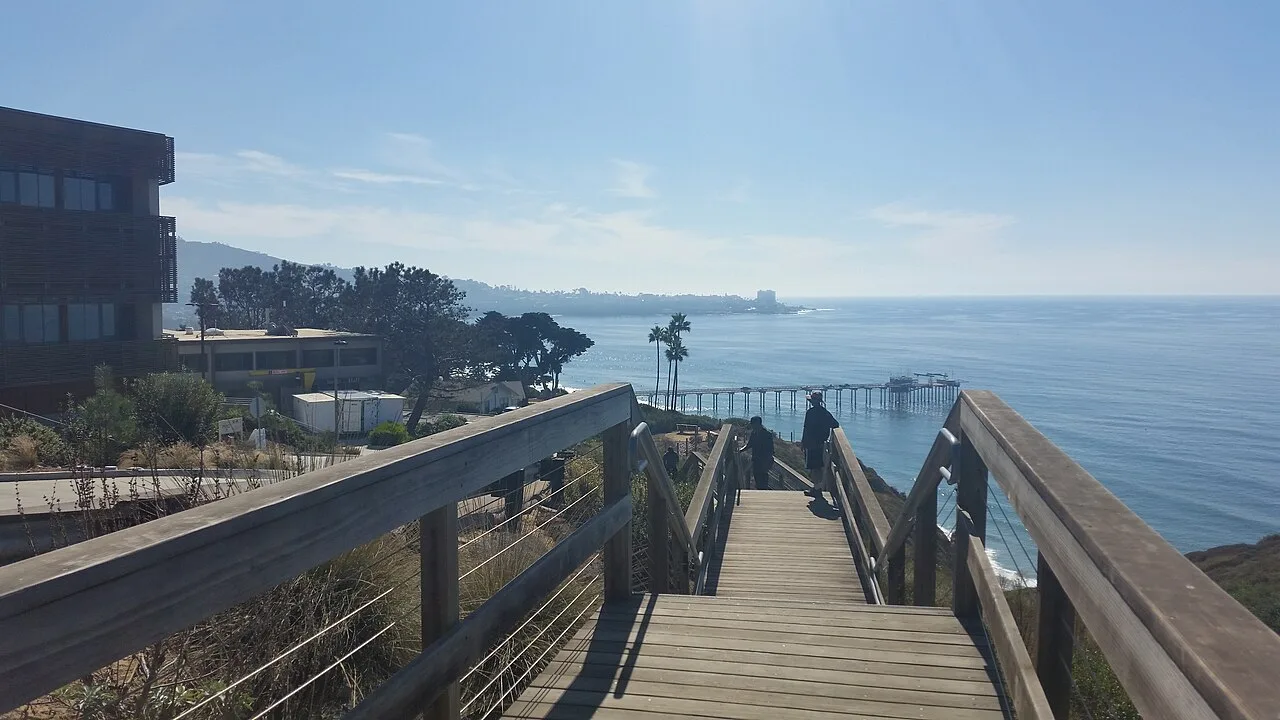
Two closures matter before you book a room for the view. Point La Jolla and part of Boomer Beach have been closed to public access year-round since September 2023 to protect the sea lion colony. Children’s Pool closes to beach access every December 15 to May 15 for harbor seal pupping season - the seawall stays open for viewing both times. Don’t plan a beach day at either spot without checking first.
Mission Beach and Pacific Beach: the boardwalk base
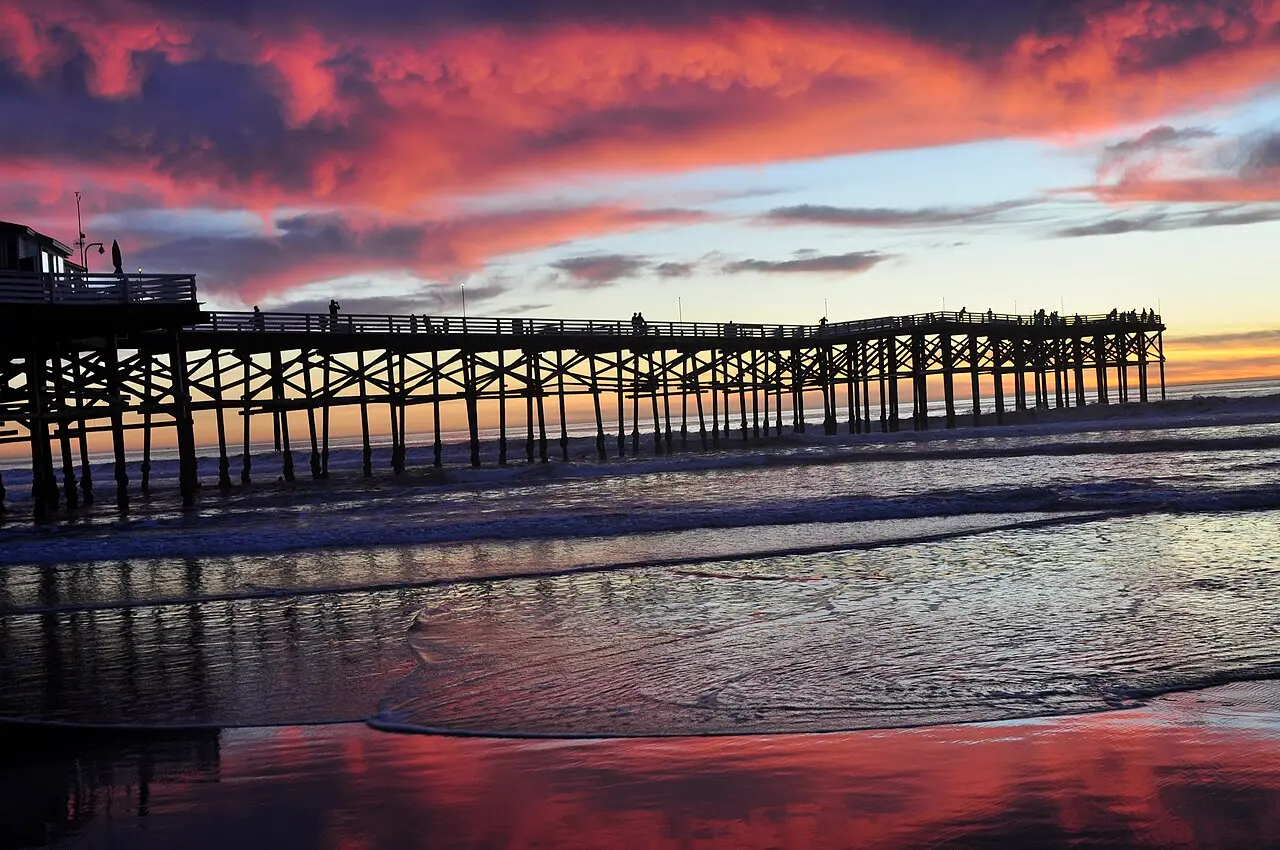
South of La Jolla, Mission Beach and Pacific Beach run together along a boardwalk that’s the closest thing San Diego has to a classic Southern California beach scene: surf shops, a roller coaster at Belmont Park, and rooms that rent by the week as often as by the night. Walk out the door onto sand - that’s the whole pitch here. Parking is the catch. Both neighborhoods are narrow strips between the ocean and Mission Bay, and a car here in July competes for a small number of spaces with everyone else who had the same idea.
Coronado: technically a peninsula, functionally an island
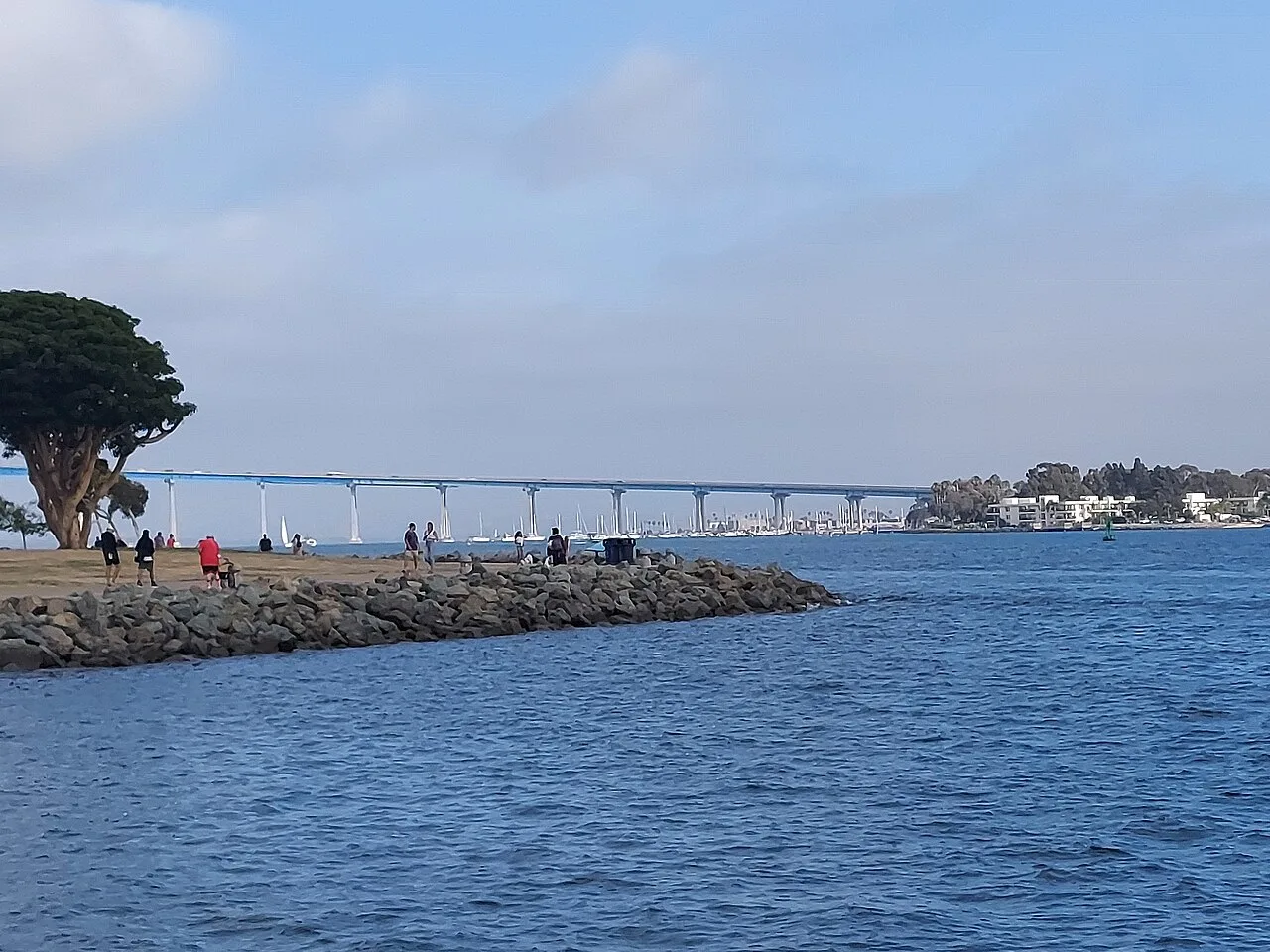
Coronado sits across the bay on what’s technically a peninsula, reached by the toll-free San Diego-Coronado Bridge or the passenger ferry from the Embarcadero. Coronado plays it calm: wide, gentle beaches, a walkable small-town main street on Orange Avenue, and the Hotel del Coronado, open on this stretch of sand since 1888 with grounds you can walk even if you’re not staying there. Families and anyone who wants a genuine break from the city do well here. Just budget the trip back - every run into San Diego proper means crossing that bridge or catching the ferry, so factor an extra 15-20 minutes into any dinner reservation on the mainland.
Old Town, Hillcrest and North Park: the value bases
Old Town holds San Diego’s original Spanish and Mexican-era settlement, free to walk into, and it’s also a transit hub - the trolley meets it, and it’s a short hop from the airport, which makes it a sensible landing spot for a first or last night. It’s the least walkable of the areas here to the actual coast, so treat it as a budget-and-convenience base rather than a beach one.
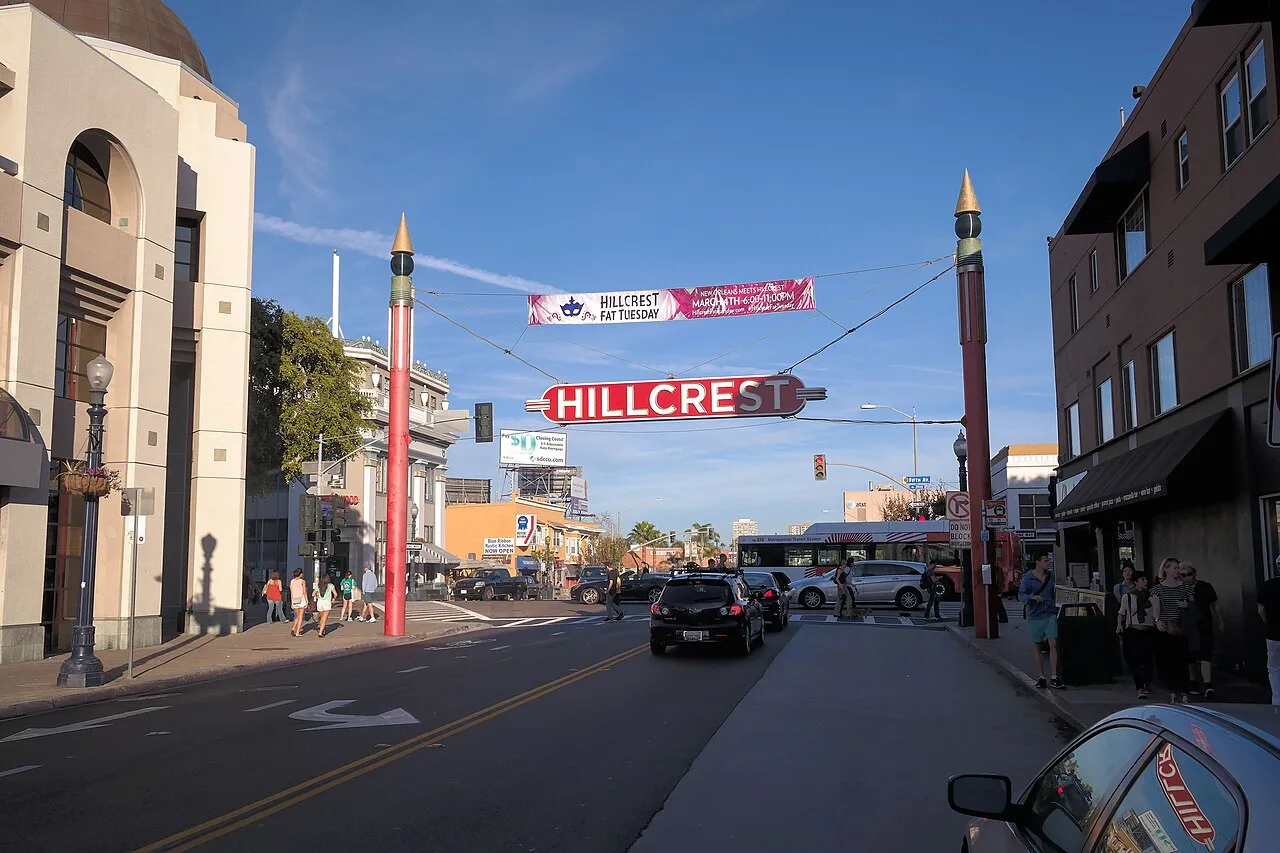
Hillcrest and North Park, the neighborhoods flanking Balboa Park to the north, are where you base if the trip is about the city rather than the resort: the densest restaurant scene outside downtown, a real walkable grid, and Balboa Park’s museums and the zoo a short walk or bus ride away. Hillcrest has been a center of San Diego’s LGBTQ+ community since the early 1970s, home to the city’s LGBT Community Center and its Pride events. Both neighborhoods run on ordinary city rents rather than resort pricing. You just give up the beach entirely.
$212 a night, plus 12.75-15.75% tax
San Diego hotels averaged $212 a night in 2024, up from $210 the year before, at 74.2% occupancy. That figure comes from the tourism authority’s regional visitor data, not a city-only count - the City of San Diego itself has 39,910 hotel rooms (14,872 of them downtown), part of 68,400 across the county. Treat $212 as a reference point, not a quote for your dates.
The number that actually swings your bill is the tax, and it isn’t sorted the way it looks like it should be. San Diego’s municipal code splits the city into three zones along two highways, not by distance from the Convention Center. Zone 1 (11.75%, or 13.75% where the marketing-district add-on applies) is legally defined as everything north of Route 56 and south of Route 54 - Carmel Valley and Rancho Peñasquitos at one end, San Ysidro and Otay Mesa at the other, nowhere a typical visitor books a room. Zone 3 (13.75%/15.75%) is a specific downtown boundary that does include the Gaslamp Quarter. Everything else in the city - La Jolla, the beaches, Old Town, Hillcrest, North Park - is Zone 2 (12.75%/14.75%). Coronado is its own city and sits outside San Diego’s zones altogether, on a hotel tax Coronado sets for itself. The real gap between a beach room and a downtown one is one percentage point, not two: about $2 a night on a $212 room.
That marketing-district add-on isn’t automatic, either - the city’s own page says the hotel “may elect” to pass it on, and if it does, it has to show up as its own line on the folio. San Diego International Airport (SAN) handled 12.5 million passengers in 2024. It sits just a few miles from downtown - close enough to surprise visitors used to airports an hour out of town. Once you’ve picked an area, check current rates for your dates and read the tax lines on the folio rather than assuming a fixed percentage.
Getting around without a car
MTS Route 992 runs both SAN terminals to downtown every 15 minutes from 4:15 a.m. to midnight, stopping at Broadway & Kettner Blvd, where you can pick up the Trolley, the COASTER or Amtrak. If Old Town is your base, there’s a second, free option: the San Diego Flyer electric shuttle runs both terminals to the Old Town Transit Center every 20-30 minutes, 4:45 a.m. to 12:30 a.m., seven days a week - no fare at all. There’s no direct rail link from the airport as of 2026 - a Trolley extension is in planning, but nothing is built yet.
Around the city, MTS buses and the Trolley run on a flat $2.50 fare ($1.25 for seniors, disabled riders and Medicare cardholders, with ID), with a free transfer within two hours on a contactless card, the app or a PRONTO card. Fare capping - never paying more than a $6 day pass is worth - is a PRONTO card/app feature only; tap a contactless bank card and you get the transfer but not the cap. That covers downtown, Old Town and Mission Valley well. La Jolla, the beaches and Coronado all work better with a car or a longer bus ride - the practical argument for renting one if your itinerary crosses more than two of the neighborhoods above.
Timing, and the quick pick
San Diego barely has an off-season. The weather stays among the mildest of any major US city year-round, and beaches are usable even in February. That evens out demand more than in most coastal cities, but summer weekends, Comic-Con week and the run-up to the Fourth of July still book out the coastal neighborhoods first. If your dates are flexible, a midweek stay in shoulder months gets you the same weather with more room availability in La Jolla and on the boardwalk - and it’s worth pricing a downtown stay against a beach one either way, since the room rate moves a lot more than the one-point tax gap does.
That leaves the actual decision:
- Convention, conference or a trade show: Gaslamp or downtown. You’re paying the top tax zone for the ability to walk everywhere.
- The trip is about the beach, full stop: La Jolla for quiet and scenery, or Mission Beach and Pacific Beach for the boardwalk. Same tax zone either way.
- A family trip, or a genuine break from the city: Coronado. Build the extra 15-20 minutes each way into your plans.
- First or last night, budget over everything else: Old Town.
- A longer stay built around food and walkability, not sand: Hillcrest or North Park.
Read also
- What to do once you’ve unpacked: things to do in San Diego
- The rest of the coast and the deserts inland: California travel guide
- The other big Southern California base: where to stay in Los Angeles
- Every US city guide
Admission and opening hours
- Admission price
- San Diego hotels averaged $212 a night in 2024 (up from $210 in 2023) at 74.2% occupancy - San Diego Tourism Authority regional visitor-industry data. The city itself counts 39,910 hotel rooms (14,872 downtown) of 68,400 across the county; treat $212 as a reference point, not a quote: Convention Center-area towers and beachfront resorts sit above it, Old Town and inland chains well below.
Add city hotel tax, which varies by zone - the zones are set by two highways, not by distance from downtown - rather than being a flat citywide rate; see the cost breakdown below.
Details checked: August 8, 2026
Read also

Before you go · 9 min read
New England Fall Foliage: When and Where to Go
Verified · August 27, 2026Yankee's 2026 forecast, peak windows by state and how to chase color from Vermont's Northeast Kingdom to the NH coast without betting on one weekend.

Before you go · 9 min read
Which Hawaiian Island: Oahu, Maui, Kauai or Big Island
Verified · August 24, 2026Pick one Hawaiian island for a week: Oahu for city and surf, Maui for beaches and Haleakala, Kauai for scenery, Big Island for volcanoes.

Before you go · 11 min read
Where to Stay in Phoenix: Downtown, Scottsdale or Tempe
Verified · August 18, 2026Free Sky Train, then $2 light rail into downtown. Scottsdale is the resort city; Tempe is ASU next door. Phoenix hotel tax is 13.07%.

Before you go · 11 min read
Global Entry and TSA PreCheck for Visitors
Verified · August 15, 2026Global Entry is $120 for five years and closed to most EU passports. TSA PreCheck is $85 or less, and only US citizens and LPRs can buy it.