
Where to Stay in Los Angeles: Best Areas
Santa Monica, Downtown, Hollywood, West Hollywood or Koreatown? The best areas to stay in Los Angeles by budget, and how each one shapes your days.
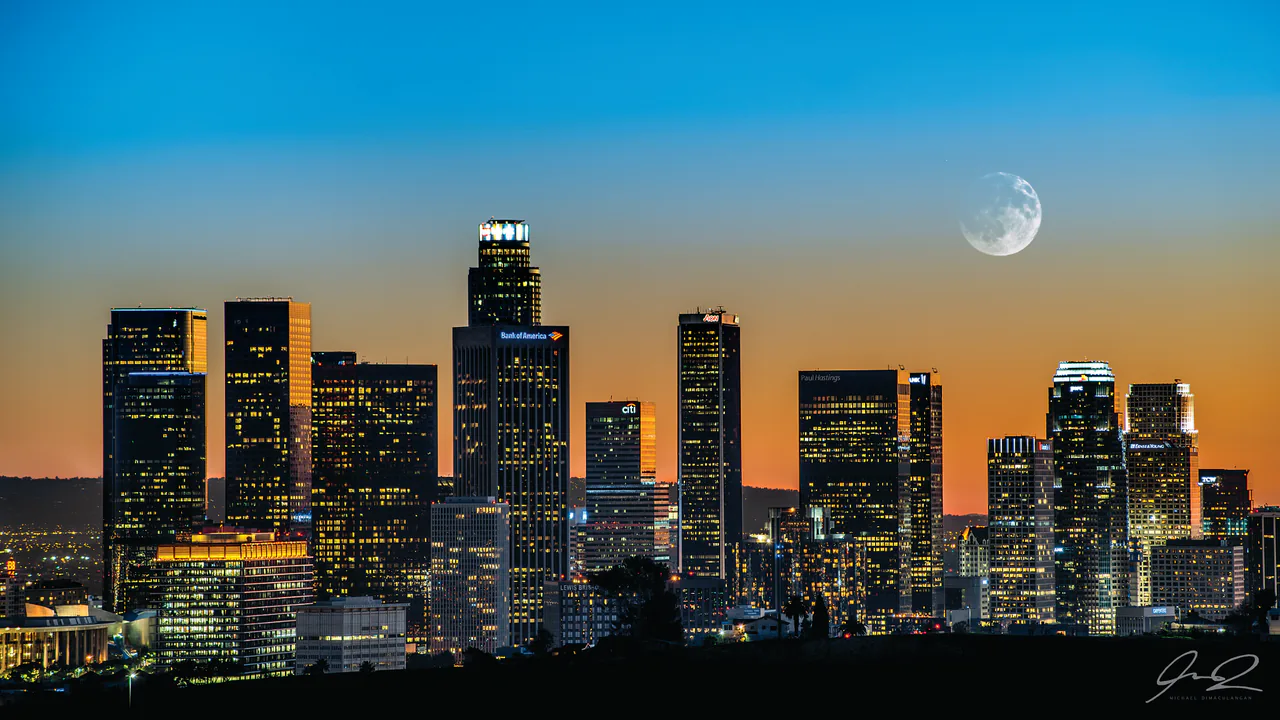
Pick your Los Angeles base by what you plan to do most, not by what looks central on a map, because nothing here is central. Beach days and no car: Santa Monica. Museums, food and public transport: Downtown or Koreatown. Sightseeing on a budget: Hollywood. Restaurants and nightlife: West Hollywood. Kids and theme parks: sleep near the park, not in the city. Where those meals actually are is on our Los Angeles eating list.
This matters more here than in most cities, and the currency is time. A badly chosen hotel can add 90 minutes of driving to every day, and the 15 miles between the beach and downtown swing between 25 minutes and well over an hour depending on when you leave. Money follows the same logic: hotels add 15.5% in city tax to the rate, and most properties in Santa Monica and downtown charge for parking on top of that.
Santa Monica and the beach: easiest first trip
Santa Monica is the obvious pick for a first visit and for anyone hoping to skip the rental car. You get the beach, the pier, a walkable center around Third Street Promenade, restaurants at every price, and the E Line train to downtown in about 46 minutes for $1.75. Bicycles cover the path south to Venice in 20 minutes.
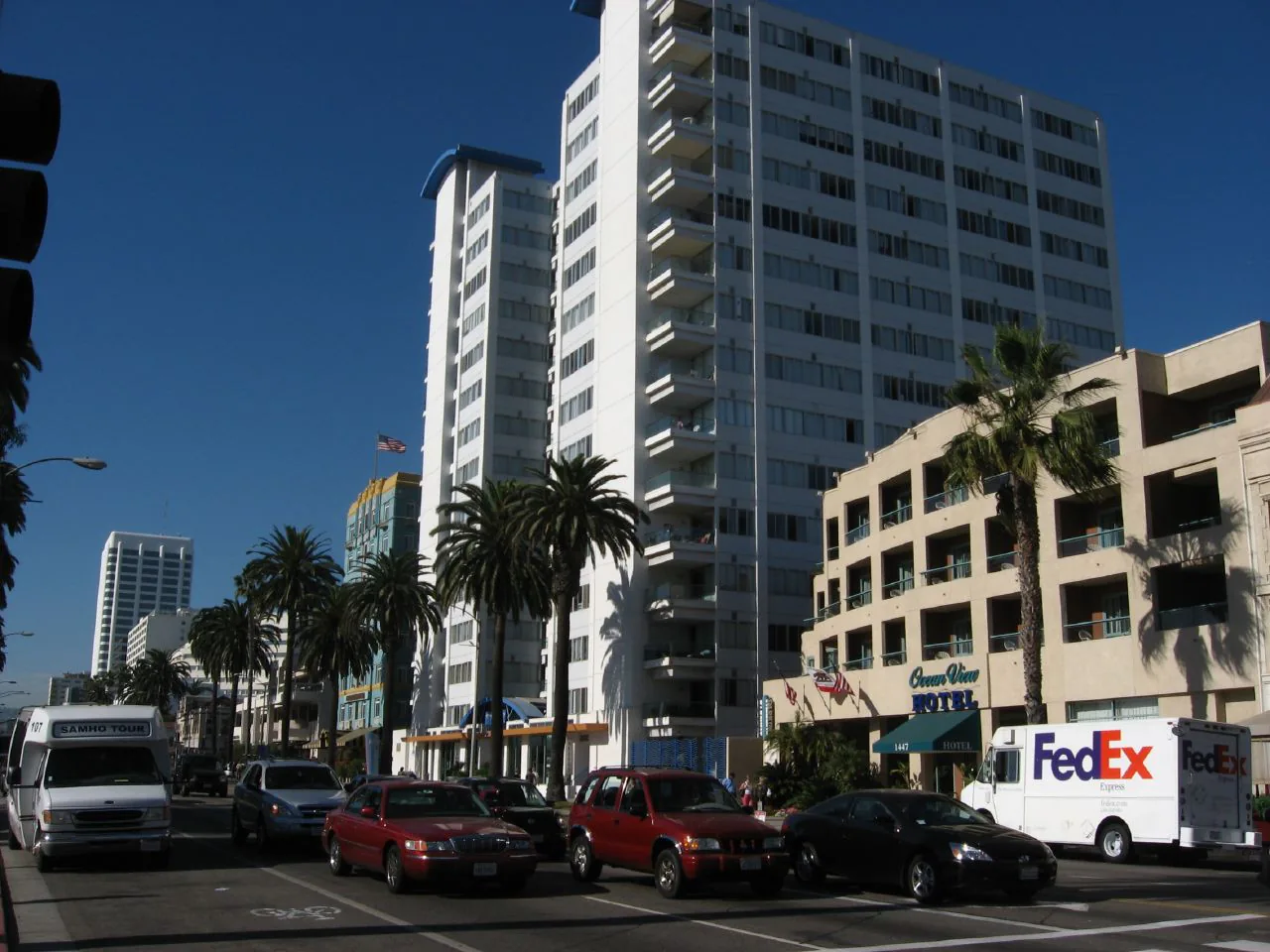
The catch is price. Santa Monica is among the most expensive parts of the county to sleep in, and the beachfront hotels on Ocean Avenue charge for the view. The workaround: book two or three blocks inland, around Wilshire or Colorado, where rates fall noticeably and you’re still a ten-minute walk from the sand. Venice is cheaper again and livelier at night, but quality swings hard from block to block, and the boardwalk isn’t where you want to be walking back alone at 01:00.
Best for: first-timers, families, anyone without a car, and travelers who want to end each day with a swim.
Downtown LA: the transport hub, and better value than its reputation
Downtown has the best transit connections in the region: every Metro rail line except the K passes through, Union Station links to Amtrak and the airport buses, and you can reach Hollywood, Santa Monica, Pasadena and Long Beach without a car. It also has the most interesting food per square mile, from Grand Central Market to Little Tokyo, plus the Broad, the Disney Concert Hall and the Arts District.
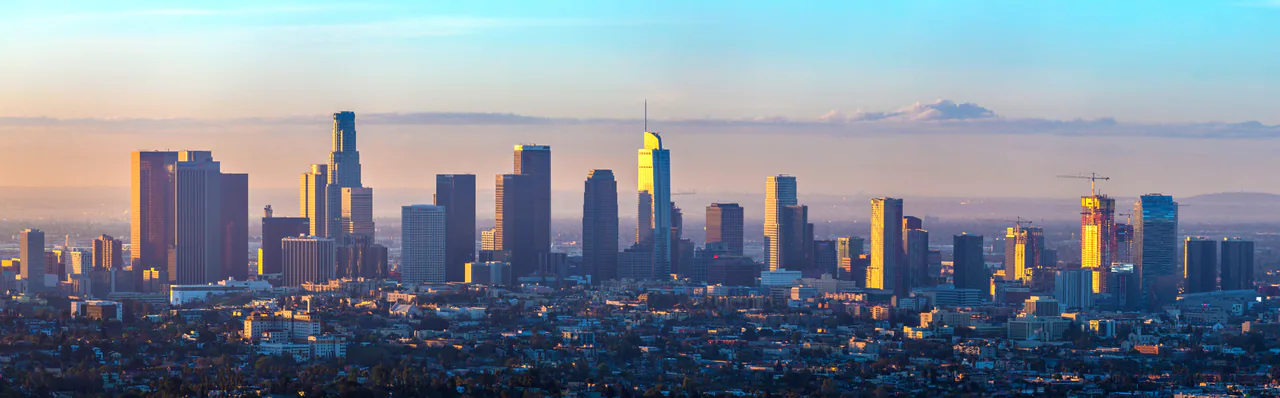
Downtown carries a rougher reputation than the tourist core deserves, though it’s genuinely block-by-block: around Skid Row, east of Main and south of 5th, it’s grim, while Bunker Hill, the Historic Core and South Park (near the arena) are fine. Look at the map, not just the star rating.
Best for: repeat visitors, transit users, food-led trips, business travelers, and anyone who wants a big-city feel rather than a beach one.
Hollywood: cheap, central-ish, and noisy
Hollywood puts you within walking distance of the Walk of Fame, the Chinese Theatre and a cluster of bars, with the B Line subway to downtown and buses to everywhere else. Rates are among the lowest of the visitor-friendly areas, and Griffith Observatory and Universal are both close.
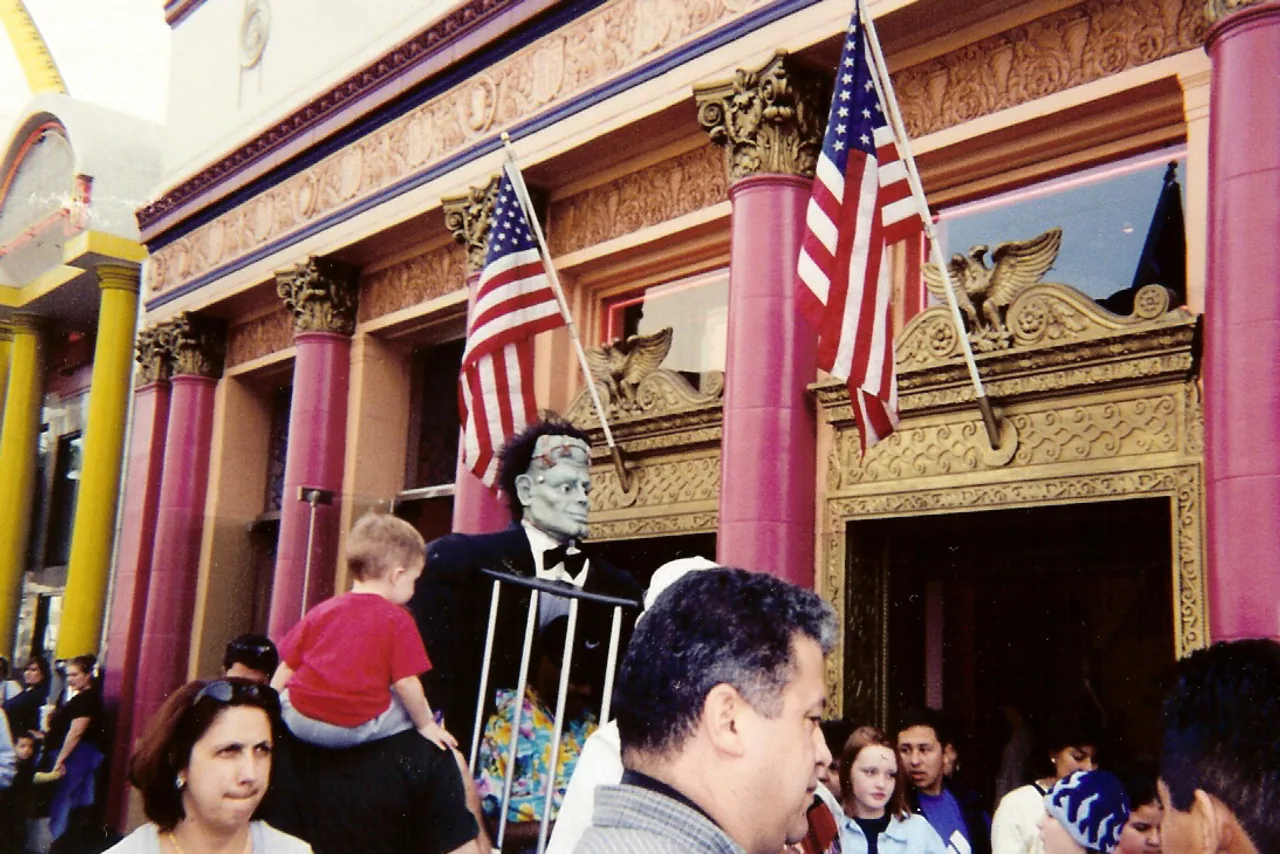
The trade-off is atmosphere. The boulevard is loud, scruffy and busy with street hustle late at night, and the stretch east toward Western Avenue gets bleak. Stay north of the boulevard, up toward Franklin Avenue, and you’re in a quieter neighborhood for the same money.
Best for: budget-conscious sightseers, first-timers who want to walk to something at night, and short two-night stops.
West Hollywood and Beverly Hills: nightlife and shopping
West Hollywood is the going-out base: the Sunset Strip’s music venues, the restaurants on Melrose and Santa Monica Boulevard, and the city’s main LGBTQ nightlife district. It’s compact enough to walk in the evening, which is rare in LA, and rides home are short.
Beverly Hills is quieter, greener and pricier, with Rodeo Drive and the hotel names everyone knows. Since May 2026 it also has a subway station at Wilshire/La Cienega, which changes the calculation: you can now sleep in Beverly Hills and reach downtown or the Miracle Mile museums by train instead of by parking garage.
Best for: nightlife, restaurants, shopping, and travelers happy to pay for a smarter address.
Koreatown: the value pick that locals suggest
Koreatown is a dense, walkable, 24-hour neighborhood with the best cheap eating in central LA, and hotel rates well under the Westside. It sits on the Wilshire corridor D Line, so downtown is a few stops east and, since the May 2026 extension, LACMA, the Academy Museum and Beverly Hills are a few stops west.
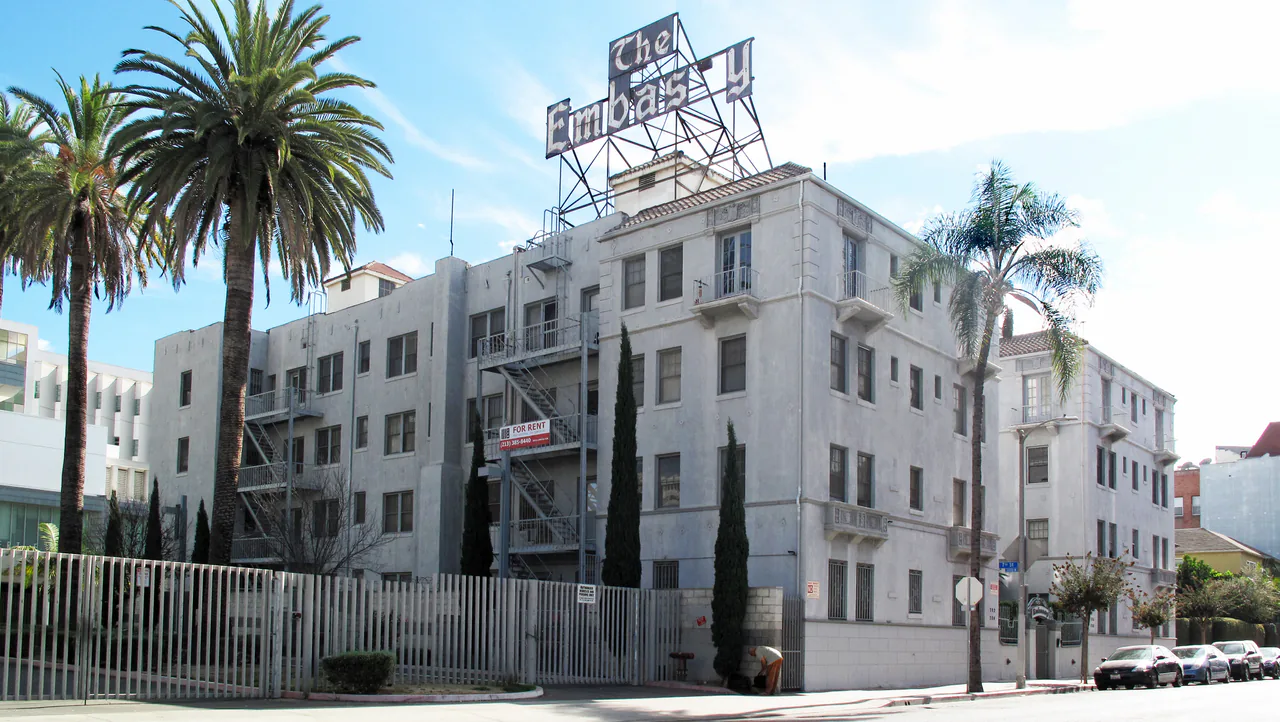
It isn’t pretty and it isn’t the beach. What it is: central, cheap, safe enough on the main streets, and full of food at 23:00 when other districts have closed.
Best for: second visits, food-led trips, longer stays and travelers watching the budget without wanting a motel on a highway.
Pasadena, Long Beach and Anaheim: when the map says otherwise
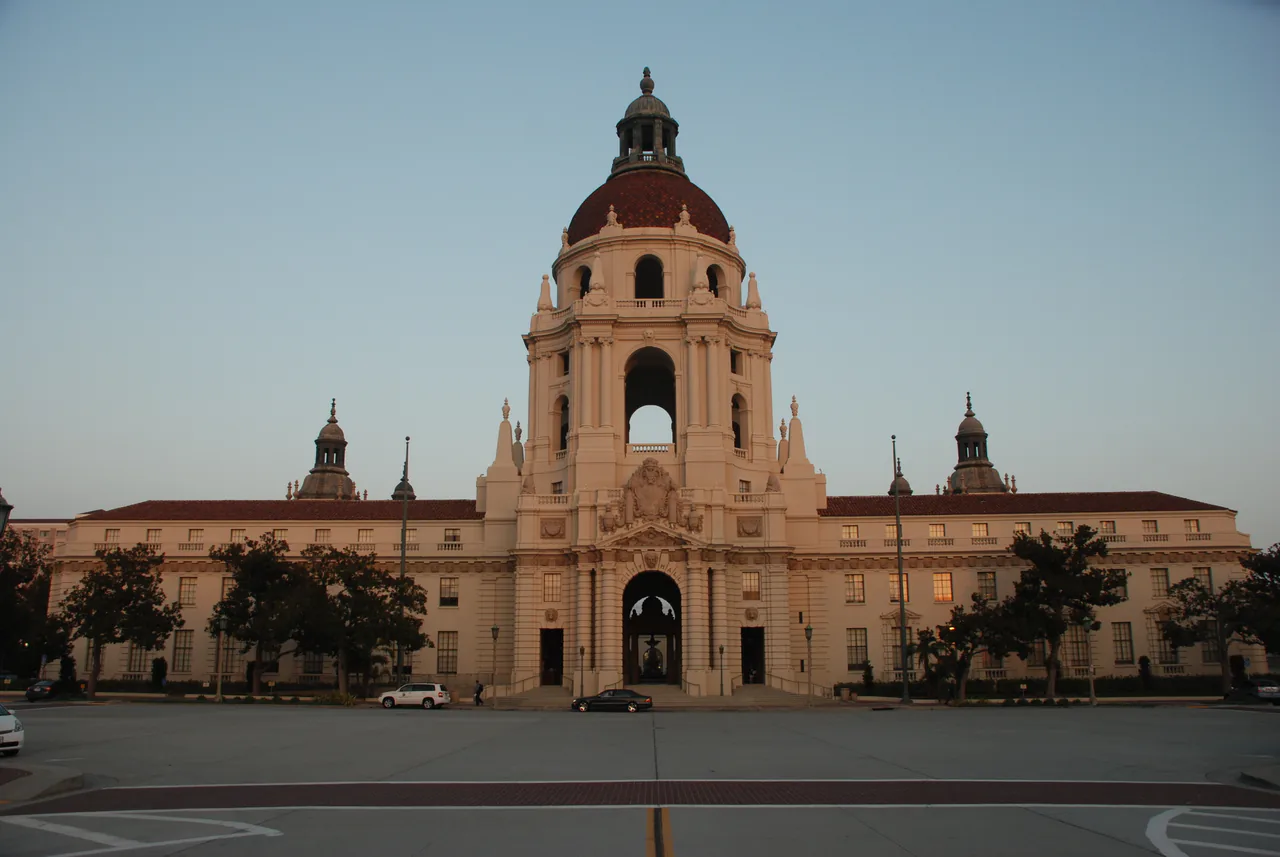
Pasadena, at the foot of the San Gabriel Mountains, is calmer and leafier, with Old Pasadena’s restored streets, the Norton Simon museum and the Huntington gardens nearby. The A Line runs downtown in around 45 minutes. It suits travelers who’d rather have a small-town evening than a city one.
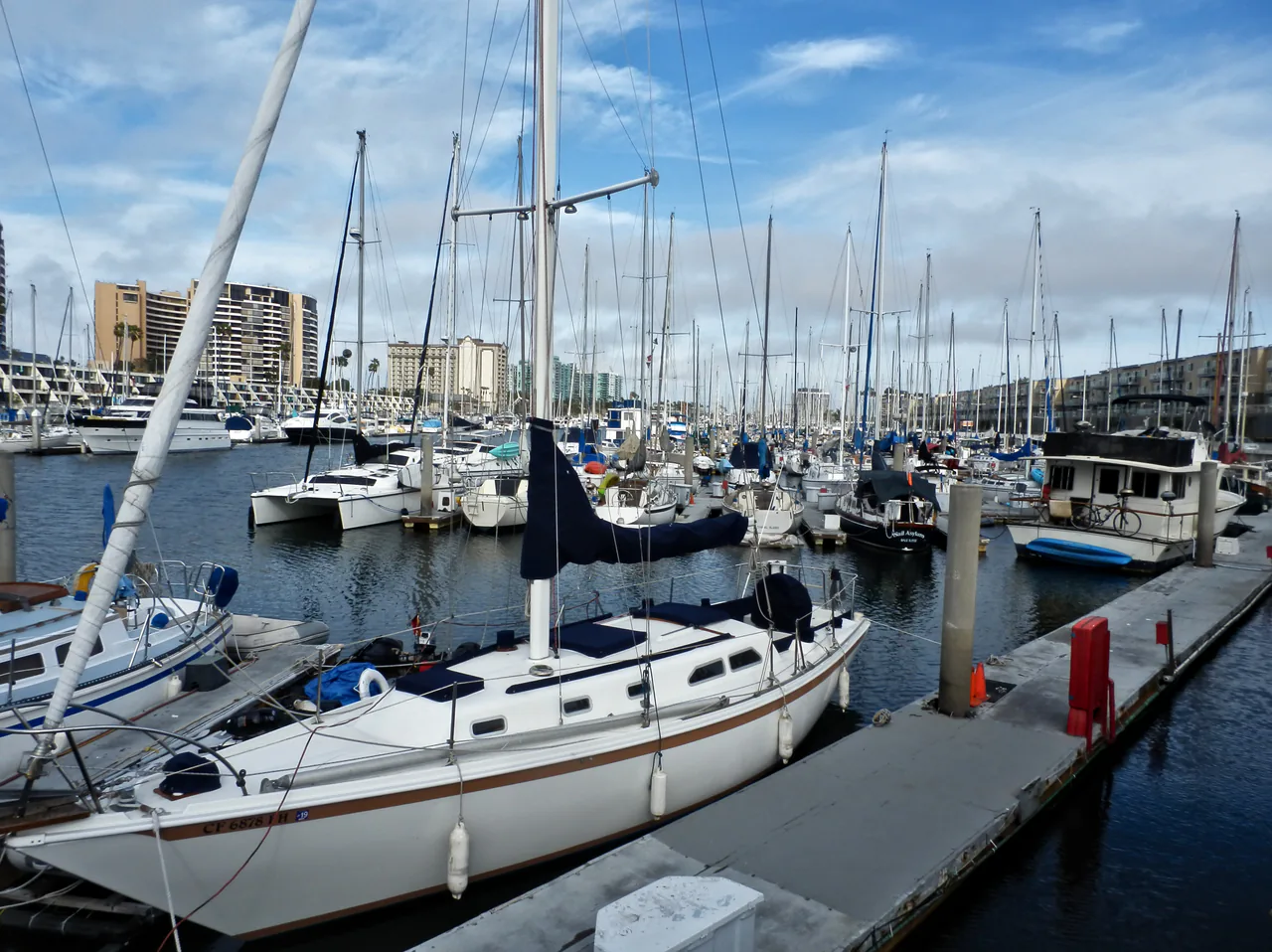
Long Beach works if you want the water without Santa Monica prices: the Queen Mary, the aquarium, a proper downtown, and the one-hour Catalina Express crossing to Avalon. Marina del Rey is the quiet alternative to Venice, all boats and waterfront paths, five minutes from the beach and handy for LAX.
And if the trip is really about the theme parks, sleep in Anaheim. Disneyland is about 26 miles southeast of downtown, an hour each way in ordinary traffic and much worse at the wrong time, so staying in LA to visit Disney costs you two hours a day. Getting down there from the airport is its own decision, and LAX to Disneyland compares the shuttle, the $5 Metro route and the train with operator prices.
Near the airport: only for early flights
Hotels around LAX are cheap and dull, and they make sense for one night before a dawn departure. Note that the people mover still isn’t carrying passengers as of July 2026, so the connection from the LAX/Metro Transit Center to your terminal is a free shuttle bus that runs every 10 minutes. Most airport hotels run their own shuttles as well.
What it will cost, and how to book
Expect the room rate plus 15.5% city tax, plus parking at most hotels in Santa Monica, Hollywood, West Hollywood and downtown. If you’re traveling in summer, book the room before the flights. And compare the same dates across two neighborhoods rather than two hotels, because the neighborhood premium is usually bigger than the hotel one. Once your dates are fixed, compare Los Angeles hotel rates by area and check what parking adds before you commit.
Quick answers
- First trip, one week, no car: Santa Monica.
- First trip with a car and a full sightseeing list: Hollywood or Downtown.
- Second visit, food and museums: Koreatown or Downtown.
- Nightlife and restaurants: West Hollywood.
- Family with Disneyland days: Anaheim, with a separate LA base afterward if you want the city too.
- Budget: Koreatown, then Hollywood north of the boulevard, then Long Beach.
Once the base is set, our guide to things to do in Los Angeles plans the days around it, the California in 10 days route shows where LA fits in a longer trip, and the California travel guide covers the rest of the state.
Read also
- Plan the days: things to do in Los Angeles
- Getting to the parks: LAX to Disneyland
- Fit LA into a trip: California in 10 days
- Drive out of town: Pacific Coast Highway road trip
- Browse more US cities and US states
On the map
The map loads on click - to keep the page lightweight.
The map didn’t load. Check your connection and refresh the page.
Read also

Before you go · 9 min read
New England Fall Foliage: When and Where to Go
Verified · August 27, 2026Yankee's 2026 forecast, peak windows by state and how to chase color from Vermont's Northeast Kingdom to the NH coast without betting on one weekend.

Before you go · 9 min read
Which Hawaiian Island: Oahu, Maui, Kauai or Big Island
Verified · August 24, 2026Pick one Hawaiian island for a week: Oahu for city and surf, Maui for beaches and Haleakala, Kauai for scenery, Big Island for volcanoes.

Before you go · 11 min read
Where to Stay in Phoenix: Downtown, Scottsdale or Tempe
Verified · August 18, 2026Free Sky Train, then $2 light rail into downtown. Scottsdale is the resort city; Tempe is ASU next door. Phoenix hotel tax is 13.07%.

Before you go · 11 min read
Global Entry and TSA PreCheck for Visitors
Verified · August 15, 2026Global Entry is $120 for five years and closed to most EU passports. TSA PreCheck is $85 or less, and only US citizens and LPRs can buy it.