
California in 10 Days: The Classic Route
San Francisco, Yosemite, Big Sur and Los Angeles in 10 days: a day-by-day California road trip with real drive times, overnight stops and costs.
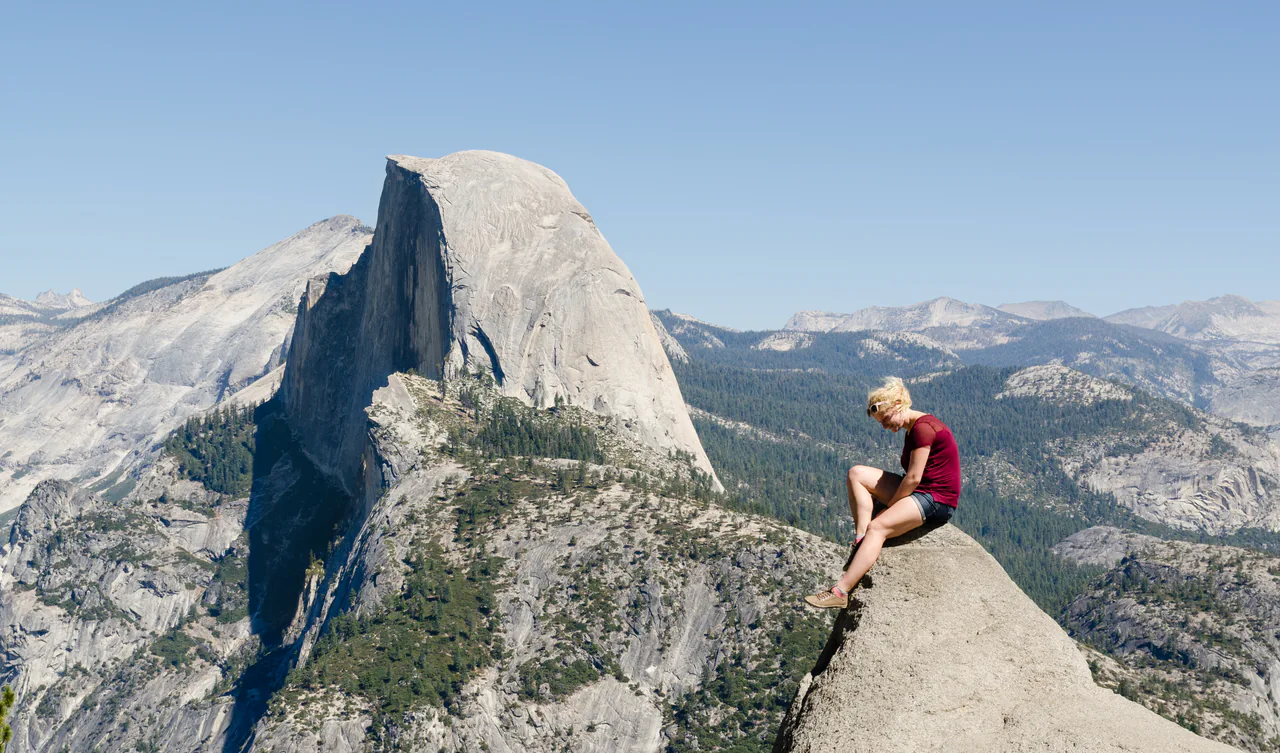
Ten days is enough for the classic California loop if you accept one rule: drive south, not north. Starting in San Francisco and ending in Los Angeles puts you in the ocean-side lane on Highway 1, which means the viewpoints are on your right and you can pull into them without crossing traffic. The shape is simple - three nights in San Francisco, two at Yosemite, three working down the coast, two in Los Angeles - and it covers roughly 900 miles.
The park fee is where this route quietly gets expensive. From 1 January 2026, visitors who aren’t US residents pay $100 per person on top of the $35 vehicle fee at Yosemite. Two adults from abroad therefore pay $235 to drive in for the day, unless they buy the $250 nonresident annual pass, which also covers three other adults. Three or four of you? Buy the pass. Two of you, with Yosemite the only listed park on your trip? Pay the surcharge and move on.
The route at a glance
| Days | Base | Drive that day |
|---|---|---|
| 1-3 | San Francisco | none (no car needed) |
| 4 | Yosemite area | ~195 miles / 4 h |
| 5 | Yosemite area | short drives in the park |
| 6 | Monterey or Carmel | ~230 miles / 5 h |
| 7 | Cambria or San Simeon | ~95 miles / 3 h with stops |
| 8 | Santa Barbara | ~150 miles / 3 h |
| 9-10 | Los Angeles | ~95 miles / 2 h |
Pick up the rental car on the morning of day 4, not on arrival: a car in San Francisco is a parking bill, not a convenience.
Days 1-3: San Francisco
Three nights is the minimum for the city, and you’ll want two reservations locked in before you leave home. Alcatraz goes on sale 90 days out and sells out in summer; ferries leave from Pier 33. Muir Woods needs a parking or shuttle reservation for every visitor, so decide early whether the redwoods are in the plan.
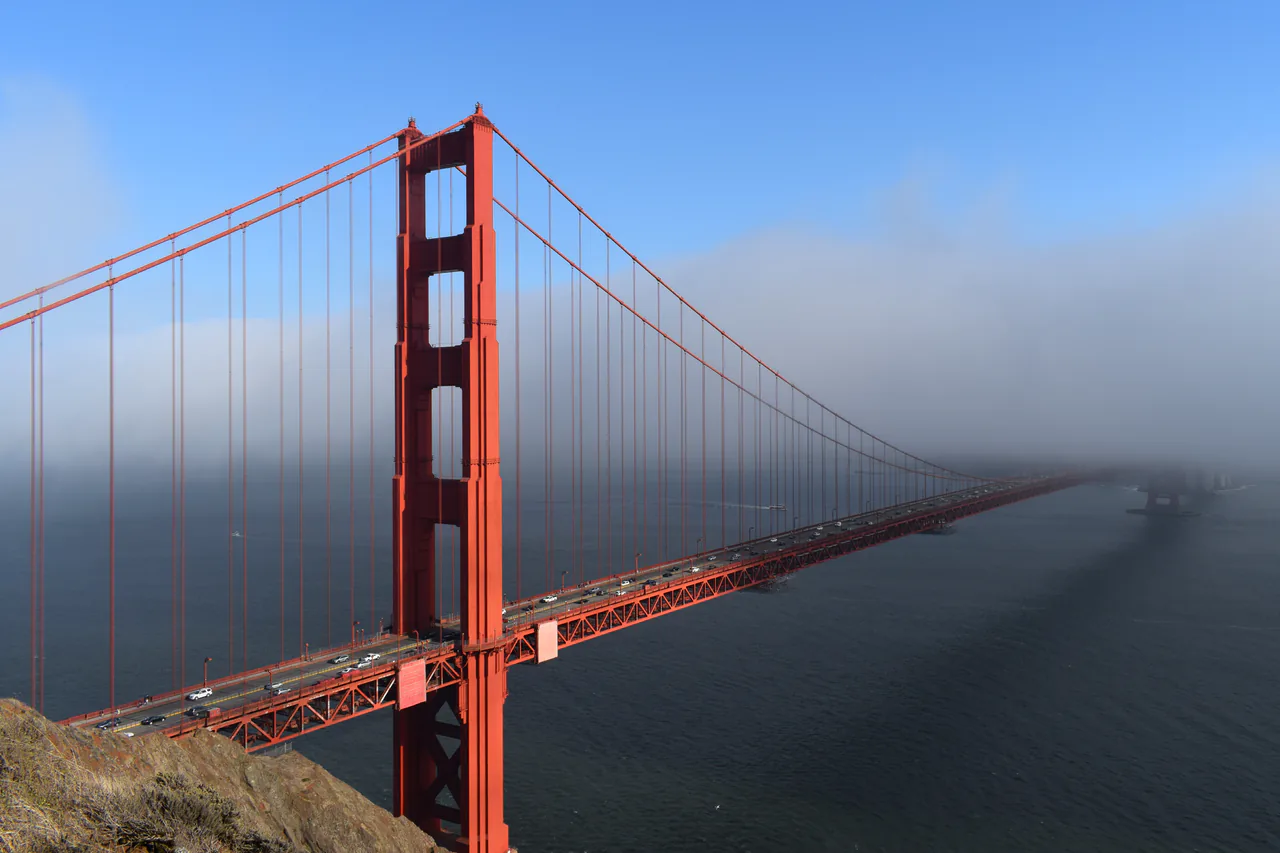
Day one for the bridge, Fisherman’s Wharf and a cable car; day two for Alcatraz in the morning and the Mission or Golden Gate Park after; day three for Muir Woods and Sausalito, or a wine country tour with a driver. Our things to do in San Francisco guide has the detail, including why you’ll want a jacket in July.
Day 4: San Francisco to Yosemite
Pick up the car early and allow four hours for the 195 miles, more if you stop. The drive runs east across the Central Valley and climbs into the Sierra, and the last hour is slow mountain road. Aim to reach the park entrance before 11:00 or after 15:00; midday is when the lines build.
Sleep inside the park if you booked months ago, in El Portal or Yosemite West if you booked recently, or in Oakhurst or Mariposa if you’re pragmatic about a 45 to 60 minute morning drive. Whichever you choose, book it before the flights: Yosemite lodging sells out earlier than anything else on this route.
Day 5: Yosemite
There’s no entry reservation system in 2026, which removes one headache and adds another: the valley parking lots fill on summer mornings. Get in by 08:00, park once, and use the free shuttle for the rest of the day.
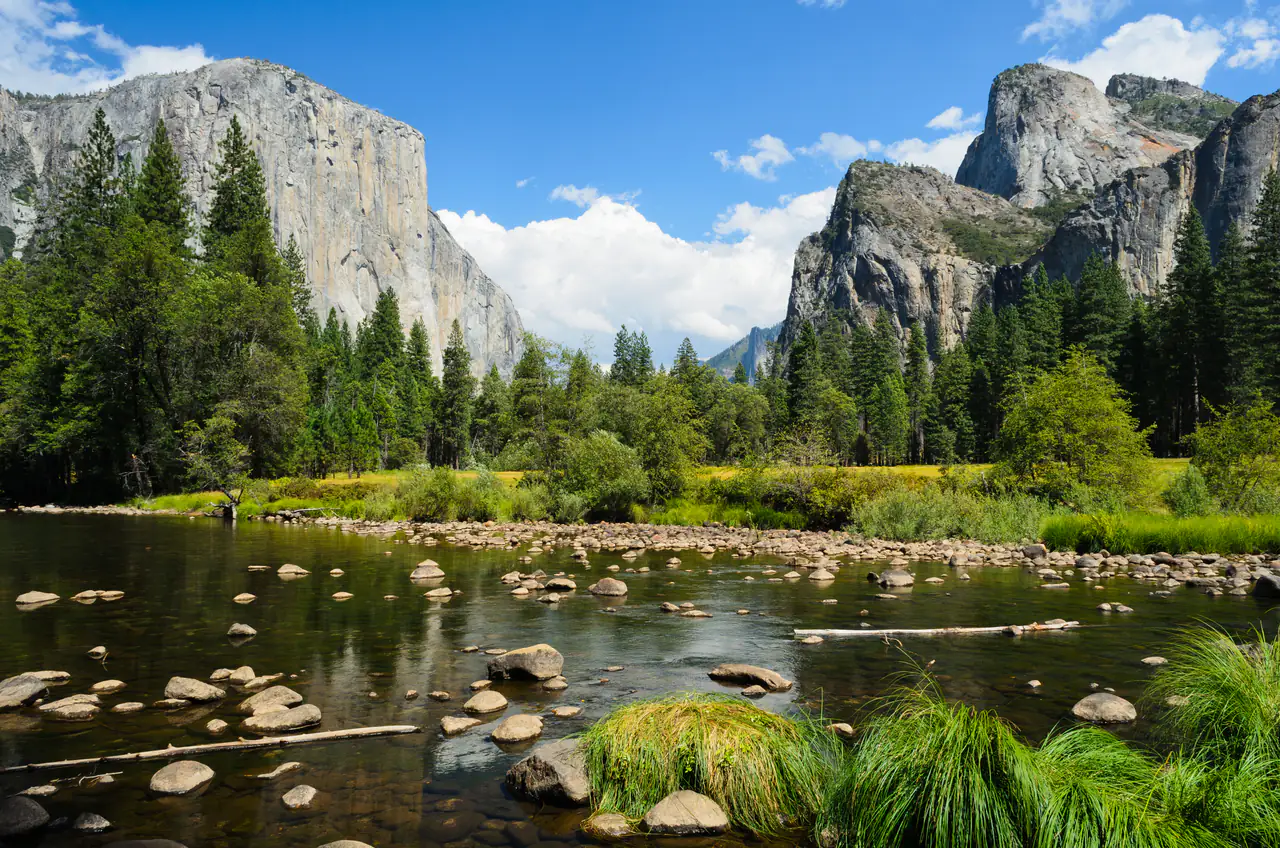
A full day covers the valley floor loop, Lower Yosemite Fall, the Mirror Lake path and the drive up to Glacier Point for the Half Dome view. If you’re here between roughly late May and early November, Tioga Road over the high country is open (it reopened on 15 May in 2026 after closing on 12 November the previous year) and Tuolumne Meadows is worth the extra hours. Outside that window the high country is simply shut, and the valley is the trip.
Day 6: Yosemite to Monterey
The longest transfer of the route: about 230 miles and five hours back down through the foothills and across to the coast. Break it at a Central Valley fruit stand rather than a fast-food exit.
Monterey and Carmel share the evening. The Monterey Bay Aquarium ($65 adult, book online in advance) deserves half a day if you have children or an interest in kelp forests and octopuses; Cannery Row around it’s more shop than history. Carmel-by-the-Sea, ten minutes south, is a fairytale-cottage village with good restaurants and a proper beach at the bottom of the hill.
Day 7: Big Sur
This is the day people remember, and the shortest drive of the trip: about 95 miles to San Simeon, which takes three hours minimum and more like six with stops. Highway 1 is open along the whole Big Sur coast in summer 2026, the first full season since the 2024 slides, though repair zones still run one-way signals - check roads.dot.ca.gov the morning you drive.
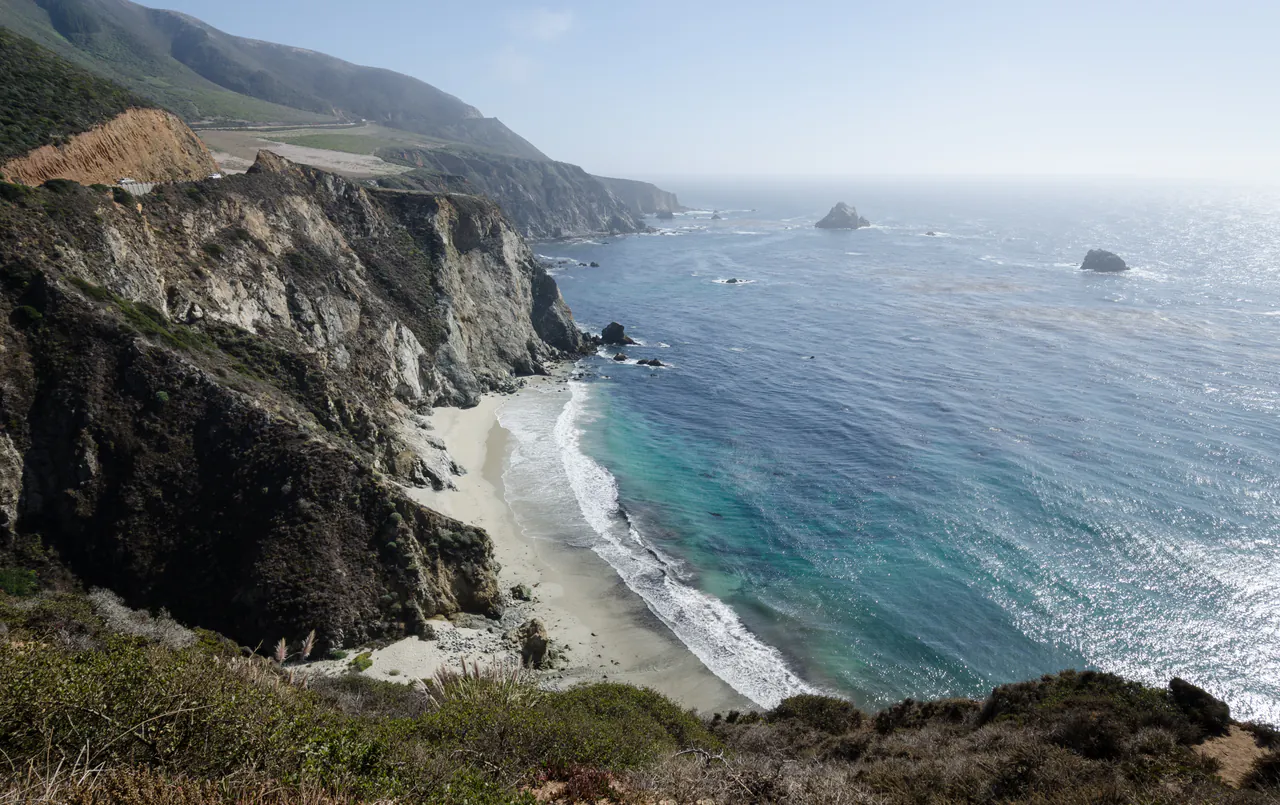
Stop at Bixby Bridge, Pfeiffer Beach (narrow access road, cash for parking), the McWay Falls viewpoint, and whichever turnout is empty when the light is good. Fill the tank in Carmel: gas in Big Sur is scarce and expensive, and cell service disappears for long stretches. Sleep in Cambria or San Simeon, where the elephant seal colony at Piedras Blancas is free and open all year. Our Pacific Coast Highway road trip breaks this stretch down stop by stop.
Day 8: Hearst Castle to Santa Barbara
Start with Hearst Castle if you like gilded excess: tours run from the visitor center by shuttle bus, cost about $35 for adults, and can be booked up to 60 days ahead. After that it’s roughly 150 miles and three hours south, with Morro Bay’s volcanic plug and the Danish pastry stop at Solvang as optional breaks.
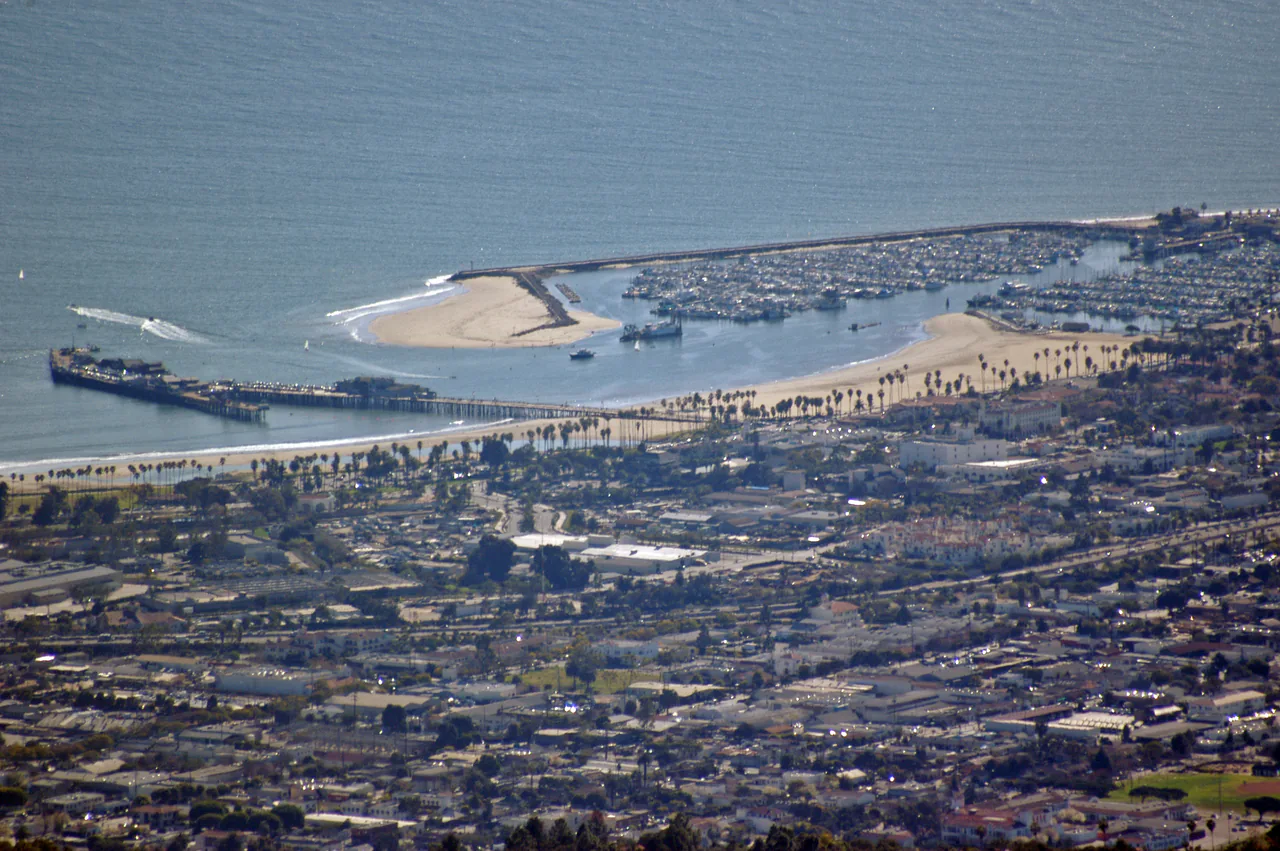
Santa Barbara is the best evening of the coast section: Spanish-revival architecture, a walkable State Street, wine tasting rooms in the Funk Zone and a beach at the end of the road.
Days 9-10: Los Angeles
The last leg is short in miles and unpredictable in time: 95 miles, two hours if you leave early, three if you hit the afternoon. Return the car when you arrive if your hotel charges to park it and you’re staying on the Westside or downtown, or keep it if Malibu and the museums are on the list.
Two days in LA means choosing. A workable split is one beach and Westside day (Santa Monica, Venice, the Getty) and one city day (Griffith Observatory, the Miracle Mile museums, downtown for dinner). Our things to do in Los Angeles guide covers the options and where to stay in Los Angeles helps you pick the base that fits those two days.
Adding San Diego
If you’ve got 12 days rather than 10, add San Diego at the end: 120 miles from LA, two to three hours in traffic, and a different pace entirely - Balboa Park’s museums and gardens, the zoo, the beaches at La Jolla and Coronado, and fish tacos everywhere. For the night there, Gaslamp, La Jolla or Coronado suit different trips.
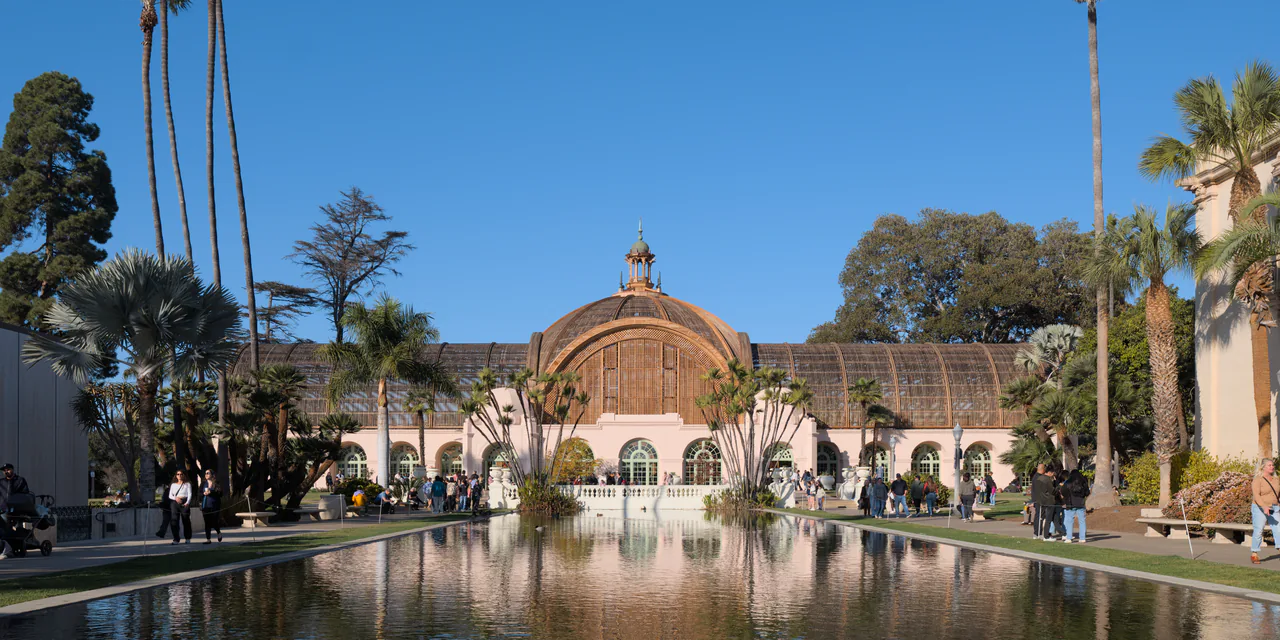
Flying home from San Diego rather than doubling back is usually cheaper in time than in money, but check the one-way drop fee first.
The car, the gas and the tolls
Book an automatic (they’re standard in the US), and expect gas to be the second-biggest line after lodging: California averaged around $5.40 a gallon in July 2026, and this route burns a lot of it. A one-way rental from San Francisco to Los Angeles usually carries a drop fee, so compare one-way rental prices before assuming a round trip is cheaper.
Bay Area bridges are cashless, so ask at the rental counter how they bill tolls and what their admin fee is. And don’t underestimate the Big Sur stretch: average speeds there are half what the map suggests, which is exactly why it gets a whole day.
What to book first
In order: Yosemite lodging, Alcatraz tickets, the rental car, Los Angeles hotel, Hearst Castle tour, Monterey Bay Aquarium. Everything else can wait. If your dates are flexible, September and October are the best weeks of the year on this route - warm on the coast, quiet in the parks, and San Francisco finally out of the fog. The California travel guide has the regional detail if you want to reshape the loop.
Read also
- The coast section in detail: Pacific Coast Highway road trip
- Start city: things to do in San Francisco
- End city: things to do in Los Angeles and where to stay in Los Angeles
- Wider context: California travel guide
On the map
The map loads on click - to keep the page lightweight.
The map didn’t load. Check your connection and refresh the page.
Read also

Before you go · 9 min read
New England Fall Foliage: When and Where to Go
Verified · August 27, 2026Yankee's 2026 forecast, peak windows by state and how to chase color from Vermont's Northeast Kingdom to the NH coast without betting on one weekend.

Before you go · 9 min read
Which Hawaiian Island: Oahu, Maui, Kauai or Big Island
Verified · August 24, 2026Pick one Hawaiian island for a week: Oahu for city and surf, Maui for beaches and Haleakala, Kauai for scenery, Big Island for volcanoes.

Before you go · 11 min read
Where to Stay in Phoenix: Downtown, Scottsdale or Tempe
Verified · August 18, 2026Free Sky Train, then $2 light rail into downtown. Scottsdale is the resort city; Tempe is ASU next door. Phoenix hotel tax is 13.07%.

Before you go · 11 min read
Global Entry and TSA PreCheck for Visitors
Verified · August 15, 2026Global Entry is $120 for five years and closed to most EU passports. TSA PreCheck is $85 or less, and only US citizens and LPRs can buy it.