
Things to Do in San Francisco
Alcatraz, the Golden Gate, cable cars and the neighborhoods worth walking - what to do in San Francisco, what to book early, and why summer is cold.
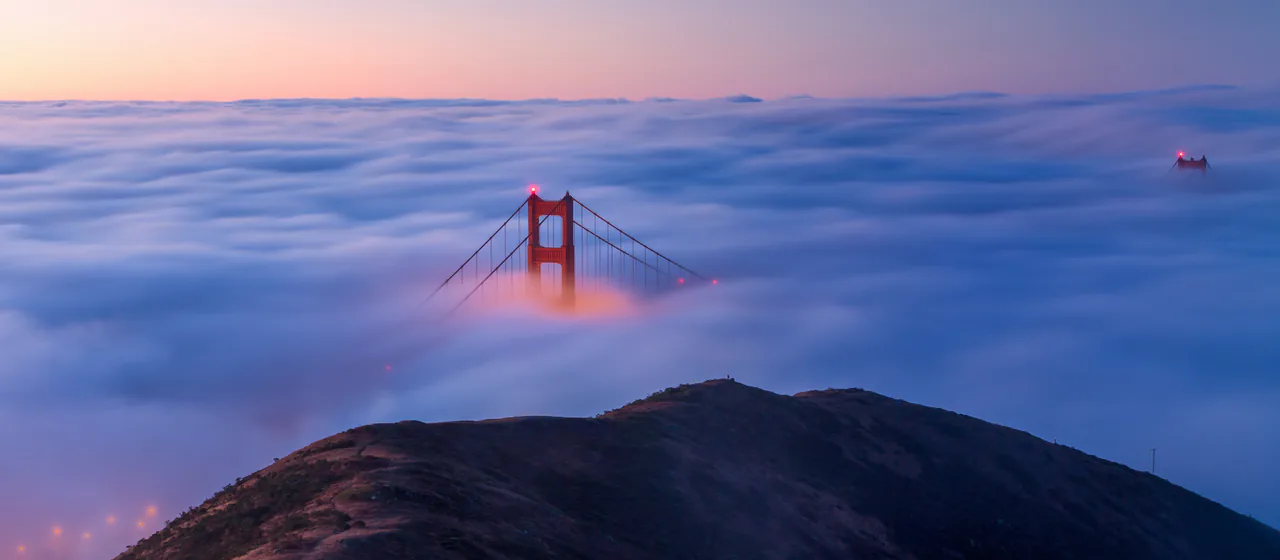
San Francisco is the rare American city you can do without a car. It fits into 49 square miles, the sights cluster into walkable neighborhoods, and the gaps between them are covered by buses, streetcars and three cable car lines. Two things need booking before you arrive: Alcatraz and, if you want the redwoods, Muir Woods. Everything else can be decided over breakfast.
The other thing to get right is what you pack. July here averages around 63F, because cold ocean air is pulled through the Golden Gate every summer afternoon, while September and October sit near 70F and are the clearest months of the year. Locals wear layers in August and shorts in October, and visitors who arrive in July with beach clothes spend the first afternoon buying a fleece at Fisherman’s Wharf.
Book these two first
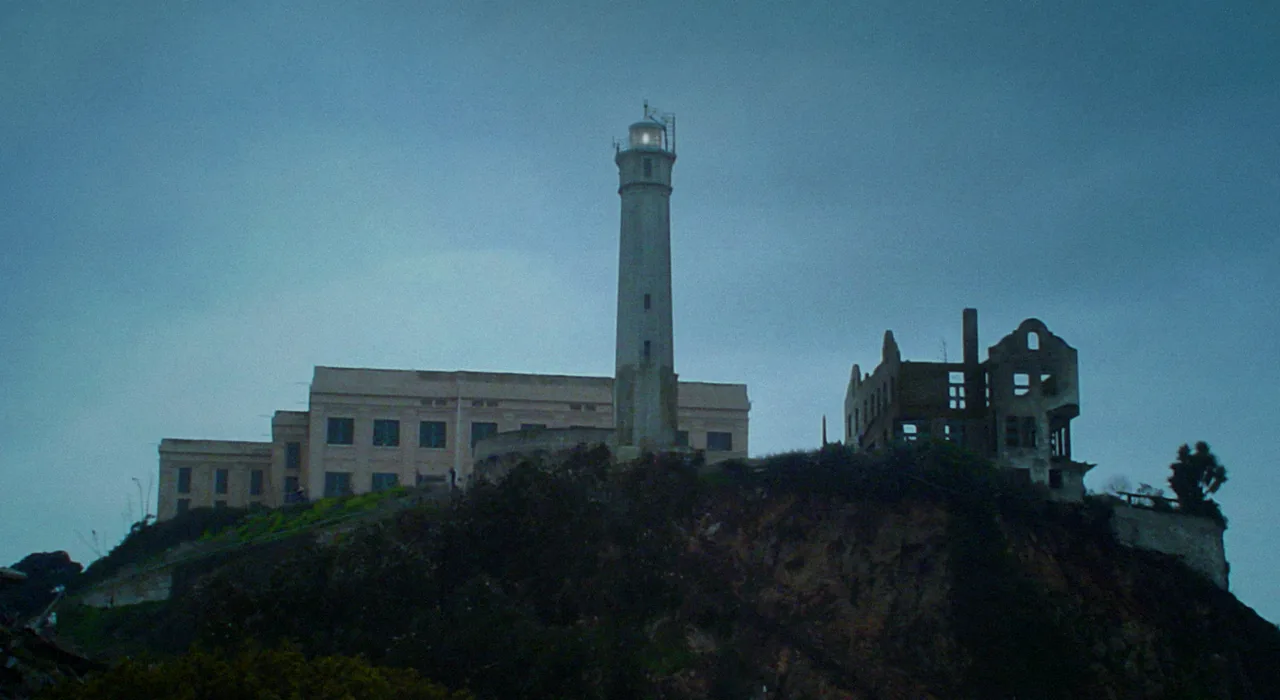
Alcatraz sells out - tickets go on sale 90 days ahead through Alcatraz City Cruises, the only operator the National Park Service authorizes, sailing from Pier 33, not Pier 39. Our Alcatraz tickets guide covers booking windows, tour types and the climb from the dock. Day tours run roughly $29-$48 for adults and night tours more, and your America the Beautiful pass gets you nothing here - the fee is entirely the ferry, not a park entrance charge.
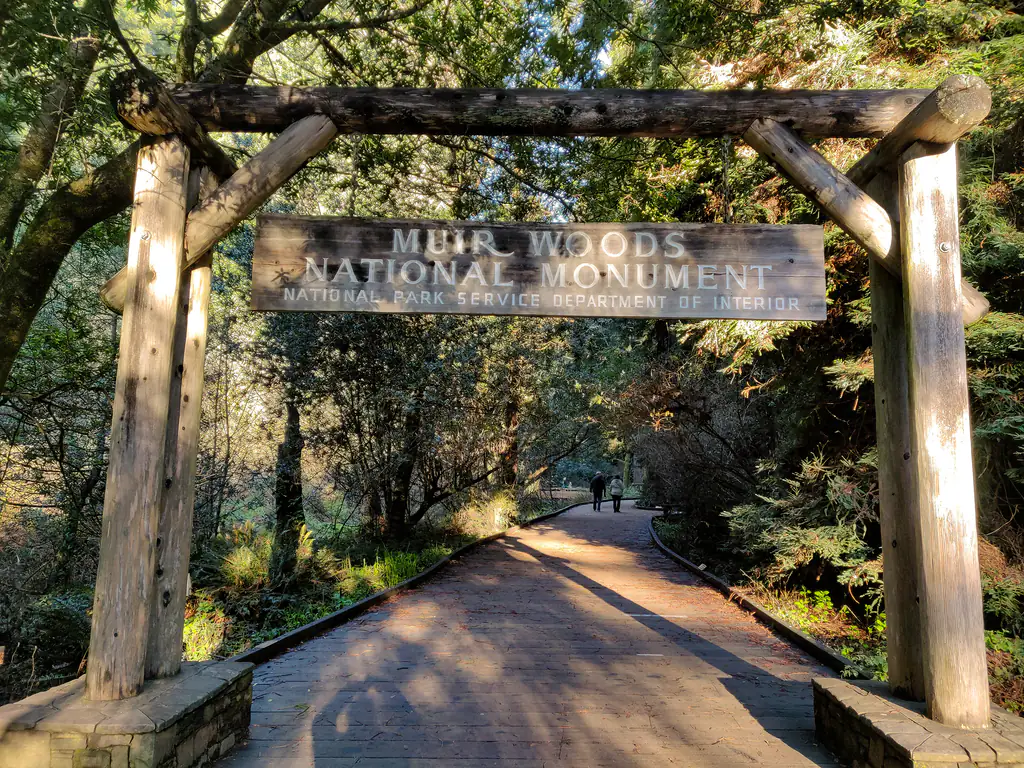
Muir Woods, the old-growth redwood grove half an hour north, now runs entirely on reservations: every car and every shuttle passenger must book a slot at GoMuirWoods.com, up to 90 days ahead. Parking is $9.50, the shuttle from Larkspur is $3.50, and the $15 per-person entrance fee is charged separately. Show up without a reservation and you’ll be turned around at the road. It’s a lovely grove, but a small one - if the redwoods are the whole reason for the trip, Redwood National and State Parks up near the Oregon border is the much bigger, free-to-enter version, worth its own multi-day trip rather than a Bay Area afternoon.
The Golden Gate Bridge, and how to actually see it
Walking the bridge is free and better than photographing it from a parking lot. Pedestrians use the east sidewalk, open daily from 05:00 to 21:00 (to 18:30 from November through March), and it’s about 1.7 miles each way. Halfway across you’re 220 feet above the water with container ships passing beneath, and the wind is genuinely cold - don’t skip the fleece.
If you’re driving, the toll is charged southbound only, so heading north into Marin is free, and there are no toll booths at all: the bridge went cashless in 2013 and bills you by transponder or license plate ($10.25 with FasTrak from 1 July 2026, more without). Rental companies handle this with their own admin fees, which is worth asking about at the counter.
For the view, the Marin Headlands turnouts north of the bridge are the classic angle, Fort Point sits directly under the southern end, and Crissy Field gives you the whole span with the city behind you.
Cable cars, and getting around for less
There are three cable car lines: Powell-Hyde and Powell-Mason from the Powell Street turntable, and California Street, which is the workaday line locals actually ride and where you can usually get on without waiting in line.
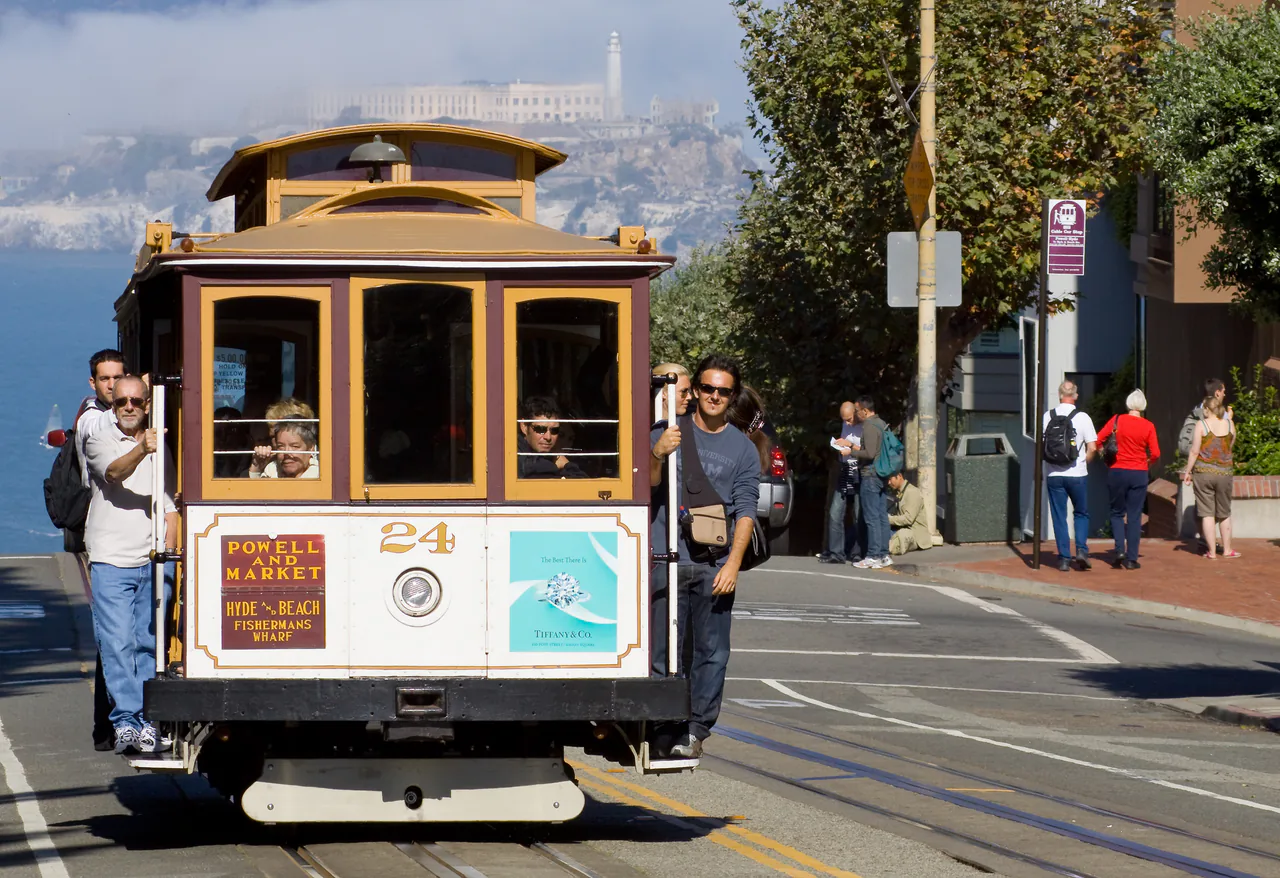
A single cable car ride is $9 and buys no transfers, while a normal Muni bus or streetcar is $2.85 with Clipper or the MuniMobile app and lasts 120 minutes. Do the math: the $15 one-day Visitor Passport covers unlimited Muni and cable cars, so it pays for itself on two cable car rides. Don’t wait in the Powell Street tourist line - board at a stop further up the hill.
Neighborhoods worth your feet
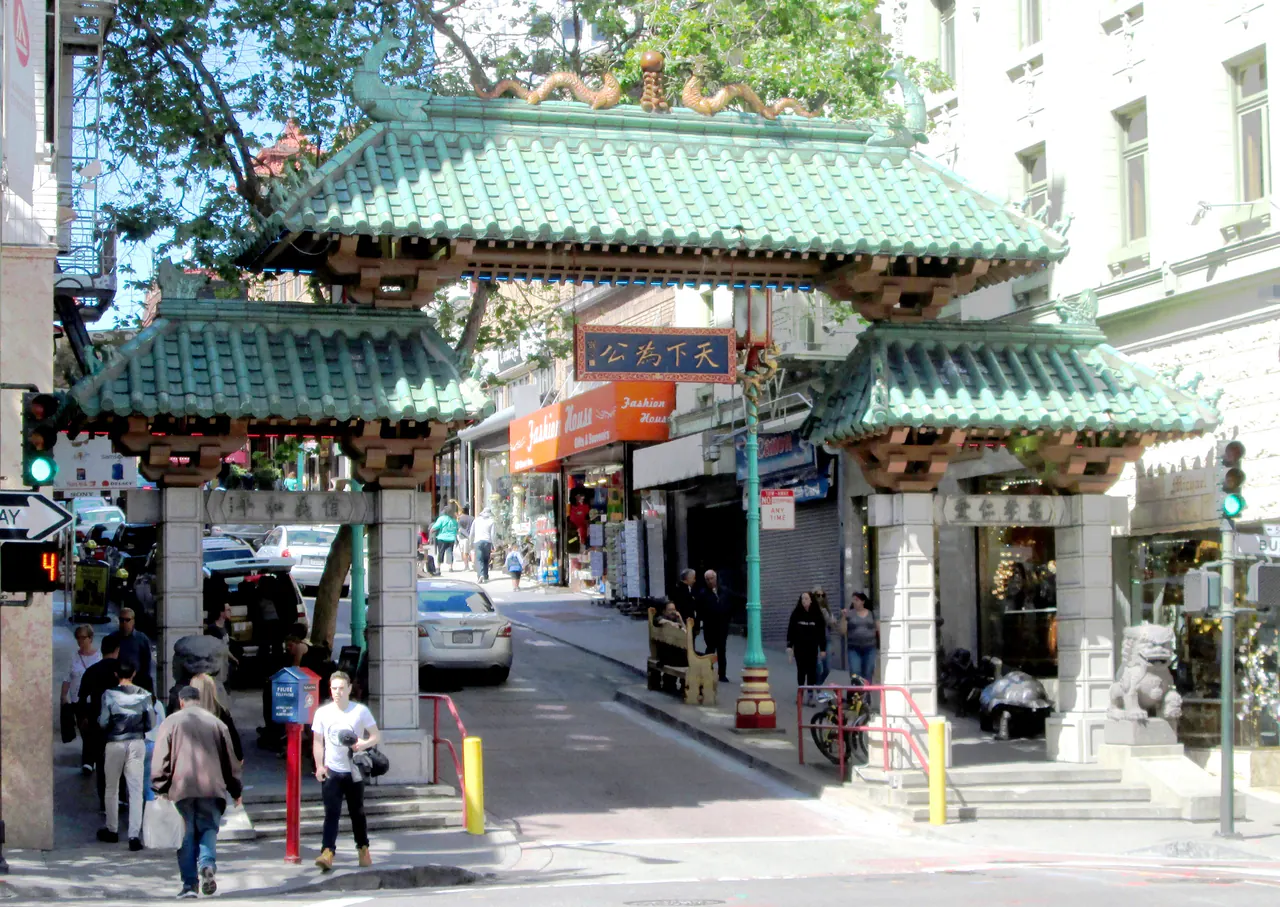
Chinatown is the oldest in North America and still a working neighborhood rather than a set. Come through the Dragon Gate at Grant and Bush, then get off Grant Avenue: the interest is in Waverly Place, Ross Alley with its fortune cookie bakery, and the herbalists and dim sum halls on Stockton.
North Beach, just uphill, is the Italian quarter with City Lights bookstore, espresso bars on Columbus and Coit Tower on the hill above. Russian Hill holds the crooked block of Lombard Street, which takes four minutes to see and 40 minutes to line up for in a car - you’ll want to walk up instead.
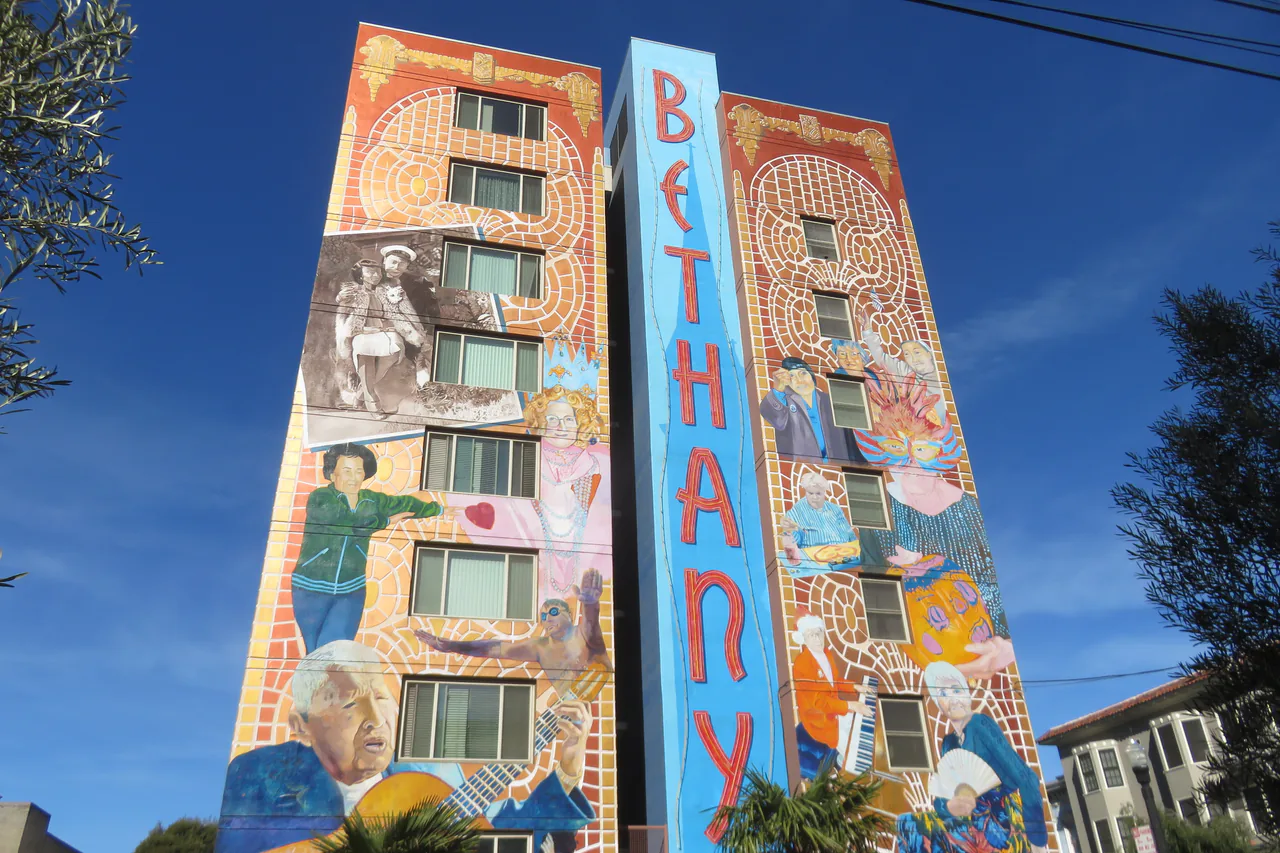
The Mission is the sunniest part of the city and the best eating: taquerias on 24th Street, Balmy Alley and Clarion Alley covered in murals, Dolores Park full of people the moment the sun appears - don’t skip it on a clear afternoon.
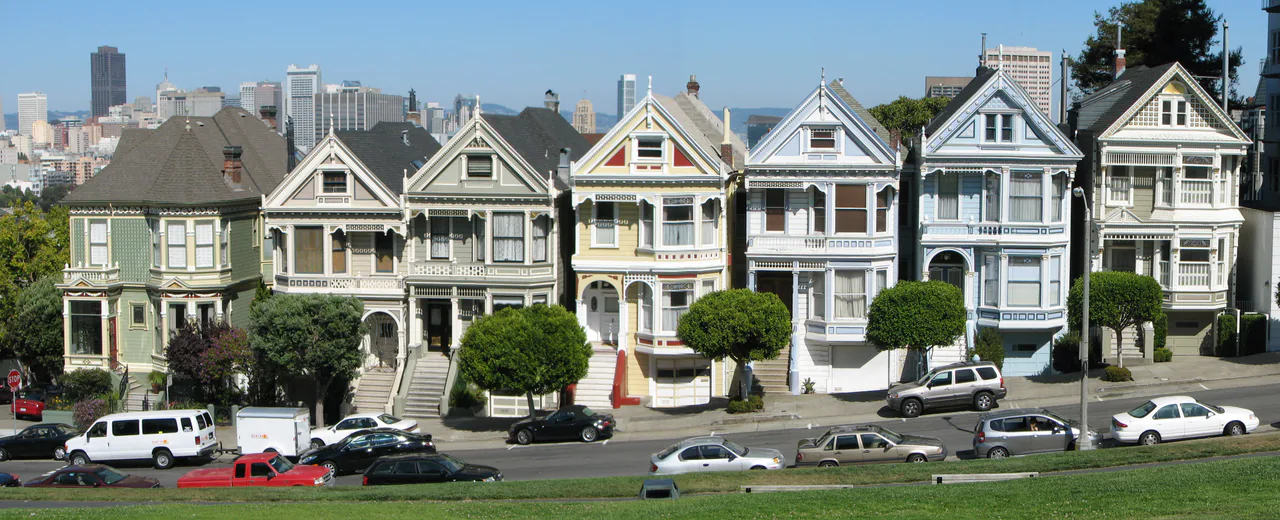
Alamo Square gives you the Painted Ladies, the row of Victorians with the skyline behind them. It’s a photo stop rather than an afternoon, and the light is best late in the day.
Golden Gate Park and the ocean edge
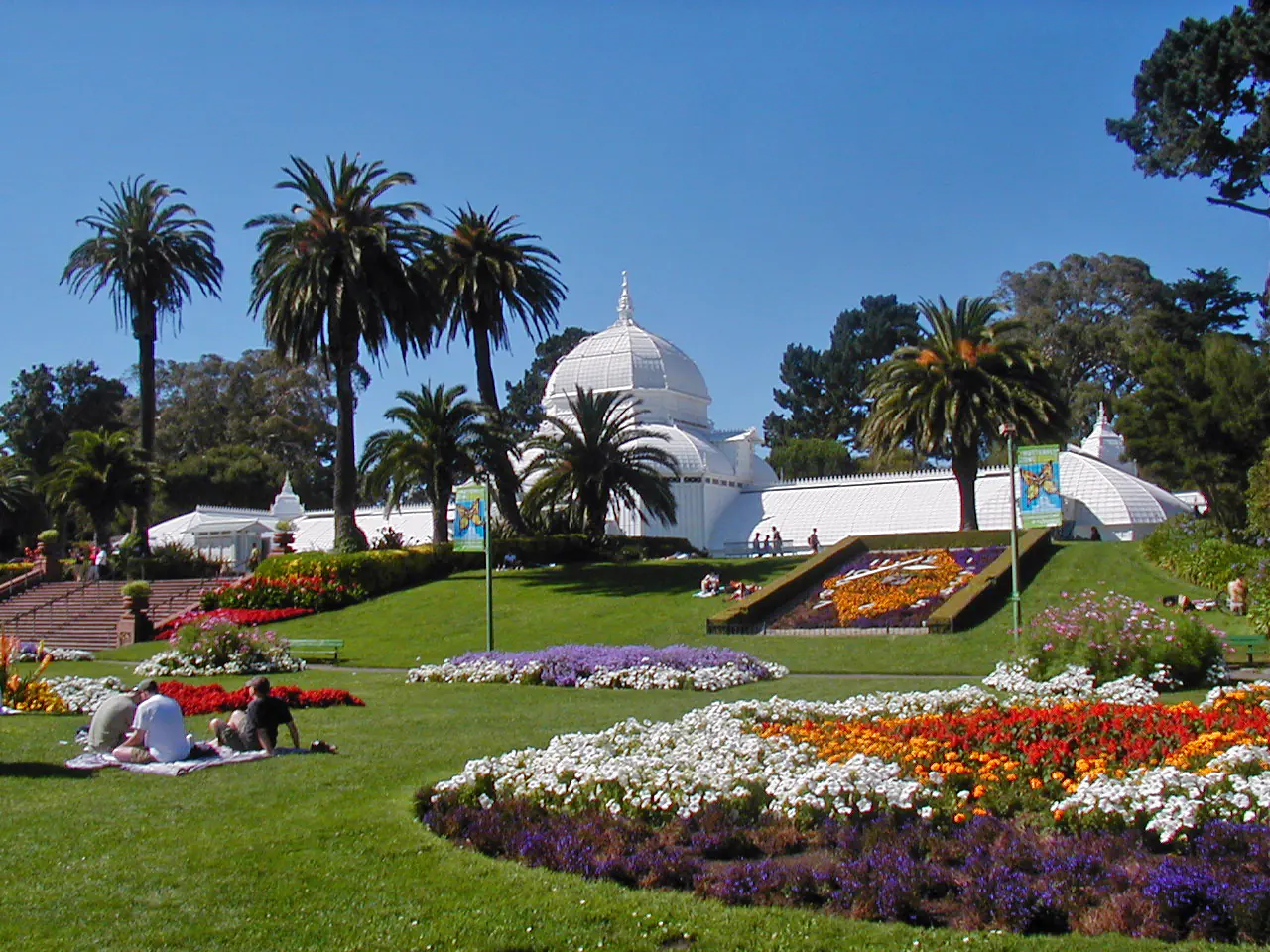
Golden Gate Park is bigger than Central Park, about 1,017 acres of it, and stretches from the Haight all the way to the Pacific. The eastern end has the most: the white timber Conservatory of Flowers, standing since 1879, the de Young museum with its free observation tower, the California Academy of Sciences and the Japanese Tea Garden. You’ll want a bike if you plan to reach the bison paddock and the windmills at the far end.
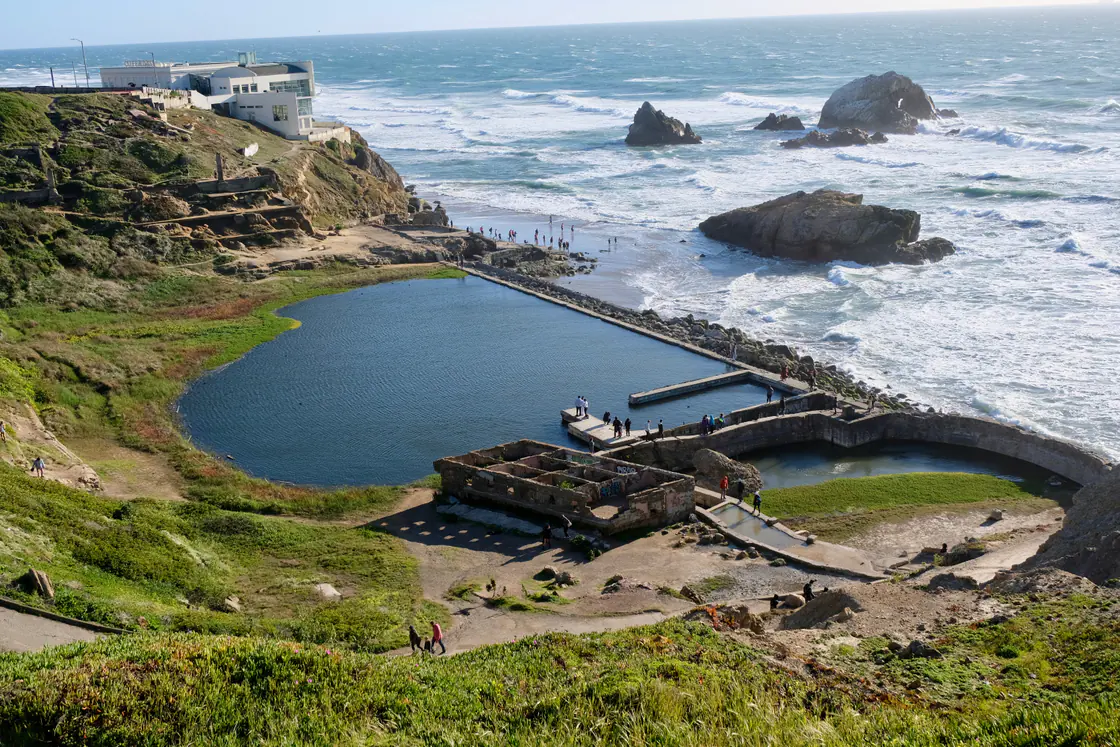
Further north along the coast, Lands End is the walk locals send visitors on: a cliff path through cypress with the bridge appearing between the trees, ending at the concrete ruins of the Sutro Baths, a vast Victorian swimming complex that burned down in 1966. Bring the fleece here too.
Fisherman’s Wharf, honestly
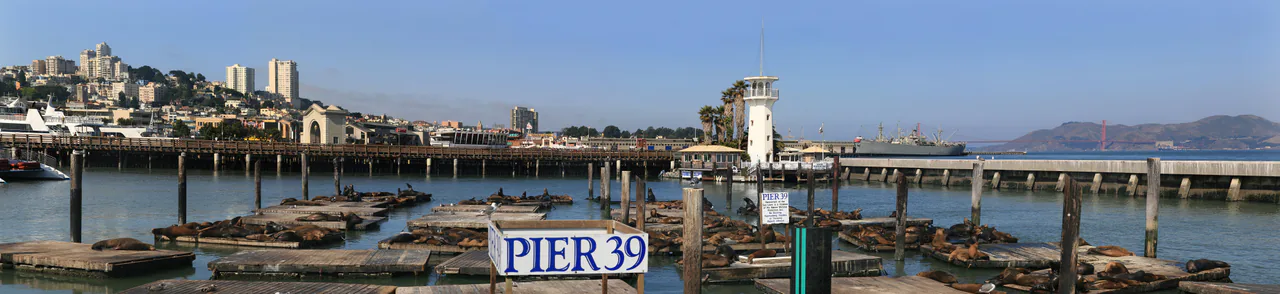
Most of the Wharf is souvenir shops and chowder in bread bowls. What earns the walk: the sea lions that hauled out beside Pier 39 in 1989 and never left, and the Musee Mecanique, a free-to-enter hall of working antique arcade machines that eats quarters and an hour - that’s the honest shortlist.
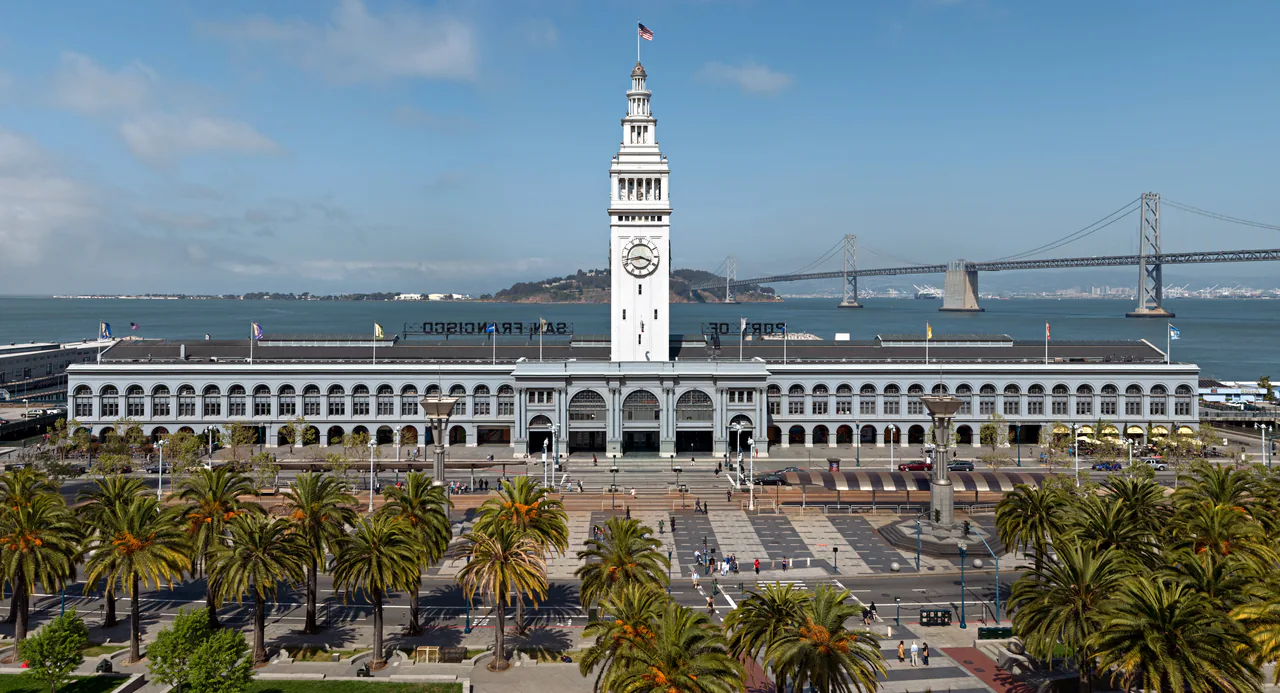
For food on the waterfront, walk 20 minutes east to the Ferry Building instead: an 1898 terminal turned food hall, with a farmers market outside on Saturday mornings that’s a genuine event rather than a tourist re-enactment. Don’t eat only on the Wharf.
Day trips that work
Muir Woods and Sausalito make one good day: reserve the woods for the morning, then drop into Sausalito for lunch and take the ferry back into the Ferry Building, which is the best cheap boat ride on the bay.
Napa and Sonoma are an hour to 90 minutes north; go with a driver or a tour, because tasting rooms and rental cars are a poor combination. Point Reyes is wilder and emptier, an hour and a half up the coast. What doesn’t work is Yosemite: it’s four hours each way, and people who try it as a day trip see a parking lot and a waterfall - you won’t get the park that way.
Getting in from the airports
SFO has a BART station in the International Terminal, reached from the other terminals on the free AirTrain, and trains reach the downtown stations (Embarcadero, Montgomery, Powell, Civic Center) in about 30 minutes for $11.80 one way - a fraction of the roughly $56-62 a metered taxi runs for the same trip, and faster than either option at rush hour. Oakland across the bay is often cheaper to fly into and still workable: BART from Oakland airport puts you downtown in around 40 minutes. Pick up a rental car on the day you leave the city, not the day you arrive, unless your hotel parking is free, which it almost never is.
The AirTrain transfer, the exact BART fare and where taxis and rideshare actually pick up at SFO are covered in full in our SFO to San Francisco guide.
Eating: what the city does best
San Francisco eats well at every price level, and the two things to try first cost under $15. The Mission burrito is the city’s own format, foil-wrapped and heavy enough to count as two meals, best from the taquerias around 24th Street and Mission. Dim sum in Chinatown or out in the Richmond is the other cheap classic, pushed around on trolleys on weekends.
Above that, the local specialties are cioppino, the tomato-and-shellfish stew Italian fishermen invented here, Dungeness crab in the cold months, oysters from Tomales Bay, and sourdough that genuinely tastes different because of the local starter. The Ferry Building and the Mission are the two best places to eat your way through an afternoon; Fisherman’s Wharf is the one to skip.
When to go and what it costs
September and October are the best months, May and June the foggiest, and winter brings the rain but also the lowest hotel rates. Whatever the month, bring layers and expect the temperature to drop 10 degrees when the fog rolls in around 16:00.
Hotels add 14% city tax on top of the rate, and the neighborhood you pick swings the base price and the walk to the cable cars - our guide to where to stay in San Francisco sorts the areas by budget and safety. If you’re pairing the city with the rest of the state, our California travel guide covers the regions, the California in 10 days route starts here before heading to Yosemite, and the Pacific Coast Highway road trip begins on the far side of the bridge.
Read also
- The classic route south: California in 10 days
- The coast drive: Pacific Coast Highway road trip
- The other big city: things to do in Los Angeles
- Browse more US cities and US states
On the map
The map loads on click - to keep the page lightweight.
The map didn’t load. Check your connection and refresh the page.
Read also

Cities · 13 min read
Salt Lake City: Ski Base, Temple Square and the Salt Flats
Verified · August 29, 2026Four ski resorts inside 36 miles of the airport, a temple you cannot enter until 2027, and a salt flat that closes for racing. What to plan around.

Cities · 9 min read
Atlanta: Civil Rights Trail, Aquarium and Southern Food
Verified · August 28, 2026Free MLK park on Auburn Avenue, Civil Rights Center from $26, Georgia Aquarium tickets from $54.99, BeltLine walks and where Southern food still holds up.

Cities · 9 min read
Minneapolis Guide: River, Lakes & the Blue Line
Verified · August 26, 2026A $2 train from MSP, Stone Arch and Minnehaha Falls, Walker on free Thursday nights, and when Mall of America is worth the ride south.

Cities · 12 min read
Savannah Travel Guide: Squares and the Historic District
Verified · August 22, 2026Walk the 22 squares, tour Owens-Thomas honestly, ride the free river ferry, then Bonaventure and Tybee - checked August 2026.