
Where to Stay in San Francisco: Best Areas & Hotels
Union Square, Nob Hill, the Wharf or the Mission? The best areas to stay in San Francisco by budget, with the safety facts you actually need.
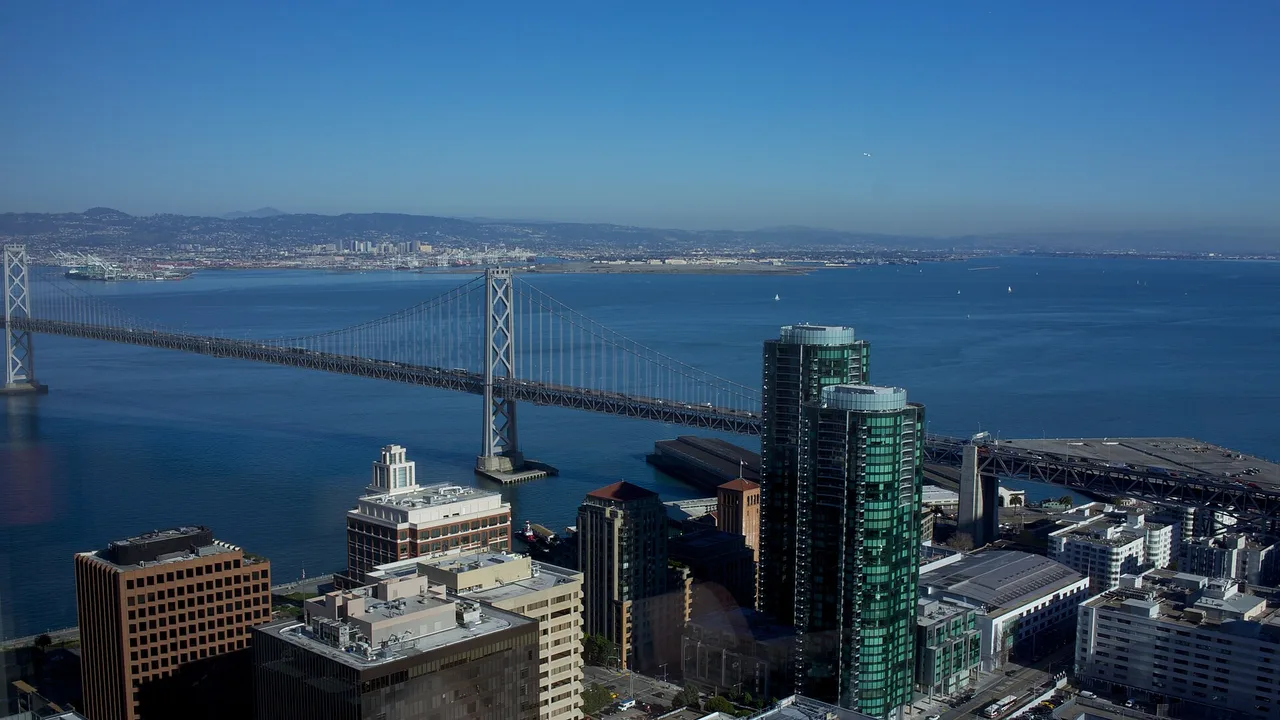
For a first trip, book around Union Square or Nob Hill and you’ll walk to the cable cars, ride BART or Muni anywhere, and never rent a car. That convenience is the safe default, so the real question is what you want to trade it for. Move down to Fisherman’s Wharf and you swap city energy for the bay and easy family logistics. Head out to the Mission and you get the best cheap food, the city’s only reliable sunshine, and lower rates, at the cost of a subway ride to the classic sights.
Two things shape the booking before any neighborhood does. San Francisco is small, about seven miles by seven, so nowhere is truly far, but the hills and the fog make some blocks feel a world apart from others a mile away. And the bill runs higher than the headline rate: the city adds roughly 16% in tax once you fold in the 14% hotel tax and the tourism district assessment, and most downtown hotels charge for parking on top. Book a neighborhood, not a star rating.
Union Square: most central, best transit
Union Square is the default first-timer base for a reason. It has the biggest supply of hotels at every price, the cable car turntable at Powell and Market, BART and Muni Metro running underneath, and the Theater District, Chinatown and the shopping all within a few blocks. If you want to step off the plane, take the train downtown and forget about logistics, this is it.
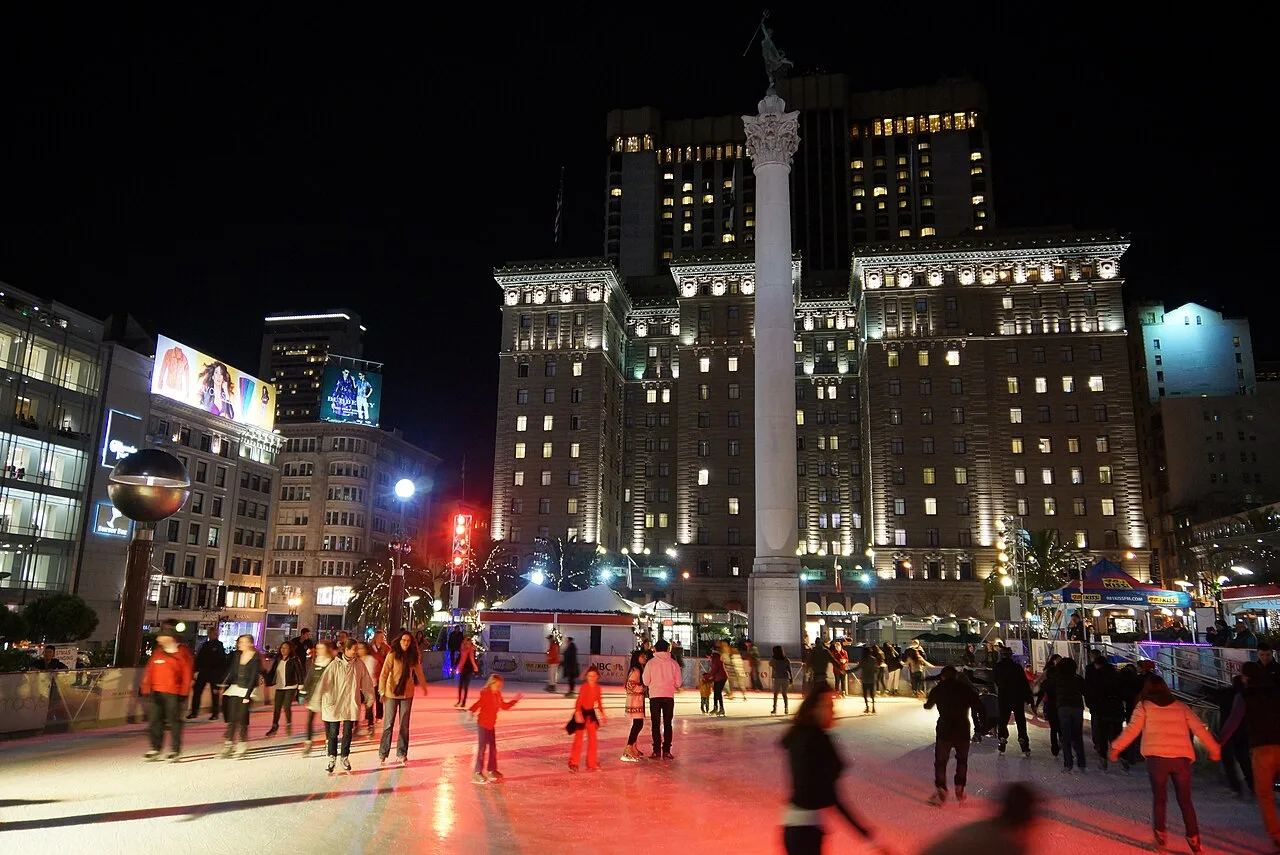
Here’s the catch, and it’s the one thing worth getting right in San Francisco: the Tenderloin sits directly west of the square. Those blocks toward Leavenworth, Turk and Eddy, plus Mid-Market along Market Street between roughly 5th and 7th, have concentrated homelessness and open drug use, and they can feel rough on foot at night. The fix is simple. Book a hotel east of Powell, up toward Post and Sutter, and walk east and north rather than west. Do that and Union Square is central, well-policed and busy in the evening.
Nob Hill: quieter, safer, and the cable cars run through it
Nob Hill is the calmer, classier version of the same central location. It’s an uphill few blocks from Union Square, residential and quiet, with the grand old hotels along the crest and the California Street cable car clanging past the door. It’s consistently rated one of the safest central areas to sleep, and the views down the hills toward the bay are the ones people remember.
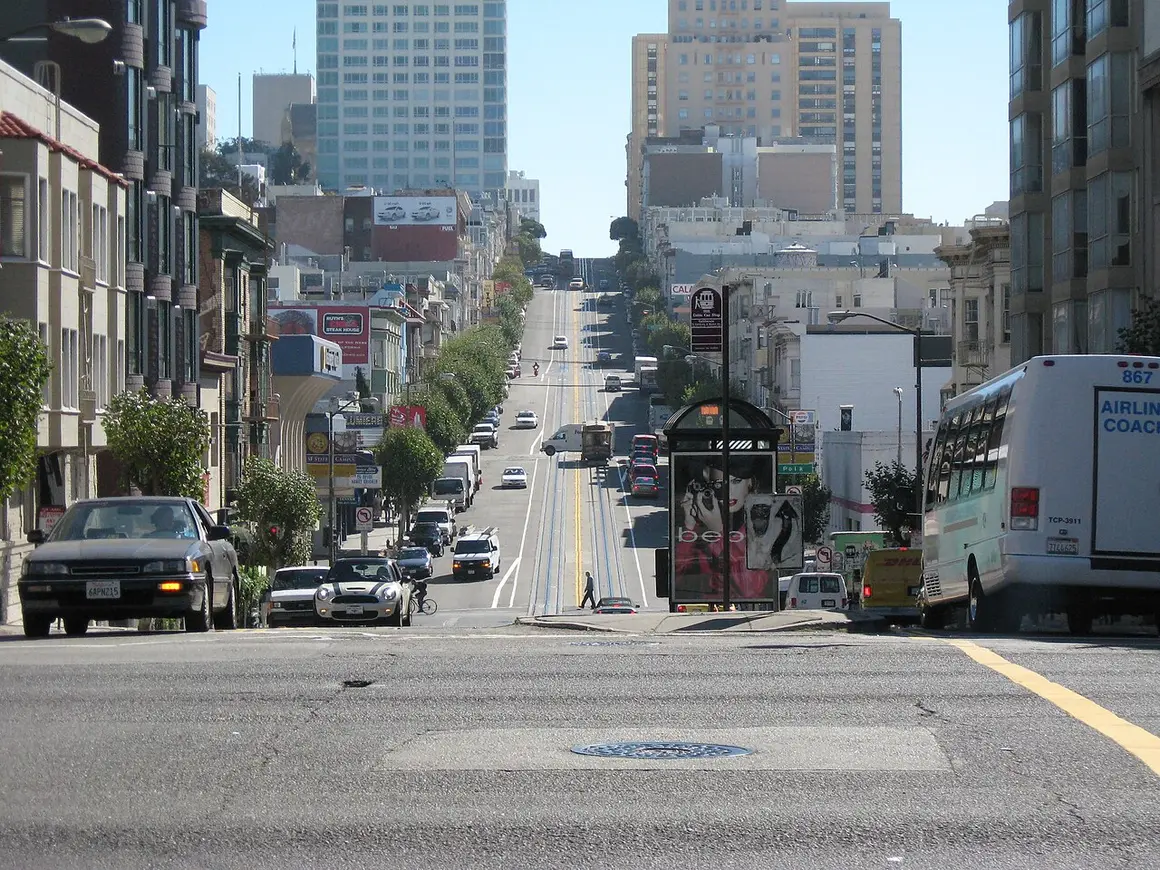
You pay for it. Nob Hill rates run above the Union Square average, and you’re not walking distance from a Metro station, so you’ll lean on the cable car or a short bus ride to reach the trains. For travelers who’d rather come home to a quiet street than a busy one, and don’t mind the climb, it’s the pick.
Fisherman’s Wharf: families and short first visits
The Wharf is the most touristy part of the city, and that’s exactly why it works for some trips. It’s flat, walkable and safe, the sea lions bark at Pier 39, the Alcatraz ferry leaves from Pier 33 a few minutes away, and most of the bay cruises start here. Traveling with kids or squeezing the big sights into two nights, you’ll waste less time based right in the middle of them.
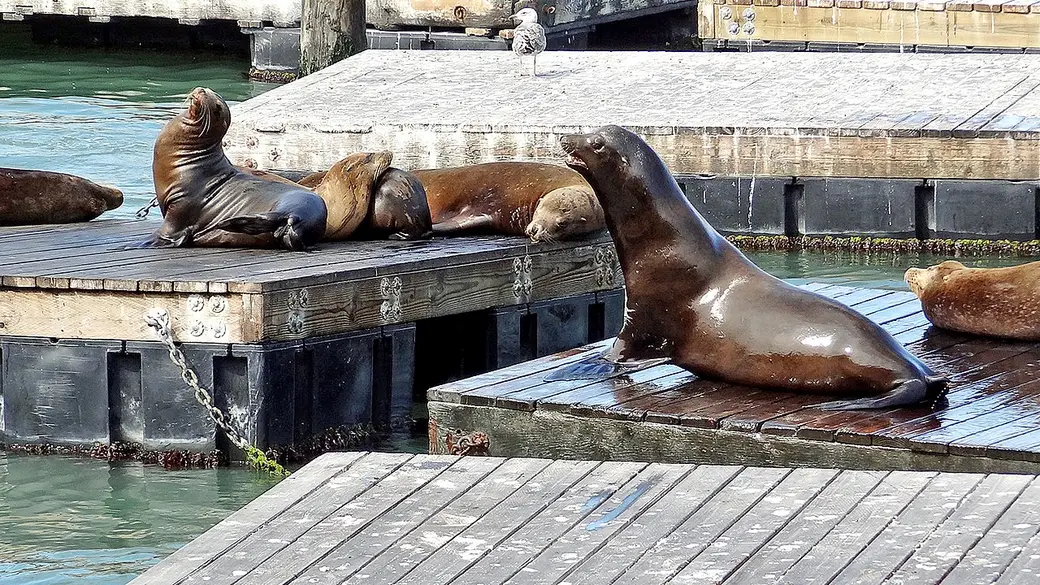
The trade-offs are real. Restaurants here are aimed at visitors and priced accordingly, the area empties out and quiets down after dinner, and downtown is a cable car or streetcar ride rather than a walk. It’s a fine first-trip base, not a place to spend a week.
North Beach: the food-lover’s middle ground
North Beach is where I’d steer anyone who wants character over convenience without giving up either. It sits between downtown and the Wharf, so you can walk to both, and it’s the old Italian quarter, which means the best casual eating in this part of the city, proper coffee, City Lights bookstore and the bars along Columbus and Grant. Coit Tower stands over it all on Telegraph Hill.
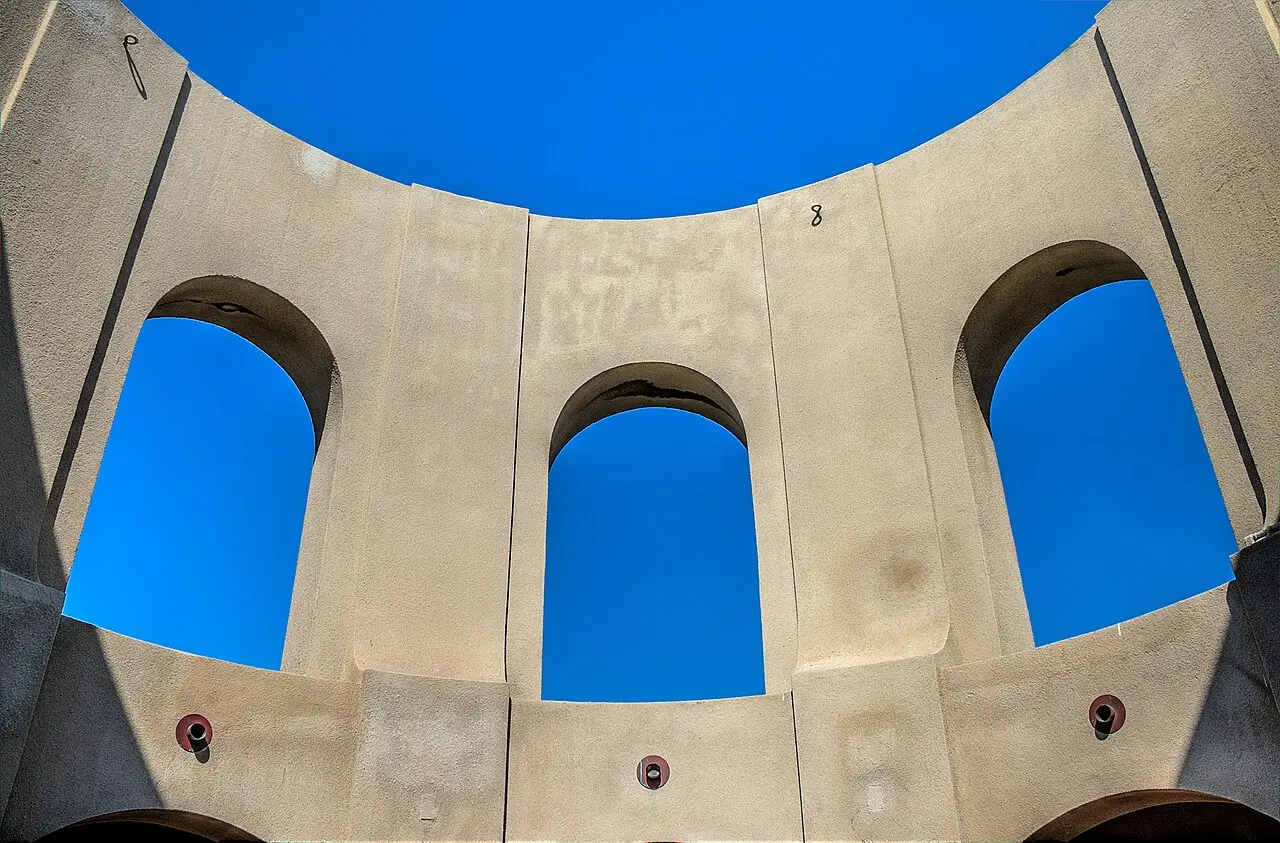
There are fewer big hotels here and more small ones, so book earlier. It suits second-time visitors and anyone who plans their days around dinner rather than museums. For a convention or a Giants game, though, look at SoMa instead: it wraps around the Moscone Center, Oracle Park and the Embarcadero BART, and it’s fine near the ballpark and the waterfront, if grittier toward 6th Street and Mid-Market.
The Marina and Cow Hollow: quiet, green, near the Golden Gate
The Marina and neighboring Cow Hollow are residential, safe and leafy, close to the Palace of Fine Arts, Crissy Field and the Golden Gate Bridge, with good shopping and brunch along Chestnut and Union Streets. If your trip leans toward the waterfront and the bridge rather than downtown, and you want a calm base, this is the pleasant end of town.
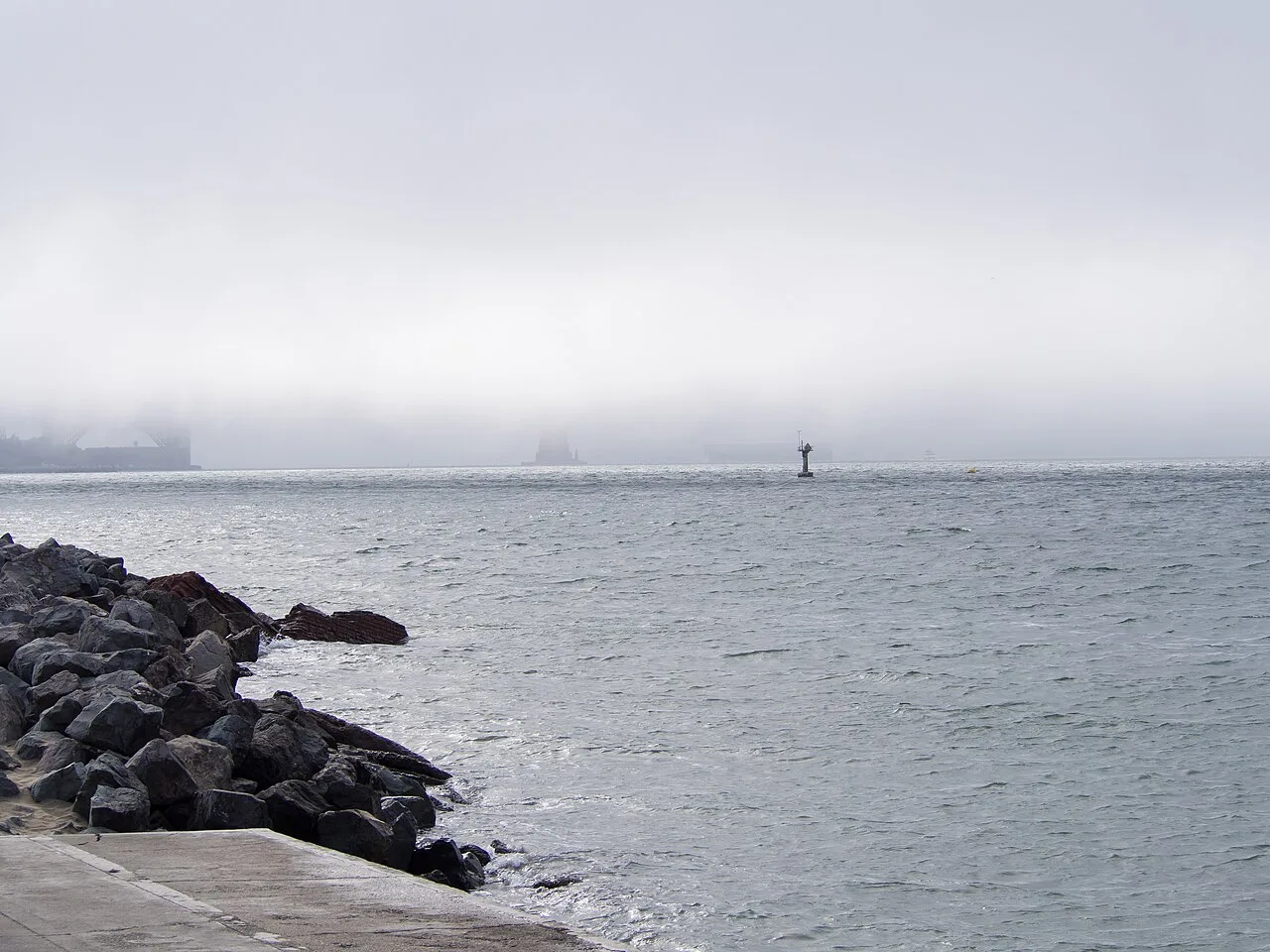
The catch is transit. There’s no BART or Metro station out here, so reaching downtown means a bus down Van Ness or a rideshare. It works best if you’re happy with a slower pace, or you’ve got a car for day trips out to Muir Woods and the coast.
The Mission: the sunniest district and the best cheap food
The Mission is the value pick, and it comes with a bonus the guidebooks undersell: it sits outside the fog belt, so while the Wharf is gray and cold in July, the Mission is often the one sunny corner of the city. It has the best and most varied cheap eating in San Francisco, the taquerias and the murals, Dolores Park on a clear afternoon, and hotel and guesthouse rates well under the downtown average. Two BART stations, 16th and 24th, put you a few minutes from downtown.
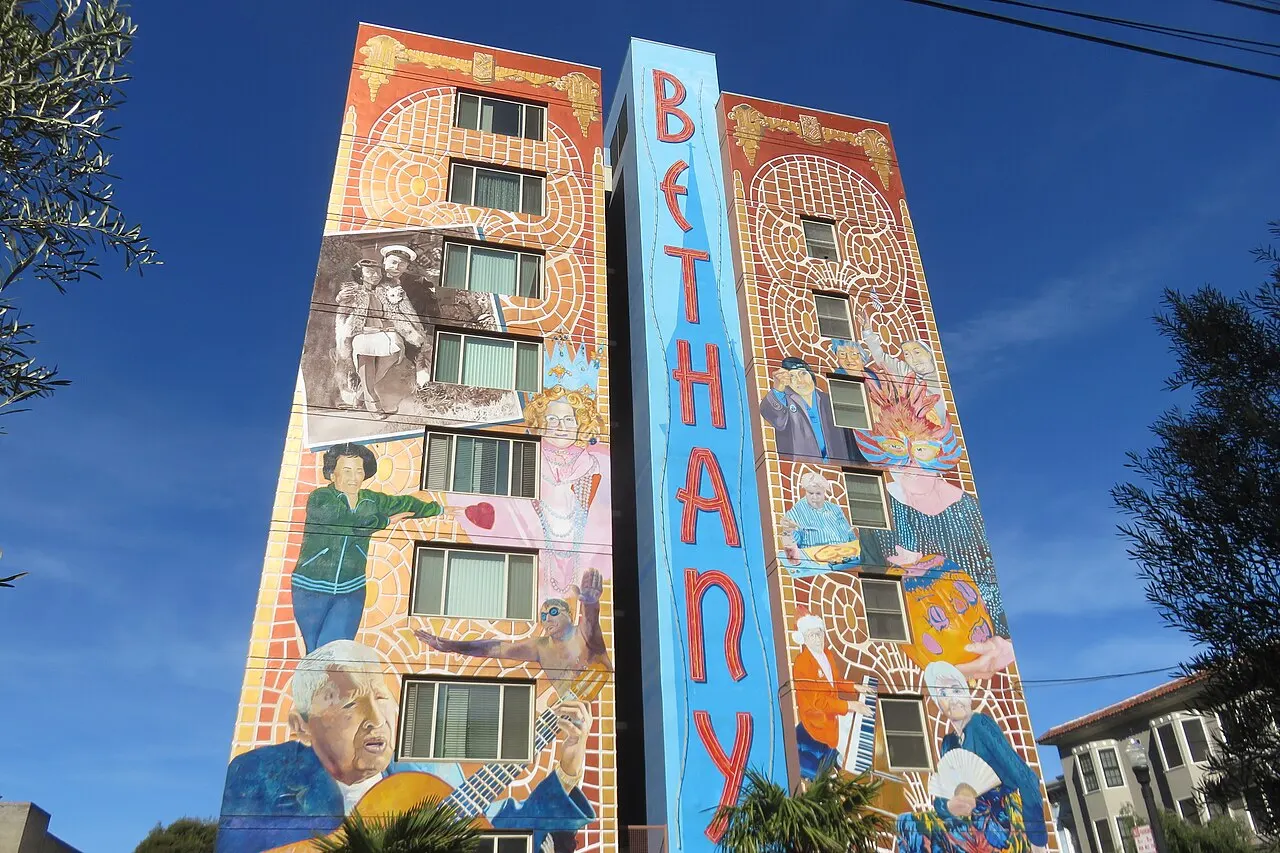
It isn’t polished and it isn’t central, and a couple of blocks near the BART plazas can feel edgy after dark, the same way parts of any real city do. What it is: sunny, cheap, full of food, and a straight ride into town. For a second visit, a longer stay or a tight budget, it’s the smart base.
What it costs, and how to book
Two numbers do most of the work. First, tax: budget about 16% on top of the room rate once you add the 14% hotel tax and the roughly 2% tourism district assessment, plus parking if you drive. Second, season: downtown averages swing from around $110 a night in December to close to $290 in June, and the spikes line up with big conventions at Moscone rather than with summer, so a random Tuesday in October can cost more than a July weekend. Check your dates against the convention calendar before you assume summer is peak.
The booking habit that pays off here is comparing two neighborhoods on the same nights rather than two hotels in one, because the area premium usually outweighs the hotel one. Once your dates are set, compare San Francisco hotels by neighborhood and check what parking and any resort fee add before you commit.
Getting around without a car
You don’t need a car in San Francisco, and it’s often a liability: parking is expensive and car break-ins are common enough that the rule is to leave nothing visible and use a garage. From the airport, BART reaches the four downtown stations in about 30 minutes for $11.80, which beats a $60-plus cab in traffic. Around town, Muni buses and Metro cost $2.85 a ride, the cable cars are $9 (worth it once for the ride, not as daily transit), and a Clipper card ties all of it together. Save the rental for day trips to Muir Woods, the wine country or down the coast.
So: first trip, keep it central and safe around Union Square or Nob Hill. Family or a short bay-focused stop, take the Wharf. Food, sun and a lighter bill, the Mission. Get the neighborhood right and San Francisco is one of the easiest big American cities to visit without a car.
Read also
- Plan the days: things to do in San Francisco
- Compare another California base: where to stay in Los Angeles
- Further up the coast: where to stay in Seattle
- Fit the city into a trip: California in 10 days
- Browse more US cities and the California guide
On the map
The map loads on click - to keep the page lightweight.
The map didn’t load. Check your connection and refresh the page.
Admission and opening hours
- Admission price
- Indicative 2026 nightly rates, always check current prices: hostel dorm from roughly $40-70; simple double in the outer neighborhoods about $130-180; mid-range hotel around Union Square or Nob Hill about $180-280; 4-star downtown from about $300. Downtown averages swing from roughly $110 in December to close to $290 in June.
Rates are indicative and move sharply by season and by convention schedule - June and September are the expensive months, December the cheapest. Taxes add about 14% city hotel tax plus a roughly 2% tourism district assessment, so budget around 16% on top of the room rate.
Details checked: July 26, 2026
Read also

Before you go · 9 min read
New England Fall Foliage: When and Where to Go
Verified · August 27, 2026Yankee's 2026 forecast, peak windows by state and how to chase color from Vermont's Northeast Kingdom to the NH coast without betting on one weekend.

Before you go · 9 min read
Which Hawaiian Island: Oahu, Maui, Kauai or Big Island
Verified · August 24, 2026Pick one Hawaiian island for a week: Oahu for city and surf, Maui for beaches and Haleakala, Kauai for scenery, Big Island for volcanoes.

Before you go · 11 min read
Where to Stay in Phoenix: Downtown, Scottsdale or Tempe
Verified · August 18, 2026Free Sky Train, then $2 light rail into downtown. Scottsdale is the resort city; Tempe is ASU next door. Phoenix hotel tax is 13.07%.

Before you go · 11 min read
Global Entry and TSA PreCheck for Visitors
Verified · August 15, 2026Global Entry is $120 for five years and closed to most EU passports. TSA PreCheck is $85 or less, and only US citizens and LPRs can buy it.